Best port cellar with fado show in Gaia — honest comparison
Porto: Fado in Porto Calem Wine Porto Cellars Visit
Which Gaia cellar has the best fado show with port tasting?
Cálem is the most accessible: professional show, port tasting, and cellar tour in one 90-minute package at around €20. Fonseca's fado dinner is more intimate and includes a proper dinner, better for an evening event. The quality of fado at both is professionally performed — neither is a spontaneous casa de fado, but both are genuine introductions to the music.
Port wine and fado — why they go together
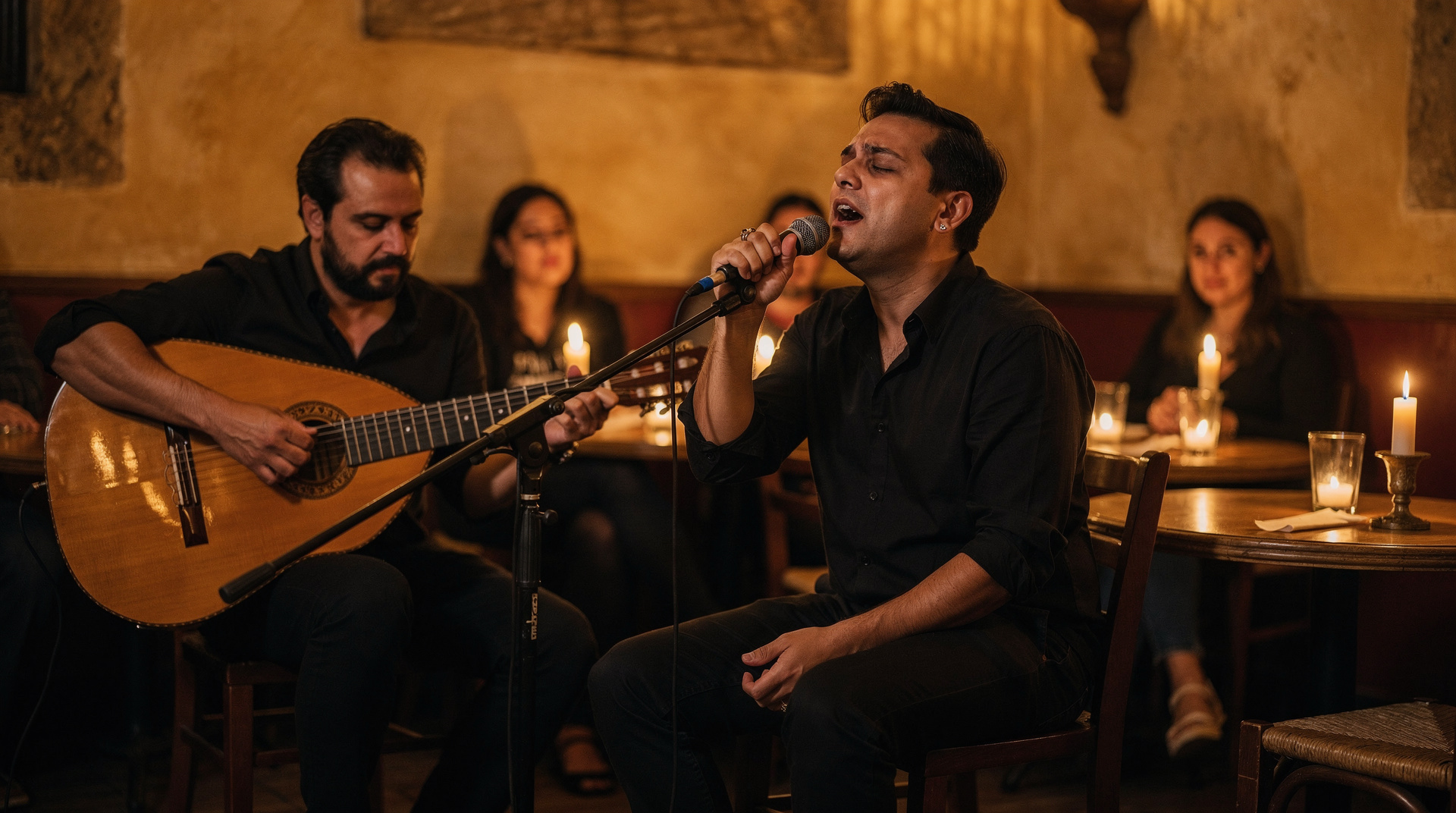
Fado and port wine are Portugal’s two most internationally recognised cultural exports. Both carry a particular emotional quality — saudade, the untranslatable Portuguese concept of longing or wistful nostalgia — that makes them natural companions. The Gaia cellars that have combined both understand this at an intuitive level: tasting aged port in a barrel warehouse while a fadista sings against a backdrop of oak casks creates an atmosphere that neither activity achieves alone.
Not all the combinations are equally good. This guide assesses every cellar-fado option in Gaia honestly, then helps you choose based on what you actually want from the experience.
| Where | Vila Nova de Gaia, across the river from Ribeira |
| Cost | Cálem ~€20 (afternoon); Fonseca ~€50–70 (evening dinner) |
| Time needed | Cálem 60–90 min; Fonseca a full evening (2–3 hrs) |
| Getting there | Walk across Ponte Dom Luís I from Ribeira, or the Gaia cable car |
| Best time | Weekday mornings/early afternoons for smaller groups at Cálem |
Cálem vs Fonseca compared:
| Cálem | Fonseca | |
|---|---|---|
| Price | ~€19–22 | ~€50–70 |
| Format | Cellar tour + 30-min show + tasting | Cellar visit + dinner + fado |
| Group size | 60–80 | 20–30 |
| Best for | First-time afternoon visit | Special evening occasion |
The options in Gaia
Cálem — the standard-setter
Price: ~€19–22 for cellar visit, fado show and tasting Format: Guided cellar tour (30 min) + fado performance (30 min) + tasting (15–20 min) Group size: Up to 60–80 visitors per session
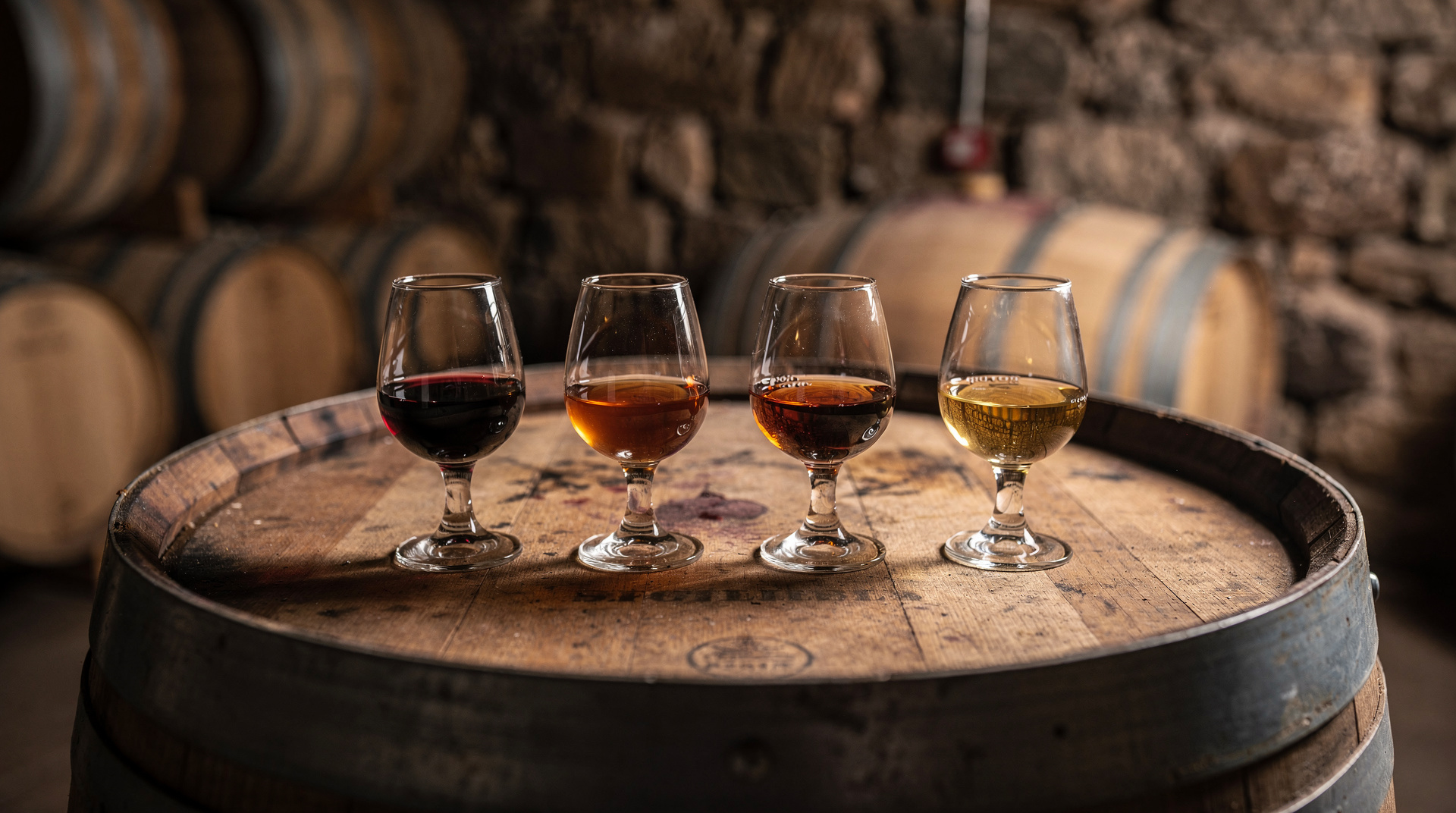
Cálem is the cellar that made the combined fado-and-port format into a Gaia institution. It receives more visitors per year than any other Gaia lodge, and the fado package is the primary reason. The formula works because it genuinely combines three things — wine education, fado culture, and a port tasting — in a single 90-minute visit at a price that makes sense for a first-time visitor.
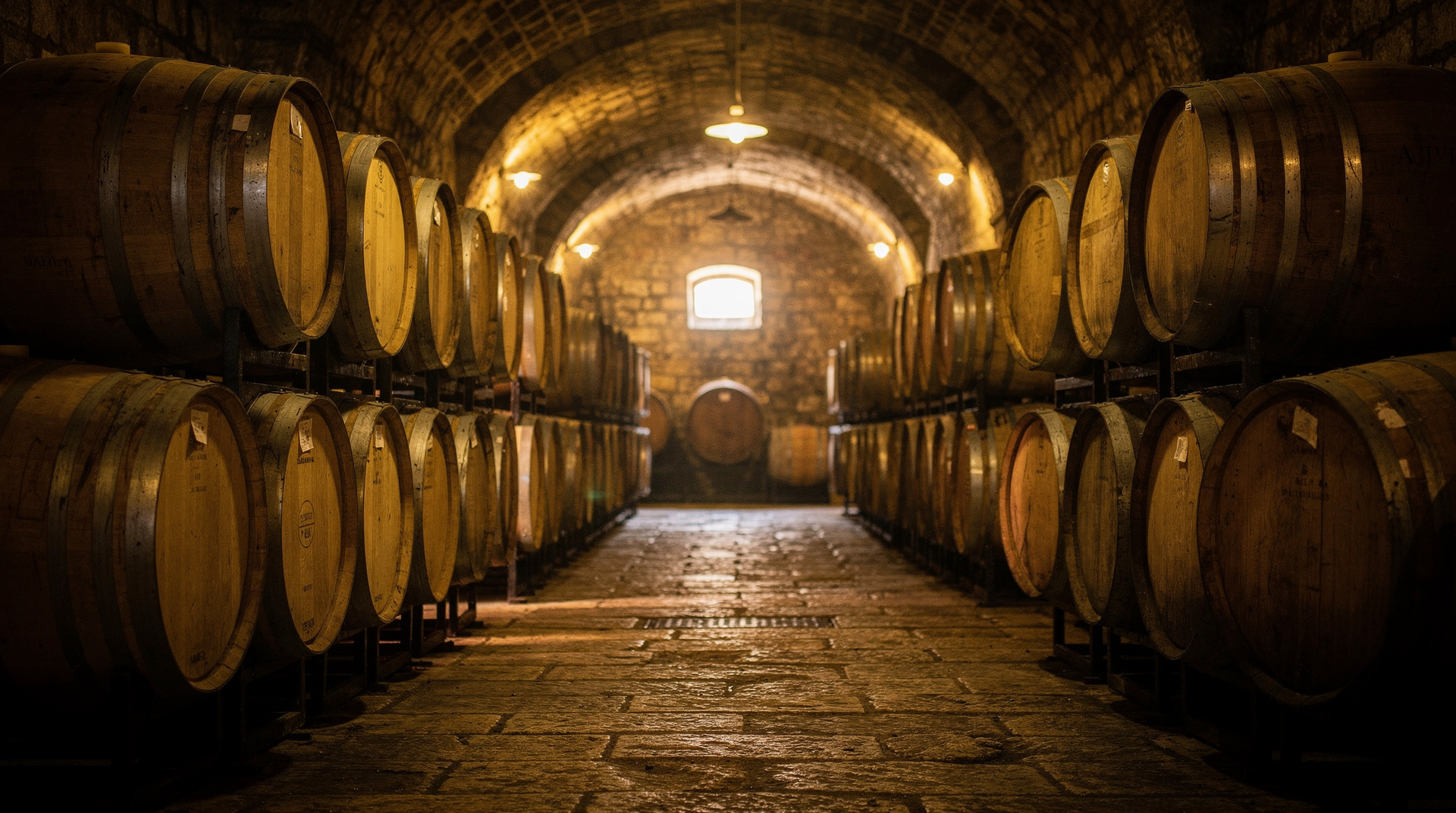
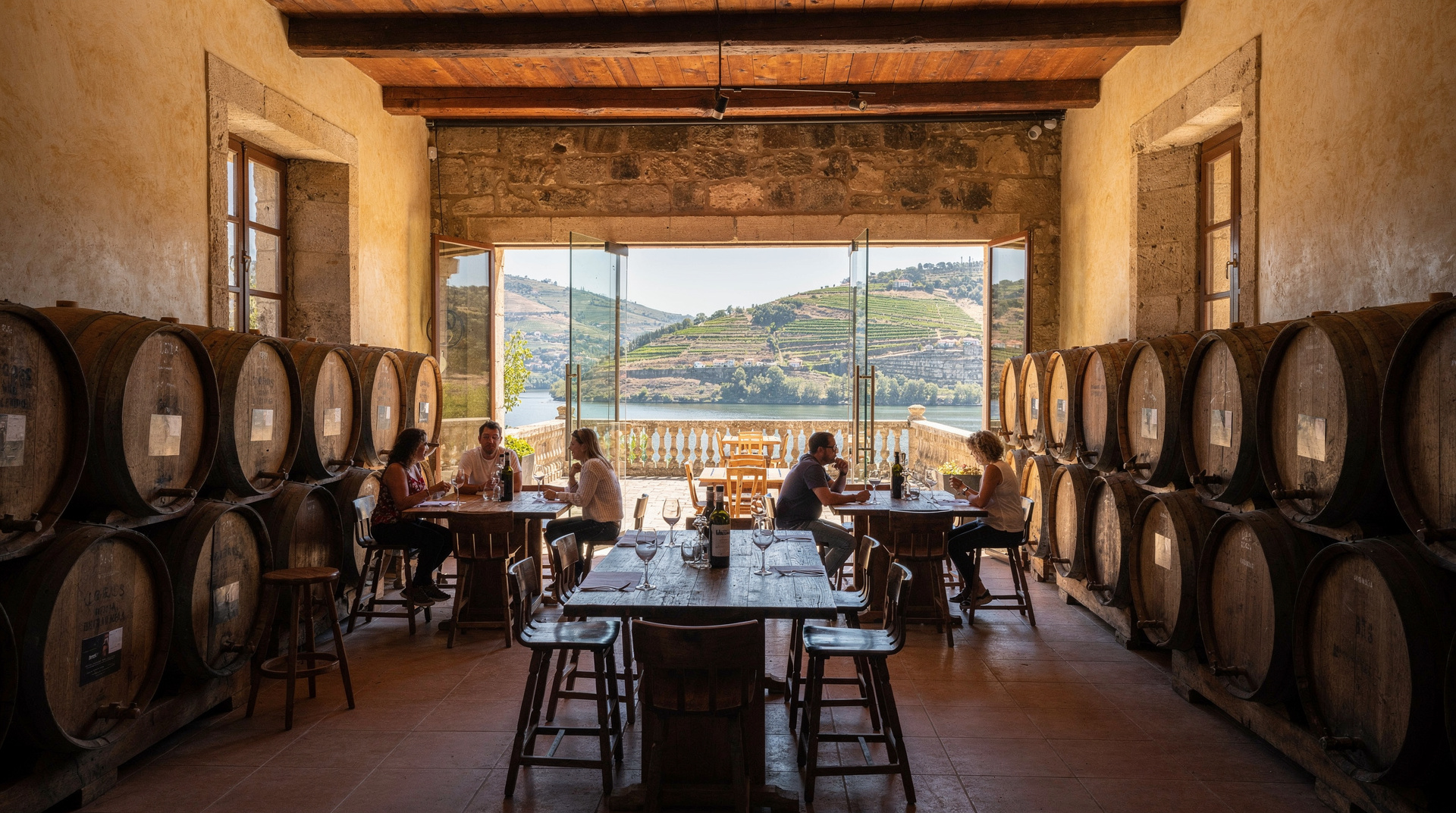
The fado show takes place in the main barrel hall — a large stone space with rows of oak pipes as backdrop. The performance uses this setting well: the acoustics are decent, the visual backdrop of the casks adds atmosphere, and the combination of 19th-century industrial architecture and live Portuguese music is genuinely evocative.
The performers are professional trained musicians, not amateur or student performers. The repertoire draws heavily on classic fado standards (songs associated with Amália Rodrigues, Carlos do Carmo, and others from the fado canon) and is appropriate for an international audience encountering the music for the first time.
The limitation is scale. Cálem processes large numbers of visitors, and at peak times (July–August weekends) the show can feel like a tourist performance rather than a musical event. The largest sessions run with 60–80 visitors in the barrel hall, which dilutes the intimacy that makes fado most powerful. Off-peak timing — weekday mornings in spring or autumn — gives smaller groups and a more genuine atmosphere.
Book the Cálem fado and tasting on GetYourGuideFor more detail on the Cálem visit experience beyond the fado component, the Cálem cellar experience guide covers the full visit format.
Fonseca — the intimate evening alternative
Price: ~€50–70 per person for cellar visit, fado performance and dinner Format: Cellar visit + fado performance + three-course dinner with port pairings Group size: Typically 20–30 visitors maximum
Fonseca is owned by the Fladgate Partnership (same family as Taylor’s) and operates a smaller, quieter lodge than the major Gaia visitor sites. The fado and dinner format positions itself clearly as an evening event rather than an afternoon activity — it is designed as a memorable dinner experience with fado and port as the framing, not as a wine education visit with music added.
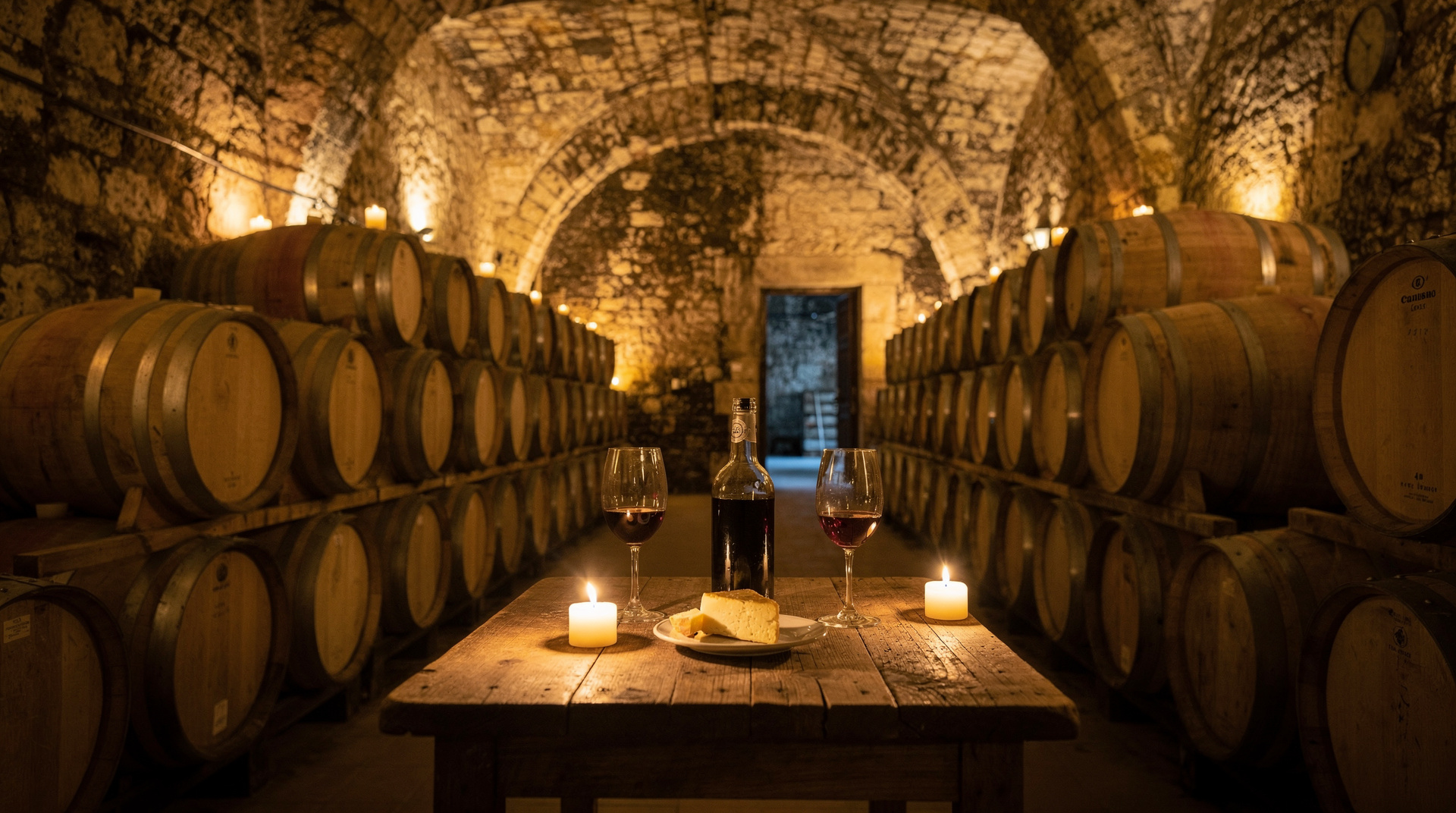
The dinner component is the key differentiator from Cálem. A proper three-course meal (typically traditional Portuguese dishes: caldo verde, bacalhau preparation, grilled fish or meat, with port wine pairings throughout) accompanies the fado performance. The music is integrated into the dinner rather than delivered as a separate preceding or following show.
The group size is smaller — typically 20–30 versus Cálem’s 60–80 — which makes the fado performance more intimate. Performers are professional musicians; the repertoire and format are similar to Cálem in quality but the setting is quieter.
For a special occasion: Fonseca’s format is clearly better than Cálem for a birthday, anniversary, or genuinely special evening. The combination of dinner, wine pairings, and live fado in a small cellar space is a complete evening that justifies the higher price for those situations.
For a first-timer on a normal afternoon: Cálem at €20 is more appropriate.
Book the Fonseca fado dinner experience on GetYourGuidePorto walking tour with fado show
Some guided Porto walking tours include a fado component — either a brief performance at a Gaia cellar or a dedicated visit to a fado venue in the city center. The walking tour format is worth considering if you want fado as part of a broader city introduction rather than as a standalone cellar activity.
The Porto walking tour with fado show typically combines a guided city walk covering Porto’s main historic sites with an evening fado performance — a useful format for visitors who want context for the city before focusing specifically on wine and port culture.
Trade-off: A walking tour gives broader Porto context; a Cálem visit gives deeper port wine context. Choose based on where your priority lies for that particular afternoon.
What makes a good fado show in a cellar context
Not all cellar fado shows are equally worth the time. These are the criteria that distinguish a genuinely good cellar fado experience from a tourist performance exercise:
Performer quality: Are the musicians trained? Are they playing a genuine guitarra portuguesa (twelve-string, pear-shaped, with a distinctive metallic timbre) or an approximation? Cálem and Fonseca both use professional musicians with proper instrumentation.
Repertoire: Classic fado canon (Amália Rodrigues, Carlos do Carmo) is appropriate and accessible. Shows that lean too heavily on contemporary Portuguese pop presented as fado are a dilution. Ask locals or check reviews for feedback on specific performers.
Setting: The barrel hall at Cálem is acoustically suited to fado. The stone walls and wood casks absorb sound well, preventing excessive reverberation. Purpose-built shows in rooms not designed for performance can sound hollow.
Group size: Fewer than 40 creates a genuinely intimate atmosphere. Over 60 and the show starts to feel like a stadium event in miniature. Weekend peak-season Cálem visits frequently run with 70+ visitors; the same visit on a Tuesday morning in October might have 15.
Integration with the wine: The best combined experiences structure the fado and the tasting so each reinforces the other. The wine flavours deepen the emotional context of the music; the music adds atmosphere that makes the wine more meaningful. Poor execution sequences them with no connection — wine first, then music, with no thematic link.
Fado beyond the cellars in Porto
If you want to experience fado in a more traditionally serious context after the cellar introduction, Porto has several options:
Café Concerto: A fado house in central Porto with evening performances accompanying dinner. The atmosphere is more artistically serious than the cellar format — smaller tables, quieter room, performers who are doing this as their primary musical work rather than as a tourist-facing side activity. Book in advance.
Solar do Vinho do Porto: The Instituto do Vinho do Porto runs this wine bar in Massarelos with a broad port wine selection. Occasional fado evenings are programmed here — worth checking if you want to combine serious port wine drinking with live music in a non-cellar context.
Fado in a restaurant: Several Porto restaurants in the Ribeira and Cedofeita areas host live fado nights (typically one or two evenings per week). The format is a dinner during which a fadista performs between courses — a pleasant combination but less focused than a dedicated fado house.
Dedicated fado houses: Porto has a growing fado scene that is distinct from Lisbon’s. Some Bonfim and Cedofeita venues host weekly fado nights that are local rather than tourist-oriented. Asking at your hotel or checking local listings apps (Timeout Porto, Zomato) gives better current information than any printed guide.
How to choose between the options
You want a first encounter with fado and port wine together, at a fair price: Cálem. The 90-minute format covers both efficiently and the price is right. Book in advance for July and August; walk in at other times.
You want a special evening event with dinner and fado as the centrepiece: Fonseca’s fado dinner. More expensive but genuinely comprehensive as an evening event.
You want city context alongside fado: Porto walking tour with fado show. Covers city history and introduces fado in a broader cultural frame.
You want fado in a serious artistic context after the cellar introduction: Find a dedicated fado house or restaurant night rather than returning to a cellar format. The cellar fado is an introduction; the house fado is the full experience.
You want the best port tasting regardless of fado: Taylor’s or Graham’s. Neither includes fado but both deliver wines that the fado-focused cellars cannot match at their standard tiers. The comparison guide covers those options, and the types of port wine explained guide helps you understand what you are tasting either way.
Why the cellars, specifically, became fado venues
The pairing of fado and port wine cellars in Gaia is a relatively modern commercial development rather than a historic tradition — worth understanding so you approach the format with accurate expectations. Fado itself emerged in Lisbon in the early 19th century, associated with the docks, sailors and the working-class Alfama and Mouraria neighbourhoods; Porto developed its own, distinct fado tradition somewhat later, rooted in the Bonfim dock-working district rather than the wine trade.
The port lodges of Gaia, meanwhile, have hosted visitors since the 19th century, when British and Portuguese shipping families opened their warehouses to buyers and dignitaries touring the wine trade. The formal combination of a cellar tour, a tasting and a staged fado performance as a single ticketed product is a 20th and 21st-century tourism innovation — Cálem in particular built its modern visitor programme around this format from the 1990s onward, recognising that international visitors wanted an efficient, atmospheric introduction to both traditions in one visit.
This history matters for expectations: you are not watching fado in its original social context, and the “traditional” feel of the barrel hall performance is a curated experience rather than an inherited one. That does not make it inauthentic — the musicians are real, the repertoire is genuine, and the emotional impact of the music is unaffected by the setting’s commercial origins. But visitors looking for the historically rooted, unstaged version of fado should look toward Casa da Mariquinhas or a dedicated fado house rather than the cellar format, and treat the Gaia cellar shows for what they honestly are: a well-executed modern tourism product built on two genuine Portuguese traditions.
Practical tips for the fado cellar visit
Timing: For Cálem, the show times are posted on the website. For the most atmospheric visit, choose a late morning slot on a weekday (smaller group) or an early evening slot for the best light in the barrel hall.
Language: Shows at Cálem and Fonseca are conducted in Portuguese with English translation for the cellar tour and brief context-setting before the music. The fado itself is performed in Portuguese without translation — this is standard and not a limitation.
Photography: Photography during the performance is usually permitted. Flash photography is discouraged. The barrel hall at Cálem provides a photogenic setting; bring your camera but use it without flash during the performance itself.
Dress: No dress code for the afternoon Cálem visit. Fonseca’s dinner format is slightly more formal without requiring smart attire — casual-smart clothing (what you’d wear to a good restaurant) is appropriate.
Frequently asked questions about cellar fado in Gaia
Is fado performed every day at Cálem?
Yes — Cálem operates fado shows daily throughout the year, with multiple performances per day. During peak tourist season (June–September), shows run continuously every 90 minutes from mid-morning to early evening. In the low season (November–February), the schedule is reduced to two or three performances per day on most days; check the current schedule when booking.
How does the Cálem fado compare to seeing fado in Lisbon?
Lisbon is the historic home of traditional fado and has a deeper and more developed fado scene than Porto — the Alfama district has dozens of dedicated fado houses with nightly performances. Porto’s fado tradition is distinct and less internationally recognised, but it is genuine. The Cálem format gives a good introduction to fado music regardless of whether you are visiting Porto or Lisbon. If you are doing both cities, see fado in Lisbon at a proper fado house for the full experience; use the Cálem format as a pre-introduction.
Can I book the Cálem visit for a large group?
Yes — Cálem accepts group bookings with dedicated guides and occasionally reserved sections of the barrel hall for larger parties. Contact Cálem directly for group pricing (typically above 15 people). GYG handles individual bookings; group rates are arranged directly with the lodge.
What is the best seat at the Cálem fado show?
The barrel hall has standing viewing and some seating along the sides. Arriving slightly early gives you a better position near the centre rather than at the edges of the hall. The performers move through the space rather than remaining stationary, so there is no single optimal position. Central, slightly elevated positions on the side seating have the best sightlines.
For a broader survey of Porto’s fado scene beyond the Gaia cellars, see the best fado shows in Porto guide, and for background on the port houses themselves, the best port wine cellars in Gaia guide.
Frequently asked questions — Best port cellar with fado show in Gaia — honest comparison
Is fado at a port cellar authentic?
It is professionally performed fado — trained musicians playing genuine repertoire in an unusual setting. It is not a spontaneous late-night performance in a small casa de fado in Lisbon's Alfama or Porto's Bairro. Both are forms of authentic fado; they serve different purposes. The cellar setting adds atmosphere; the performance format is structured for tourists rather than for devotees of the art form. For a first encounter with fado, a cellar show is a perfectly genuine introduction.Does Taylor's or Graham's include fado?
No — neither Taylor's nor Graham's includes fado in any of their standard tasting formats. For port wine quality at the premium tier, Taylor's and Graham's are the right choice. For port tasting combined with fado, the options are Cálem (for an afternoon visit) or Fonseca (for an evening event). These are complementary rather than competing experiences.How long is the fado show at Cálem?
Approximately 30 minutes. The full Cálem visit runs 60–90 minutes: 30 minutes of cellar tour, 30 minutes of fado performance, 15–20 minutes of port tasting. Additional time can be spent at the tasting bar after the structured portion ends.What language is fado performed in?
Fado is performed in Portuguese. The lyrics are not translated during the performance, but the emotional content of fado — longing, loss, the sea, love — communicates clearly without language comprehension. Most visitors who don't speak Portuguese report that the music is emotionally accessible regardless of whether they understand the words.Are there other places in Porto to see fado outside the cellars?
Yes — Porto has a fado tradition separate from Lisbon's. Some restaurants in the Ribeira and Cedofeita areas host live fado evenings. The Solar do Vinho do Porto in Massarelos has occasional fado events. A dedicated fado restaurant dinner — where the music is the centrepiece of the evening rather than a component of a wine tour — is a different and more artistically serious experience than the cellar format.Is the Fonseca fado dinner worth the higher price compared to Cálem?
For a special evening rather than an afternoon activity, yes. Fonseca's format includes a proper dinner (three courses with wine pairings) alongside the fado performance and port tasting — a comprehensive evening event at approximately €50–70 per person. Cálem at €20 is the better choice for an afternoon visit; Fonseca's dinner format is the better choice for a memorable evening.Can I visit Cálem for the port wine alone without watching the fado show?
Cálem also sells standard cellar-and-tasting tickets without the fado component, usually at a slightly lower price. If fado is not a priority, the Cálem cellar experience guide covers the standard visit format, which runs more frequently throughout the day than the fado-inclusive sessions.
Top experiences
Bookable activities with verified prices and instant confirmation on GetYourGuide.