Vila Nova de Gaia — the port wine capital across the river
Complete guide to Vila Nova de Gaia: which port cellars are worth visiting, how to get there, what to eat, and the honest truth about the tourist traps.
Vila Nova de Gaia: Taylor S Port Cellars Tasting in Porto
Quick facts
- Best for
- Port wine tastings, river views, escaping Ribeira prices
- Typical visit
- Half day to full day
- From Porto centre
- Walk across Ponte Dom Luís I (~20 min) or metro to João de Deus (line D)
- Port cellar entry
- €5–40 depending on experience level
- Cable car
- Teleférico de Gaia, €6 one way, €9 return
What Gaia actually is — and why most visitors underestimate it
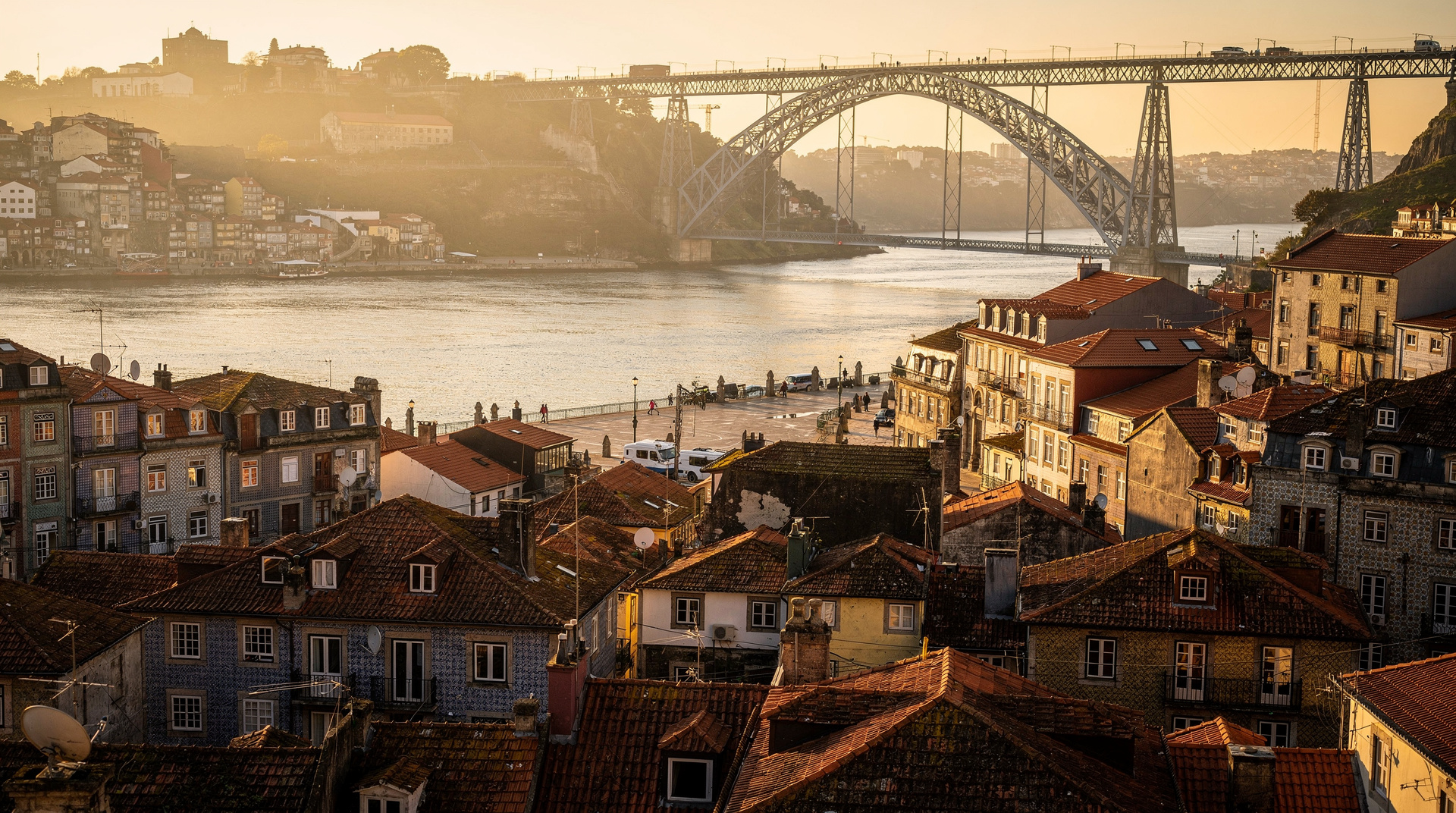
Vila Nova de Gaia is Porto’s southern twin: a separate municipality on the left bank of the Douro, directly opposite the historic centre. The two cities are connected by six bridges, of which Ponte Dom Luís I is the most iconic — the upper deck carries pedestrians and the metro line D, the lower deck carries traffic and, more usefully, foot access to both waterfronts.
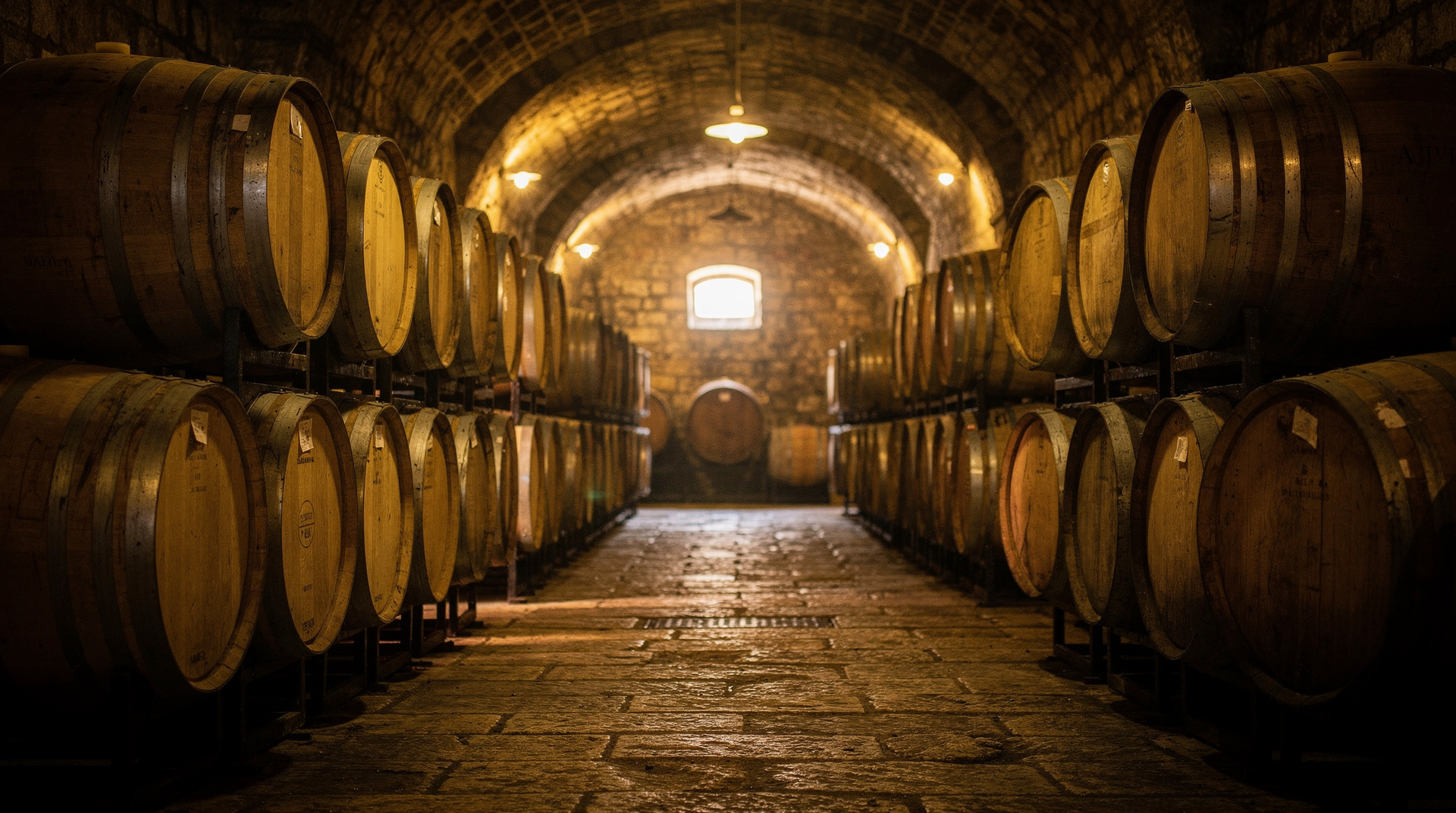
Gaia is where all the major port wine lodges are located. This is not a quirk of geography — it is a centuries-old legal requirement. Grapes grown in the Douro Valley were transported downriver in rabelo boats to the lodges of Gaia, where the cooler, river-influenced climate was considered ideal for maturing the wine. The demarcation still holds. While you can taste port wines at various places in Porto itself, the lodges — with their ageing warehouses, guided tours and tasting programmes — are exclusively on the Gaia side.
Most visitors cross from Porto for two to three hours, visit one lodge and have lunch on the esplanade before heading back. That is a reasonable plan. This guide will help you use the time well.
| Where | South bank of the Douro, opposite central Porto |
| Time needed | Half day to full day |
| Getting there | Walk across Ponte Dom Luís I (~20 min) or metro line D |
| Cost | Lodge tours from €5; cable car €6 one way / €9 return |
| Best time | May, June and September for weather and crowds |
The port wine lodges
There are around 60 port wine producers with lodges in Gaia, ranging from the big international names (Graham’s, Taylor’s, Sandeman, Cálem) to smaller family-owned houses. The quality of the visitor experience varies considerably. Our full comparison is in the best port wine cellars guide, but the practical shortlist:
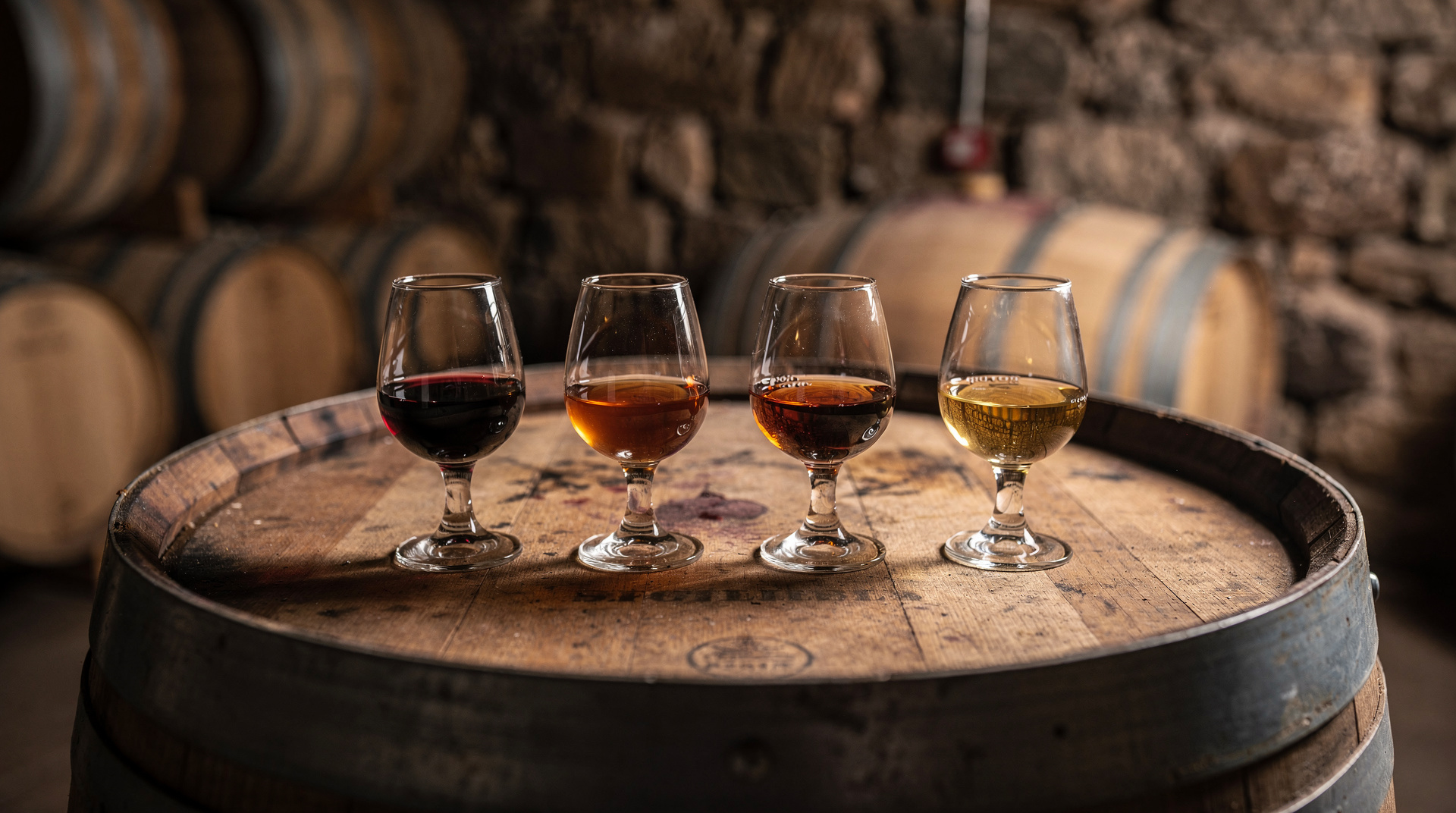
Taylor’s occupies a hillside above the waterfront with panoramic views of Porto’s skyline. The tasting rooms are well designed, the tour covers the ageing process clearly, and the premium tasting options (LBV, tawny 10-year, tawny 20-year) represent honest value at €15–35. The cellar bar at the top of the hill has the best view in Gaia. Book via Taylor’s port cellars tasting; entry fees range from the basic guided tour (€5 with one wine) to the “Complete Tasting” (€35 with five wines and chocolate pairings).
Graham’s is the lodge most cited for consistent quality and a well-narrated tour. The chocolate tasting pairing (their brand, Churchill’s chocolates) is a genuine highlight rather than a gimmick. The 1882 bar at the top offers a serious selection of aged tawnies by the glass. Graham’s port lodge tasting with chocolate typically costs €25–40. For the detailed breakdown, see the Graham’s lodge visit guide.
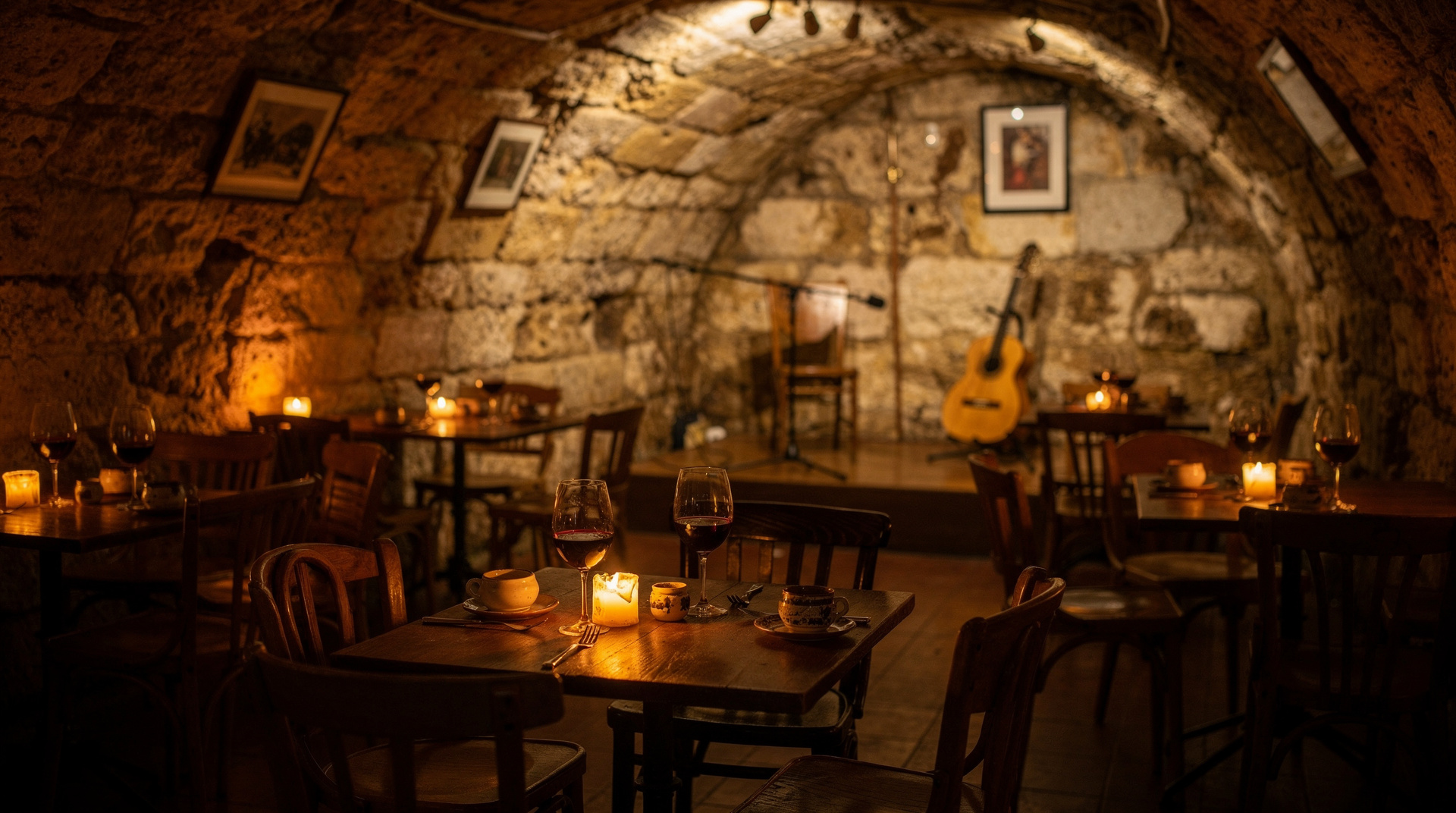
Cálem is the most-visited lodge by volume. Its waterfront location makes it the most convenient to reach from the lower deck of the bridge, and it includes an optional fado show with dinner in the lodge’s underground cellar. The fado-and-tasting combination via Cálem with fado show (€30–40) is the most popular evening activity in Gaia. The wines are solid, the fado performers vary — not every show is outstanding. Our best cellar with fado show article offers context.
Cockburn’s is less visited by independent tourists, which makes it a more relaxed experience. The tasting menu focuses on LBV and vintage ports, with good guides and smaller groups than Cálem or Sandeman. Worth considering if the big-name lodges are fully booked.
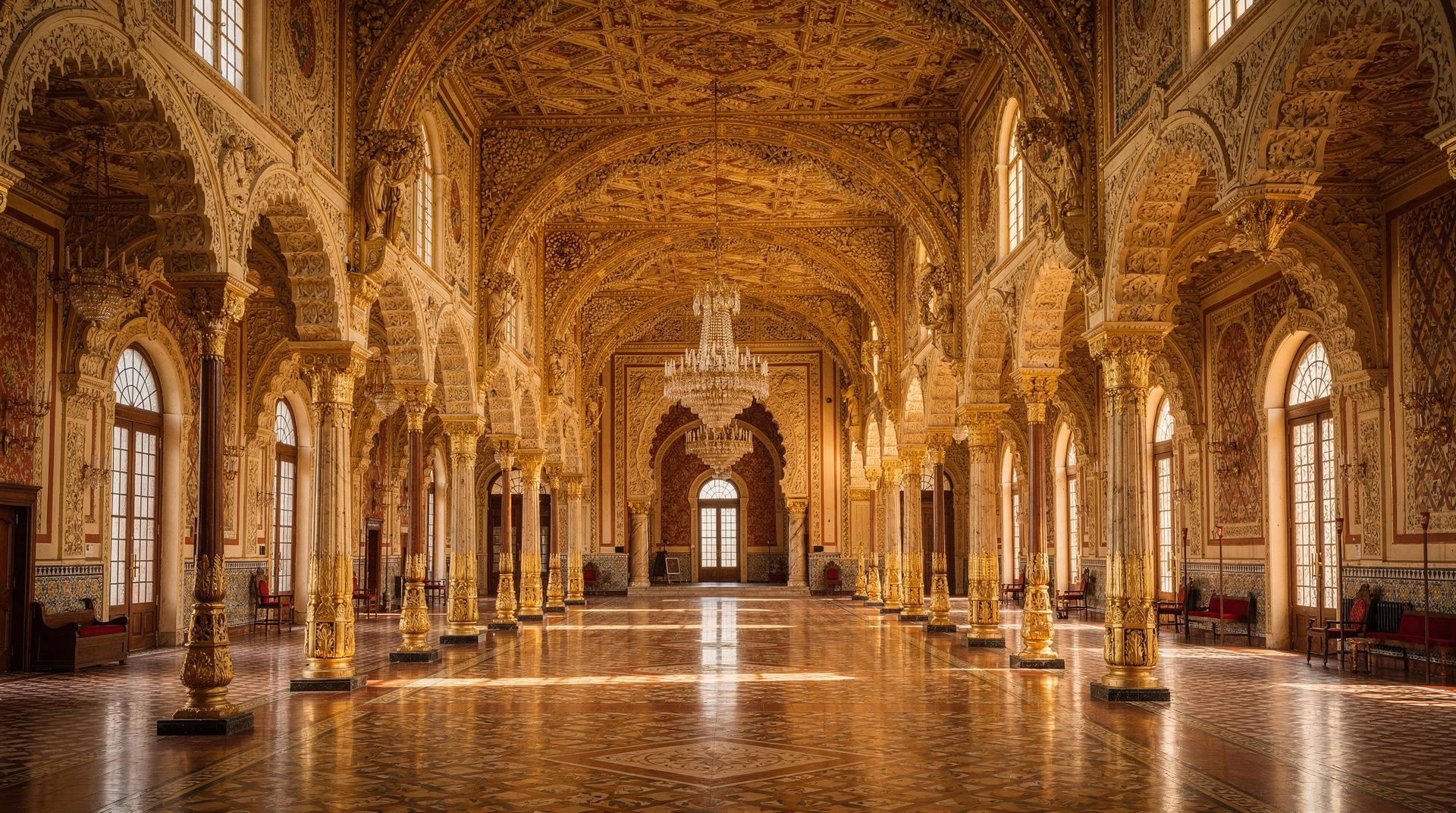
WOW (World of Wine) is a newer cultural and entertainment complex at the top of the Gaia hillside, opened in 2020. It houses seven museums and experiences: The Wine Experience, Planet Cork, The Chocolate Story, Porto Region Across the Ages, Naked Grape, Bridge Experience and Fashion Experience. It occupies the former Graham’s winery buildings. A daily ticket covering all seven costs around €30; individual museum entries range from €8–12. Our WOW Porto: is it worth it? guide gives a direct verdict.
Lodge comparison at a glance
| Lodge | Best for | Typical price | Notes |
|---|---|---|---|
| Taylor’s | Best view, honest value | €5–35 | Hillside terrace, no booking fee to visit the bar |
| Graham’s | Consistent quality, chocolate pairing | €25–40 | 1882 bar for aged tawnies by the glass |
| Cálem | Fado combo, waterfront convenience | €30–40 | Most-visited by volume; performer quality varies |
| Cockburn’s | Smaller groups, less crowded | Mid-range | Good if the big names are booked out |
| WOW (7 museums) | Wine history and context beyond tasting | ~€30 daily ticket | Uneven quality across the seven experiences |
Getting from Porto to Gaia
On foot: The lower deck of Ponte Dom Luís I (pedestrian walkway alongside the traffic lanes) deposits you directly onto the Gaia esplanade, a short walk from most lodges. From Ribeira, the crossing takes about 15 minutes. Going back, you can take the metro from João de Deus station (line D) to Trindade in the Porto centre (~6 minutes, one zone).
By metro: Metro line D (Yellow) stops at Jardim do Morro on the Gaia side (upper deck level) and at General Torres further into Gaia. From Trindade in Porto, the journey to Jardim do Morro is about 10 minutes. Note that Jardim do Morro is at the top of the hillside, not the waterfront — the cable car descends from here to the esplanade.
Cable car: The Teleférico de Gaia runs from Jardim do Morro (near the metro stop, upper level) down to the Gaia esplanade. It costs €6 one way or €9 return, and the four-minute ride gives a bird’s-eye view of the Douro and the Porto skyline. It is worth doing once; the return trip can be replaced by the walk or the metro.
The Gaia esplanade: where to eat honestly
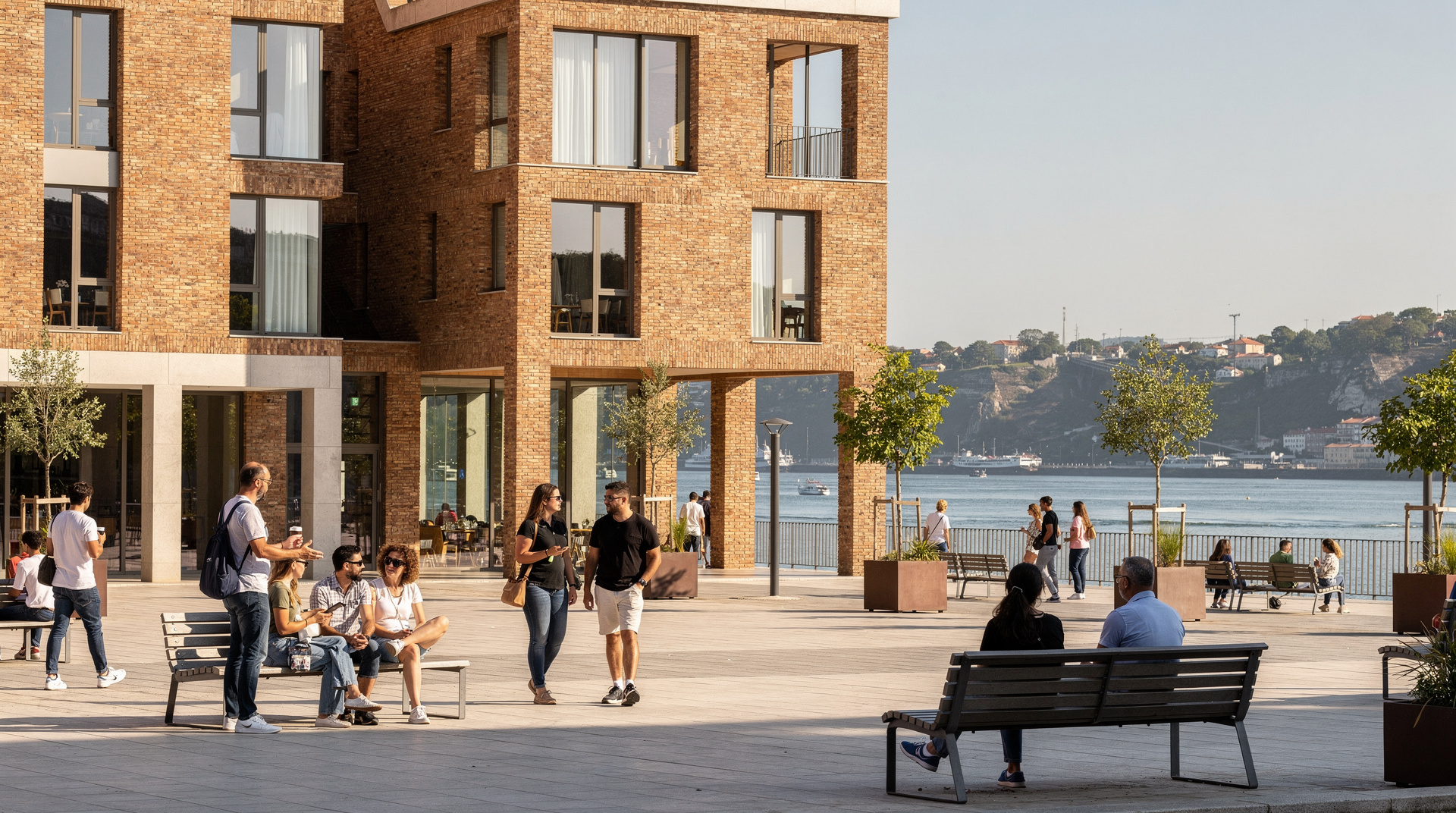
The Gaia waterfront esplanade (Cais de Gaia) is lined with restaurants and cafés. The panorama of Porto’s Ribeira across the water is undeniably appealing, and prices here are only marginally lower than the tourist-facing Ribeira side. For a meal with the view, budget €25–35 per person at a sit-down restaurant. The honest alternative is to eat inside — one street back from the esplanade — where prices drop and crowds thin. Several of the port lodges have their own dining rooms or bistros; Taylor’s terrace bar and the WOW complex’s restaurants are worth considering for lunch if you’re already paying for a tasting.
For a casual lunch, the esplanade cafés do a reasonable grilled fish at €12–15. The tourist menus on photographic boards are a reliable indicator to move on.
The cable car and views
The Teleférico de Gaia (operated by Gaia Cable Car) connects the upper hill (Jardim do Morro, near the bridge deck and metro station) to the esplanade below. Our Gaia cable car guide covers it in detail: operating hours (generally 10 am–8 pm, extended to 10 pm in summer), pricing, and whether it is worth combining with a WOW visit.
The views from the top of the Gaia hill — whether from the cable car, from Taylor’s terrace or from the WOW rooftop — are among the best in greater Porto. On a clear day you can see beyond the bridges to Foz do Douro and the Atlantic.
How long to spend in Gaia
A half-day from Porto (3–4 hours) is enough for one lodge visit, lunch, and the cable car. A full day gives you time for two or three lodges at a relaxed pace, WOW, and dinner on the esplanade before taking the metro back. Staying overnight is unusual and unnecessary — Gaia’s accommodation options are limited compared to Porto, and all the evening activity is across the bridge.
If you want to include Gaia in a coherent Porto trip structure, the Porto 3-day itinerary allocates a dedicated morning in Gaia on day two.
Best time to visit
Port lodges in Gaia are open year-round, typically 10 am–6 pm in winter and 10 am–7 or 8 pm in summer. They do not close during holidays or rain. The waterfront is most pleasant in dry weather; the terrace views are not worth much in fog. May, June and September offer the best combination of weather, moderate crowds and full opening hours. December and January have the fewest visitors and a genuine off-season atmosphere; the wines taste exactly the same.
Avoid visiting Gaia on the afternoon of a major FC Porto home match — the Estádio do Dragão is nearby and the metro and bridge can be congested post-match.
Gaia after dark
Gaia at night has a different character than the daytime lodge-tour crowd. The Cais de Gaia esplanade lights up with restaurant terraces facing Ribeira’s illuminated skyline across the water — arguably the single best view in greater Porto after sunset, and one many day-trippers miss because they’ve already headed back across the bridge by early evening. The WOW complex and several lodges (Cálem in particular, with its fado-and-dinner format) run evening programmes that combine tasting with entertainment. If you’re staying in Porto proper, crossing to Gaia specifically for dinner and the view — rather than only for a daytime lodge visit — is a genuinely underused option. The lower deck of Ponte Dom Luís I is well lit and safe to walk after dark, and the metro from João de Deus runs until late evening for the return.
Practical tips for Gaia
- Most lodges charge separately for tour and tasting. The basic entry (guided tour plus one pour) starts at €5–8; premium tasting flights cost €20–40.
- You can visit multiple lodges in a day, but pace the tastings — port is typically 19–22% alcohol.
- Book popular lodges (Graham’s, Taylor’s) online in advance for summer weekends. They can sell out of English-language guided sessions.
- The Gaia esplanade has no free public toilets; use the facilities at a lodge or café.
- The walk up from the esplanade to the WOW complex or Taylor’s takes 15–20 minutes uphill. The cable car is the easier option heading down; walking up is worth it once for the exercise and the views through the lodge streets.
Frequently asked questions about Vila Nova de Gaia
Which port lodge should I visit if I only have time for one?
Graham’s and Taylor’s are consistently the two highest-rated for tour quality, wine range and overall experience. Graham’s is more accessible (short walk from the esplanade, well-signed), Taylor’s has the better view from the top. Cálem is the most convenient if you’re combining with a fado show in the evening. Cockburn’s is the best choice if you want a smaller-group experience. See the full Graham’s vs Taylor’s vs Cálem comparison for a direct head-to-head.
Is it necessary to book port cellar visits in advance?
For weekdays outside July–August, walk-ins are often accepted. For weekends, July, August and public holidays, booking at least a few days ahead is strongly recommended — English-language guided tours at the major lodges fill up. Online booking via GYG or the lodge websites guarantees your slot and usually costs the same as walk-in.
Can I walk to Gaia from Porto?
Yes. The lower deck of Ponte Dom Luís I connects Ribeira (Porto) directly to the Gaia esplanade. Allow 15–20 minutes from Ribeira to the nearest lodge on foot. It is the most practical route for anyone coming from the historic centre.
Is WOW Porto worth visiting?
It depends on your interests. The Wine Experience museum is the strongest of the seven; the others are uneven in quality. If wine history and sensory education interest you, the WOW daily ticket (€30) offers good value. If you’re visiting primarily for the port tastings, a lodge tour is a better use of time and money. Our detailed verdict is in the WOW Porto guide.
Do the port lodges run tours in English?
All of the major lodges (Graham’s, Taylor’s, Cálem, Cockburn’s, Sandeman) offer guided tours in English throughout the day. Smaller lodges may have English-speaking staff but run fewer fixed English sessions. Check the schedule on the lodge website or booking platform before you arrive.
For a deeper dive into the world of port wine before or after your lodge visit, the port wine tasting guide for beginners explains styles, vintages and how to identify what you like.
Top experiences
Bookable activities with verified prices and instant confirmation on GetYourGuide.