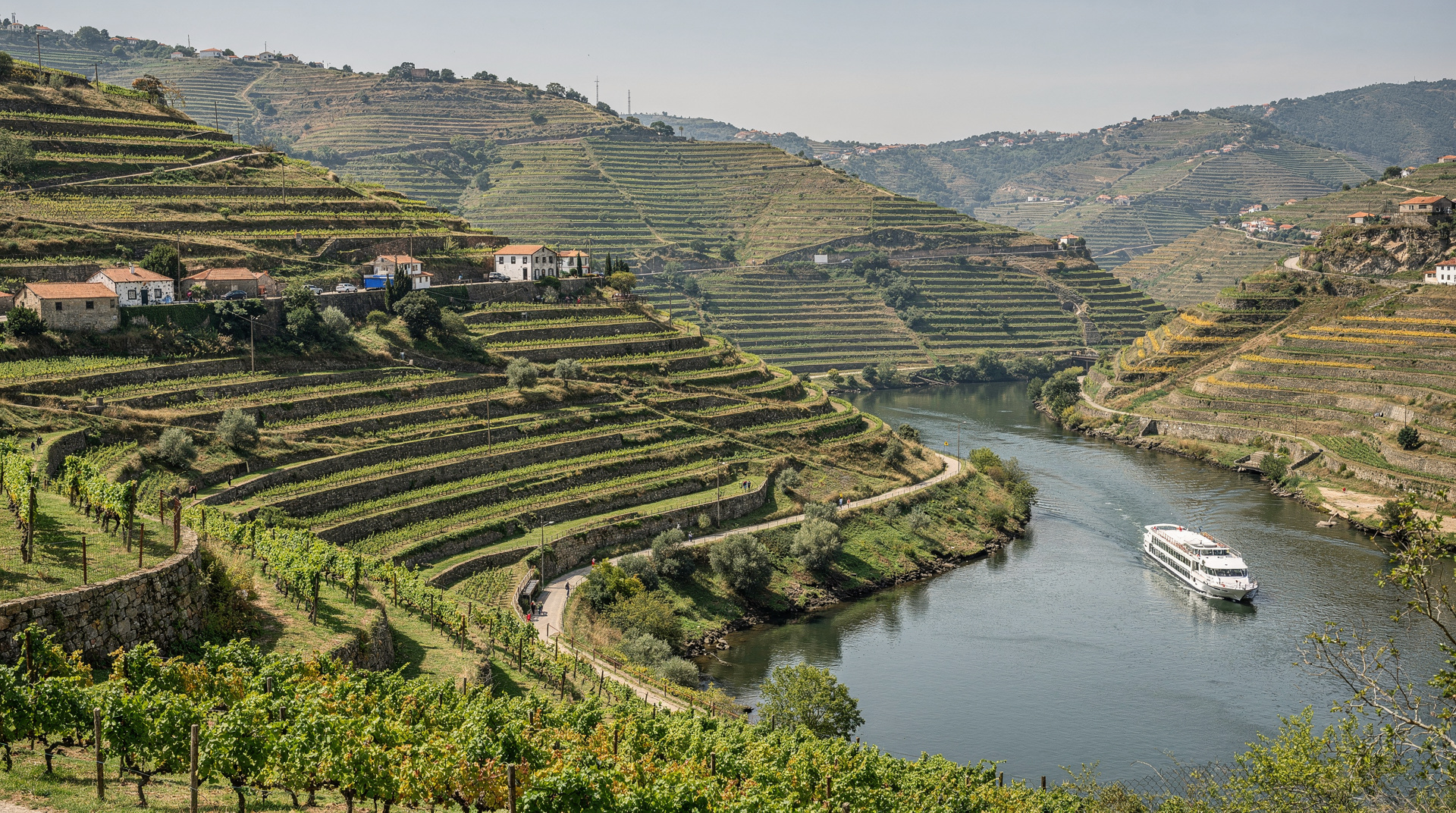
Douro Valley — Portugal's wine country in full
Complete guide to the Douro Valley: how to get there, which tours are worth the money, best quintas to visit, vindima season and honest transport advice.
Porto: Douro Wine Day Tour from Porto Visit of 2 Wine Estates
Quick facts
- Best for
- Port wine, table wine, vineyard landscapes, river cruises
- Typical visit
- 1 day trip or 1–2 nights
- Distance from Porto
- ~120 km to Pinhão by road, ~170 km by train
- Getting there
- Organised tour (easiest), train to Pinhão (~2 h), or rental car
- Currency
- Euro (€)
- Harvest season
- Mid-September to early October
The Douro in plain terms
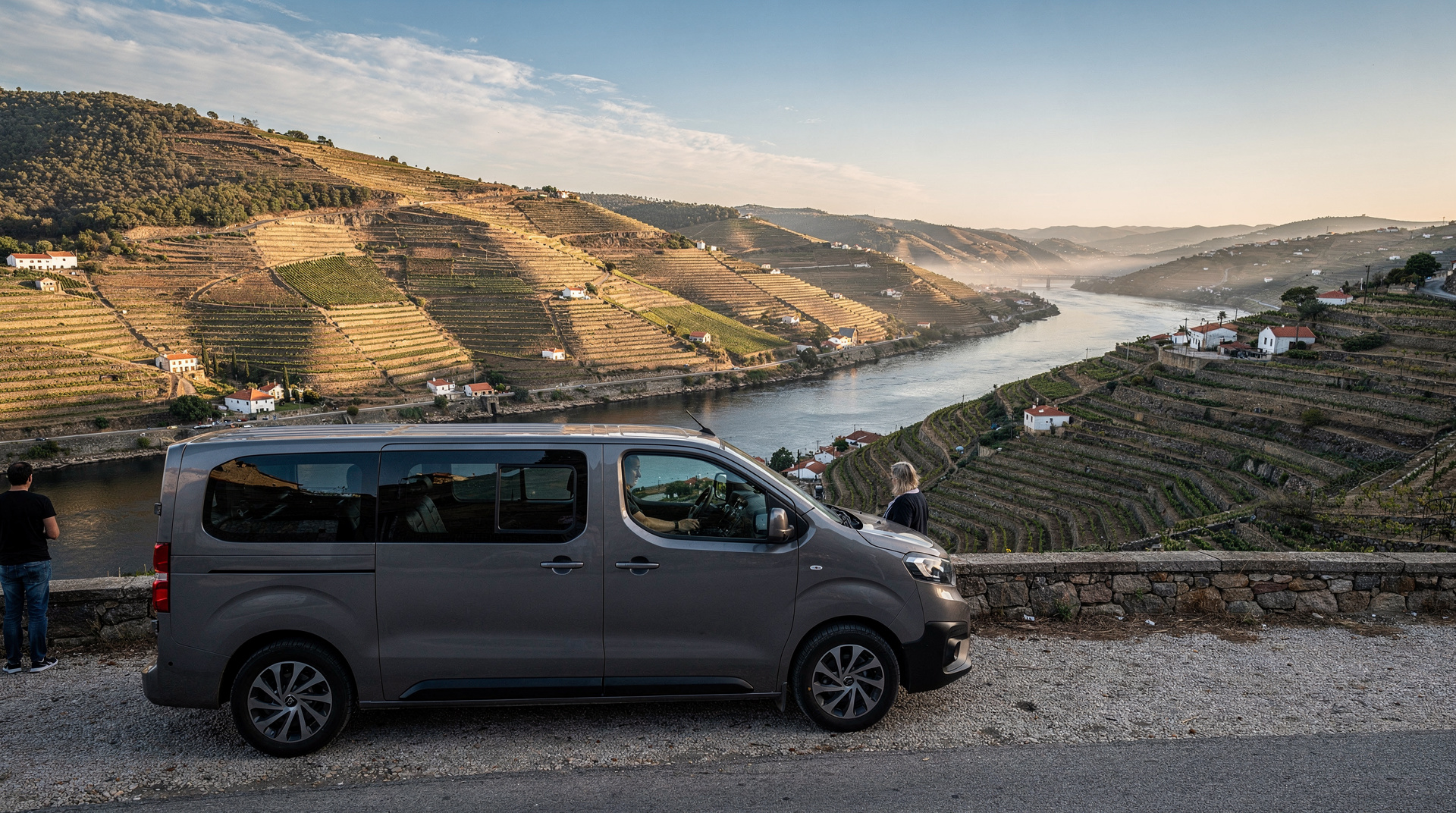
The Douro Valley is the oldest demarcated wine region in the world, established in 1756, and it is one of the most visually striking river valleys anywhere in Europe. The terraced vineyards cut into steep schist hillsides, the serpentine river, the ochre-walled quintas — it reads like a landscape designed to be looked at. It is also a working wine region, and that distinction matters: the Douro is not a theme park. The quintas produce port and table wine, run farms, employ local families, and receive visitors on their own terms rather than tourism’s.
The practical challenge for visitors is access. The Douro Valley is roughly 120 km from Porto by road, public transport within the valley is minimal, and most of the best quintas are not reachable without a car or an organised tour. Understanding how to get there and what to do once you arrive is the difference between an extraordinary day and a logistical disappointment.
| Where | ~120 km east of Porto by road, ~170 km by train to Pinhão |
| Time needed | Day trip (8 am–8 pm) or 1–2 nights for a proper look |
| Cost | Organised tour around €60–140/person; train ~€10–12 each way |
| Getting there | Organised tour (easiest), train to Pinhão, or rental car |
| Best time | September–October (vindima) or May–June |
What to do in the Douro Valley
Quinta visits and wine tastings
A quinta is essentially a wine estate — in the Douro context, usually one that produces both port wine (the grapes destined for Gaia) and unfortified Douro wines. Visiting a quinta typically involves a guided walk through the vineyard, a tour of the winery or adega, and a tasting of three to five wines. Quality and atmosphere vary considerably.
The quintas most accessible from an organised tour or with a car:
Quinta do Tedo (near Folgosa, above Régua): a family-owned estate with a beautiful riverside setting. The tasting menu focuses on unfortified Douro wines alongside a small port selection. The Quinta do Tedo winery tour with tastings is one of the more honest quinta experiences: small groups, the actual winemaking team on-site, and wines that reflect the terroir. The picnic option at the quinta gives you the views without a formal sit-down.
Quinta do Bomfim (Pinhão): owned by the Symington family (also behind Graham’s and Dow’s). This is one of the better-known quintas near Pinhão, with good vineyard views and a structured tasting experience of Dow’s ports. Quinta do Bomfim visit and tasting is accessible from Pinhão station, making it one of the few quintas reachable by train. The tour covers the winery and ageing lodges; the views from the top terrace over the Douro confluence are genuinely worth the climb.
Quinta Nova (near Covas do Douro): a larger estate with a winemaker hotel, making it suitable as a base for two-night stays as well as a day-visit. The Douro Reserve wine tasting is a solid introduction to the region’s unfortified varieties.
Quinta da Pacheca (near Lamego): one of the first quintas to open to tourism and one of the most visited, which shows. The wine barrel accommodation units are frequently photographed. The wine itself is competent; the experience is more polished and commercial than at smaller estates. Worth knowing about for luxury stays in the valley.
For a curated comparison, see our best quintas in the Douro Valley guide.
Organised tours from Porto
The majority of visitors experience the Douro Valley on an organised day tour from Porto. This is the most practical option for first-time visitors: transport is handled, a guide explains what you’re seeing, and lunch is included. The downside is that you are on a fixed itinerary with a group.
Standard day tours (€60–80 per person) typically include Porto pickup, a visit to one or two wine estates, a guided tasting, and a river cruise (usually 1–2 hours on the Douro). Lunch at a quinta or local restaurant is almost always included. The Douro Wine Day Tour visiting two wine estates is the most popular format and represents fair value: the combination of vineyard context, tastings and the river perspective gives you the essential experience in a day.
Premium small-group tours (€100–140 per person) offer lower group sizes (8–12 vs 30–40 on standard buses), more time at each quinta, better wine selections and more knowledgeable guides. The Premium Douro Valley small group tour with private cruise is worth the extra cost for wine-focused travellers who want engagement rather than a packaged experience.
Our honest assessment of the day-tour market is in is the Douro Valley tour worth it? — including the tours that are overpriced and the red flags to watch for.
The train journey
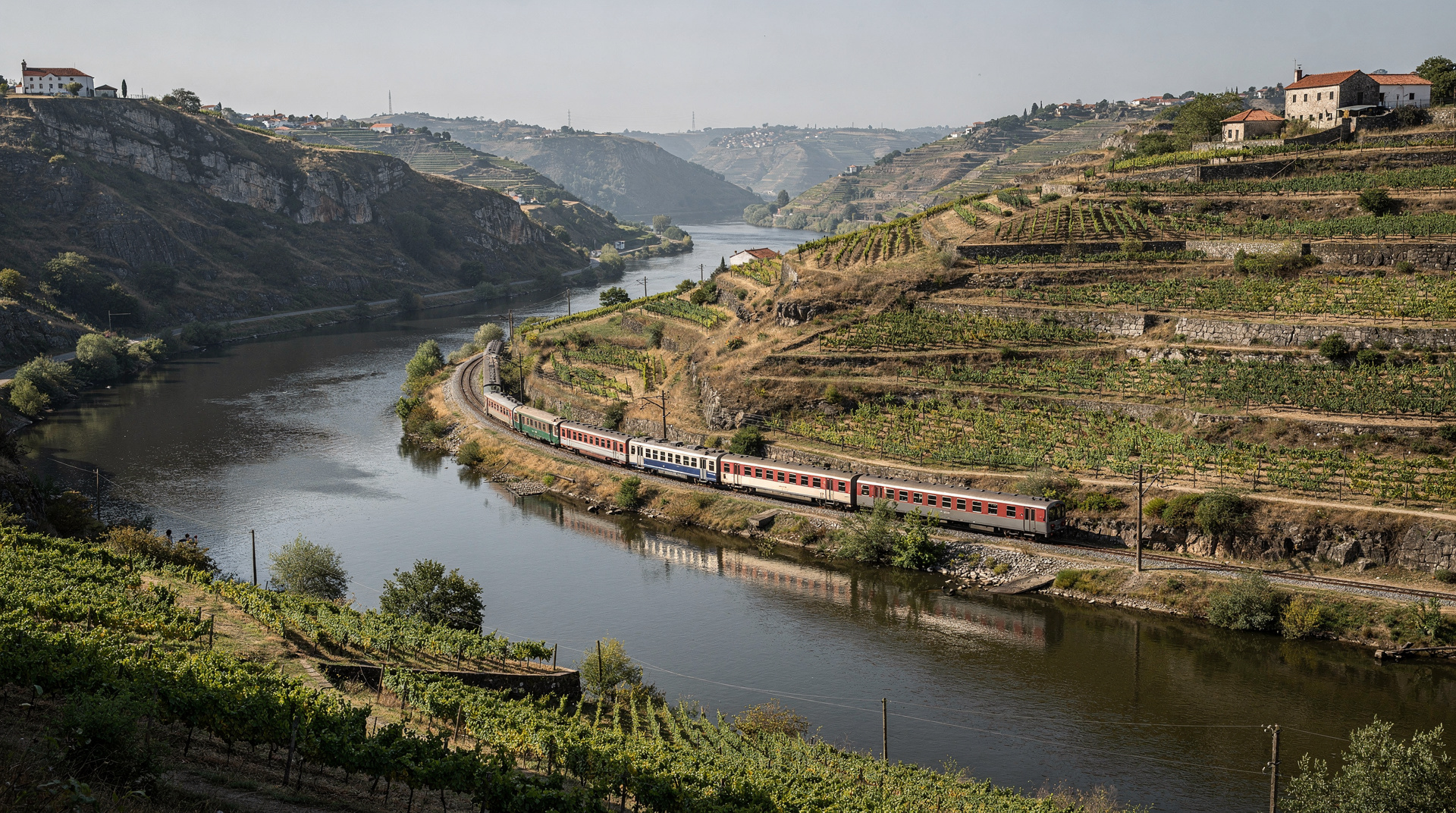
The Douro line from Porto Campanhã to Pinhão is one of the most scenic train journeys in Portugal, passing through the valley for roughly 90 minutes. The track follows the Douro river from Régua (Peso da Régua) to Pinhão, pressing through tunnels and along exposed cliff edges above the water. Sit on the right side travelling east from Porto for the river views.
A single ticket from Porto Campanhã to Pinhão costs approximately €10–12. The journey takes around 2 hours to Régua and 2.5–3 hours to Pinhão, depending on the service. There are no direct trains from São Bento station — travel first to Campanhã by metro or suburban train.
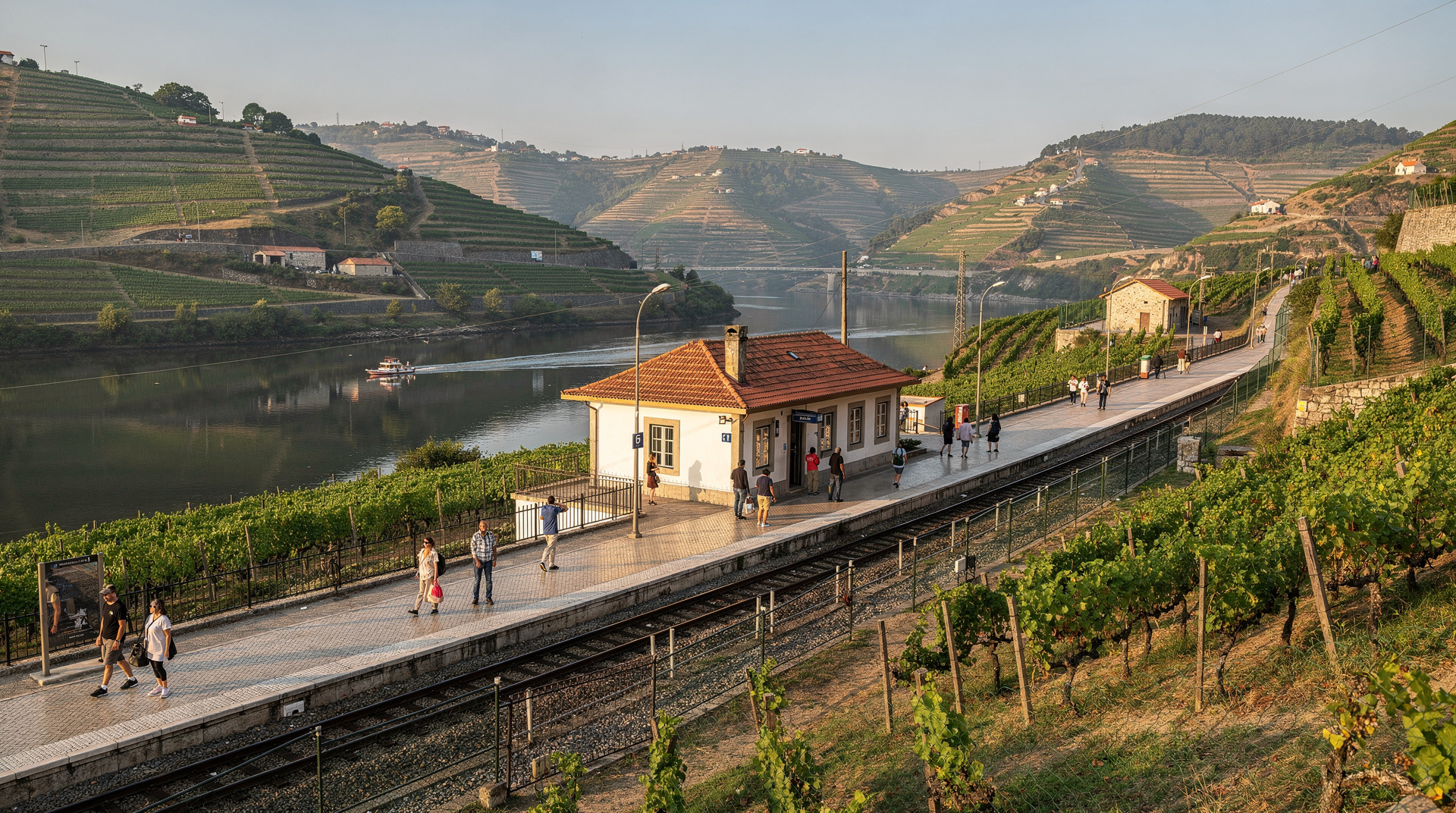
The limitation of the train is what happens when you arrive. Pinhão town is small. Quinta do Bomfim is accessible on foot (15 minutes from the station); most other quintas require a taxi or transfer. There is essentially no Uber or Bolt in the Douro Valley. If you want to visit more than one estate by train, you need a taxi waiting or to book a guided excursion from Pinhão station.
The Douro: train vs car vs tour comparison works through the trade-offs in detail.
The river and cruises
The Douro itself — calm between the dams, dramatically framed by the terraces — is central to the valley’s appeal. River cruises from Porto (the Six Bridges cruise or longer Régua cruises) and local boat tours from Pinhão give you the low-angle view.
From Porto, the full-day cruise to Régua (passing through the Crestuma-Lever dam lock) runs April–October and takes most of the day each way; these are typically combined with a train return or a tour. The shorter cruise from Pinhão to Régua (or vice versa) is the most practical for day visitors to Pinhão: the 1-hour scenic cruise between the two river towns gives the best vineyard-to-water perspective in the valley.
Pinhão and Peso da Régua
Pinhão is the valley’s most visited small town, with its famous azulejo-tiled train station (depicting scenes of the harvest), proximity to major quintas, and the Douro river curving in a dramatic horseshoe below the village. It is small — dinner options are limited and accommodation fills quickly in harvest season. Read the Pinhão guide before planning an overnight stay.
Peso da Régua (usually just “Régua”) is larger, flatter and more functional: a working town with a wine museum, the river cruise departure point, and a more practical food scene. It is less photogenic than Pinhão but easier to base yourself in for a multi-night Douro stay. Our dedicated Peso da Régua guide covers the wine museum and how it compares to Pinhão as a base.
Régua vs Pinhão as a base
If you are staying overnight rather than day-tripping, the choice between the two towns comes down to priorities:
| Factor | Peso da Régua | Pinhão |
|---|---|---|
| Accommodation | More options, lower prices | Fewer options, more atmospheric |
| Access without a car | Easier (larger train station, taxis) | Harder (small station, few taxis) |
| Proximity to top quintas | Moderate — several require a taxi | Excellent — Quinta do Bomfim is walkable |
| Atmosphere | Functional working town | Intimate wine village |
| Restaurants | Wider choice | Limited but decent |
For a full comparison of transport options between the two, see Douro transport from Porto.
How to get to the Douro Valley from Porto
Organised tour (recommended for most visitors): Departs Porto by coach, 8–9 am, arrives back 7–8 pm. Transport, guide, tastings and lunch are all included. Prices range from €60 (standard group, 30–40 people) to €140 (premium small group, 8–12 people). No logistical decisions required.
Train: Porto Campanhã → Pinhão, ~2.5 hours, ~€10–12 each way. Scenic, affordable, but limits your flexibility at the destination. Best if you have accommodation booked in Pinhão and a taxi or rental car arranged at arrival.
Rental car: Porto → Pinhão via IP4 is about 120 km and takes 1.5–2 hours depending on traffic. The return driving after wine tastings at multiple quintas is the obvious logistical complication — either designate a non-drinking driver or return to Porto after the last tasting, before dinner.
Private tour: Fully customisable, typically €180–280 per vehicle for the day. Worth it for couples or small groups who want to see specific quintas on their own schedule without the rental car problem.
Where to stay in the Douro Valley
Most visitors base themselves in Porto and do the Douro as a day trip. If you want an overnight or multi-night experience in the valley, the options are limited but distinctive.
Luxury quintas (€180–400/night): Quinta da Pacheca (near Lamego) is the most-recognised luxury quinta hotel, with the barrel accommodation and a pool overlooking the vineyards. Quinta Nova de Nossa Senhora do Carmo (near Covas do Douro) has a wine hotel with rooms that look directly onto the terraced hillsides. Both require a car or taxi to reach.
Mid-range in Pinhão or Régua (€80–150/night): In Pinhão, Casa de Casal de Loivos offers panoramic views; smaller guest houses in the town are functional but limited. Régua has more options — Hotel Régua Douro on the river is the most comfortable in town.
Rural houses (from €60/night): Scattered through the valley, many offer self-catering accommodation. Useful for multi-night stays with a rental car.
Our where to stay in the Douro Valley guide has specific recommendations across price points.
Beyond a single day: multi-night Douro trips
A day trip covers the highlights, but the Douro rewards a slower pace far more than most Portuguese destinations. Two or three nights in the valley — one based in Pinhão or Régua, with quinta visits spaced out rather than crammed into a single afternoon — lets you taste without rushing and see the light change over the terraces at dawn and dusk, which a coach itinerary never allows. Our Douro wine lovers’ 4-day itinerary sets out a realistic pace for this, and the renting a car in Porto guide covers the practicalities if you plan to drive yourself between quintas rather than rely on tours.
Best time to visit
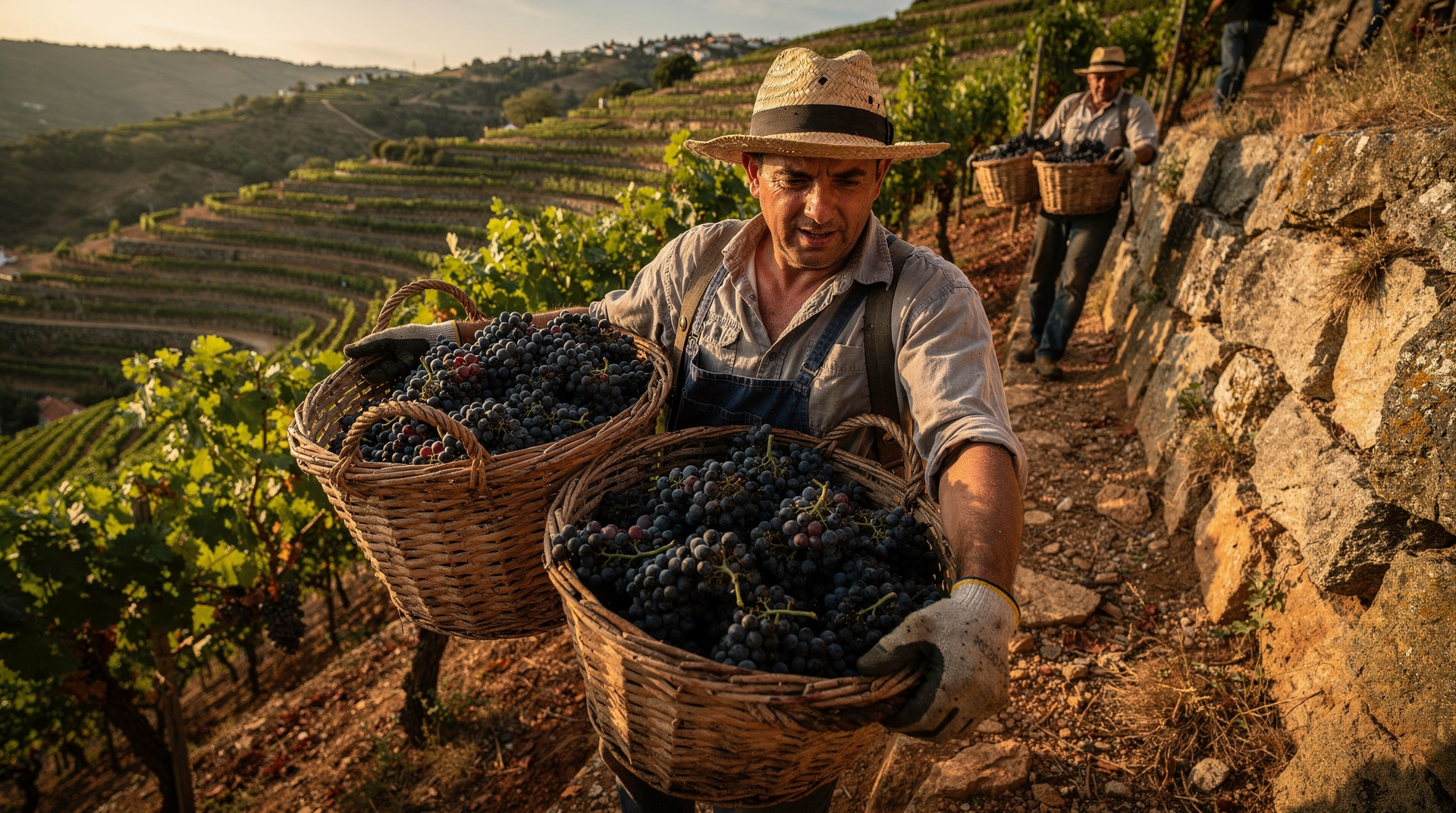
September–October (vindima): The harvest is the most celebrated reason to visit. Grape picking runs from roughly mid-September through early October; on some estates, visitors can participate or observe the treading. The valley fills up during this period — accommodation books out three to four months in advance, and guided tour slots sell out weeks ahead. If harvest is your target, plan early. The Douro harvest and vindima guide and the best time for vindima guide cover exactly what to expect and when to book.
May–June: The second-best window. The vines are in full leaf and the terraces are the most vivid green of the year; temperatures are pleasant (20–28°C); tourist numbers are moderate. River cruises and quinta tours run full schedules.
July–August: Hot, dry and increasingly popular. Temperatures above 35°C are common in the valley interior; the river shimmers and the landscape looks parched rather than lush. Quinta visits and river cruises continue normally. If you’re touring by car, start early to avoid the midday heat.
November–March: The vines are bare and the valley has a spare, austere beauty. Some quintas reduce their visitor hours or close entirely November–February. A few remain open year-round. The train journey is still worthwhile. Useful for visitors who want to see the valley at its quietest and most local.
Combining the Douro with other day trips
The Douro is far enough from Porto that combining it with another destination on the same day is rarely a good idea — the round trip alone consumes most of a day. The exception is a multi-night northern Portugal loop: visitors driving a circuit that also takes in Amarante (roughly on the route east from Porto) or continuing to Lamego south of Régua for its baroque sanctuary and sparkling wine house can string two or three of these together across two or three days without doubling back. Our northern Portugal 7-day itinerary works through a realistic sequence that includes the Douro alongside Braga, Guimarães and the coast.
For visitors who want the wine culture without the full valley trip, the port lodges of Vila Nova de Gaia — a 10-minute walk from central Porto — offer tastings from the same producers (Graham’s, Taylor’s, Cálem) without leaving the city; see the best port wine cellars in Gaia guide. It is not a substitute for seeing the vineyards themselves, but it is a sensible option if a full Douro day does not fit your itinerary.
Practical tips
- The Douro Valley is not a wine theme park. Quinta visits are working farm environments; bring shoes you can walk in on uneven terrain.
- Book harvest-season quinta tours three to four months in advance. The best experiences at smaller estates sell out before summer.
- The valley has almost no taxis on-demand and no Uber or Bolt. Pre-book any taxi transfers.
- Pack layers in September–October — morning mist on the river can make early starts cold even when midday is warm.
- The best viewpoints (miradouros) in the valley are at São Leonardo de Galafura (near Régua) and Casal de Loivos (above Pinhão). Both require a car or organised transfer.
Frequently asked questions about the Douro Valley
Is a day trip to the Douro Valley from Porto worth it?
For most visitors, yes. The distance means a day trip is long (8 am to 7 or 8 pm) and tiring, but the landscape, the wine estates and the river cruise deliver experiences you cannot replicate in Porto city. The trade-off is that a single day barely scratches the surface — two or three nights in the valley gives a genuinely different perspective. Our detailed verdict is in is the Douro Valley tour worth it?.
What should I look for in a Douro Valley day tour?
The key variables are: group size (smaller is better for wine engagement and quinta access), number of estate visits (two is better than one), whether lunch is at a quinta vs a generic restaurant, and the quality of the river cruise (a private cruise is meaningfully better than a shared boat). See our Douro Valley tour comparison for specific product assessments.
Can I visit the Douro Valley without a car?
Yes, but with limitations. The train to Pinhão is excellent as a scenic experience and gives access to Quinta do Bomfim on foot. For anything beyond that, you either need an organised tour or a pre-booked taxi. Renting a car in Porto and driving to the valley is the most flexible option for independent travellers who want to visit multiple quintas.
When is the Douro Valley harvest?
Vindima typically runs from mid-September through early October, varying by year and by the altitude of the vineyard (lower vineyards harvest first). The harvest is not a single event — different estates pick at different times over roughly three weeks. Book as far in advance as possible if harvest participation or observation is a priority.
What is the difference between port wine and Douro wine?
Port wine is a fortified wine: grape spirit is added during fermentation, halting the process and leaving residual sugar. It is made from Douro grapes but aged in the lodges of Vila Nova de Gaia. Douro wine is an unfortified table wine — red, white or rosé — made from the same grape varieties (including Touriga Nacional, Touriga Franca, Tinta Roriz) but fermented to dryness in the normal way. In recent years, Douro reds have attracted serious critical attention and can be outstanding value compared to equivalent French or Spanish wines. The types of port wine explained guide covers the fortified side; most quinta visits include both.
When you’re ready to plan your full Douro experience alongside Porto city, the Porto and Douro 5-day itinerary gives you a realistic structure with transport logistics included.
Top experiences
Bookable activities with verified prices and instant confirmation on GetYourGuide.
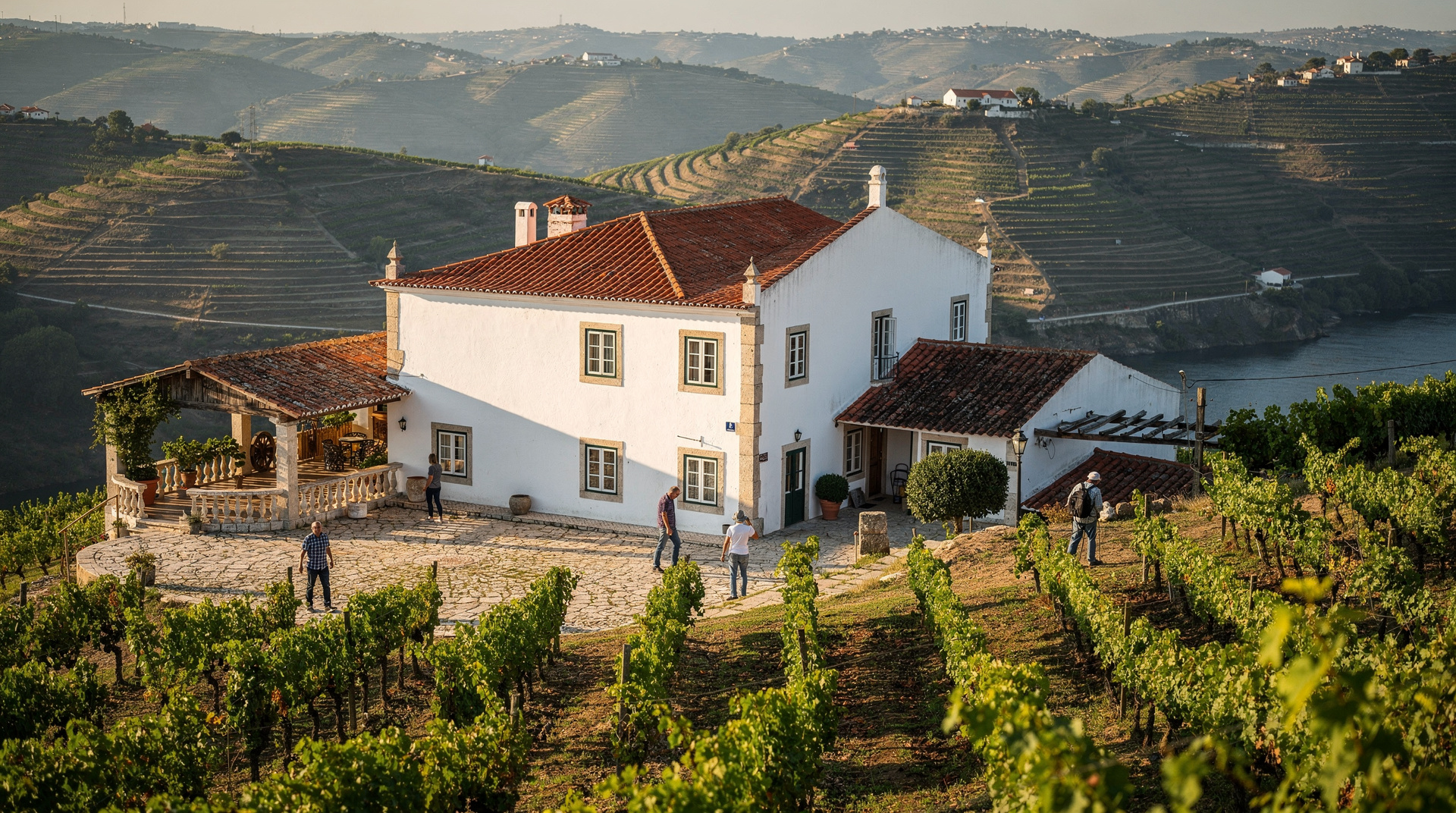
Porto: Douro Wine Day Tour from Porto Visit of 2 Wine Estates
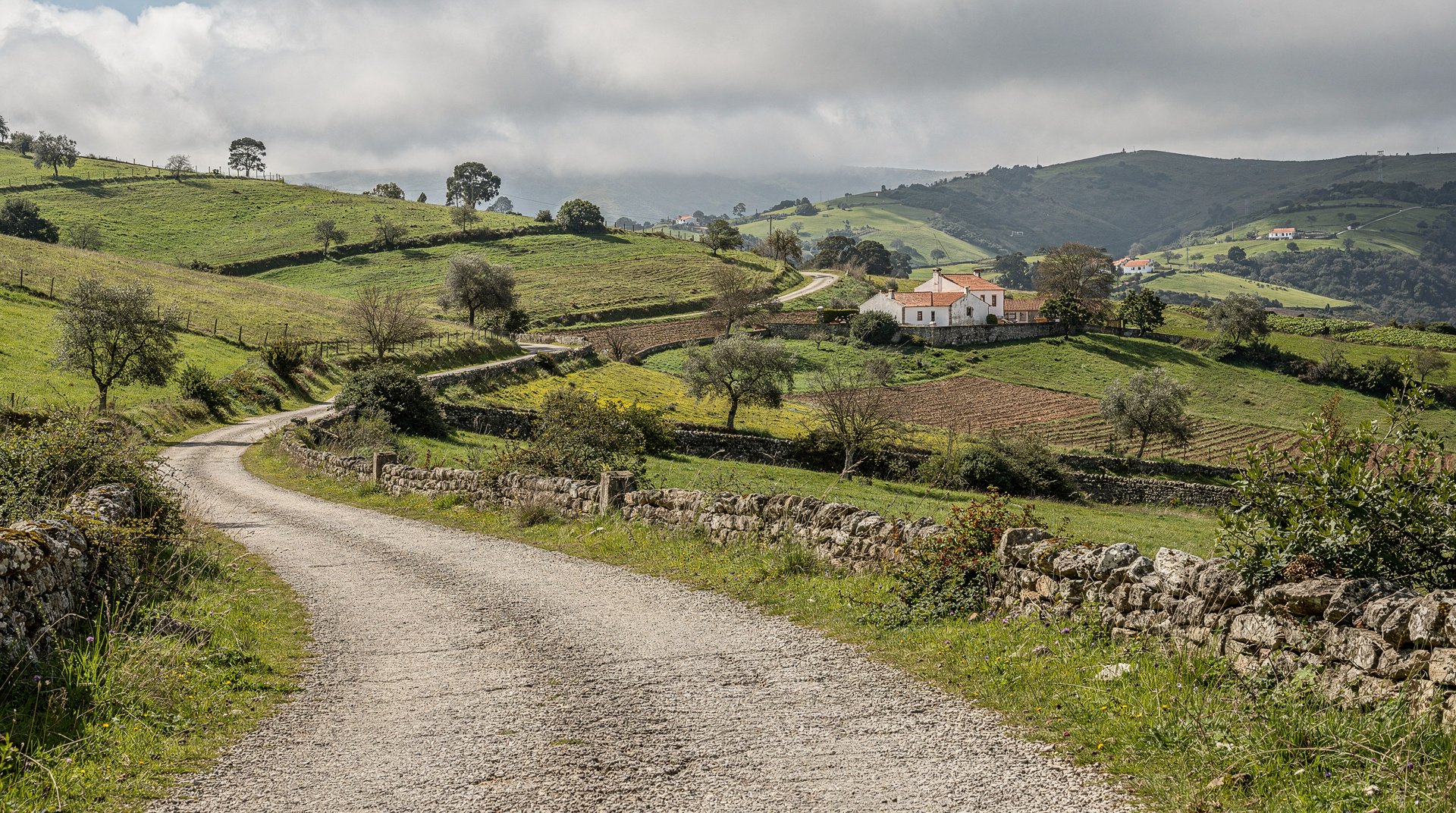
Porto: Premium Douro Valley Small Group Tour Lunch Private Cruise
Douro Valley: Douro Tour Full Day Tour from Porto with Lunch
Porto: Porto Douro Valley Full Day Boat Train and Lunch Tour