Porto — Portugal's most rewarding city-break
Complete honest guide to Porto: top attractions, best restaurants, where to stay, transport tips and realistic itinerary advice for 2–4 days.
Porto: Porto Historical Center Walking Tour
Quick facts
- Best for
- Couples, foodies, wine lovers, culture seekers
- Typical visit
- 2–4 days
- Currency
- Euro (€)
- From OPO airport
- Metro line E, ~30 min, €2.50
- Language
- Portuguese (English widely spoken)
- Time zone
- WET/WEST (UTC+0/+1)
Why Porto rewards three days, not two
Porto is a city that refuses to reveal itself quickly. The first morning you navigate the cobbled lanes of Ribeira and photograph the tile-covered façades, and it feels like a compact, easily digested destination. By day two, when you’ve crossed Ponte Dom Luís I on foot, descended into a Gaia cellar for a guided tasting, and stumbled onto a miradouro you found by following a local uphill, you begin to understand the texture of the place. Day three — São Bento station at dawn, a pastry at a neighbourhood café, the Serralves gardens — is when Porto earns its reputation as one of the most quietly addictive cities in Europe.
The honest version: Porto is hilly, the old tram is slow and perpetually crowded, and parts of the historic centre feel oversaturated in summer. None of that matters much if you plan around it. This guide is built for travellers who want to understand what they’re walking into, not just a list of things to photograph.
| Where | Northern Portugal, on the Douro estuary |
| Time needed | 2–4 days (3 is the sweet spot) |
| Getting there | OPO airport, metro line E, ~30 min, around €2.50 |
| Daily budget | Around €60–110 per person, mid-range |
| Best time | May–June and September |
What to do in Porto
The historic centre and Ribeira
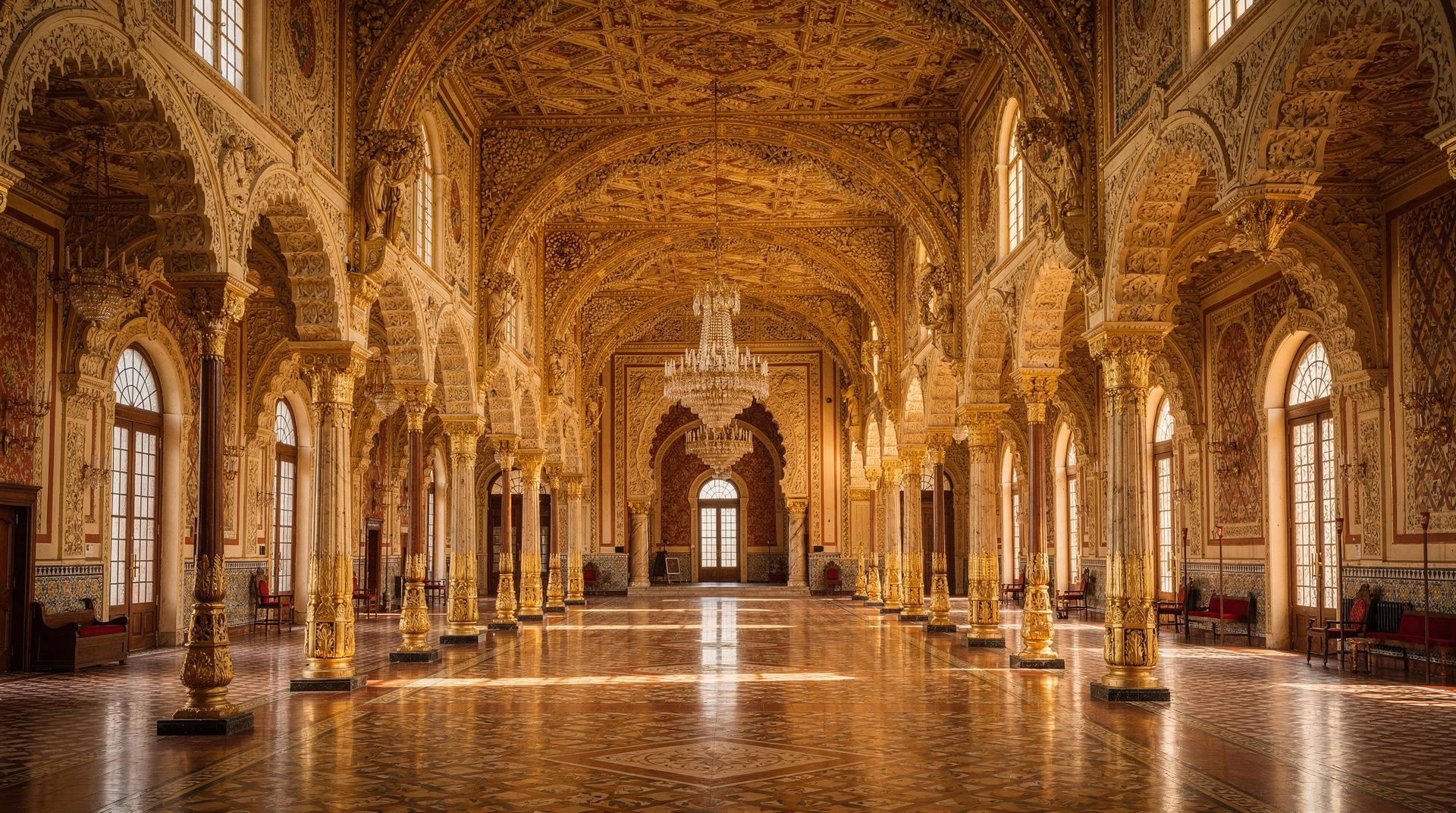
Porto’s UNESCO-listed historic centre clusters around the cathedral, the Palácio da Bolsa and the waterfront neighbourhood of Ribeira. Start at the Sé (cathedral), which dates to the 12th century and is free to enter — the cloister (€3) is worth the fee for its 18th-century azulejo panels. From there, the descent toward the river takes you past the Palácio da Bolsa, where the Arab Room is the highlight of a €14 guided tour (no independent access). Most visitors spend 45 minutes inside; book ahead in summer. Our detailed guide to Palácio da Bolsa covers what to prioritise.
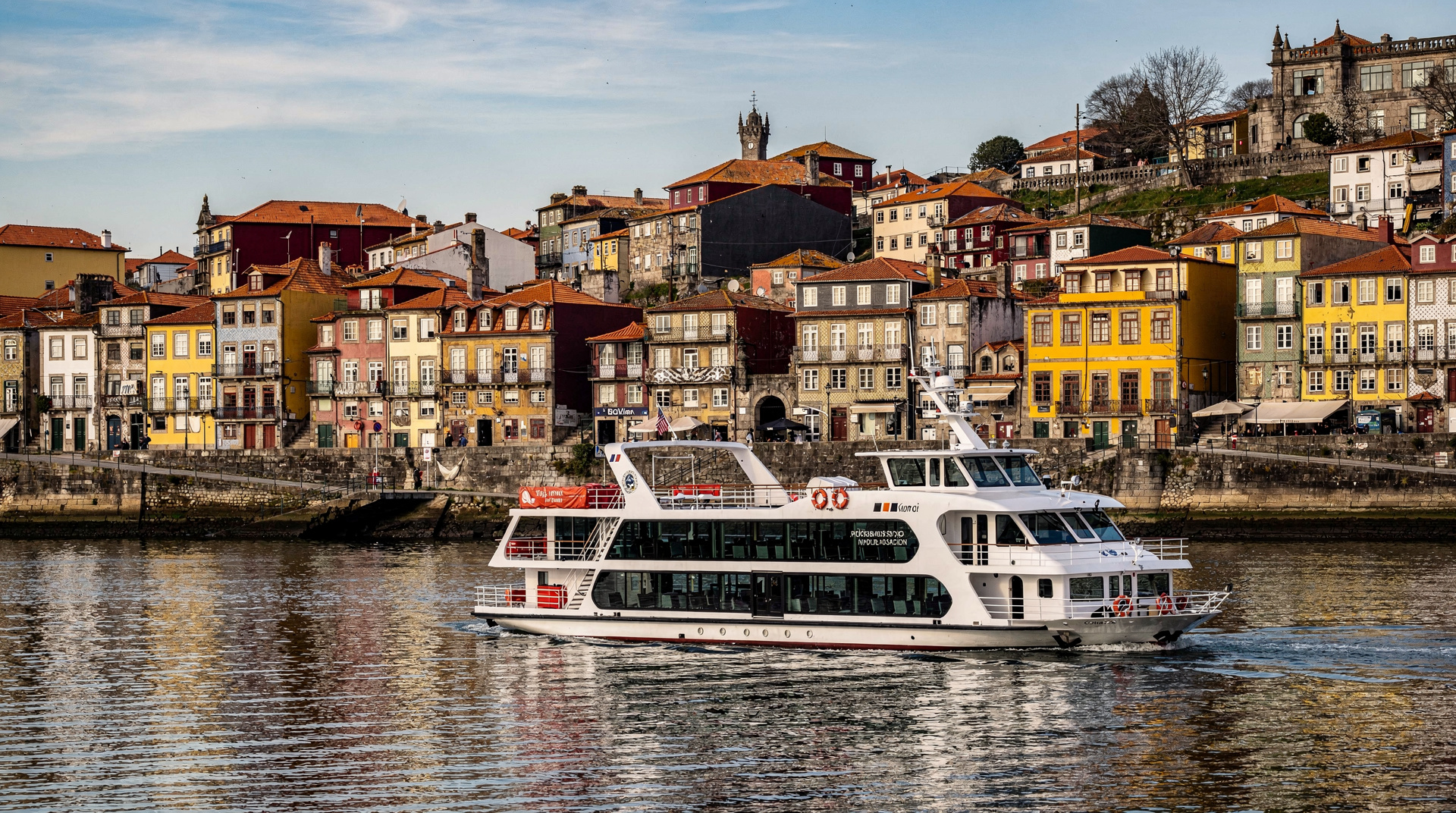
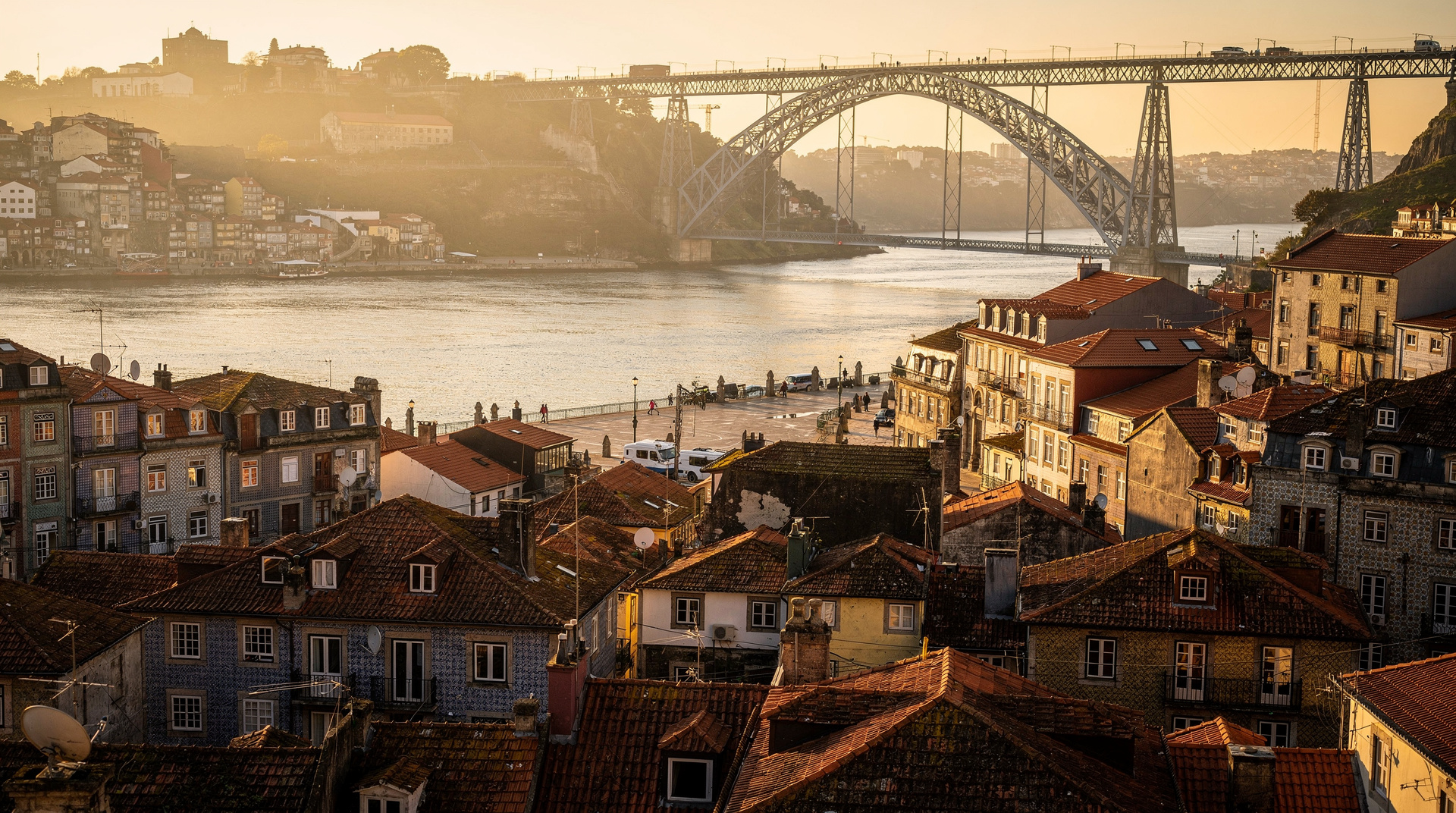
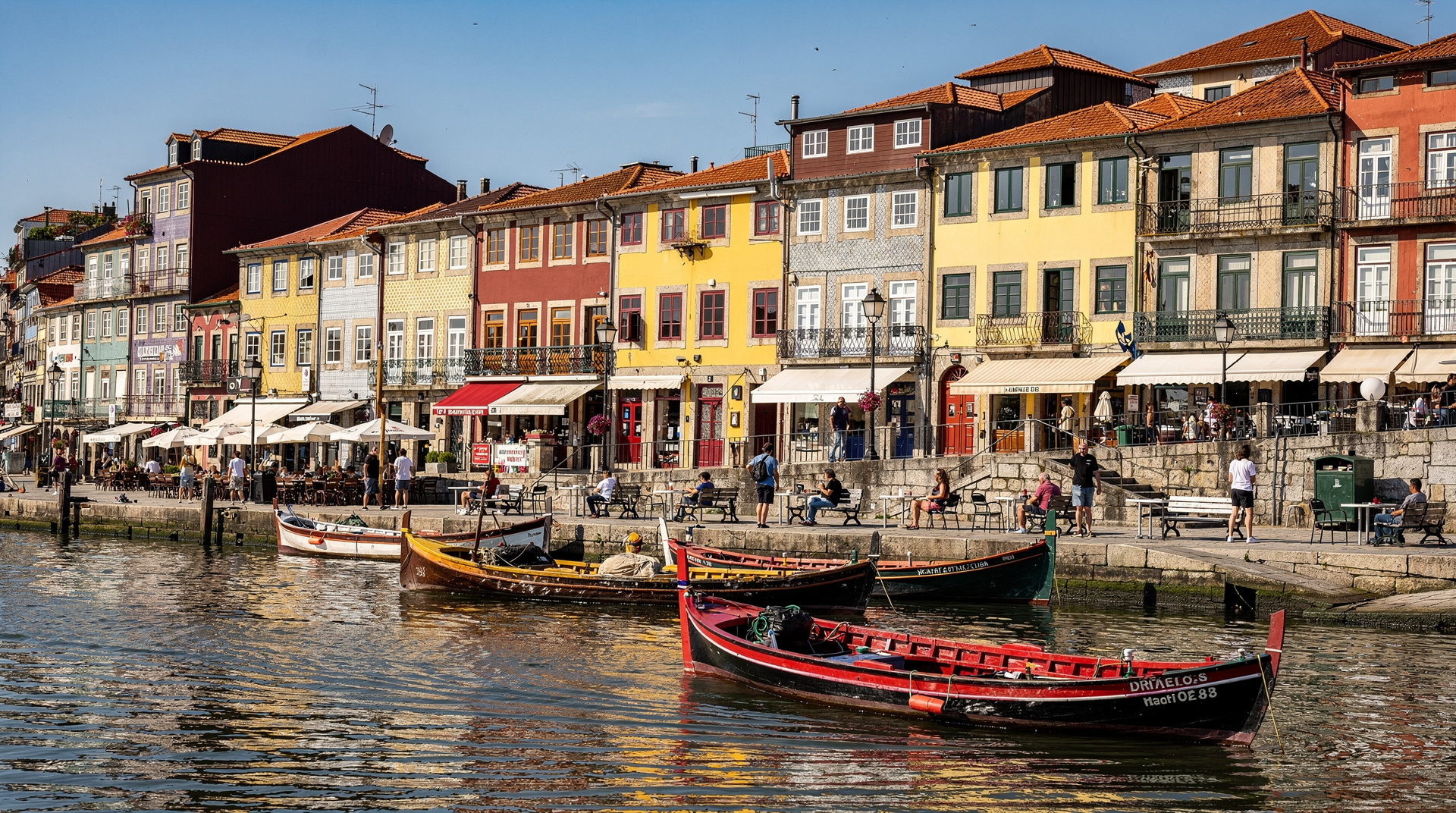
Ribeira itself sits along the waterfront. It is genuinely lovely — the coloured houses, the rabelo boats moored on the Douro, the Ponte Dom Luís I arching overhead. It is also Porto’s most tourist-dense neighbourhood, with restaurants along the quay that charge 20–30% more than comparable places a street or two back. See our Ribeira restaurant traps guide before you sit down anywhere with a laminated photo menu and a doorman outside.
The bridge itself deserves more than a photograph. Walk the upper deck for panoramic views across both banks, then descend to Gaia on the other side — the port lodges are a ten-minute walk from the lower deck.
São Bento station and Clérigos Tower
São Bento railway station (Praça Almeida Garrett) contains some of the most impressive azulejo tilework in the country. Around 20,000 blue-and-white tiles covering the main hall depict scenes from Portuguese history. It is free to enter during station hours and is at its least crowded before 9 am or after 5 pm. There is no need to book a tour here — just walk in.
Clérigos Tower, a ten-minute uphill walk from Ribeira, is Porto’s most recognisable vertical landmark. The 225-step climb delivers the best rooftop view of the city. Entry is €8 (ticket also includes the small Clérigos church museum). You can buy a timed slot online via the official Clérigos entrance ticket, which avoids the queue in high season. The tower is open daily; the light is best in the late afternoon when it catches the terracotta rooftops.
Livraria Lello
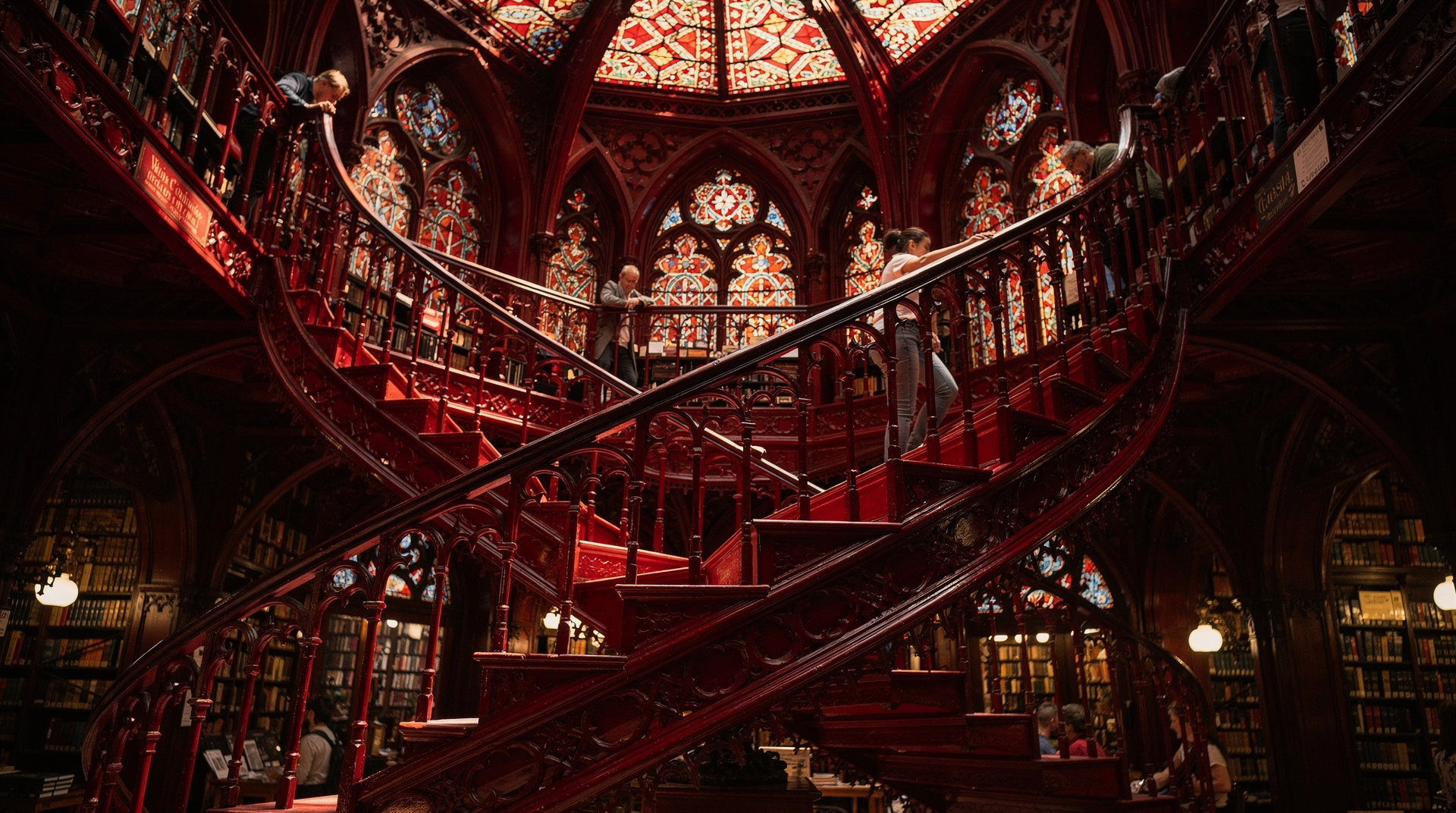
Porto’s famous Art Nouveau bookshop on Rua das Carmelitas is one of the city’s most photographed interiors. The double staircase, the painted ceiling, the carved wood — it is genuinely worth seeing. The problem is that in July and August, queues of two to three hours form outside by 10 am, and the crowd inside makes it difficult to appreciate anything. The smart approach: buy a skip-the-line ticket in advance through the Livraria Lello entry ticket (Silver option ~€8, deducted from any book purchase), and go in the afternoon rather than the morning. The full honest case for whether it is worth it is in our Livraria Lello guide.
Douro river cruises
A 50-minute Six Bridges cruise on the Douro is the most popular activity in Porto after walking the historic centre. It gives you the river perspective on both city banks, passes under all six of Porto’s bridges and includes recorded commentary. The experience is relaxed and appropriate for most visitors. The Six Bridges cruise runs frequently from the Ribeira quay and from the Gaia bank; expect to pay €15–18 per person. A sunset version costs slightly more but gives you better light and a glass of port. Read our full Six Bridges cruise guide for a comparison of operators.
Serralves Museum and gardens
The Serralves Foundation, 4 km west of the city centre in Boavista, holds Porto’s best contemporary art collection inside a striking 1990s building by Álvaro Siza Vieira. The grounds — 18 hectares of formal gardens, woodland and a 1930s Art Deco villa — are as worth visiting as the museum itself. Allow two to three hours. Entry is €20 for the combined museum and gardens; the gardens alone cost €5. It is closed Mondays. Metro to Casa da Música (line D/E), then a 20-minute walk or taxi.
FC Porto stadium tour
Estádio do Dragão, home of FC Porto, offers a stadium and museum tour for €25. It runs daily except on match days and takes around 90 minutes. The museum traces the club’s European history. If football is a priority in your trip, check the fixture calendar — watching a match is a different experience from the tour. See the tour page on GYG for ticket options.
How to get to Porto
From OPO airport: Metro line E (Violeta) runs directly from the airport to Trindade (city centre) and Estádio do Dragão in about 30 minutes. An Andante card for the journey costs approximately €2.50; buy it at the airport metro station (pay once for the card, then reload it). Bolt and Uber operate from the arrivals area and typically cost €15–22 to the centre, faster outside rush hour. Taxi from the rank (metered) costs around €35; agree on a metered fare before departure. Private transfers booked in advance cost €20–40 for a standard car. Our full Porto airport guide covers each option in detail.
By train: Porto’s main long-distance station is Porto Campanhã, not São Bento (which handles regional and Douro services). From Lisbon (Alfa Pendular, ~3 hours, from €25) and from northern cities, trains arrive at Campanhã; metro line B takes you to the centre in 10 minutes.
By car: Central Porto has limited parking and several pedestrianised zones. If you’re arriving by car, park on arrival at a structured car park (Garagem do Palácio de Cristal or near Batalha) and walk or use metro for the rest of the stay. A car is not useful within Porto city itself.
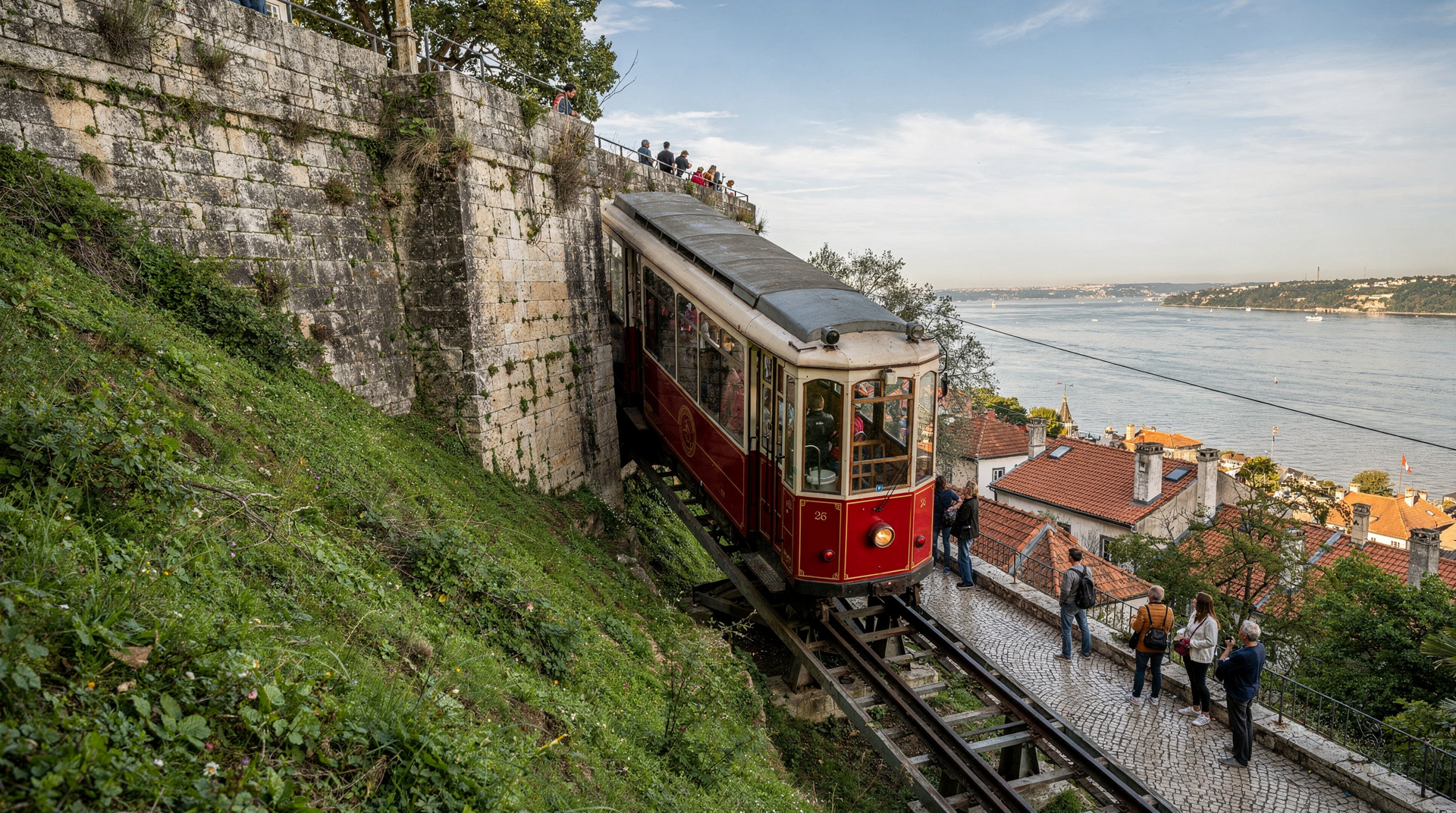
Getting around Porto: The six metro lines cover most tourist areas well. The Andante card (€0.60 for the card, then zone-based fares of €1.30–2.20 per trip) is the cheapest way to get around. A 24-hour Andante Tour card costs €7 and includes unlimited trips across three zones. The historic tram (Line 1E along the Douro) runs between Infante and Passeio Alegre but is slow, expensive (€4.50 one way) and mainly decorative — worth a one-way trip for the experience, not practical for commuting. Porto is walkable but steep; the funicular (Funicular dos Guindais, €4 each way) saves the hardest climb between Batalha and Ribeira.
Porto as a base: which day trip to prioritise
Porto’s location makes it a genuinely strong base for exploring northern Portugal without changing hotels. If you have more than three days, the question isn’t whether to take a day trip but which one first.
| Day trip | Distance | Best for | Time needed |
|---|---|---|---|
| Douro Valley | ~100 km east | Wine estates, river cruise, terraced vineyards | Full day |
| Aveiro | ~70 km south | Canals, moliceiro boats, Costa Nova stripes | Half to full day |
| Guimarães | ~55 km northeast | Portugal’s “birthplace”, medieval castle | Half day |
| Braga | ~55 km north | Baroque churches, Bom Jesus sanctuary | Half day |
| Santiago de Compostela | ~120 km north | Cathedral city, crosses into Spain | Full day |
First-timers with only one extra day beyond the city itself tend to get the most out of the Douro Valley — it’s the experience Porto is most associated with and the hardest to replicate elsewhere. Our best day trips from Porto guide ranks all the realistic options with honest time-and-cost notes, and the northern Portugal 7-day itinerary shows how to string several together if you have a full week.
Where to stay in Porto
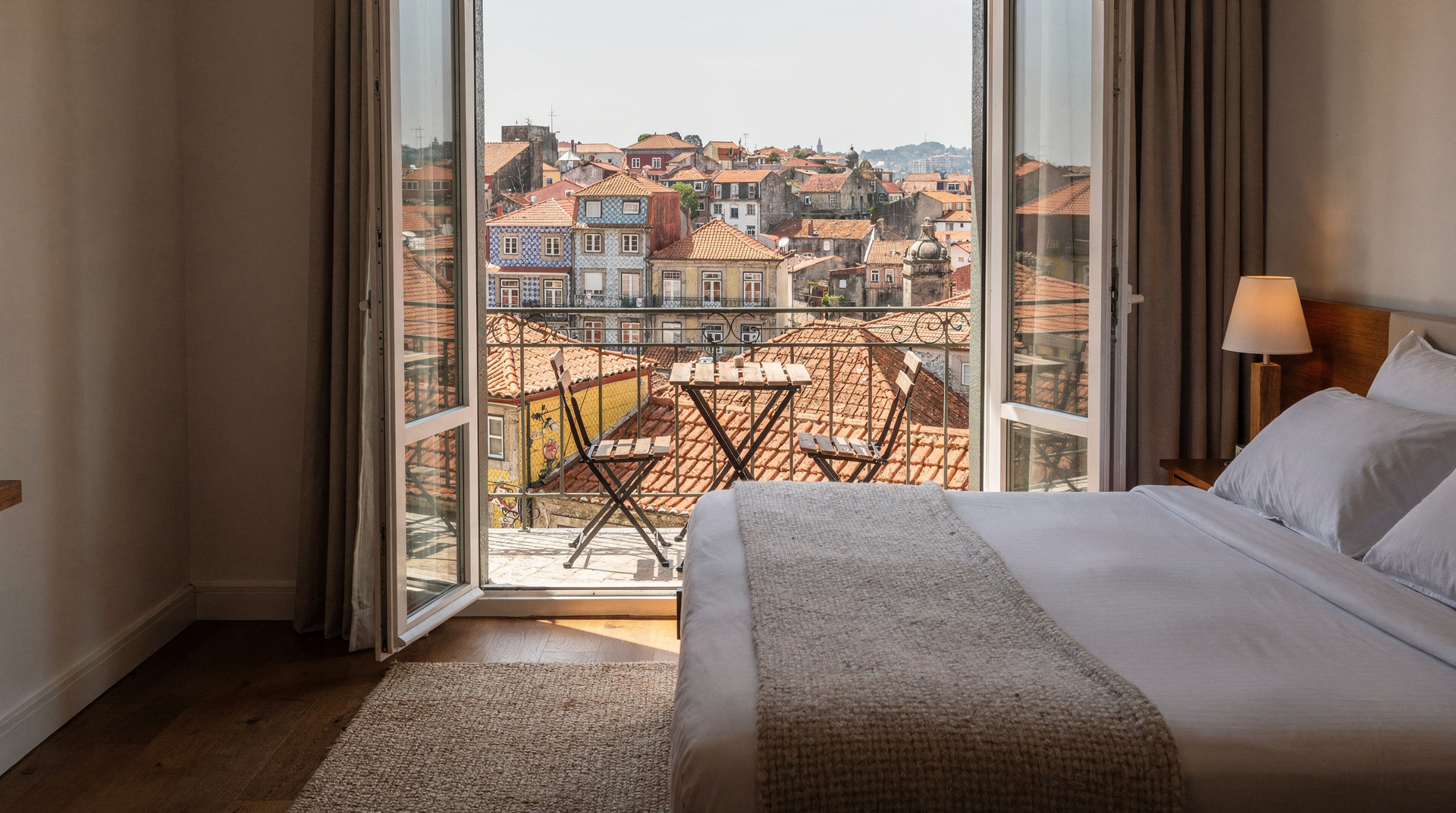
Porto’s hotel geography divides roughly into the historic centre (Ribeira, Bonfim, Baixa), the quieter western zone (Boavista, Foz) and across the river in Gaia. For first-time visitors, staying within walking distance of São Bento, Clérigos or the Ribeira makes the most sense.
Luxury (from €200/night): The Yeatman, on the Gaia hillside above the port lodges, is the most acclaimed address in greater Porto — a wine-focused hotel with Michelin-starred dining and the best rooftop pool view of the city. Within Porto itself, Maison Albar Le Monumental Palace occupies a former cinema on Avenida dos Aliados and is visually the most impressive hotel in the city centre.
Mid-range (€80–160/night): Hotel Teatro (Rua de Sá da Bandeira, near Batalha) occupies a converted 1920s theatre and strikes a balance between design, location and price. PortoBay Flores (Rua das Flores) is a reliable, well-positioned four-star with efficient service. Vincci Porto (near Clérigos) offers solid value for its central location.
Budget and hostels (€25–60/night): Selina Porto (Bonfim neighbourhood) balances dormitory and private rooms with co-working space. For independent travellers, the Bonfim and Cedofeita neighbourhoods give you a local feel at lower prices than the tourist core.
Where to eat in Porto
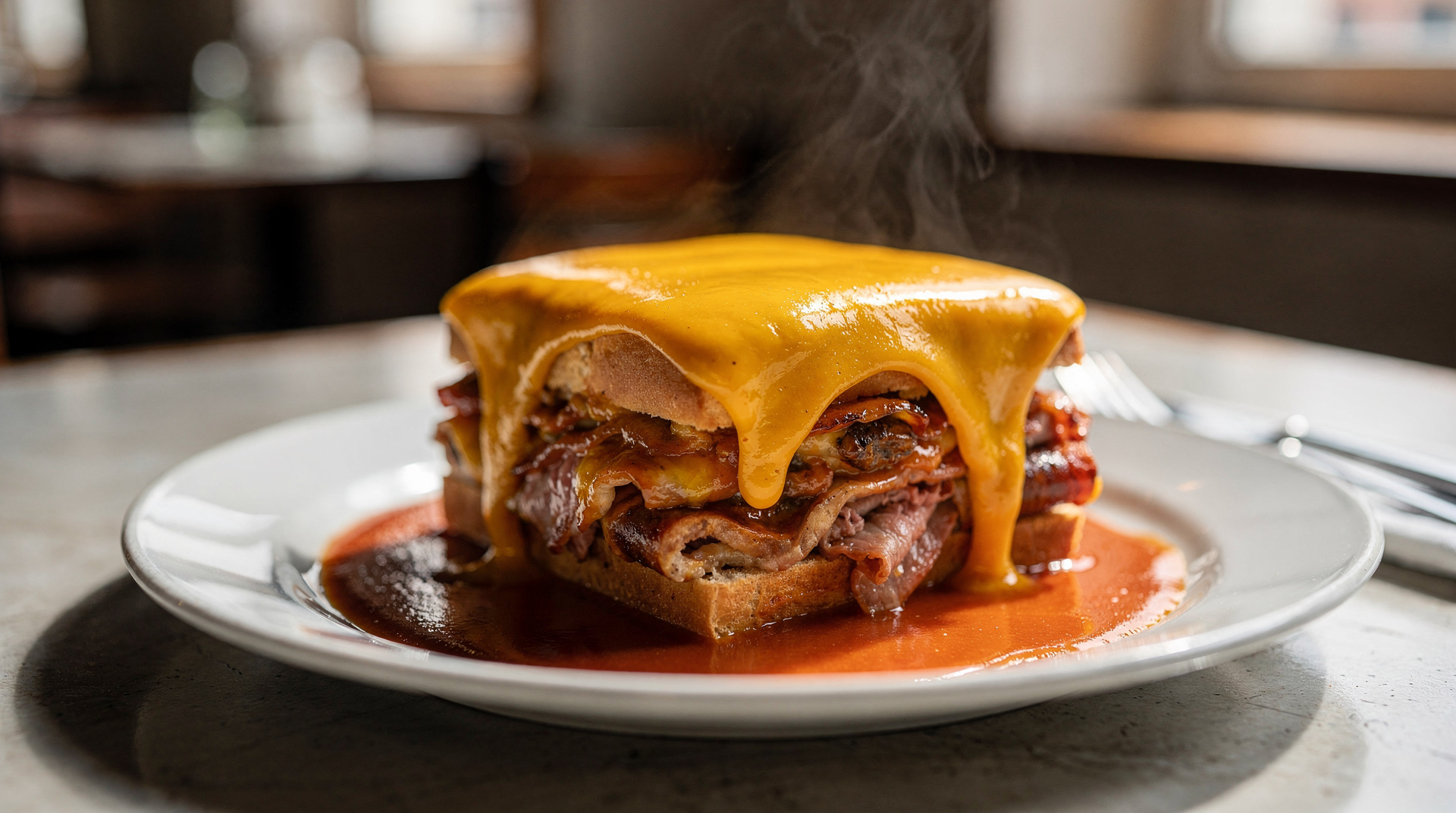
Francesinha: Porto’s signature dish — a layered meat sandwich in a spiced tomato-beer sauce, topped with a fried egg — is not subtle, but it is worth eating at least once. The serious debate over which house makes the best version is covered in our francesinha guide. Cervejaria Gazela (Cais da Ribeira) and Brasão (Cedofeita) are two credible starting points; avoid the versions at tourist-facing restaurants near the waterfront.
Petiscos and tascas: The Portuguese equivalent of tapas, petiscos are meant to be eaten standing at a counter or at a small shared table, with wine. Adega Sport (Rua do Almada) is a narrow, no-frills tasca with rotating daily specials and honest pricing. Lupita (Bonfim) is less central but popular with locals for grilled fish and meat.
Fine dining: Antiqvvm, set inside the Palácio do Freixo hotel on the Douro river, holds a Michelin star and uses a seasonal tasting menu format (€80–120 per person). Pedro Lemos (Foz do Douro) is the other starred address worth the taxi fare; excellent for a special-occasion dinner. Cantinho do Avillez (the Porto outpost of José Avillez’s restaurant group) on Rua Mouzinho da Silveira is a more accessible entry into Porto’s top-end food scene at €30–45 for a main course.
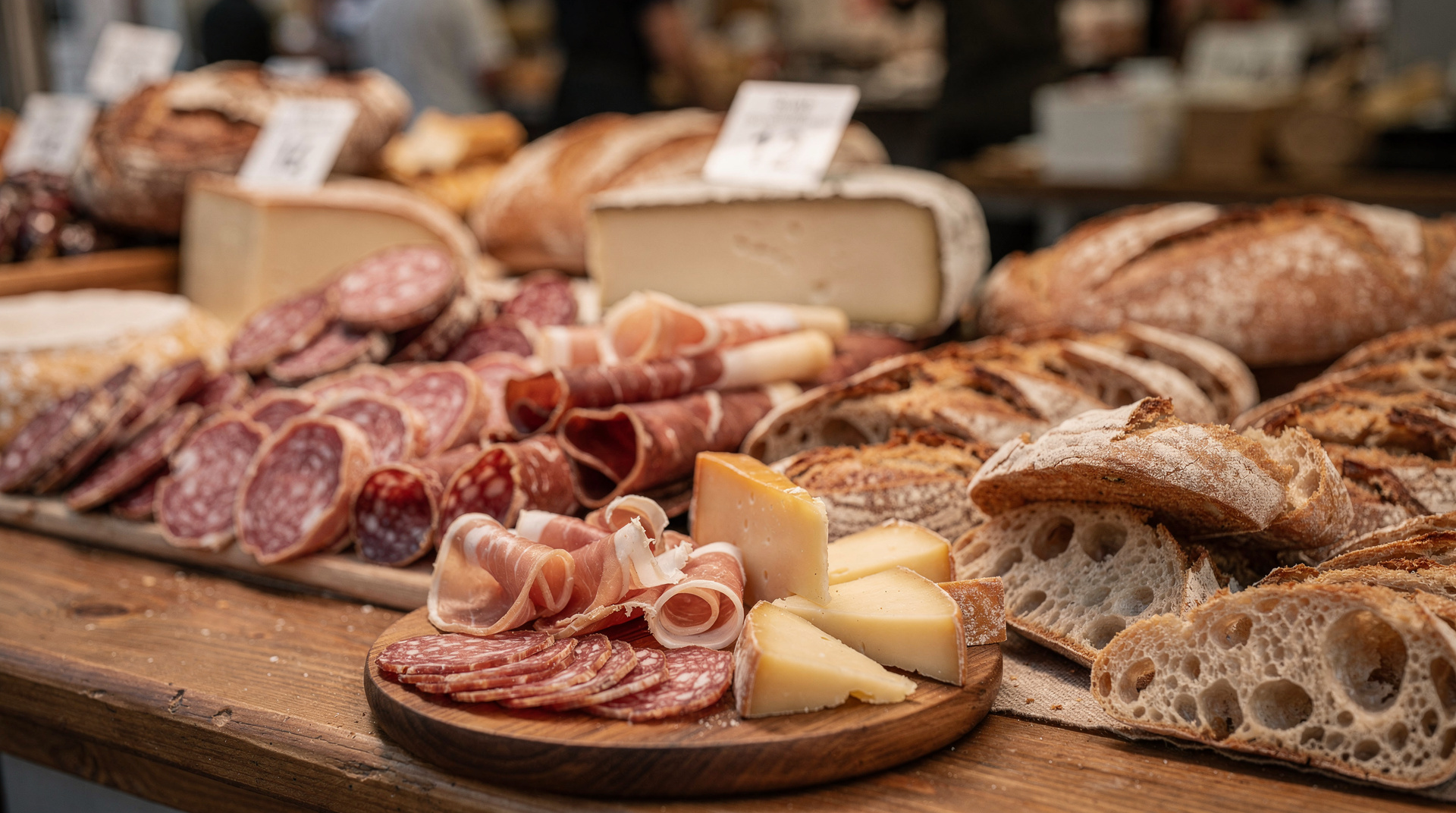
Market eating: Mercado do Bolhão (Rua Formosa), Porto’s restored 19th-century covered market, has a good mix of produce stalls, tascas and snack counters. Read our Mercado do Bolhão guide before you go — some stalls have become tourist traps since the renovation.
Pastéis de nata: Every café serves them. The version at Manteigaria (Rua de Alexandre Herculano) comes reliably warm from a visible oven; the quality is consistent.
Best time to visit Porto
May–June is the overall best window: temperatures in the low-to-mid 20s Celsius, long evenings, tourist numbers below peak, and enough sunny days to spend time on the waterfront. June ends with São João (23–24 June), Porto’s biggest festival — the night of 23 June involves the entire city gathering in the streets, grilling sardines and hitting each other lightly with plastic hammers (the tradition). Book accommodation two to three months ahead for that weekend.
September is an excellent alternative — the city empties of summer tourists after mid-August, temperatures remain warm, and the Douro Valley enters vindima (harvest) season. If a Douro day trip is on your itinerary, September to early October is when you’ll see the vineyards at work. Harvest tours need to be booked three to four months in advance.
July–August is Porto at its most crowded and expensive. The city functions, the weather is reliably dry and warm (often above 30°C), and the Douro river experiences high boat traffic. If July or August is your only option, start sightseeing early, book everything in advance, and budget 10–20% more for accommodation.
November–February: Porto in winter is mild by northern European standards (10–15°C) but genuinely rainy — November is the wettest month. Port lodge visits run year-round. River cruises operate on a reduced schedule (roughly hourly instead of every 30 minutes). Prices drop significantly and the streets are yours. A good choice for travellers who prefer atmosphere over weather.
Practical tips
- Porto’s hills are not a rumour. The climb from Ribeira to Clérigos takes about ten minutes on foot; wear shoes you can walk in all day.
- The couvert — bread, olives and small appetisers placed at your table unbidden — is not free. In tourist-facing restaurants it costs €1.50–3 per item. You are entitled to refuse it; send it back before touching it.
- The Andante metro card works across buses, trams and the funicular. Validate every time you board.
- ETIAS, the European travel authorisation system for non-EU visitors from certain countries (UK, US, Canada, Australia and others), is expected to launch in 2026. Check the current status before you travel via our Porto entry requirements tool.
- Tap water in Porto is safe to drink. Ordering “água da torneira” (tap water) in a restaurant is acceptable.
- Tipping is not mandatory. 5–10% is appreciated at restaurants where service has been attentive; rounding up at cafés is enough.
Porto on a budget: what things really cost
Porto is affordable by western European standards, but the range between a tight budget and a comfortable mid-range trip is wide. Our Porto budget guide has the full breakdown; the short version:
| Style | Accommodation | Food | Daily total |
|---|---|---|---|
| Budget (hostel) | €20–35/night | €15–25/day | ~€50–65/day |
| Mid-range | €80–160/night | €30–45/day | ~€90–110/day |
| Comfortable/luxury | €200+/night | €60+/day | €250+/day |
Free or near-free activities help keep costs down regardless of style: São Bento station, the Sé cloister view from outside, walking Ponte Dom Luís I, and most of Ribeira’s streets cost nothing. The main unavoidable spends are Livraria Lello (or skipping it), one Douro cruise, and at least one port lodge tasting in Gaia.
Porto with children
Porto works reasonably well as a family destination, though the hills and cobblestones are harder going with a stroller than they look in photos. The river cruise, the cable car in Gaia, the FC Porto stadium tour and the funicular between Batalha and Ribeira all read as attractions to children rather than sightseeing. Serralves’ gardens give younger kids room to run that the historic centre doesn’t. Our family things to do in Porto guide and the Porto with kids 3-day itinerary both build a realistic pace around nap times and shorter attention spans rather than an adult sightseeing schedule.
Frequently asked questions about Porto
How many days do you need in Porto?
Two days gives you the main highlights — historic centre, Gaia port lodges, one river cruise — but leaves almost no room for the unexpected. Three days is the sweet spot for most first-time visitors: enough for Serralves, a slower morning at the market, and at least one neighbourhood beyond Ribeira. Four days allows a comfortable day trip to the Douro Valley or the Minho. Our how many days in Porto guide breaks this down by traveller type.
Is Porto safe for tourists?
Porto has a very low violent crime rate. Petty theft (pickpocketing) occurs in the most tourist-dense areas — the Ribeira waterfront, the metro, and around Livraria Lello in summer — so the standard precautions apply: a secure bag, awareness in crowds, not leaving cameras on café tables. Scams are more common than crime: overpriced restaurant menus, unofficial tour guides soliciting commission-based tips, and taxi drivers who take scenic routes from the airport. Our tourist traps guide covers the practical specifics.
Is Porto cheap compared to other European capitals?
Cheaper than Lisbon, Amsterdam or Barcelona, but prices have risen sharply since 2019. A casual lunch with a glass of wine costs €10–15 per person; dinner at a mid-range restaurant runs €25–40 per person. Hotel rates in peak season (July–August) are comparable to secondary cities in France or Spain. You can manage Porto comfortably on €90–110 per person per day at mid-range; under €60 is possible at the budget end with hostel accommodation. Our Porto budget guide has realistic numbers for 2026.
Do I need the Porto Card?
The Porto Card (24-hour €13, 72-hour €26) includes free metro travel and discounts or free entry at participating museums and attractions. It pays off if you plan to visit Serralves, Clérigos, the Palácio da Bolsa and do at least three metro journeys per day. If your itinerary focuses on walking, outdoor time and the port lodges (which aren’t included), the individual tickets will likely work out cheaper. See the Porto Card vs individual tickets guide for a worked example.
Can I do the Douro Valley as a day trip from Porto?
Yes, but it requires an early start and is genuinely tiring if done on a half-day tour. The best organised tours depart Porto by 8–9 am, include visits to two wine estates, lunch and a river cruise, and return around 7–8 pm. The train to Pinhão takes about two hours from Porto Campanhã and is scenic; the limitation is that very few quintas are walkable from the station. See our Douro Valley day trip guide and the transport comparison before deciding.
What is the couvert in Portuguese restaurants?
The couvert is a pre-starter — usually bread, butter or olive oil, and sometimes small plates of cheese or olives — placed at your table without being ordered. You are charged for whatever you consume (typically €1.50–3 per item). You are not obliged to accept it. Return the items before touching them to avoid the charge. This practice is standard across Portugal, not specific to Porto, but it catches tourists off-guard in tourist-area restaurants where the charges are higher than the local norm.
If you’re ready to plan your itinerary, the Porto 3-day itinerary is the most practical starting point, with hour-by-hour suggestions that account for Porto’s hills, opening hours and seasonal variation. For getting around once you’ve arrived, the Porto transport guide covers the metro, funicular and tram in detail, and our where to stay in Porto guide breaks down neighbourhood choice by traveller type.
Top experiences
Bookable activities with verified prices and instant confirmation on GetYourGuide.