Best port wine cellars in Vila Nova de Gaia
Vila Nova de Gaia: Taylor S Port Cellars Tasting in Porto
Which Gaia port cellar should I visit?
Taylor's for the view and depth, Graham's for the premium tasting with chocolate pairing, Cálem if you want fado included, Cockburn's for value. Skip Sandeman if you've seen the others — same family, less character. For something genuinely different, Burmester and Ramos Pinto offer smaller-scale visits worth seeking out.
Why the cellars are in Gaia, not Porto
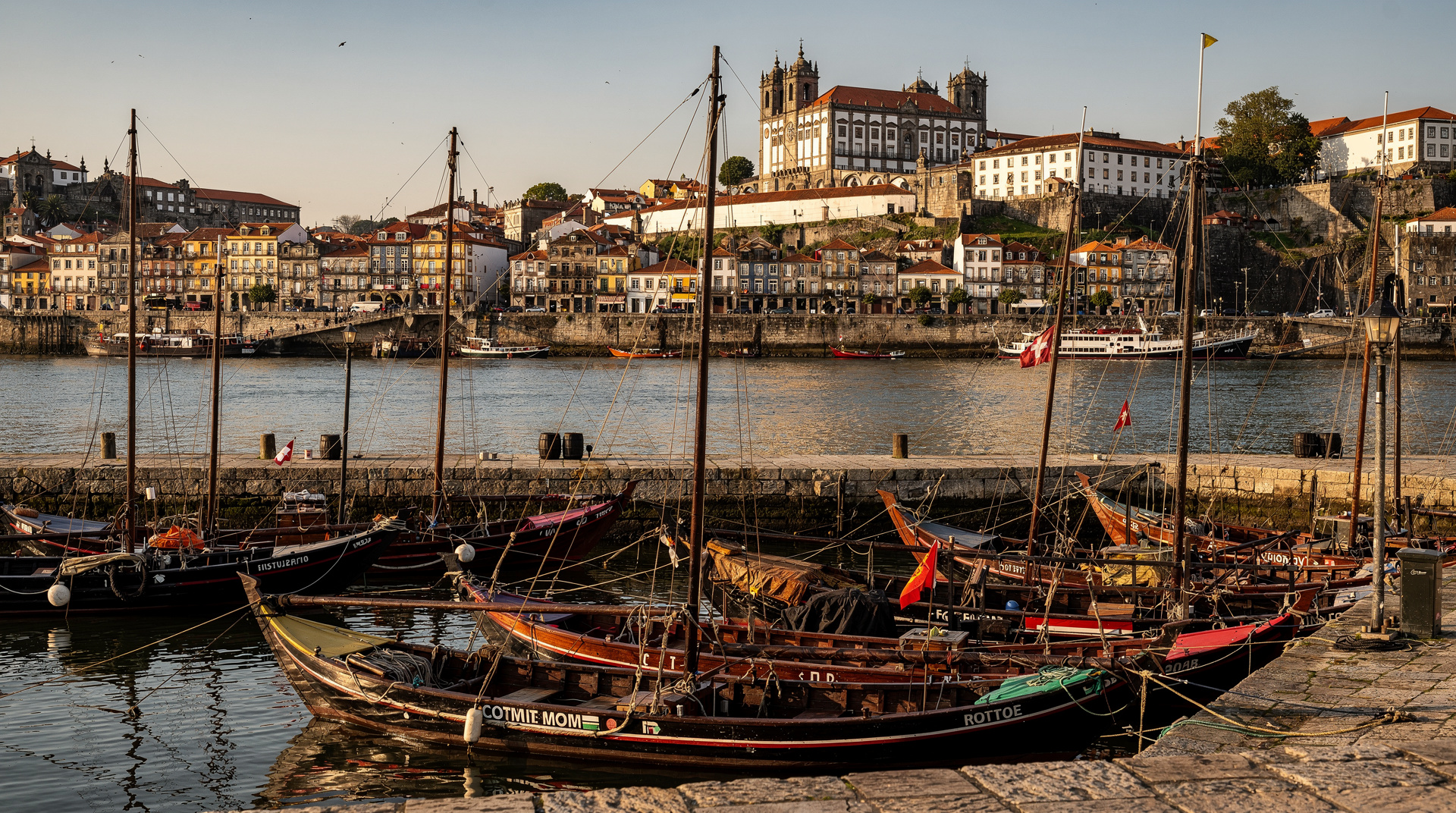
Port wine is made in the Douro Valley — in quintas strung along the river between Peso da Régua and Pinhão, and in hundreds of smaller farms on the schist hillsides above. But for centuries, the wine was shipped downriver in rabelo boats to Vila Nova de Gaia, the town directly across the Douro from Porto, where the cooler, more humid conditions close to the Atlantic were considered ideal for maturing the wine in oak casks.
The lodges that lined the Gaia hillside from the 17th century onward became the de facto home of port wine’s biggest names. Most of the major shippers still age and bottle their port in Gaia, and most still open their lodges to visitors. The result is an unusual concentration — within a walkable kilometre of each other, you can tour cellars belonging to Taylor’s, Graham’s, Cálem, Cockburn’s, Sandeman, Ferreira, Ramos Pinto, Burmester, Niepoort, Quinta do Noval and others.
Not all of them are equally worth your time. This guide ranks them honestly.
| Where | Vila Nova de Gaia, across Ponte Dom Luís I from Porto |
| Cost | Around €5–90 per tasting, depending on lodge and tier |
| Time needed | 60–90 minutes per lodge; half a day for two to three |
| Getting there | 10–20 minute walk across the bridge, or taxi €6–8 |
| Best time | November–February for quiet visits; book ahead June–September |
The tier-one cellars — genuinely worth the price
Taylor’s (Taylor Fladgate and Yeatman)
Address: Rua do Choupelo 250, Vila Nova de Gaia Standard tasting: ~€15–18 for two wines | Premium: ~€25–35 for four wines plus a 20-year tawny Best for: port wine enthusiasts, couples, anyone who cares about views
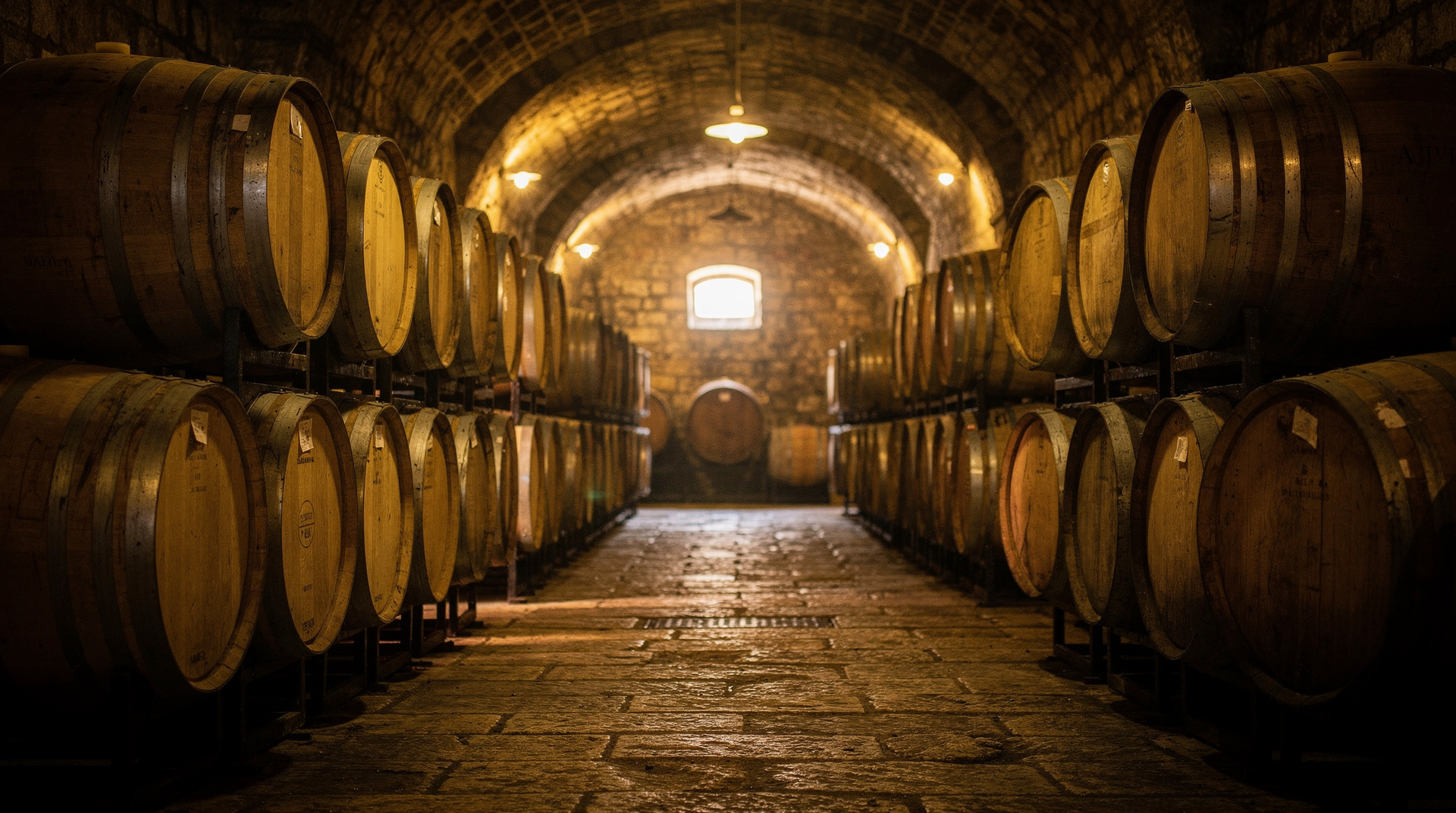
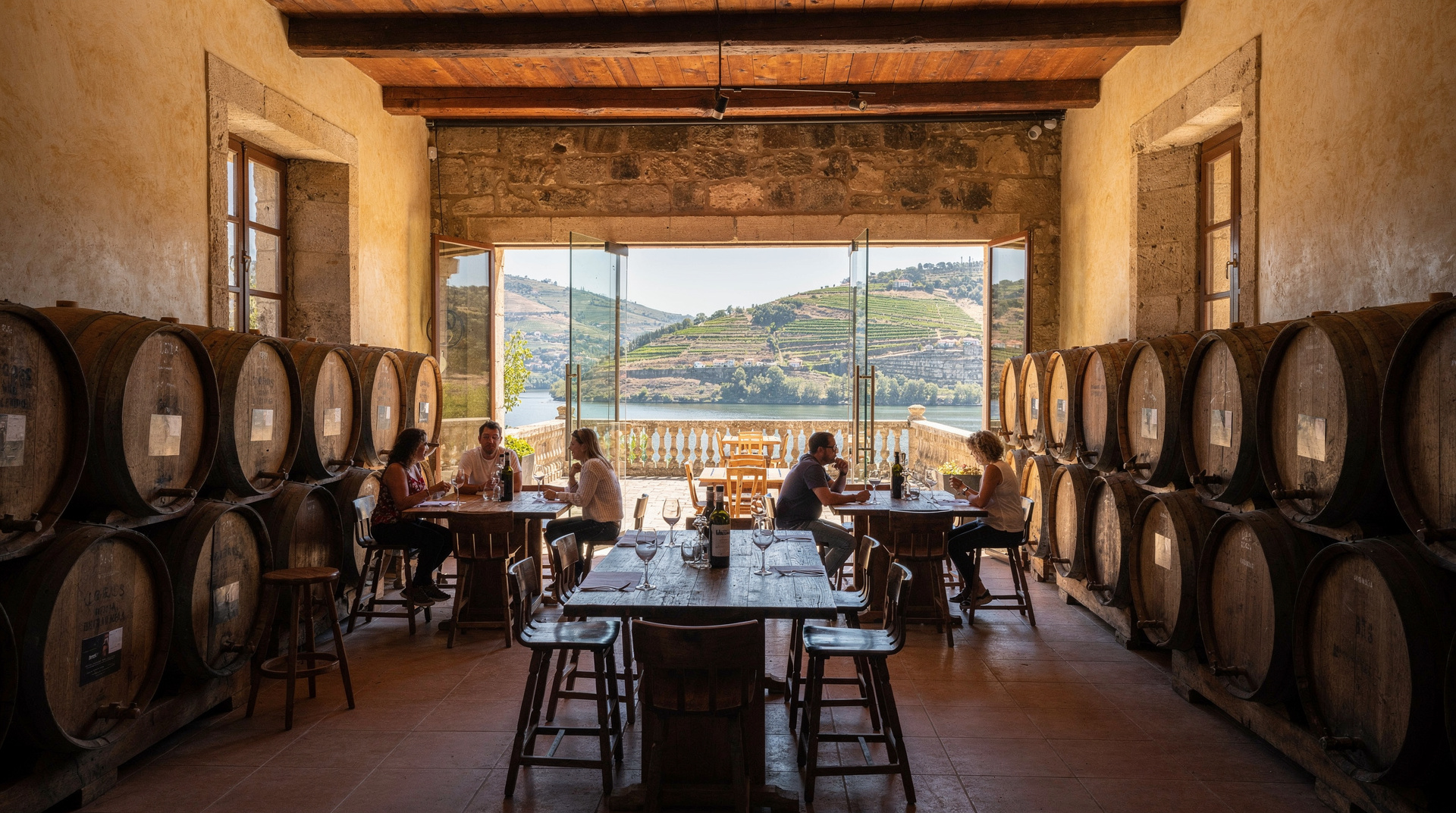
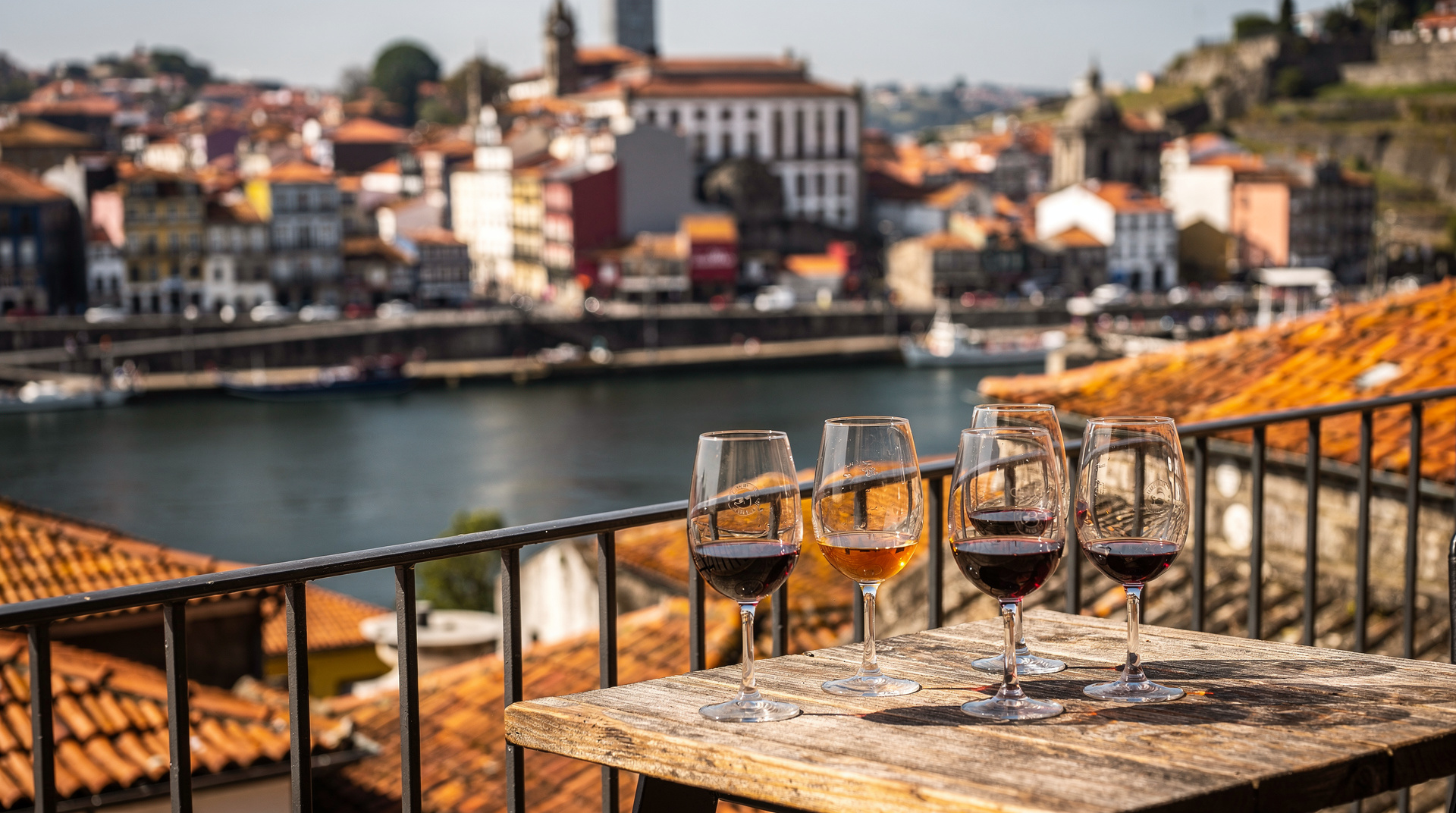
Taylor’s is the most consistently praised cellar visit in Gaia, and it earns that reputation without too much effort from you. The lodge was founded in 1692 and is still family-owned by the Fladgate Partnership. The guided tour covers the aging process competently, moves through the barrel cellars at a good pace, and ends at the terrace — which is the real reason to visit. The panoramic view across the Douro to Porto’s skyline from Taylor’s elevated position is one of the best in the city, genuinely worth sitting with a glass of port for twenty minutes.
The quality of the wines poured in the tasting room is the other strong point. The standard option includes a decent tawny and an LBV; the premium tiers get you into the 20-year tawny and colheita territory where Taylor’s genuinely distinguishes itself from cheaper alternatives.
The weaknesses: the standard tasting at two wines is brief, and the higher tiers add up quickly. The gift shop is excellent but priced at lodge retail. Book in advance from May through September — morning slots fill a day or two ahead. Book the Taylor’s cellar tasting on GetYourGuide
Graham’s (W. and J. Graham’s)
Address: Rua do Agro 141, Vila Nova de Gaia Standard tour with tasting and chocolate: ~€25–30 | Vintage experience: €55–90 Best for: premium tasting, design-minded visitors, chocolate pairings
Graham’s is Taylor’s closest peer at the top of the Gaia quality hierarchy, and in some respects it edges ahead. The 1890 lodge was redesigned in part by Eduardo Souto de Moura, and the contemporary elements sit alongside the historic barrel warehouse with unusual coherence. The tasting format adds a chocolate pairing that isn’t gimmicky — well-chosen dark chocolates matched to specific port styles, and the sommelier notes are genuinely informative.
The standard package includes a guided tour of the lodge and production facilities, three to four ports, and the chocolate accompaniment. The wines poured lean toward Graham’s core range: the Six Grapes ruby is the entry point; the 10-year and 20-year tawnies are where you feel the investment in quality. Graham’s Quinta dos Malvedos, the single-quinta port from their Douro estate, is worth asking about if it’s available in the tasting room.
Book the Graham’s port lodge tasting on GetYourGuideA slightly different option — the Graham’s essentials tasting — is available directly at the lodge and covers the core range at a slightly lower entry price for visitors more interested in sampling than the full tour format.
The value-plus-fado option — Cálem
Address: Avenida de Diogo Leite 344, Vila Nova de Gaia (waterfront) Cellar visit with fado show and tasting: ~€19–22 Best for: first-time visitors, couples who want music and wine combined, anyone short on time
Cálem is the most visited port cellar in Gaia by a considerable margin, and the reason is simple: it combines a cellar visit, a tasting, and a 30-minute fado show in one package at a price that undercuts most other lodges. For a first-time visitor who wants a taste of port wine culture and Portuguese music in one 90-minute experience, Cálem is genuinely the smartest choice.
The fado performance takes place in the main barrel hall, which has good acoustics and real atmosphere with the rows of lodging casks as backdrop. The quality of the performers varies — this is a ticketed set show rather than a spontaneous house performance — but the musicians are professional and the experience is authentic enough to be worthwhile.
The port tasting itself is solid rather than exceptional: typically two wines, leaning toward the approachable end of the range. Cálem specialises in tawny and LBV styles, and the interactive museum element (the Mundo Cálem experience) explains port production in an accessible, slightly tourist-facing way.
The limitation is predictability. Cálem is optimised for volume. If you want a deeper dive into specific wine styles or a quieter experience, go elsewhere. Book the Cálem fado and tasting on GetYourGuide
The value pick — Cockburn’s
Address: Rua do Serpa Pinto 185, Vila Nova de Gaia Standard tasting: ~€12–15 | Premium with pairing: ~€20–25 Best for: budget-conscious visitors, anyone interested in LBV and ruby styles
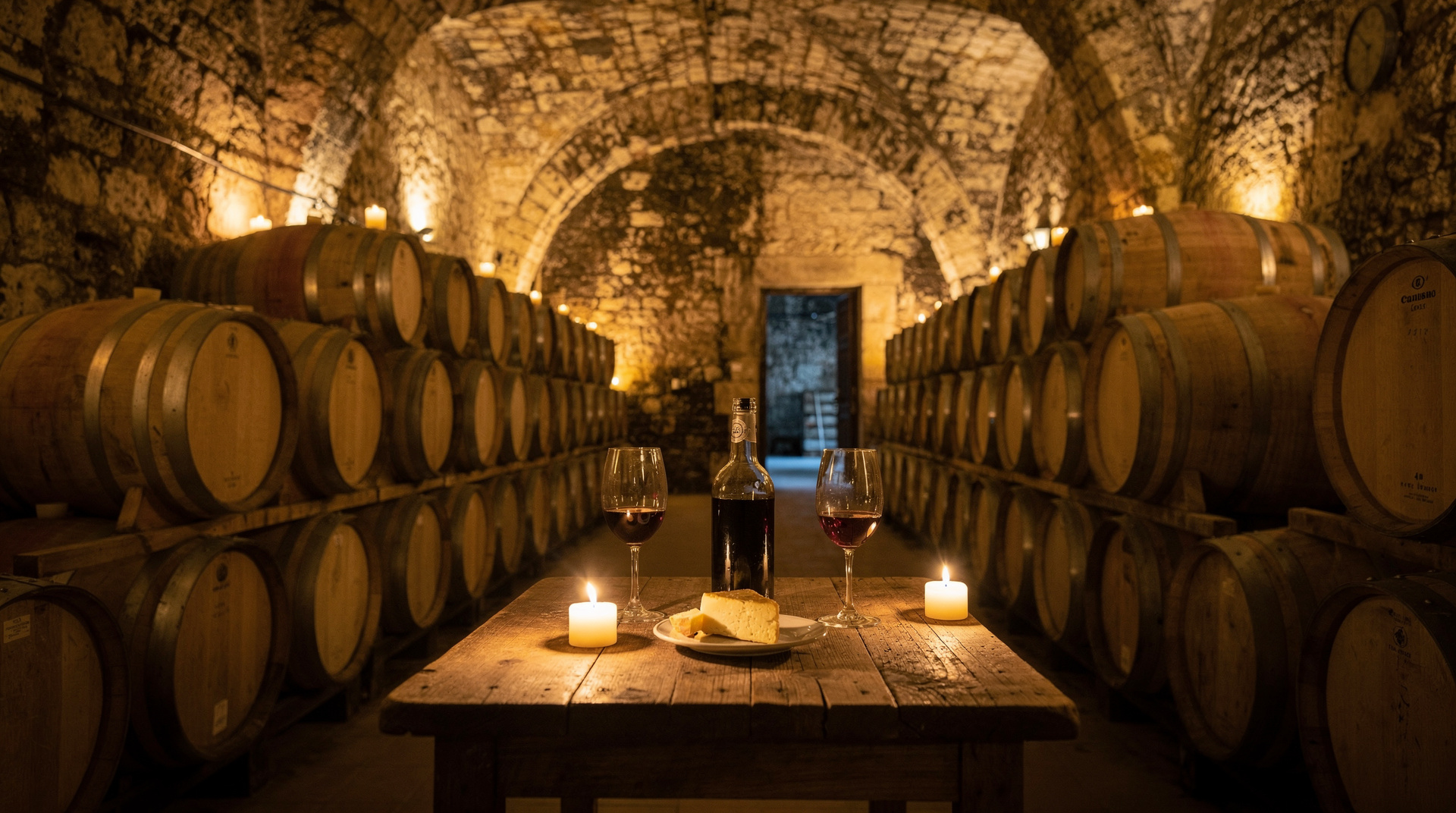
Cockburn’s (pronounced “Co-burns” — the Scottish pronunciation) is part of the Symington Family Estates portfolio, which also owns Graham’s, Dow’s and Warre’s. The lodge is less architecturally impressive than Taylor’s or Graham’s, but the premium tasting and food pairing offers good value — local cheese, charcuterie and bread matched to three or four wines, structured as a proper food-and-wine exercise rather than a perfunctory pour.
Cockburn’s is best known for its ruby port and its Special Reserve — widely available and reliably made, not the most complex port in Gaia but consistent. The premium pairing tier brings in some older tawny and LBV expressions that reward attention.
This is a smart choice when the more famous lodges are fully booked or you want a quieter experience with more personal attention from the guide. Availability here is almost always better than at Taylor’s or Cálem on short notice. Book the Cockburn’s premium tasting on GetYourGuide
The independent choice — Burmester
Address: Rua de Serpa Pinto 95, Vila Nova de Gaia Standard tasting: ~€8–12 | Premium: ~€20–25 Best for: wine-focused visitors, those wanting a smaller-scale, less touristy experience
Burmester is one of Gaia’s best-kept secrets. Now part of the Casa Ferreirinha portfolio (owned by the Sogrape group), it has a long history in Gaia — it was founded in 1730 by German merchants, which explains the distinctly non-Portuguese name — and specialises in aged tawnies and colheitas that consistently punch above their price point.
The visits are smaller and more personal than at the major lodges. You’re unlikely to be herded through in a group of forty. The tasting room is understated, the staff are knowledgeable, and the wines — particularly the 10-year and 20-year tawnies — are among the best-value premium ports in Gaia. If you have genuine interest in how tawny port develops differently from vintage and LBV styles, this is the place to spend time. Book the Burmester cellar tour on GetYourGuide
Other lodges worth knowing
Sandeman: The immediately recognisable black cape and wide-brimmed hat logo makes Sandeman the most photographed cellar exterior in Gaia. The visit is competent and the wines — particularly the mid-range aged tawnies — are well-made. However Sandeman, like Cockburn’s, is part of the Sogrape group, and the tour itself doesn’t offer anything significantly different from a Taylor’s or Graham’s visit at a similar price point. Worth visiting if you are a logo-collector or a Sandeman loyalist; not a priority if you’ve already done one of the tier-one options.
Fonseca: A smaller Fladgate Partnership cellar less visited than Taylor’s. The Fonseca fado show and optional dinner format is one of the better alternatives to Cálem for combining port and music, particularly if you want a more intimate atmosphere and genuine dinner rather than just wines and a show. The Fonseca fado and dinner option is worth comparing directly against Cálem.
Ramos Pinto: One of the more architecturally interesting lodges on the Gaia waterfront, with Art Nouveau tiled decoration and a small museum. The wines lean toward the innovative side — Ramos Pinto has invested heavily in research into indigenous Douro grape varieties. A good choice for visitors interested in wine beyond the port category.
Quinta do Noval: Noval’s Gaia lodge is a more intimate option with excellent tasting selections, particularly their Nacional vintage (rarely poured for general visits but worth asking about). Their more widely available colheitas and LBV expressions are genuinely impressive. Quieter than the tourist-facing operations.
Niepoort: Dirk Niepoort’s operation in Gaia is small and serious, without the large-scale tourism infrastructure of the major lodges. Visits are typically by appointment or through more specialised wine tour formats. If you are a committed wine enthusiast rather than a casual tourist, Niepoort is worth investigating. The port wine tasting guide for beginners has more context on choosing based on your interest level.
All the cellars compared at a glance
| Lodge | Standard price | Best for |
|---|---|---|
| Taylor’s | ~€15–18 | The best terrace view and top-tier tawnies |
| Graham’s | ~€25–30 | Premium tasting with a chocolate pairing |
| Cálem | ~€19–22 | First-timers wanting music and wine together |
| Cockburn’s | ~€12–15 | Budget-conscious visitors, good pairing menu |
| Burmester | ~€8–12 | A smaller, less touristy, wine-focused visit |
| Sandeman | Similar to Cockburn’s | Only if you’ve not already done a Sogrape lodge |
| Fonseca | Comparable to Cálem | An intimate fado-and-dinner alternative |
| Ramos Pinto | Moderate | Art Nouveau setting, indigenous grape research |
| Quinta do Noval | Moderate-premium | Quiet visit, exceptional colheitas |
| Niepoort | By appointment | Committed wine enthusiasts only |
Understanding what you’re actually tasting
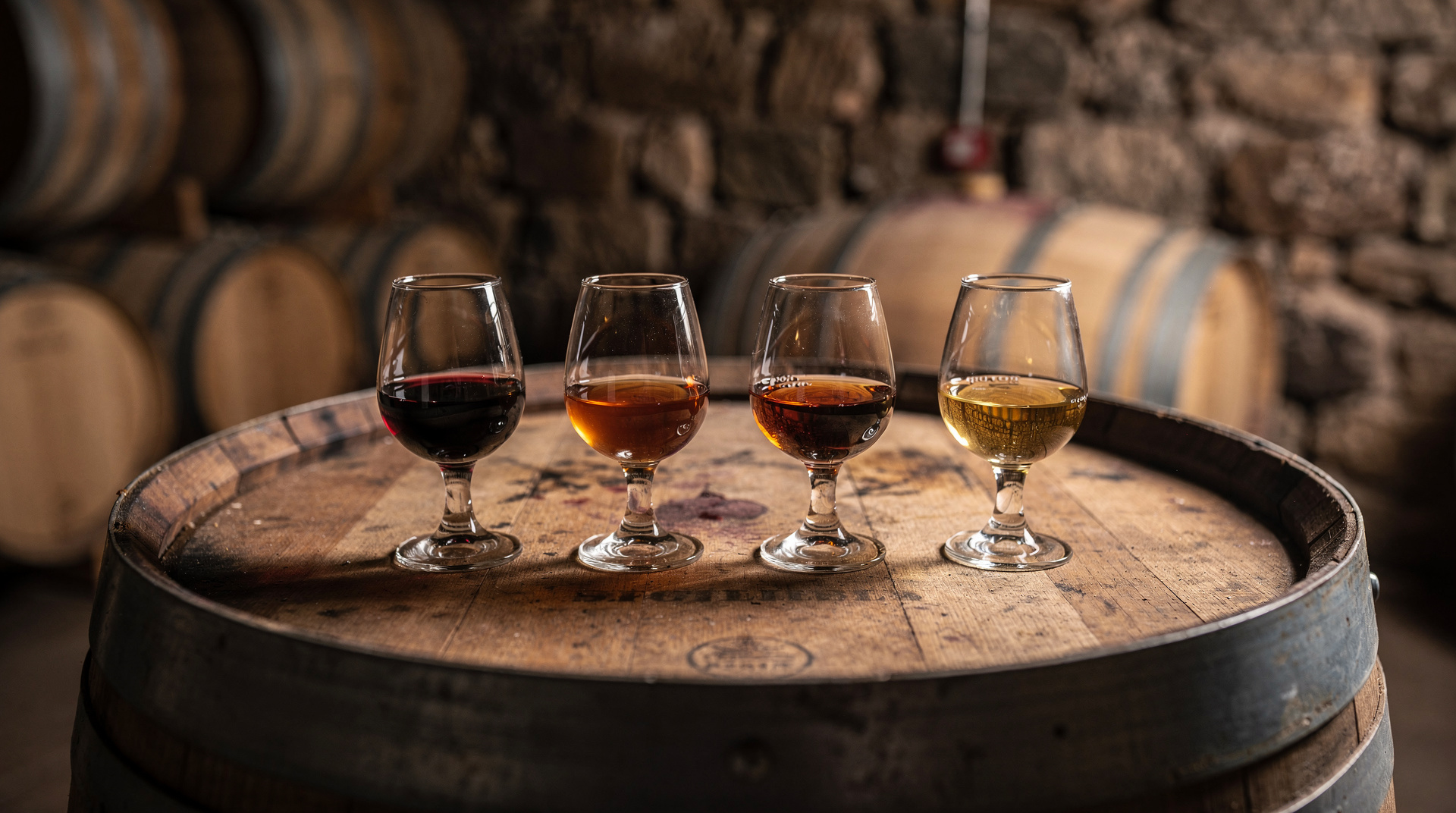
Port comes in a handful of core styles, and knowing the difference makes every tasting more useful. Ruby is young, fruity and the entry point at most lodges — Cockburn’s Special Reserve is a good example. Tawny ages in wood and takes on nutty, caramel notes as it oxidises; the age statements (10-year, 20-year, 30-year) refer to an average blended age, not a vintage. LBV (Late Bottled Vintage) sits between ruby and true vintage port — a single good year, aged four to six years in wood before bottling, ready to drink without decanting. Vintage port is the rarest and most age-worthy style, declared only in exceptional years and needing decades in the bottle to show its best; it’s the style least likely to appear in a standard tasting flight and most likely to appear as a costly add-on at the premium tiers. Colheita is a tawny from a single named year, offered by specialists like Burmester and Quinta do Noval. The types of port wine explained guide goes deeper on each style if one tasting leaves you wanting more context.
How cellar visits fit around the rest of Gaia
A cellar visit rarely fills a whole day on its own, and pairing it with the rest of the Gaia waterfront makes better use of the trip across the bridge. The Gaia cable car connects the lower waterfront to the Jardim do Morro viewpoint in about five minutes and is worth doing once for the views over the Douro and Porto’s skyline. After a lodge visit, the promenade along the Gaia quay has restaurants with better value than the equivalent spots across the river in Ribeira, since the tourist premium is slightly lower on this side. If you’re building a full Gaia day, the six bridges cruise departs from the Gaia waterfront and gives a different angle on the same views you get from Taylor’s terrace, from the water rather than the hillside.
How cellar visits differ from a Douro quinta visit
It’s worth being clear-eyed about what a Gaia lodge visit does and doesn’t show you. You’ll see barrel halls, learn the aging process, and taste finished wine — but you won’t see a vineyard, a harvest, or the terraced hillsides the grapes actually grow on. For that, you need a day trip into the Douro Valley itself, where the best quintas offer vineyard walks alongside their tastings. Neither replaces the other: a Gaia lodge is the efficient, half-day version; a Douro quinta is the full-day, more atmospheric one. Do both if time allows, in either order.
How to plan your cellar visit day
From Porto: Cross Ponte Dom Luís I on foot (upper deck for views) and descend into Gaia. The walk from the lower Gaia waterfront to Taylor’s or Graham’s takes 10–15 minutes uphill. The cable car from the waterfront takes you up to the Jardim do Morro for a different descent. Taxis from central Porto cost €6–8.
Route suggestion for a half day: Start at Cálem or Ramos Pinto on the waterfront for a morning tasting, then walk uphill to Taylor’s or Graham’s for the premium afternoon slot. End on the Taylor’s terrace with a glass of 10-year tawny before the sunset. Total budget including entry and transport: €40–60 per person.
Booking: Taylor’s, Graham’s and Cálem should be booked at least 48 hours ahead in June through September — morning slots on weekends fill faster. Cockburn’s and Burmester rarely need advance booking outside of peak summer.
Timing: Cellars typically open from 10 am. Most guided tours run on the hour. The light on the Gaia hillside is best in the late afternoon for photographs.
See the which port cellar to visit guide for a decision-tree format if you need help choosing based on budget, interests and travel style.
Frequently asked questions about port wine cellars in Gaia
What is the difference between a lodge and a quinta?
A lodge (or lagar) is the Gaia-based aging and maturation facility where port is stored in wood after fermentation. A quinta is the Douro Valley estate where the grapes are grown and the initial fermentation happens. Some companies own both, and some quintas have opened their own visitor experiences in the valley. Visiting a Gaia lodge shows you the aging process; visiting a quinta shows you the vineyard and harvest. Both are worth doing if port wine is a genuine interest — the Douro Valley day trip guide covers the quinta visits.
Should I tip the guide at a cellar tour?
It is not expected but appreciated for a particularly good tour. €2–5 per person is the norm if you felt the guide added real value. At Cálem especially, the guides rotate through large group tours and a small tip acknowledges the effort.
Can I buy port wine to take home from the lodge shops?
Yes. Every major lodge has a retail shop, and several stock lodge-exclusive bottlings not found in Porto supermarkets. The single-quinta ports and limited colheitas at Taylor’s and Graham’s are genuinely worth buying if you have luggage space. Prices are lodge-retail, not wholesale, but for wines that are hard to find outside Portugal, the premium is usually justified.
What time of year are the cellars least crowded?
November through February. The cellars operate year-round, and a winter visit has a particular atmosphere — the fog off the Douro, the quiet lodges, the unhurried tastings. January and February are the calmest months. The how many days in Porto guide has seasonal advice for the wider trip.
Is the WOW cultural district connected to the cellars?
WOW (World of Wine) is a museum complex built on the former C. da Silva wine company site on the Gaia hillside. It is adjacent to the port lodge area but separate from the individual cellar visits. The Wine Experience museum within WOW is a useful introduction to port wine and Douro wine history, particularly if you are visiting before doing any of the individual lodge tours. The WOW district guide covers whether the entry price is justified.
Frequently asked questions — Best port wine cellars in Vila Nova de Gaia
Do I need to book port cellar tours in advance?
In July and August yes — slots at Taylor's, Graham's and Cálem sell out the day before. October through March you can usually walk in, though weekends can still be busy at the most popular lodges.How much does a port cellar visit cost in 2026?
Basic tastings start at €5–8 at smaller lodges like Poças and Burmester. Standard guided tours with two wines cost €12–18 at Taylor's and Cálem. Premium options at Graham's and Taylor's run €25–40. VIP and vintage experiences reach €60–90.How many cellars can I realistically visit in one day?
Two to three is the practical limit if you want to absorb each experience. Most tours run 60–90 minutes. More than three in a day and the tastings start to blur, both in memory and in effect.Are the cellars accessible for visitors with limited mobility?
Most Gaia lodges are built into hillside terrain with stone steps and uneven floors. Ramos Pinto and Ferreira have partially accessible routes. Always check directly with the cellar before visiting if mobility is a concern.Is Vila Nova de Gaia worth a half day or full day?
A solid half day covers two cellars, the waterfront promenade, and the cable car. A full day works well if you add lunch at a good restaurant on the Gaia quay and the WOW cultural district.
Top experiences
Bookable activities with verified prices and instant confirmation on GetYourGuide.