Boavista and Serralves — Porto's art and architecture district
Boavista and Serralves: Porto's best contemporary art museum, Casa da Música and 18 ha of gardens by Álvaro Siza. What to see and how to plan your visit.
Porto: Porto Private Tour with Locals Highlights Hidden Gems
Quick facts
- Serralves museum entry
- €20 combined (museum + gardens); gardens alone €5
- Metro to Serralves
- Casa da Música (lines D/E), then 20-min walk or taxi
- Serralves closed
- Mondays
- Casa da Música tours
- Daily guided tours from €10
Porto’s other cultural centre
The majority of Porto’s most famous attractions are compressed into a roughly 2-km zone around the Ribeira waterfront and the historic centre. This density is convenient for visitors with limited time but leaves a different Porto largely unexplored. The western plateau around Boavista and Serralves contains the city’s most significant contemporary art museum, its most ambitious piece of modern architecture in the form of Casa da Música, and some of the finest private gardens in northern Portugal.
The trade-off is distance. Boavista is 3 km from the Ribeira — manageable on foot but tiring if you’ve already covered the historic centre. The metro (Casa da Música station, lines D and E) makes it easy to reach in 15 minutes from Trindade. For travellers spending three or four days in Porto, the Serralves afternoon is essential. For one- or two-day visitors, it depends on what matters more.
| Where | Western Porto, ~3 km from Ribeira |
| Time needed | Half day (museum) to full day (museum plus gardens plus lunch) |
| Cost | Combined museum and gardens €20; gardens alone €5; Casa da Música tours from €10 |
| Getting there | Metro to Casa da Música (lines D/E), then 20-min walk or short taxi |
| Best time | April–October for the gardens; museum open year-round, closed Mondays |
What to do in Boavista and Serralves
Serralves Museum of Contemporary Art
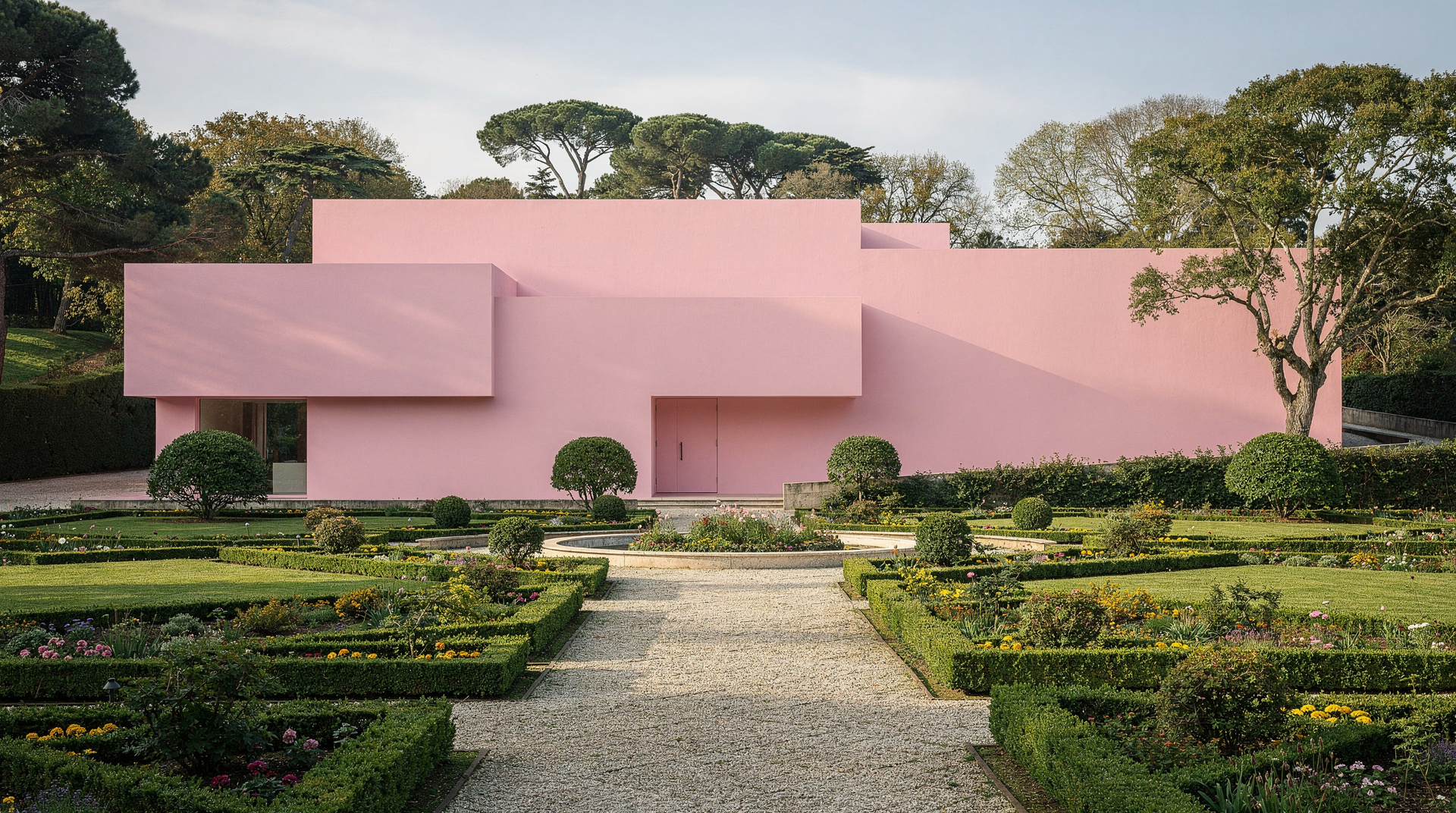
The Serralves Foundation occupies a 1997 building by Álvaro Siza Vieira — one of Portugal’s most internationally recognised architects and a Pritzker Prize winner — in 18 hectares of grounds at the western edge of the city. The museum holds a rotating permanent collection of post-1960s international contemporary art, supplemented by a consistently ambitious exhibition programme that brings in works from across Europe and beyond.
The building itself is worth the trip for architecture enthusiasts. Siza’s design responds to the landscape with characteristic restraint: white concrete walls, carefully framed views, galleries that are lit naturally where possible. The route through the building never feels predetermined, which is unusual and satisfying.
The Serralves Villa, a 1930s Art Deco house in the gardens, adds a second register to the visit — it operates as a period setting for temporary exhibitions and is architecturally interesting in its own right as one of the best examples of Portuguese Art Deco. Combined entry (museum and gardens) costs €20; gardens alone €5. The museum is closed on Mondays. Allow two to three hours minimum; a full visit including the gardens takes closer to four.
For planning purposes, our Serralves museum guide covers what to prioritise depending on time available and current exhibitions.
Casa da Música
Casa da Música, designed by Rem Koolhaas and OMA and completed in 2005, is Porto’s main concert hall and one of the most architecturally discussed buildings in Europe. The asymmetric shape — a faceted angular form rising from a large plaza — is polarising in the best sense: it looks nothing like any other concert hall, and the interior continues the geometric logic with corridors and spaces that disorient pleasantly.
Guided tours run daily (approximately €10, one hour) and take you backstage into the main auditorium, the rehearsal rooms and several of the unusual auxiliary spaces. If attending a performance is a priority, check the programme for the Porto Symphony Orchestra (resident ensemble) or visiting groups — tickets start from €12 for non-prime seats. The plaza outside is a gathering point for locals in the evenings.
Boavista Rotunda and walking the avenue
Boavista is anchored by a large circular plaza — Praça de Mouzinho de Albuquerque — at the intersection of several major avenues. The rotunda itself has a war memorial at its centre (the Obelisk of Boavista, commemorating the Peninsular War) and is surrounded by the kind of urban commercial fabric — banks, estate agents, restaurant chains — that characterises prosperous Portuguese mid-century urbanism. It is not especially scenic but gives you a sense of Porto beyond the historic postcard.
Avenida da Boavista runs west from the rotunda toward the sea, lined with larger buildings, the occasional embassy and some of Porto’s more expensive residential real estate. Walking or cycling this avenue toward Foz do Douro is a different, less crowded Porto experience — see our cycling Porto to Foz guide for the specific route.
Serralves gardens and the park
The 18 hectares surrounding the museum and villa are laid out in a mixture of formal garden, woodland, kitchen garden and meadow. The formal sections near the villa are geometrically rigorous — clipped hedges, axes of linden trees, a rose garden — while the woodland paths become more naturalistic. A small farm and kitchen garden at the northern end produces vegetables for the museum restaurant.
The gardens are particularly good in spring (April–May, when the wisteria and magnolias flower) and in October, when the woodland turns. They are open every day of the year, including when the museum is closed, for the €5 garden-only fee. Children are well catered for: there is a play area and the grounds are large enough to absorb a group of small people running in different directions.
Beyond the formal areas, the working farm at the northern boundary is a small but genuine surprise — chickens, a vegetable plot supplying the museum restaurant, and occasional demonstrations of traditional Portuguese agricultural methods aimed mostly at school groups but open to any visitor curious enough to walk the extra few minutes. It is a useful reminder that Serralves was a private quinta before it became a museum, and the estate’s agricultural layer survives alongside its cultural one rather than being erased by it.
How to get to Boavista and Serralves from Porto centre
Metro: Casa da Música station (lines D/Amarela and E/Violeta) is the closest metro stop to both attractions. From Trindade (the main interchange), it is a 7-minute ride. From the airport (line E), it is a 20-minute ride. From Casa da Música station, Serralves is a 20-minute walk west along Rua de Serralves; taxis are available outside the station for around €6.
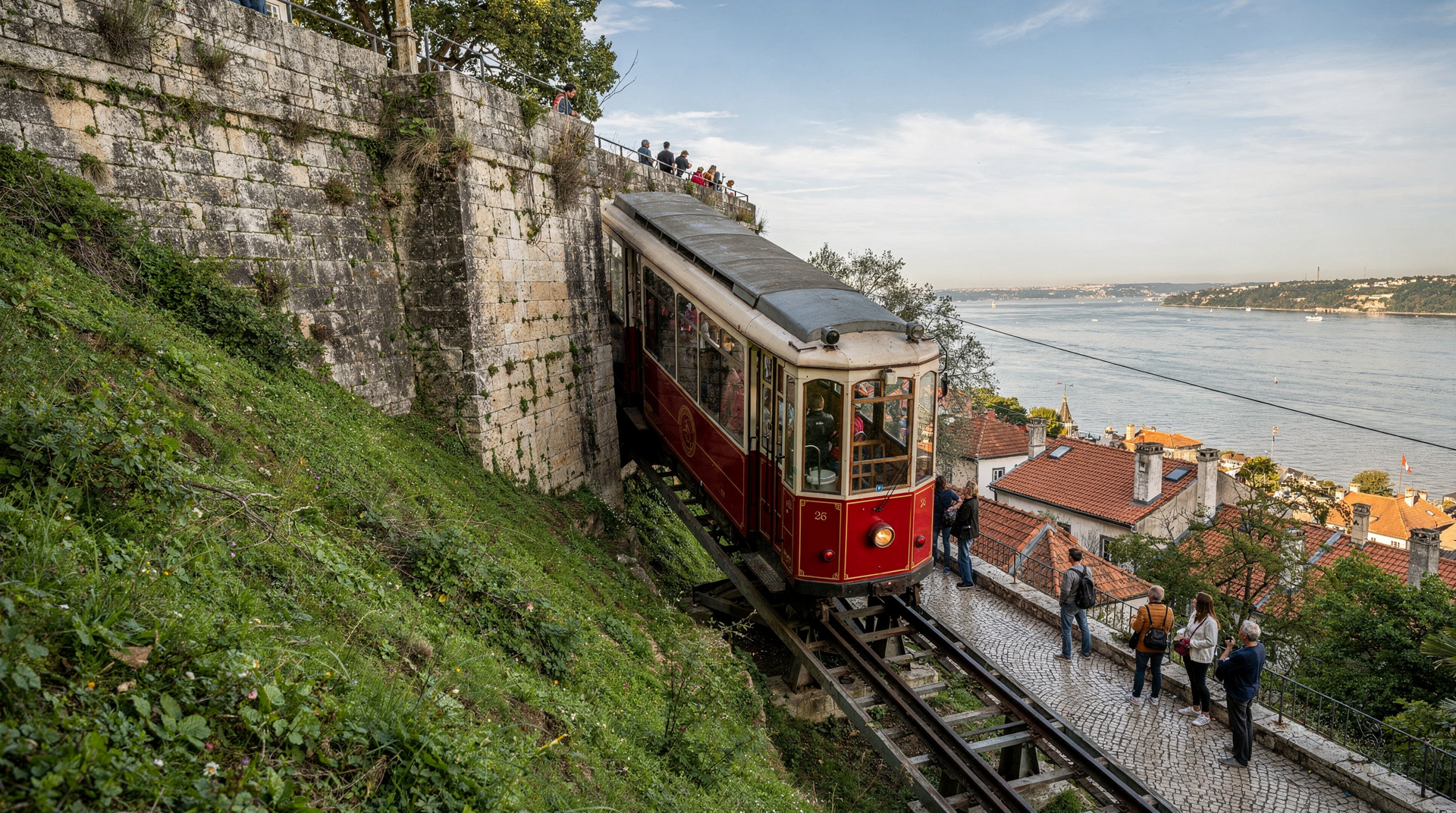
Tram: The historic tram does not reach this area. The hop-on hop-off bus includes a Boavista/Serralves stop and is useful if you want a lazy connection from the historic centre — though allow for frequent stops and slow progress. The hop-on hop-off two-day ticket covers this route and includes multiple other stops across Porto.
On foot from Cedofeita: About 20–25 minutes west from the Bombarda gallery strip. The route along Rua do Rosário and into Rua de Serralves is pleasant.
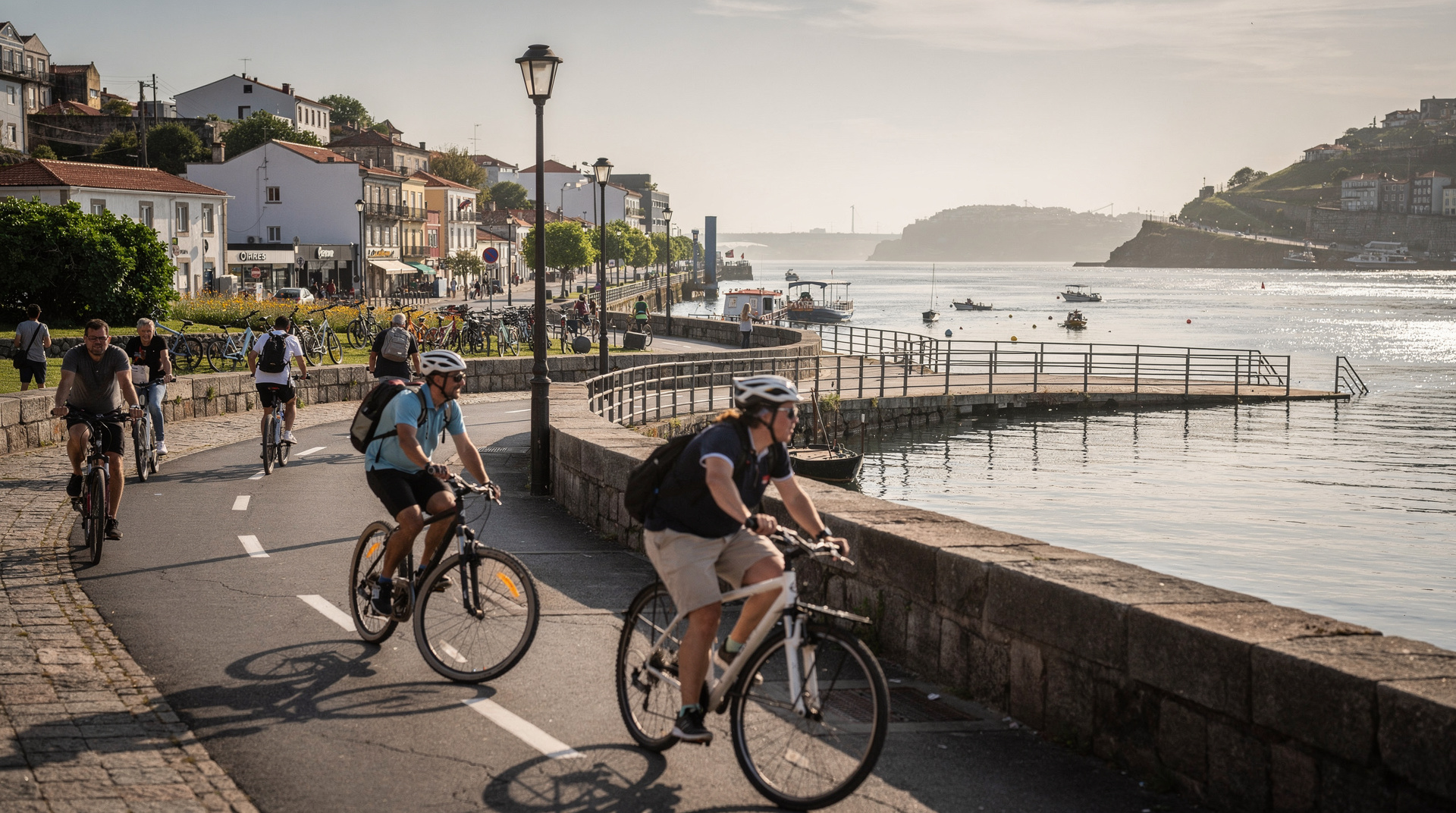
By bike: The Cedofeita to Serralves to Foz cycling route is doable in a half-day and one of the better ways to experience western Porto’s different character. Bike rental is available at several points in the centre.
Uber/Bolt: A straightforward option from the historic centre — expect €6–10 and 10–15 minutes outside rush hour.
Serralves versus the historic centre museums
Porto has several strong museum options, and visitors with limited time sometimes need to choose between Serralves and the historic-centre alternatives.
| Serralves | Historic centre museums | |
|---|---|---|
| Focus | Contemporary art and architecture | Religious art, azulejo, city history |
| Setting | 18-hectare gardens, western Porto | Compact historic buildings, central |
| Time from Ribeira | ~40 min walk or 20 min by metro | On foot, minutes apart |
| Best for | Architecture and modern art enthusiasts | Visitors prioritising Porto’s core sights |
Visitors with only one or two days are usually better served prioritising the historic centre; the Serralves afternoon earns its place from the third day onward, or for anyone with a specific interest in Siza’s architecture or contemporary art programming.
Where to stay near Boavista and Serralves
Staying in the Boavista zone gives you a quieter base, lower prices than Ribeira, and good metro access. It is better suited to visitors with more than two days in Porto who want to explore the western side of the city.
The Editory House: A well-designed boutique hotel near the Boavista rotunda, at €100–150 per night. The rooms are larger than comparable historic-centre hotels, and the neighbourhood feels residential.
Hotel Excellence: A mid-range option on Rua do Campo Alegre, reasonable at €75–100 per night.
Eurostars Porto Douro: Further west toward Foz, this is a good choice for visitors who prioritise Foz do Douro and the seafront over the historic centre.
Where to eat near Serralves and Boavista
Serralves Café: The museum restaurant (managed by an outside operator) uses produce from the kitchen garden on the grounds. Lunch here is a €15–22 affair — sandwiches and salads at the lighter end, a daily changing main course at the heavier end. It is genuinely good for a museum café, and the terrace is one of the more pleasant spots in Porto on a mild day.
Tasca do Chico Zé (Rua de Serralves area): A neighbourhood lunch spot between the museum and the metro, where the daily plate is €10 and the clientele is almost entirely local.
The Yeatman (Gaia): Not in Boavista, but worth noting as the broader area’s prestige dining option — the Michelin-starred restaurant of the Yeatman hotel in Vila Nova de Gaia is 20 minutes away by taxi and visible from the western edge of the Serralves grounds across the Douro valley.
Café Candelabro: At the boundary between Boavista and Cedofeita on Rua da Conceição — the bookshop-bar combination covered in the Cedofeita guide.
For a private tour that links the western neighbourhoods including Boavista, the private locals’ hidden gems tour covers the parts of Porto that most group tours overlook.
Best time to visit Boavista and Serralves
The museum and gardens are good from April through October, with the gardens at peak beauty in May and again in October. The winter months (November–February) are quieter and cheaper; the museum remains open (Tuesdays–Sundays) and the gardens are passable on dry days, but the weather is genuinely grey.
Casa da Música has programming throughout the year, with the concert calendar heaviest from October through June. Summer brings outdoor events and a lighter indoor programme.
Frequently asked questions about Boavista and Serralves
Is the Serralves Museum worth the entry fee?
For visitors interested in contemporary art or architecture, yes — easily. The combination of Siza’s building, the Art Deco villa and the 18-hectare grounds makes it one of the better museum experiences in the Iberian Peninsula. For visitors without a specific interest in contemporary art, the gardens alone (€5) represent good value. See our full Serralves museum guide for a current assessment of the permanent collection and ongoing exhibitions.
How long does the Serralves visit take?
Two hours covers the museum well. Adding the villa and a walk through the gardens takes three to four hours. A full-day visit including lunch at the museum café and exploration of all the garden trails is not unreasonable, particularly in good weather.
Can I walk from the historic centre to Serralves?
Yes — about 40–45 minutes on foot. Manageable as part of a full-day loop but tiring if you’ve already walked the historic centre. The metro (Casa da Música, then 20-minute walk) is the more sensible option for most visitors.
Is Casa da Música worth visiting if I’m not attending a concert?
The guided tour (approximately €10, 1 hour) is worthwhile for anyone interested in contemporary architecture. The main auditorium is a remarkable space, and the tour takes you into parts of the building not accessible on a standard visit. If architecture is a secondary interest, the external form and the plaza are enough to justify a brief detour during a hop-on hop-off loop.
Are there family-friendly facilities at Serralves?
Yes. The gardens have a dedicated children’s area with play equipment, and the grounds are large enough for active children to move freely. There are strollers/pushchair-accessible paths throughout. The Porto with kids guide covers Serralves and other family-suitable attractions in more detail.
Should I prioritise Serralves over the historic centre sights?
Only if you have three or more days in Porto, or a specific interest in contemporary art and architecture. For visitors with one or two days, the historic centre (Ribeira, Clérigos, Livraria Lello) delivers more per hour spent. Serralves rewards a slower, less rushed visit than a single-day Porto itinerary usually allows.
Top experiences
Bookable activities with verified prices and instant confirmation on GetYourGuide.