Porto with kids — the honest family guide
Porto: Porto Highlights and Hidden Gems Walking Tour
Is Porto good to visit with young children?
Yes — Porto has enough physical variety (hills, trams, cable cars, boats, beaches) to keep children engaged without relying on purpose-built tourist attractions. The vintage tram ride, the Gaia cable car, the Douro river beaches and World of Discoveries are the standout child-friendly experiences. The city's hills require planning for pushchairs but reward effort with views.
Porto as a family destination — the honest picture
Porto is not designed as a family theme-park destination, and that is partly what makes it interesting for travelling families. Children here see a real city — working trams, riverside fishing boats, market stalls selling fresh fish, elderly men playing cards in tiled café interiors. The experiences that are available specifically for children (World of Discoveries, Sea Life, the cable car) are genuine quality, but they sit within a city that rewards curiosity more broadly.
| Best age range | 5+ (younger works with planning) |
| Top free activity | Crystal Palace Gardens, peacocks and playground |
| Top paid activity | World of Discoveries (~14 € adult, ~9 € child) |
| Best base | Foz do Douro or Boavista for flatter terrain |
| Pushchair difficulty | High in the historic centre, low in Foz/Gaia waterfront |
The practical challenges are real. Porto’s historic centre is built on granite hillsides with narrow cobblestone streets that test any pushchair and exhaust small legs. The summer heat (July–August regularly reaches 28–32°C) requires planning around cooler hours. And some of the most celebrated adult experiences — port wine tastings, late dinner, fado shows — are either inaccessible or impractical with young children in tow.
This guide is honest about both sides. Porto is a very good family destination, particularly for children over 5 or 6. With younger children, it requires more careful planning but rewards the effort.
The vintage trams
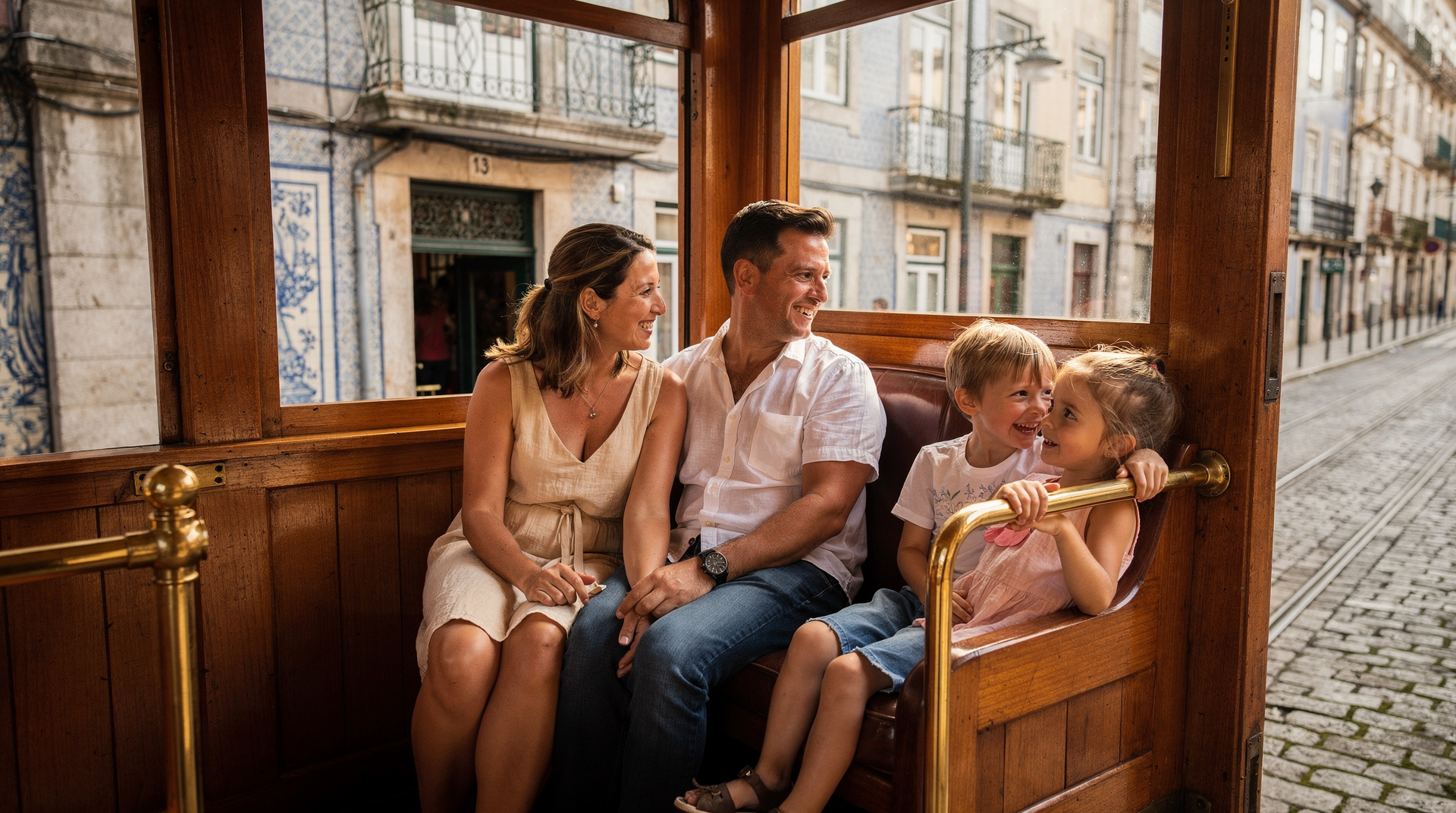
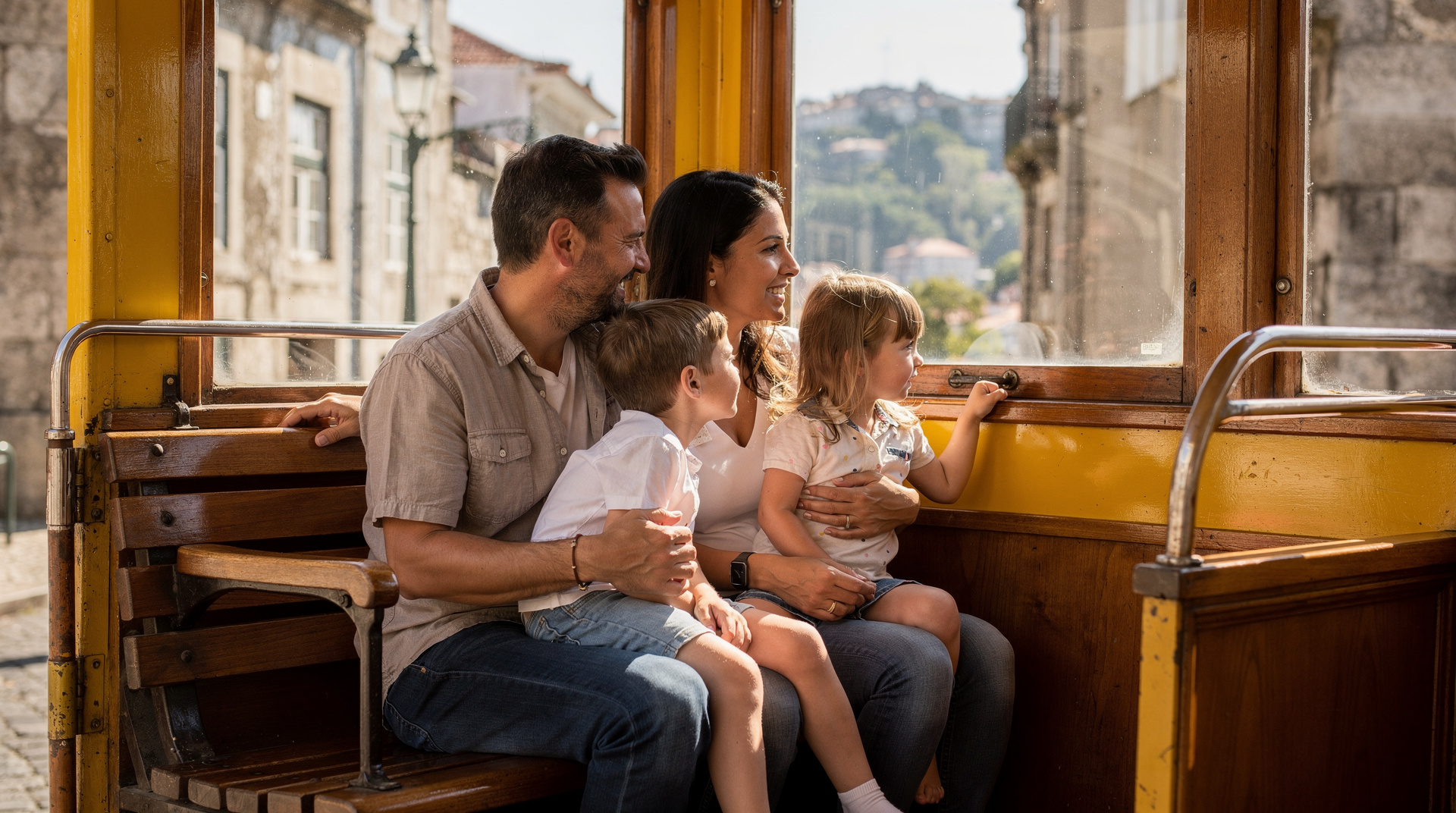
Porto’s iconic yellow trams are electric, not horse-drawn or steam, but they run on tracks through steep cobblestone streets in vehicles built in the 1920s and 1930s — and they are genuinely exciting for children who have never seen urban transport quite like this.
Three lines operate: Line 1E (Infante to Passeio Alegre): The most scenic route, following the Douro riverfront from the historic Ribeira district along Rua Nova da Alfândega and continuing along the river past Foz do Douro to the Passeio Alegre gardens. This is the best tram for families — the river views, the rattling ride through narrow streets and the final destination at the Atlantic-facing park make it a complete experience. Around 3.50 € per adult one way; children under 4 typically free.
Line 18 (Carmo to Massarelos): Connects the university area near Cedofeita with the Museu do Carro Eléctrico (Tram Museum), which has a collection of historic Porto trams and is worth 45 minutes with children who like old vehicles. Entry around 5 €.
Line 22 (Batalha to Carmo): A circular route through the historic centre — useful but shorter than Line 1E.
Book the Porto hop-on hop-off tram and funicular combination passThe trams are extremely popular with tourists and can be crowded in summer — the queue at São Francisco stop or Infante can be long at midday. Aim for first thing in the morning or after 4 pm for more comfortable boarding.
The funicular (Funicular dos Guindais)
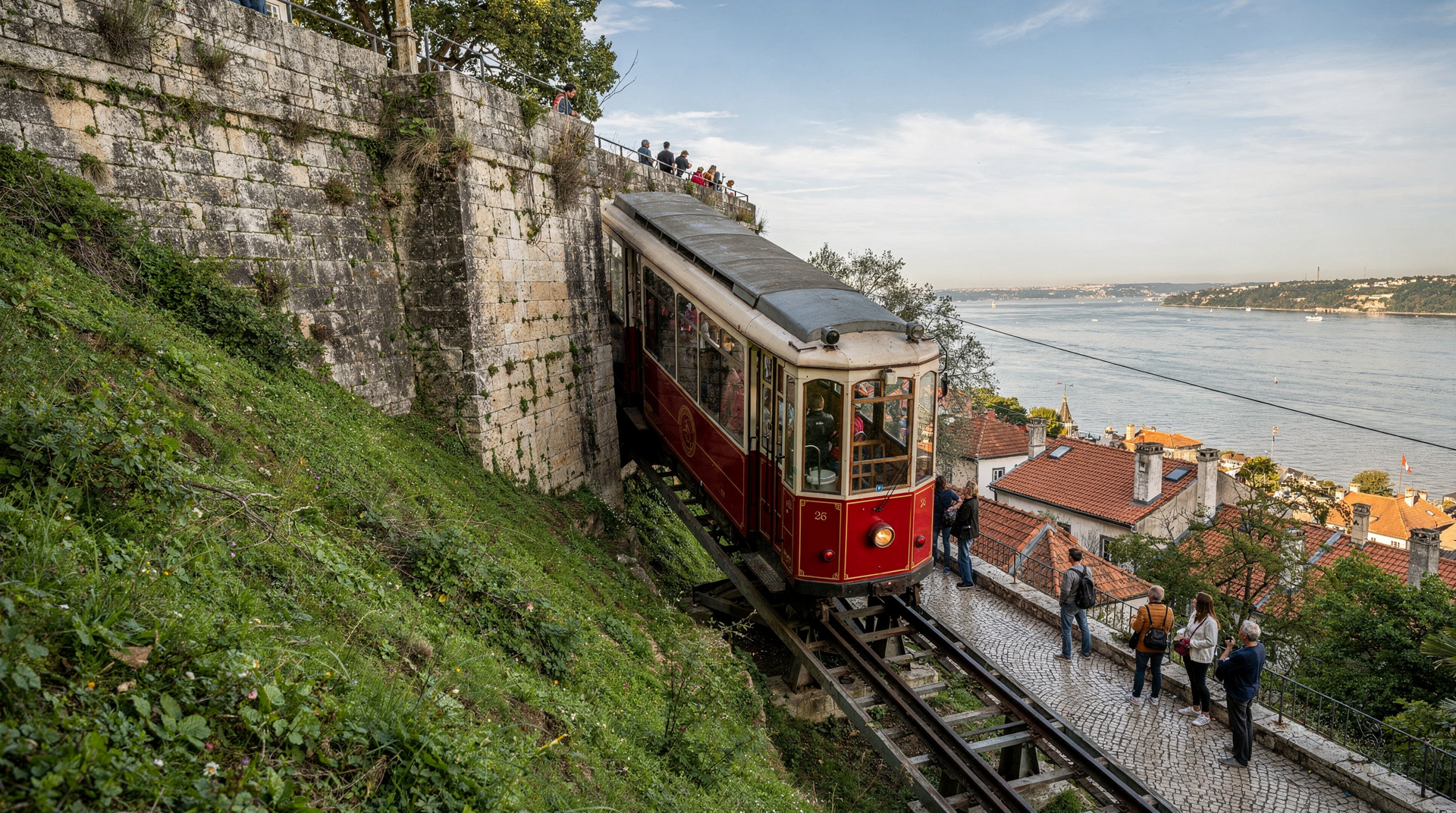
The Funicular dos Guindais connects the Batalha area in the Baixa with the Ribeira waterfront in a 90-second ride down a 45-degree incline. Children love it — the steepness is dramatic and the view of the Douro during the descent is excellent. Cost is around 2.50 € per trip (or covered by the Andante transport card). It runs from approximately 8 am to 10 pm.
The funicular drops you directly onto the Ribeira waterfront, which makes it a convenient and exciting approach to the riverside. Combine with the tram ride back for a complete historic transport experience.
The Gaia cable car (Teleférico de Gaia)
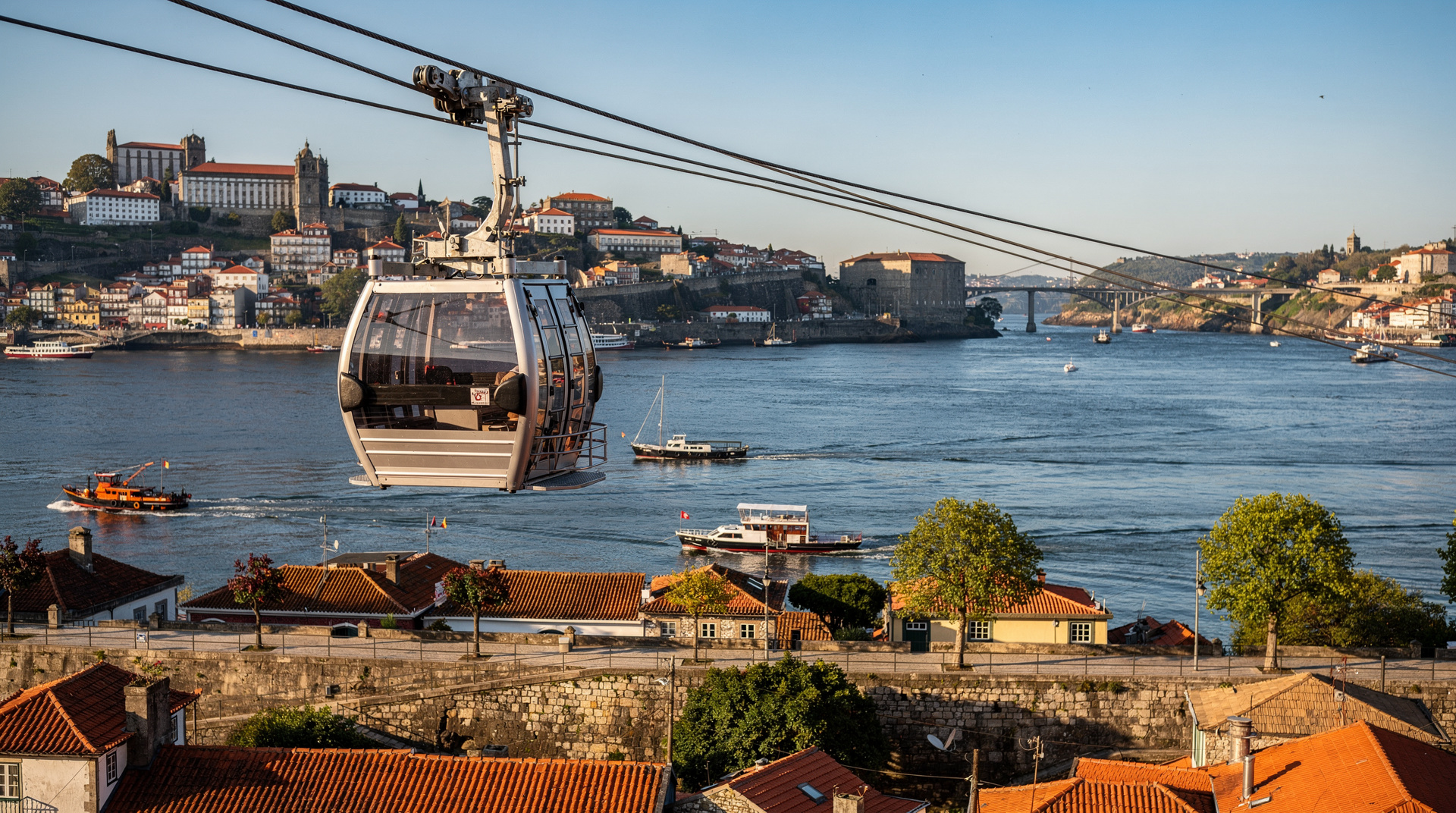
The cable car in Vila Nova de Gaia spans from the Jardim do Morro at the top of Ponte Dom Luís I down to the Gaia quayside, with views over the Douro, the Luis I bridge and the Porto skyline during the brief descent. For children, the cable car gondola is an experience — small, glass-enclosed, visibly elevated above the river.
Book the WOW district daily ticket including cable car accessThe cable car costs around 6 € single, 9 € return. It is not a long journey (less than 5 minutes) but the view justifies it. Combine with a walk across Ponte Dom Luís I on the upper deck (free, steady footpath, dramatic views) and a descent to the Gaia quay for ice cream — this circuit is one of the most child-pleasing sequences in Porto.
The Gaia cable car guide covers the specific logistics, operating hours and what to do at both ends.
World of Discoveries museum
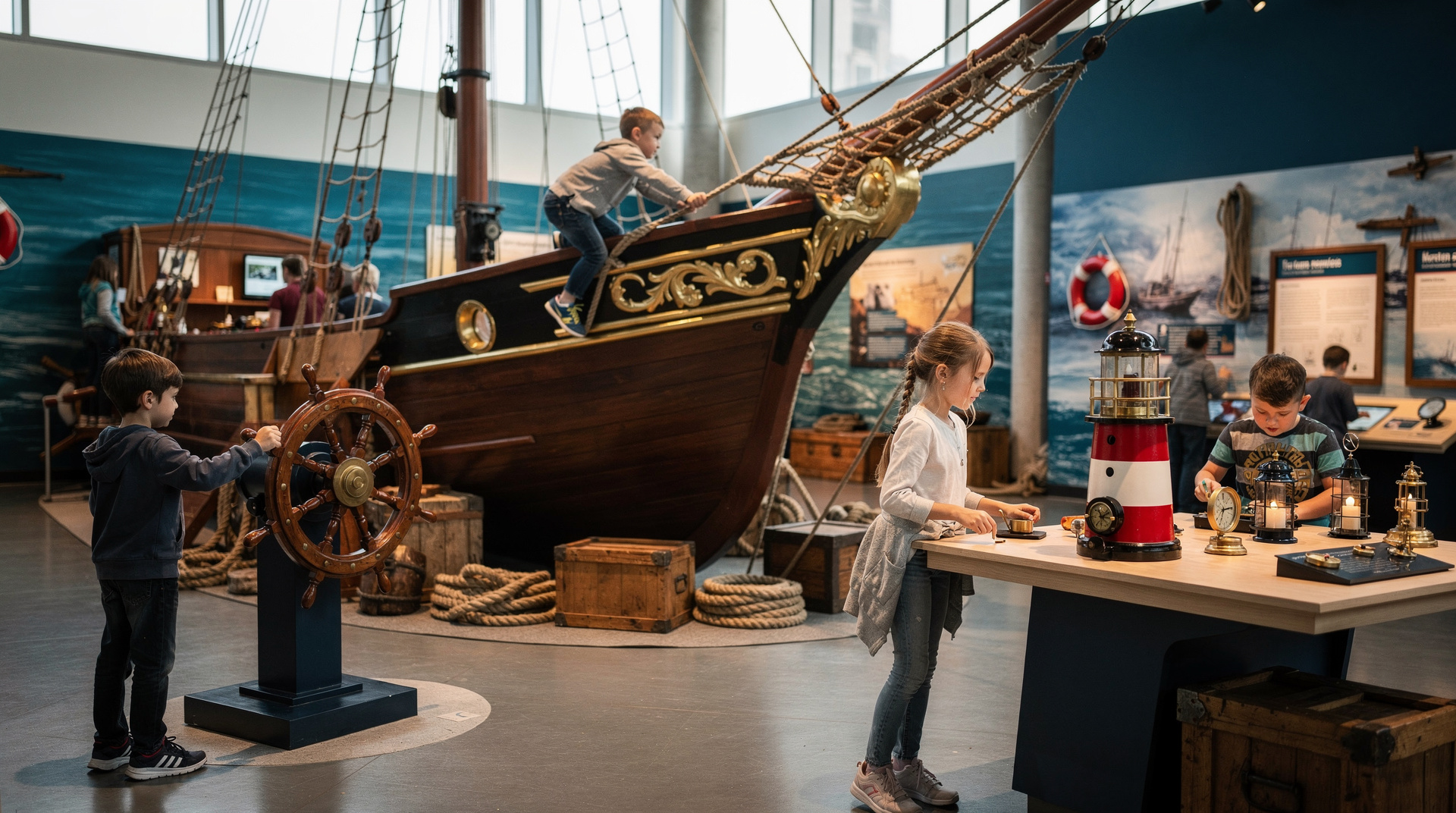
World of Discoveries, on Rua de Miragaia in the historic centre, is Porto’s main purpose-built child-oriented attraction. It is an interactive museum dedicated to the Portuguese Age of Discoveries, covering the 15th-16th century maritime expansion that created the first global trade network.
The format is designed for children: dioramas, an indoor river boat ride through recreated environments (an Amazon jungle scene, a Japanese imperial court, an Indian spice market), interactive stations and period-costume sections. The experience is genuinely educational but presented in a way that holds children’s attention. The production quality is better than most provincial museums.
Entry costs approximately 14 € for adults, 9 € for children 4–12, under-4s free. Book online for small discounts. Allow 2–2.5 hours.
The World of Discoveries full guide covers what to expect in each section and how to maximise the visit with children.
Sea Life Porto
Sea Life Porto is located in Matosinhos, adjacent to the oceanarium at the north end of Matosinhos beach. As Sea Life centres go, it is a good one: the shark tank is large and visible from multiple angles, the ray pool has a petting element, and the seahorse displays are well-presented.
Entry costs approximately 17–20 € for adults and 12–14 € for children. Book online for better rates and to avoid queues. Allow 1.5–2 hours. It is not a full-day destination, but it combines well with a Matosinhos beach afternoon (the beach is a 10-minute walk) and lunch at one of the seafood restaurants on Rua Heróis de França, which is among the best seafood streets in the Porto region.
Getting to Matosinhos from Porto: Metro line A from Aliados or Trindade to Matosinhos-Sul (approximately 20 minutes, around 2 €). The Matosinhos seafood guide is a useful companion for planning lunch after the aquarium, since the neighbourhood’s seafood restaurants are genuinely some of the best in the Porto area and worth building the day around rather than treating as an afterthought.
Crystal Palace Gardens (Jardins do Palácio de Cristal)
The Crystal Palace Gardens are one of the most underrated spaces in Porto for families. The park sits high above the Douro on the Boavista side, with manicured formal gardens, walking paths through wooded areas, a small lake with ducks, and — the most memorable element for children — resident peacocks that roam freely and occasionally display.
The gardens are free to enter and open from approximately 8 am to 9 pm (summer) or 8 am to 7 pm (winter). There is a children’s playground in one section of the park. The pavilion at the top of the gardens houses a small café and has wide views over the Douro river.
A morning at the Crystal Palace Gardens — playground, peacock-watching, picnic or café — is a genuinely restful family experience that costs essentially nothing. The gardens are at the southern end of the Boavista area, reachable by tram 18 from the centre, and pair naturally with a visit to the nearby Serralves museum grounds if older children have any interest in art or architecture alongside the gardens.
The Douro river beaches
The “beaches” on the Douro — more accurately, sandy riverbanks on the south (Gaia) side — are a summer institution for Porto families. The most accessible are along the Gaia waterfront (below the cable car) and at Praia Fluvial de Avintes (further east up the river, requires a car or bus). These are not ocean beaches: the water is the Douro river rather than the Atlantic, which makes it calmer but less suitable for serious swimming due to river currents.
For genuine beach swimming, Matosinhos and Foz do Douro are the family choices. Matosinhos beach is the widest and most equipped (lifeguards, beach bars, accessible facilities). Foz do Douro beach is smaller but closer to the city centre.
What suits which age group
| Activity | Toddlers (2–4) | Young kids (5–9) | Older kids/teens (10+) |
|---|---|---|---|
| Vintage tram (Line 1E) | Good, hold on tight | Great | Good, may find it slow |
| Funicular dos Guindais | Good, brief and exciting | Great | Fine |
| Gaia cable car | Good with a carrier | Great | Great, good photos |
| World of Discoveries | Manageable, short attention | Great | Good, less novel |
| Arouca 516 / Paiva walkways | Not suitable | Not suitable | Good from 10+ with confidence in heights |
| Gerês swimming holes | Needs close supervision | Great | Great |
This table is a starting point rather than a rule — every child is different, and the family things to do in Porto guide has a longer list of options across the full age range if the highlights above don’t cover what your family is looking for.
A GoCar drives itself along a GPS route and talks as it goes, which means the adult drives and nobody has to keep a group together: a GPS-guided GoCar tour of Porto works where a walking tour with children usually stops working, somewhere around the second hill.
Day trips with children
Several day trips from Porto work well with children:
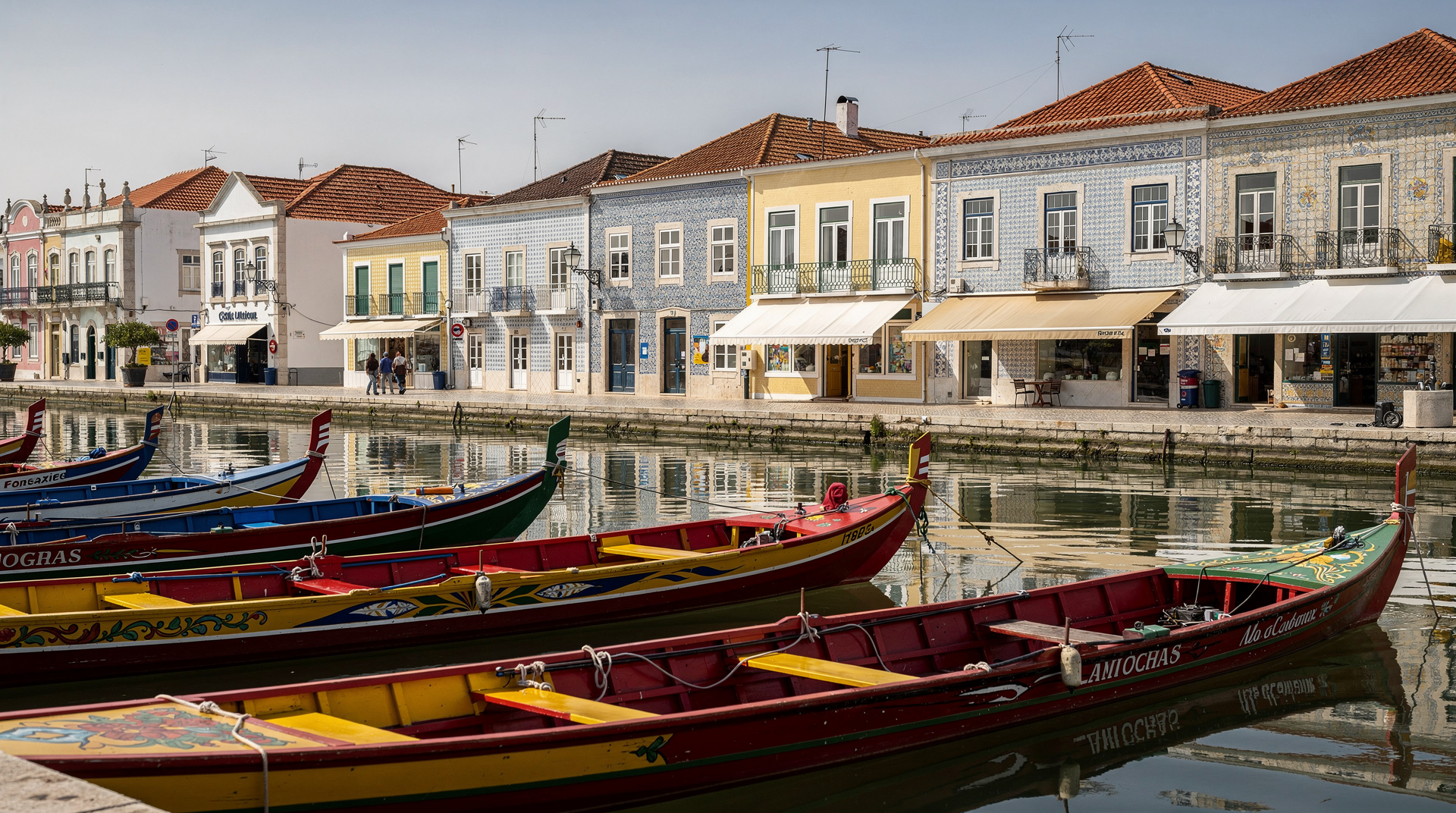
Aveiro — the moliceiro boat ride is excellent for children of all ages. Canal boats, painted prows and the novelty of the traditional ovos moles sweets.
Braga — the Bom Jesus funicular and the castle grounds are engaging for children over 5.
Gerês — natural swimming holes and the semi-wild garrano ponies are highlights for older children (7+). Very long day for younger children.
Arouca — the 516 bridge requires children to be confident in heights (roughly 10+). The Paiva walkways are for children who are established hikers (8+).
The best day trips from Porto guide compares all the options with a family lens. Douro Valley: a full-day boat or train trip to the wine region is a long day for young children but works well from around age 8 upward if you build in breaks — the Douro Valley day trip guide has the honest read on timing and whether it suits your family’s stamina.
Eating out with children
Portuguese restaurants are broadly relaxed about children — high chairs are common, portions can usually be split, and staff are generally patient. Frango no churrasco (grilled chicken) and simple grilled fish are safe, widely available options that most children accept without fuss, and pastel de nata is close to universally popular as a treat. The best restaurants in Porto guide can help identify family-comfortable spots beyond the obvious tourist strip, and the petiscos and tascas guide is useful if you want to introduce older children to Portuguese small plates rather than defaulting to the same dish every meal.
Practical family logistics in Porto
Pushchairs: The historic centre (Ribeira, Clérigos, Bonfim) is significantly harder to navigate than the Baixa-Aliados area and the river waterfront. The Gaia waterfront is the most pushchair-friendly area in the city. Pack a carrier or baby carrier as a supplement.
Nap time: The standard Portuguese lunch rhythm (1–3 pm) coincides conveniently with toddler rest time. Plan your most intensive sightseeing for the cool morning (9 am–12 pm) and use the lunch hours for rest, with lighter afternoon activities.
Food for children: Portuguese cuisine is very child-friendly — grilled chicken (frango no churrasco) and simple fish dishes are found everywhere, pastel de nata is universally appealing, and the bread (pão) is excellent. Most restaurants are comfortable with children; outdoor tables are common in summer. Avoid the Ribeira restaurant strip for lunch — overpriced and aimed at tourists. The streets one block back have better value and more relaxed settings.
Stroller rental: Several Porto shops and rental agencies offer pushchair rental by the day or week — useful if you are flying in without luggage space for your own.
Medical facilities: CUF Porto Hospital (Rua António Cardoso) and Hospital de Santo António (Largo Prof. Abel Salazar) are the main private and public hospital options. Porto has a good level of medical infrastructure. Pack a basic first-aid kit for scrapes from cobblestone falls, which are common enough with young children learning to navigate the historic centre’s uneven surfaces, and confirm your travel insurance covers a paediatric consultation if travelling from outside the EU.
Neighbourhoods best for families
Foz do Douro: Beach access, flat riverside paths, quiet residential streets, good family restaurants. The best base for families with young children who want easy beach access.
Boavista: Near the Crystal Palace Gardens and the Casa da Música area. More space than the historic centre, quieter evenings, good transport connections.
Matosinhos: Direct beach access, excellent seafood restaurants, Sea Life nearby, metro connection to Porto. Practical rather than charming, but highly functional for families.
The Porto with kids 3-day itinerary builds a complete family trip sequence.
Frequently asked questions about Porto with kids
What age is Porto most suitable for as a family destination?
Children from about 5–6 upward get the most from Porto — they can manage the walking, engage with the trams and cable car, and appreciate the varied environments. Toddlers (2–4) are manageable but require significant planning around the hills and cobblestones. Babies and infants travel well in Porto if you have a good carrier and choose flat-terrain neighbourhoods.
Is Porto safe for families?
Very safe. Porto has low crime rates relative to comparable European cities. The historic centre is busy with tourism and well-monitored. Children are warmly welcomed in restaurants and public spaces — Portugal has a genuinely family-positive culture.
What is the best time of year to visit Porto with children?
June and September offer the best balance: warm enough for beaches and outdoor activities, not the extreme heat of July–August, and smaller crowds than the peak summer weeks. São João (23–24 June) is one of the world’s great street parties and completely child-friendly — the plastic hammers that locals use to bonk each other on the head are popular with children and cause no harm.
Can I do porto on a budget with children?
Very much so. The best child-oriented experiences (trams, Douro riverside, Crystal Palace Gardens, São João festival) are cheap or free. Accommodation in Foz or Matosinhos is generally cheaper than the historic centre. Self-catering from the Mercado do Bolhão or local supermarkets dramatically reduces food costs for a family. The Porto on a budget guide has the fuller numbers if you’re planning a family trip on a tight daily spend.
Frequently asked questions — Porto with kids — the honest family guide
What is the best area to stay in Porto with children?
Foz do Douro or Matosinhos are the most family-friendly for accommodation — quieter than the historic centre, with beach access, good restaurants and parking. The Boavista area is also convenient with more space. The Ribeira and historic centre are exciting but hilly and cobblestoned — manageable for older children, more challenging for toddlers.What is the best free thing to do with kids in Porto?
The Crystal Palace Gardens (Jardins do Palácio de Cristal) are free, spacious and have playground equipment, resident peacocks and excellent views over the Douro. The Jardim do Morro in Gaia (above the cable car) is free and has sweeping views. The beach at Foz do Douro or Matosinhos costs nothing beyond travel.Is the Porto vintage tram good for families?
Very much so — the old wooden trams rattling through the historic streets are reliably exciting for children of almost any age. The most child-friendly route is the Tram 1E from Infante to Passeio Alegre in Foz, which runs along the river and through the Bonfim neighbourhood. Be prepared for standing-room conditions in summer.What beaches are near Porto for a family day out?
The closest beaches are in Foz do Douro and Matosinhos (Atlantic beaches, 10–15 minutes from the centre by public transport). Matosinhos beach is the most popular — wide, sandy, with lifeguards in season and good seafood restaurants nearby. Espinho, 20 km south, is a calmer alternative with a better-sheltered beach.Is Sea Life Porto good for families?
Sea Life Porto (in Matosinhos, near the ocean) is a reliable child-pleaser — sharks, rays, seahorses and interactive tanks. It costs around 17–20 € per adult and 12–14 € per child (book online for discounts). Allow 1.5–2 hours. Not unique compared to Sea Life centres in other cities, but good quality and engaging for children aged 4–12.How manageable is Porto's topography with a pushchair?
The historic centre — Ribeira, Clérigos, Cedofeita — is hilly and often cobblestoned, which makes pushchairs significantly more effortful. The Baixa-Aliados area and the waterfront are more level. For families with pushchairs or toddlers, base yourself in Foz or Boavista for easier terrain and use taxis or Uber for steep sections of the centre.
Top experiences
Bookable activities with verified prices and instant confirmation on GetYourGuide.