Cedofeita and Bombarda — Porto's creative soul
Cedofeita and Bombarda are Porto's art and indie neighbourhood. Galleries, craft beer bars, street art and the best non-touristy lunch scene in the city.
Porto: Porto the Original Petiscos Crawl with Drink Pairings
Quick facts
- Distance from Ribeira
- 1.5 km on foot, ~20 min uphill
- Metro
- Lapa (line D) or Trindade (lines A/B/C/E/F)
- Best street
- Rua Miguel Bombarda
- Good for evenings
- Yes — bars open from 18:00
The neighbourhood Porto residents actually live in
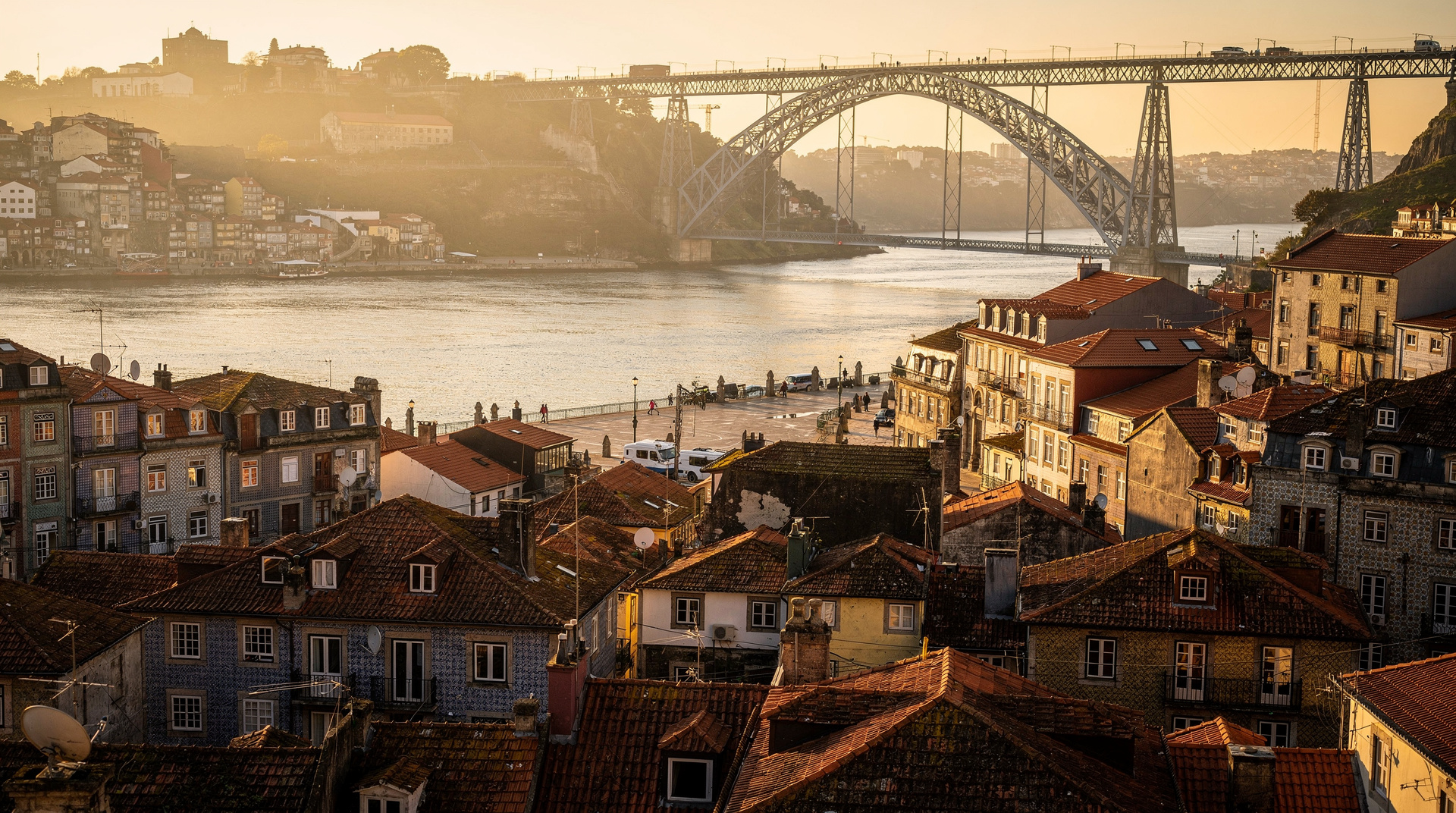
Most first-time visitors to Porto spend their days between Ribeira, Gaia and the immediate historic centre, which is entirely reasonable — the attractions are dense and the setting is spectacular. But by the second or third day, a restlessness sets in: the restaurant menus look identical, the souvenir shops sell the same azulejo tiles, and the next viewpoint looks suspiciously like the last.
Cedofeita and Bombarda are the antidote. Spread across the broad plateau north and west of the Clérigos Tower, this interconnected neighbourhood is where independent galleries run by working artists coexist with the cafés and tascas that locals have been going to for decades. The street layout is more grid-like and the hills gentler than in Ribeira; the result is a district that feels like a European city rather than a curated tourist experience.
Bombarda specifically refers to the zone around Rua Miguel Bombarda, where a concentration of contemporary art galleries makes up Porto’s most credible art district. Cedofeita is the broader parish extending north and west, characterised by 19th-century apartment buildings, neighbourhood churches and the quieter version of Porto life that visitors rarely get to see.
| Where | North-west of Clérigos Tower, ~1.5 km from Ribeira |
| Time needed | Half day; full day with shopping and an evening in the bars |
| Cost | Free to walk; most galleries free entry |
| Getting there | Metro to Lapa (line D) or Trindade (lines A/B/C/E/F) |
| Best time | Tuesday–Saturday afternoons for galleries; first Saturday of the month for gallery night |
What to do in Cedofeita and Bombarda
Rua Miguel Bombarda and the gallery strip
Rua Miguel Bombarda is a ten-minute walk from the Trindade metro station. The street itself is not especially remarkable architecturally, but it has accumulated over the past two decades a concentration of small contemporary galleries that makes it unique in Portugal outside Lisbon. Galeria Pedro Oliveira, Galeria Serpente and the Árvore cooperative (Rua de Azevedo de Albuquerque, just around the corner) are among the most consistent. Most are free to enter and change exhibitions monthly. On the first Saturday of each month, many galleries stay open late and coordinate openings — if you can time your visit for this, the street takes on a festive quality you won’t find elsewhere in Porto.
The galleries are closed on Mondays as a rule. Visit on a Tuesday through Saturday afternoon for the best access.
The scene has grown organically rather than through municipal planning, which is part of its appeal — there is no official “art district” branding, no coordinated map, and no entry fee anywhere on the street. Gallerists tend to be present in their own spaces and are usually happy to talk about current work if you show genuine interest, a contrast to the more transactional experience of larger city museums.
Street art and azulejo contrasts
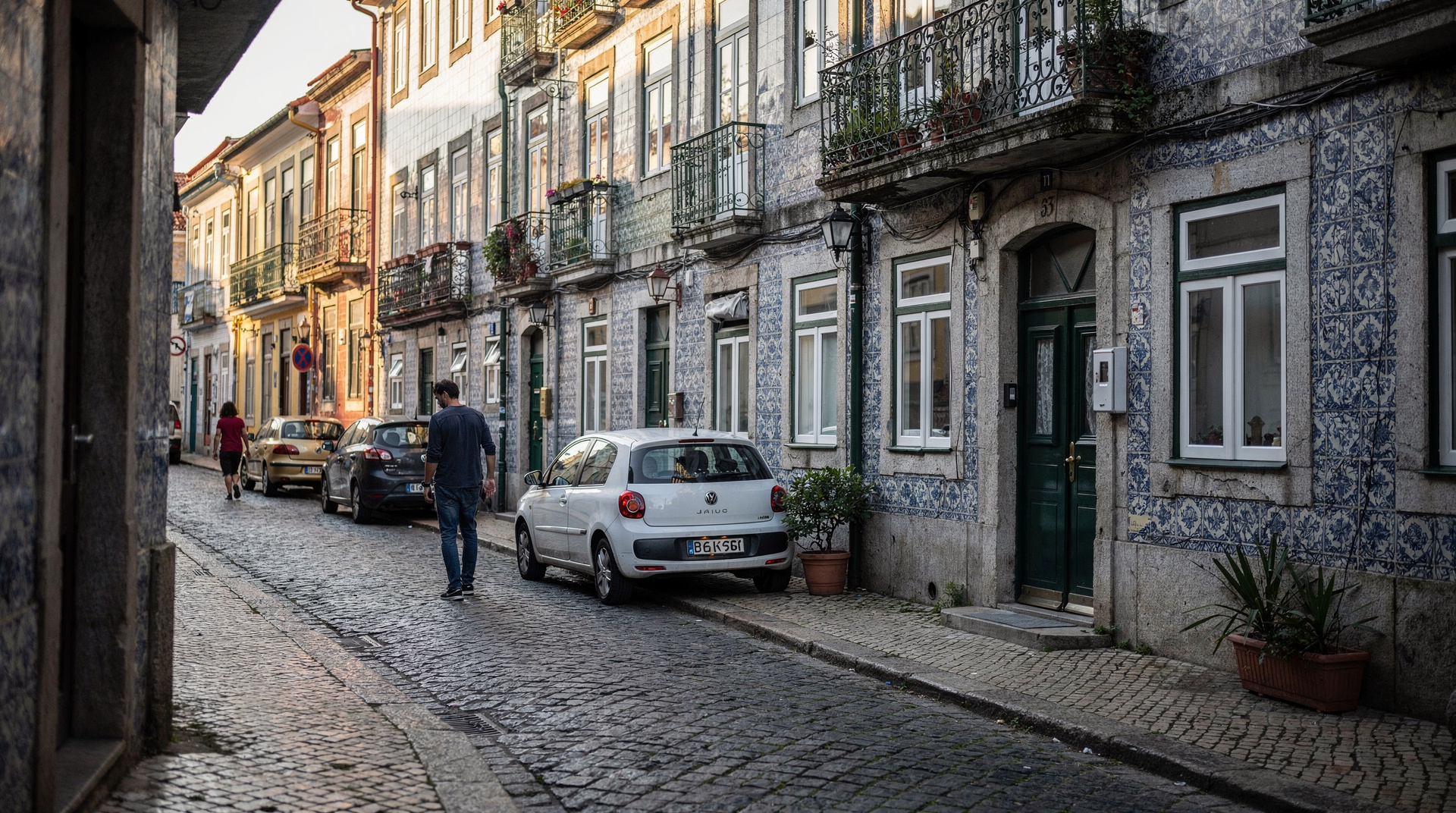
The side streets off Bombarda and into Cedofeita hold some of Porto’s most interesting street art, including large-scale murals commissioned as part of city cultural programmes. The contrast with the traditional azulejo tilework on 19th-century building façades makes for a visually rich hour of wandering. The area around Rua Álvares Cabral and Jardim da Cordoaria (the Cordoaria gardens) is particularly good — the gardens themselves are a pleasant stop if the day is warm, dominated by an enormous sculpture installation by Jan Fabre.
Independent shopping on Rua das Flores and Cedofeita
Rua das Flores runs parallel to the tourist axis but attracts a slightly different crowd — independent design shops, concept stores and small jewellery ateliers sit alongside older hardware and fabric merchants who have been here since before the neighbourhood became fashionable. Rua de Cedofeita has a similar mix, with a few excellent bookshops (including Livraria Chaminé da Mota, worth a look even if you don’t read Portuguese) and independent clothing designers.
The distinction between shopping here and on Rua 31 de Janeiro or in the Baixa is tangible: prices are lower, shop owners are present and likely to talk to you, and the products reflect a less curated, more personal version of what Porto actually makes and sells.
Craft beer and the local bar scene
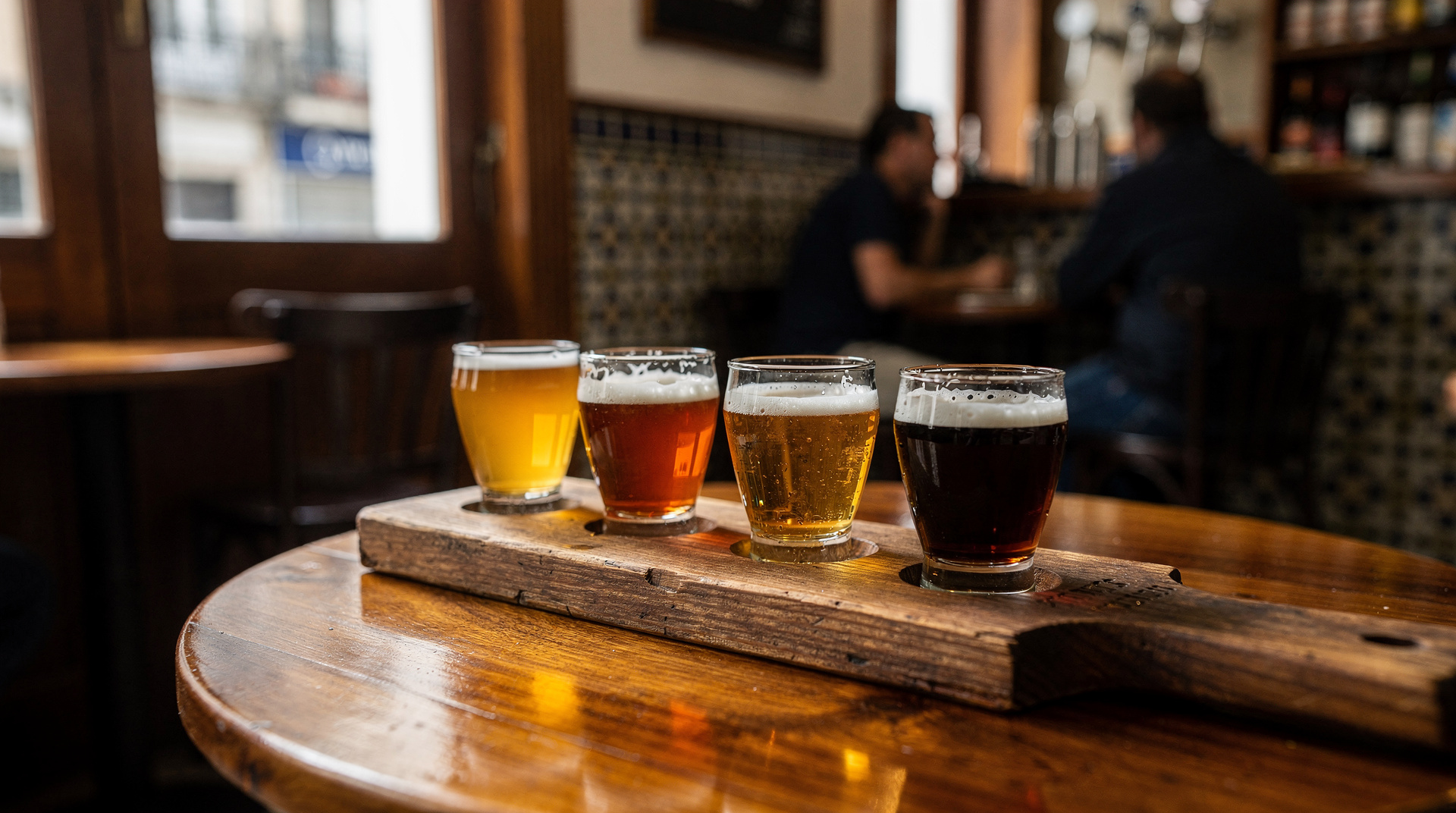
Porto’s craft beer scene is largely centred on this neighbourhood. Cervejaria Catraio (Rua de Miguel Bombarda) was among the first serious craft beer bars in the city and still maintains a well-chosen rotating tap list with a focus on Portuguese producers. Candelabro (Rua da Conceição) is a hybrid bookshop and bar that captures the Bombarda neighbourhood’s character precisely: you can buy a book, drink a Vinho Verde, and listen to someone reading poetry in the same room.
For a more structured introduction to Porto’s independent food and drink scene, the craft beer and snacks tour covers the Bombarda area among its stops and pairs tastings with petiscos from local producers.
Jardim da Cordoaria
The Cordoaria gardens, at the edge of the university district adjacent to Cedofeita, are Porto’s quietest central green space. The Torre dos Clérigos is visible from here, but the gardens themselves draw students from the nearby law faculty and residents from the surrounding streets rather than tourists. The Fabre sculpture — a large arboreal-humanoid figure — creates a slight sense of the uncanny. The gardens border the Porto Faculty of Law building and the Igreja do Carmo, one of the most photogenic tiled church facades in the city.
Cedofeita and Bombarda compared to Baixa for shopping
Visitors deciding where to spend their shopping time in Porto often ask how Cedofeita compares to the more central Baixa district.
| Cedofeita/Bombarda | Baixa | |
|---|---|---|
| Shop type | Independent design, galleries, small ateliers | Chain retail, souvenir shops, El Corte Inglés |
| Prices | Generally lower, more negotiable at markets | Fixed, tourist-adjusted near sights |
| Atmosphere | Local, unhurried | Busy, transactional |
| Best for | Unique finds, art, gifts with a story | Practical needs, high-street brands |
For visitors who enjoy browsing rather than ticking off a shopping list, Cedofeita rewards the extra 20-minute walk from the centre. Our Baixa and Aliados guide covers the more central shopping options for comparison.
How to get to Cedofeita and Bombarda from the city centre
On foot from Ribeira: The walk from the Ribeira waterfront up to Rua Miguel Bombarda takes approximately 20–25 minutes. The route via Rua Mouzinho da Silveira and Rua das Flores is the most interesting, passing through the historic trading streets before emerging near the Cordoaria gardens. It is uphill for most of the way.
Metro: Line D (Amarela) stops at Lapa station, a 5-minute walk from the gallery strip. Trindade station (lines A, B, C, E, F) is a 10-minute walk from Bombarda and is more central to the broader Cedofeita parish.
From Boavista: If you’re coming from the Serralves museum or Boavista, the walk across to Bombarda takes about 15 minutes east along Rua da Boavista or via Avenida de Rodrigues de Freitas.
Where to stay in Cedofeita and Bombarda
This neighbourhood is increasingly attractive as a base, with lower prices than the Ribeira cluster and genuinely local surroundings. Selina Porto (Rua Morgado de Mateus) combines hostel dormitories with private rooms and a co-working space — appropriate for independent travellers and digital nomads who want to be near the gallery district without paying boutique-hotel prices. Maison Portuguesa (a small guesthouse on Rua de Cedofeita) offers simple, well-kept rooms in a converted apartment building.
For a mid-range option, the Hotel Carris Porto Centro (Rua do Almada) is at the eastern edge of the parish, well located for both Cedofeita and the historic centre. Prices typically run €70–120 per night depending on season.
Where to eat in Cedofeita and Bombarda
A Cozinha by Vítor Matos: Set on the ground floor of a converted building on Rua do Paraíso, this is arguably the best restaurant in the neighbourhood — Michelin-recommended, focused on contemporary Portuguese cuisine, and priced to reflect the quality (€35–55 for a main course). Book at least a week ahead.
Café Cerejeira: On Rua de Cedofeita, this is the neighbourhood’s daily café — pastries in the morning, lunch specials at midday, wine in the afternoon. The crowd is mixed: architecture students, gallery workers, and a few older residents who have been coming here since before the neighbourhood became interesting to anyone else.
O Caseiro: A traditional tasca on Rua do Bonfim where the daily specials are written on a chalkboard, the wine is poured from an unlabelled carafe and the portions are sized for people who’ve done physical work. Lunch only, closed weekends.
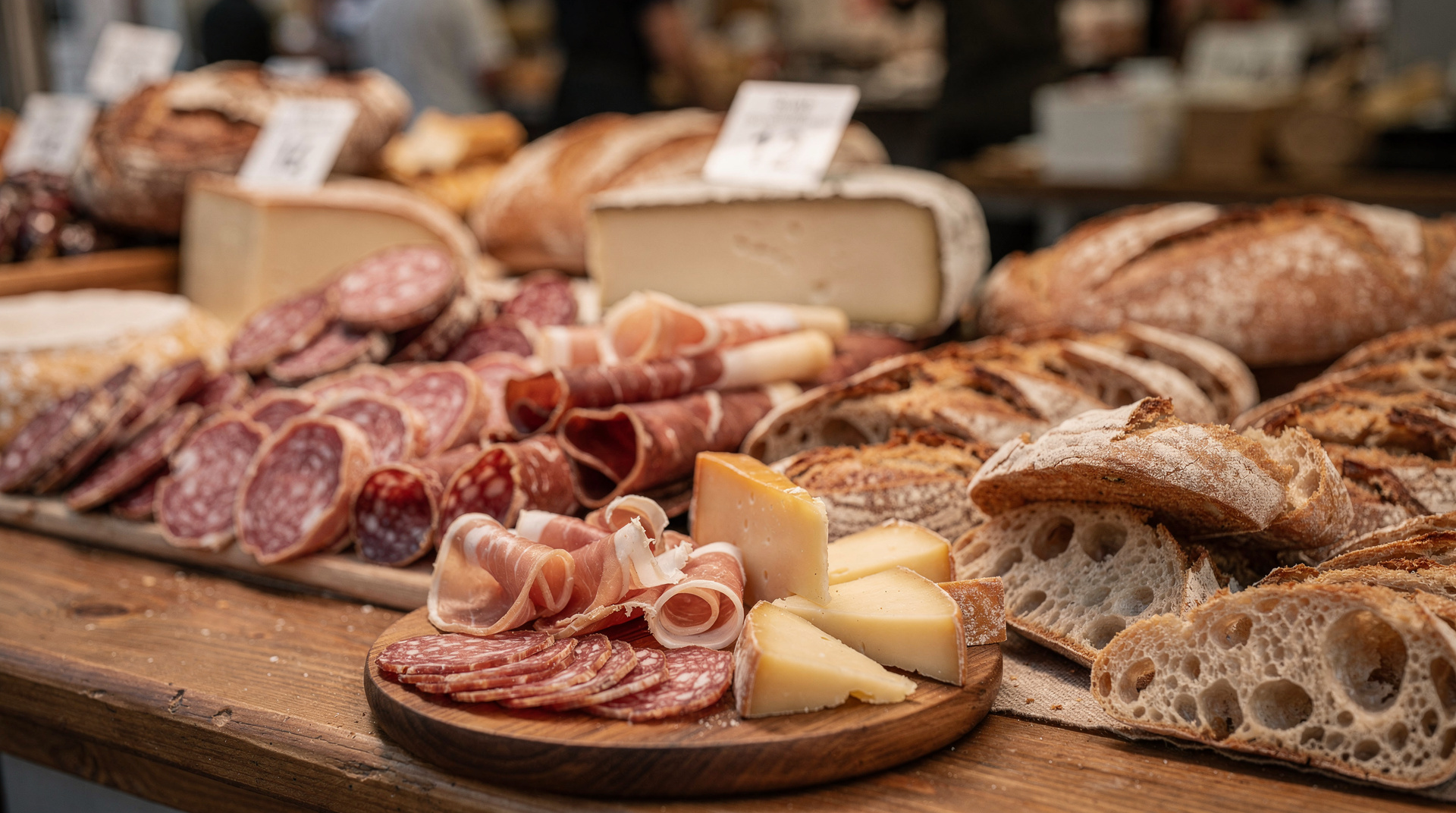
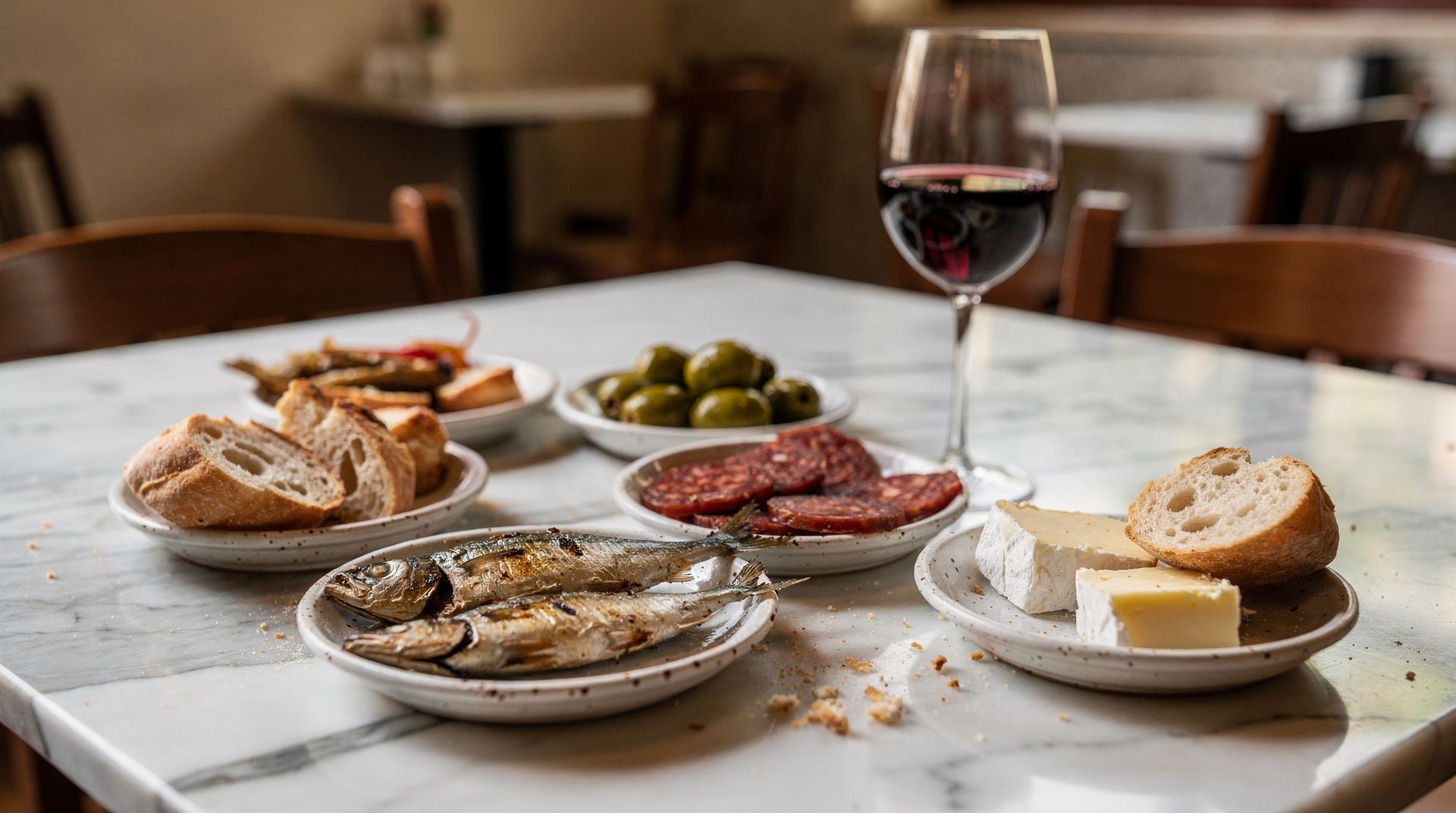
Taberna Santo António: On Rua de Cedofeita, this is a proper petiscos counter — small plates of bacalhau, alheira, presunto and cheese, served with house wine at reasonable prices (€10–15 per person for a full lunch). The kind of place that receives no tourists and needs no help from this website to fill its seats.
If you want to eat your way through Cedofeita and Bombarda in good company, the petiscos crawl tour visits multiple neighbourhood spots and is one of the more honest introductions to local Porto food culture.
Best time to visit Cedofeita and Bombarda
The neighbourhood functions year-round. Summer brings increased foot traffic from August visitors who have already done Ribeira and are looking for something different; the gallery scene is most active between September and June, when the university brings energy to the streets. The first Saturday of each month (gallery night) is worth timing a trip around if possible.
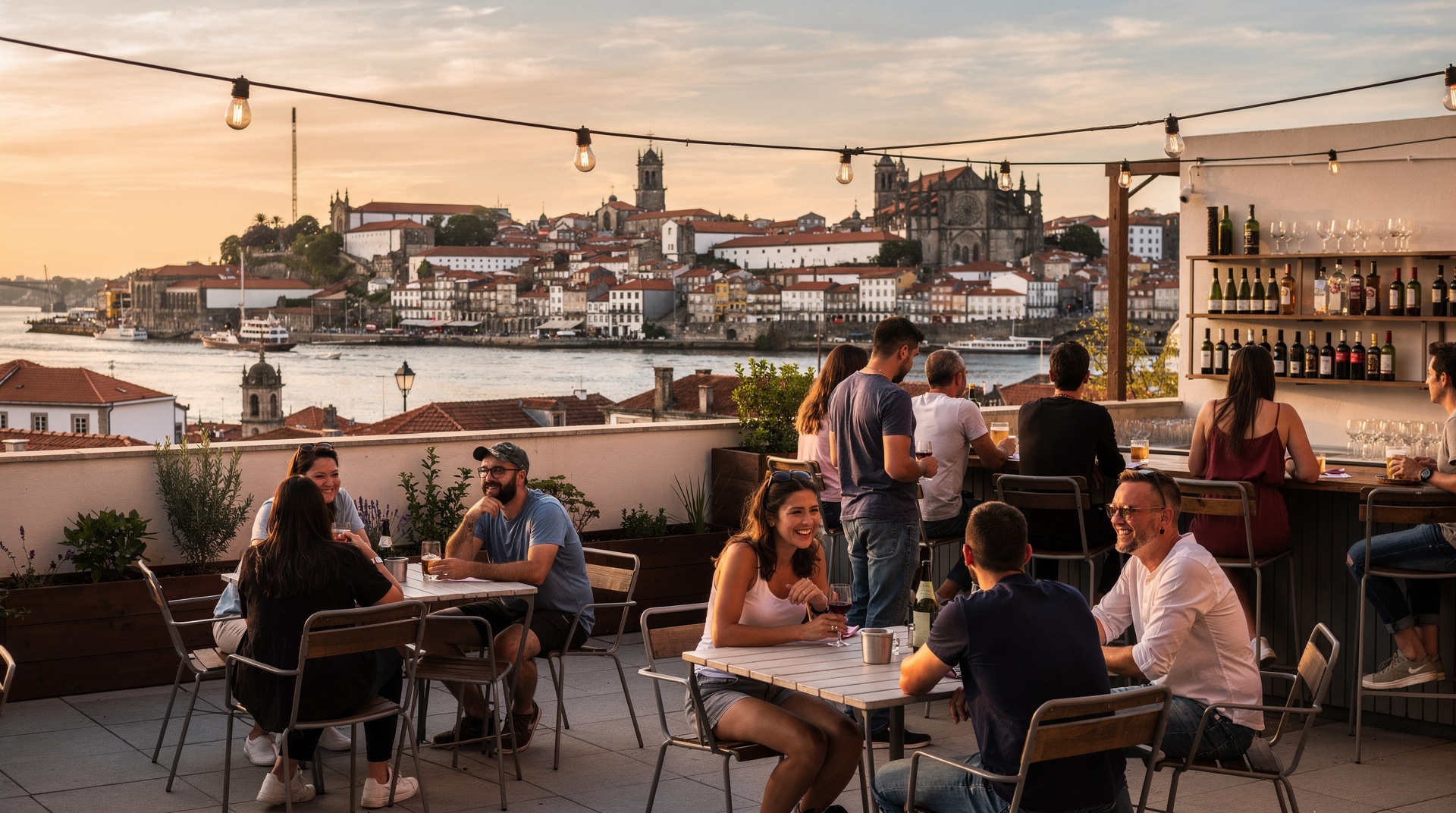
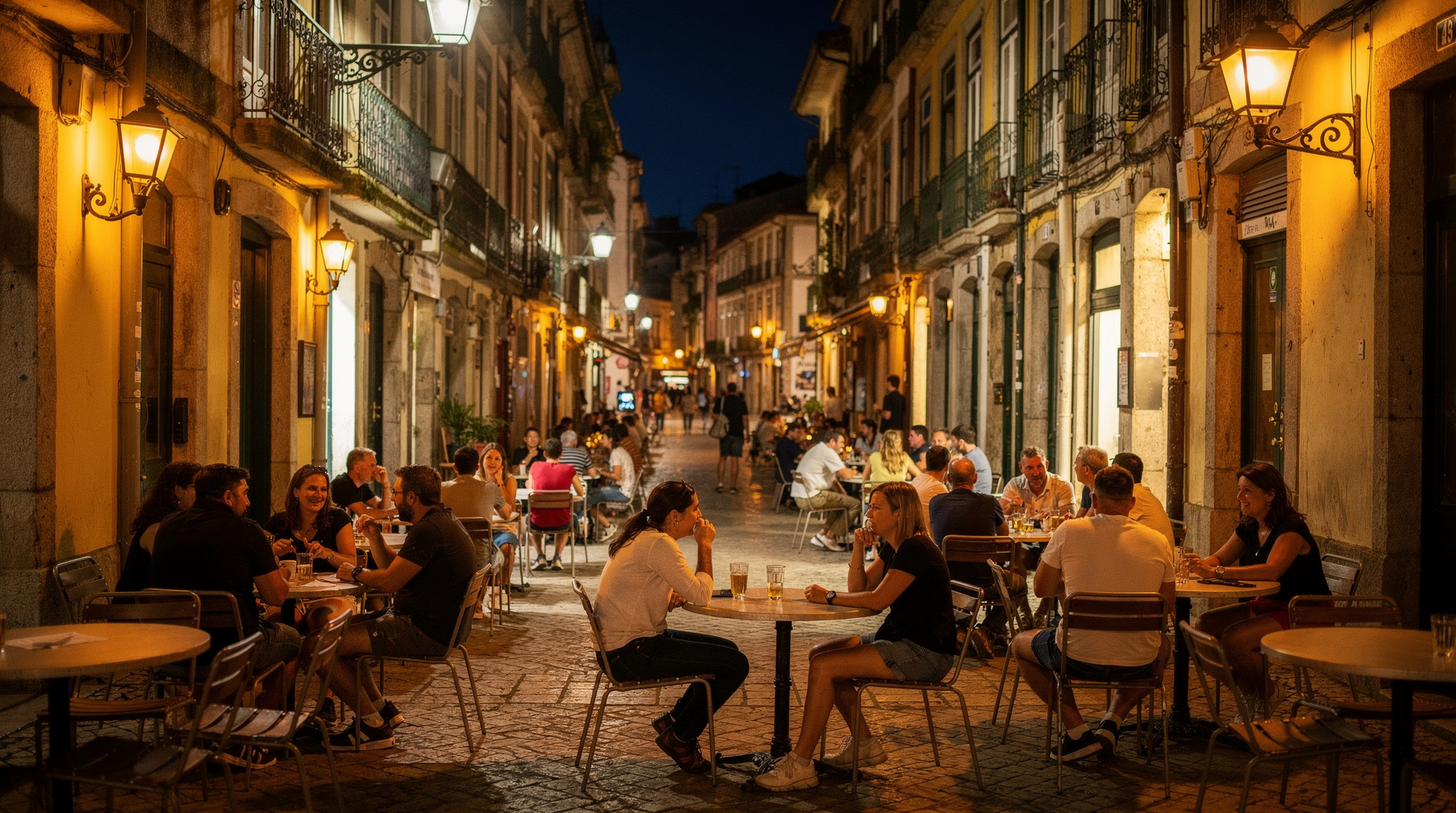
Evening is particularly good here — the craft beer bars and independent restaurants fill up from around 19:00, and the neighbourhood has a relaxed, genuinely local atmosphere that disappears during the midday tourist rush in the centre.
For a broader picture of Porto’s neighbourhood landscape, the guide to underrated Porto neighbourhoods sets Cedofeita and Bombarda in context alongside Bonfim and Fontainhas.
Frequently asked questions about Cedofeita and Bombarda
How far is Rua Miguel Bombarda from the Ribeira?
About 1.5 km on foot, which takes 20–25 minutes uphill. It is one of those distances that feels longer than it is on the way there and shorter on the way back. The metro (Lapa station, line D) cuts the journey to a flat 10 minutes.
Are the galleries on Rua Miguel Bombarda free to enter?
Most are. The Bombarda galleries are commercial operations that sell work rather than charging entry. Occasional large group shows may have a small entry fee, but the standard visit — wandering in, looking at the current exhibition, talking to whoever is staffing the space — costs nothing.
Is Cedofeita good for a half-day visit or does it need more time?
A half-day is the right frame. The gallery strip, a walk through the Cordoaria gardens and lunch at one of the neighbourhood tascas fills a morning or afternoon naturally. If you add shopping on Rua das Flores or an evening in the craft beer bars, extend it to a full day.
Can I combine Cedofeita with other areas in a single day?
Yes. The most natural combination is Cedofeita and Bombarda in the morning (galleries open from 10:00) followed by the Clérigos Tower and the Baixa in the afternoon — they are 10–15 minutes apart on foot. Alternatively, Cedofeita combines well with Boavista and Serralves to the west, making a full western Porto day that stays well off the main tourist trail.
What is the craft beer scene like in Porto?
Genuine and growing. Porto has a cluster of quality craft beer bars concentrated in Cedofeita and Bombarda, with a secondary cluster in Bonfim and around Rua Galeria de Paris. Portuguese craft brewers produce a range of styles; the local version of Vinho Verde in pale ale form (low-alcohol, fruity) is genuinely interesting. Our craft beer guide covers the best bars in detail with opening hours and what to order.
Is Cedofeita a good place to stay in Porto?
Yes, for visitors who want lower prices and a more local feel without giving up walkability. It sits within 20–25 minutes on foot of the historic centre, has better metro access than some outlying neighbourhoods, and its evening scene is livelier than Baixa’s after dark. It suits independent travellers more than visitors who want to be able to roll out of a hotel directly onto Ribeira’s waterfront.
Top experiences
Bookable activities with verified prices and instant confirmation on GetYourGuide.