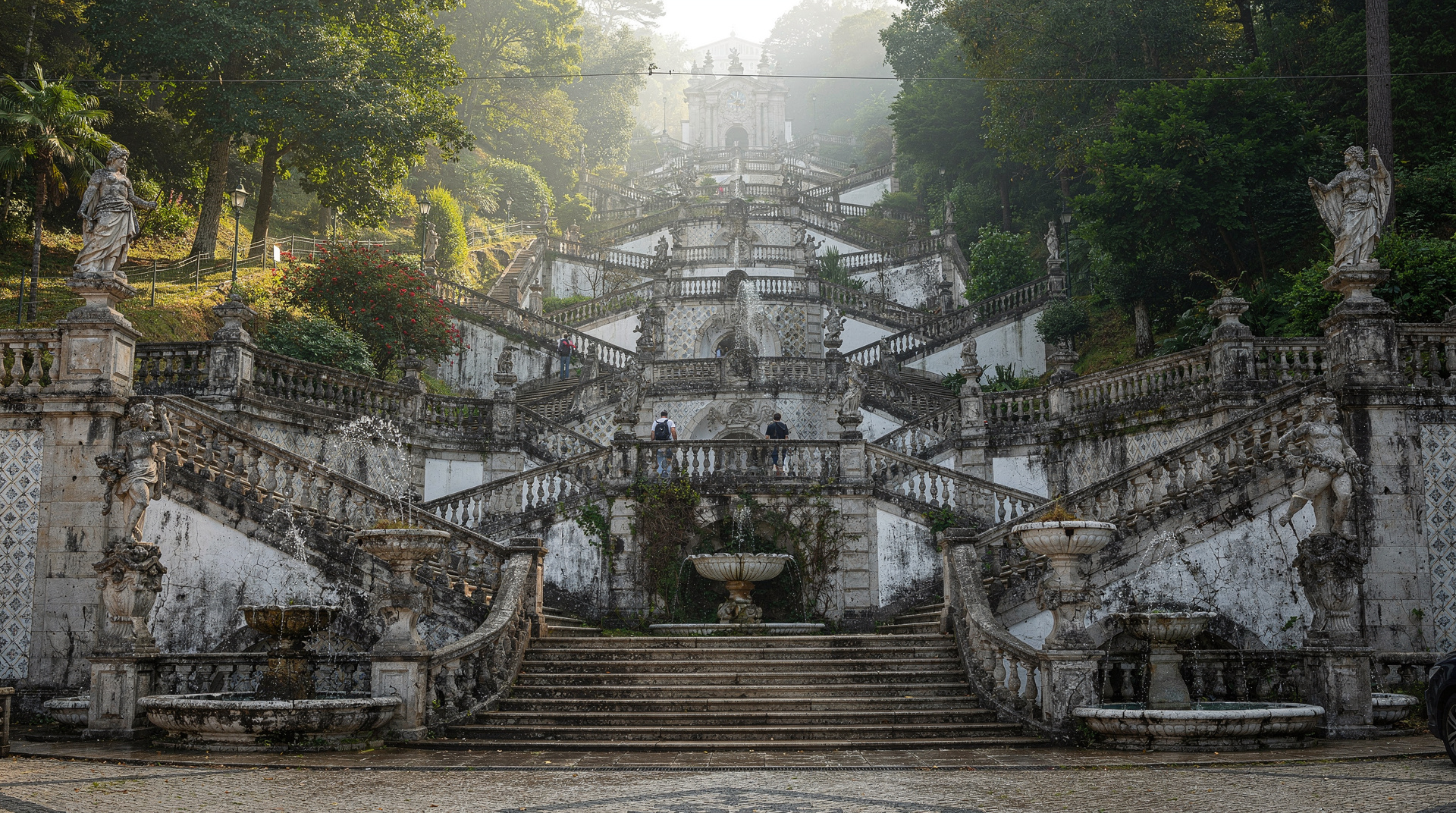
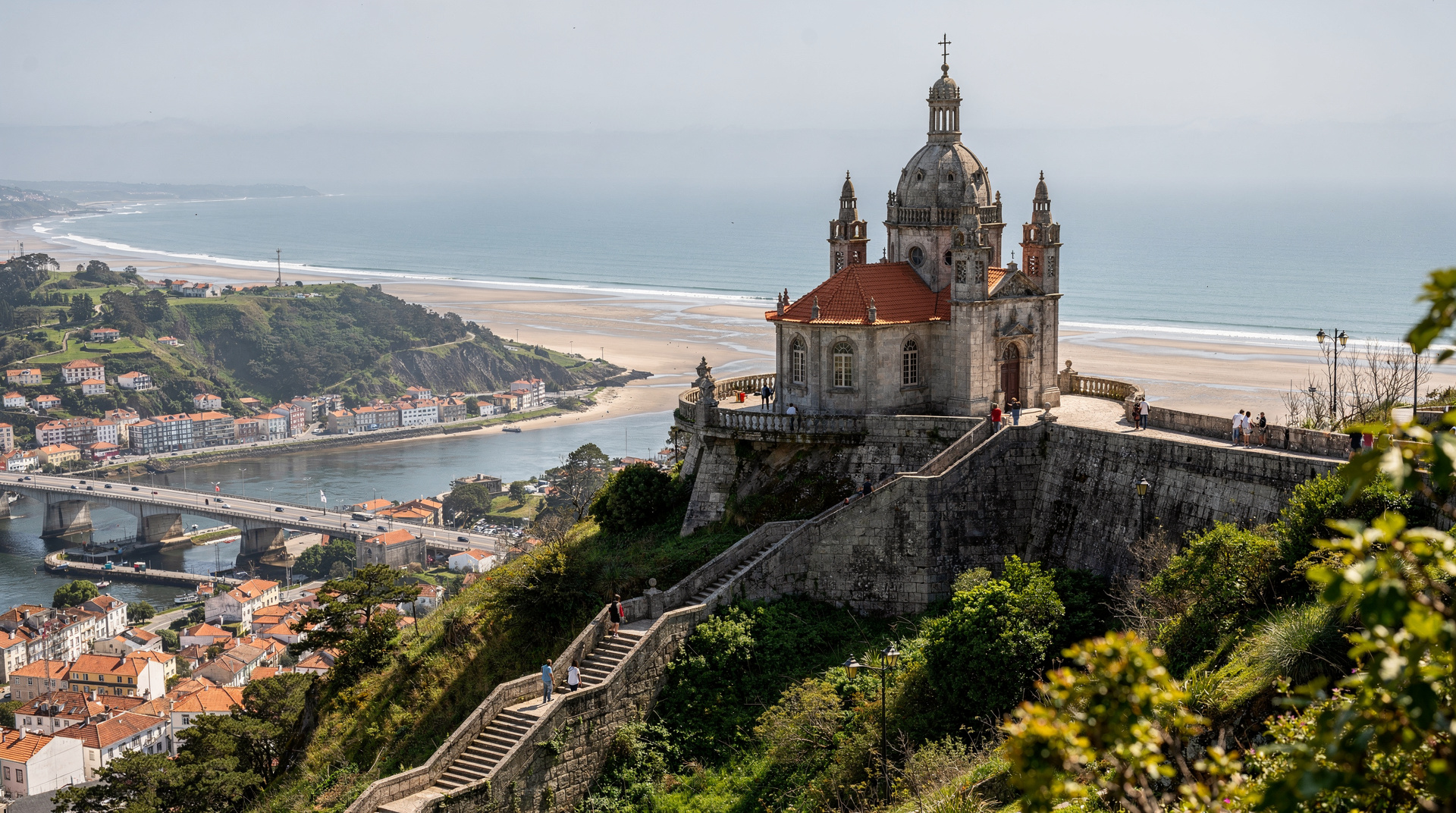
Santiago de Compostela — cathedral city across the Galician border
Santiago de Compostela: Romanesque cathedral, pilgrimage tradition and medieval old town, 120 km from Porto. Day trip guide with car, tour and bus options.
Porto: Santiago de Compostela Tour in Spain from Porto
Quick facts
- Distance from Porto
- 120 km north; ~1h 30min by car on A3/AP-9
- Country
- Spain (Galicia) — no border controls (Schengen), prices in Euros
- Cathedral entry
- Free; Museum €12; Portico della Gloria timed entry
- Language
- Galician and Spanish (Galician is the dominant everyday language)
A medieval city that pilgrims have been walking to for a thousand years
The camino de Santiago — the network of pilgrimage routes converging on Santiago de Compostela — is one of the defining cultural institutions of medieval Europe, and it continues today with more walkers than at any point in recorded history. But Santiago de Compostela the city is not simply a destination for pilgrims. The historic centre, designated a UNESCO World Heritage Site in 1985, is a complete medieval urban ensemble — granite plazas, Romanesque and Baroque facades, covered arcades (soportales) shielding pedestrians from the famously frequent Galician rain — that would be worth visiting even without the cathedral at its centre.
As a day trip from Porto, Santiago de Compostela involves crossing the international border into Spain — in practice invisible since both countries are Schengen members, and requiring nothing more than a valid passport or EU identity card. The currency remains euros. The language shifts from Portuguese to Galician/Spanish, though the cultural and culinary similarities between northern Portugal and Galicia are striking: the same seafood, a related language, the same Atlantic weather.
Most visitors doing Santiago as a day trip find it a full-day commitment — the 1.5-hour drive each way, a cathedral visit, the old town, lunch and the return journey fills ten hours comfortably. Overnight stays allow a slower pace and the early-morning cathedral experience (the Pilgrim Mass at noon draws large crowds; the early services are more intimate).
| Where | Galicia, Spain — 120 km north of Porto |
| Time needed | Full day trip, or 1–2 nights for a slower pace |
| Getting there | ~1 h 20–40 min by car; organised tour around €40–55 |
| Cost | Cathedral free; museum €12; meals similar to Porto prices |
| Best time | April–June and September–October |
What to do in Santiago de Compostela
The Cathedral of Santiago de Compostela
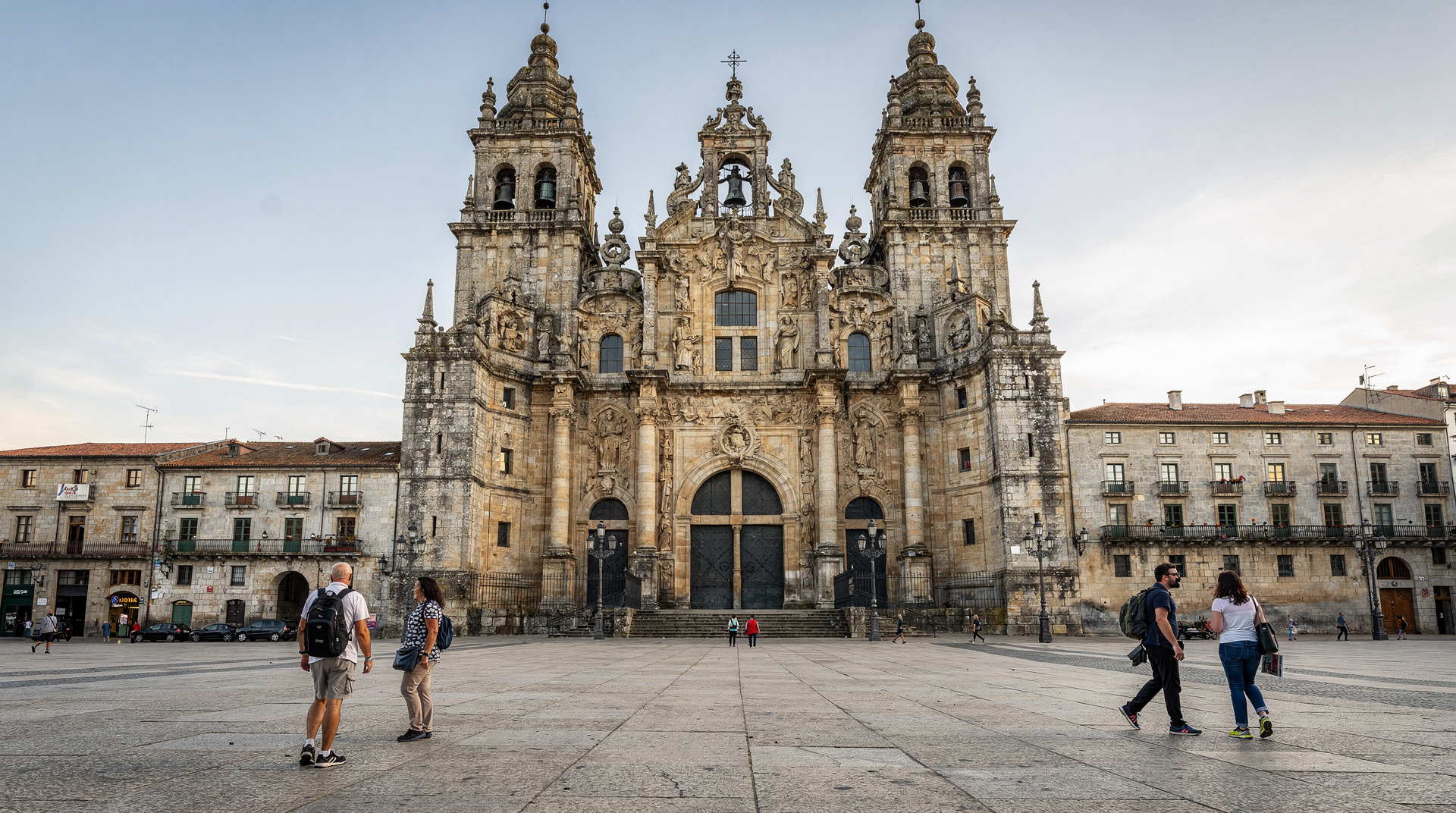
The cathedral is the reason Santiago exists. Construction began in 1075 over a shrine believed to hold the remains of St James the Apostle, and the building has been expanded, rebuilt and adorned continuously for the past millennium. The result is architecturally layered in the way that genuine living monuments always are — Romanesque structure, Baroque facades, Renaissance chapels, Neoclassical additions.
The Pórtico de la Gloria, carved by Master Mateo between 1168 and 1188, is considered one of the masterpieces of Romanesque sculpture. Entry to the portico has been managed through timed slots since its restoration; tickets should be booked in advance (included in the museum ticket at €12, or a specific access ticket for the portico). The traditional practice of hugging the statue of St James above the main altar has been suspended in recent years due to conservation concerns — check current status before visiting.
The cathedral museum covers multiple buildings around the main square (Praza do Obradoiro) and is substantial. The rooftop walk, accessible from the museum, provides the best views of the old town and the surrounding Galician countryside.
The Pilgrim Mass, celebrated daily at noon in the main cathedral, is the central ritual of Santiago’s living pilgrimage culture. Arriving pilgrimsand tourists alike fill the cathedral; on major feast days (particularly July 25, feast of St James), capacity can be reached before the service begins.
The full-day Santiago de Compostela tour from Porto includes transport, guided time at the cathedral and old town, and return to Porto in the evening — the most practical option for first-time visitors.
The old town (Zona Monumental)
The historic centre of Santiago is compact and walkable — approximately 1 km by 1 km of granite streets, squares and covered arcades. The four main squares (Praza do Obradoiro facing the cathedral, Praza das Praterías on the south, Praza da Inmaculada on the north, Praza da Quintana on the east) each offer different perspectives on the cathedral exterior and different atmospheres.
The market hall (Mercado de Abastos, Plaza de Abastos) runs Tuesday through Sunday until 14:00 and is one of the best food markets in northwestern Spain — fresh Galician seafood, cheeses, chorizos and the local pastry (tarta de Santiago, an almond-flour tart with a cross iced on top). Walking through early on a market morning before the cathedral crowds arrive is the best introduction to the non-pilgrimage city.
Rúa do Franco and Rúa da Raíña, the parallel streets south of the cathedral, are the restaurant and tavern zone — traditionally where pilgrims ate after completing the camino. The quality is variable and the tourist density high; the better restaurants require a small detour into the surrounding streets.
The Camino de Santiago routes (for context)
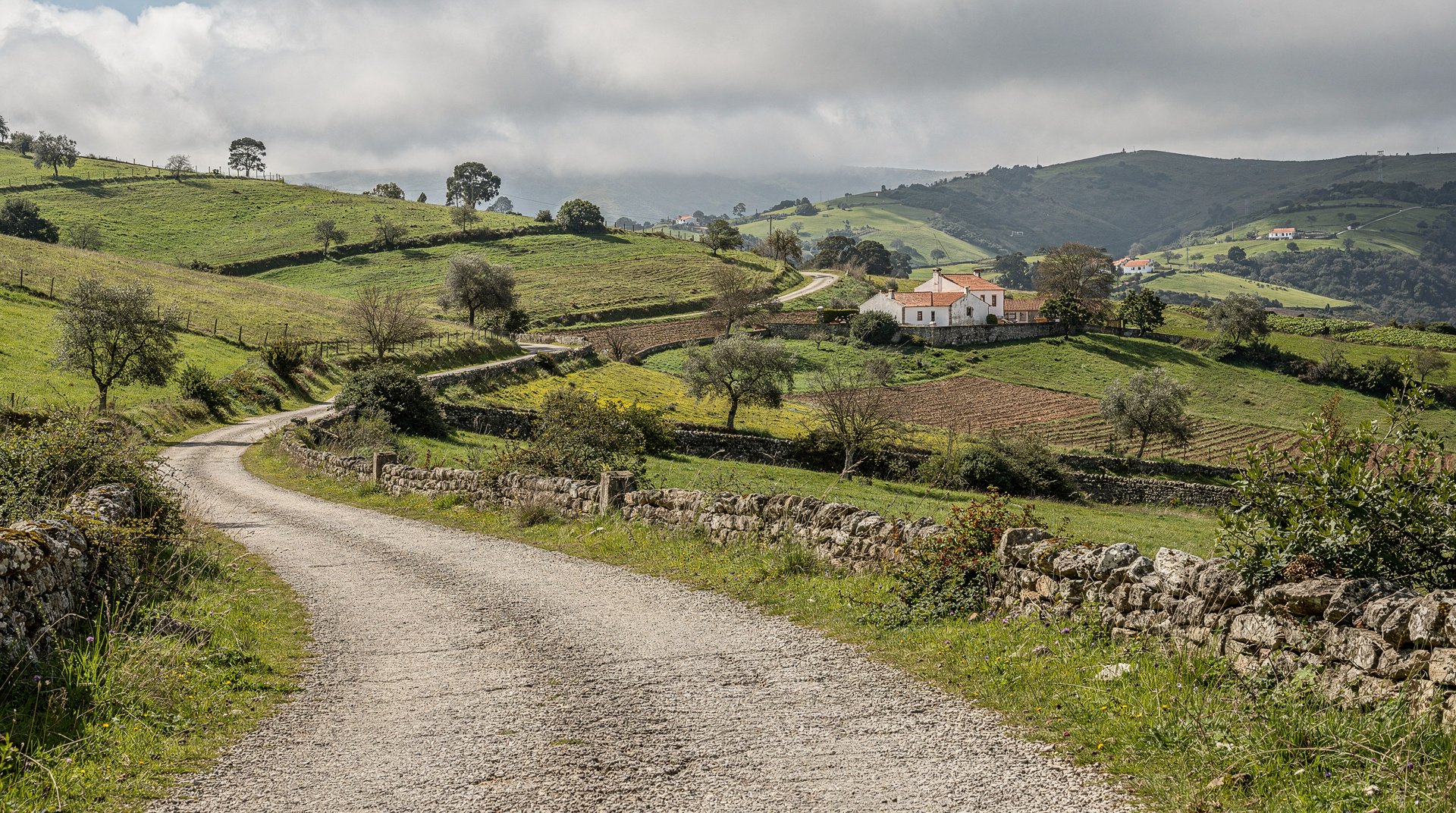
Santiago is the destination of several major camino routes: the Camino Francés (from the French Pyrenees, the most popular), the Camino Portugués (from Porto and Lisbon, the second most walked), and others from various origins. Visitors arriving from Porto may have walked part of the Camino Portugués — the route passes through northern Portuguese towns including Barcelos, Braga and Valença before crossing the border.
The Pilgrim Office (Oficina del Peregrino, Rúa Carretas) issues the Compostela certificate to pilgrims who have walked or cycled the final 100 km. Even without walking the camino, the Pilgrim Office gives a concrete sense of the scale and diversity of contemporary pilgrimage.
Santiago vs Porto’s other day trips
Santiago is the most ambitious day trip from Porto — the longest drive and the only one that crosses a border. Whether it earns that extra effort depends on your interests:
| Santiago de Compostela | Douro Valley | Braga / Guimarães | |
|---|---|---|---|
| Distance from Porto | 120 km (Spain) | ~100 km | ~55 km |
| Draw | Cathedral, pilgrimage history, medieval old town | Vineyards, river cruise, wine tastings | Baroque churches, Portugal’s “birthplace” |
| Time needed | Full day | Full day | Half day each |
| Crosses a border | Yes (Schengen, no checks) | No | No |
If cathedral architecture and pilgrimage history genuinely interest you, Santiago rewards the extra distance. If wine and landscape matter more, the Douro Valley is the better use of a single day. Many visitors with four or more days in the region do both — see the Porto 4-day itinerary for how to fit Santiago alongside the Douro without rushing either.
The Camino Portugués through northern Portugal
Visitors arriving from Porto who want context for the pilgrimage route rather than walking it can still trace its Portuguese leg by car. The Camino Portugués passes through Braga, Viana do Castelo and the coastal town of Matosinhos before crossing into Galicia near Valença. Stopping at even one or two of these towns on the way to or from Santiago adds historical texture that a direct highway drive skips entirely. The northern Portugal 7-day itinerary builds a full week around this corridor, ending in Santiago.
Getting to Santiago de Compostela from Porto
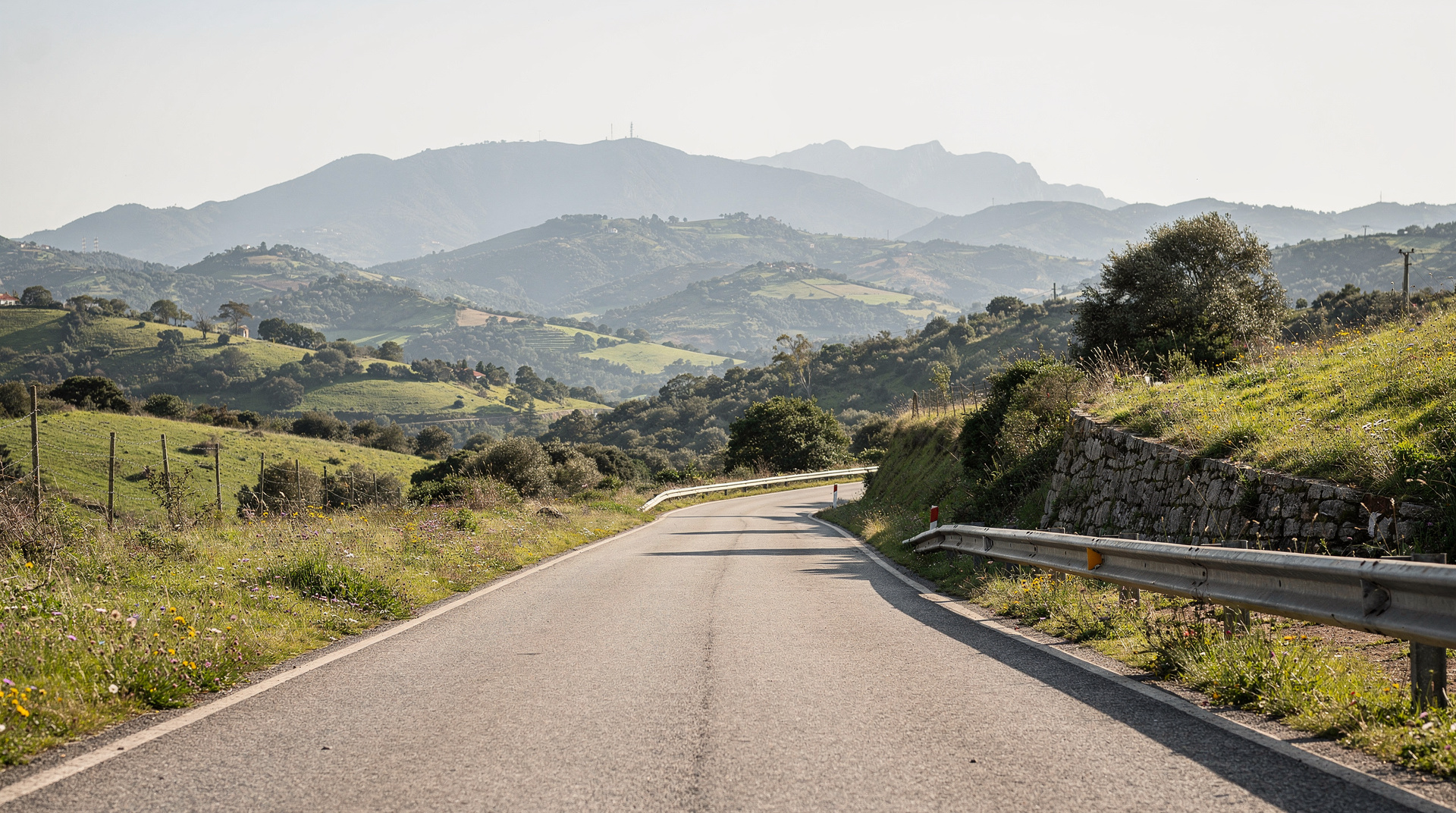
By car (most flexible): 120 km north on the A3 (Portugal) and AP-9 (Galicia). No border controls — you cross the Minho river at Valença/Tui without stopping. Journey time 1 hour 20 minutes to 1 hour 40 minutes depending on traffic. Parking in the old town area is challenging; use the city periphery car parks with pedestrian connection to the historic centre.
Organised day trip from Porto (recommended): The full-day Santiago tour from Porto departs in the morning, includes guided time at the cathedral and old town, and returns in the evening. This is the practical choice for visitors without a car. Approximately €40–55 per person. For a private version allowing more flexibility, the private Santiago day trip covers the same route.
By train: Direct train services between Porto Campanhã and Santiago de Compostela operate but are limited (some seasonal). Check Renfe/CP current timetables — the journey via Vigo takes approximately 3–4 hours and requires at least one transfer. For a day trip, the travel time makes the train impractical without an overnight stay.
By bus: Rede Expressos and Alsa operate Porto-Santiago coach services (approximately 2.5–3 hours). This is the cheapest independent option (~€18–25 one way) but the schedule constrains timing at the destination.
Where to stay in Santiago de Compostela
Santiago has substantial accommodation infrastructure for its volume of pilgrimage visitors.
Parador de Santiago de Compostela (Hostal dos Reis Católicos): The most storied hotel in Spain — a 15th-century royal hostel for pilgrims, now a five-star parador, occupying the entire northern side of the Praza do Obradoiro. Staying here is both a genuine luxury hotel experience and an act of historical participation. Rates €200–400 per night.
Hotel Monumento San Francisco: A former convent attached to the Church of San Francisco, converted to a four-star hotel. €100–160 per night. Quieter location with garden.
Budget options: The albergue municipal and several private pilgrim hostels (albergues de peregrinos) accept non-pilgrims when space allows, at €15–25 per bed. Not luxurious but an authentic element of the pilgrimage city’s infrastructure.
For most visitors doing Santiago as a day trip from Porto, returning to the Porto accommodation makes more financial sense than paying Santiago’s premium rates.
Where to eat in Santiago de Compostela
Galician cuisine shares many elements with northern Portuguese food: Atlantic seafood (pulpo a feira — boiled octopus with paprika and olive oil — is the regional staple), empanadas (filled pastry pies), tetilla and Arzúa cheeses, the local Albariño white wine and Ribeiro whites.
Restaurante A Barca do Lecer: On Rúa de San Paio de Antealtares, away from the main tourist strip — honest Galician cooking at €18–28 for a main course. The pulpo is consistent.
Casa Marcelo: A small, well-regarded restaurant near the market offering a tasting menu at €55–70 per person — appropriate for a special lunch with local focus.
Taberna A Maceta: Near the Mercado de Abastos, serving market-driven daily specials at €12–18. The best-value serious eating in the old town.
Tarta de Santiago: Every bakery in the city sells it. Buy from a proper confeitaria rather than a tourist shop for noticeably better quality. Expect €3–5 for a slice.
Best time to visit Santiago de Compostela
April through June and September through October are the practical best times: mild Galician weather (cooler and greener than Porto due to higher Atlantic precipitation), manageable crowds, and an active pilgrimage season without the July–August peak.
July 25 (feast of St James) and the surrounding days are the peak of the pilgrimage calendar — enormous crowds, sold-out accommodation, and the Botafumeiro (the giant incense burner swung through the cathedral transept) in full operation. Magnificent but logistically challenging for a day trip.
Winter (November–March) brings Galicia’s famously persistent rain, reduced visitor numbers, and a more interior atmosphere. The cathedral and old town are beautiful in the rain but require appropriate gear.
Frequently asked questions about Santiago de Compostela
Do I need a passport to visit Santiago de Compostela from Porto?
A valid passport (or EU national identity card for EU citizens) is needed as you are crossing an international border — even though there are no physical checks at the Minho river crossing. Non-EU visitors from Schengen-exempt countries (UK, US, Canada, Australia and others) should carry their passport as they would anywhere in the Schengen zone.
How much time do I need in Santiago de Compostela?
A minimum of four to five hours covers the cathedral interior, the main squares and a meal. A full day allows the museum, the market, the rooftop walk and a more relaxed experience. Overnight stays give you the early morning cathedral (before the Pilgrim Mass crowds) and the quieter evening old town.
Is Santiago de Compostela expensive compared to Porto?
Broadly similar pricing for food and accommodation. Galician seafood restaurants at honest quality match Porto prices — €15–25 for a main course. The Parador is significantly more expensive, but mid-range hotels are comparable. The major exception is transport: reaching Santiago without a car requires either a tour or bus, which adds cost compared to day trips within Portugal.
What is the connection between Porto and the Camino Portugués?
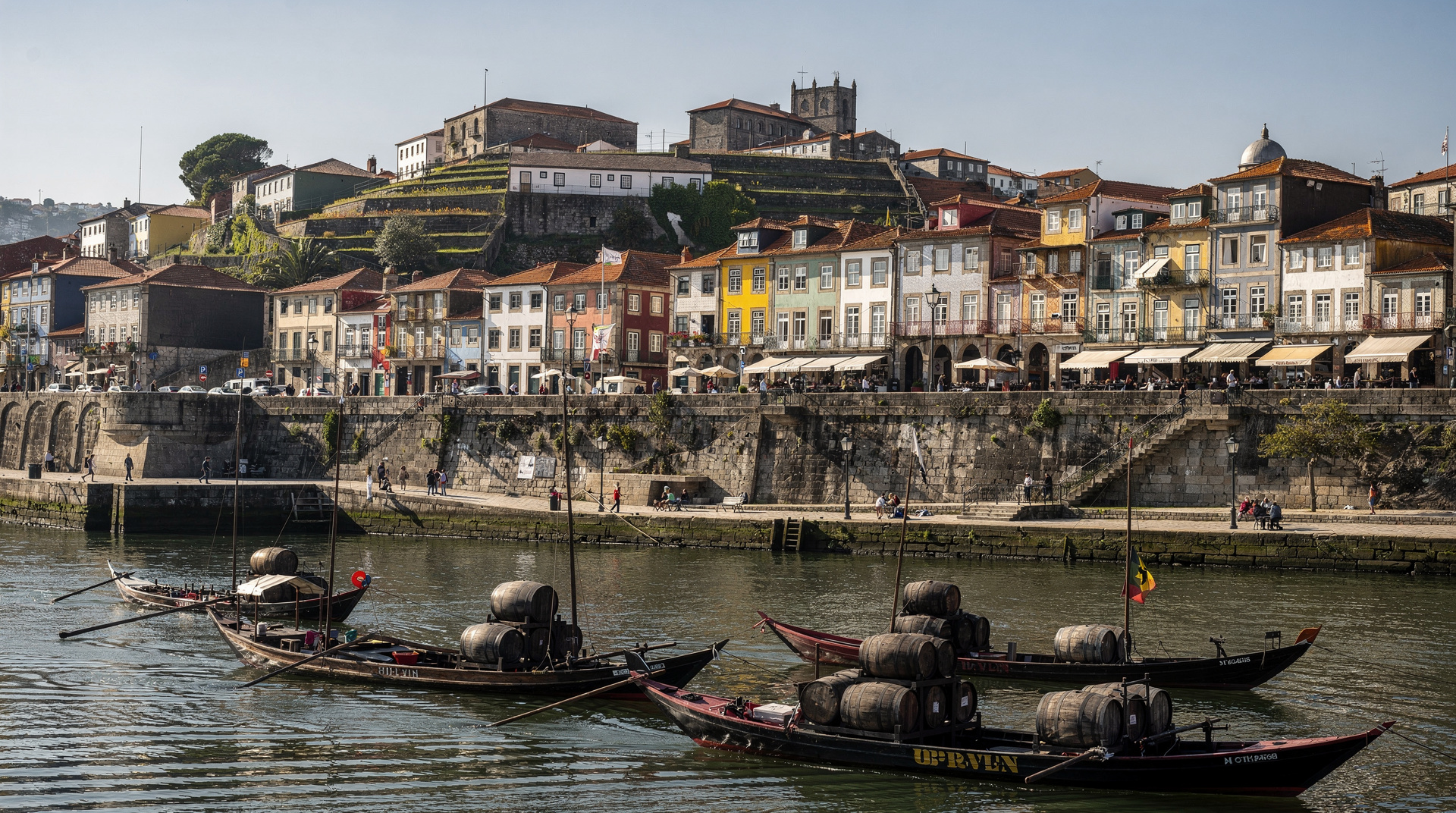
The Camino Portugués — the camino route from Portugal — passes through Porto on its way north. Pilgrims starting from Porto’s Cathedral (the Sé) can follow the route through Matosinhos, Viana do Castelo and Valença to the Spanish border, then north through Galicia to Santiago. The route from Porto to Santiago on foot takes approximately 14 days at moderate pace. For visitors interested in the history of the route, our best day trips from Porto guide notes the key Camino Portugués towns along the northern Portugal coast.
Is Santiago de Compostela only for religious visitors?
Not at all. The pilgrimage context is unavoidable and worth understanding, but the city’s architecture, food, market, and cultural life are compelling independently. Many of the contemporary pilgrims walking the camino do so for secular reasons — personal challenge, walking tourism, time for reflection — and Santiago de Compostela functions as a living, inhabited city that happens to have a cathedral at its centre, not a theme park for the devout.
Top experiences
Bookable activities with verified prices and instant confirmation on GetYourGuide.