Northern Portugal in 7 days — Porto, Douro and Minho
Porto: Douro Wine Day Tour from Porto Visit of 2 Wine Estates
How to use this seven-day northern Portugal itinerary
This itinerary covers northern Portugal’s three most distinct landscapes: the urban complexity of Porto, the wine terraces of the Douro Valley, and the green river valleys of the Minho region. It requires a car for Days 3–7 — public transport can cover Porto and the Douro by train, but Peneda-Gerês National Park, Viana do Castelo and much of the Minho are poorly served without a vehicle.
Pick up the rental car on Day 3 morning (or Day 2 evening) and drop it off on Day 7 — keeping a car in Porto city is pointless and expensive. Estimated driving total for Days 3–7: approximately 500–600 km. All roads are on the Portuguese toll network (Via Verde tag or pay at booths).
Budget estimate: €600–900 per person for seven days (mix of city hotel and rural accommodation, rental car, meals, entrance fees, two to three wine tours).
| Where | Porto, Douro Valley, Braga, Guimarães, Viana do Castelo, Gerês |
| Cost | around €600–900 per person over seven days |
| Time needed | seven days, car required from Day 3 |
| Getting there | metro in Porto (Days 1–2); rental car from Day 3 |
| Best time | May–June or September, avoiding August heat in the Douro |
This is the fullest northern Portugal route on the site. If seven days isn’t feasible, our Porto and Douro in 5 days itinerary covers the city and valley without the Minho extension, or see how many days in Porto for shorter options.
Day 1–2: Porto (use the Porto 2-day itinerary)
Follow the Porto in 2 days itinerary structure:
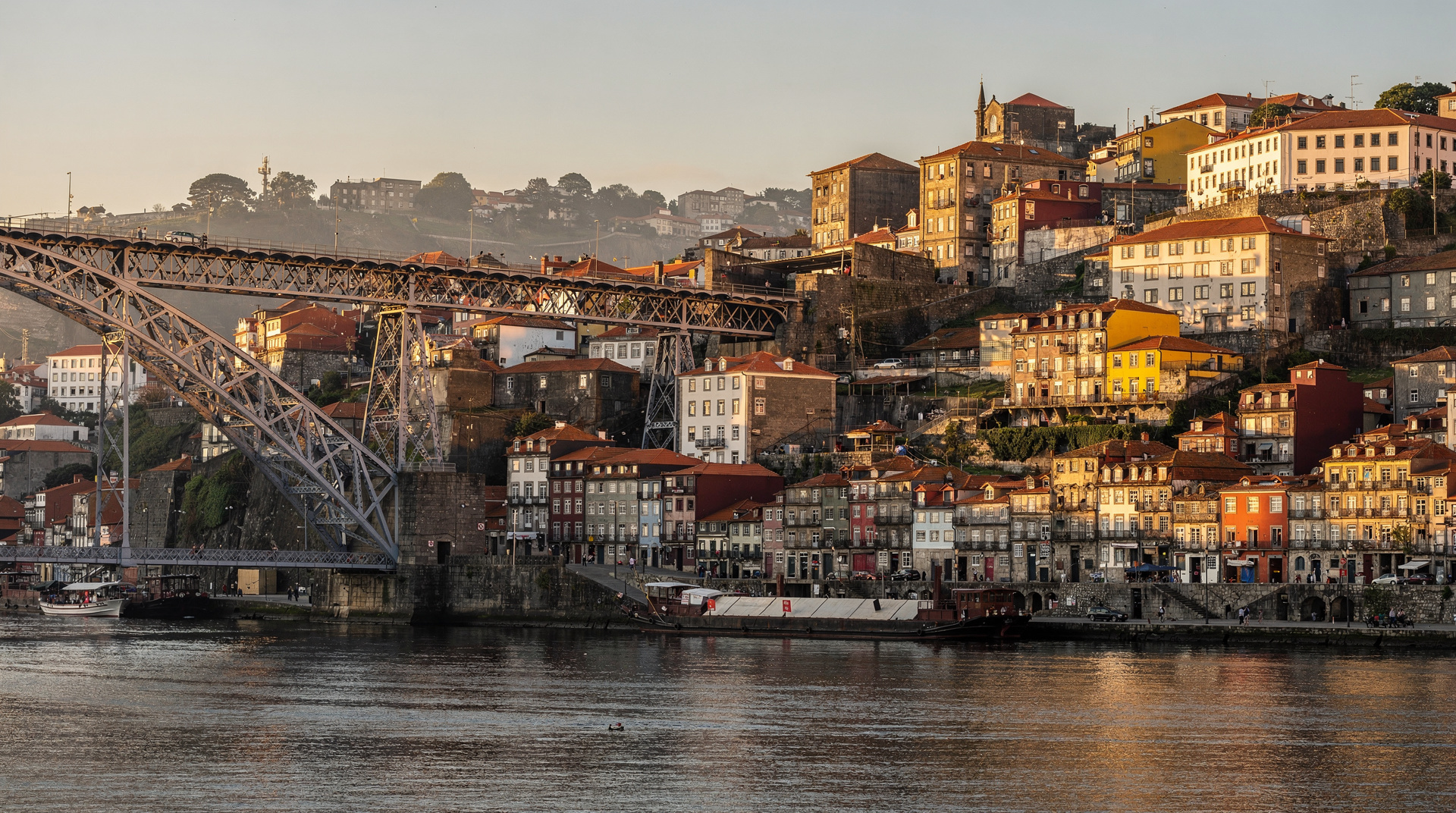
Day 1: São Bento, Sé, Palácio da Bolsa, Ribeira, cross to Gaia, port cellar (Taylor’s or Graham’s), Six Bridges cruise, Clérigos Tower at sunset. Dinner in Cedofeita.
Day 2: Livraria Lello, Serralves Foundation, lunch near Foz do Douro, Atlantic seafront walk, metro back. Evening in Bonfim or a fado show.
Key bookings for Days 1–2:
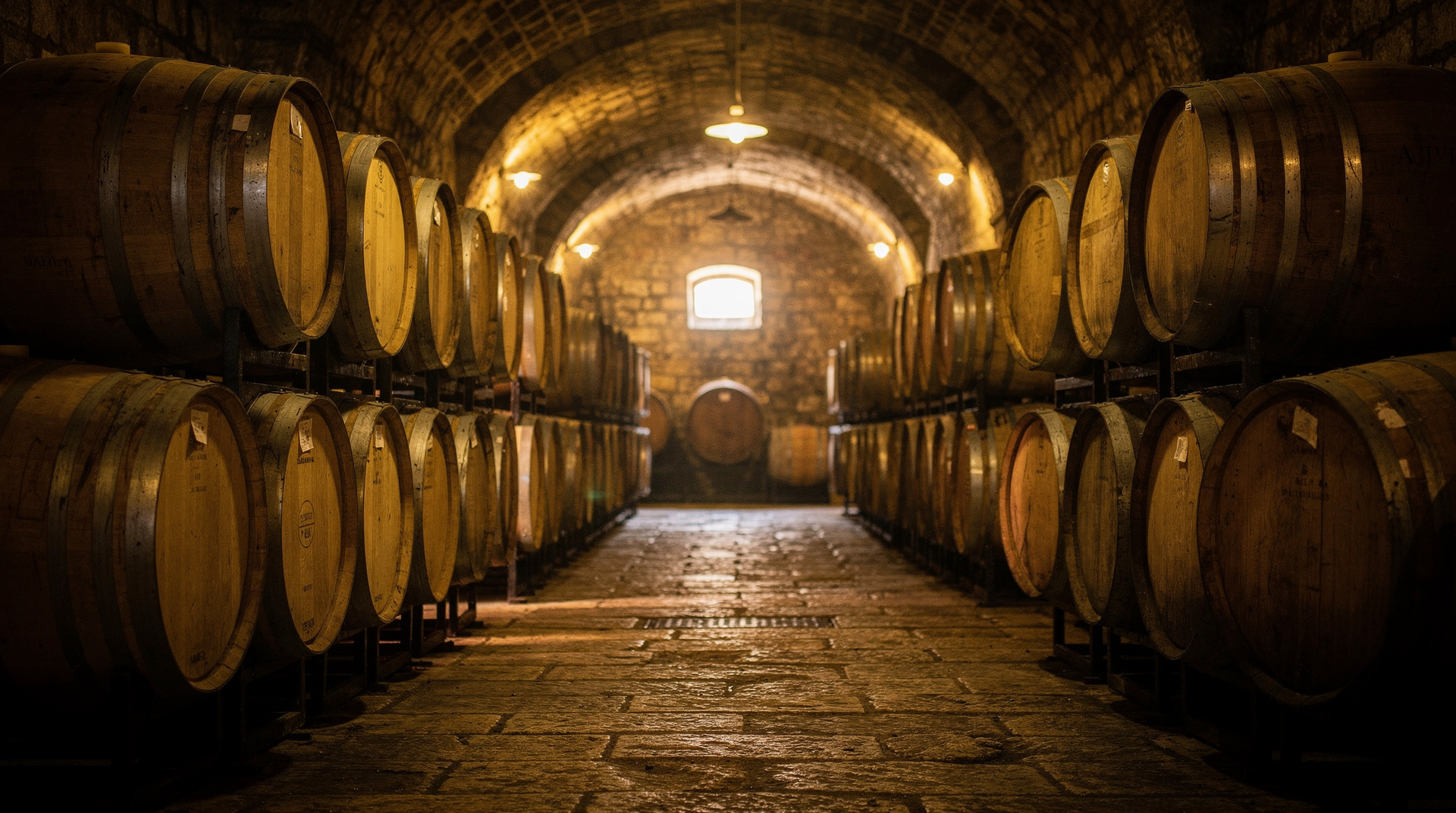
- Taylor’s cellar tasting (book 24–48 hours ahead in summer)
- Livraria Lello skip-the-line ticket (~€8)
No car needed in Porto. Pick up the rental car on Day 3 morning from Porto airport or from a city centre car hire location.
Day 3: Porto → Douro Valley → Pinhão overnight
Driving: Porto to Pinhão via N108 (scenic river road from Régua) — approximately 120 km, 2 hours without stops. Alternatively via A4 motorway to Régua then N222 scenic road (similar total time but more dramatic scenery).
Morning
9:00 — Pick up rental car
If collecting from the city centre (Avenida da Boavista), allow time for paperwork. If from OPO airport, take the metro out and drive back. Avoid driving into central Porto — navigate directly to the A4/IC29 eastbound.
Morning–afternoon
10:30 — Quinta da Pacheca, Peso da Régua (2 hours)
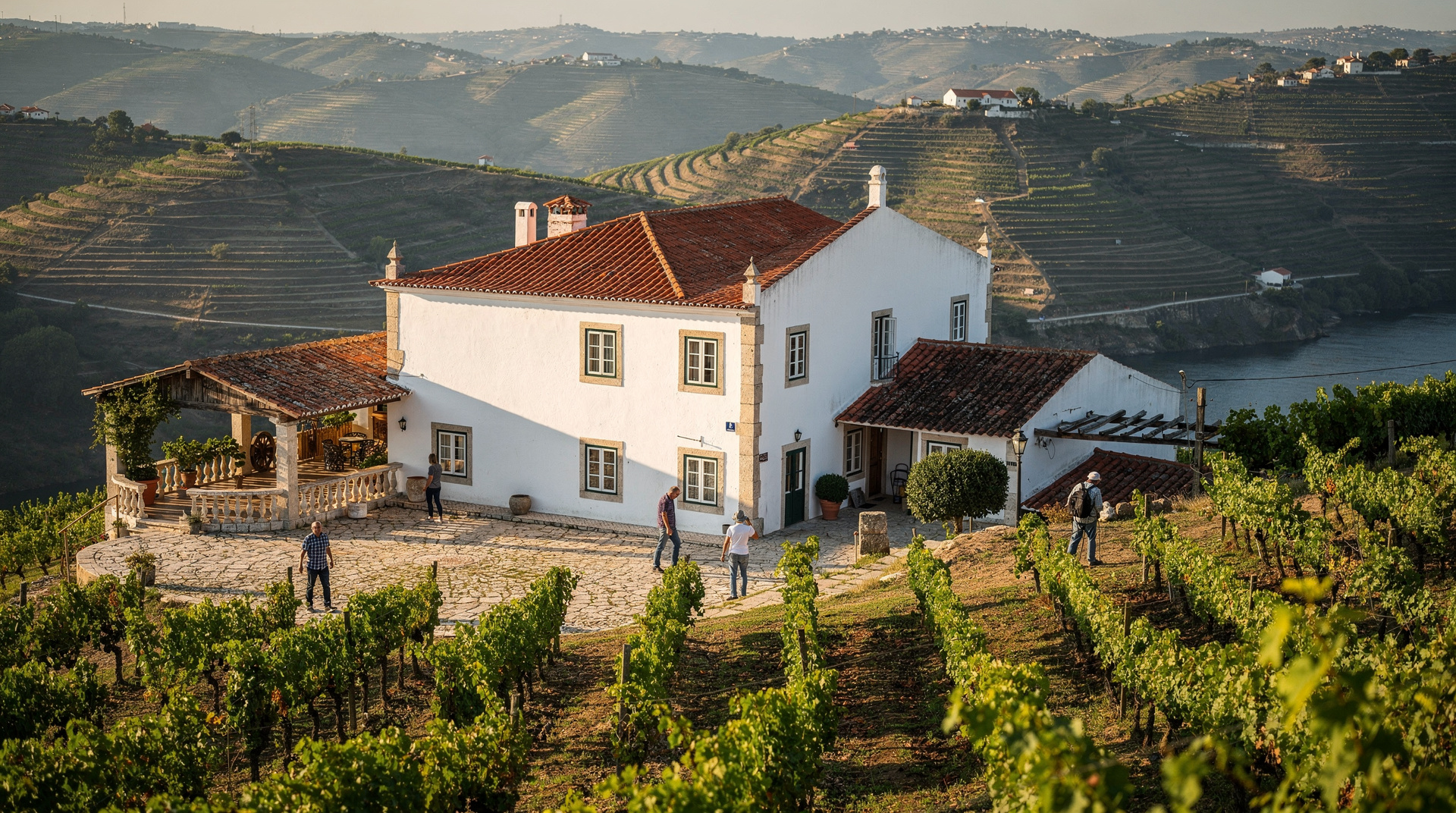
Drive to Quinta da Pacheca (Cambres, near Régua). This estate offers a full cellar tour and tasting (~€20–30) and has some of the most accessible vineyard paths in the Douro. The wine barrel accommodation here is the most photographed in the valley — whether or not you’re staying, the quinta grounds merit an hour.
12:30 — Lunch in Peso da Régua
Restaurante Castas e Pratos (Rua dos Camilos 85) serves regional Douro cuisine with an all-Douro wine list. €20–30 per person. The town’s main street and the railway station (with its azulejo panels) are worth 30 minutes of walking.
14:00 — Drive the N222 from Régua to Pinhão
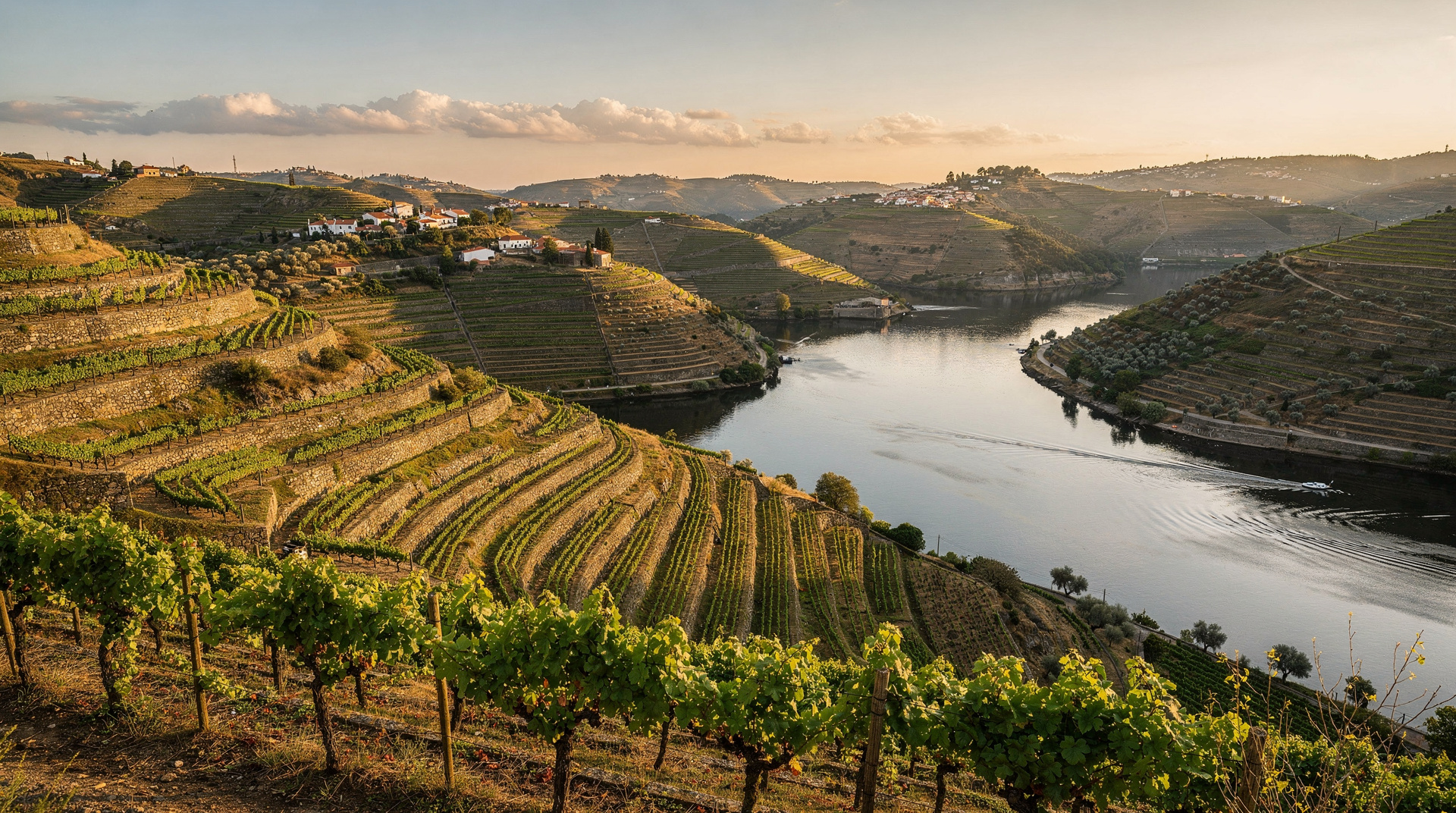
The N222 follows the Douro south bank from Régua to Pinhão (28 km, 45 minutes). This road appears on several “world’s most scenic drive” lists — tight, winding, with vineyards on both sides and the river below. Stop at the Miradouro de São Leonardo de Galafura (8 km from Régua) for the highest viewpoint over the Douro.
15:00 — Pinhão: Quinta do Bomfim
Book the Quinta do Bomfim visit in advance. This Symington estate (same family as Graham’s in Gaia) gives you the organic connection between what you tasted in Porto and where it grows. The azulejo panels at the adjacent Pinhão train station (free, visible from the parking area) are also among the finest in Portugal.
17:00 — Check in near Pinhão
Quinta de la Rosa (Pinhão, working wine estate with rooms, €130–180/night) or Casa de Casal de Loivos (hilltop village guesthouse with extraordinary views, €90–130/night). Both require advance booking, particularly in September.
Evening
Dinner at the quinta or at a local restaurant. The Douro offers very few restaurant options outside of the quintas themselves — eat where you sleep, or ask your hosts for recommendations. Wine will be the focus.
Day 4: Douro Valley — Pinhão to Lamego
Driving: Pinhão → Lamego via N222/N2, approximately 40 km, 1 hour.
Morning
9:00 — Douro sunrise and vineyard walk
Before breakfast, walk the quinta’s paths. The mist and morning light in the Douro is specific to the valley and impossible in the city. This is the image that makes the overnight worthwhile.
10:00 — Quinta da Foz (Pinhão area)
Drive 3 km to Quinta da Foz for a five-wine tasting with panoramic views over the Pinhão valley. One of the Douro’s best small-group tasting experiences. Book at the quinta directly (~€20).
12:00 — Drive toward Lamego
Take the N322 south from Pinhão to Lamego through increasingly remote schist-rock terrain — small villages, ancient vines, the Douro watershed.
Afternoon
13:30 — Lamego: lunch and the Sanctuary
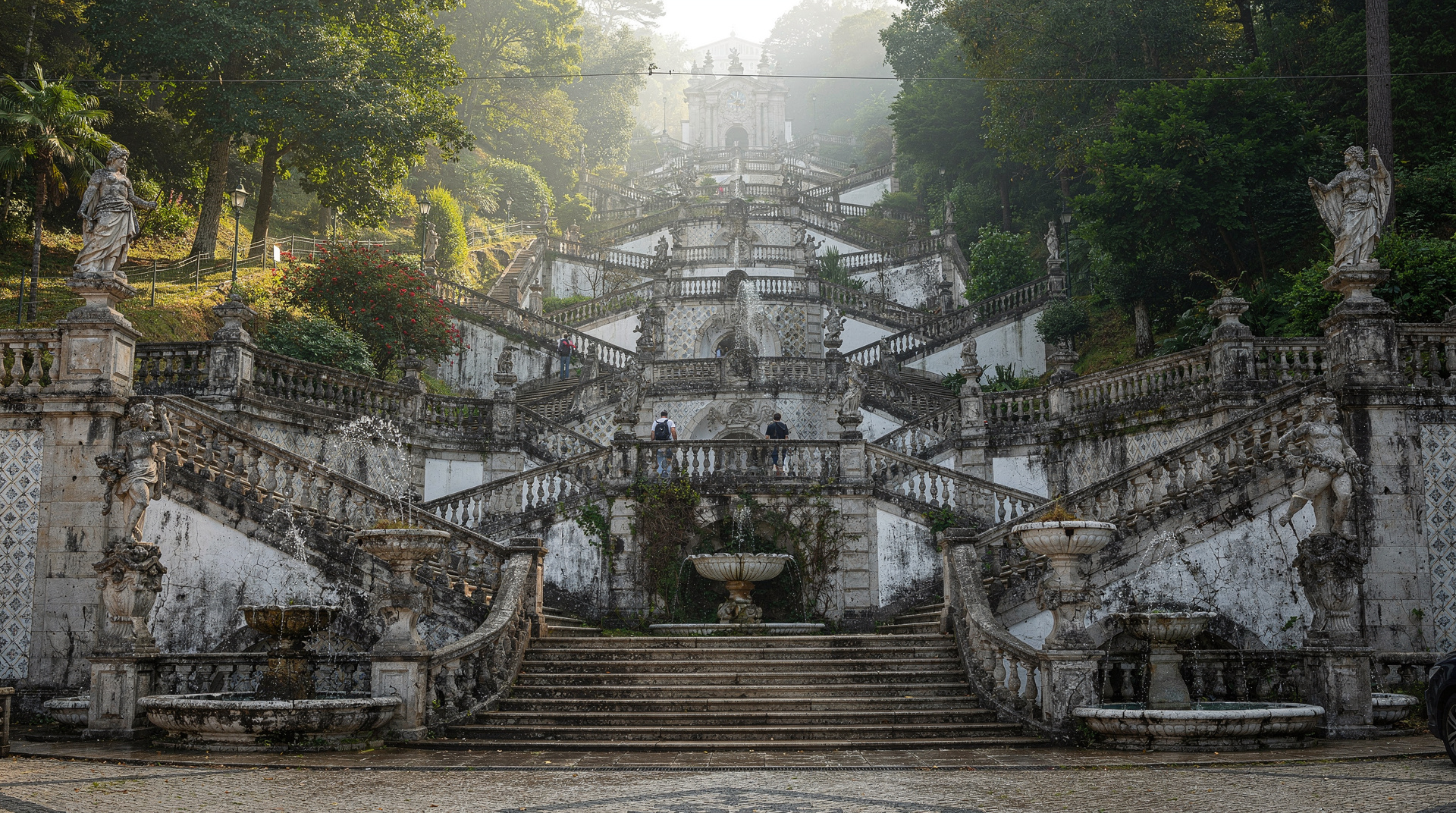
Lamego is an underrated Douro city with a strong local food tradition. Try Restaurante O Arquinho (Rua das Olarias) for smoked meats, cured presunto and regional stews (€15–25). After lunch, walk to the Nossa Senhora dos Remédios sanctuary — a Baroque staircase of over 600 steps lined with azulejo-decorated chapels climbing to a hilltop church. The view from the top covers most of the surrounding countryside. See our Lamego guide.
16:00 — Douro olive oil and wine at Resende direction
If time allows, drive northeast to the Resende microclimate area, known for Alvarinho white wines that differ dramatically from the port-producing zones. The drive back to Pinhão or forward to Braga (tomorrow’s base) both pass through landscapes that most Douro visitors never reach.
Overnight (Lamego or return to Pinhão)
Option: stay in Lamego (Hotel do Paço, €70–110/night, central location with Douro views) before driving north to Braga on Day 5. This avoids backtracking to Pinhão.
Day 5: Douro → Braga
Driving: Lamego (or Pinhão) → Braga via A24/A11, approximately 110 km, 1h30.
Morning
9:30 — Drive to Braga
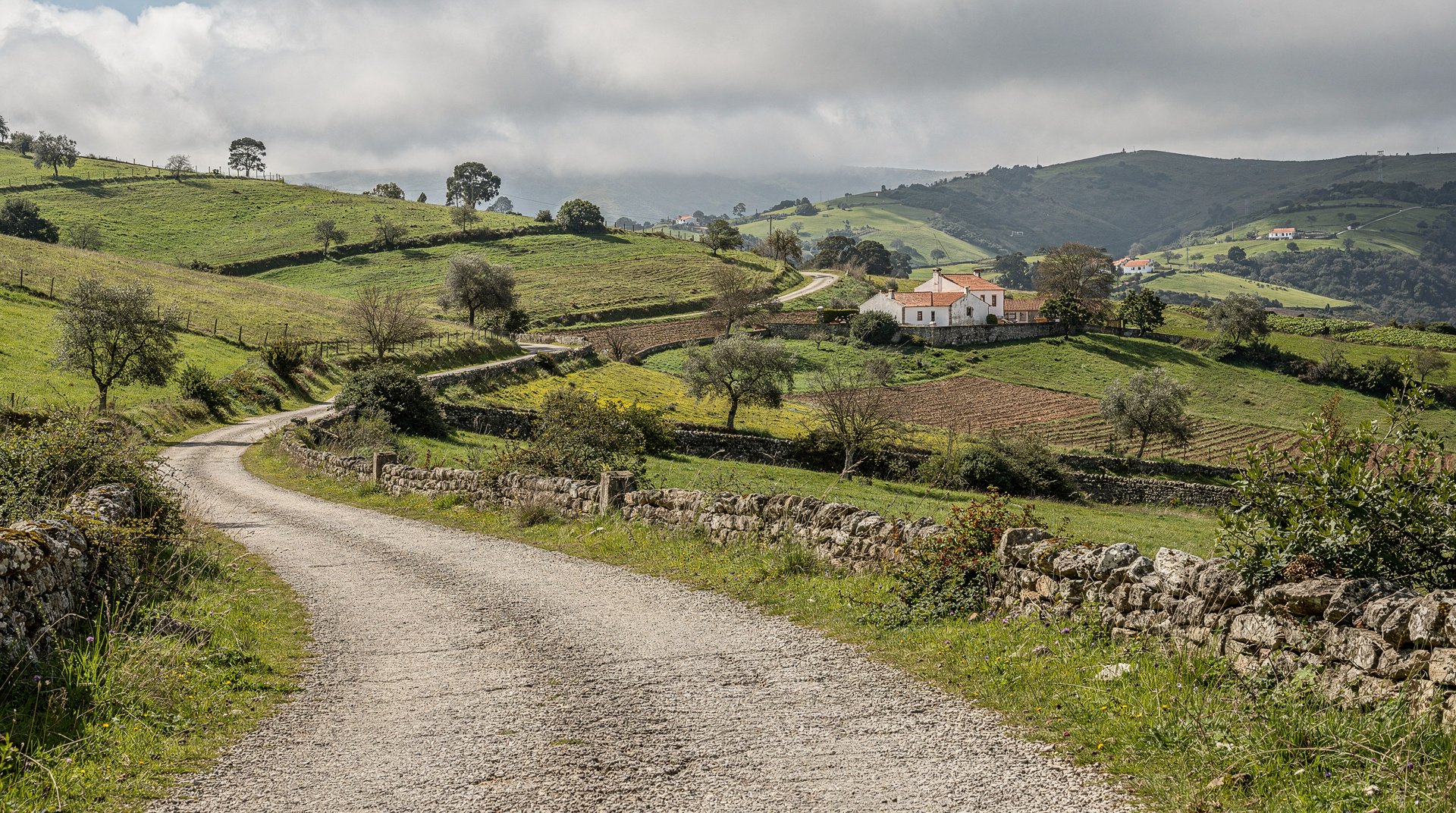
Take the A11 motorway from Peso da Régua northward. The landscape changes from schist and vineyards to granite and pine forest as you enter the Minho. Braga is northern Portugal’s third city and one of Europe’s oldest continuously occupied cities.
Morning–afternoon (11:00–17:00)
11:00 — Braga: Bom Jesus sanctuary
The Bom Jesus do Monte sanctuary, 5 km east of central Braga, is one of northern Portugal’s most distinctive pilgrimage sites — an 18th-century staircase of 577 steps climbing through woodland to a twin-towered Baroque church, with an hydraulic funicular built in 1882 (the oldest in the world). Drive to the site (parking at the base) or take a Braga bus. The staircase and surrounding woodland gardens are free; funicular ~€2.50 return. Allow 90 minutes. See our Braga day trip guide.
13:00 — Braga old city and the Sé
Drive to central Braga and walk the historic centre. Braga cathedral (Sé de Braga) dates to the 11th century and contains the treasury of one of Portugal’s most powerful medieval archbishoprics. Entry to the main church free; treasury tour €5. The historic centre around Praça da República has some of northern Portugal’s best café culture — stop for coffee at Café Astória.
14:30 — Lunch in Braga
Braga has strong food traditions. Try Taberna do Largo (Praça Velha) for bacalhau com broa (salt cod with cornbread) or a regional tasting menu (~€20–30). Alternatively, the Mercado Municipal de Braga has good street food options at €5–10.
16:00 — Drive to Guimarães (20 minutes, 25 km)
Guimarães (16:30–18:30)
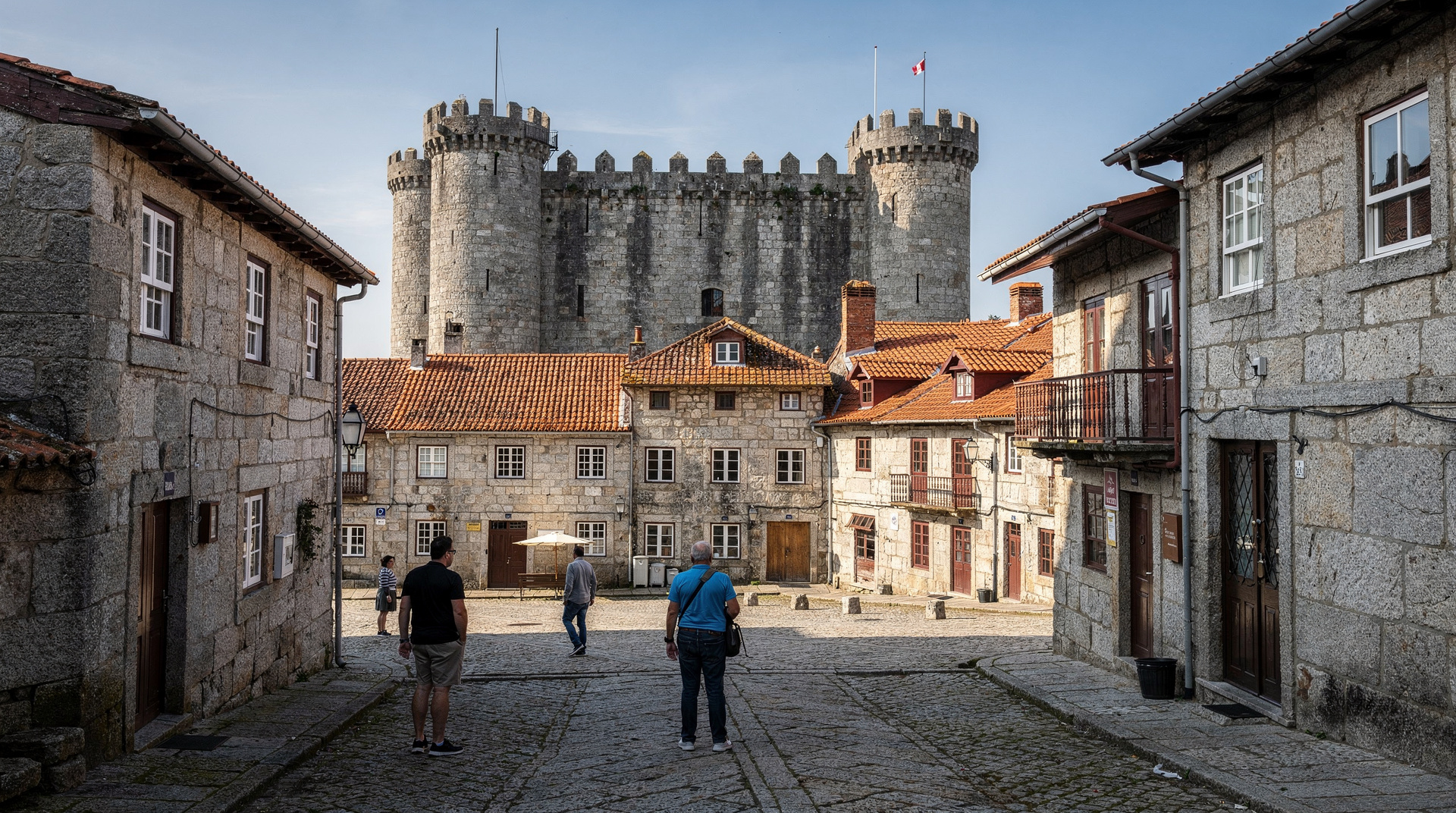
Guimarães is UNESCO World Heritage and claims to be the birthplace of Portugal. The medieval centre around Largo da Oliveira and the castle hill (Castelo de Guimarães, €2) covers essential Portuguese history in two hours of walking. The Paço dos Duques de Bragança (€6) is the 15th-century palace that served as a royal residence — an unusually intact example of late-Gothic civic architecture. See our Guimarães guide.
Overnight in Braga or Guimarães
Both have good hotels. Hotel Braga Centrum (~€70–100/night) is convenient for morning departure. The Pousada Mosteiro de Guimarães (converted monastery, €130–180/night) is the most atmospheric option in the region.
Day 6: Minho — Viana do Castelo and Peneda-Gerês
Driving: Braga → Viana do Castelo (60 km, 50 minutes); then Viana → Peneda-Gerês entrance (~40 km, 50 minutes).
Morning (9:00–13:00)
9:00 — Drive to Viana do Castelo
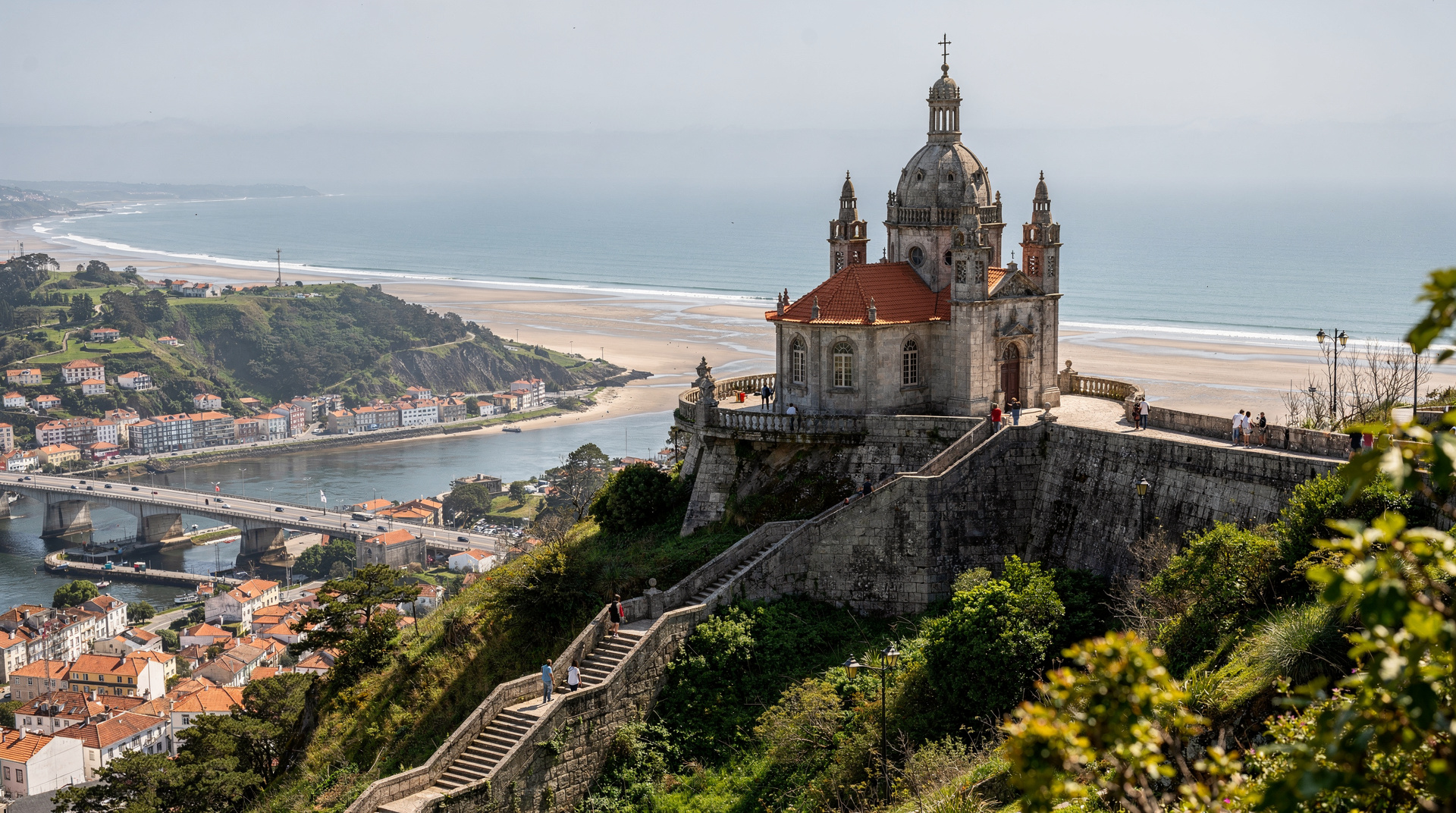
Viana do Castelo, on the Lima river mouth, is the most elegant town in the Minho — a 16th-century core, a pilgrimage basilica on Monte de Santa Luzia above the city, and a waterfront with views over the Atlantic. Allow two hours.
The Basilica de Santa Luzia is reached by funicular (€4 return) or a steep 20-minute walk. The interior is neo-Byzantine; the exterior terrace view covers the Lima estuary, the Atlantic and the Spanish hills. See our Viana do Castelo guide.
11:30 — Ponte de Lima
Drive 25 km southeast to Ponte de Lima — Portugal’s oldest town, with a Roman bridge, a riverside promenade and one of the Minho’s best markets (Mondays). Allow 45–60 minutes to walk the historic centre and the river park. See our Ponte de Lima guide.
Lunch (13:00–14:30)
Eat in Ponte de Lima. Tasca do Marcos (Rua Formosa) serves regional Minho dishes — vinho verde, caldo verde, roast kid — at €15–20 per person.
Afternoon (14:30–18:00)
14:30 — Peneda-Gerês National Park
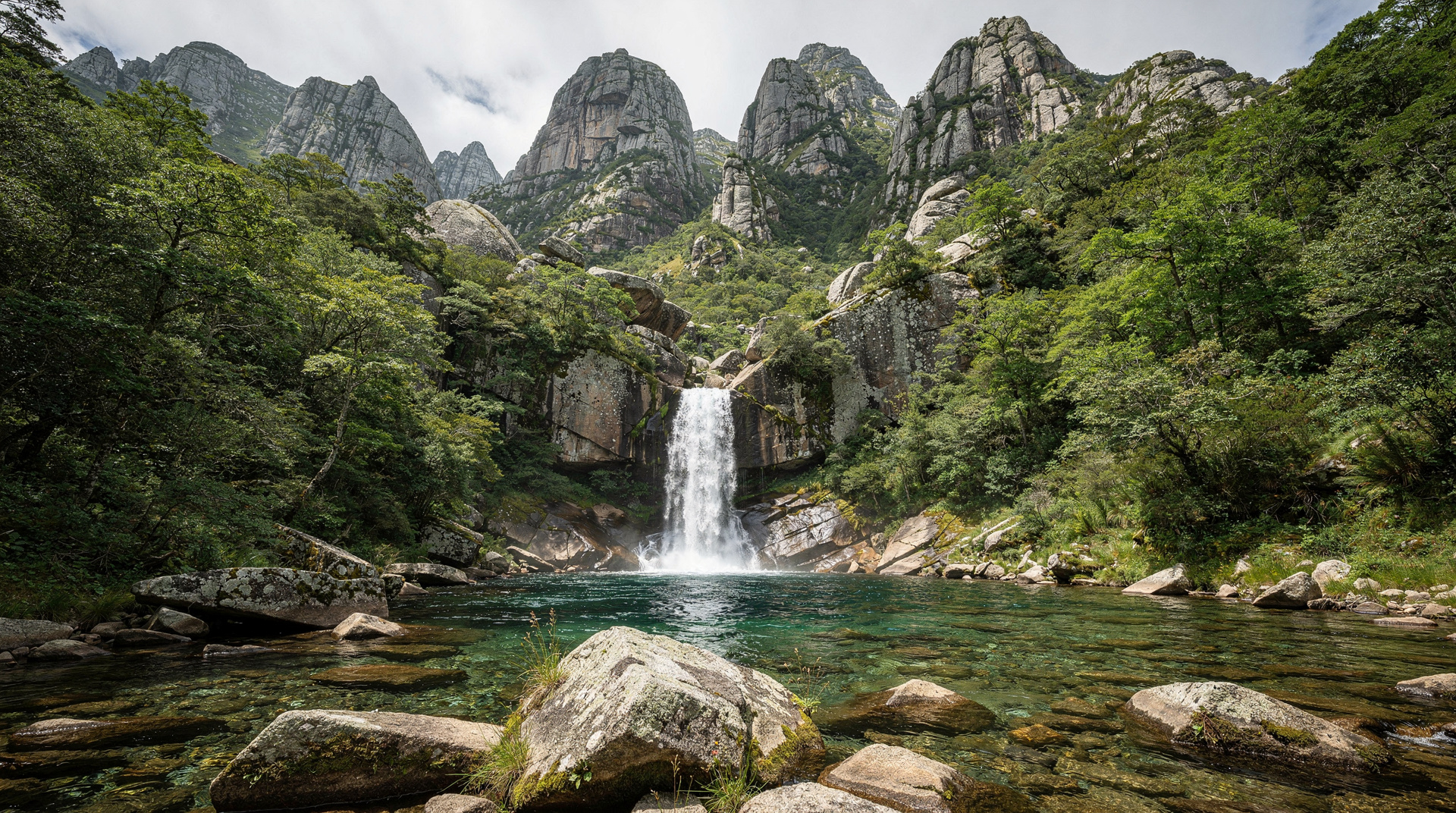
Drive from Ponte de Lima to the Gerês entrance near Braga (roughly 40 km). Peneda-Gerês is Portugal’s only national park — granite peaks, waterfalls, ancient villages, and the Cávado and Homem rivers. The park doesn’t have a single visitor centre; enter via Gerês village (Termas de Gerês) and drive the EM 304.
For a brief afternoon: the Miradouro do Gerês viewpoint and the Cascata do Arado waterfall trail (1-hour loop) are accessible without guides. If you want a structured experience with a local, the Gerês hike and swim tour from Porto operates from Porto on a day-trip basis (better for visitors without a car). See our Gerês national park guide.
Overnight in Gerês or Braga
Hotel Universal do Gerês (~€70–100/night, thermal spa, inside the park) provides the most genuine Gerês experience. Or return to Braga for a more comfortable base.
Day 7: Return to Porto and final afternoon
Driving: Gerês → Porto, approximately 65 km, 1h15 via Braga.
Morning
Return to Porto. If you drove from Gerês, stop in Braga briefly for a final coffee if needed. Porto by 11:00.
Porto final afternoon (11:00–18:00)
Drop off the rental car before noon to avoid an extra day’s charge. Use the afternoon for anything from the Porto visit you missed or want to revisit:
- Matosinhos seafood lunch (metro line A, 25 minutes) — a proper send-off. O Gaveto or Braseira de Matosinhos. €25–35 per person.
- Second port cellar (Cálem with fado, if you haven’t seen it) — Cálem fado and tasting at 15:00 or 17:00
- Bonfim walk — if the first two days didn’t include the eastern neighbourhood
Evening
Final dinner. After seven days of Portuguese food, your dinner choices are clear: DOP (Largo de São Domingos 18, creative Portuguese, €35–50 per person) for a celebratory finish, or a neighbourhood tasca for something honest and local.
Day-by-day summary
| Day | Focus | Highlights | Pace |
|---|---|---|---|
| Days 1–2 | Porto | Historic centre, Gaia cellars, Serralves, Foz | Full each day |
| Day 3 | Porto → Pinhão | Quinta da Pacheca, N222 drive, Quinta do Bomfim | Full, driving + tastings |
| Day 4 | Douro → Lamego | Quinta da Foz, Lamego sanctuary staircase | Moderate |
| Day 5 | Douro → Braga | Bom Jesus sanctuary, Braga old city, Guimarães | Full |
| Day 6 | Minho | Viana do Castelo, Ponte de Lima, Peneda-Gerês | Full, most driving |
| Day 7 | Return to Porto | Final Porto afternoon, car drop-off, dinner | Light |
Three landscapes, one trip: what changes between them
Part of what makes this route worthwhile is how different the three regions feel from each other, and it’s worth pacing your expectations accordingly. Porto is dense, urban, walkable — everything within a compact core. The Douro is agricultural and vertical, dominated by terraced hillsides and a slower rhythm built around wine estates rather than sights. The Minho, by contrast, is green, granite and river-valley, closer in feel to Galicia just across the Spanish border than to either Porto or the Douro. Travellers who love one region sometimes find the transition to the next jarring if they’re not expecting it — going from the Douro’s dry schist terraces to the Minho’s damp green valleys in a single day’s drive is a genuine shift, not just a change of scenery.
Adjusting the pace if seven days feels rushed
Even at seven days, this itinerary moves briskly — most days involve 1–2 hours of driving plus two or three stops. If you’d rather slow down, the easiest cut is Day 4’s Lamego detour: fold it into a longer Day 3 in the Pinhão area instead, and use the freed day as a rest day in Braga or an extra night in the Douro. Alternatively, drop Ponte de Lima from Day 6 if Viana do Castelo and Gerês already feel full — it’s a lovely stop but the most skippable one on the Minho day. Neither cut damages the itinerary’s logic; both simply give you more breathing room.
Practical notes about this itinerary
Car rental: Pick up at OPO airport (best rates) or at a city-centre office on Day 3 morning. Budget €40–80/day for a compact car; tolls from Porto to Pinhão are approximately €7–9 each way. Navigation apps (Google Maps, Waze) handle Portuguese toll roads well.
Road quality: All main roads (A-series motorways, N-series national roads) are in good condition. The N222 Douro scenic road is narrow and winding in places — fine in a compact car, slow.
Seasonal note: Peneda-Gerês in June–August has busy weekends near the main villages. Go on weekdays if possible. The national park is open year-round but access to some trails is weather-dependent in winter.
Book ahead: Quinta accommodation in Pinhão (particularly Quinta de la Rosa and Casa de Casal de Loivos) fills weeks in advance in September. Braga hotels fill during religious festivals.
Day trips instead: If a car isn’t possible, both Braga/Guimarães (full day tour from Porto) and Gerês (Gerês tour from Porto) are available as guided day trips from Porto.
Frequently asked questions about this itinerary
Is a car really necessary for this itinerary?
Days 1–2 (Porto) and Day 3 (train to Douro) work without a car. Days 4–7 covering the Minho, Gerês and smaller Douro quintas require a car for realistic access. You can take day trips to Braga/Guimarães and Gerês from Porto instead, but you’d miss the overnight depth. See our getting around Porto guide.
Is seven days too long in northern Portugal?
Northern Portugal rewards a week. The Douro and Minho are fundamentally different landscapes and each needs time. Seven days is not excessive — it’s a comfortable pace with genuine depth.
What’s the best order for this itinerary?
Porto first (city orientation, port wine baseline), then Douro (context from Gaia applied to the valley), then Minho (green, cooler, different culture). Going in the opposite order (Minho first) also works.
When is the best time to visit northern Portugal?
May–June: green, mild, not crowded. September: vindima in the Douro, warm, good light. Avoid August in the Douro Valley (extreme heat). November–February: Minho is grey and wet; the Douro and Porto work in winter.
Can I fit Santiago de Compostela into a seven-day itinerary?
Technically yes — Santiago is 180 km from Porto (2-hour drive). But adding it to this itinerary makes Day 7 extremely rushed. Better to either add an extra day or take a dedicated Santiago de Compostela day trip from Porto.
Which single day would you cut if I only had six days?
Day 4’s Lamego detour is the most cuttable — fold its Quinta da Foz tasting into a longer Day 3 in Pinhão, and drive straight from the Douro to Braga on what was Day 5. You’ll lose the Lamego sanctuary staircase, which is worth seeing but the least essential stop relative to the rest of the route.
Is this itinerary family-friendly?
Partly. Porto, the Douro drive and Peneda-Gerês (swimming spots, easy trails) work well with kids. The port and wine tastings themselves are adult-focused, though most quintas welcome children on the tour without requiring them to taste. Consider swapping one Gaia tasting for extra time at a Gerês swimming spot if travelling with younger children — see our Porto with kids guide for the city portion.
Top experiences
Bookable activities with verified prices and instant confirmation on GetYourGuide.