Viana do Castelo — the Minho's most underrated coastal city
Honest guide to Viana do Castelo: Santa Luzia basilica, Manueline town hall, the Romaria in August, and how to do the day trip from Porto properly.
Porto: Alto Minho Private Viana Castelo and Ponte Lima Tour
Quick facts
- From Porto
- ~1 h 15 min by train, ~1 h by car
- Best for
- Santa Luzia basilica, Manueline architecture, Romaria
- Romaria festival
- Mid-August (around 20 August)
- Train fare
- ~5–7 € from Porto Campanhã
- Currency
- Euro (€)
Minho’s northernmost city deserves more attention
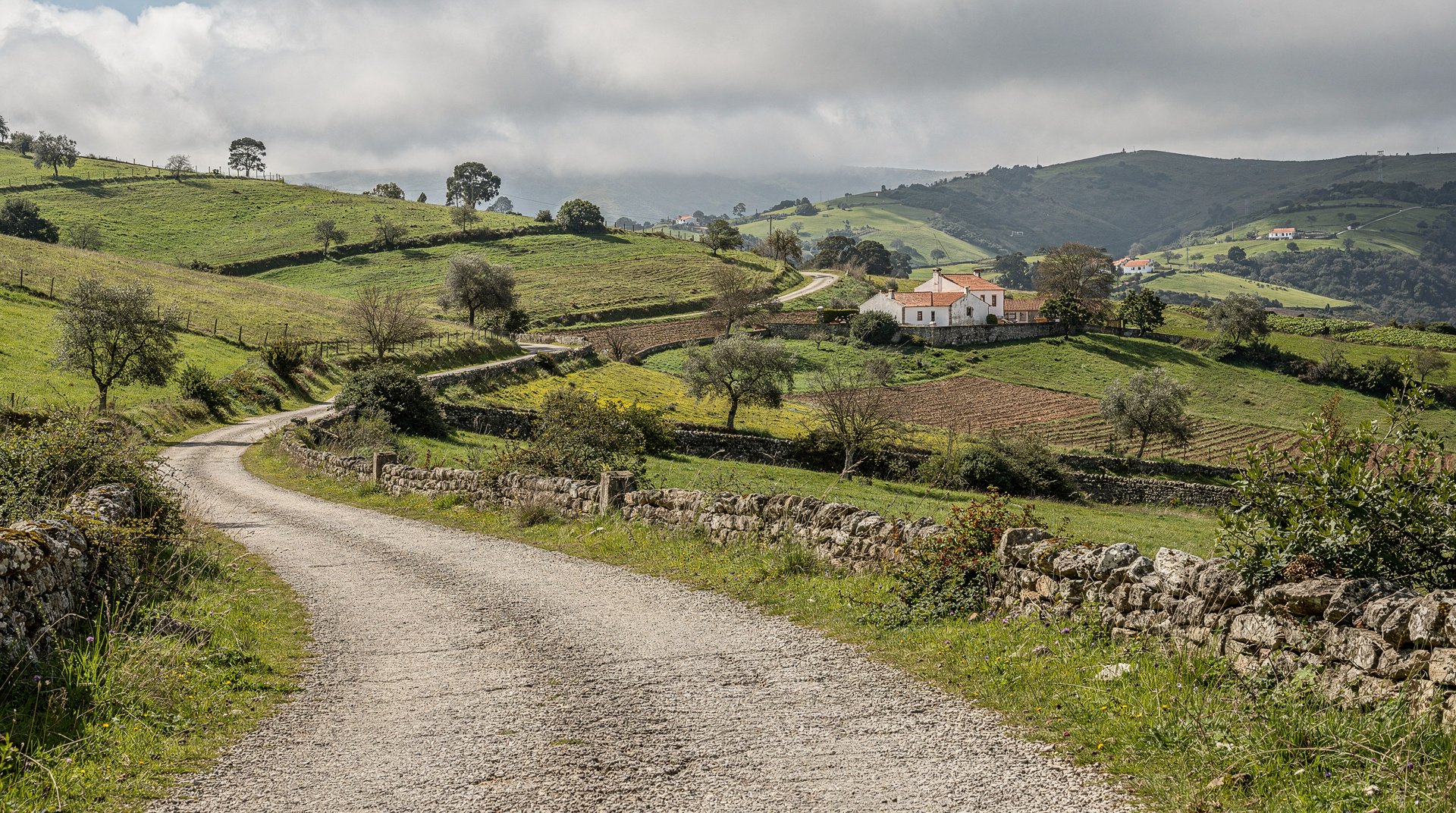
Viana do Castelo sits at the mouth of the Lima river, 75 kilometres north of Porto, where the last stretch of Minho highland meets the Atlantic. It is the regional capital of Alto Minho, a city of around 40,000 people with a compact historic centre full of Manueline Gothic architecture, a hilltop basilica that dominates the skyline from kilometres away, and a cultural calendar anchored by one of northern Portugal’s most spectacular religious festivals.
Most visitors who come to northern Portugal skip Viana do Castelo in favour of the more famous Braga and Guimarães, which are geographically and conceptually more central to the standard Porto day trip. That omission is understandable but costly. Viana has a different quality of light (coastal, wide, Atlantic), a historic centre that is not polished for tourism, and the Romaria de Nossa Senhora d’Agonia — held over four days in mid-August — which is arguably the most visually impressive traditional festival in northern Portugal.
A full day is enough to see the city’s highlights comfortably. The train from Porto makes the logistics simple.
| Where | Minho coast, ~75 km north of Porto |
| Time needed | Full day |
| Getting there | Train ~1 h 15 min (€5–7) or car ~1 h |
| Cost | Basilica free; dome/tower ~€2; funicular ~€2 each way |
| Best time | Mid-August (Romaria) or May–June |
What to do in Viana do Castelo
Santa Luzia Basilica
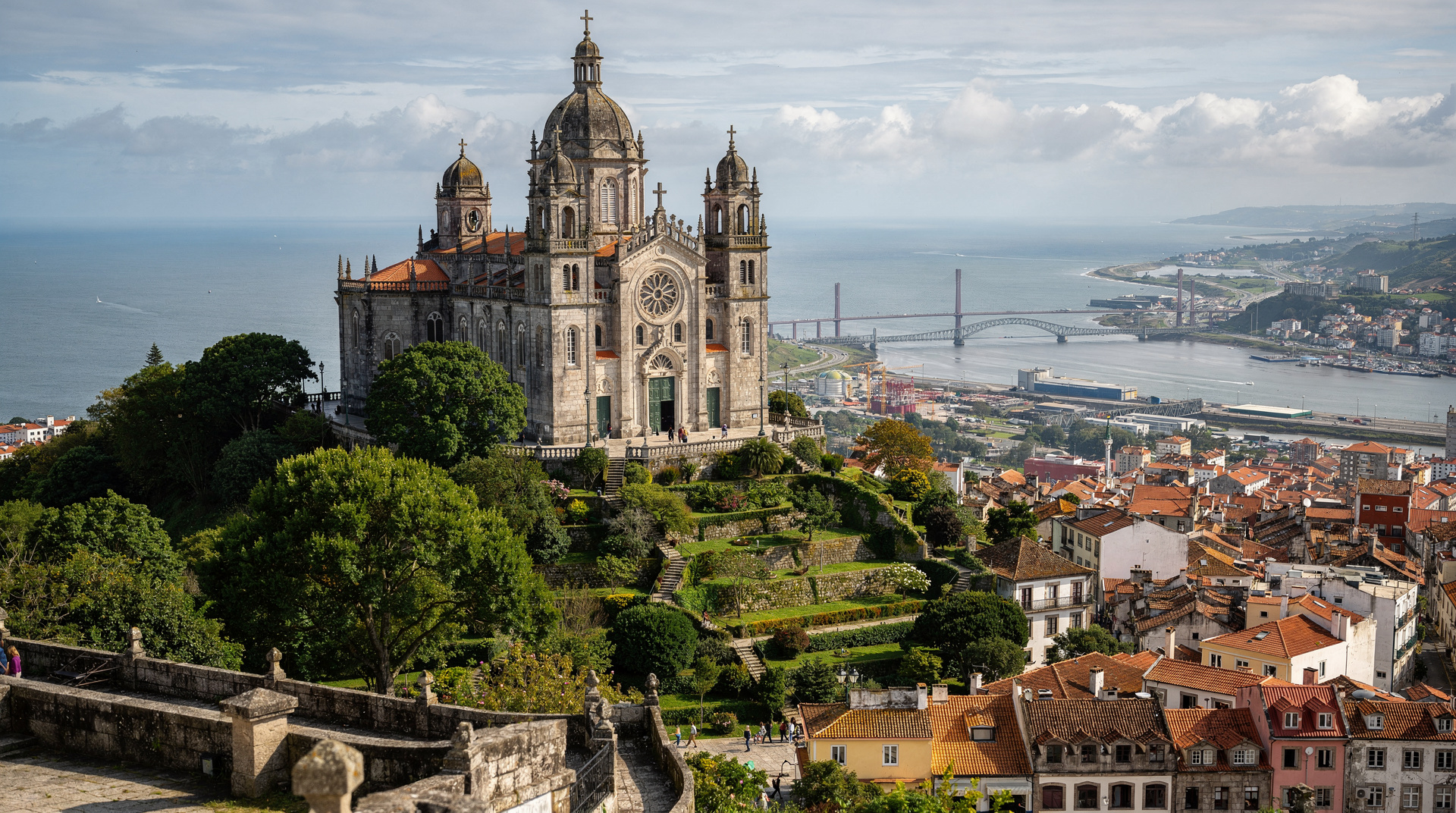
The Basílica de Santa Luzia sits on a 249-metre hill behind the city and is visible from the Lima estuary, from the bridge and from the beaches south of town. The building was designed in a neo-Byzantine style and took roughly 60 years to complete (begun 1904, consecrated 1958); the result is a dome-and-tower composition that has more to do with the aesthetics of the early 20th century than with the local Minho tradition, but it is striking. Entry to the basilica is free; there is a fee (around 2 €) to access the dome and towers for the panoramic view over the city, river and Atlantic.
Getting to Santa Luzia: a funicular (ascensor) operates from near the train station and costs around 2 € each way. The ascent takes about 5 minutes. Alternatively, a winding road allows cars to drive to the top. The walk up through the park takes 30–40 minutes and is pleasant in mild weather. At the summit, there are also ruins of an Iron Age hill fort (Castro de Santa Luzia) immediately adjacent to the basilica — a palimpsest that puts the 20th-century building in useful geological-historical context.
The historic centre and Praça da República
Viana do Castelo’s historic centre radiates from the Praça da República, a wide civic square framed by the 16th-century Misericórdia church (one of the finest Manueline Gothic façades in the Minho), the Renaissance loggia of the old town hall (Antigos Paços do Concelho), and the 18th-century fountain. The square is quieter than comparable spaces in Braga or Guimarães — fewer tourists, more daily civic life — and worth 20 minutes of sitting at one of the café tables to absorb it.
The streets around the square — particularly Rua do Poço and Rua de São Pedro — are lined with 15th-to-18th-century houses in various states of occupation. Some are restored; others show the functional wear of buildings in continuous use. The effect is of a city that looks after its history without staging it.
The Museu de Arte e Arqueologia (housed in a converted 18th-century palace near the square) covers Viana’s history from prehistory through the Age of Discoveries, with a good collection of costumes from the Romaria and examples of the local filigree jewellery tradition. Entry around 3 €.
The Lima estuary and waterfront
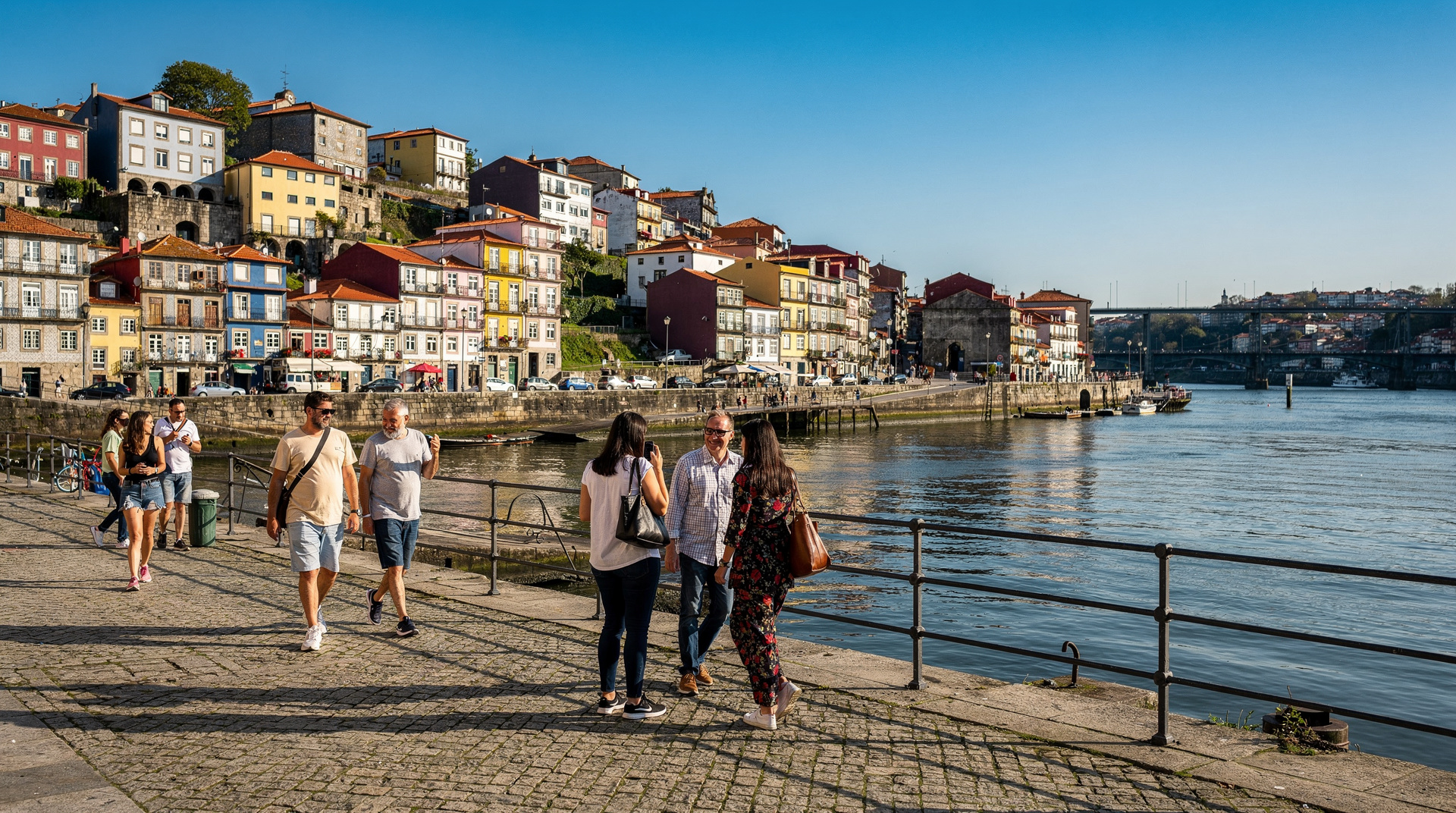
The bridge across the Lima, designed by Gustave Eiffel (the same engineer as the Eiffel Tower and Porto’s Dom Luís I bridge predecessor) and opened in 1878, connects Viana to the south bank. Walking across it and looking back at the city gives a useful perspective on the relationship between the basilica, the town and the river. The north-bank waterfront (Passeio Marítimo) is a well-maintained riverside promenade with café tables and views toward the river mouth.
The beach at Viana (Praia de Cabedelo) is accessed by a small ferry from the waterfront — a 5-minute crossing that deposits you on a long Atlantic beach. In summer, this is a functional beach with cafés and equipment rental; in late spring and autumn it is quieter. The ferry runs throughout the day (around 1 € each way).
The Romaria de Nossa Senhora d’Agonia
The Romaria takes place over four days in mid-August (usually around 19–22 August, with exact dates varying by year). The festival centres on a procession of women in traditional Viana costume — heavily embroidered linen dresses, gold filigree necklaces and headwear — that is one of the most visually complex traditional costumes surviving in active use anywhere in Portugal. The gold filigree jewellery worn during the procession can represent family heirlooms worth tens of thousands of euros. The religious procession is accompanied by fireworks, folk music groups, decorated floats and general festivity.
For visitors in Porto who want to combine a day trip with a genuine cultural spectacle, the Romaria is worth scheduling a full trip to Viana. Book accommodation three to four months in advance; the town fills completely during the festival days.
Combining Viana with Ponte de Lima or the wider Minho
Viana’s train link makes it the easiest solo day trip in this guide, but it also pairs naturally with inland Minho if you have a car.
| Viana do Castelo alone | Viana + Ponte de Lima | |
|---|---|---|
| Transport | Train, no car needed | Car or organised tour |
| Time | Full day | Full day, tighter pace |
| Character | Coastal city, basilica, beach | Coast in the morning, riverside town in the afternoon |
The Ponte de Lima guide covers the inland half of that combination — the Roman bridge, the biweekly market and the Vinho Verde quintas, 30 km south by the N202. For a longer loop that adds mountains to the coast, Gerês National Park sits within reach for travellers with two consecutive Minho days rather than one. A combined Viana, Braga and Guimarães day tour from Porto is the practical option if you’d rather cover the region’s highlights without self-driving.
How to get to Viana do Castelo from Porto
By train: CP runs regular services from Porto Campanhã and Porto São Bento to Viana do Castelo; journey time is approximately 1 hour 15 minutes. Fares run 5–7 € each way. The station is a 10-minute walk from the historic centre and near the base of the funicular to Santa Luzia. This is the most practical option for a day trip.
By car: The A28 motorway from Porto reaches Viana do Castelo in approximately 1 hour in light traffic. Parking is available along the waterfront and in a car park near the historic centre.
By organised tour: A private guided tour combining Viana do Castelo and Ponte de Lima covers both towns in a full day from Porto, handling all transport. This is the practical choice for visitors who want to see both without managing connections independently.
Viana and the Camino Portugués
Viana do Castelo sits directly on the coastal branch of the Camino Portugués, the pilgrimage route from Porto to Santiago de Compostela. Walkers following the route pass through the historic centre and often stop overnight before continuing north toward the Spanish border. Even without walking any of the camino, the town’s role as a waypoint is visible in the pilgrim-friendly guesthouses and the scallop-shell waymarkers set into some of the older pavements near the church. For visitors continuing to Santiago de Compostela by car, Viana is a natural stopping point roughly a third of the way there.
Where to stay in Viana do Castelo
Viana is an easy day trip from Porto. For an overnight stay: Pousada de Viana do Castelo — Casa do Pinheiro is a restored manor house outside the city with a pool and restaurant; rates 90–150 € per night. Hotel Viana Sol (central, 4-star) is reliable and well-located; rates 60–90 € per night. During the Romaria, budget 20–30% more and book months ahead.
Where to eat in Viana do Castelo
Tasquinha da Linda (near the Praça da República) is the most consistently praised restaurant in the centre for Minho cooking: lamprey in season (January to April), bacalhau com broa (salt cod with corn bread), and a short wine list dominated by local Vinho Verde. Budget 18–25 € per person.
Restaurante Laranjeira (Rua General Luis do Rego) is a larger and more tourist-facing option, useful if you arrive without a reservation — it seats enough people to usually have availability. Honest cooking, fair prices around 15–20 € for a meal.
The city market (Mercado Municipal) on the riverfront sells regional produce from the morning; the fishmongers are particularly good, reflecting Viana’s coastal position.
Best time to visit Viana do Castelo
Mid-August is the Romaria — spectacular and worth planning a trip around, but accommodation books up completely and prices spike.
May to June offers mild coastal weather, the basilica and town centre at their most accessible, and the Lima estuary in its greenest state. São João (23–24 June) is celebrated in Viana with its own festivities.
September and October are quiet and comfortable; the light is good, the beaches are accessible without summer crowds, and the city functions normally without festival pressure.
July is warm and busy with domestic summer tourism; the beaches are at peak capacity.
Practical tips
- The funicular to Santa Luzia runs on a schedule with set departure times; check the current timetable at the station kiosk rather than assuming continuous service.
- The Romaria costume procession takes place on the Sunday of the festival; the exact Sunday varies annually. Check the official dates before planning a trip around it.
- Viana’s filigree jewellery (filigrana) is made in workshops in the region and sold in specialist shops around the historic centre. It is an authentic local product, not mass-produced tourist souvenirs.
- The ferry to Praia de Cabedelo stops running in the evening; if you plan to spend time at the beach, check the last ferry time before committing to an afternoon there.
Frequently asked questions about Viana do Castelo
Is Viana do Castelo worth visiting compared to Braga or Guimarães?
For a different kind of experience, yes. Braga and Guimarães tell the story of Portugal’s religious and political founding; Viana do Castelo tells the story of a coastal Minho city with a different economic history (fishing, textiles, trade with Brazil) and a surviving folk culture visible in the Romaria costume. They complement rather than compete. For visitors who have already done the Braga-Guimarães combination, Viana do Castelo adds a genuinely different layer.
What is the Manueline style and where can I see it in Viana?
Manueline is a Portuguese decorative architectural style of the early 16th century, combining Late Gothic structure with maritime motifs, armillary spheres and rope-work ornamentation. It reflects Portugal’s Age of Discoveries wealth and ambition. In Viana do Castelo, the Misericórdia church façade on the Praça da República is the best example — a doorway and windows ornamented with relief carving in the Manueline manner. The loggia of the Antigos Paços do Concelho is an earlier Renaissance example of the same civic tradition.
How does the Romaria festival work logistically?
The Romaria runs over four days, with each day having a distinct character (religious mass, procession, folk groups, fireworks). The costume procession of women in traditional Viana dress is the highlight and takes place on the Sunday morning of the festival. Arrive early (by 9 am) for a position along the procession route. The entire old town becomes a street festival in the evenings; some streets are closed to traffic. Accommodation is essential — day-tripping from Porto by train is possible but means missing the evening atmosphere entirely.
Can I combine Viana do Castelo and Ponte de Lima in a day from Porto?
Yes, by car. The standard route is Porto → Viana do Castelo (morning, 2–3 hours) → Ponte de Lima (afternoon, 1 hour 30 minutes) → Porto. By public transport, the combination is less fluid since buses between Viana and Ponte de Lima are infrequent. An organised tour handles the logistics efficiently if you want both in one day without a hire car.
Top experiences
Bookable activities with verified prices and instant confirmation on GetYourGuide.