World of Wine (WOW) in Gaia — is it worth the €22 entry price?
Porto: Porto Entry Ticket at Wow the Wine Experience Museum
Is World of Wine in Gaia worth visiting?
Worth it if you can spend 3–4 hours across multiple museums and have genuine curiosity about wine history. The Wine Experience alone justifies entry for wine enthusiasts. Less worthwhile if you only have an hour, or if your goal is actually tasting port — a Taylor's or Graham's cellar visit delivers more wine value per euro spent.
What is World of Wine?
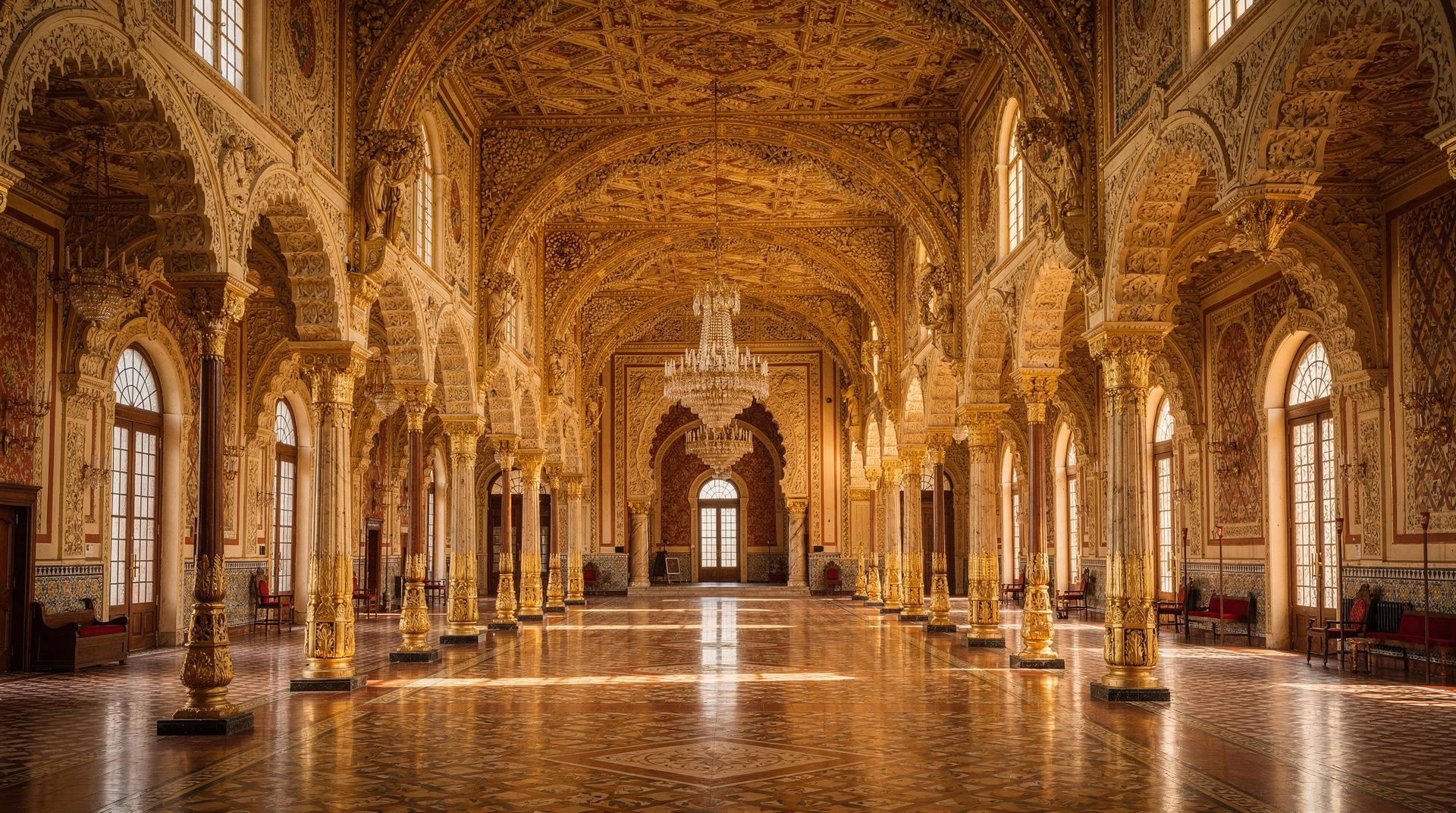
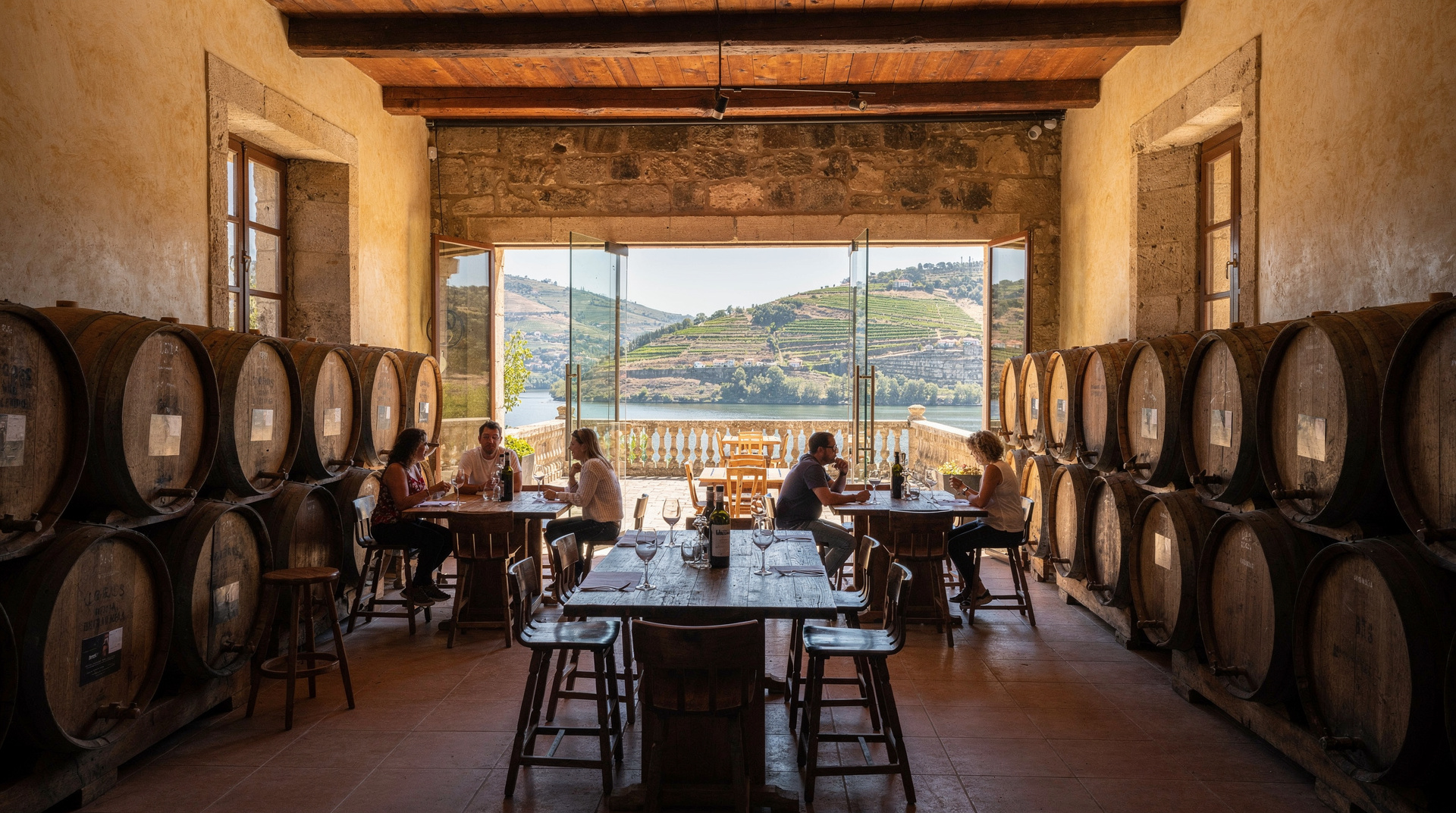
World of Wine — universally shortened to WOW — is a cultural district built within the restored 19th-century warehouse complex of the former C. da Silva wine company on the upper Gaia hillside. Opened in 2020 and developed by the Fladgate Partnership (which also owns Taylor’s Fladgate), WOW covers around 50,000 square metres and houses seven museums, six restaurants, four bars, a boutique hotel, a wine school, and retail shops.
The project’s scale is genuinely impressive. The restoration of the 19th-century warehouse buildings — stone and timber structures integrated with contemporary glass and steel sections — creates a coherent cultural campus that is architecturally ambitious without being self-congratulatory. Walking through WOW’s covered passages and interior courtyards, it is clear that significant architectural and curatorial investment went into the project.
Whether that investment translates into visitor value depends heavily on what you want from the afternoon. This guide gives a direct answer rather than a promotional one.
| Where | Rua do Choupelo, upper Gaia hillside, next to Taylor’s |
| Cost | around €22 for the all-museums day pass, €7–12 per individual museum |
| Time needed | 45–75 min per museum; 2.5–3.5 hrs for a typical 3–4 museum visit |
| Getting there | Gaia cable car, or 8–10 min walk from the upper bridge deck |
| Best time | mornings, and book ahead for the Wine Experience in July–August |
The seven museums ranked
| Museum | Best for | Time needed |
|---|---|---|
| Wine Experience | Wine history enthusiasts | 45–90 min |
| Chocolate Story | Families, food-curious visitors | 45–60 min |
| Pink Palace | Fashion and design enthusiasts | 45–60 min |
| Planet Cork | Curious about materials/sustainability | 40–50 min |
| The Bespoke (wine school) | Structured tastings, WSET-style learning | 60 min+ |
| Porto and the world | History and politics enthusiasts | 40–50 min |
| Bridge | Architecture and engineering enthusiasts | 40–50 min |
The seven museums — honest ranking
WOW’s museums vary significantly in quality and who they serve. They are covered here in order of value for the typical visitor.
1. The Wine Experience — the strongest museum
This is the reason to come to WOW if wine history interests you. The Wine Experience covers the global story of wine from antiquity through the modern era across a series of well-designed immersive galleries. The scope is genuinely broad: ancient Mesopotamia and Egypt, Greek and Roman wine culture, medieval monastic wine production, the development of European wine trade, the phylloxera crisis of the late 19th century, and the contemporary global wine industry.
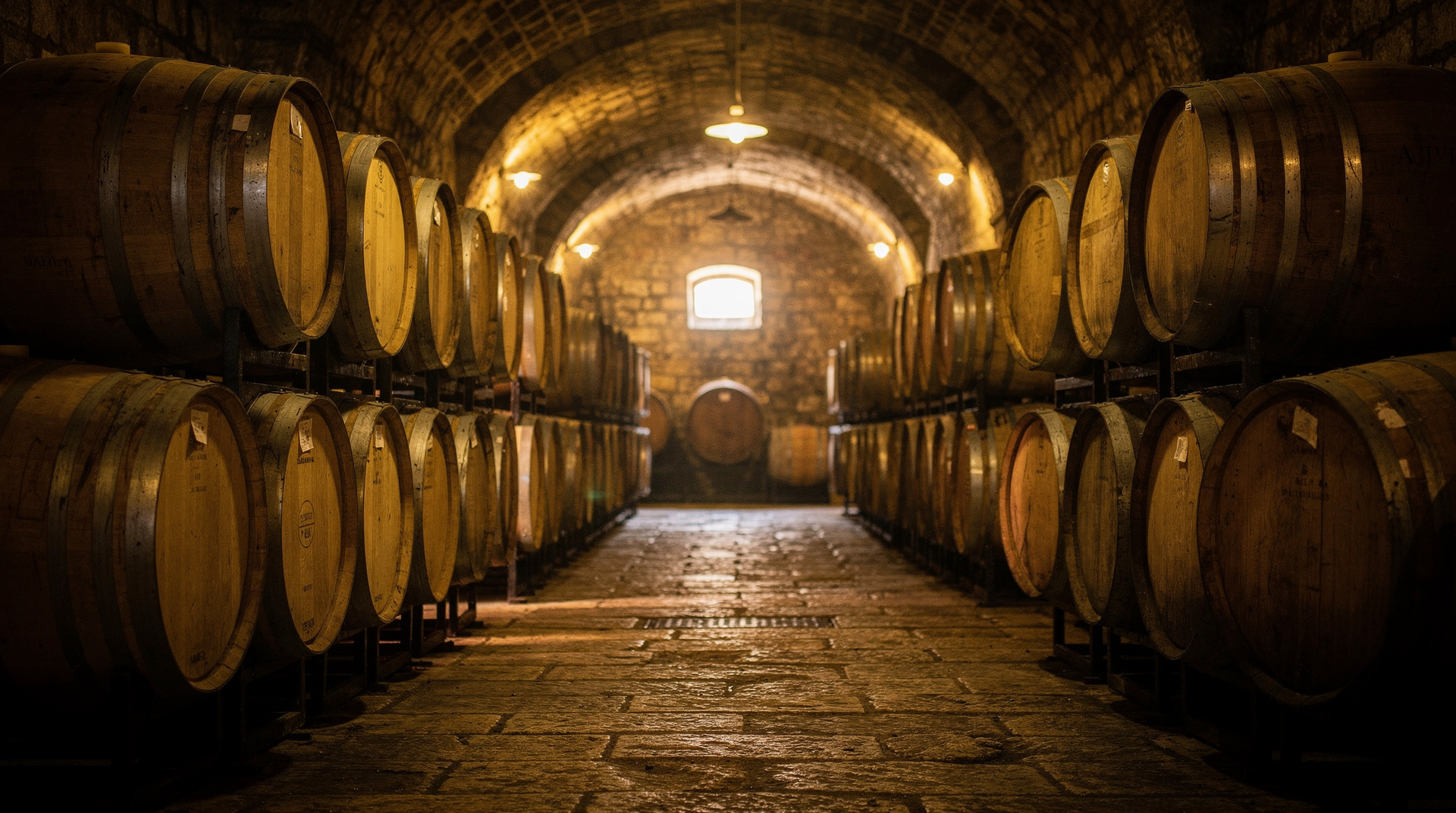
The Douro and port wine section is the most detailed, which makes sense. But the museum does not reduce to a port wine marketing exercise — it uses the Douro as a case study within a genuinely global wine narrative. The production section, explaining fermentation, aging, and the specific techniques of fortification, is more rigorously explained here than in most Gaia cellar tour narratives.
Practical advice: Visit the Wine Experience before doing individual cellar visits if you can. The context it provides makes the tour-and-tasting format at Taylor’s or Graham’s significantly more rewarding. You understand what you are seeing in the barrel cellar because you have seen how it fits into the longer story.
Time required: 60–90 minutes if you read the exhibits; 45 minutes if you move at a steady tourist pace.
Book the Wine Experience at WOW on GetYourGuide2. Chocolate Story — better than expected
The Chocolate Story traces the global history of chocolate from cacao in Mesoamerica through the colonial trade routes to European confectionery culture. The production section — fermentation, roasting, conching, tempering — is well-executed and significantly more detailed than most food-history museums manage for this subject.
Tasting elements are included at several points in the Chocolate Story route: two or three small tastings of different chocolate types illustrating how production variables affect flavour. This interactive element keeps the experience from becoming purely passive.
Best for: Families with older children, food-curious visitors, anyone whose interest in food culture goes beyond wine. The Chocolate Story complements the Wine Experience well — together they cover two of Portugal’s most important historical commodities.
3. The Pink Palace — fashion and feminist history
The Pink Palace covers fashion history with a focus on women’s dress from the 18th century to the present, displayed in dramatically lit rooms influenced by Portuguese decorative arts and azulejo tile aesthetics. The framing is explicitly feminist — examining how women’s dress has reflected and constrained their social and economic position across centuries.
This is more substantive than a standard costume museum. The curatorial argument holds together, the objects are well-chosen, and the design of the spaces is excellent. For visitors with an interest in design, fashion history, or gender history, this is a genuinely good museum.
Best for: Design and fashion enthusiasts, cultural history visitors, anyone open to a thematic exhibition that uses clothing to explore broader social history.
4. Planet Cork — niche but well done
The world’s only museum dedicated to cork. This sounds narrowly specialist, but Portugal is the world’s largest cork producer, and the material’s history — as a wine closure, in industrial insulation, in contemporary fashion — is broader and more interesting than most visitors expect.
The museum explains the harvesting of cork bark from cork oak trees (Quercus suber), a process that takes place every nine years without felling the tree and is one of the genuinely sustainable agricultural practices of southern Europe. The industrial processing, the contemporary research into synthetic closures as competitors, and the debate about cork taint versus cork’s ecological advantages are all covered with reasonable depth.
Time required: 40–50 minutes. Worth visiting if you have the all-museums pass and a genuine curiosity about materials and sustainability.
Book the Planet Cork experience at WOW on GetYourGuide5. The Bespoke — wine school
The Bespoke is WOW’s educational wine school, offering structured tastings and masterclasses ranging from one-hour introductions to full-day wine education sessions. The casual visitor can book a single tasting session (approximately €20–30 per person) covering a specific theme: port wine, Douro table wines, Portuguese wine regions, or international comparisons.
If you want a classroom format with a structured wine educator rather than a self-guided museum or a cellar tour, The Bespoke is the most education-dense option in WOW. Instructors are WSET-qualified.
Honest caveat: The Bespoke is an add-on to the museum pass rather than a replacement for it. If budget is a consideration, the Wine Experience museum covers similar wine history ground without the additional cost.
6. Porto and the world — historical context
This museum covers Porto’s history as a commercial city, focusing on its role in the global trade in wine, textiles, and other Portuguese products. The emphasis on port wine trade history — the British merchants in the 18th century, the Methuen Treaty of 1703, the regulatory history of the Douro demarcated region — provides good context for understanding why Gaia and Porto have the relationship they do.
Best for: History and politics enthusiasts. Less immediately engaging for general visitors than the Wine Experience.
7. Bridge — engineering and history
The newest museum in the WOW complex, covering the history of bridge design from ancient structures through to contemporary civil engineering, with specific sections on Porto’s bridges over the Douro (Ponte Dom Luís I, Ponte Infante, Ponte Maria Pia — the latter designed by Gustave Eiffel).
Best for: Architecture and engineering enthusiasts. The material on Ponte Dom Luís I is particularly relevant if you have been walking across it during your visit.
Visitors who found Bridge engaging often also enjoy a closer look at the Ponte Dom Luís I structure itself afterwards — walking the upper deck with the museum’s engineering context fresh in mind changes how the bridge reads, particularly the innovative double-deck design that was unusual for its time.
Practical assessment — is the €22 pass worth it?
The honest answer depends on how many museums you will actually visit.
All seven museums: Clear value. Seven museums at €22 total works out to €3.14 per museum — cheaper than any individual museum in Porto’s main roster. The quality across the seven varies, but even the weakest options (Porto and the World, Bridge) are reasonable at that per-museum cost.
Three or four museums: Still good value if those museums include the Wine Experience and Chocolate Story. The Wine Experience alone would justify a €12–15 single-museum ticket.
One museum only: Buy the individual ticket rather than the day pass. Single-museum pricing is €7–12, which is better value than paying €22 for access you won’t use.
Alternative to port cellar visits: WOW is not an alternative to visiting Taylor’s or Graham’s if port wine tasting is your goal. WOW explains port wine history; the cellars let you taste the wine. They serve different purposes and ideally complement each other on the same day or across a longer Porto visit. If you are unsure which single cellar to prioritise afterwards, the Graham’s vs Taylor’s vs Cálem comparison picks up where this guide leaves off. Reading the types of port wine guide before or after the Wine Experience also helps the museum’s production section land more clearly.
Book the WOW daily museum pass on GetYourGuideEating and drinking at WOW
The WOW food and beverage offerings are among the best on the Gaia hillside, and they are worth visiting independently of the museums.
Cave 23: WOW’s formal restaurant, serving Portuguese cuisine with an extensive Douro wine list. The cooking is serious and the wine pairings are well-chosen. Budget €35–50 per person for a full meal. Reservations recommended.
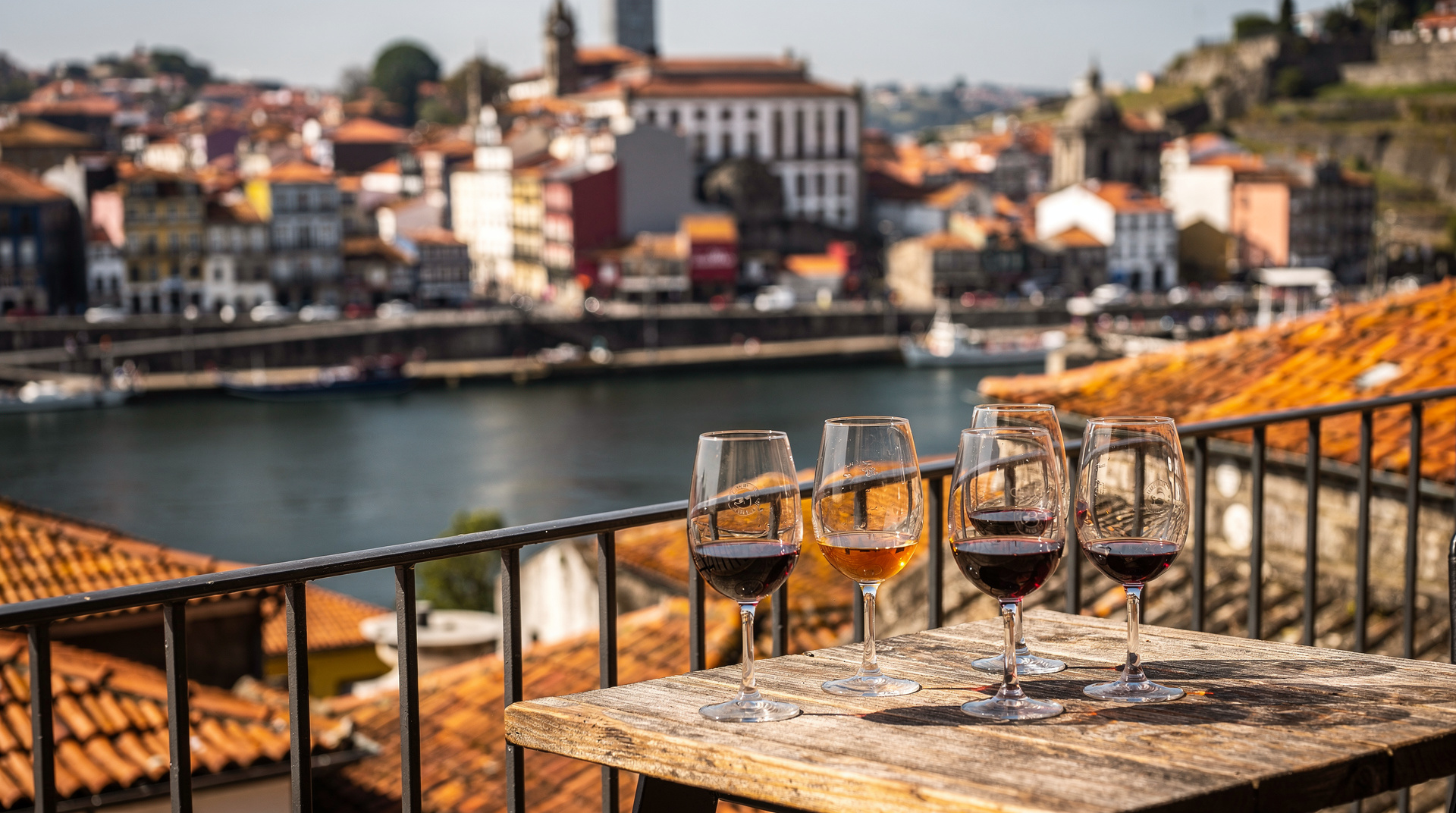
The wine bar at the rooftop: Informal, views over the Douro to Porto. A glass of port or a porto tónico here costs €5–8. The view is good — not quite the Taylor’s terrace panorama, but a different angle with a slightly less crowded summer terrace.
The café: More casual, open for coffee, pastries and light lunch. Prices are fair for a cultural district — espresso at €1.50, sandwiches around €6–8.
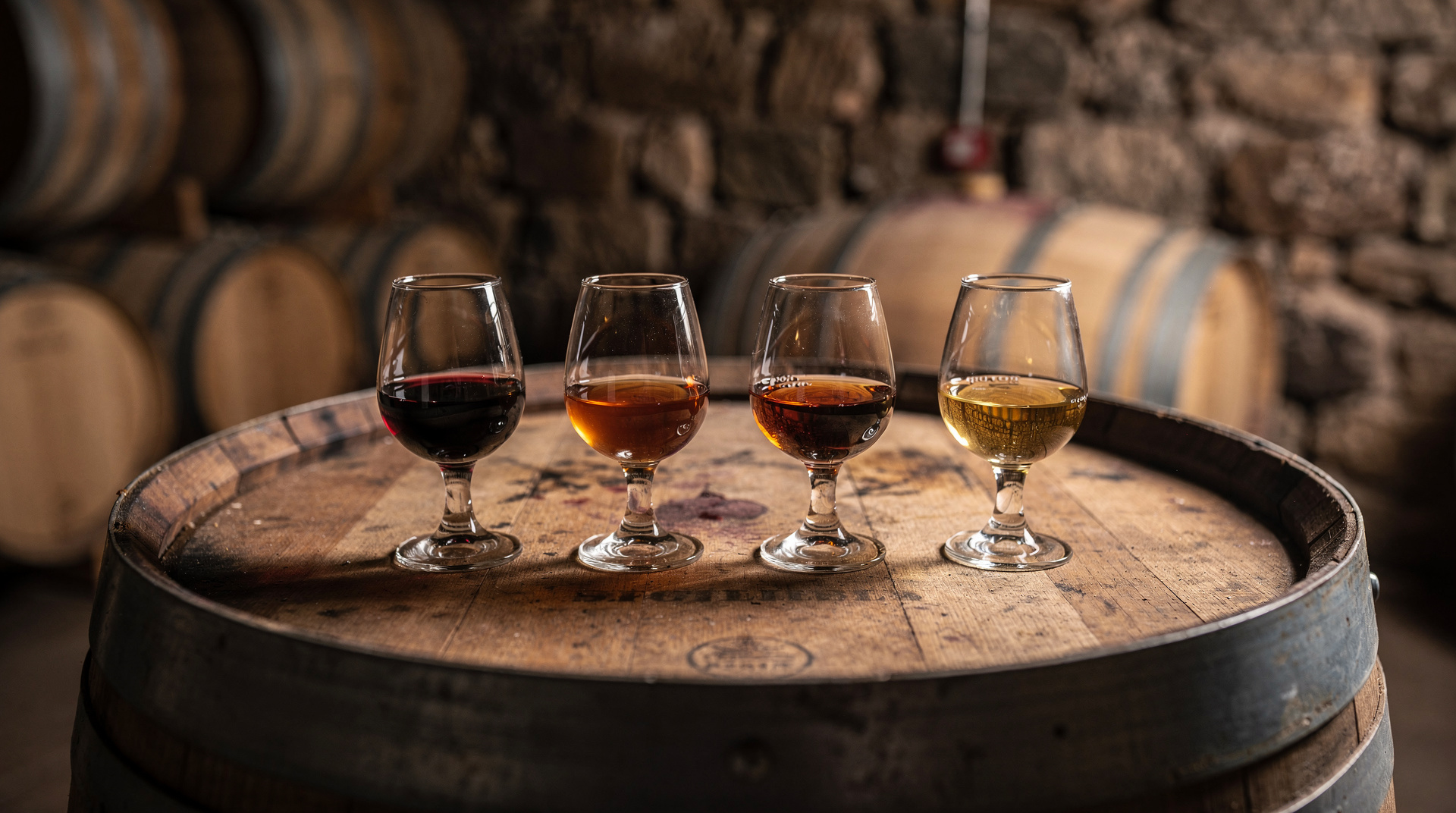
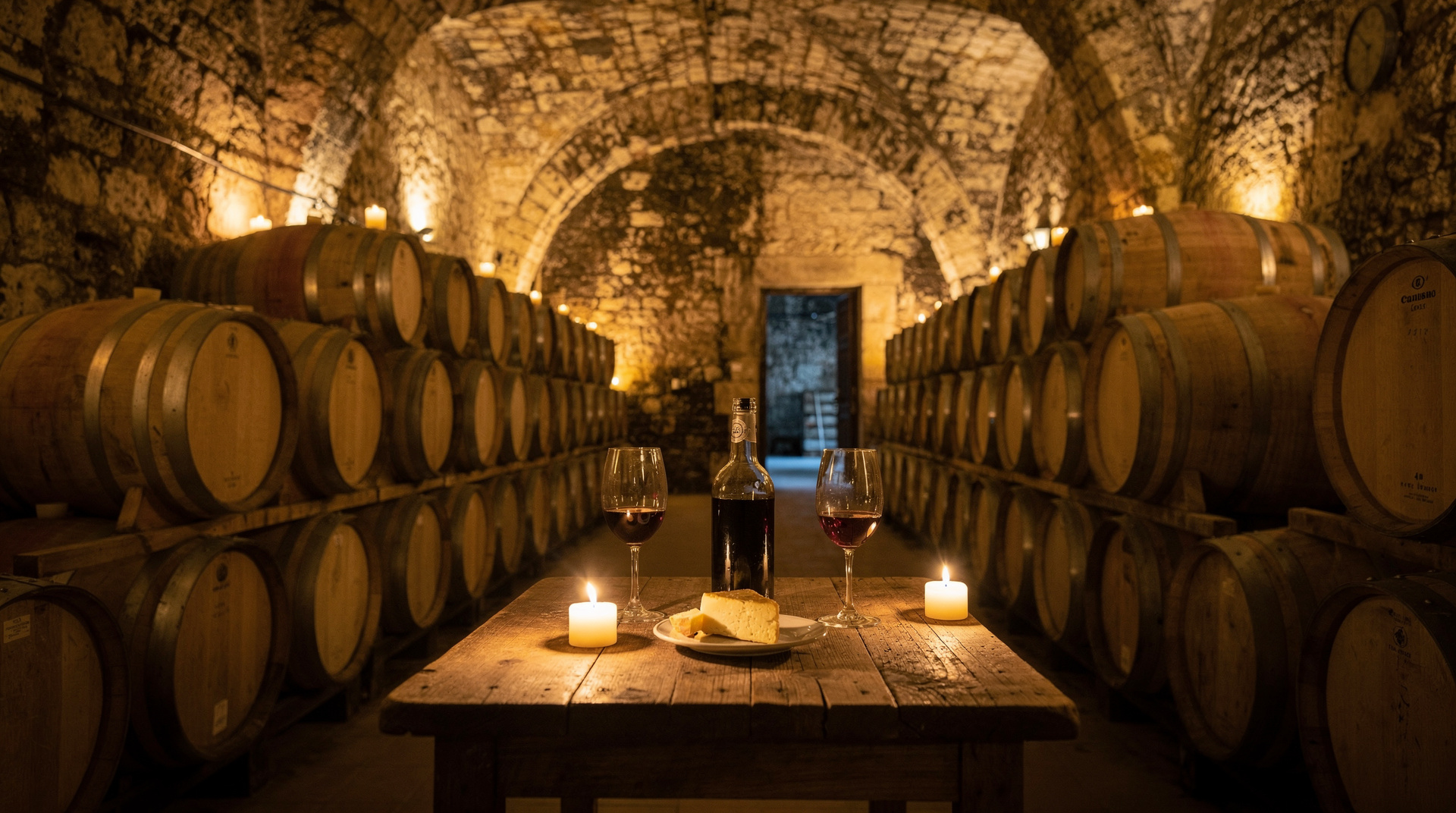
Taylor’s Tasting Room at WOW: Taylor’s operates a dedicated tasting room within the WOW complex where you can taste the Taylor’s range without doing the full lodge tour at Rua do Choupelo. This is convenient if you are already at WOW and want a port tasting without walking to the lodge. A more limited selection than the main lodge, but the 10-year and 20-year tawnies are available.
Book the Taylor’s tasting room experience within WOW — the practical option if you want a proper Taylor’s pour without leaving the WOW complex for the full lodge tour.
Booking a table versus walking in: For Cave 23 specifically, a table on a Friday or Saturday evening in summer without a reservation is a genuine gamble — the restaurant is popular with both visitors and Porto residents who treat WOW as a destination in its own right, not just a museum complex. The rooftop wine bar is more forgiving of walk-ins outside peak sunset hours, but arriving 30 minutes before sunset without a reservation in July or August often means a wait for a table with the view.
How to combine WOW with the rest of Gaia
WOW + Graham’s: WOW is 5 minutes on foot from Graham’s. Visit WOW in the morning (two or three museums), lunch at Cave 23 or the café, then Graham’s premium tasting in the afternoon. Full day, comprehensive Gaia experience.
WOW + Taylor’s: Similar pattern — WOW first, then walk or take a taxi to Taylor’s (10 minutes on foot) for the late afternoon tasting on the terrace. The Wine Experience at WOW followed by the Taylor’s premium tasting is the best-sequenced port wine education available in Gaia.
WOW only: If you have an afternoon and want to spend it entirely at WOW, plan for three museums (Wine Experience, Chocolate Story, Pink Palace), lunch at the café, and drinks at the rooftop bar. Total time: 4–5 hours comfortably. This is a full afternoon in its own right.
Getting to WOW
WOW is on the upper Gaia hillside at Rua do Choupelo, adjacent to Taylor’s. Access options:
Cable car: Take the Teleférico de Gaia from the waterfront up to Jardim do Morro (€6 return), then walk 5 minutes east to WOW.
On foot from Ponte Dom Luís I upper deck: Cross the bridge on the upper deck and walk 8–10 minutes east along the Gaia hillside.
By taxi from central Porto: €8–12. This is the easiest approach if you are arriving with luggage or visiting in the middle of a multi-stop day.
Driving: Limited parking is available at WOW. Parking is easier to find on the upper Gaia hillside than in central Porto, making WOW a practical first stop for visitors arriving by car before heading into the city.
WOW for a short Porto trip
If your Porto visit is only two days, WOW competes for time against the individual cellars, and it is worth deciding in advance rather than trying to fit everything in. The 2-day Porto itinerary generally allocates one Gaia afternoon rather than a full day, which means choosing between a WOW-plus-cellar combination and a two-cellar comparison day such as the one covered in the best port wine cellars guide. For visitors with a genuine interest in wine history and context, WOW plus one cellar is the stronger use of a single Gaia afternoon; for visitors who mainly want to taste and compare port styles, two cellars — perhaps Taylor’s and a value option like Cockburn’s or Burmester — makes better use of the same time.
Frequently asked questions about World of Wine
Does WOW replace visiting the individual port cellars?
No — they serve different purposes. WOW explains the history and context of wine and port production; the cellars let you taste the wine and see active aging operations. Both are worth doing on a Gaia day. Visit WOW first for context, then a cellar for the tasting experience. The best port wine cellars guide covers which cellar to prioritise alongside WOW.
Is the WOW boutique hotel worth staying at?
The WOW boutique hotel (part of the Bridge hotel concept) offers rooms with views over the Douro, direct access to all WOW amenities, and proximity to the Gaia lodge area. Prices start at approximately €150–200 per night in peak season. It is a good choice for wine-focused visitors who want to use Gaia as their base rather than staying in central Porto. The location on the hillside is quieter than the central Porto hotel zones.
Is WOW accessible for visitors with mobility issues?
Yes — WOW has been designed with accessibility in mind. Lifts connect all levels; the museums have step-free routes throughout; the restaurants and bars are accessible. This makes WOW one of the more inclusive cultural venues on the Gaia hillside, where most traditional lodges involve stone steps and uneven terrain.
Can I visit just one WOW museum without buying a full day pass?
Yes — individual museum tickets are available at the door and through GetYourGuide at approximately €7–12 per museum. The day pass (€22) is better value if you are visiting three or more museums. For a single-museum visit, the individual ticket is the right choice.
Frequently asked questions — World of Wine (WOW) in Gaia — is it worth the €22 entry price?
How much does World of Wine cost in 2026?
A daily pass giving access to all seven WOW museums costs approximately €22 per adult. Individual museum tickets are available at €7–12 per museum. The Wine Experience and Chocolate Story are the most visited. Restaurants, bars and shops at WOW are open without a museum ticket, so you can eat or drink there without paying museum entry.How long does it take to visit World of Wine?
One museum takes 45–75 minutes. Seeing all seven thoroughly takes a full day. Most visitors choose three or four museums and spend 2.5–3.5 hours total. Adding lunch extends this to a full afternoon. The Wine Experience is the longest and most substantive of the seven.Can I visit WOW and a port cellar in the same afternoon?
Yes — WOW is on the upper Gaia hillside, 5 minutes on foot from Graham's and 10 minutes from Taylor's. Plan WOW first (the museums require concentration that port tastings somewhat impair), then visit a cellar in the late afternoon. Don't attempt both in the same 2–3 hour slot.Is WOW suitable for children?
The Chocolate Story and the Pink Palace (fashion and design) are the most engaging for children. The Wine Experience is adult-focused. WOW's design is modern and accessible; the complex has good café and restaurant options for families. Not a primary children's attraction but manageable for older children interested in food culture.Do I need to book WOW tickets in advance?
Recommended for July and August, when the Wine Experience can reach capacity on weekend afternoons. At other times, tickets are usually available at the door or through GetYourGuide with short notice. The Wine Experience fills up faster than the others.Are the WOW restaurants worth visiting without the museums?
Yes — the WOW restaurants and bars are open without museum entry. Cave 23 (the more formal dining room) and the rooftop bar are both worth visiting independently. Expect €18–30 per person for a full meal. The rooftop offers good views across the Douro to Porto, a different angle from the Taylor's terrace.Is WOW connected to the port wine cellars?
WOW is built on the former C. da Silva wine warehouse site, adjacent to the port lodge area on the Gaia hillside. It is developed by the Fladgate Partnership (Taylor's owners) but operates separately from the individual cellar visits. The Wine Experience museum explains port wine history in depth — visiting WOW before doing cellar visits makes the lodge tours more rewarding.
Top experiences
Bookable activities with verified prices and instant confirmation on GetYourGuide.