Port wine tasting guide for beginners
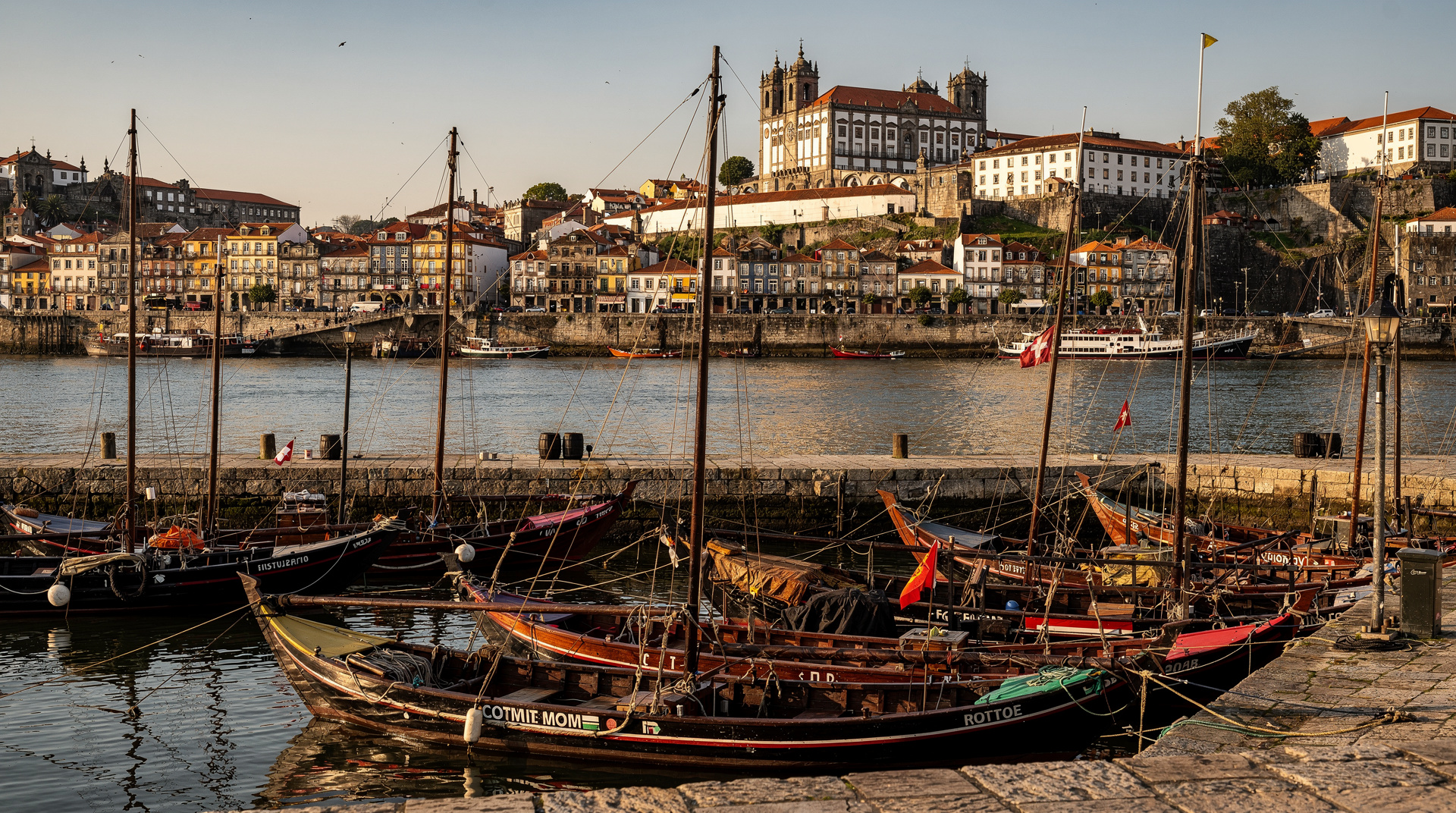
Vila Nova de Gaia: Taylor S Port Cellars Tasting in Porto
What should a first-timer know before tasting port wine in Gaia?
Start with a tawny to understand how oak-aging affects port, then try an LBV (late-bottled vintage) to taste the difference with bottle aging. You don't need to understand all the styles before you go — the guides explain everything. Budget €12–20 for a good introductory tasting at Taylor's or Cálem.
What port wine actually is
Port is a fortified wine — meaning grape spirit (aguardente) is added partway through fermentation, stopping the process while residual sugar remains and raising the alcohol level to around 19–22%. The result is a wine that is naturally sweet (in most styles), higher in alcohol than table wine, and capable of aging for decades or even centuries in the right conditions.
The grapes are grown in the Douro Valley, one of the oldest demarcated wine regions in the world (protected since 1756). The slopes above the Douro between Peso da Régua and the Spanish border are planted with dozens of indigenous grape varieties, though five dominate port production: Touriga Nacional, Touriga Franca, Tinta Roriz (Tempranillo), Tinta Barroca, and Tinto Cão.
Understanding the basics of where port comes from makes the cellar visit in Vila Nova de Gaia considerably more rewarding.
| Where | Vila Nova de Gaia, across the river from Ribeira |
| Cost | Around €12-20 for a good introductory tasting |
| Time needed | 1-1.5 hours per cellar (tour plus tasting) |
| Getting there | Walk across Ponte Dom Luís I, or the Gaia cable car |
| Best time | Morning, before the cellars get busy |
The six main port styles you will encounter
Ruby port
The most widely produced and least expensive style. Ruby port spends a relatively short time in large wood tanks — two to three years — which limits oxidation and preserves bright red fruit flavours: cherry, raspberry, plum, sometimes a note of dark chocolate or pepper. The colour is deep red-purple, hence the name.
Good ruby is enjoyable with food — red fruit desserts, dark chocolate — but it is not the style that showcases what makes port distinctive. Think of it as the entry point.
What to expect in a tasting: Fresh and fruity, easy to drink, approachable. If a cellar pours only ruby in their standard tasting, it is a sign that they are not aiming at serious wine enthusiasts.
LBV — Late-Bottled Vintage
An LBV is port from a single harvest year that was kept in wood for four to six years before bottling. This extra time in cask develops more complexity than a standard ruby while making the wine ready to drink without the extended bottle aging that a true vintage port requires.
There are two types worth knowing about: filtered LBV (ready to drink immediately, no sediment, produced by most major houses) and unfiltered LBV (has sediment, sometimes shows more complexity, benefits from decanting). The unfiltered versions from producers like Graham’s, Ramos Pinto, and Niepoort are the better choice for wine enthusiasts.
What to expect in a tasting: More structure and depth than ruby, with dark fruit notes, a hint of spice, and a longer finish. Good LBV is one of the best-value wines in the world relative to quality.
Tawny port
Tawny is aged in small 550-litre oak barrels (pipes) over many years, which causes controlled oxidation and gradually strips the wine of its deep colour. The result is amber-brown rather than red — the tawny colour — with flavours that shift toward dried fruits (fig, date, apricot), roasted nuts, caramel, and sometimes a hint of orange peel.
Tawny comes in age-designated categories: 10-year, 20-year, 30-year, and 40-year — though these are averages of blended wines, not a single vintage. A good 20-year tawny is one of the most complex and rewarding wines you can drink in Portugal for under €20 a glass.
What to expect in a tasting: The best tastings in Gaia pour a 10-year alongside a 20-year to show how the flavour profile evolves. This comparison is the most educational tasting experience available in Gaia and one reason to prioritise Taylor’s or Graham’s, which pour it routinely in their premium options.
Colheita
A colheita (the Portuguese word for harvest) is a tawny port from a single vintage year, aged in wood for at least seven years before bottling. This is a more specific version of aged tawny — instead of blending across multiple years to achieve a consistent house style, a colheita shows the character of one particular harvest.
The best colheitas reveal how individual vintages differ in the Douro. Niepoort, Burmester, and Kopke are specialists in this style; a flight of three colheitas from different decades is a revelation for wine enthusiasts.
What to expect in a tasting: Similar to aged tawny in colour and texture, but with more vintage-specific character. If you see a colheita on a tasting menu, order it over a standard 20-year tawny if budget allows.
Vintage port
Vintage port is only declared in exceptional years — roughly three to four times per decade — when the quality of the harvest is deemed extraordinary. It spends two years in wood before bottling and then requires years, often decades, of bottle aging to reach maturity. Most vintage ports are not ready to drink before 15–20 years from harvest.
You will almost certainly not taste a mature vintage port in a standard cellar visit. Some premium experiences at Graham’s, Taylor’s, and Quinta do Noval offer older vintages, but they are rare and expensive — a 1994 or 2000 vintage port glass in a tasting room costs €30–80.
If you are seriously interested in vintage port, the Douro Valley guide covers which quintas offer the most educational visits in context.
White port
Produced from white Douro grapes, white port ranges from bone dry to medium sweet. It is most commonly drunk as an aperitif in Portugal — chilled, with tonic water and a slice of lemon (porto tónico), which has become a genuine cultural institution in Porto’s bars and restaurants.
The dry and extra-dry white ports from producers like Niepoort, Ramos Pinto, and Quinta do Noval are underappreciated by most tourists who default to red styles. Ask about white port at the beginning of a tasting rather than the end.
The six styles at a glance
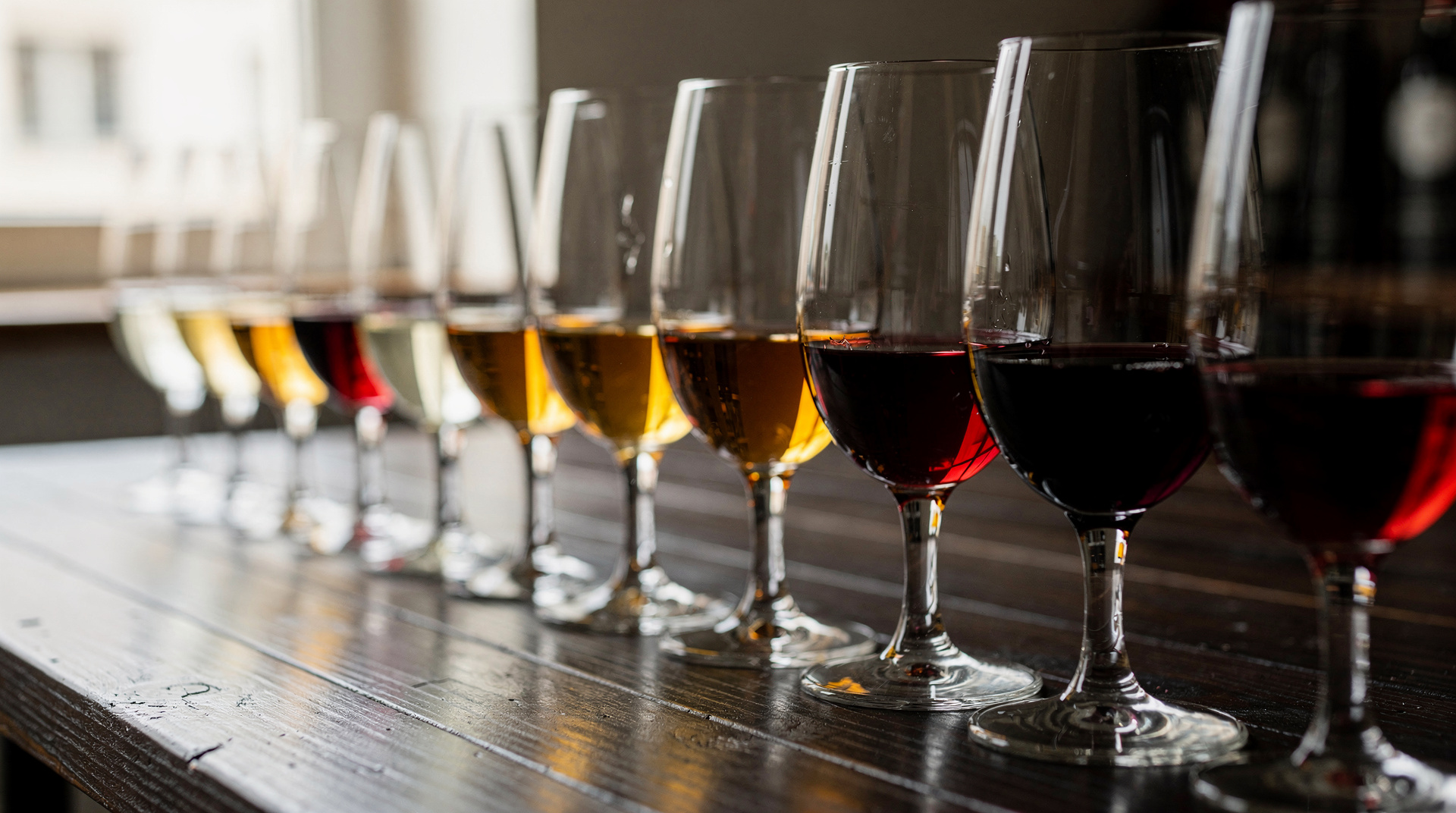
| Style | Ageing | Character | Good first pour? |
|---|---|---|---|
| Ruby | 2-3 years, tank | Fresh red fruit, simple | Yes — the easiest entry point |
| LBV | 4-6 years, wood | More structure, dark fruit | Yes — great value |
| Tawny (10/20-yr) | Many years, small barrels | Dried fruit, nuts, caramel | Yes — the most educational comparison |
| Colheita | 7+ years, single vintage | Vintage-specific, complex | If available and budget allows |
| Vintage | 2 years wood, then decades in bottle | Deep, powerful, rare | Only in a premium/VIP tasting |
| White port | Varies | Dry to sweet, aperitif style | Yes — often overlooked |
How a cellar tasting works
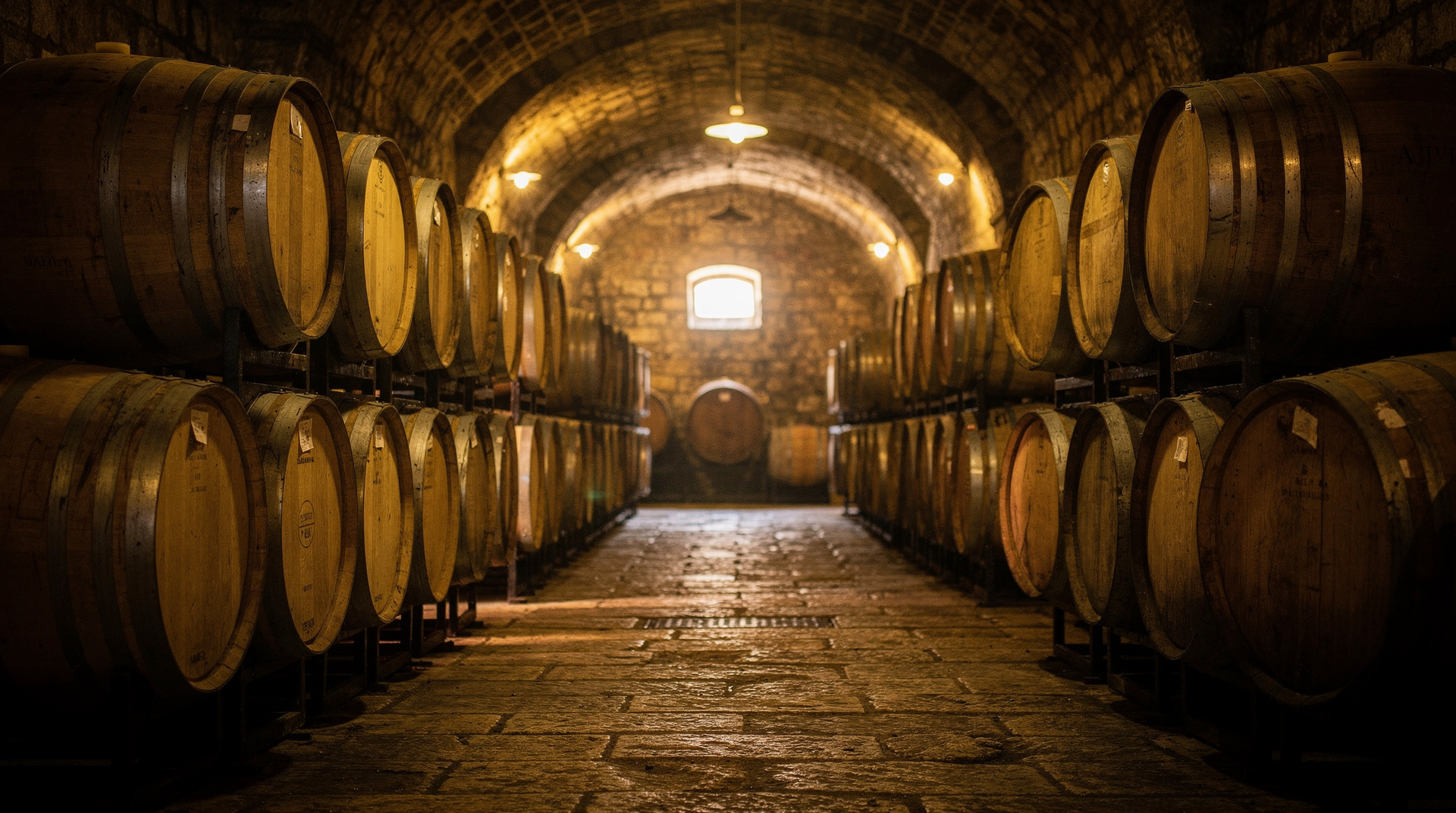
Most Gaia cellar visits follow the same structure: a guided walk through the barrel warehouse (you see the rows of lodging pipes, typically 550 litres each), an explanation of the production and aging process, and then a move to a tasting room or terrace for the actual tasting. The tour portion runs 30–45 minutes; the tasting another 20–30 minutes depending on how many wines are poured and how much you linger.
Standard tasting format: Two wines, usually a ruby or LBV and a basic tawny. This is the minimum. You can usually purchase additional pours at the tasting bar after the guided portion ends.
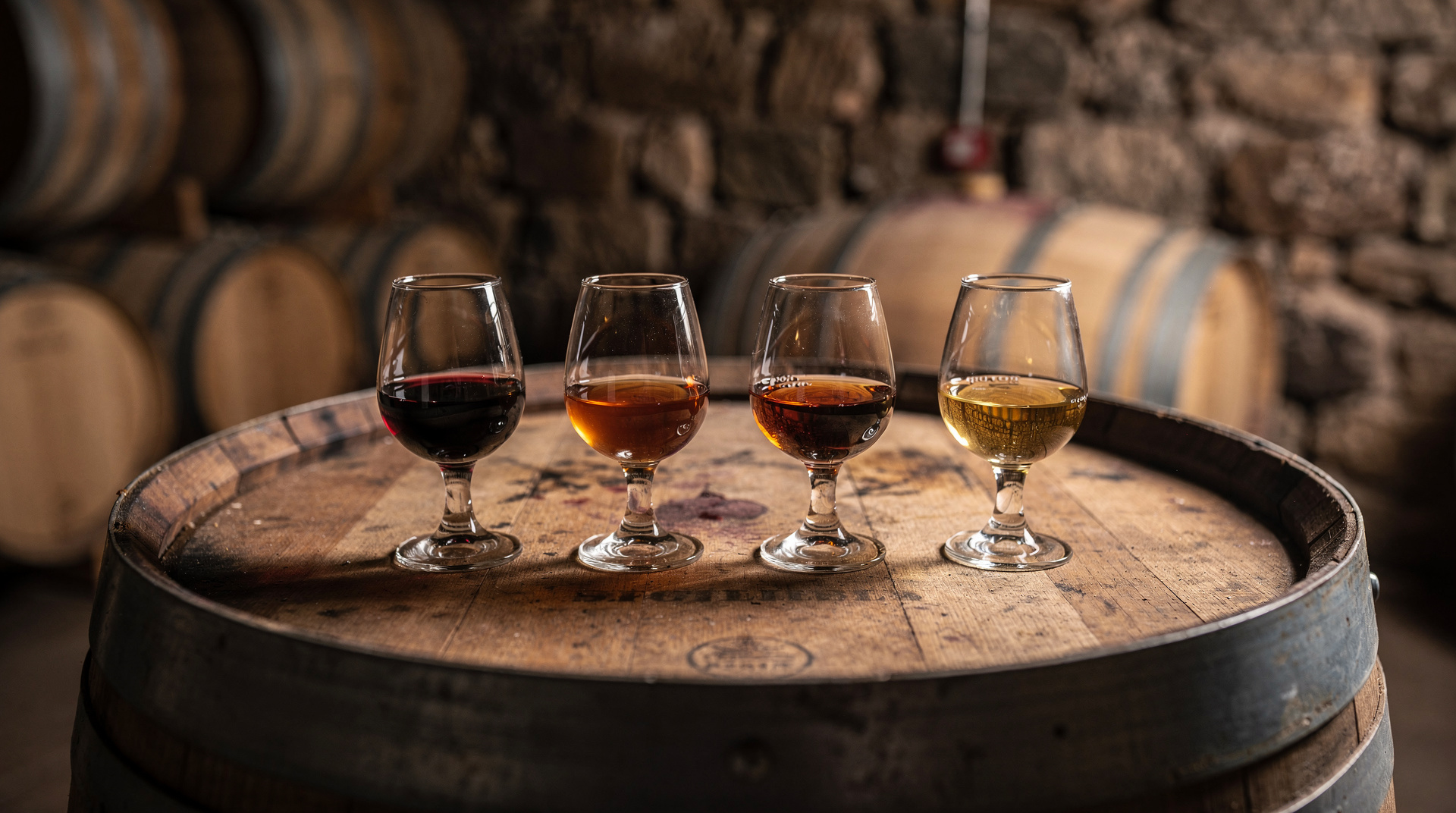
Premium tasting format: Three to four wines, typically progressing from a younger ruby through a 10-year tawny to a 20-year tawny, sometimes with LBV. This is the format that genuinely teaches you something about port wine.
VIP and vintage experience: Rarely structured as a group tour — more often a seated, hosted tasting with five or more wines including older or rarer expressions. Taylor’s, Graham’s, and Quinta do Noval all offer versions of this. Budget €50–90. Check the Taylor’s cellar experience options on GetYourGuide
Port divides into wood-aged and bottle-aged styles that taste almost nothing alike, and a flight that skips one leaves the beginner with half the map: a five port wine tasting with pairings is wide enough to cover both, and the food is what makes the sweetness legible.
What to ask during a tasting
Good guides at Gaia lodges answer most questions unprompted, but these are worth raising if you have specific curiosity:
- What grapes are in this wine? (The blend composition for port is rarely disclosed precisely, but guides usually know the dominant varieties.)
- How old are the oldest pipes in this warehouse? (Often decades; some lodges have barrels over 100 years old.)
- What makes your house style distinct from the house across the street? (A good guide will answer this honestly and specifically.)
- Can I taste a colheita if you have one open? (Worth asking at most mid-range lodges — they often have a colheita or a special older tawny available for a small supplement.)
Port wine vs table wine — practical differences for tasting
Serving size: A standard pour in a tasting is typically 50–60 ml per wine, smaller than a table wine tasting pour because of the higher alcohol.
Glassware: Port is traditionally served in small tulip-shaped glasses (about 150 ml capacity) that concentrate the aromas. You will not usually be given a full-sized wine glass.
Pace: Because port is sweeter and higher in alcohol, you will feel the effects faster than with a comparable amount of table wine. Eat beforehand, drink water between wines, and do not plan more than two or three cellar visits in a single afternoon.
Temperature: Ask for your tawny chilled. Many lodges serve it at cellar temperature by default, which is too warm for a 20-year tawny to show its best.
How to choose the right cellar for your first visit
If you are visiting one cellar:
- Best all-round introduction: Cálem — combines the cellar tour, a tasting, and a fado show at a single reasonable price. The experience covers most of what you need. Read the Cálem guide for what to expect.
- Best if you care about wine quality: Taylor’s or Graham’s — the premium tasting tiers are worth paying for if port wine is a genuine interest, not just a tick-the-box activity.
- Best value: Cockburn’s premium pairing — solid wines, good food pairing, almost always available without advance booking. Book the Cockburn’s premium tasting on GetYourGuide
If you are visiting two cellars:
- Cálem in the morning for the combined experience and fado, followed by Taylor’s or Graham’s in the afternoon for the serious premium tasting. This pairing covers the full range of Gaia experiences efficiently.
The best port wine cellars guide has a full ranking with prices and honest assessments of all the major lodges.
Where to drink port wine outside the cellars
Port wine is not only drunk in cellars. Porto’s bars serve it — particularly white port with tonic, which you will see on nearly every menu. Try it at any of the bars along Rua Galeria de Paris or on the Ribeira waterfront. A well-made porto tónico costs €4–6 and is considerably more refreshing than it sounds.
The best rooftop bars guide includes several that serve good port wine alongside views of the river. For a dedicated port wine class with structured pairings, this guided tasting covers five wines with food — a good alternative if you want a seated classroom format rather than a walking cellar tour.
Building your own two-cellar itinerary
For visitors with a morning and an afternoon free, the most efficient way to see two different house styles without wasting time backtracking is to pick cellars that sit close together on the Gaia waterfront. Cálem, Ramos Pinto and several others cluster near the riverside promenade, all reachable within a few minutes of each other on foot; Taylor’s and Graham’s sit higher up the hill, with river views that reward the climb. A practical plan: waterfront cellar and lunch in the late morning, then walk or taxi uphill for the premium tasting at Taylor’s or Graham’s in the mid-afternoon, finishing with the view over Porto as the light turns golden. A combined food and wine tastings tour is a useful alternative if you’d rather have the sequencing and pacing handled for you, particularly on a first visit to Gaia.
Frequently asked questions about port wine tasting
Do I need to drink the full pour?
No. It is perfectly normal to taste and leave some in the glass, particularly if you are visiting multiple cellars. The guides will not be offended.
How long does port wine keep once opened?
A bottle of LBV or ruby opened at room temperature should be consumed within a week. Tawny lasts longer — two to three weeks in a cool place — because the oxidative aging process makes it more stable. Vintage ports, once opened, should be consumed within two to three days.
Can I take port wine home in my luggage?
Yes, with standard airline liquid restrictions. A 750 ml bottle is fine in checked luggage. If you are buying older or rarer bottles from a lodge shop, ask about their shipping service — several Gaia lodges offer international shipping for significant purchases.
What is the youngest age for a 10-year tawny?
Ten years is the minimum average age of the wines blended into a 10-year tawny. The blend may include wines from multiple harvests; the “10-year” designation refers to the average age, assessed by the IVDP (the Port Wine Institute), not a specific vintage year.
Frequently asked questions — Port wine tasting guide for beginners
What is the difference between ruby and tawny port?
Ruby is aged for a shorter period in large tanks or casks, preserving a deep red colour and fresh fruit character. Tawny is aged in smaller barrels for longer, which oxidises the wine and develops nutty, dried-fruit and caramel flavours. Most people find tawny more complex; ruby is fruitier and easier to drink immediately.What temperature should port wine be served at?
Tawny ports are best lightly chilled — around 12–14°C. Ruby ports and LBVs are served slightly warmer, around 16–18°C. Vintage ports are served at cellar temperature. Most tastings in Gaia serve wines at the correct temperature automatically.How much port wine is too much to taste in one day?
Three to four wines across one or two cellar visits is the practical limit if you want to retain clear impressions. Port has a higher alcohol level than table wine — typically 19–22% — and the cumulative effect catches people off guard.Can I spit during a cellar tasting?
You can, and wine professionals always do. In a casual cellar tasting context it is slightly unusual but not rude. Most visitors drink rather than spit, which is why limiting yourself to two or three tastings in an afternoon is sensible.What food pairs well with port wine?
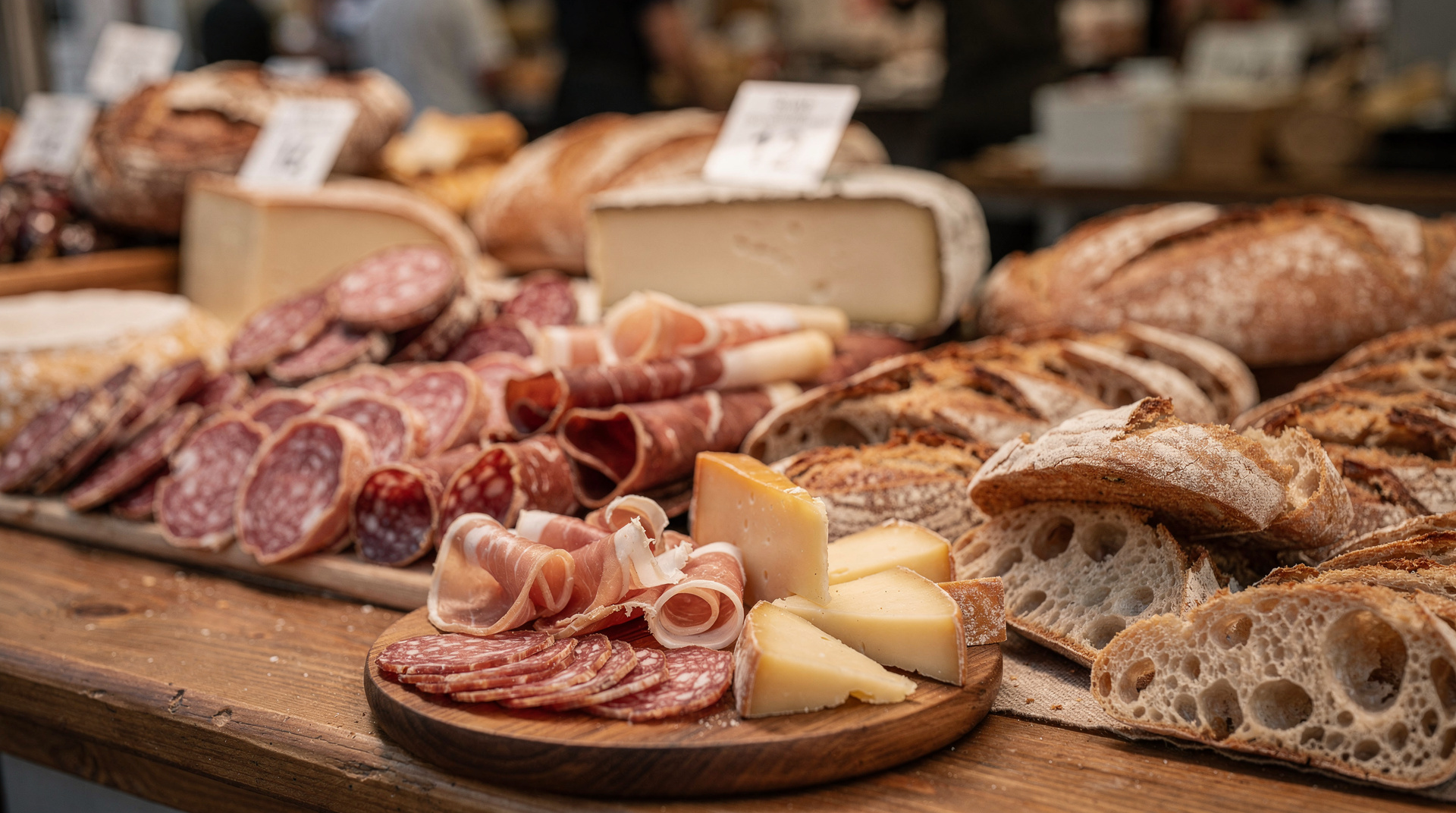
Tawny port is the classic pairing for aged cheeses, particularly Stilton or a mature Manchego. Ruby and LBV work well with dark chocolate and red fruit desserts. White port (a less common style) pairs surprisingly well with salted nuts as an aperitif.How many cellars should a beginner visit?
One or two is enough for a first visit — three or more in a single day tends to blur the wines together and dulls your palate, especially given port's higher alcohol level. If you want to compare house styles, pick two cellars with different reputations, such as Cálem for the combined tour-and-fado experience and Taylor's or Graham's for a more serious premium tasting.Do all Gaia cellars offer the same wines?
No. Each lodge blends and ages its own port under its own house style, even though the grapes come from the same broadly defined Douro region. Ruby, LBV and standard tawny are available almost everywhere, but colheita, older tawnies and rare vintages vary significantly by producer — Niepoort, Burmester and Kopke are the names to look for if colheita interests you specifically.
Top experiences
Bookable activities with verified prices and instant confirmation on GetYourGuide.