Galerias de Paris — Porto's bar street honestly explained
Porto: Porto Pubcrawl with 6 Drinksvip Club Entry
What is Rua Galerias de Paris in Porto?
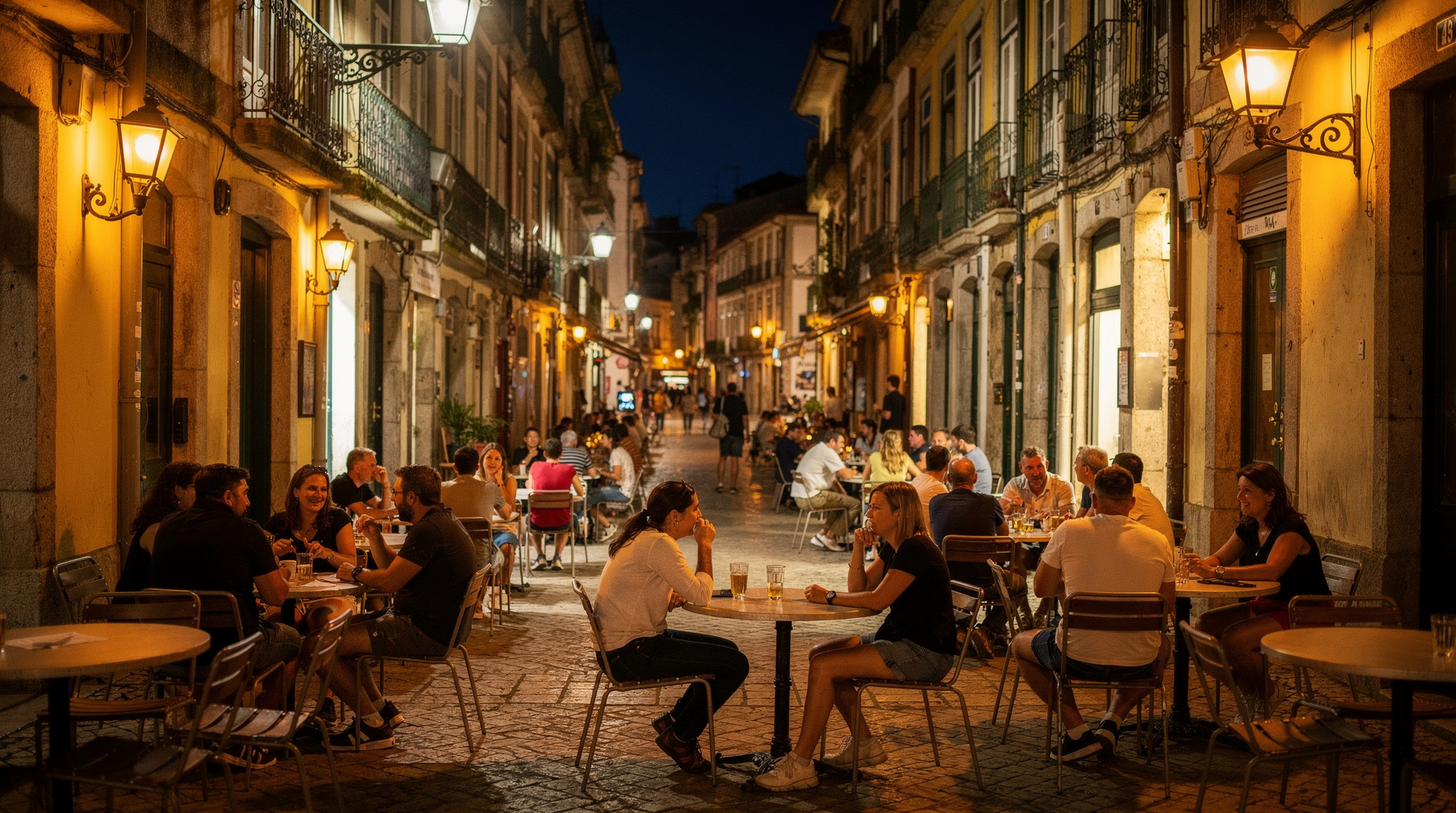
Galerias de Paris is Porto's main bar street in the Baixa district — a stretch of bars, tascas, and cocktail spots on Rua Galerias de Paris and the parallel Rua Cândido dos Reis. Go from 11 pm onward for real atmosphere. Beer costs €1.50 to €3. The crowd is genuinely mixed — local students, young professionals, and tourists without any one group dominating.
Porto’s bar street: less packaged than it sounds
Every European city above a certain tourist threshold acquires a bar street — a concentration of drinking establishments on one or two streets that becomes the default evening destination for visitors and eventually for the local population that likes being where the energy is. Galerias de Paris is Porto’s version of this phenomenon, and it is better than the category usually implies.
The reasons: the crowd is genuinely mixed in a way that many European party streets are not; the prices are honest (Porto has not yet reached the point where its main bar zone charges Amsterdam or Barcelona prices); and the street has enough variety — traditional tascas, craft beer venues, cocktail bars, student dives — to give a range of atmosphere rather than a monoculture of bouncing music and neon.
This guide tells you what is actually on the street, what things cost, what time to arrive, and a few specific recommendations for different preferences.
| Where | Rua Galerias de Paris & Rua Cândido dos Reis, Baixa-Aliados |
| Cost | around €1.50–3 beer, €7–10 cocktails |
| Best time | 11pm–2am for real atmosphere |
| Getting there | 10 min walk from São Bento, 8 min from Clérigos |
| Vibe | genuinely mixed — students, locals, visitors |
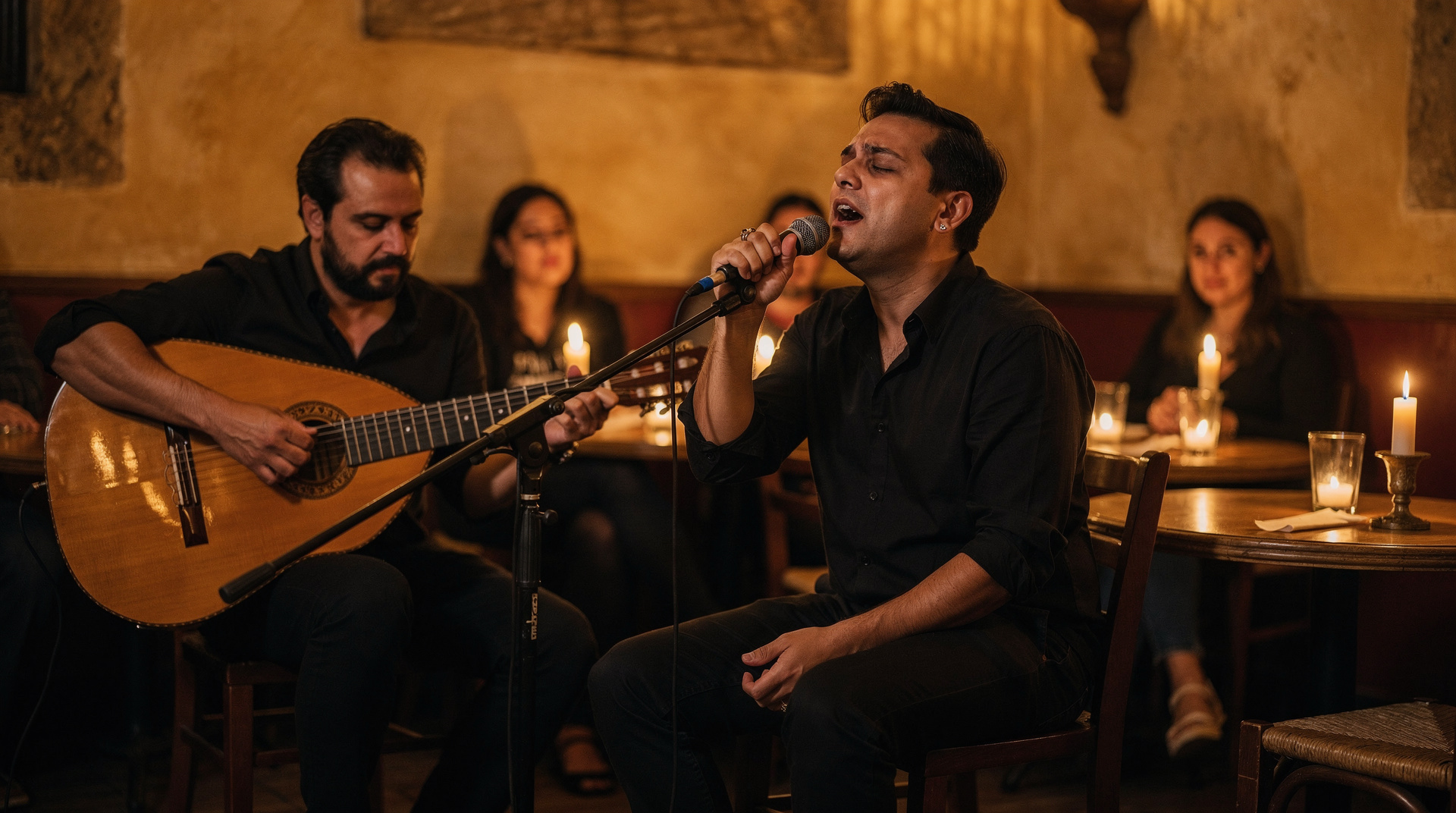
For the wider nightlife picture beyond this one street, see the Porto nightlife guide; for the fado side of an evening out, the Porto fado guide and the best fado shows in Porto cover that separately.
The geography: Galerias de Paris and Cândido dos Reis
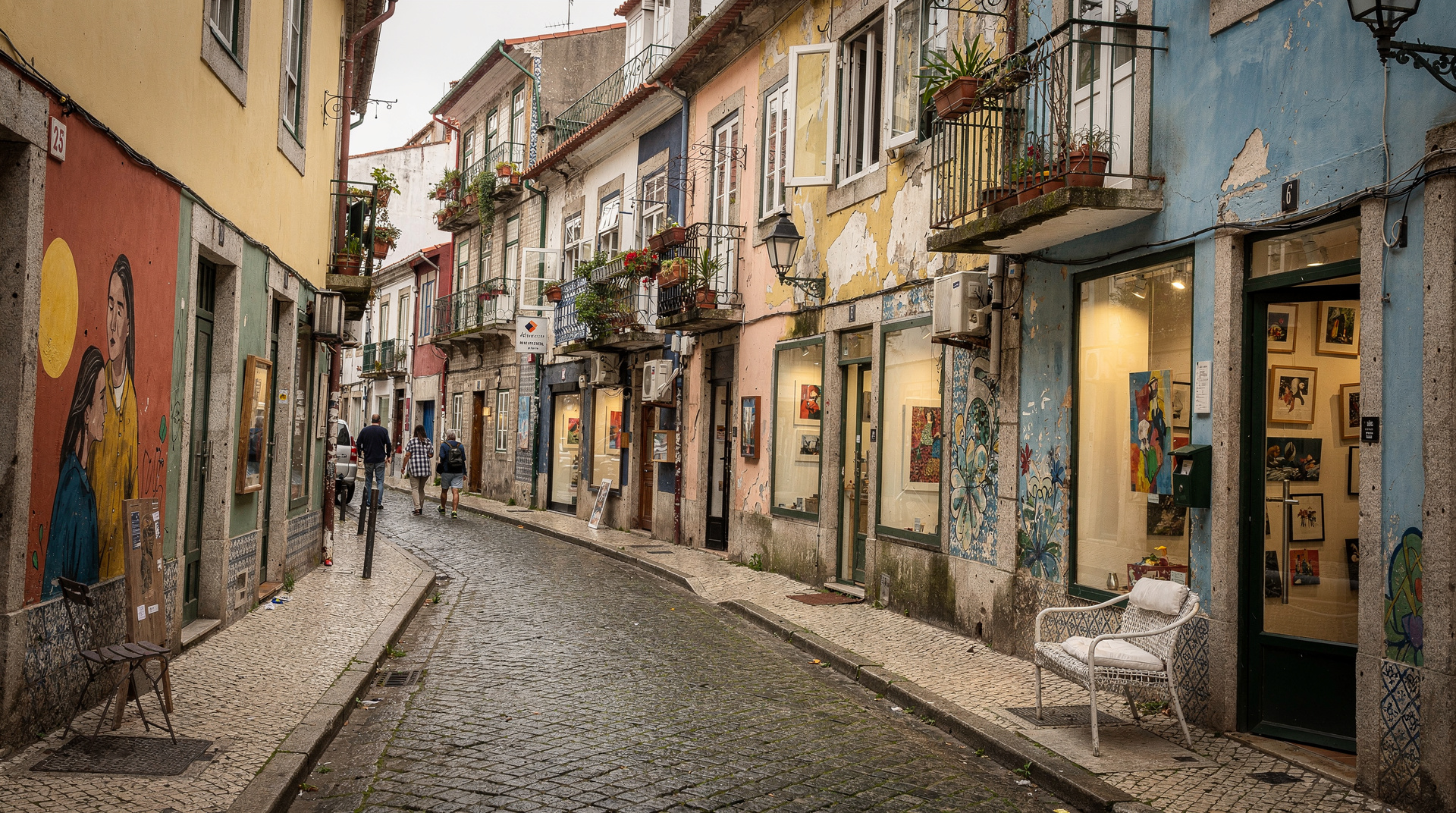
Rua Galerias de Paris and Rua Cândido dos Reis are two parallel streets running roughly northwest through the Baixa, close to the Clérigos Tower area. They are not long streets — 200 to 300 metres each — but the bar density is high. They connect at several cross-streets, and the surrounding area has additional bars spilling into the adjacent lanes.
The streets are effectively pedestrianised at night — vehicle traffic exists technically, but by 11 pm the street surface is social rather than vehicular, with people moving between venues and gathering in small groups outside bars. The social geography is horizontal: no single venue is the place to be; people move between the options throughout the evening.
Getting there: 10 minutes on foot northwest from São Bento station. 8 minutes south from Clérigos Tower. 15 minutes west from the Ribeira waterfront. The area is walkable from virtually all central Porto accommodation.
What is on the streets: a spectrum
The following are representative of what you will find — not an exhaustive listing, since individual bars open and close and the specific names matter less than the character.
Traditional tascas: Several establishments on the street retain the character of a traditional Portuguese bar — white-tiled walls, wooden bench seating, a counter where the barman pours directly from the tap, a television showing football (or showing nothing, just present as a cultural statement). These serve Super Bock at €1.50 to €2.50 for a standard glass, a limited selection of snacks (nuts, chips, occasional petiscos), and nothing approaching a cocktail menu. They are the best value on the street and the most local-feeling.
Craft beer bars: Porto’s craft beer scene has grown significantly in the 2010s and 2020s; several bars on and around Galerias de Paris serve 10 to 20 taps from Portuguese craft breweries alongside international imports. Prices are higher than for Super Bock (€4 to €6 for a craft pint) but the range is interesting for beer enthusiasts.
Cocktail bars: A few establishments have invested in proper bar programmes — local gin distilleries (Porto has several), aged Portuguese brandies, well-made sours and classics. Prices run €7 to €10 per cocktail. The better ones have bartenders who can explain what they are doing rather than just following a laminated menu.
Student bars: The cheaper end of the spectrum — plastic chairs, very loud music, cheap beer and shots. These cater predominantly to university students and are more present on the side streets off the main drag than on Galerias de Paris itself. Ginjinha shots (€1 to €2) are a popular option.
Mixed bars: The largest category — bars that are not specifically traditional or specifically craft or specifically student, but serve a range of drinks at medium prices to a mixed crowd. These are where most of the evening social life actually happens.
None of these categories are strictly separated in practice — the same street stretch might have a tasca, a cocktail bar and a student dive within twenty metres of each other, and the appeal of Galerias de Paris is exactly this ability to move between registers within a single evening rather than committing to one type of venue for the whole night.
Bar types compared
| Type | Typical price | Crowd | Best for |
|---|---|---|---|
| Traditional tasca | €1.50–2.50 beer | Older locals, mixed | Best value, most local feel |
| Craft beer bar | €4–6 pint | Beer enthusiasts, mixed | Range and quality over price |
| Cocktail bar | €7–10 | Slightly older, dressed-up | A proper drink, slower pace |
| Student bar | €1–3 | University crowd | Cheap, loud, high energy |
| Mixed bar | €3–6 | Everyone | Where most of the evening happens |
An evening in nearby neighbourhoods
If you want a change of scene partway through the night, or prefer a quieter alternative, Cedofeita and Rua Miguel Bombarda — a 10-minute walk north — has a more design-and-gallery-driven bar scene with a younger, more local crowd and noticeably less tourist density than Galerias de Paris itself. It’s a reasonable start-of-evening stop before heading down to the main bar street once things pick up after 11pm.
What people drink
Super Bock: Porto’s home beer. A light lager brewed in Porto since 1927. Draft Super Bock (imperial — a 20 cl glass, or caneca — 33 cl) is the default order at most bars. Price: €1.50 to €2.50.
Sagres: The other major Portuguese lager, a national rather than specifically northern brand. Available at most bars.
Vinho Verde: The young, slightly sparkling white wine from the Minho region north of Porto. Well-suited to warm evenings; fresh and low-alcohol (around 11%). Standard by the glass at €2 to €4.
Ginjinha: A sour cherry liqueur, traditionally served in a tiny glass with or without cherry. A shot of ginjinha is often the aperitivo or digestivo of choice. €1 to €2.
Porto Tónico: Port wine over tonic with a slice of orange, sometimes called Porto and Tonic. A growing drink order in Porto bars, which connects the wine tradition to a more accessible cocktail format. €4 to €7.
Craft beer: Available at dedicated bars; €4 to €6.
Cocktails: Available at cocktail bars; €7 to €10.
Timing: when to arrive and when to leave
The honest schedule:
9 to 10 pm: Streets are open but largely empty. Some bars are doing initial business with early arrivals. Not worth heading here from dinner if the goal is atmosphere rather than a quiet pre-game drink.
10:30 to 11 pm: The first proper wave of arrivals. Some bars are starting to fill, particularly toward the northern end of Cândido dos Reis where student traffic arrives earlier. Good time to find a position in a specific bar before it fills.
11 pm to midnight: The main evening is underway. Most bars have reached meaningful occupancy. The street itself has foot traffic and groups standing outside between venues. This is the natural arrival time for a Porto bar evening.
Midnight to 2 am: Peak social density. Multiple bars full; the street surface between them is a social space. The atmosphere is at its best during this period.
2 to 4 am: Variable. Some bars start winding down; others maintain through to 4 or 5 am. The late-night crowd consolidates into specific venues. If you are moving to a club from the bar street, this is the transition time.
After 4 am: The street itself is quieter; a few venues maintain but most have closed. The transition to a club (Plano B, Maus Hábitos) happens here for those extending the night.
Weeknight vs weekend
The character of Galerias de Paris shifts noticeably depending on the day. Thursday nights carry a strong local-student energy — Portuguese university culture treats Thursday as the informal start of the weekend, and prices and crowd levels reflect that without the full weekend tourist volume. Friday and Saturday nights are busiest overall, with the longest queues at popular venues and the highest proportion of visitors in the crowd, though the atmosphere is correspondingly more energetic. Sunday to Wednesday nights are noticeably quieter — some smaller bars may not be worth the trip, but the tascas and mixed bars that do stay open offer the most relaxed, conversational version of the street. If your priority is meeting locals rather than maximum energy, aim for a Thursday.
The organised pub crawl option
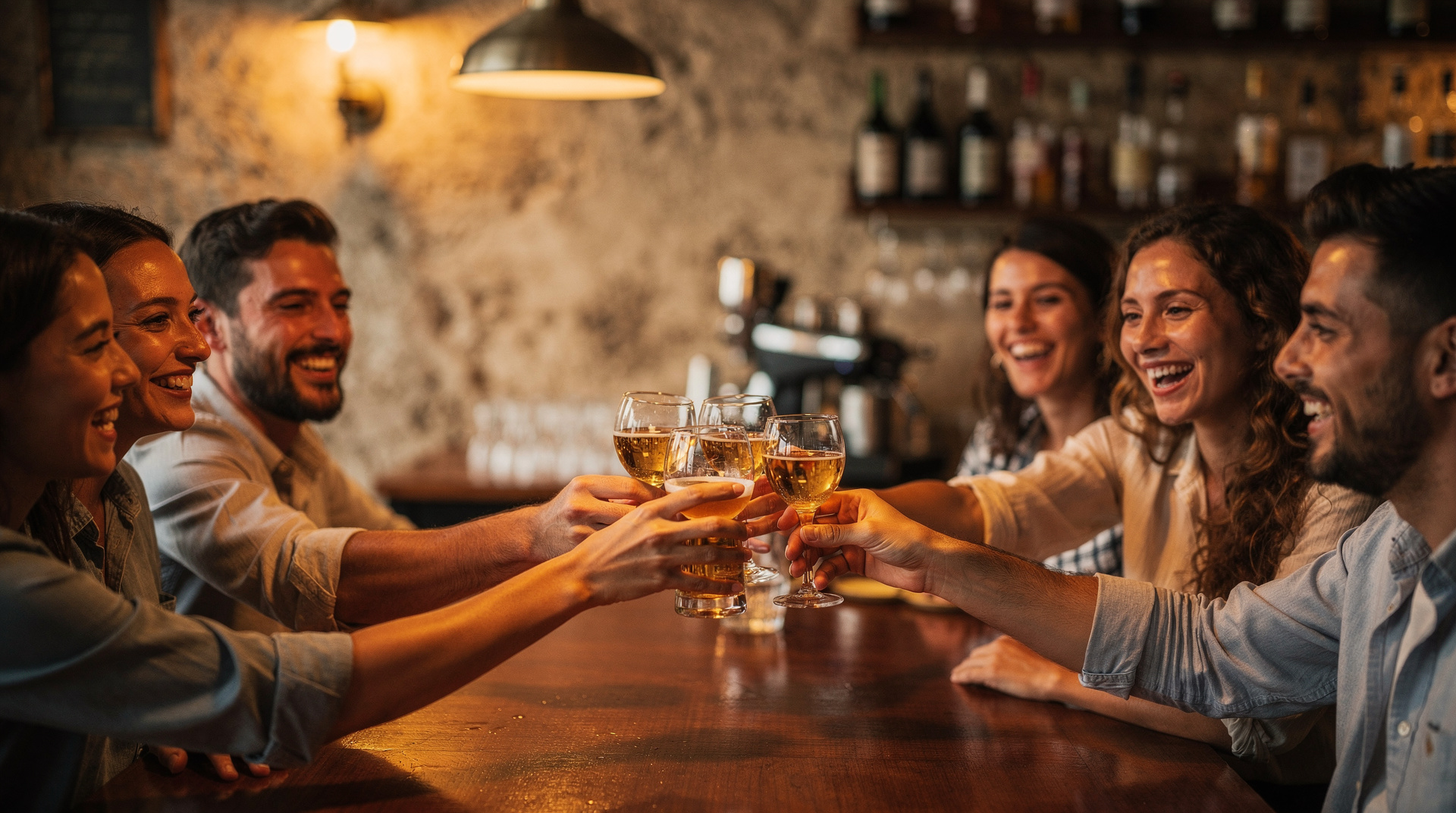
An organised pub crawl through the Galerias de Paris area and surrounding streets is the easiest way to sample multiple venues without the friction of choosing independently and being received as a group of strangers. The Porto pub crawl with 6 drinks included covers multiple stops in the Galerias de Paris zone; the mysterious Porto pub crawl adds a themed route through less-obvious bar locations.
The honest assessment of pub crawls is in the dedicated guide. They work well for solo travellers and for groups who want to meet people in a structured context. For couples or established groups who are comfortable navigating independently, a self-guided evening is equally satisfying and more flexible.
For daytime food culture as a complement to the evening bar scene, the Porto petiscos bar crawl takes a more food-focused approach to the same neighbourhood during daylight hours — a good way to discover the bars that do good food alongside their drinks.
What to eat before heading out
The practical pre-night dinner question: Galerias de Paris is within easy walking distance of the following dining options.
Rua de Cedofeita (10 minutes north): Several restaurants serving traditional northern Portuguese food (bacalhau preparations, tripas à moda do Porto, grilled fish) at honest prices — mains €10 to 18. Quieter than the Ribeira restaurant zone, better value, and genuine enough to give you something to talk about with locals.
Rua das Flores (10 minutes southeast): The pedestrian street running toward São Bento has accumulated a range of restaurants in the last decade; quality is variable but the better ones are good value. Avoids the Ribeira tourist premium.
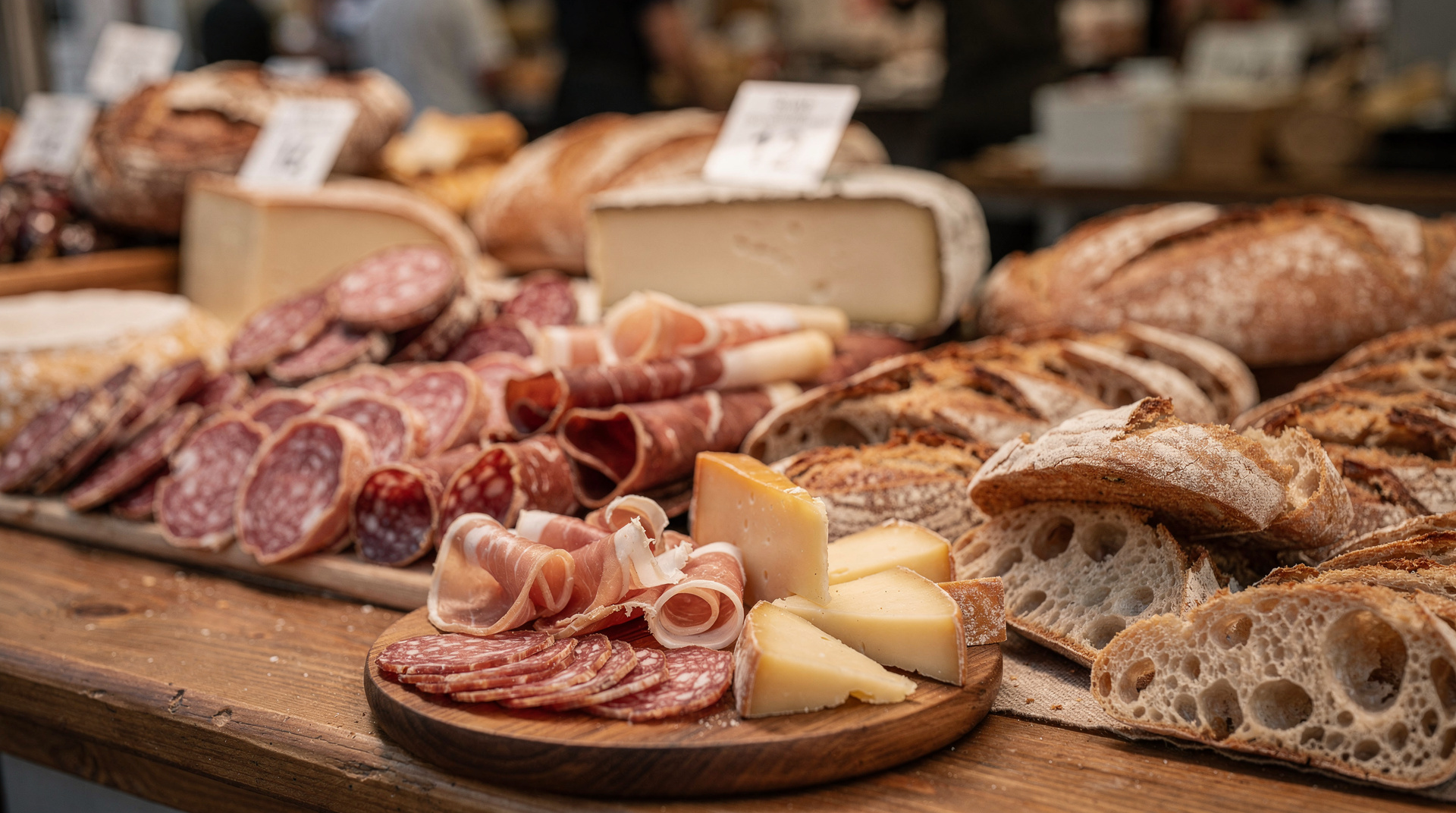
Tascas adjacent to Galerias de Paris: A few traditional tascas on the streets around the bar area serve simple food until 10 or 10:30 pm — grilled meats, sardines, petiscos. Not destinations in themselves but functional if you want to eat close to where the evening is happening.
Craft beer and petiscos trail
For a more daytime or early-evening alternative to the bar street experience, Porto’s craft beer scene has developed a parallel geography. The Porto craft beer and food tour covers the microbrewery locations and craft bar scene with a guide who can explain the local brewing scene — useful context for visitors who are specifically interested in craft beer rather than the mainstream bar scene.
Getting to and from Galerias de Paris
On foot: 10 minutes from São Bento station; 15 minutes from the Ribeira; 8 minutes from Clérigos Tower. The area is walkable from most central Porto accommodation.
By metro: Aliados station (lines A, B, C, E, F) is 8 minutes’ walk south of the bar street. The metro runs until approximately 1 am.
Late-night transport home: After 1 am, Uber and Bolt are the practical options. Porto has good ride-hailing coverage and prices are reasonable — €5 to €10 for most in-city trips.
Fitting it into a longer trip
For visitors on a 3-day Porto itinerary, Galerias de Paris makes sense as one evening rather than every evening — pair it with a fado night elsewhere in the trip for contrast, since the two experiences (loud bar street, intimate fado house) complement rather than duplicate each other. Budget travellers following the Porto on a budget itinerary will find the tascas end of the street genuinely cheap — a full evening of Super Bock costs less than a single Ribeira restaurant dinner.
Frequently asked questions about Galerias de Paris
Where exactly is Rua Galerias de Paris?
In the Baixa district, roughly between Praça de Lisboa and the junction with Rua do Almada. 10 minutes northwest of São Bento station.
What do people drink there?
Super Bock (€1.50 to €2.50) is the default. Craft beer (€4 to €6) at dedicated venues. Cocktails (€7 to €10) at cocktail bars. Ginjinha shots (€1 to €2) are popular.
What time should I arrive?
11 pm for the start of real atmosphere. Midnight for peak density. Arriving at 9 pm means quiet bars.
Is Galerias de Paris touristy?
Mixed — local students and young professionals share the space with international visitors. Weeknight evenings tilt more local; weekend nights more tourist-heavy.
Is Galerias de Paris safe?
Yes — a mainstream nightlife street in a relatively safe city. Standard precautions apply.
Are there restaurants on Galerias de Paris?
Some tascas serve petiscos. For proper dinner, the surrounding streets — Rua de Cedofeita or Rua das Flores — have better options.
Frequently asked questions — Galerias de Paris — Porto's bar street honestly explained
Where exactly is Rua Galerias de Paris?
Rua Galerias de Paris runs northwest through the Baixa district, roughly between Praça de Lisboa to the south and the junction with Rua do Almada to the north. The parallel Rua Cândido dos Reis runs in the same direction and connects with it at several points. Both streets are about a 10-minute walk northwest from São Bento station or 8 minutes south of Clérigos Tower.What kinds of bars are on Galerias de Paris?
The mix is wide: traditional Portuguese tascas (tiled interiors, bench seating, Super Bock on tap), craft beer bars, cocktail bars with locally sourced spirits, student bars with cheap beer and loud music, and a few places with genuinely interesting bartenders and thoughtful menus. The street has no dominant character — each section is different — which is part of what makes it work as a bar zone.What do people drink on Galerias de Paris?
Super Bock is the default — Porto's home beer, a light lager that costs €1.50 to €2.50 for a standard glass (imperial or caneca). Sagres is the alternative national beer. Craft beer is available at dedicated venues; Porto has a small but growing craft scene. Ginjinha (a sour cherry liqueur) is a popular shot option. Wine (typically Vinho Verde, the young local white wine) is available at most bars. Cocktails are at the pricier end at €7 to €10.Is Galerias de Paris touristy?
Partially — it is on the main tourist circuit and international visitors are a significant part of the crowd on weekend evenings. But unlike some European bar streets that have been entirely colonised by tourist traffic, Galerias de Paris retains a meaningful local presence. Porto's university population uses the area regularly, and on weeknights the balance tilts more toward local. The Thursday night before Friday is often the most local-feeling evening.What time should I arrive on Galerias de Paris?
Arrive at 11 pm for the start of real atmosphere; midnight for peak density. Coming at 9 pm means the bars are open but quiet — you'll drink alone or with the occasional tourist in the same situation. If you want to warm up before the main event, have dinner first (Porto restaurants serve until 10 or 10:30 pm) and arrive at Galerias de Paris when the evening is already underway.Is Galerias de Paris safe?
Yes — it is a busy, well-lit commercial street with foot traffic until the early morning. Standard precautions: don't leave drinks unattended, be aware of pickpockets in crowds, keep phones in inner pockets in busy situations. The street itself is not a place of particular concern; it is a mainstream nightlife area in a relatively safe European city.Are there restaurants on Galerias de Paris?
Some tascas serve food (petiscos, the Portuguese equivalent of tapas, and simple dishes) alongside drinks. For a proper dinner before hitting the bars, the streets immediately north — around Rua de Cedofeita and the streets running off Rua do Almada — have better restaurant options at honest prices. Avoid eating at bars specifically positioned for late-night drunk food; the quality is variable and the prices are worse.
Top experiences
Bookable activities with verified prices and instant confirmation on GetYourGuide.