Porto on a budget — 3 days for under €70/day
Porto: Porto Historical Center Walking Tour
How to use this budget Porto itinerary
Porto is one of the most budget-friendly capitals in western Europe, but prices have risen sharply since 2019 and the centre is no longer as cheap as it once was. This itinerary assumes a realistic budget of €60–70 per person per day — enough for a hostel bed (~€20–28/night), three meals per day, one paid attraction, one river cruise, and a port tasting, without cutting corners into misery.
The honest numbers:
- Hostel dorm bed: €20–28/night
- Hostel private room: €50–70/night
- Casual lunch: €7–10 per person
- Picnic lunch from Bolhão market: €4–6
- Dinner in a neighbourhood tasca: €10–16
- Andante metro card trip: €1.85
- Free attractions: São Bento, the Sé (exterior + free interior), all miradouros, all bridge walks
- Paid attractions worth the money on a budget: Clérigos Tower (€8), Cálem cellar with fado (€20), Six Bridges cruise (€15–18)
This itinerary front-loads the free attractions across three days and is selective about what to pay for.
| Where | historic centre, Gaia, Matosinhos, Serralves gardens |
| Cost | around €60–70 per person per day, all-in |
| Time needed | three days |
| Getting there | mostly on foot; Andante metro card for Gaia and Matosinhos |
| Best time | shoulder season (May–June, September) for lower accommodation prices |
For the fuller version of this budget breakdown beyond the three-day plan, see our Porto on a budget guide, and check getting from Porto airport before you land — the airport transfer choice alone can swing your day-one budget by €20–30.
Day 1: Free Porto — the historic centre and the best views
Morning (9:00–12:30)
9:00 — São Bento station (free)
The most beautiful train station in Europe costs nothing to enter. Arrive before 9:30. The azulejo panels covering the main hall are the equivalent of a paid museum anywhere else — a 20,000-tile narrative of Portuguese history. Free. Walk in. 25 minutes.
9:30 — Sé do Porto (partially free)
The cathedral is free to enter. The cloister (€3) is worth it if you have any room in the budget — but if not, the main nave is genuinely impressive and the Terreiro da Sé outside has a free panoramic view over the lower city. Allow 20–30 minutes.
10:00 — Miradouro da Vitória (free)
Walk five minutes east from the Sé to Rua de São Bento da Vitória. The Miradouro da Vitória — a rooftop terrace accessible via the Espaço Porto Cruz café stairway — gives a view of the city without the Clérigos ticket. Free access during café opening hours. Allow 15 minutes. See our best viewpoints Porto guide.
10:20 — Ponte Dom Luís I upper deck (free)
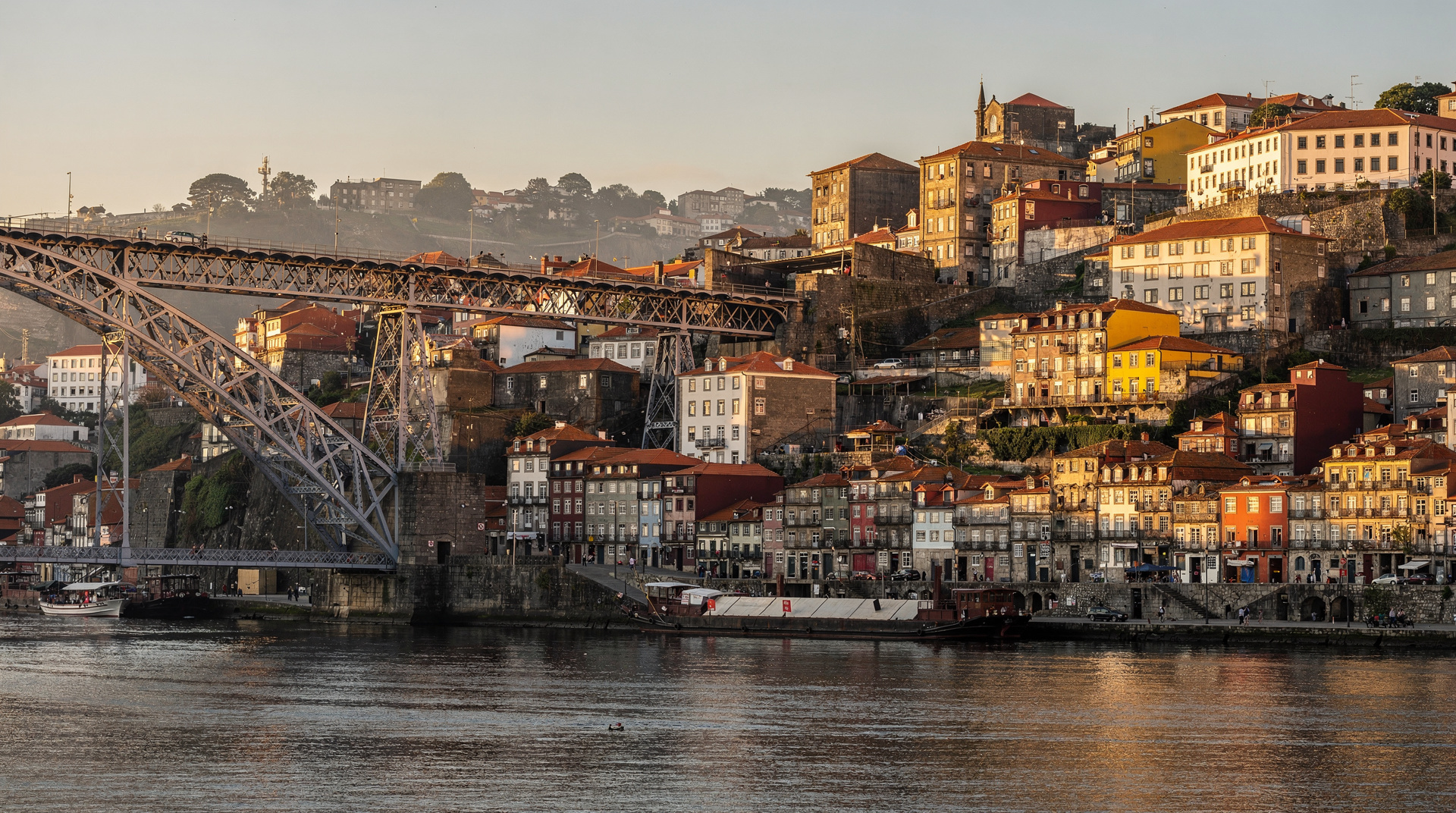
Walk downhill to the Ribeira and cross Ponte Dom Luís I on the upper deck. 45 metres above the river, free pedestrian access. This is the bridge view that everyone photographs. Cross to Gaia and look back.
11:00 — Miradouro da Serra do Pilar (free)
On the Gaia side, walk uphill five minutes from the bridge end to the Miradouro da Serra do Pilar — a circular terrace around the 17th-century monastery (you can take a guided tour of the monastery for €5, or just use the free public viewing area). This is the best panoramic view of Porto in the city, better than the Clérigos Tower at this distance. Free viewpoint access.
11:45 — Return to Porto, Ribeira walk (free)
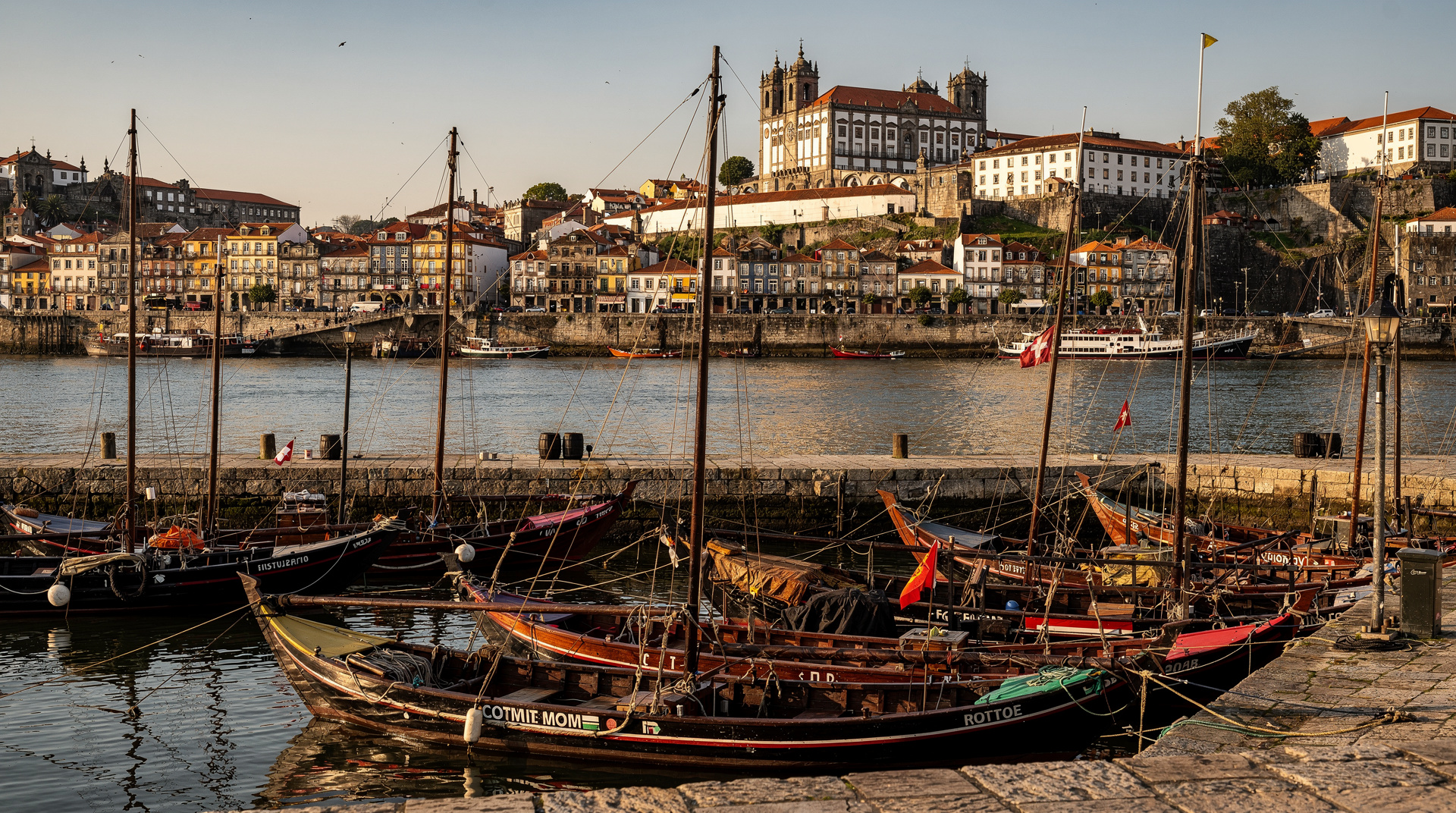
Cross the lower deck of Ponte Dom Luís I back to Porto. Walk the Ribeira waterfront east toward the Infante bridge — the best-looking section of the waterfront and, importantly, one where you’re not sitting at an expensive restaurant.
Lunch (12:30–13:30)
Picnic from Bolhão market (€4–6)
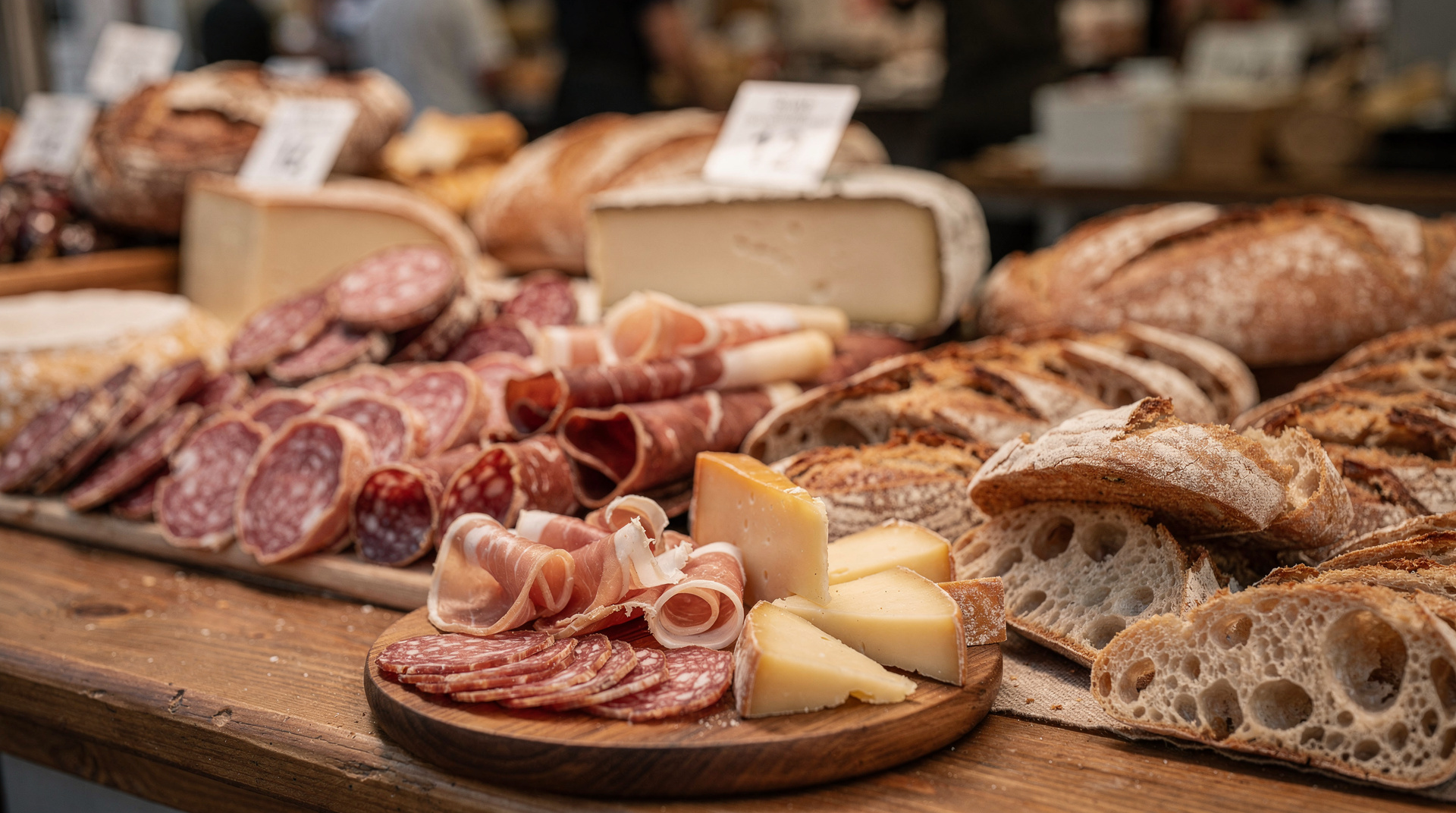
Take metro line A from São Bento (€1.85) two stops to Bolhão. In the market: a bifana from one of the counter restaurants (€2.50–3), a small wedge of queijo da Serra from a cheese stall (€1.50), a bread roll (€0.50). Eat on the steps of the Jardim da Cordoaria (garden near Clérigos, three minutes’ walk from the market) or on a bench along Rua das Flores.
Alternatively: a half-portion (meia-dose) of bacalhau com broa at a neighbourhood tasca along Rua do Almada: approximately €5–7.
Afternoon (13:30–18:00)
13:30 — Free walking tour (with caveats)
Porto’s free walking tours (tip-only, pourboire) are available throughout the day from Praça da Liberdade and Aliados. A good free walking tour guide is genuinely excellent; a bad one is a two-hour commercial for their company’s paid tours. Read our fake free walking tours Porto guide before joining one. If the tour ends with a hard sell for an expensive dinner package, that’s your signal. Good tours: the guides are actually informative about the history, not just pointing at monuments. Tip what you feel it was worth: €5–10 per person is honest for a good tour.
Alternatively: The Porto historic centre walking tour (paid, ~€15–20 per person) provides professional guidance with a verified operator — sometimes worth the €10–15 difference for the quality assurance.
15:30 — Clérigos Tower (€8, optional)
If €8 fits the day’s budget, the Clérigos Tower is the one paid admission worth prioritising on a budget trip — the view is the best in the city and late-afternoon light is the best time. Pre-book to avoid a wasted trip to a closed slot. If it doesn’t fit: Miradouro da Serra do Pilar (visited this morning) and the bridge deck are free alternatives.
16:30 — Jardim do Morro (free)
Metro line D to General Torres (Gaia, €1.85) for the afternoon light on Porto from the Gaia hilltop garden. Bring water. The view from Jardim do Morro at 17:00 is one of the best free things in Porto. Return by metro.
Evening (18:30–22:00)
18:30 — Neighbourhood tasca dinner (€10–14)
Cedofeita neighbourhood, 15 minutes’ walk from the historic centre. Adega do Bairro (Rua do Almada) serves a daily prato do dia (dish of the day) for €7–9 including bread — no menu, just whatever was cooked that morning. Add a glass of house wine for €2. Lupita (Bonfim) does similar at slightly better quality for €10–12.
20:30 — Rua Galeria de Paris (€3–5)
One drink on the city’s most animated bar street. A glass of vinho verde costs €3–4 at most places; a Super Bock beer is €2.50. This is Porto nightlife at its cheapest and most genuine.
Day 2: Gaia port tasting, a cruise and the free city
Morning (9:00–12:00)
9:00 — Igreja de São Francisco (€5)
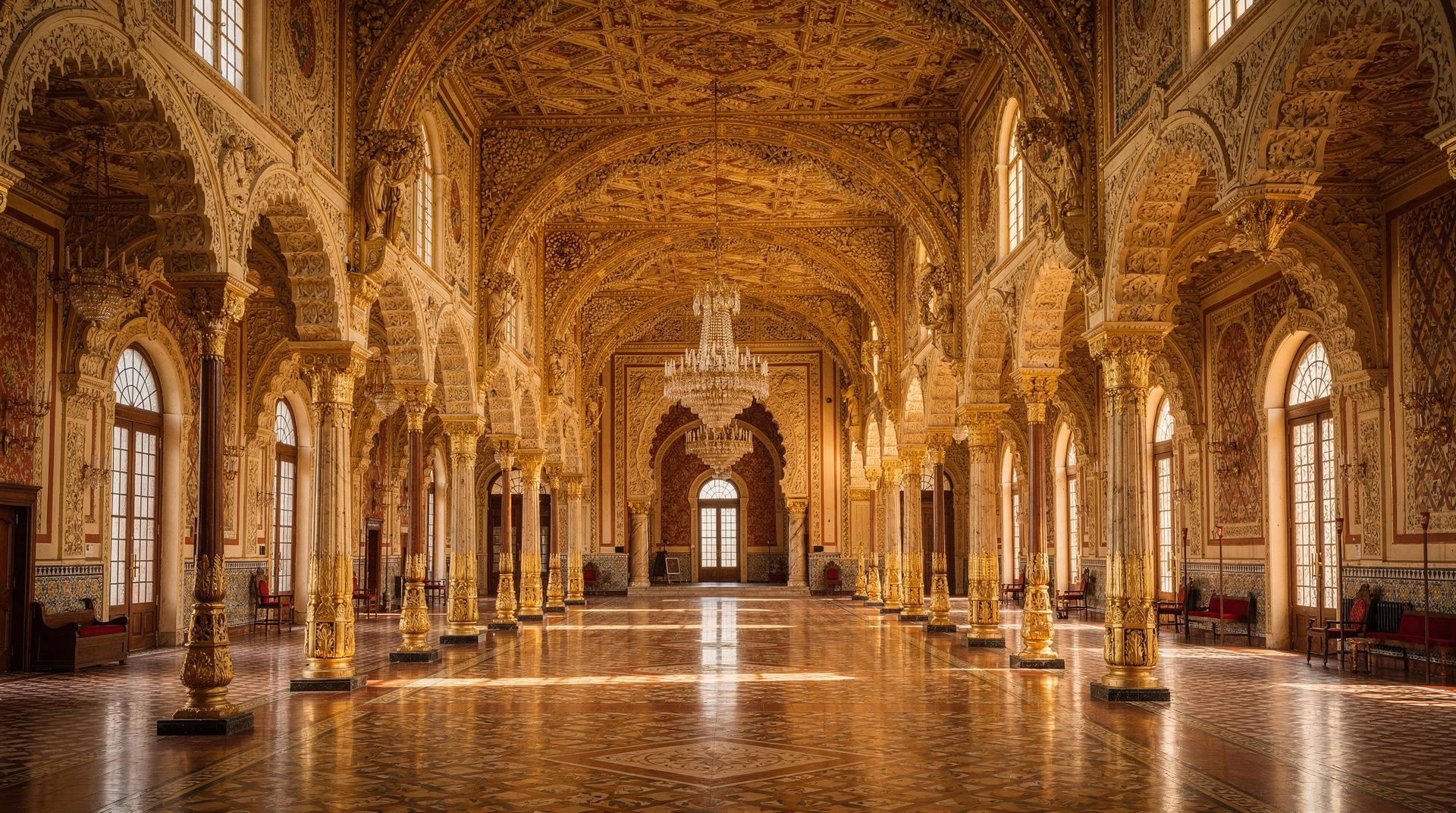
The gilded Baroque interior is the single most visually impressive paid attraction after Clérigos — €5 entry, well worth it. Opens at 9:00; arrive before tour groups. Allow 30 minutes.
9:45 — Palácio da Bolsa exterior and gardens
The guided tour of the Palácio da Bolsa (€14) is genuinely worthwhile on a mid-range budget but is the first cut on a tight budget. The exterior and the Jardim do Palácio adjacent are free. Save the interior tour for a return trip with more budget.
10:15 — Walk to Gaia
Cross Ponte Dom Luís I (free, lower deck). Walk east along the Gaia waterfront toward the port lodges.
10:30 — Cálem cellar with fado (€20)
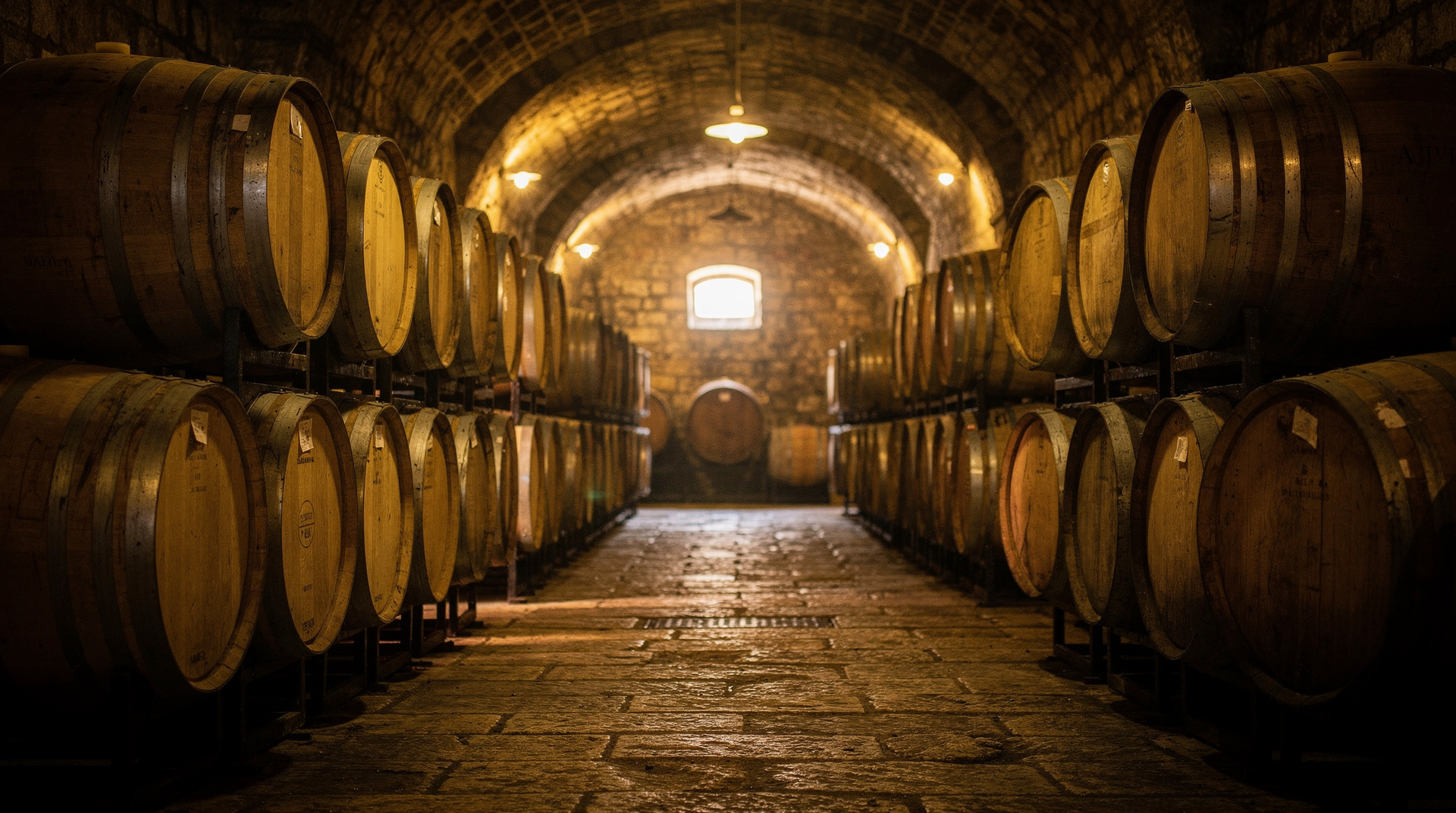
This is the main paid activity of Day 2 and the budget trip’s wine experience. The Cálem cellar visit with fado performance costs approximately €20 per person and combines a cellar tour explaining port wine production with a 15-minute fado performance in the lodge’s underground performance space. It’s the most affordable structured fado-and-wine experience in Porto and the fado is genuine. Book ahead. Allow 75 minutes.
This is the one cellar visit on the budget itinerary — the more expensive lodges (Graham’s premium, €35–40) are for another trip.
Lunch (12:30–13:30)
Market lunch in Gaia (€5–8)
The Mercado do Mercado de Gaia (Rua Rei Ramiro 83) is a food hall in Gaia with good street food at budget prices. Or bring food from Porto and eat on a Gaia riverbank bench with the Porto skyline view — this is not a hardship.
Afternoon (13:30–18:00)
13:30 — Six Bridges cruise (€15–18)
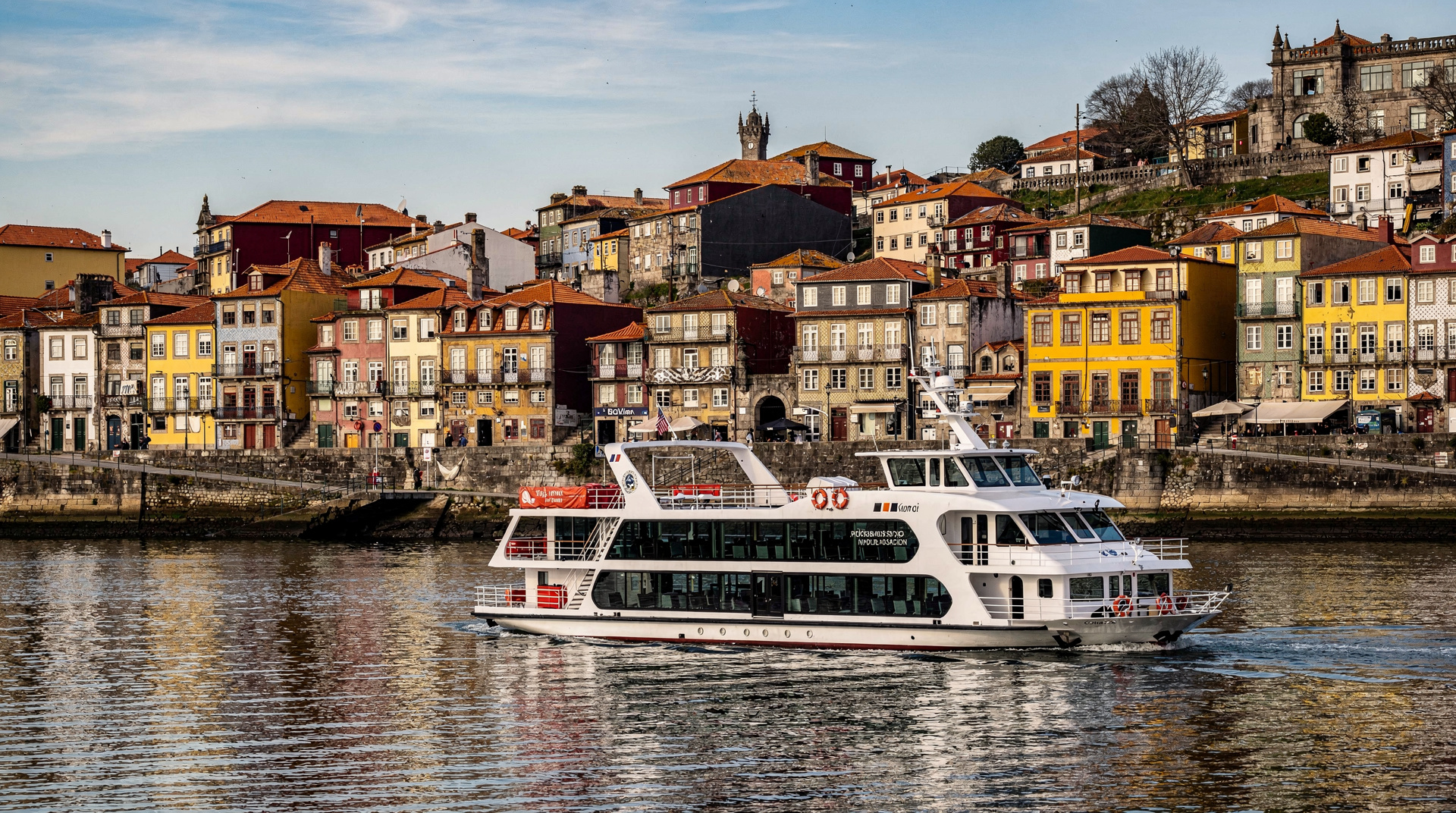
The one river cruise of the budget trip. Wait until 13:30 when prices sometimes drop slightly for departures outside peak hours (check at the dock; not always the case). Book the Six Bridges cruise or pay at the dock. 50 minutes, ~€15–18. The river perspective makes everything else make more sense — it’s a justified €15.
15:00 — Free afternoon: Bonfim
Metro from the waterfront back toward the city centre and walk east to Bonfim. The Jardim de São Lázaro (free, formal garden with a 19th-century bandstand) is a good afternoon rest point. Walk Rua do Bonfim for street art and neighbourhood atmosphere. The Campanhã train station (15 minutes further east) has an underrated azulejo collection visible from the platforms for free.
17:00 — Miradouro da Rua das Flores (free)
Walk back west through the historic centre. The short street Rua das Almadas has a viewpoint over the lower city at its junction with Rua das Flores — a free miradouro that most tourists walk past.
Evening (18:30–22:00)
18:30 — Cheap dinner at a neighbourhood tasca (€8–12)
Zé Natário (Rua do Bonfim 116) for daily specials at €8–10 — the kind of restaurant that doesn’t have a website and fills with regulars at 19:30. Or Casa de Pasto da Palmeira (Rua do Almada 382) for the prato do dia at €7.50.
Post-dinner vinho verde (€2–4)
Any neighbourhood mini-mercado (corner shop) sells chilled vinho verde for €1.80–3 per bottle. Buying a bottle and sitting in the Jardim da Cordoaria or on the steps near Clérigos at dusk is the best €2 you’ll spend in Porto.
Day 3: Matosinhos beach (free), free viewpoints and market lunch
Morning (9:30–12:30)
9:30 — Metro to Matosinhos (€1.85)
Take metro line A from Campanhã or city centre to Matosinhos Sul or Senhor de Matosinhos. Praia de Matosinhos is Porto’s nearest Atlantic beach — wide, clean, free, with a promenade and lifeguards in summer. Walk from the station (10 minutes).
Budget morning at the beach: swimming, walking north toward the fishing port (watching the early morning trawlers come in), or simply sitting with a €1 coffee from a beach kiosk.
In cooler months (October–April): skip the beach and instead take the metro to Foz do Douro (closest stop: Castelo do Queijo, line B) and walk the Atlantic promenade for free.
Lunch (12:00–13:30)
Market lunch at Matosinhos fish market (€5–8)
The daily fish market (Mercado Municipal de Matosinhos, Rua do Coronel Ribeiro) sells the morning’s catch at wholesale prices. You can buy fresh fish cheaply, though you need somewhere to cook it. For the budget traveller without a kitchen: the market has food stalls and counter restaurants serving grilled fish for €7–10 per main. This is among the freshest and best-value fish meals in greater Porto.
Alternatively: return to the city and use a Bolhão market lunch again (€4–6).
Afternoon (13:30–18:00)
13:30 — Serralves gardens only (€5)
The gardens-only ticket at Serralves is €5 — one of the best €5 purchases in Porto. 18 hectares of formal gardens, woodland and the Art Deco villa exterior. If the art museum is not your priority, the gardens alone justify the entry. Metro to Casa da Música (line B/E), walk 20 minutes. Closed Mondays.
15:30 — Livraria Lello (€8, optional)
If the budget allows and you haven’t visited: the skip-the-line Silver ticket (~€8) on Day 3 afternoon (after 16:00) when queues thin. €8 is deducted from any book purchase. See our Livraria Lello guide.
If not: walk past the exterior on Rua das Carmelitas (free) and peer through the window — you can see the famous red staircase from the door when the light is right.
17:00 — Final Douro walk (free)
Walk east along the Douro from the Ribeira in the late afternoon. The stretch between Ponte Dom Luís I and the weir (Ponte Luís I direction) has the best views of both bridges and the Gaia silhouette at low sun. Free. 45 minutes.
Final evening (18:30–21:30)
18:30 — Cheap farewell dinner (€8–14)
Restaurante Casa de Pasto (Rua do Bombarral 6) or any neighbourhood tasca in Cedofeita or Bonfim. A prato do dia with a jug of house wine: €9–12. Porto doesn’t require expensive final dinners — the simplest tascas are often the most memorable meals.
Practical notes about this itinerary
Andante card strategy: Load the card with €10 on arrival to cover all three days’ metro trips. Individual zone-2 trips are €1.85; each Matosinhos trip is zone 3 (~€2.20). The 72-hour Andante Tour card (€15) pays off if you take more than eight metro journeys.
Porto Card on a budget: The 72-hour Porto Card (€33) includes metro, Serralves (free, saves €20), Clérigos (free, saves €8) and discounts at 60+ places. It pays off if you’re visiting both Serralves and Clérigos — but those are two of the main budget attractions. Run the numbers: Serralves gardens only (€5) + Clérigos (€8) + three days’ metro (8 trips × €1.85 = €14.80) = €27.80. The Porto Card at €33 saves you a few euros and is worth it only if you plan additional paid attractions.
Airport transport: Metro line E from OPO airport to Trindade costs €2.50 (plus €0.60 for the Andante card on first use). Total: €3.10. Compare with Uber (€15–22) or taxi (~€35). The metro is the correct choice for budget travellers.
Free fado: Porto has occasional free fado in public spaces (Praça Carlos Alberto, some cultural centres) particularly in summer and around São João festival. Check the city’s Agenda Cultural (agendacultura.pt) for free events during your stay.
Water and snacks: Tap water in Porto is safe and free to refill; carrying a bottle saves €1–2 per person per day versus buying bottled water at kiosks. Supermarkets (Pingo Doce, Continente Bom Dia) are cheaper than mini-mercados for snacks and picnic supplies if one is on your route.
Hostel recommendations: Selina Porto (Bonfim, €22–28/dorm) and Gallery Hostel (Rua de Miguel Bombarda, €24–30/dorm) are both well-located. Booking 2–3 weeks ahead in summer avoids price spikes.
Day-by-day free vs paid summary
| Day | Free highlights | Paid highlights | Day total (paid only) |
|---|---|---|---|
| Day 1 | São Bento, Sé nave, Miradouro da Vitória, bridge crossing, Serra do Pilar, Ribeira walk | Clérigos Tower (€8, optional) | ~€8–14 |
| Day 2 | Palácio da Bolsa exterior, bridge crossing, Bonfim walk, Miradouro da Rua das Flores | Igreja de São Francisco (€5), Cálem cellar with fado (€20), Six Bridges cruise (€15–18) | ~€40–43 |
| Day 3 | Matosinhos beach or Foz promenade, final Douro walk | Serralves gardens (€5), Livraria Lello (€8, optional) | ~€5–13 |
Day 2 carries almost the entire itinerary’s paid budget — if money is tighter than planned, it’s the day to cut back on (skip the cruise or the fado) rather than trimming Days 1 or 3, which are already mostly free. For general logistics beyond this itinerary’s scope, our getting around Porto guide covers every transport option and its cost.
Where to stay on a budget
Bonfim and the eastern edge of the historic centre have the best combination of hostel prices and walkability for this itinerary — you’re within 15–20 minutes on foot of São Bento, Bolhão and the bridge to Gaia, without paying the Ribeira-waterfront premium. Cedofeita is a close second and has a slightly younger, more nightlife-oriented hostel scene. Avoid booking anything directly on the Ribeira waterfront on a tight budget — those rooms carry a real price premium for a view you’ll get for free just by walking down there each evening. See our where to stay in Porto guide for a fuller neighbourhood comparison, including which areas to avoid if noise at night matters on a shared hostel budget.
Porto Card vs pay-as-you-go: the actual numbers
| Approach | What’s covered | Approx. cost | Best for |
|---|---|---|---|
| Pay-as-you-go | Metro per trip + individual admissions | Serralves gardens €5 + Clérigos €8 + ~8 metro trips €14.80 = €27.80 | Travellers doing 2 paid attractions or fewer |
| 72-hour Porto Card | Unlimited metro + free/discounted entry at 60+ sites | €33 flat | Travellers adding a third or fourth paid site (Palácio da Bolsa, Igreja de São Francisco) |
Run your own numbers before buying — the card only pays off once you’re visiting three or more paid attractions on top of Serralves and Clérigos. See our Porto Card vs individual tickets guide for the full comparison across every combination.
Frequently asked questions about this itinerary
Is €60–70 per day realistic in Porto in 2026?
Yes, but with discipline. The budget breaks down as: hostel bed €22–28, three meals €22–30, one activity €8–20, transport €4–6. Days with no paid activities cost under €55; days with a cellar visit and cruise reach €70–75. See our Porto budget guide.
Are the free walking tours worth it?
The quality varies significantly. The best operators run genuine educational tours; the worst are extended sales pitches. Tip €8–10 per person for a good tour. Avoid any tour that begins by listing its paid products. See our fake free walking tours Porto guide.
What should I not skip on a budget trip?
São Bento (free), the bridge walk (free), the Miradouro da Serra do Pilar (free), and one port cellar visit (Cálem at €20 is the budget option). These four things are the irreducible Porto experience. Everything else can be adjusted.
Is Porto safe for solo budget travellers?
Very. Porto has low violent crime. The main budget-traveller risks are the tourist-oriented couvert charge at Ribeira restaurants (refuse it: see the restaurant traps guide) and occasional pickpocketing near Livraria Lello in summer. The usual precautions apply.
Can I eat for €10 per day in Porto?
At the absolute extreme, yes — a bifana (€3), a shared tasca lunch (€5–7 meia-dose), and market food for dinner (~€4). But €10/day for food is austere and removes most of the point of a food-focused city. €20–25 per day for food allows you to eat well at neighbourhood tascas and have a café coffee twice a day.
Top experiences
Bookable activities with verified prices and instant confirmation on GetYourGuide.