Fado in Porto — the honest guide to Porto vs Lisbon fado and where to hear it
Porto: Porto Walking Tour and Fado Show
Is Porto known for fado?
Yes, though the Porto tradition (fado portuense) differs significantly from the more famous Lisbon style. Porto fado is rawer, more narrative, and historically working-class in origin. Casa da Mariquinhas in the Bonfim neighbourhood offers the most authentic Porto fado experience. Cálem Cellar in Gaia provides a more accessible introduction as part of a port wine tasting.
What fado actually is — and what Porto’s version offers
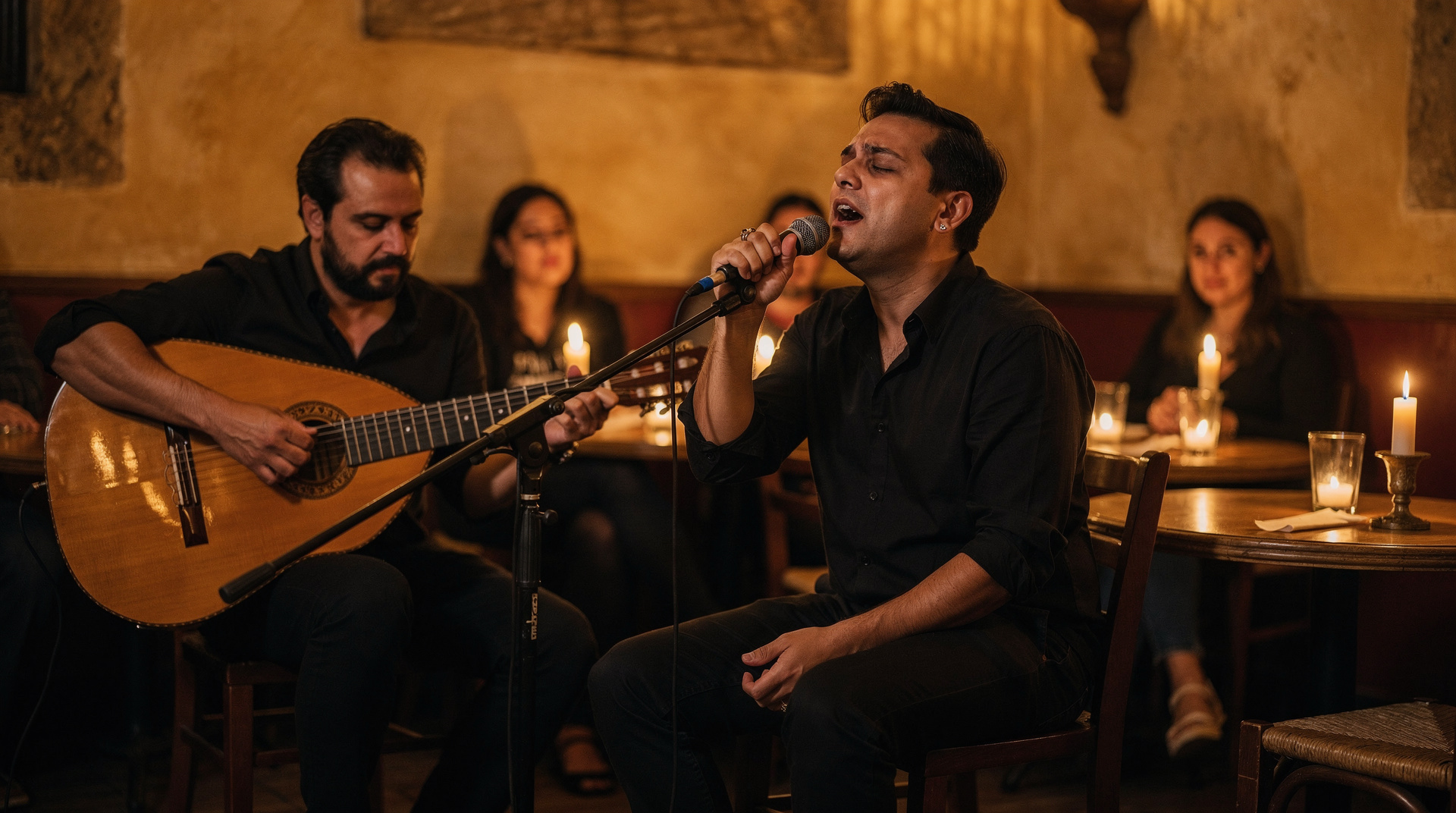
Fado is not background music. At its best, it is an event — a moment in which a single voice and two instruments create an emotional intensity that the Portuguese describe with the word saudade: a longing for something absent, a melancholy that is also pleasurable, a sense of life’s losses and beauties experienced simultaneously.
Most international visitors to Portugal encounter fado in Lisbon, where the tradition has been most commercially developed and where UNESCO recognised it as Intangible Cultural Heritage in 2011. Porto’s fado tradition — fado portuense — is less internationally famous, less polished, and in the opinion of some Portuguese music historians more closely connected to the form’s working-class origins. Porto visitors who make the effort to find it tend to feel they have encountered something more unguarded than the Alfama restaurant shows.
This guide tells you what fado actually is, how Porto’s version differs from Lisbon’s, where to hear it honestly, and what to expect.
| Where | Bonfim (authentic), Vila Nova de Gaia (accessible), Ribeira (mixed) |
| Cost | €25–35 authentic house; €5–10 cover + dinner elsewhere |
| Start time | Typically 9:30–10pm |
| Booking | Essential for Casa da Mariquinhas; ticketed for cellar shows |
| Best night | São João (23–24 June) for free, public fado |
The origins of fado
Fado’s origins are disputed among musicologists. The most widely accepted account places its emergence in Lisbon in the first half of the 19th century, in the working-class neighbourhoods of the Mouraria and Alfama, among populations that included sailors, dockworkers, Moorish-descended communities, and African-influenced musical traditions from Brazil. The Portuguese guitar — the guitarra portuguesa, a 12-string instrument with a bright, complex tone — and the viola baixo (a bass guitar adapted from Spanish models) provide the characteristic accompaniment.
Porto’s fado developed somewhat separately, more closely connected to the working-class waterfront and Bonfim communities than to the Lisbon tradition. Porto fado has been associated since at least the mid-19th century with a more narrative, theatrical approach — the desgarradas (improvised contests of wit and wordplay) and the mourarias (urban ballads) of northern Portugal are part of the Porto tradition in ways they are not in Lisbon.
The mid-20th century was a complicated period for fado. The Estado Novo dictatorship (1933–1974) promoted fado as a form of cultural nationalism — the moody, introspective music of a Portuguese temperament that was naturally suited to an authoritarian order. This association made fado politically suspect in the years after the 1974 Carnation Revolution; it was considered tainted by association. The revival of fado as a living musical tradition (rather than a nostalgia industry) took hold in the 1990s and 2000s, with musicians like Mariza, Ana Moura, and Camané bringing contemporary audiences to a form that had seemed in danger of becoming museum-piece folklore.
Fado portuense vs Lisbon fado: the honest comparison
If you have heard fado in Lisbon — at a Mouraria restaurant show or an Alfama casa de fado — Porto’s version will feel different in several ways.
Vocal style: Lisbon fado at its finest is ornate, technically demanding, emotionally controlled — the voice is an instrument being played with great precision. Porto fado tends toward directness: less ornamentation, more rawness, an emotional quality that is closer to street singing than to conservatory performance. This is not a deficiency — many fado enthusiasts prefer the Porto style precisely for its unmediated quality.
Repertoire: Lisbon fado has a vast standardised repertoire; Porto fado relies more heavily on local poets and song traditions less known outside northern Portugal. Some of the most moving Porto performances draw on texts by Antero de Quental, Eugénio de Andrade, or Sophia de Mello Breyner Andresen — northern Portuguese literary figures whose poetry carries specific regional resonances.
Setting: The classic Lisbon fado setting is the old-fashioned restaurant (tablecloths, candles, fixed-price menus) in a designated tourist neighbourhood. Porto’s best fado venues tend to be more informal — neighbourhood restaurants or cultural centres — with a more local audience mix and less theatrical staging.
Cost: Porto fado is cheaper. A Lisbon fado house dinner in Alfama costs €40 to 60 per person for a fixed menu with the show included. Porto fado nights are typically dinner at normal restaurant prices (€20 to 30 per person) with no additional cover charge, or a modest cover charge (€5 to 10) at cultural centre performances.
Where to hear fado in Porto: the honest ranking
Casa da Mariquinhas — the authentic choice
Casa da Mariquinhas, in the Bonfim neighbourhood (Rua de São Sebastião), is the venue most consistently recommended by Porto music journalists and serious fado listeners for authentic fado portuense. The house runs regular fado nights — typically Thursday through Saturday evenings — in a setting that is deliberately domestic rather than theatrical: simple decor, shared tables, a menu of honest northern Portuguese food.
The performers at Casa da Mariquinhas are embedded in the local fado tradition rather than performing a tourist-facing product. The audience on a typical Friday night is majority Portuguese, including a significant proportion of local regulars who come specifically for the music. This is the significant difference from the Lisbon model, where the audience is predominantly international.
Reservations are essential; the space is small and books out ahead of weekends. No specific ticket is available through mainstream tour platforms — book directly by phone or email. A full evening here (dinner, wine, fado performance) costs approximately €25 to 35 per person.
Cálem Cellar — the accessible introduction
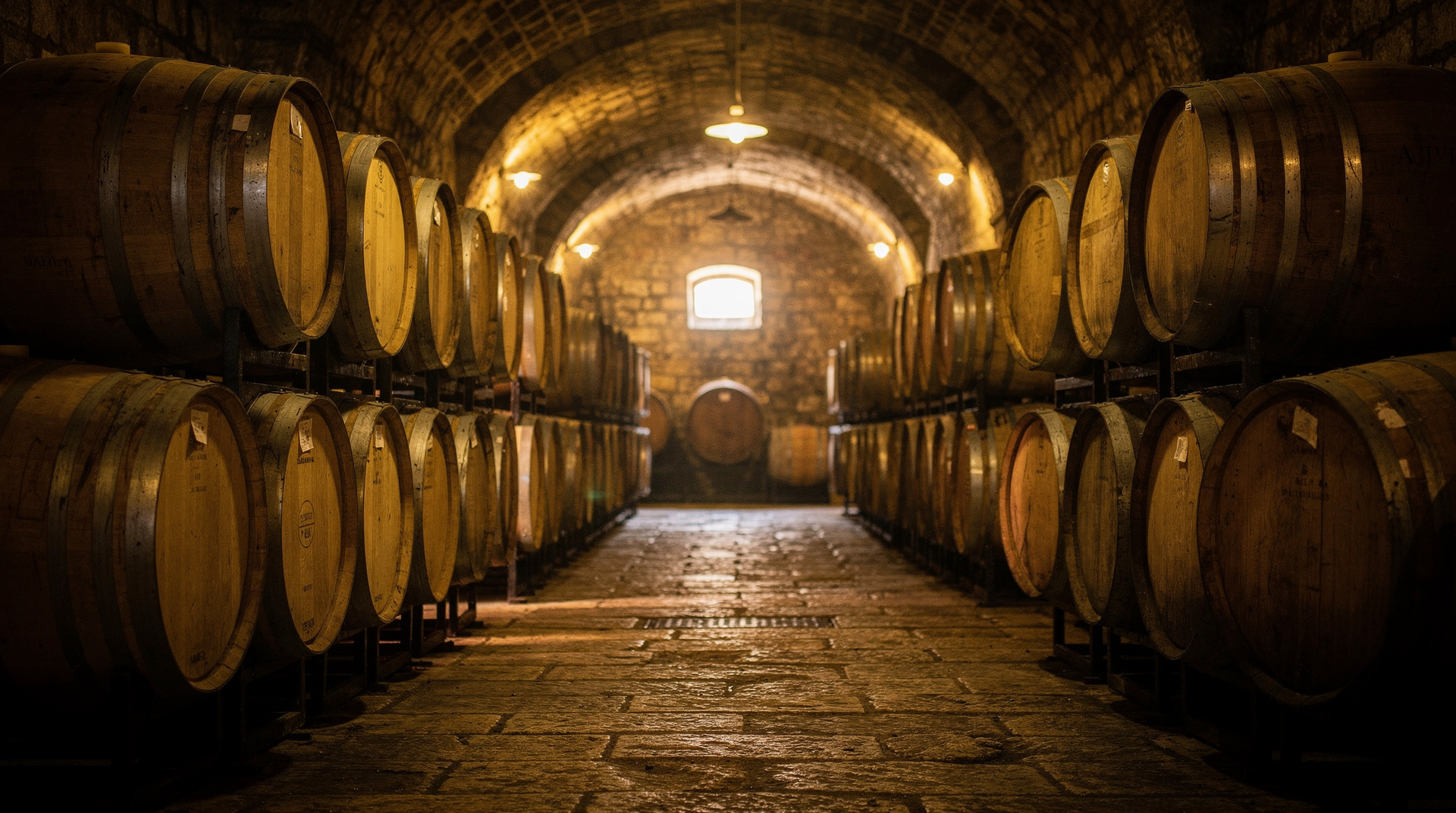
The Cálem Cellar in Vila Nova de Gaia offers a 30-minute fado show as part of its combined cellar-visit-and-tasting package. The experience is clearly structured for international visitors: it is ticketed, time-slotted, and polished in a way that Casa da Mariquinhas is not.
What Cálem offers is genuine in its way. The musicians are professional, the barrel cellar has excellent acoustics and real atmosphere, and the combination of port wine and fado is culturally coherent (both are traditions of northern Portugal, both carry that quality of melancholic pleasure). The songs chosen tend toward the accessible end of the fado repertoire — dramatic and emotionally legible without requiring familiarity with the tradition.
The limitation is predictability. Cálem is optimised for volume — multiple shows daily, rotating groups. If you want a living fado house rather than a well-produced cultural experience, go elsewhere. But as an introduction to fado combined with the port wine tradition, it is the most reliable single package in Porto. Book the Cálem fado and tasting if this is your first exposure to fado and you want to combine it with port wine.
Fonseca Cellar fado dinner
The Fonseca Cellar in Gaia, a smaller lodge than Cálem in the Fladgate Partnership portfolio, offers a fado and dinner combination that tends toward a more intimate atmosphere than Cálem’s scheduled group shows. The format — dinner in the lodge restaurant, followed by a fado performance in the cellar — is well-suited to couples or small groups who want the musical experience without the coach-group dynamics.
Restaurant O Fado and other Ribeira-area venues
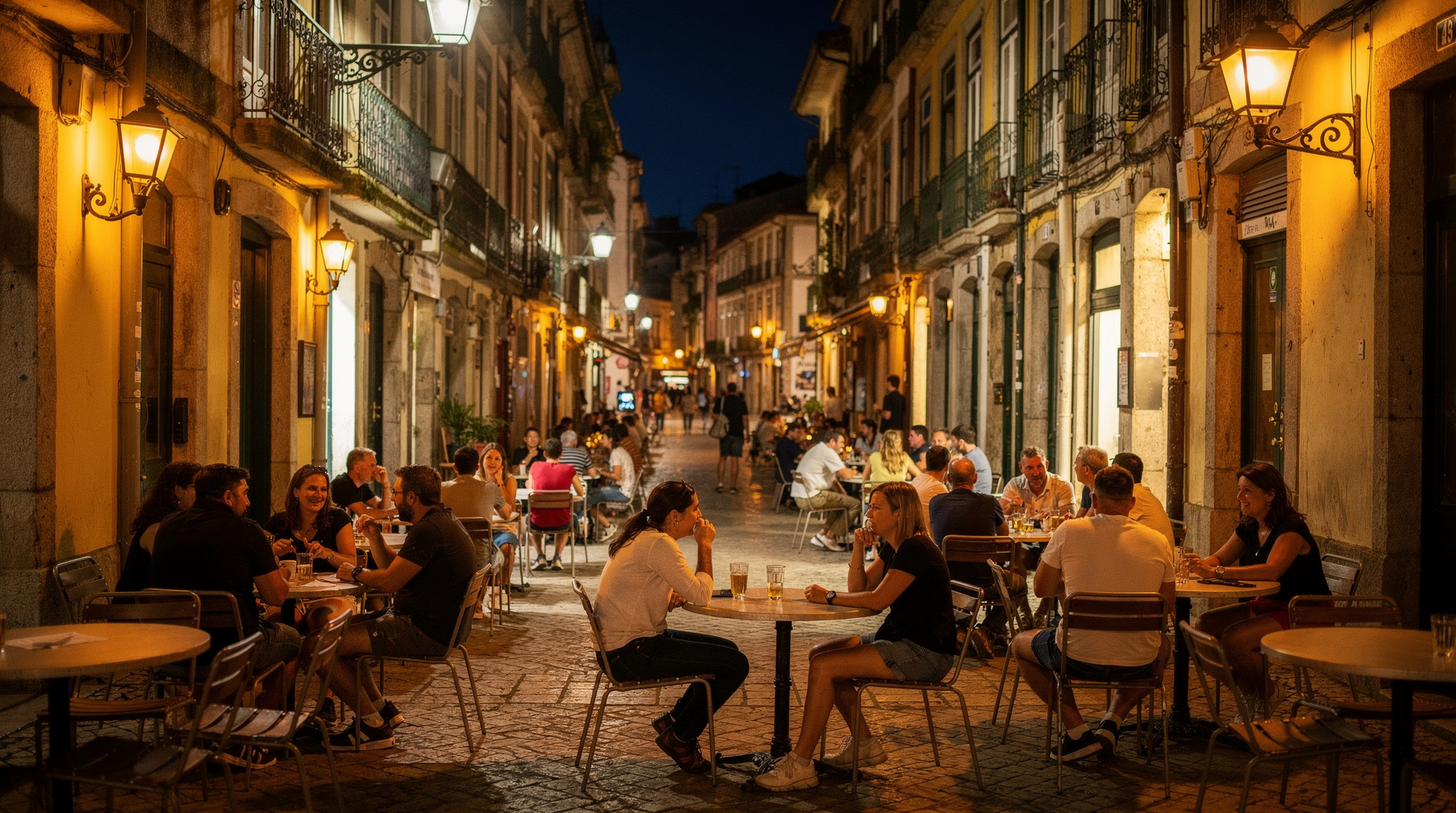
Several restaurants in and around the Ribeira waterfront advertise fado nights, particularly on weekends. These vary significantly in quality. A few — such as Restaurante O Fado (Rua de São João) — have maintained consistent standards and a genuine connection to the musical tradition. Many others use fado as a marketing hook for tourist traffic without meaningful commitment to the tradition.
Before booking a fado dinner in the Ribeira area, ask specifically whether the performers are working fado musicians or whether the “fado” is a recorded playlist or a singer performing covers between courses. The distinction matters significantly.
A useful practical filter: genuinely committed fado venues usually list the specific fadista performing on a given night, sometimes with a short biography, rather than advertising “live fado” generically. If a venue’s website or booking page names no performer at all, treat that as a mild warning sign and verify before committing your evening to it.
The fado walking tour with a performance
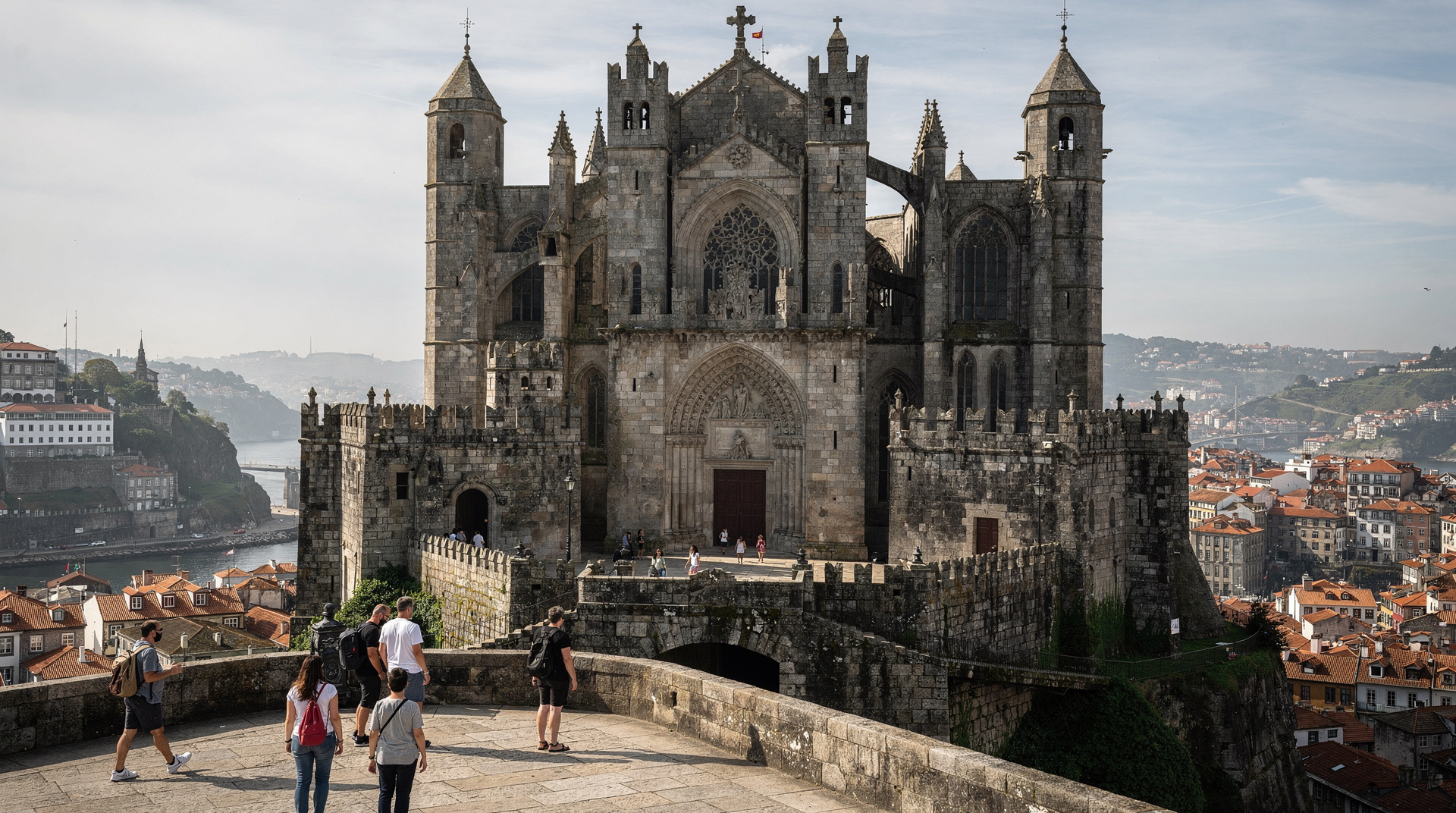
For visitors who want context alongside the performance, the fado walking tour combines a walking introduction to the historic centre — covering the neighbourhoods associated with fado history — with a live fado performance at a casa de fado. This is a structured way to understand the musical tradition in its urban context before hearing it performed.
The tour version of the fado experience sacrifices some authenticity (you are in a tourist-configured group) but gains context that an unguided visit to an unfamiliar venue does not provide.
What to expect at a fado performance
Fado performances typically begin late — 9:30 pm to 10 pm at dedicated houses, sometimes later in informal settings. This is consistent with the Portuguese dinner schedule (main dinner from 8 pm, late evening being the natural time for music).
A standard fado set includes three to five songs, each lasting 3 to 6 minutes, alternating between different fadistas (fado singers) where the house has a rotating roster. Between songs, silence is expected — conversation during a fado performance is bad etiquette. Most houses observe a quiet convention, which is one of the more disorienting experiences for visitors accustomed to background music in restaurant settings.
The moment when a particularly expressive passage produces silence followed by murmured appreciation from the audience is the real fado experience — the moment when the music makes its full demand on attention. Not every performance achieves this; when it does, it is memorable.
Listening before you go
Arriving with a little familiarity with fado’s sound sharpens the experience considerably. Lisbon-based artists like Amália Rodrigues (the tradition’s most iconic voice), Mariza, and Camané are the easiest entry points and widely available on streaming platforms — they establish the emotional register and vocal style before you hear it live. For a specifically Porto reference, seek out recordings connected to the fado portuense revival of the 2000s, though these are less internationally distributed than the Lisbon catalogue. Fifteen or twenty minutes of listening beforehand is enough to notice the difference between a polished Lisbon-style performance and the rawer Porto version when you hear both in person.
Saudade: understanding the central concept
Saudade is the Portuguese word most often cited as untranslatable. It refers to a melancholic longing for something absent — a person, a place, a past time — combined with an awareness that the longing itself is pleasurable, that to feel loss so deeply is a kind of richness. The concept is present throughout Portuguese culture (in literature, architecture, the Catholic tradition of suffering) but finds its most direct musical expression in fado.
Fado lyrics typically deal with lost love, the sea, exile, death, the passage of time, and the impossible desire to recover what is gone. These are not cheerful subjects, but fado performs the paradox: to hear these subjects treated with full musical weight is to feel more alive rather than more depressed. The audience at a fado house leaves feeling something — which is more than can be said for most forms of musical entertainment.
Fado and São João: the most fado night of the year
The São João festival (23–24 June) is Porto’s most important annual celebration — the feast of St John the Baptist, celebrated city-wide with fireworks, street parties, sardine grilling, and the peculiar tradition of hitting strangers on the head with plastic hammers or garlic flowers. Fado is one of the musical forms performed throughout the night alongside folk music and contemporary music.
If your visit coincides with São João, fado performances occur in squares, on temporary stages, and in cultural centres across the city. It is the one night when fado can be heard in genuinely public, largely free settings. The festival also represents the peak of Porto’s party calendar; book accommodation months in advance.
Comparing your fado options
| Venue type | Authenticity | Cost | Booking |
|---|---|---|---|
| Casa da Mariquinhas (Bonfim) | Highest | €25–35 | Direct, essential ahead of weekends |
| Cálem or Fonseca cellar (Gaia) | Structured/touristic | Included in tasting package, ~€20–35 | Ticketed via GetYourGuide |
| Ribeira restaurant fado nights | Variable | €20–30 (dinner) | Usually walk-in, verify live musicians first |
| Fado walking tour + performance | Guided, contextual | Tour price | Ticketed |
| São João street fado | Public, spontaneous | Free | None — just show up |
Fado and Porto’s wider evening scene
A fado evening pairs naturally with the rest of Porto’s after-dark culture, and where you place it in your trip matters. If you’re staying in or near Vila Nova de Gaia, a cellar fado-and-tasting show is a low-friction option that doesn’t require crossing the river again after dinner. If you’re based in the historic centre or Bonfim, Casa da Mariquinhas is a short taxi or walk and pairs well with a quieter, more local evening. For a full night out that includes fado as one stop among several, the Porto nightlife guide covers how to sequence a fado house with bars and later options without the evening feeling disjointed.
Couples building a romantic 3-day itinerary often find fado is the single most memorable evening of the trip — more so than a formal dinner — precisely because it isn’t a polished, generic “romantic” experience but something specifically Portuguese.
Frequently asked questions about fado in Porto
What is fado portuense (Porto fado)?
The Porto variant of the fado tradition — rawer, more narrative, more directly emotional than the refined Lisbon style, with roots in the city’s working-class waterfront and Bonfim neighbourhood communities.
What is the difference between Porto fado and Lisbon fado?
Lisbon fado is polished, ornamented, and internationally famous. Porto fado is rougher, cheaper, more locally rooted, and in the opinion of many enthusiasts closer to the form’s origins.
Where is the most authentic fado in Porto?
Casa da Mariquinhas in Bonfim — book directly, attend on a Thursday or Friday night, expect a majority local audience.
Can I hear fado for free in Porto?
Occasionally — during São João (23–24 June) or at cultural centre events. Not reliably — do not base your fado plan on finding a spontaneous free performance.
Is the Cálem Cellar fado show authentic?
Professional and enjoyable, but configured for international tourists rather than as an authentic casa de fado experience. Good as an introduction combined with port wine tasting.
Do I need to speak Portuguese to enjoy fado?
No. Fado communicates through vocal expressivity as much as through lyrics. Many houses provide song translations.
What should I eat at a fado house in Porto?
Northern Portuguese food — bacalhau preparations, dobrada (tripe), carne de porco à alentejana. Budget €18 to 28 per person for dinner with a drink.
Frequently asked questions — Fado in Porto — the honest guide to Porto vs Lisbon fado and where to hear it
What is fado portuense (Porto fado)?
Fado portuense is the Porto variant of the fado tradition, distinct from the Lisbon style (fado de Lisboa) in several ways. Porto fado tends to be more narrative and theatrical in structure, with a stronger connection to street balladry and working-class urban life. The guitar accompaniment typically uses a Portuguese guitar (guitarra portuguesa) and a viola baixo, but the Porto style of vocalisation is rawer and less ornamented than the refined Lisbon style. Porto fado was prominent in the 19th and early 20th centuries and declined through the mid-20th century; it has seen a significant revival since the 2000s.What is the difference between Porto fado and Lisbon fado?
Lisbon fado (especially from the Mouraria and Alfama neighbourhoods) is the internationally recognised standard — smooth, polished, emotionally controlled, with ornate vocal technique. Porto fado is rougher, more directly emotional, and more connected to its working-class origins on the docks and in the Bonfim neighbourhood. Porto fado houses tend to be less formal, less expensive, and more willing to include spoken narrative between songs. Both styles share the concept of saudade — a melancholic longing for something absent — but express it differently.Where is the most authentic fado in Porto?
Casa da Mariquinhas in the Bonfim neighbourhood is widely regarded by local music journalists as the most authentically Porto fado experience available to visitors. The house has a relaxed atmosphere, a local rather than tourist audience, and performances that reflect the Porto tradition rather than the Lisbon-influenced polished show format. Booking in advance is strongly recommended.Can I hear fado for free in Porto?
Occasional free fado performances occur at cultural centres, during the São João festival (23–24 June), and in some restaurants that include a brief performance during dinner without a cover charge. These are genuinely unpredictable and should not be relied upon as a primary plan. Some bars in the Galerias de Paris area occasionally host informal fado sessions; enquire locally or check current listings on Agenda Cultural Porto.Is the Cálem Cellar fado show authentic?
The Cálem Cellar experience in Vila Nova de Gaia is professional and enjoyable but should not be presented as an authentic fado-house experience. The musicians are professional performers; the setting (a historic wine cellar) is atmospheric; and the show is carefully structured for an international tourist audience. It is a reliable introduction to fado in combination with a port wine tasting, but it differs from attending an actual casa de fado in the city. Both have their place in a Porto visit.What should I eat at a fado house in Porto?
Traditional fado houses typically serve northern Portuguese food — bacalhau (salt cod) preparations, dobrada (tripe stew, Porto's signature dish), carne de porco à alentejana (pork with clams), and grilled meats. The food at dedicated casas de fado is usually honest home-cooking rather than restaurant cuisine; it is part of the experience rather than a culinary destination in itself. Budget approximately €18 to 28 per person for dinner with a drink at a mid-range fado house.Do I need to speak Portuguese to enjoy a fado performance?
No. Fado's emotional communication operates substantially through the voice itself — the tone, dynamics, and expressivity of the singer — rather than exclusively through the lyrical content. Many fado houses provide printed translations of the songs being performed. Even without understanding the words, a skilled fado performance communicates its emotional content to listeners of any language.
Top experiences
Bookable activities with verified prices and instant confirmation on GetYourGuide.