Best quintas to visit in the Douro Valley — honest ranking
Pinhão: Pinhao Quinta do Bomfim Visit and Tasting
Which quintas in the Douro Valley are worth visiting?
Quinta do Bomfim (walkable from Pinhão, excellent Dow's port range), Quinta do Crasto (top-tier Douro reds, beautiful terrace), Quinta Nova (hotel and restaurant, most complete visitor experience), and Quinta do Tedo (intimate, wine-serious, small groups) are the strongest visitor experiences. Quinta do Vesúvio is worth the effort for serious port enthusiasts. Avoid any quinta described as a 'typical quinta' in generic tour brochures.
What makes a quinta visit genuinely worthwhile
The Douro Valley has hundreds of quintas. Approximately fifty of them operate some form of visitor programme. Perhaps a dozen of those deliver an experience that a discerning traveller would rate as genuinely excellent rather than merely adequate.
The distinction matters because a mediocre quinta visit — standardised tour, three unremarkable wines poured quickly, no real engagement with the place — is a significant investment of time and transport in a region that is not easily accessible. The criteria for a good quinta visit are: wine quality, the quality of the guide or host, the physical setting, and the depth of access to the production process.
This ranking covers the quintas that consistently score well across those criteria, with honest notes on who each one suits and how to reach it.
| Where | Douro Valley, 1.5–2.5 hours from Porto by car or train |
| Cost | Around €12–35 per person for a standard visit and tasting |
| Time needed | Half a day for one quinta, a full day for two |
| Getting there | Train to Pinhão/Régua plus taxi, or a car/tour from Porto |
| Best time | May–June for landscape, September for harvest atmosphere |
Tier one — the quintas worth making the effort for
Quinta do Bomfim (Dow’s — Symington Family Estates)
Location: 15 minutes on foot from Pinhão station Entry: Approximately €12–20 depending on tasting format
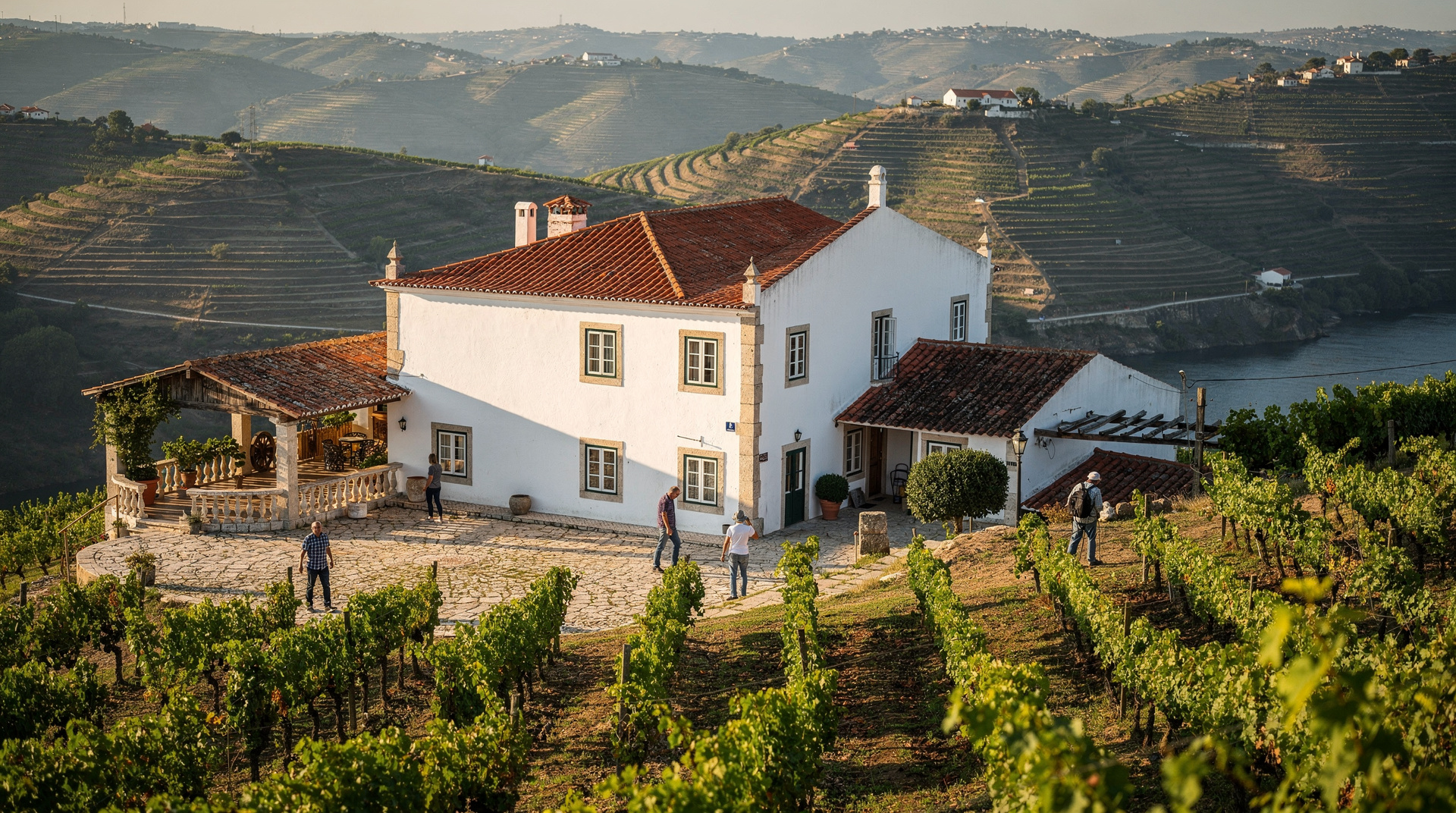
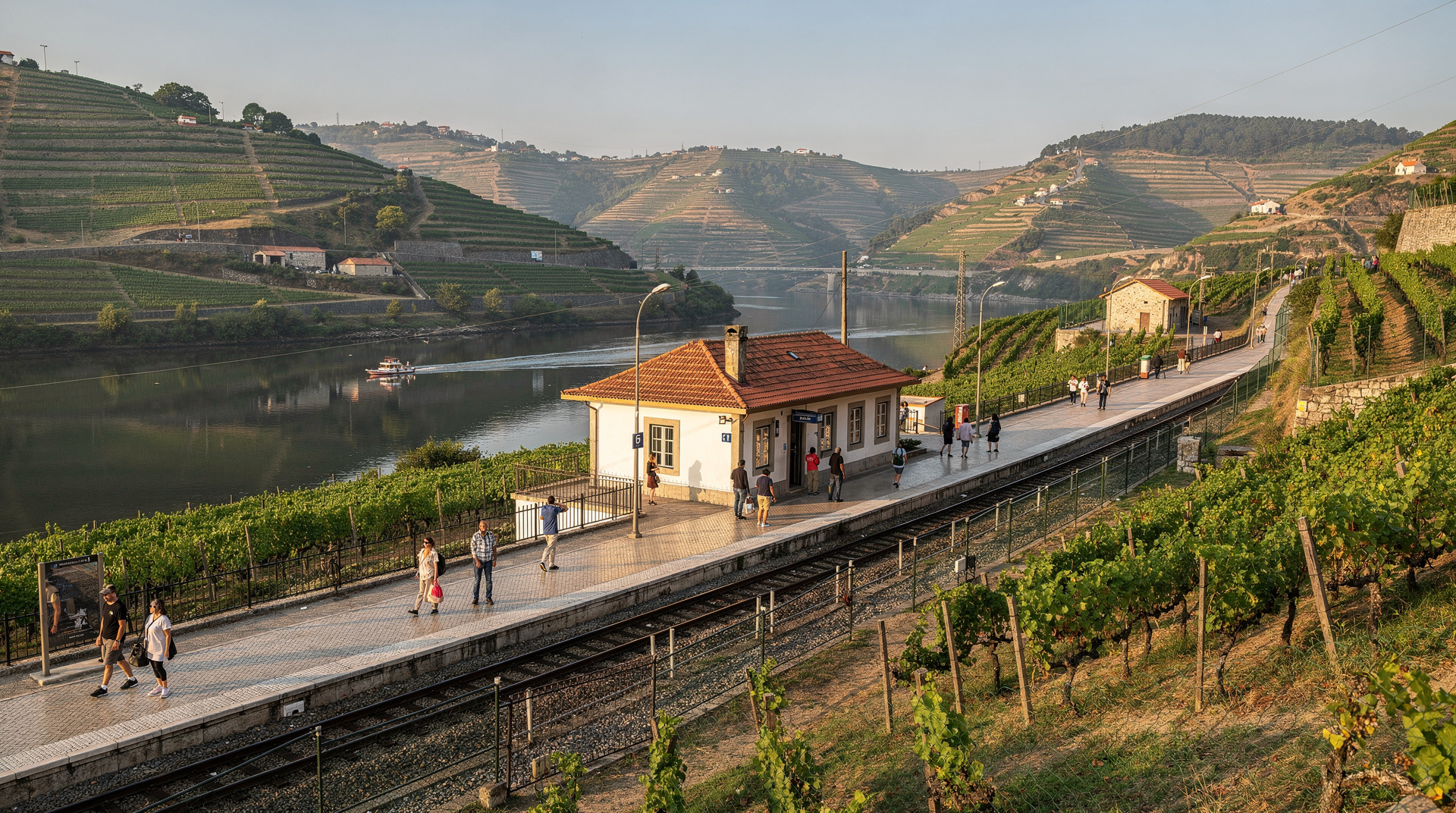
Quinta do Bomfim is the most accessible major quinta in the valley — the only one that can be reached on foot from Pinhão station without pre-booking a taxi. It is owned by the Symington family, which also controls Graham’s, Warre’s, and Cockburn’s, and produces the Dow’s port range along with several well-regarded Douro table wines under the Quinta do Bomfim label.
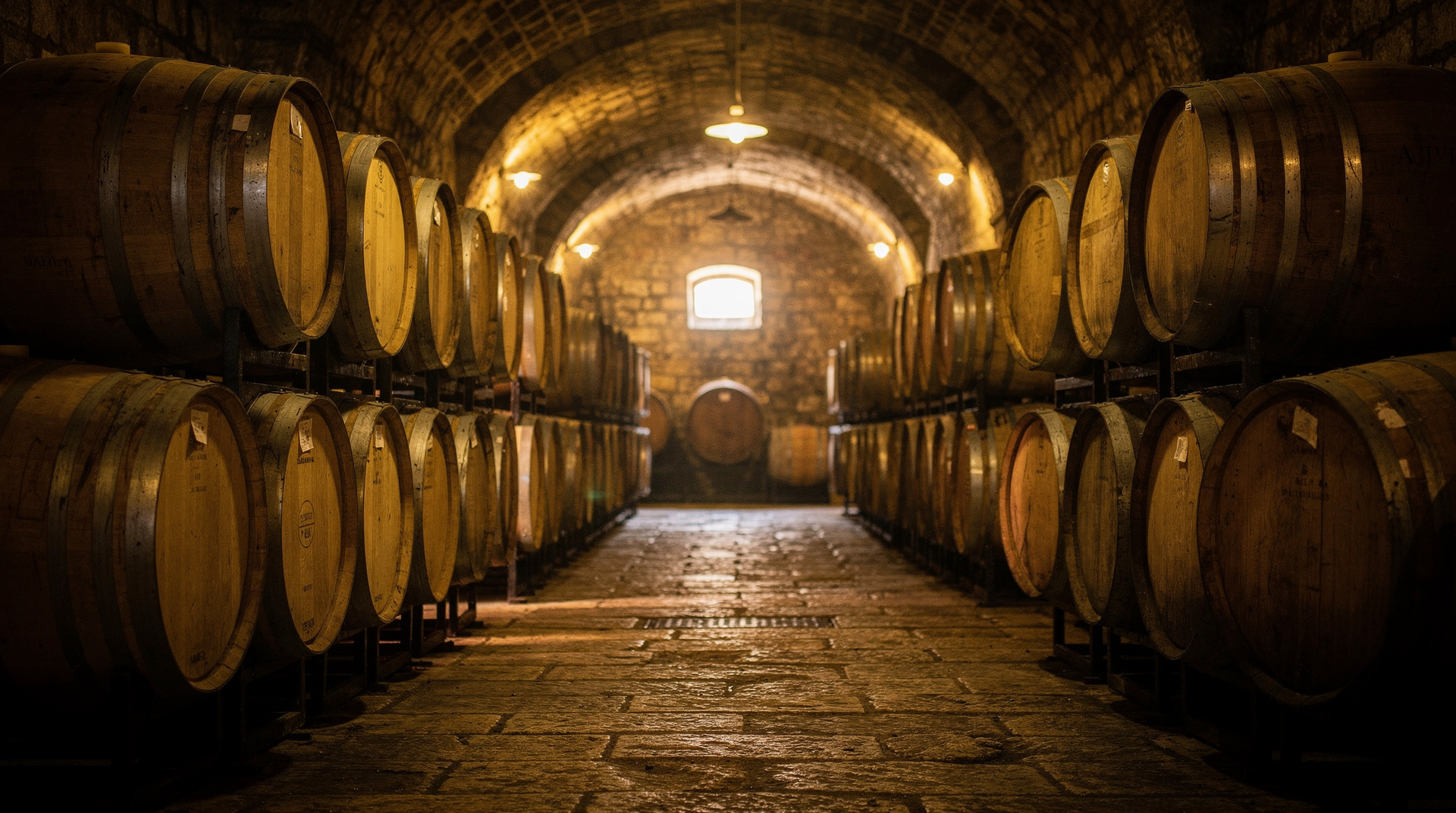
The visitor programme is well-developed: a guided vineyard walk covers the old terraces above the quinta buildings, the winery visit explains the fermentation and storage process, and the tasting room offers a range from entry-level ruby through to aged tawnies and vintage port expressions.
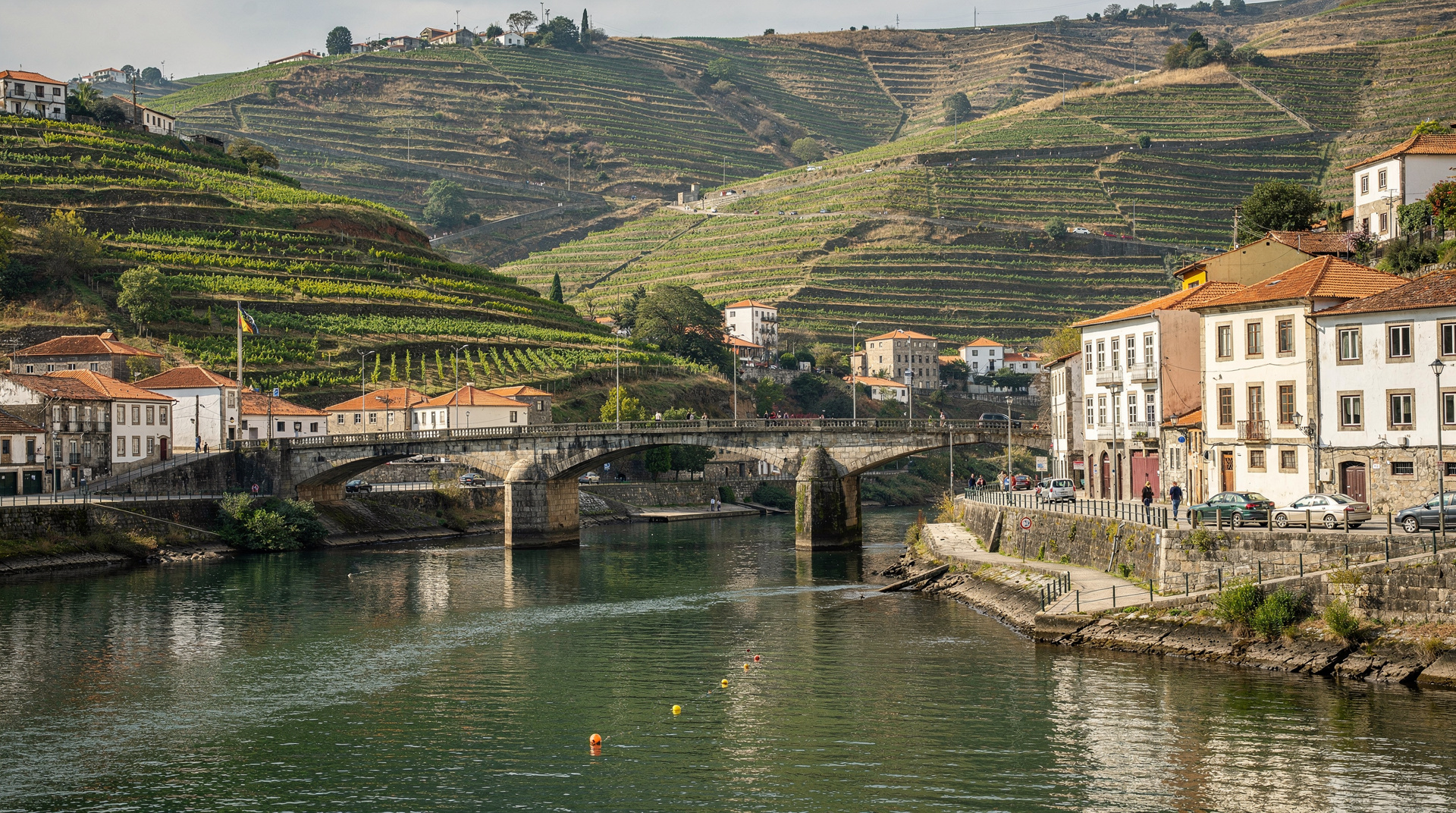
Why it’s recommended: The view from the Bomfim upper terrace — looking down over the Pinhão river confluence and the Douro horseshoe bend — is excellent. The wine quality is consistently strong. The walkability from Pinhão makes it the natural first quinta for train-arrivers.
Book the Quinta do Bomfim visit and tasting on GetYourGuideQuinta do Crasto
Location: North bank of the Douro, approximately 25 km east of Régua Entry: Approximately €15–25 | Requires car or pre-booked taxi
Quinta do Crasto is the most respected Douro wine estate for table wine production in the valley — the Roquette family’s investment in single-vineyard wines and old-vine plots (some vines at Crasto are over 70 years old) has produced wines that receive consistent international recognition. The Crasto Reserva and the single-vineyard Vinha da Ponte are considered among Portugal’s best reds.
For port wine enthusiasts, Crasto also produces an LBV and vintage port that are among the most acclaimed in the valley, particularly from exceptional years.
The quinta setting is beautiful — the 17th-century manor house with an infinity pool looking over the Douro, vineyards on three sides, and well-maintained grounds. The visitor programme includes a vineyard walk, winery tour, and a structured tasting that covers both the port and table wine ranges.
Honest note: Quinta do Crasto’s popularity among wine enthusiasts means it receives serious visitors who ask serious questions. The guides here are typically more knowledgeable than at the larger tourist-facing quintas. This is the best quinta for visitors who read wine publications and arrive with specific questions.
Quinta Nova
Location: North bank between Régua and Pinhão Entry: Visits included with accommodation or restaurant; external visitor programme available
Quinta Nova operates as one of the valley’s most complete wine tourism properties: a boutique hotel (12 rooms), a restaurant serving regional cuisine with estate wine pairings, a spa, and a comprehensive vineyard and winery visitor programme. It is a Baroque manor house from the 18th century owned by the Amorim family, who also control the cork producer Corticeira Amorim.
The Quinta Nova reserve tasting experience covers the estate’s premium port and Douro wine range in a formal tasting format with a sommelier. The wine quality is high across both port (premium aged tawnies and LBV) and Douro table wines (the Quinta Nova Reserve is particularly good).
Best for: Visitors who want a complete quinta experience with accommodation, dining, and wine without combining multiple properties. Also the most accessible premium quinta experience for visitors without a car who want to stay in the valley.
Quinta do Tedo
Location: Sabrosa municipality, above Pinhão Entry: Small-group bookings only, approximately €20–30
Quinta do Tedo is one of the valley’s genuinely special small quintas — family-owned by Vincent and Sarah Bouchard, producing Douro whites and reds of real quality alongside a traditional LBV. The visit format is deliberately intimate: small groups only (no more than 12–15 people), hosted by the family or winemaker, with the kind of personalised engagement that is impossible at larger visitor-oriented estates.
Book the Quinta do Tedo tasting experience on GetYourGuideWho it’s for: Wine enthusiasts who want genuine engagement rather than a tourist programme. Visitors who have already done Bomfim or Crasto and want a more characterful, intimate experience. Groups of four to eight who can share transport costs for what requires a car to reach.
Croft Quinta da Roeda
Location: Near Pinhão Entry: Approximately €15–20
Croft is one of the oldest port houses (established 1678) and Quinta da Roeda is their primary Douro estate. The visit covers the quinta’s rose garden (Croft famously markets its rosé port, and the garden reflects this aesthetic focus) alongside a more serious winery tour and tasting of the Croft premium range — LBV, 10-year tawny, and the excellent white port expressions.
Book the Croft Quinta da Roeda visit on GetYourGuideHonest note: Croft is owned by the Fladgate Partnership (Taylor’s family), which means the quality standard is consistent with the top tier. The visit is less theatrical than Bomfim or Nova but more wine-serious than some of the standard tourist estates.
Tier two — solid experiences with specific appeal
Quinta de la Rosa
Location: Pinhão-adjacent, north bank Entry: Approximately €12–20 | Guesthouse accommodation available
A long-standing family quinta (the Bergqvist family have owned it since 1906) with a loyal following among port enthusiasts. The La Rosa port and Douro table wine ranges are consistently well-made. The quinta also operates a guesthouse, making it a practical accommodation option for visits combining overnight stays with daytime quinta touring.
Quinta do Vesúvio
Location: Távora-Varosa sub-region, east of Pinhão Entry: By appointment only | Approximately €20–35
Quinta do Vesúvio is one of the most celebrated addresses in port wine — the Symington family estate that produces Vesúvio vintage port, declared in almost every year since 1989 and rated among the finest in the Douro. The quinta is also the largest single-quinta property in the upper Douro, with 130 hectares of vines in one of the remotest sections of the valley.
The visit is by appointment only and requires a car (or a very expensive taxi from Pinhão). The estate does not operate a walk-in tourist programme. But for serious port wine enthusiasts who want to visit the source of one of the benchmark single-quinta vintage ports, the effort is worth it.
Quinta do Noval
Location: Above Pinhão, Cima Corgo sub-region Entry: By appointment, small groups
Quinta do Noval owns both a Gaia lodge (for the commercial port range) and the Douro estate, which includes the famous Nacional vineyard — pre-phylloxera vines that survived on their original rootstock, producing a Noval Nacional vintage port that is one of the rarest and most sought-after wines in the world. Tastings of Nacional are extremely rare.
The quinta’s standard range (Noval 10-year, 20-year, LBV) is consistently excellent and available through the Gaia lodge visit without going to the Douro. The estate visit is for committed enthusiasts.
Most quintas receive by appointment and close to walk-ins entirely at harvest, so the number of estates a day can include is fixed before you leave Porto: a Douro Valley tour with two wineries, lunch and a cruise books both visits rather than hoping for a second.
Quintas to skip or approach cautiously
“Typical quinta” in tour brochures: This phrase usually indicates a tourist-facing property that processes large groups efficiently without offering genuine wine depth. If a tour description says “visit to a typical quinta” without naming the property, it is a flag that the quinta was selected for logistics rather than quality.
Single-quinta tours at high prices: Any tour charging over €90 that visits only one quinta and offers a 30-minute boat ride as the river element is overpriced. The is the Douro Valley tour worth it guide covers the red flags in detail.
Quintas with no advance booking and walk-in only during harvest season: The genuine quality quintas all manage visitor numbers through booking. An estate operating purely on walk-in basis in September is either very large (implying a mass-tourism orientation) or not managing its visitor programme professionally.
Best season to visit, at a glance
| Season | Landscape | Crowds | Notes |
|---|---|---|---|
| Spring (May–June) | Lush green terraces, wildflowers | Moderate | Best light, comfortable temperatures |
| Summer (Jul–Aug) | Dry, golden hillsides | Highest | Heat can exceed 35°C; book well ahead |
| Harvest (mid-Sep–Oct) | Working farm, pickers on the slopes | High | Most visceral experience; book 3–4 months out |
| Winter (Nov–Apr) | Bare vines, quiet valley | Lowest | Easiest booking, calmer visits, some closures |
Getting to the quintas from Porto
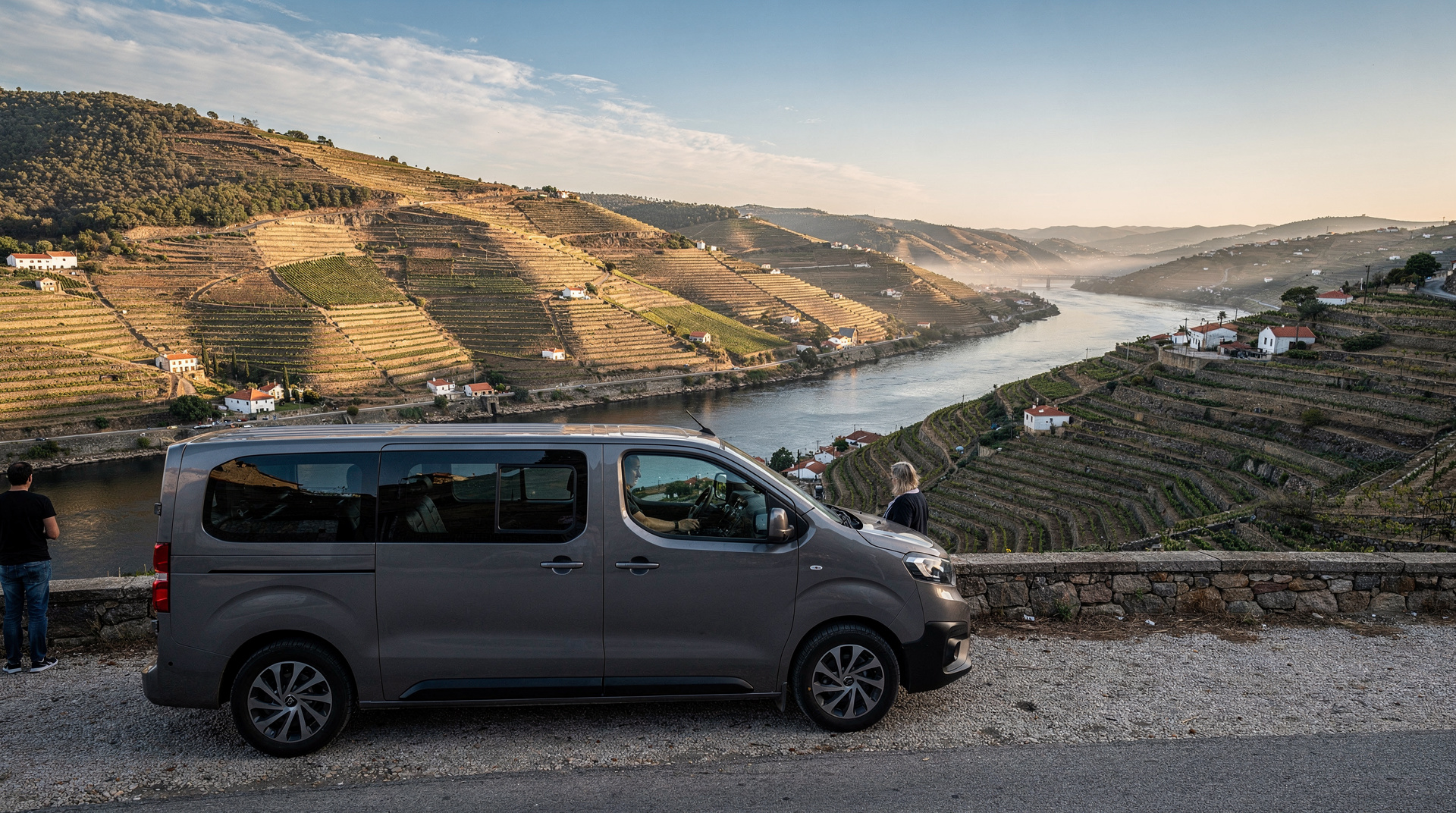
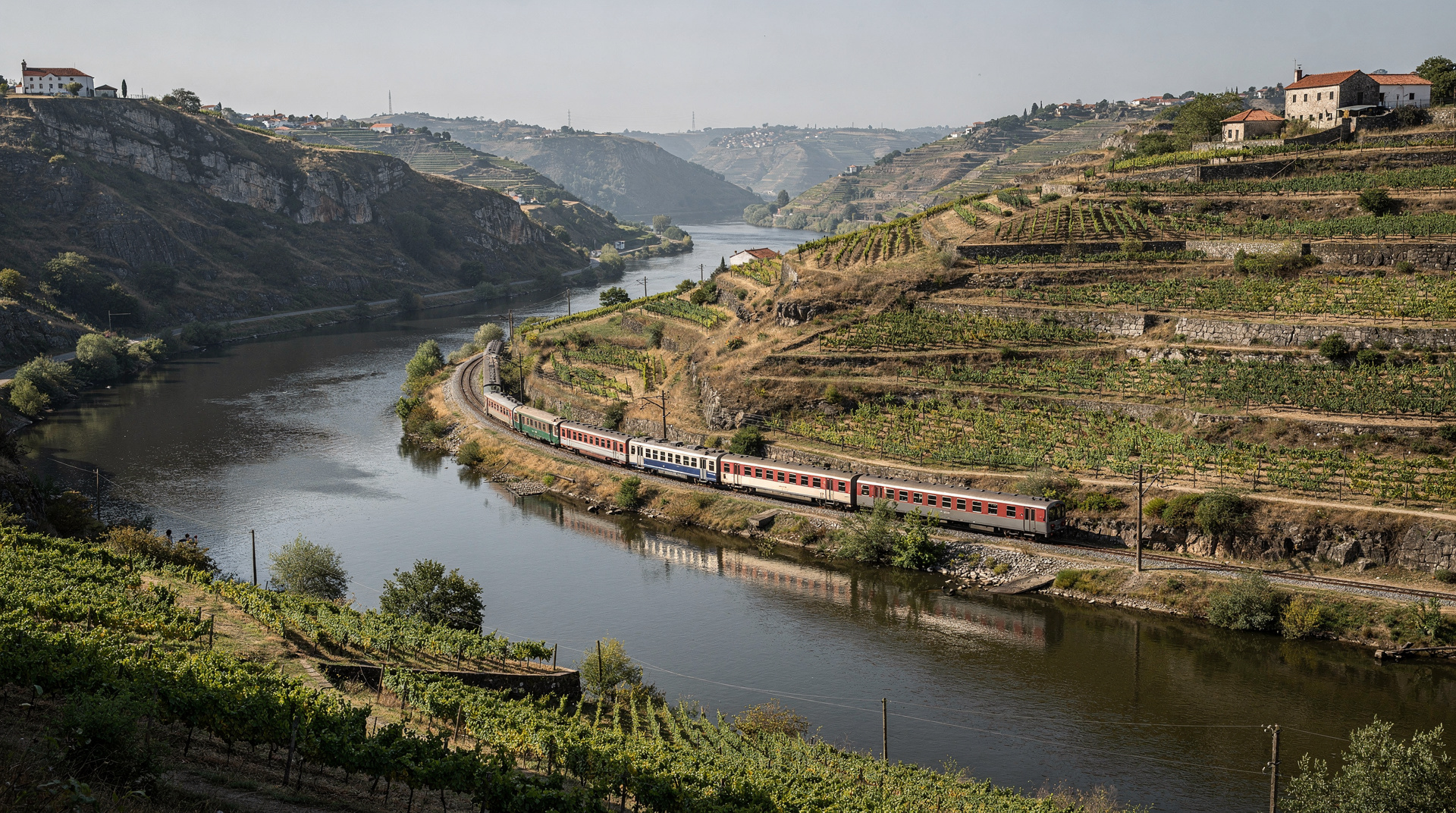
Most visitors reach the Douro Valley one of two ways: driving (roughly 1.5–2 hours to Pinhão or Régua on the A4), or taking the train from São Bento or Campanhã, which follows the river for much of the scenic route from Peso da Régua to Pinhão. The train vs car vs tour guide breaks down the trade-offs in detail — in short, the train is the better choice if you’re focused on a single walkable quinta like Bomfim, while a car or organised tour is close to essential for the tier-two and appointment-only estates. Basing yourself in Pinhão for a night or two, rather than day-tripping from Porto, gives you time for more than one quinta without a rushed schedule — see the where to stay in the Douro Valley guide for area-by-area advice, and the Douro wine lovers 4-day itinerary for how quinta visits fit into a longer trip.
Pairing a quinta day with a river cruise
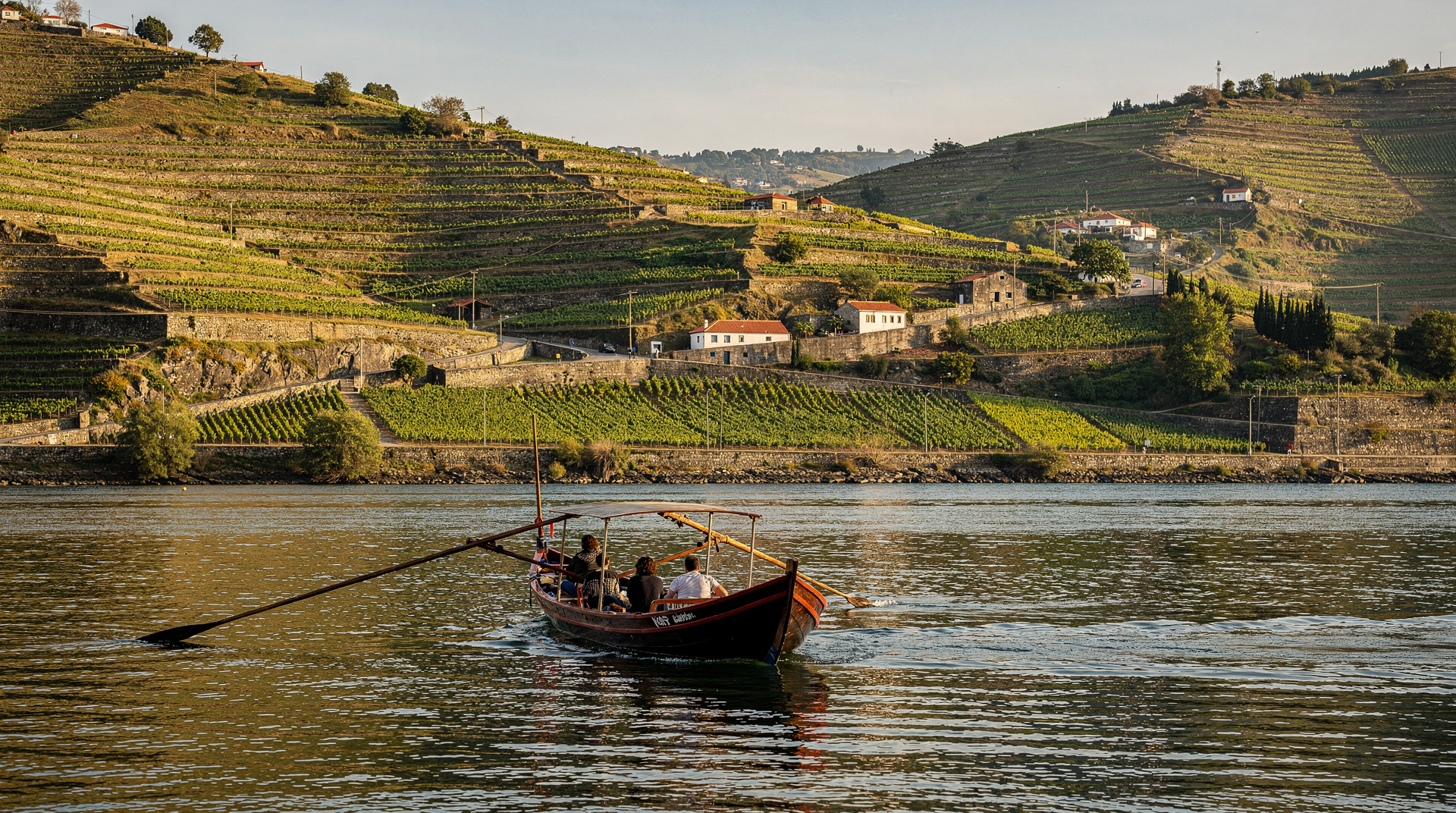
A short boat trip on the Douro complements a quinta visit well, giving you the river’s perspective on the terraced hillsides you’ve just walked through on foot. The Douro cruise from Pinhão is the most convenient option if you’re already based near the quintas, while the Douro river cruise from Porto suits a single long day that combines transport, a cruise and one quinta stop. Neither should be your only Douro activity if wine is the real draw — a cruise-only day trip sees the valley from the water but skips the vineyard walk and tasting that make a quinta visit worthwhile.
Practical quinta visit planning
Transport essentials: Most quintas require a car or pre-booked taxi to reach. The exceptions are Quinta do Bomfim (walkable from Pinhão) and Quinta da Foz (boat shuttle from Pinhão). Build transport costs into your quinta planning budget.
Booking lead times (2026):
- Peak season (July–August): 1–2 weeks minimum for popular estates
- Harvest season (September–October): 3–4 months minimum for premium small estates
- Low season (November–April): Often same-week or walk-in booking possible
Tasting fees: Most quintas charge €12–25 for a standard visit and tasting. Premium formats with the winemaker or estate manager run €30–50. Some quinta visits are included with accommodation (Quinta Nova, Quinta de la Rosa).
Combining with a hotel stay: Several tier-one and tier-two quintas — Quinta Nova and Quinta de la Rosa in particular — operate their own accommodation, which is worth considering if a single quinta is the centrepiece of your Douro visit rather than one stop among several. Staying on the estate means the vineyard walk, dinner and breakfast all happen without transport logistics, and evening light on the terraces after the day-trip crowds have left is one of the better reasons to spend a night in the valley rather than day-tripping from Porto.
Buying wines at the quinta: All quintas sell wines directly from estate shops. For limited-production vintage ports, single-quinta expressions, and older tawnies, buying at the source is often the only practical option outside of specialist wine merchants. Quinta shop prices are usually 10–20% below specialist retailer prices.
The vindima context — quintas during harvest
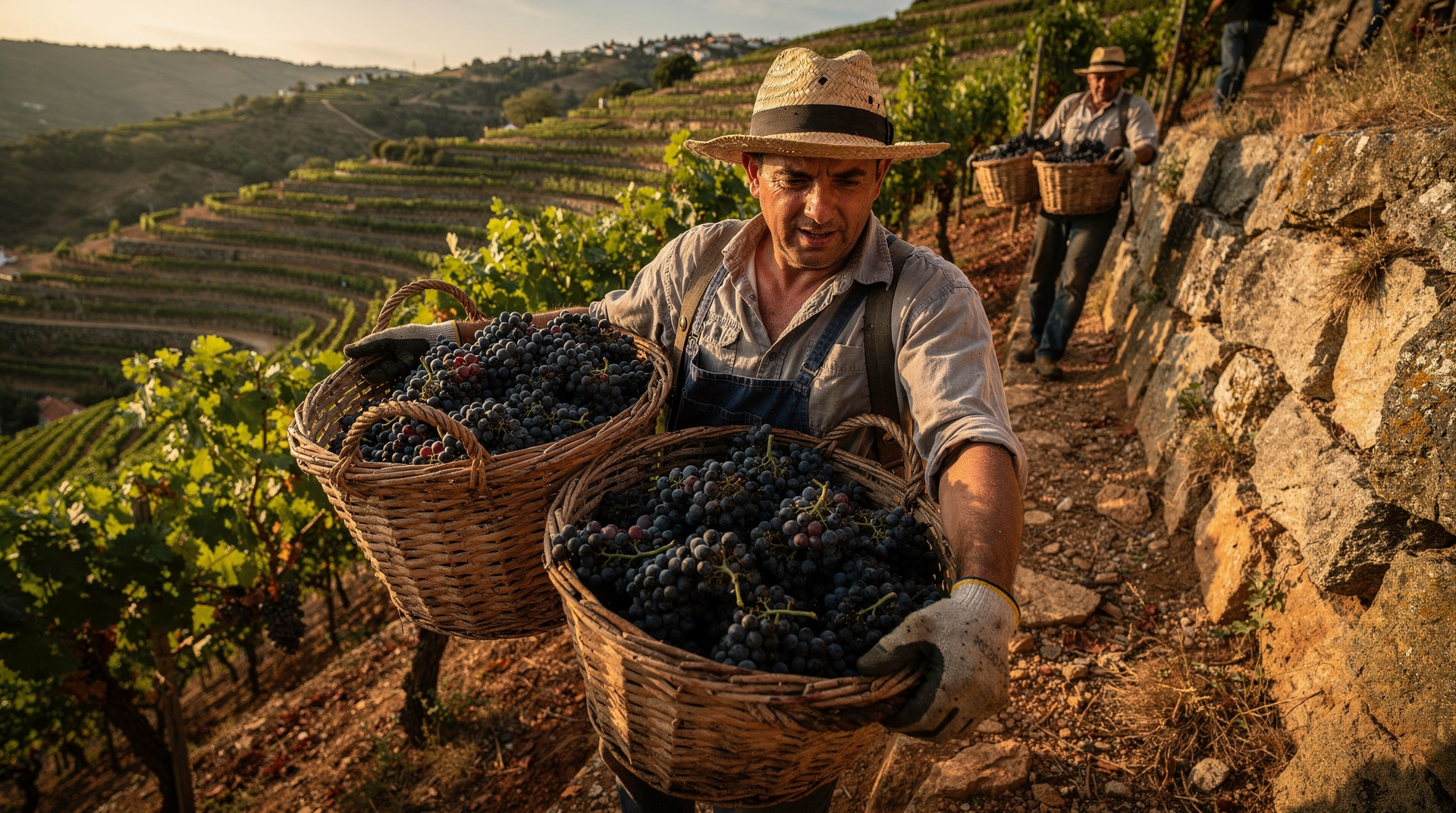
Visiting a quinta during the vindima harvest (mid-September to early October) gives a completely different experience from visiting at any other time. The quinta is a working farm in full activity: pickers on the slopes, tractors on the lanes, the adega running continuously as grapes are delivered, the smell of fermenting must throughout the property.
Some quintas offer harvest participation programmes — visitors can work a short stint picking or foot-treading grapes. The Douro harvest guide covers which quintas offer participation, how to book, and what the experience actually involves.
Frequently asked questions about Douro quintas
Do I need to know anything about wine to enjoy a quinta visit?
No prior knowledge is needed. The visitor programmes at all the quintas listed here are designed for a range of knowledge levels. Guides explain terminology and adjust their explanations based on visitor engagement. A curious non-wine drinker will get as much from the landscape and production process as a wine specialist gets from the tasting. The least wine-literate visitors often enjoy quinta visits more than they expect.
Is there an olive oil trail alongside the wine quintas?
Several Douro quintas produce estate olive oil alongside wine — the valley’s Mediterranean climate and schist soils are excellent for olive trees. Quinta Nova, Quinta do Crasto, and Quinta de Ventozelo all produce estate olive oil available for tasting and purchase. This is a good non-wine element for visits that include mixed-interest groups.
What is the best month to do a single quintessential Douro Valley quinta visit?
May and June for landscape quality (lush green vines, wildflowers on the terraces, comfortable temperatures). September for harvest atmosphere (vindima is the most visceral experience of Douro wine culture). October for autumn colours and harvest aftermath. July and August work but heat is a factor — some outdoor quinta activities are less pleasant in 35°C.
Can I contact quintas directly to arrange visits?
Yes — all the quintas mentioned here have websites and accept direct booking enquiries. Direct booking sometimes allows customised formats (specific wine request, specific timing) that standard tour booking platforms don’t. For smaller quintas like Quinta do Tedo or Quinta do Vesúvio, direct contact is often the only option since they don’t use major booking platforms.
Frequently asked questions — Best quintas to visit in the Douro Valley — honest ranking
What is a quinta in the Douro Valley?
A quinta (plural quintas) is a wine estate in the Douro Valley — a property that includes vineyards, typically a winery (adega) for fermentation, aging facilities, and often residential buildings. Most port wine brands own one or more quintas where they grow grapes and produce the base wine before shipping it to Gaia for aging. Some quintas are open to visitors; others operate privately or only through tour groups.How do I book a quinta visit in the Douro Valley?
Most quintas accept bookings through their own websites, GYG, or by direct email and phone. Walk-in visits are possible at some of the larger quintas (Bomfim, Pacheca) during tourist season, but pre-booking guarantees your slot and is essential for smaller estates. Small quintas that cap groups at 12–15 fill up weeks ahead during peak season.Which quintas produce the best port wine?
For vintage port: Quinta do Noval (particularly Nacional), Quinta do Vesúvio, Graham's Quinta dos Malvedos, and Taylor's Quinta de Vargellas. For aged tawny: Quinta do Bomfim (Dow's), Quinta do Crasto, Quinta de la Rosa. For innovative Douro table wines alongside port: Quinta do Crasto, Quinta Nova, Quinta Vale d. Maria. Quality across the spectrum is high; the distinction is style and production philosophy.Are all quintas tourist-friendly?
No — many quintas, including some of the most respected in the valley, do not operate visitor programmes. Quinta do Noval and Quinta do Vesúvio accept limited visitors by appointment only. Others (Niepoort's quintas, for example) are not open to casual visitors at all. The quintas listed in this guide all operate structured visitor programmes.Can I visit a quinta without tasting wine?
Technically yes, but it misses the point. Quinta visits are designed around the wine — the vineyard walk, the winery, and the tasting are integrated. Visitors who don't drink wine can still benefit from the landscape and production education; most quintas are accommodating. Some also produce olive oil, which non-drinkers can taste and buy.
Top experiences
Bookable activities with verified prices and instant confirmation on GetYourGuide.