Ribeira restaurant traps — what to avoid and where to eat instead
Porto: Porto Secret Food Tour
Should I eat in the Ribeira waterfront restaurants?
Not as your primary dining experience. The waterfront restaurants in Ribeira charge 20-40% more than equivalent quality options one or two streets back, and the food is usually unremarkable despite the price. The view is real — but you can have the view with a beer or coffee from a bar, then walk into the streets behind for a proper meal. Alternatives: Rua das Flores, Bonfim neighbourhood, or Matosinhos for seafood.
The Ribeira view problem
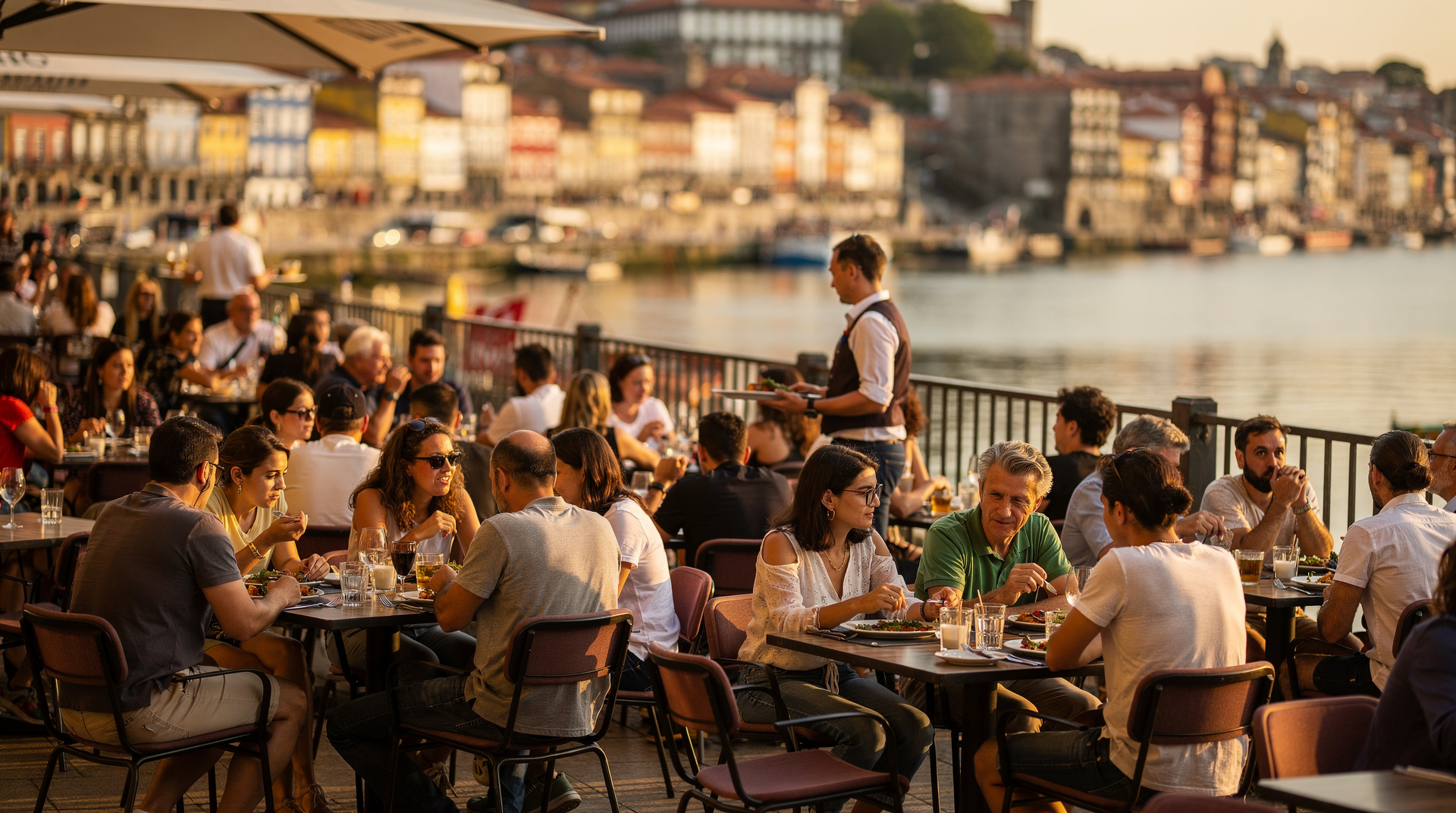
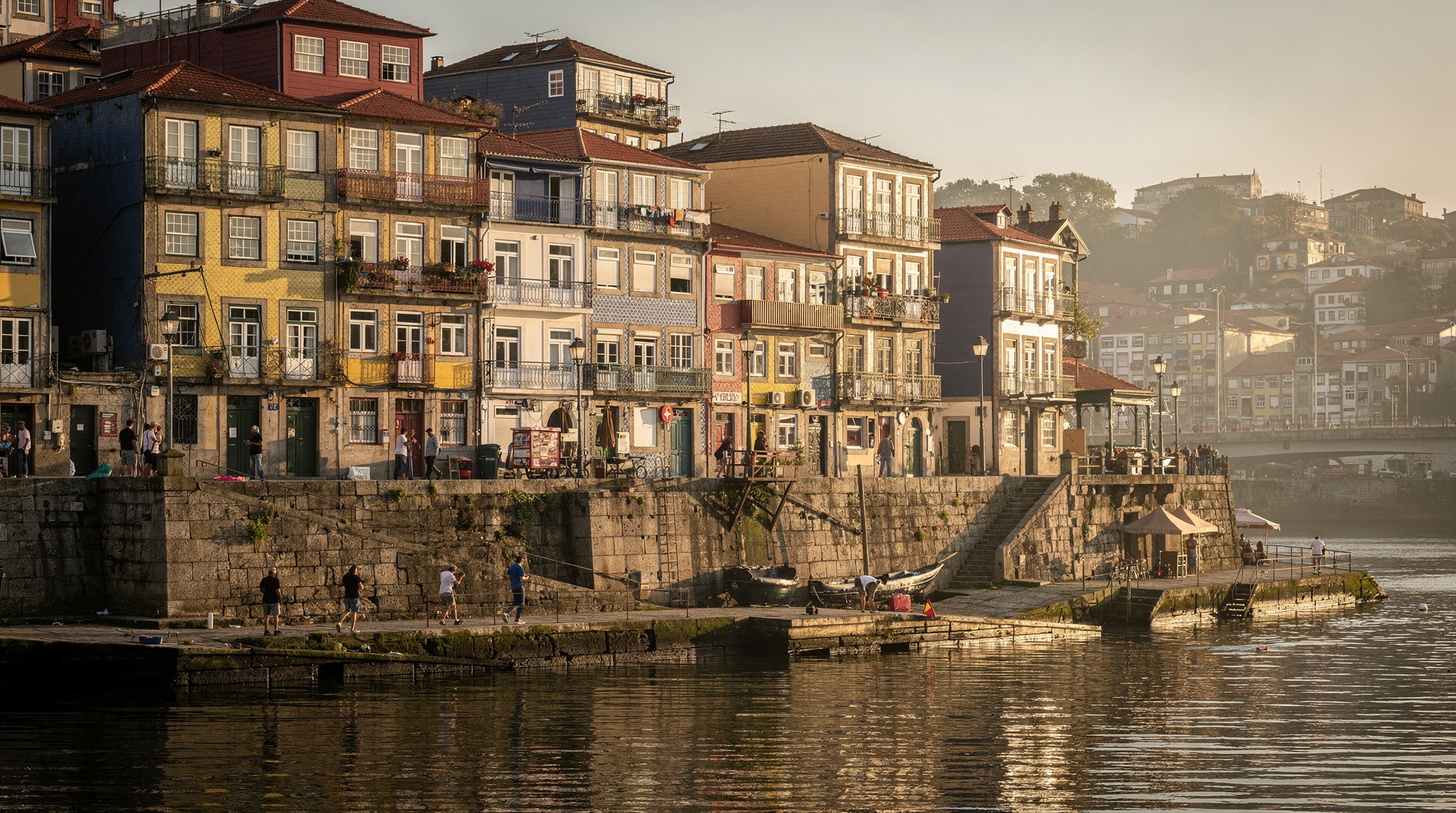
The Ribeira waterfront is genuinely beautiful. The coloured buildings, the rabelo boats, Ponte Dom Luís I rising behind, the reflection in the Douro at dusk — it photographs brilliantly and it is a real visual experience. Porto should be seen from the Ribeira. You should walk along it, sit near it, photograph it.
You probably shouldn’t eat your main meal there. Not in the first-row waterfront restaurants, anyway.
This guide explains why, what to look for, and where to eat instead.
| Where to avoid | First-row Ribeira waterfront, facing the river |
| Typical trap price | €30–45 per person with drinks |
| Where to eat instead | Rua dos Mercadores, Rua das Flores, Bonfim, Matosinhos |
| Fair price nearby | €12–20 per person for comparable or better food |
| Fine for a drink | Yes — coffee or a beer with the view is not a trap |
How Ribeira restaurant economics work
The Ribeira waterfront has what economists would call a captive market. Hundreds of thousands of tourists visit each year — most for only a day or two, none of them likely to return if the experience is poor. A restaurant in this position has limited incentive to deliver exceptional value: the next customer will come regardless, because the view is the product and the food is secondary.
The result is a pricing structure that reflects location rather than quality. A standard tourist meal on the front row of the Ribeira waterfront costs €30-45 per person with drinks. A genuinely excellent meal in a neighbourhood tasca two metro stops away costs €12-20 per person for food of comparable or better quality.
The difference is not crime. It is just the market operating efficiently in response to people who don’t know the city well enough to make a different choice.
The five tourist-trap signals
1. Rabatteurs at the door
A person standing outside calling to you, offering a table, mentioning a “special menu” or “good view” — this is a rabatteur, employed by the restaurant to fill seats. Restaurants that serve genuinely good food don’t need to employ someone to physically intercept customers on the pavement.
This is not a guarantee of terrible food — some restaurants use rabatteurs despite adequate kitchens — but it is a reliable signal of a tourist-focused operation where you are a revenue unit rather than a customer.
How to handle it: brief eye contact, “not today, thank you,” keep walking. Don’t engage.
2. Menu in photos, or menus in 6+ languages
A menu displayed primarily as photographs rather than described dishes is designed for customers who don’t speak Portuguese and don’t know the food — a reasonable design choice, but one that typically signals tourist-facing pricing and simplified kitchen work.
A menu printed in 6+ languages prominently signals the same. There are excellent restaurants in Porto with translated menus, but they are not usually the ones with 8-language laminated boards on the pavement.
The contrast: neighbourhood tascas in Bonfim typically have a handwritten daily menu (prato do dia) on a chalkboard, in Portuguese, often translated by a staff member or Google Lens if you need it. The handwriting means it changes. Change means fresh.
3. Fish sold by weight per 100g
“Grilled sea bass — €3.50/100g” sounds reasonable until you realize you haven’t agreed on a portion size and the kitchen has full discretion over how much fish appears. A 350g portion is €12.25. A 500g portion is €17.50. You typically discover the size when the plate arrives.
A legitimate restaurant lists dishes at fixed prices with a described portion. Fish sold by weight without specifying minimum or typical size is a pricing practice that makes bills hard to estimate in advance.
If you find yourself at a restaurant using this format, ask before ordering: “Quanto pesa normalmente?” (How much does it weigh typically?) and confirm you’re comfortable with the answer.
4. Automatic couvert appearing without asking
Bread, butter, olives, cheese or other items appearing at your table before you’ve ordered is couvert. You pay for it unless you decline it. In tourist restaurants on the Ribeira waterfront, couvert is typically €3-5 per person — it appears automatically, the restaurant relies on tourists not knowing they can refuse it.
Decline immediately and clearly: “No couvert, please.” It will be removed. Your bill will not include it. This is not confrontational — it is normal customer behaviour and staff are accustomed to it.
5. No Portuguese spoken at the next table
Look at the tables around you when you’re deciding whether to sit. If every table within sight is occupied by tourists and none by locals, you are in a tourist restaurant. Porto locals know these places by reputation and eat elsewhere. Their absence is data.
The inverse is also useful: the restaurant where half the tables are occupied at noon by people in work clothes eating without phones out is likely a local favourite at local prices.
The waterfront vs one street back
The price differential between the waterfront row and one or two streets behind is one of the most consistent patterns in tourist-city food economics, and Porto is no exception.
Walk up from the Praça da Ribeira (the main waterfront square) and within 100 metres you are on Rua dos Mercadores. Within 200 metres, Rua da Reboleira. Within 300 metres, Rua do Infante Dom Henrique. The further you go from the water, the more the food-to-price ratio improves.
The view disappears from these streets. But you are not eating a view — you are eating lunch. Have the view with a coffee at the waterfront before or after, then retreat to eat.
Where to actually eat near Ribeira
Rua das Flores
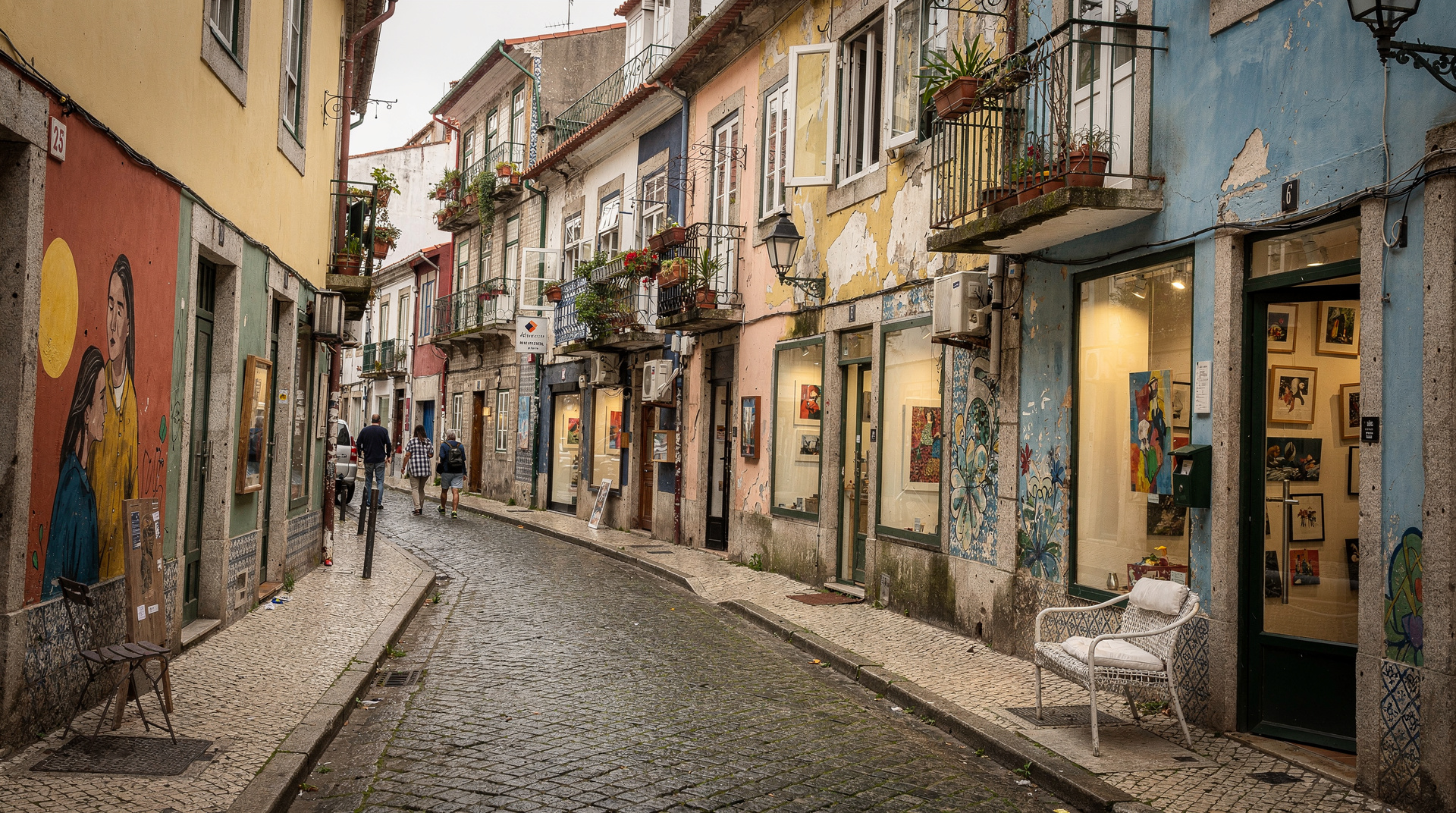
Rua das Flores is 10-12 minutes on foot from the Ribeira waterfront, running uphill toward the Cedofeita area. It is one of Porto’s better streets for genuine restaurants in the central area — a mix of wine bars, small restaurants and cafés that serve a genuinely local clientele alongside visitors who know to look there. Prices are lower than the waterfront; quality is generally higher.
Cedofeita and Bombarda
Cedofeita is Porto’s artisan neighbourhood, with a concentration of independent shops, wine bars and small restaurants. It is a 15-20 minute walk from Ribeira (or short metro) and operates at pricing aimed at Porto residents. A proper lunch here — tasca-style — runs €10-13 per person with wine and coffee. Look for handwritten menus in the windows and tables occupied by locals.
Bonfim
Bonfim is the neighbourhood east of the historic centre where Porto’s working-class restaurant culture is most intact. The tascas here serve prato do dia (daily changing main course with soup, bread and usually a dessert or coffee) for €9-12 per person. These are not tourist restaurants — English menus are less common and the choices are fewer, but the food is representative of how Porto actually eats.
For the specific food culture of Bonfim, a food tour that starts at Bolhão market and works through the neighbourhood is the most efficient introduction: you learn what to order, where to go, and what things cost. The Porto secret food tour specifically routes away from tourist-facing options.
Matosinhos for seafood
For genuinely good grilled fish and shellfish — the thing many tourists are trying to get on the Ribeira waterfront — Matosinhos is the correct answer. The seafood restaurants on Rua Roberto Ivens and surrounding streets in Matosinhos serve Porto’s own population and fish buyers; they are not tourist-facing. Prices for a grilled fish lunch (including soup, bread, wine, coffee) run €18-28 per person at the better restaurants — similar to the Ribeira tourist price but for significantly better fish and cooking.
Metro to Matosinhos Sul takes 30-35 minutes from central Porto (Andante card, ~€2.50). The beach is adjacent. It is a worth-it detour if seafood is your priority.
The Bolhão market area
The Baixa/Aliados district around Bolhão market has a range of tascas and lunch restaurants that serve the market workers and nearby office population. These are proper lunch restaurants (noon-3 pm typically, often closed evenings) with daily menus at €8-12 per person. The food is traditional Portuguese without any pretense to tourism — exactly what many visitors are looking for but can’t find on the waterfront.
What the Ribeira restaurants are good for
Not everything about the Ribeira restaurant scene is a trap. Some things work:
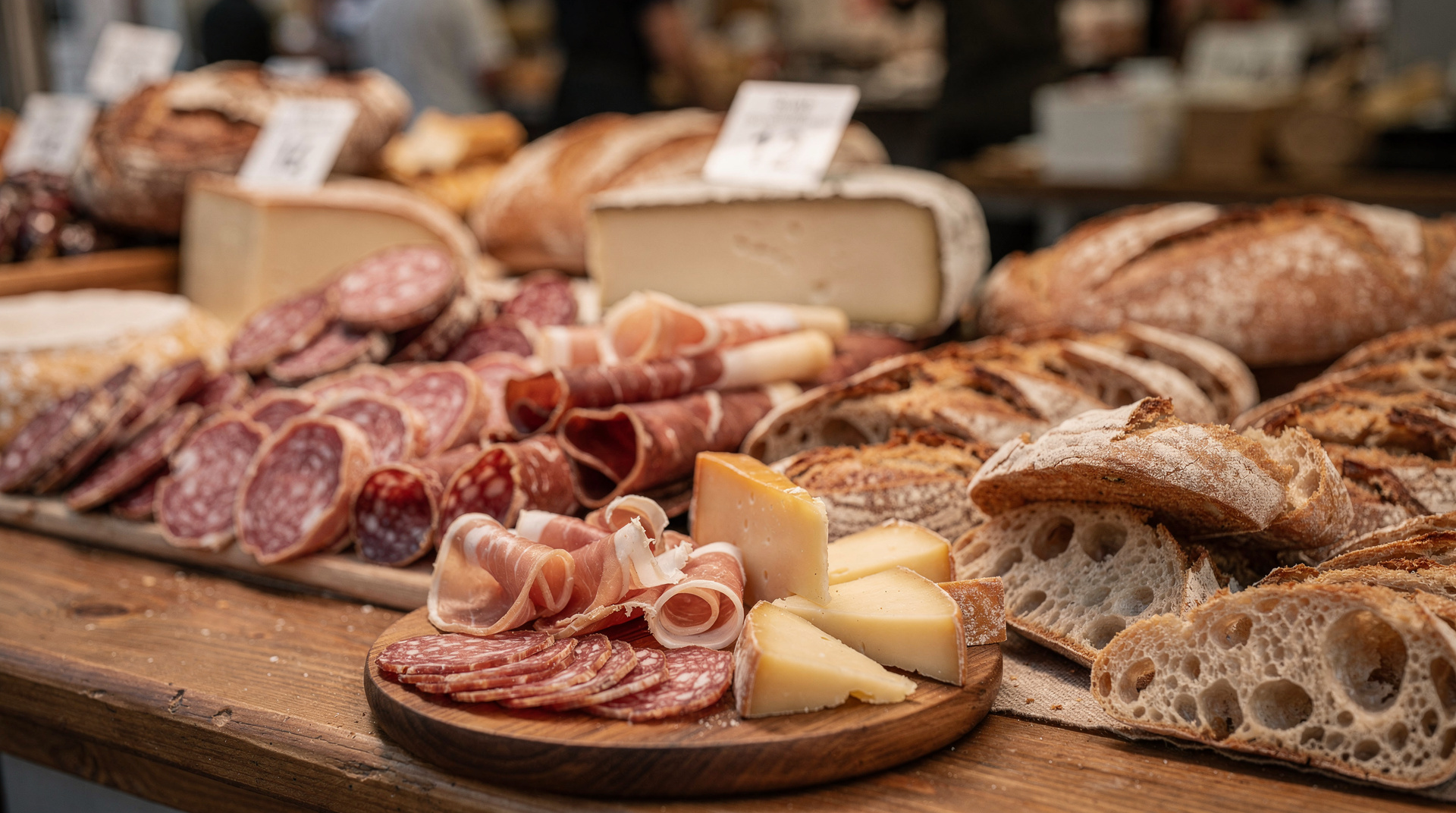
Coffee and pastéis de nata: The cafés facing the waterfront are fine for a morning coffee and pastel de nata at standard Porto prices. Nobody is overcharging for coffee.
Beer or a glass of wine with the view: Sitting with a beer at a bar terrace and looking at the Douro is a legitimate Ribeira activity. The bar margin on drinks is less egregious than on full meals.
Dinner on a special occasion: Some restaurants in the side streets adjacent to the Ribeira (not the front row) are genuinely good and reasonably priced for a special evening. The trick is finding them through local recommendations rather than tourist-aggregator top-10s.
Price comparison: Ribeira waterfront vs one street back
| Ribeira front row | One street back / Bonfim | |
|---|---|---|
| Grilled fish | €18–28 (by weight, size unclear) | €12–18 (fixed portion) |
| House wine, glass | €5–7 | €3–5 |
| Couvert | €3–5 per person, often automatic | €0–2, or refused on request |
| Total for two, with drinks | €65–90 | €25–35 |
| Locals at nearby tables | Rare | Common |
The honest food tour option
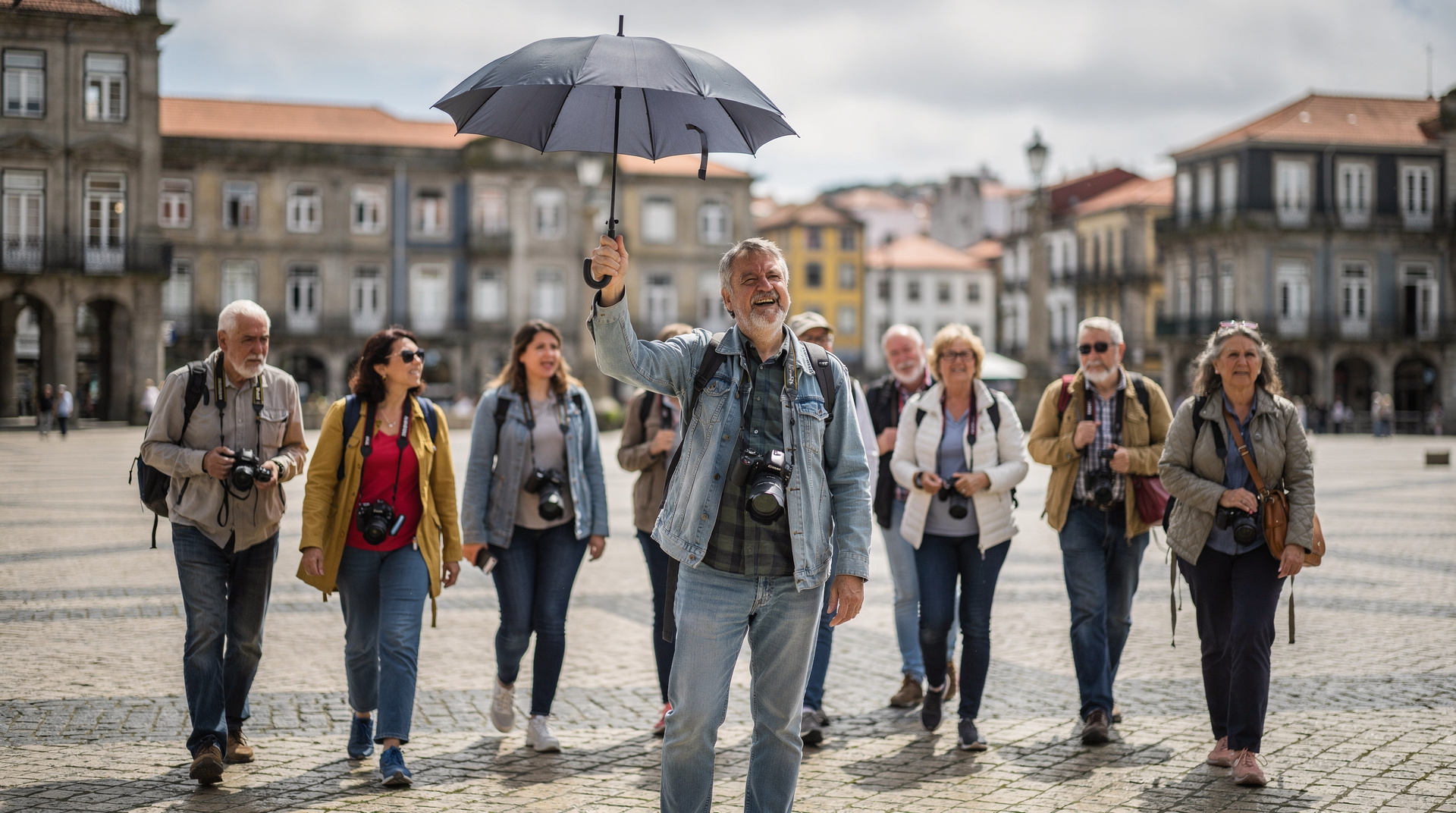
For visitors who want to eat well in Porto without spending research time finding the right places, a food tour solves the problem efficiently. The Porto food tour with full meal is structured around genuine neighbourhood restaurants and market stalls rather than tourist-facing venues. The Porto half-day food tour covers the morning Bolhão market run and neighbourhood tasting circuit in 3-4 hours.
These tours are not cheap (€50-80 per person) but they deliver value in knowledge as much as food — after one food tour, you have a mental map of where to eat for the rest of the trip.
The Porto food culture with 10 tastings is a particularly comprehensive format if you want a broad tasting overview rather than a single meal.
Frequently asked questions about Ribeira restaurant traps
What exactly makes Ribeira waterfront restaurants tourist traps?
Three main patterns: pricing 20-40% above comparable quality elsewhere in Porto, food quality focused on throughput rather than craft, and specific tactics like couvert charges, photo menus and door rabatteurs. The location is selling itself — the restaurants know most customers are one-night visitors who won’t return.
How do I spot a tourist-trap restaurant in Ribeira?
Key indicators: menu displayed primarily in photos, a waiter standing outside calling to you, menus printed in 6+ languages, fish sold by weight per 100g without specifying size, and aggressive couvert appearing automatically. Any restaurant with multiple of these is almost certainly tourist-facing.
Are there any good restaurants in Ribeira itself?
Yes — but they tend to be on side streets one block back from the waterfront, have menus in Portuguese first, and don’t need a rabatteur to fill seats. Finding them requires locally-focused review checking. The front-row waterfront restaurants facing the river are rarely the genuine options.
Where should I actually eat near Ribeira?
Immediate area: Rua dos Mercadores or Rua da Reboleira. Slightly further: Rua das Flores (10 min, quality food street). Best for genuine Porto food: Bonfim (20 min walk or short metro). For seafood specifically: Matosinhos (metro, 30 min) where Rua Roberto Ivens has real seafood restaurants at proper prices.
What is a rabatteur and how do I handle them?
A rabatteur stands outside and actively recruits customers by stopping tourists and offering special menus or views. Handle it: brief eye contact, “not today, thank you,” keep walking. Don’t engage with explanations. Restaurants with rabatteurs are optimising for tourist throughput, not quality.
What does a typical Ribeira waterfront restaurant meal cost vs a local restaurant?
Ribeira tourist restaurant: total for two with drinks €65-90. Bonfim neighbourhood tasca: total for two €25-35. Similar or better food quality at 40-60% less cost. The price differential is consistent and predictable.
Frequently asked questions — Ribeira restaurant traps — what to avoid and where to eat instead
What exactly makes Ribeira waterfront restaurants tourist traps?
Three main patterns: pricing 20-40% above comparable quality elsewhere in Porto, food quality that doesn't match the waterfront prices (the kitchen is often focused on throughput rather than craft), and specific tactics like couvert charges, bread and olives appearing automatically at €3-5 per person, and waiters positioned at the door to intercept tourists. The location is selling itself — the restaurants know most customers are one-night visitors who won't return.How do I spot a tourist-trap restaurant in Ribeira?
Key indicators: menu displayed primarily in photos without prices clearly listed (forces you to ask, creating social commitment), a waiter standing outside who calls to you and offers a table ('special price for you today'), menus printed in 6+ languages prominently, fish sold by weight per 100g without specifying size (impossible to price before ordering), and menus that list 'grilled fish' generically rather than specifying the fish. Any restaurant with all five is almost certainly tourist-facing.Are there any good restaurants in Ribeira itself?
Yes — but they don't need to advertise and they rarely have waiters on the pavement. The genuinely good options in Ribeira tend to be on side streets one block back from the waterfront, have menus in Portuguese first with translations, and don't need a rabatteur to fill seats. Finding them requires patience and locally-focused review checking rather than TripAdvisor top-10 lists. As a general rule: if it's in the first row facing the water with aggressive door staff, avoid. If it's on Rua dos Mercadores or similar, investigate.Where should I actually eat near Ribeira?
Immediate area: Rua dos Mercadores (one block from the waterfront, locals-facing pricing). Slightly further: Rua das Flores (10 min walk uphill, well-established food street with quality options at non-tourist prices). Best neighbourhood for genuine Porto food: Bonfim (20 min walk or short metro) or Cedofeita. For seafood specifically: Matosinhos (metro, 30 min) where Rua Roberto Ivens has real seafood restaurants at proper prices.What is a rabatteur and how do I handle them?
A rabatteur is a person employed by a restaurant to stand outside and actively recruit customers — stopping tourists on the street, offering 'special menus', claiming proximity to an attraction or view. This practice is completely legal and widely used in tourist districts across southern Europe. The professional handling: make eye contact briefly, say 'not today, thank you' and keep walking. Engaging with explanations or trying to justify your refusal just prolongs the interaction. Restaurants that need rabatteurs rarely need to employ them because the food is exceptional.What does a typical Ribeira waterfront restaurant meal cost vs a local restaurant?
At a tourist-facing Ribeira waterfront restaurant: grilled fish (sold by weight, often 300-400g) €18-28, grilled prawns €16-22, table wine glass €5-7, couvert €3-5 per person, total for two with drinks €65-90. At a neighbourhood tasca in Bonfim for equivalent quality food: prato do dia (soup, main, dessert) €9-12 per person, wine by carafe €4-6, couvert either refused or a genuine €2. Total for two: €25-35.
Top experiences
Bookable activities with verified prices and instant confirmation on GetYourGuide.