Bonfim — Porto's indie residential neighbourhood
Bonfim is Porto's most liveable neighbourhood: street art, honest restaurants, independent hostels and zero tourist pressure. What to do and how to find
Porto: Porto Guided 4 Hour Food Culture Tour
Quick facts
- Distance from São Bento
- ~15 min on foot east
- Metro
- Marquês (line D) or Campanhã (line A)
- Character
- Residential, indie, authentic
- Price level
- Below average for Porto
Where Porto residents actually live
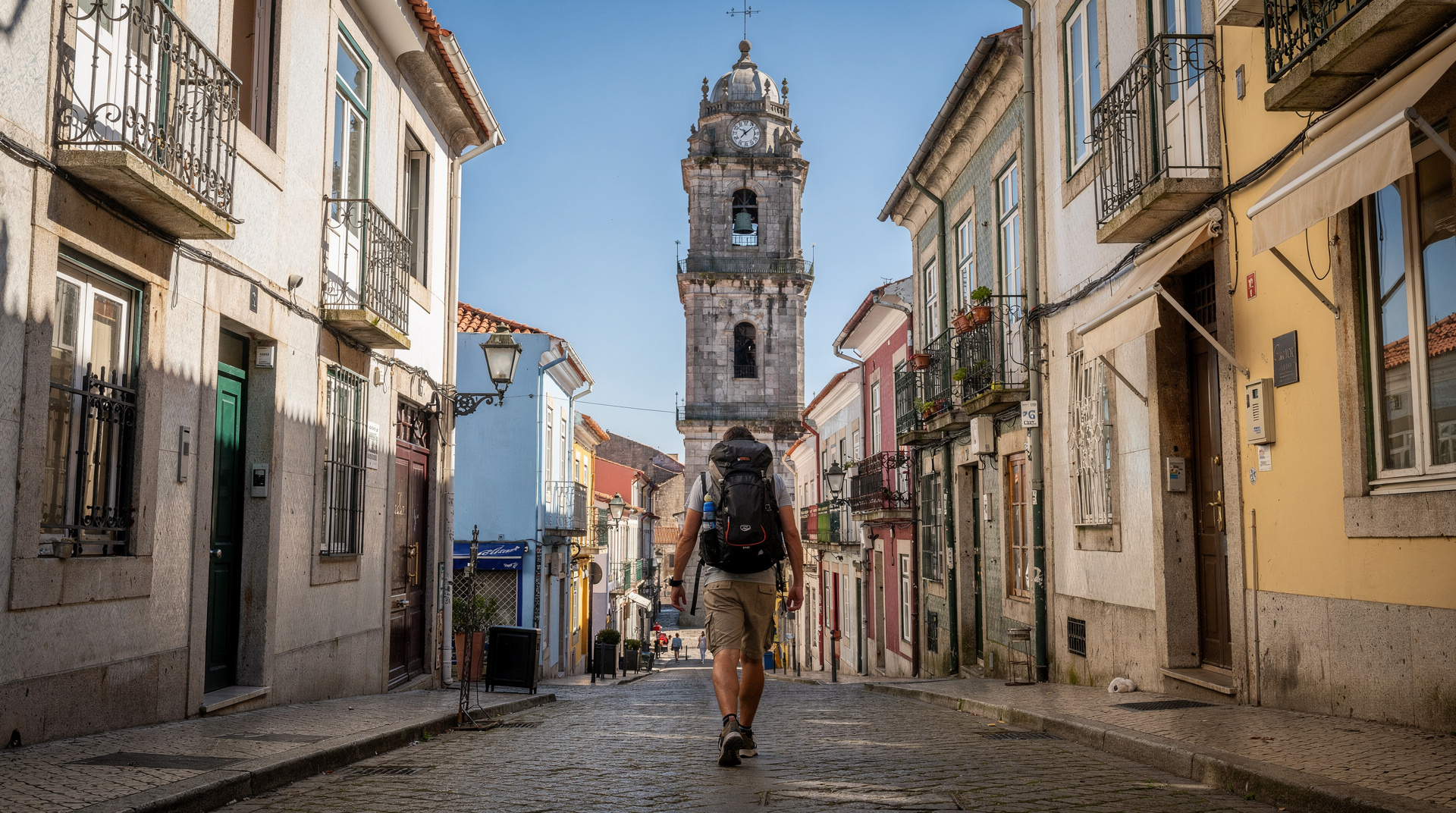
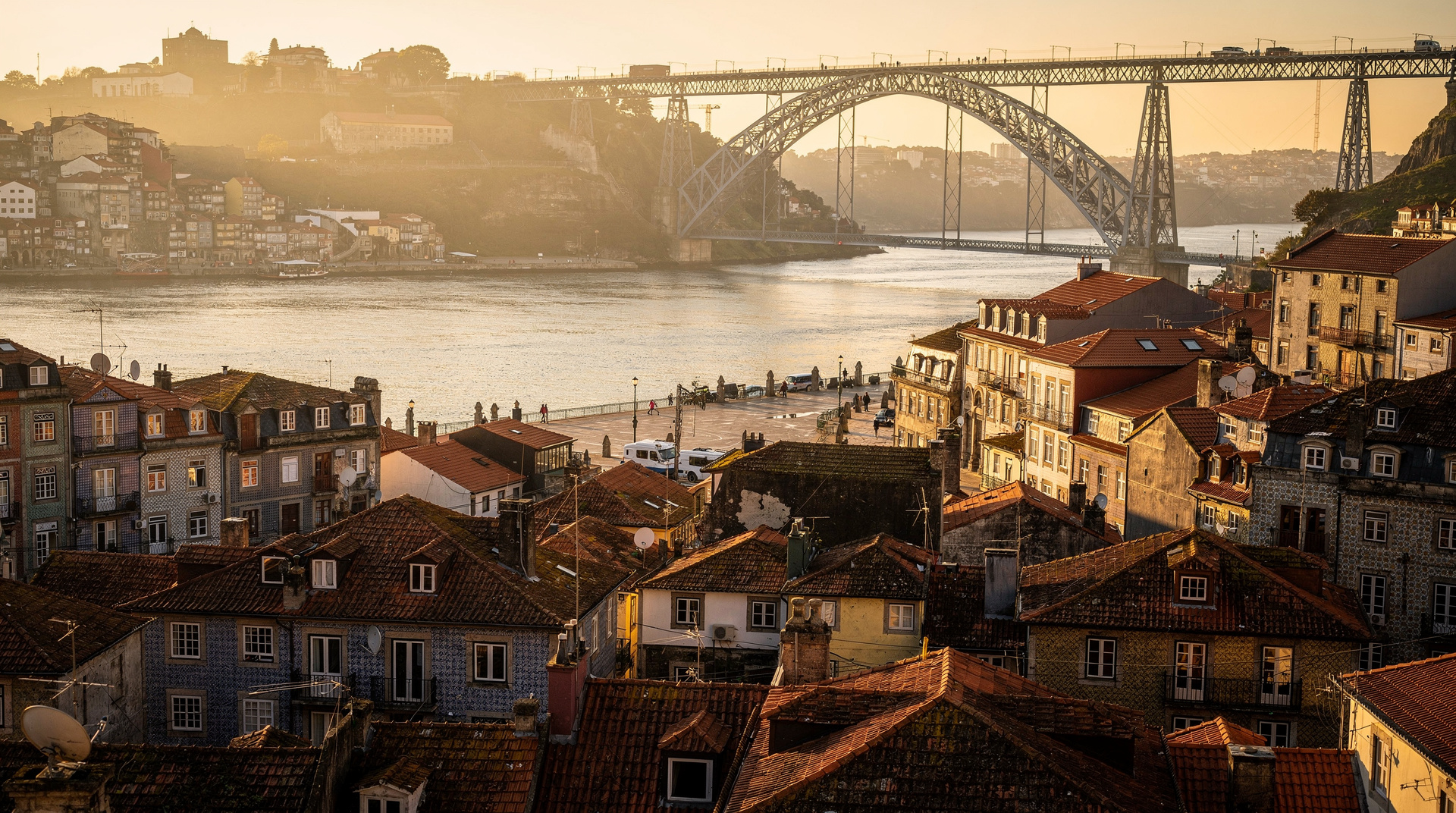
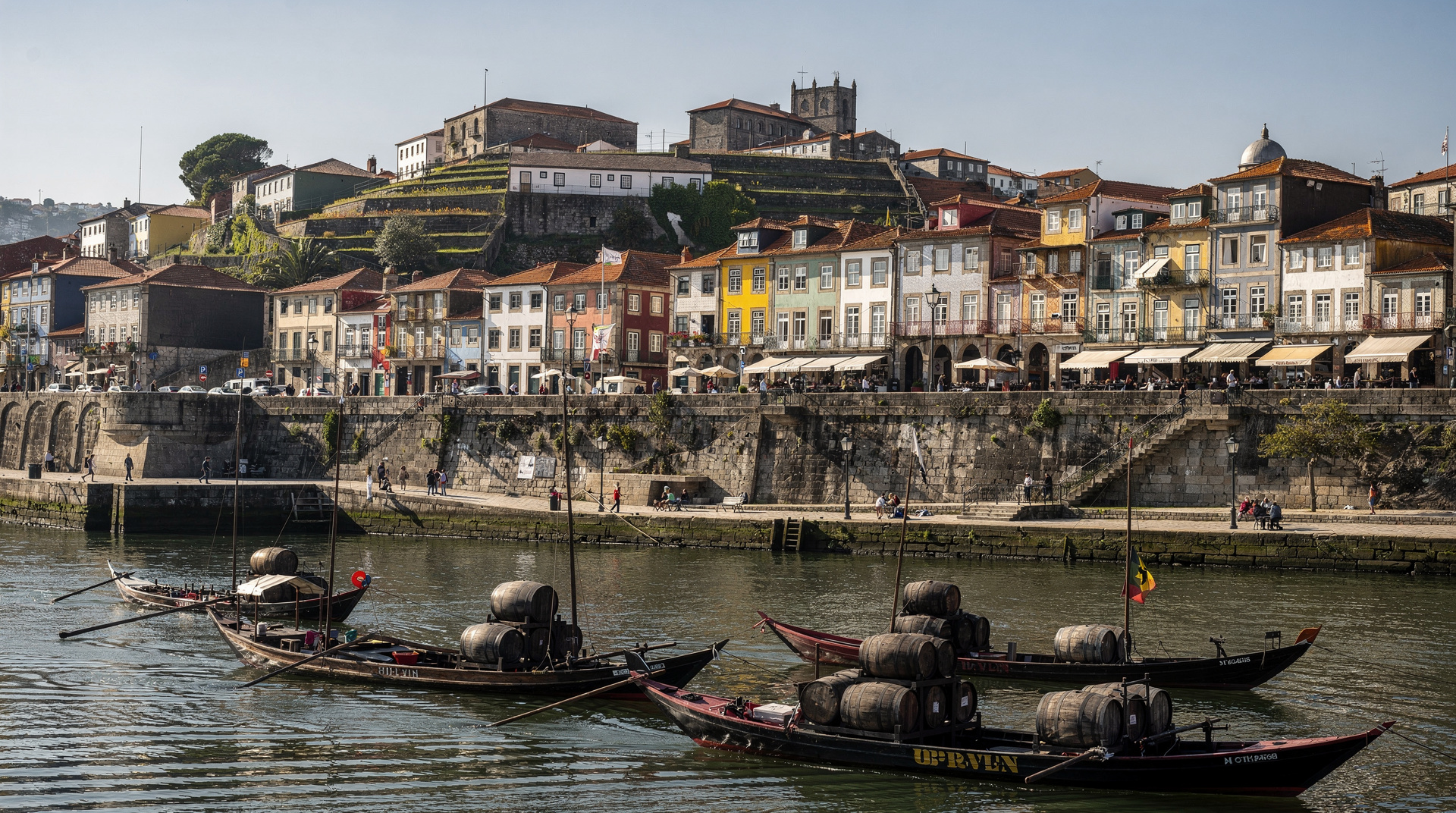
There is a version of Porto that exists entirely for visitors — the Ribeira waterfront, the port lodge cellars across the river, the photogenic lane up to Clérigos Tower — and it is worth seeing. Then there is Bonfim, which is where people live, eat lunch, buy groceries and socialise in the evenings without much thought for how it looks in a photograph.
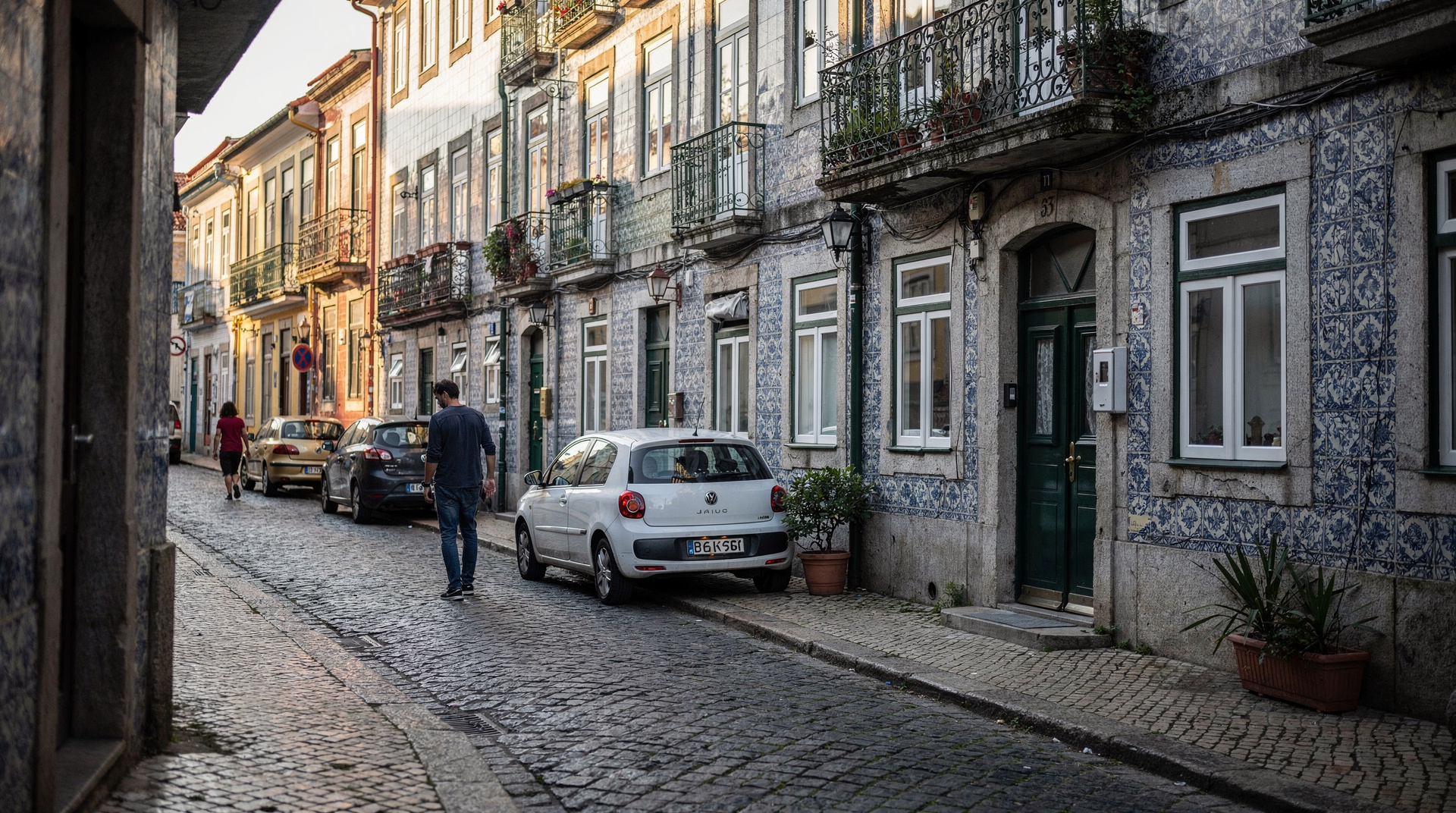
Bonfim is the parish immediately east of the historic centre, separated from Ribeira by a modest climb up from the Douro. It has the bones of a traditional working-class neighbourhood — 19th and early 20th century apartment buildings, a market, neighbourhood churches, corner cafés that sell espresso for a euro — overlaid with the past decade’s wave of independent coffee shops, natural wine bars, and a hostel scene that has attracted a creative, budget-conscious international crowd.
The honest assessment: Bonfim does not have specific attractions that justify a dedicated trip. There is no single monument or museum to anchor it. What it has is texture — the kind of accumulated, unremarkable detail that makes a neighbourhood feel real rather than curated. For travellers who find Ribeira exhausting after a day, Bonfim is a reset.
| Where | East of the historic centre, ~15 min walk from São Bento |
| Time needed | Half day, or an evening for the bar scene |
| Cost | Free to walk; meals notably cheaper than Ribeira |
| Getting there | Metro to Marquês (line D) or Campanhã (line A) |
| Best time | Evenings, especially around São João (23–24 June) |
What to do in Bonfim
Street art and urban exploration
Bonfim has absorbed a significant amount of Porto’s street art, partly by accident (the neighbourhood has more blank walls and fewer heritage restrictions than the protected historic centre) and partly through deliberate investment by the city. The largest pieces are concentrated around Rua de São Vítor and the streets radiating from Praça do Marquês de Pombal. The work ranges from commissioned murals by recognised Portuguese artists to smaller, more ephemeral tags and stencils.
There is no organised route — the best approach is to walk without a specific destination, heading east from the market or south from Marquês toward the Douro, and treating the walls as a parallel text to the neighbourhood’s physical form.
Mercado Oriental and local shopping
The Mercado Oriental on Rua de Costa Cabral is Bonfim’s main neighbourhood market — a functional covered hall where butchers, fishmongers, produce stalls and a few café counters operate from early morning until midday. It is emphatically not a tourist market: you will not find souvenirs or artisan chocolates here, but you will find a €3 grilled fish lunch at the counter and vegetables sold by people who grew them. The market is worth visiting on a weekday morning if you want to understand the neighbourhood’s rhythm.
Parque de São Roque
Bonfim’s main park sits in the northwest of the neighbourhood, a compact, quietly maintained green space with benches, a small pond and enough tree cover to justify eating a sandwich in the shade. It does not feature in any top-ten list of Porto parks, which is precisely why it retains its character. The park is bounded by Rua de São Roque da Lameira and accessible from several directions.
Evening bar scene
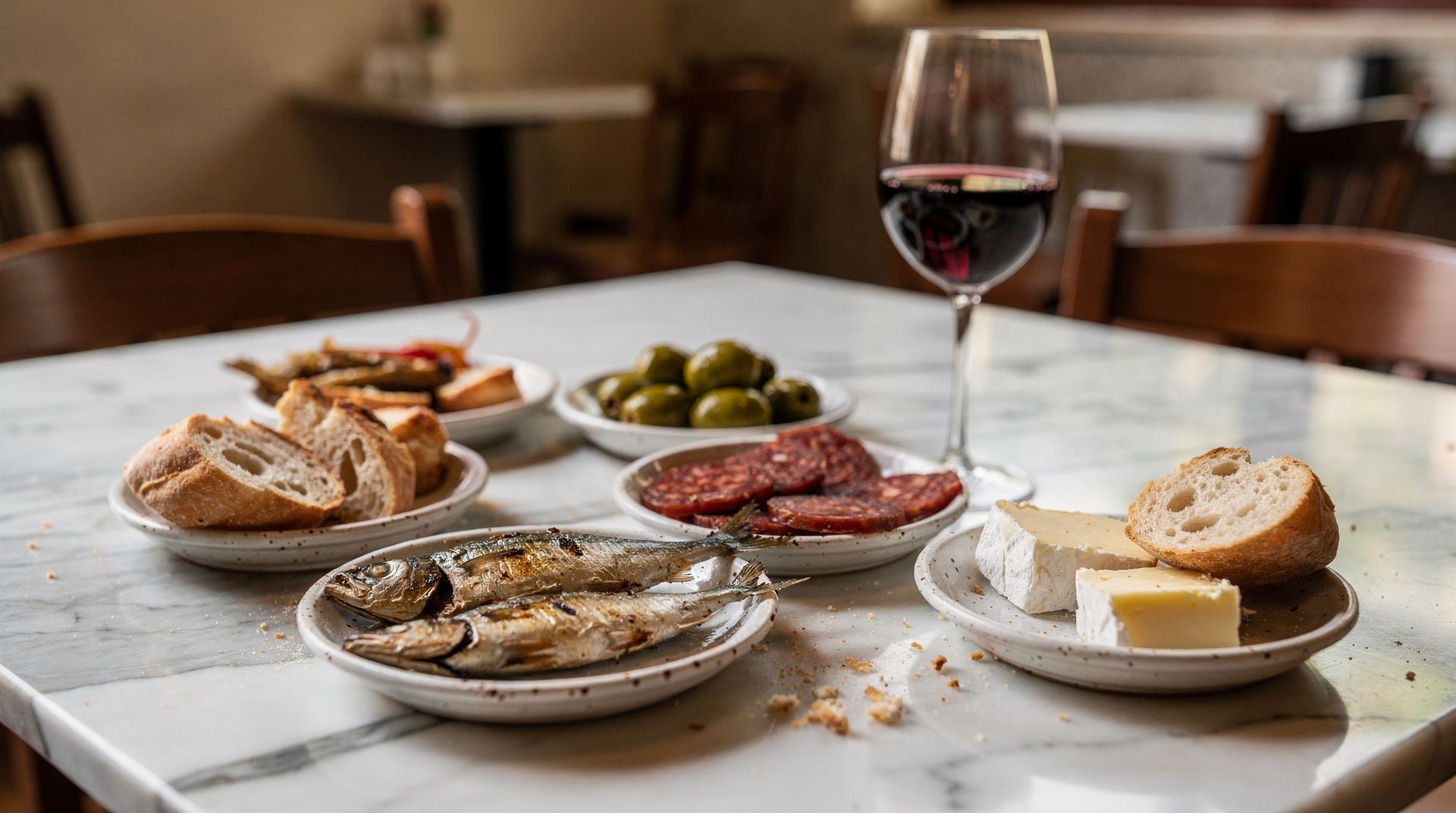
The streets around Rua de Costa Cabral and Rua de Fernandes Tomás have developed a bar scene that is notably less curated than Galeria de Paris or the Cedofeita gallery strip — smaller spaces, more neighbourhood regulars, lower prices. Bar Cenas (Rua de Fernandes Tomás) is a reliable starting point for a locally sourced wine and a plate of cheese. Tasca Tásquer (Rua dos Três Loios) operates in a similar register, with natural wines from small Portuguese producers and a short snack menu.
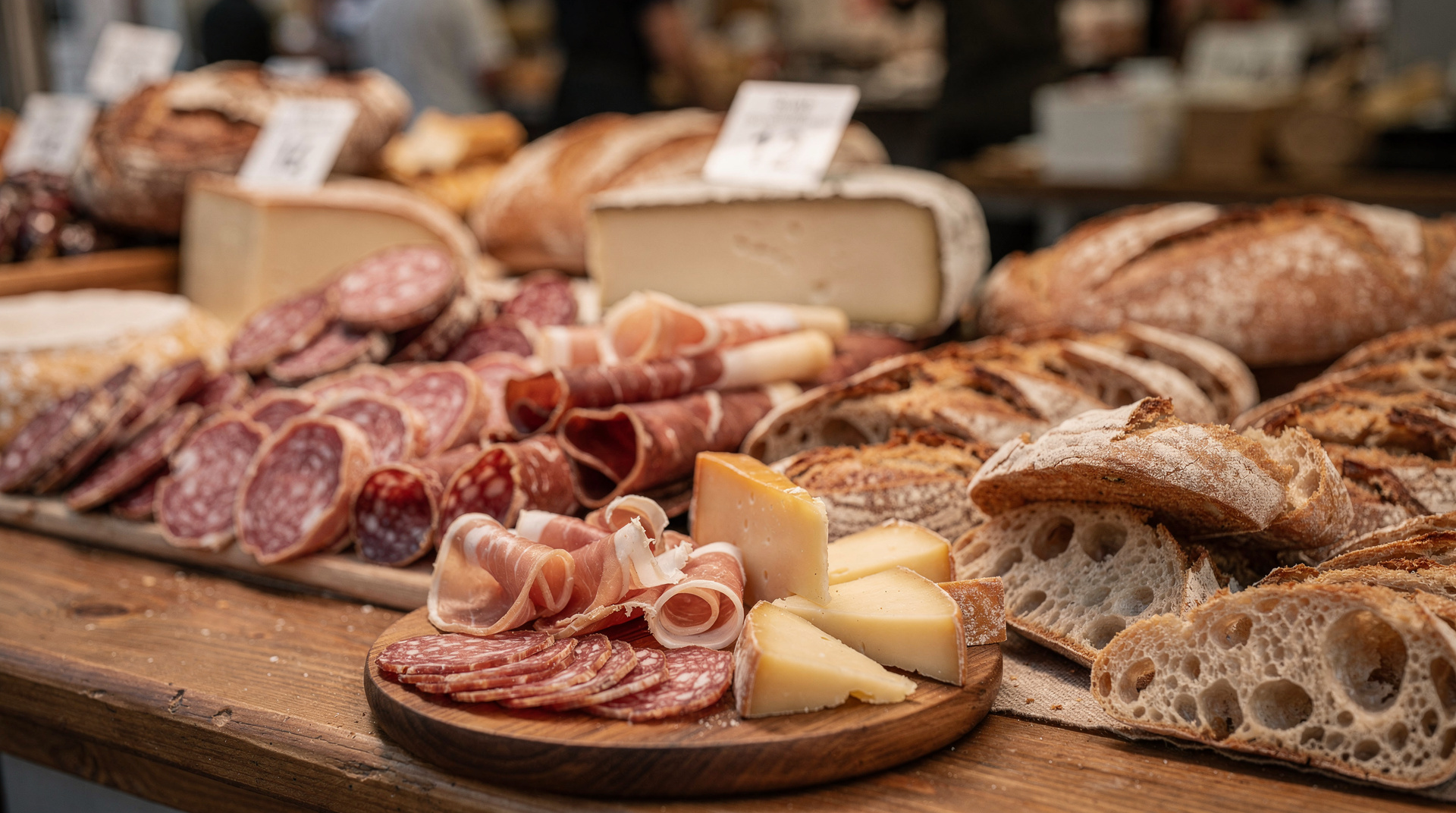
If you want a structured food and wine introduction to this quarter, the food culture tasting tour includes Bonfim among its stops and covers the neighbourhood’s character as much as its food.
Igreja do Bonfim and the neighbourhood’s namesake
The parish takes its name from the Igreja do Bonfim, an 18th-century church on the square that gives the neighbourhood its centre of gravity. It is a modest building compared to Porto’s grander religious architecture, free to enter, and mainly of interest as a landmark for orienting yourself rather than a must-see sight in its own right. The square in front of it is where much of the neighbourhood’s everyday life plays out — elderly residents on benches, children after school, the occasional impromptu football game.
Bonfim compared to Cedofeita and Baixa
Visitors deciding where to base themselves, or which neighbourhood to prioritise for an evening out, often weigh Bonfim against the more established alternatives.
| Bonfim | Cedofeita | Baixa | |
|---|---|---|---|
| Character | Residential, local, indie hostels | Galleries, craft beer, slightly polished | Central, commercial, tourist-facing |
| Price level | Lowest | Mid | Higher near sights |
| Nightlife | Neighbourhood bars, quieter | Craft beer bars, lively | Sparse after dinner hours |
| Best for | Budget stays, authentic food | Art and design interest | Walking to major sights |
How to get to Bonfim
On foot from the centre: From Praça da Batalha, the eastern edge of the historic centre, Bonfim is a 10-minute flat walk east. From São Bento station, allow 15 minutes. From Ribeira, it’s a steeper 20-minute walk up and across.
Metro: The Marquês station on line D (Amarela) sits at the western edge of the parish and is the most convenient stop. Campanhã station (line A) serves the eastern edge near the train station. Both are €1.30–1.60 per journey with an Andante card.
Bus: The 200 and 201 services from the centre pass through Bonfim regularly.
Where to stay in Bonfim
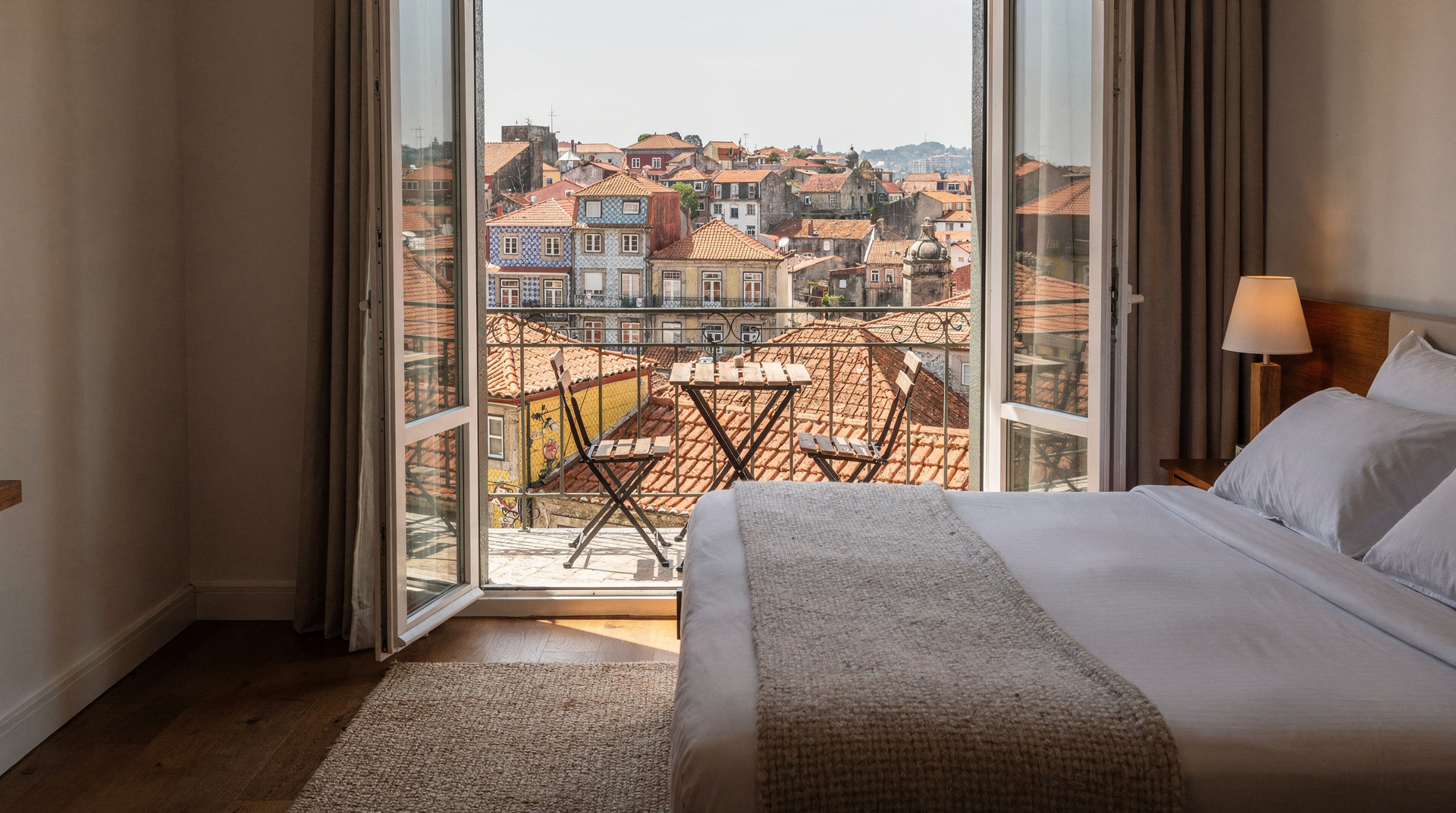
Bonfim is one of Porto’s best-value bases for mid-range and budget travellers. The neighbourhood is close enough to the historic centre to walk to most attractions but far enough removed to avoid the nightly noise that affects Ribeira.
Selina Porto (Rua de Morgado de Mateus) is the neighbourhood’s most prominent hostel — a large-format property with dormitories (€25–35 per bed), private rooms (€70–100), and co-working facilities. Popular with the digital nomad crowd and comfortable without being a party hostel.
Dear Porto (a small guesthouse on Rua de São Vítor) offers simple private rooms at €55–80 per night, run with the personal attention of a family-operated place. Basic continental breakfast included.
Hotel 3K Porto (near Campanhã) is a budget-to-mid option at €50–75 per night, more functional than characterful but well maintained and convenient for train arrivals.
For a broader discussion of where to base yourself in Porto, see the where to stay in Porto guide.
Where to eat in Bonfim
Lupita: On Rua de Costa Cabral, Lupita is arguably the best daily-use restaurant in Bonfim — a traditional Portuguese grill where the lunch special (€9–12 for a full plate of meat or fish with vegetables) draws local workers, architecture students and anyone who learned about it from a friend rather than a website. Arrive by 12:30 to get a table; it closes by 15:00.
Cantina 32: On Rua das Flores (at the western edge of Bonfim, closer to the centre), this is a converted warehouse space serving modern Portuguese food at mid-range prices — €18–28 for a main course. The interior is worth seeing for its aesthetic alone.
Café Majestic of Bonfim (Café Áurea): A neighbourhood café on Rua de Costa Cabral open from early morning that serves the best pastel de nata in the parish alongside honest lunch specials. Not the Majestic on Rua Santa Catarina — this is the unassuming local version.
O Paparico: A more upscale choice on Rua de Costa Cabral — reservations required, tasting menu format at €50–70, known for its version of traditional Porto cooking elevated through careful technique. Worth the booking effort for a special evening.
For broader eating-in-Porto context, the francesinha guide and petiscos guide both include Bonfim recommendations.
Best time to visit Bonfim
Bonfim works in all seasons and at all times of day, but it is most itself in the evening. The neighbourhood’s bars and natural wine spots come alive between 19:00 and midnight, and the crowd is genuinely local in a way that the Galeria de Paris strip no longer is. Summer evenings are the best time to experience the street life; winter evenings retreat indoors into warm, wine-lit spaces.
The Marquês de Pombal square is a gathering point for local festivals and neighbourhood events, particularly around São João (23–24 June), when the street party extends well beyond the historic centre into Bonfim.
Frequently asked questions about Bonfim
Is Bonfim safe for tourists?
Yes. Bonfim has the same crime profile as the rest of Porto — low violent crime, occasional petty theft in crowded spaces. The neighbourhood is residential and active at all hours, which in practice makes it safer than some more touristy areas where empty streets at night create opportunity for opportunistic theft.
Can I walk from Bonfim to Ribeira?
Yes, about 20–25 minutes on foot. The route involves some uphill on the way back to Bonfim but is not demanding. The walk down to the Douro from Bonfim, via Rua de Saraiva de Carvalho or Rua dos Mercadores, takes you through parts of the Fontainhas area — one of Porto’s most atmospheric older quarters.
What is the nightlife like in Bonfim?
Quieter and more neighbourhood-oriented than the main nightlife strip around Galeria de Paris, but that is the point. The bars in Bonfim tend to close earlier (around midnight to 2 am) and draw a younger local crowd. For late-night options, the Porto nightlife guide covers both zones.
How does Bonfim compare to Cedofeita for a base?
Cedofeita is slightly more central and better positioned for the gallery and craft beer scene. Bonfim is a little further east, marginally quieter, and better value — hostels and small guesthouses here run €5–15 cheaper per night than equivalent places in Cedofeita. If you’re travelling on a budget and want a local base without compromising on access, Bonfim has a slight edge.
Are there any day trips I can do directly from Bonfim?
The Campanhã train station is at the eastern edge of Bonfim — a 15-minute walk or a single metro stop. This is Porto’s main intercity rail hub, which means the Douro Valley train journey, Coimbra and Aveiro are all accessible directly from the neighbourhood without going through the city centre.
Is Bonfim worth visiting if I’m only in Porto for a short trip?
For a first visit of two or three days, Bonfim is a reasonable addition rather than a priority — it works well as an evening food or bar stop after covering the historic centre during the day. For a second or third visit, or for budget-conscious and longer stays, it earns a more central place in the itinerary, both as a base and as a place to eat.
Top experiences
Bookable activities with verified prices and instant confirmation on GetYourGuide.