Porto tourist traps — the honest guide to what's overpriced and why
Porto: Porto Historic City Center and Hidden Streets Walking Tour
What are the main tourist traps in Porto?
The five main ones: overpriced Ribeira waterfront restaurants (25-40% premium over equivalent quality one street back), the couvert bread-and-olives charge you didn't order, Livraria Lello queues without a pre-booked ticket, fake 'free walking tours' that expect €10-15 in mandatory tip, and airport taxis that charge €50+ instead of the legitimate ~€35 tariff or the €2.50 metro.
Why an honest tourist trap guide exists
Porto’s tourism has grown rapidly over the past decade. With that growth has come the infrastructure of tourist-facing businesses that optimise for volume and margin rather than quality and value: restaurants that sell location, tours that sell the appearance of experience, transport operators who sell confusion.
Most of this is legal. None of it is malicious — it is simply the market operating efficiently in response to a very large number of people who don’t know the city well enough to distinguish the good from the adequate. This guide exists to close that information gap.
None of the traps described here should put you off Porto. The alternatives in every case are real, nearby and often better. The purpose is to redirect your money and time from what’s overpriced to what’s actually good.
| Trap | Extra cost | Fix |
|---|---|---|
| Ribeira waterfront restaurants | 25–40% premium | Walk one street back |
| Couvert charge | €2–6/person unasked | Say “no couvert, please” |
| Lello without a ticket | 2–3 hour queue | Book a Silver ticket online |
| Airport taxi touts | €50–70 vs €25–35 legitimate | Metro, Uber/Bolt, or the meter |
| Fake “free” walking tours | €10–15 mandatory tip | Book a fixed-price paid tour instead |
Tourist trap 1: the Ribeira waterfront restaurants
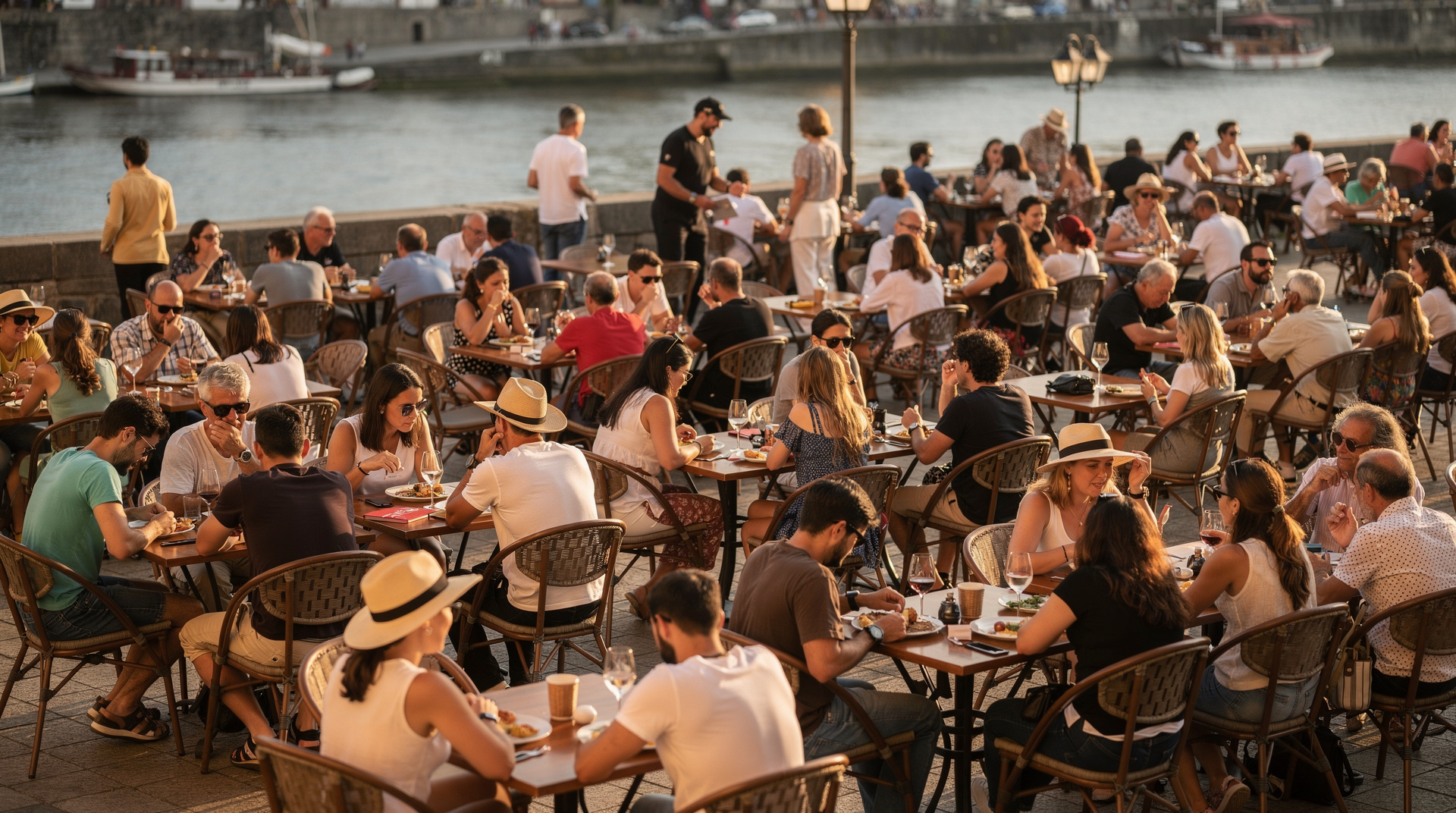
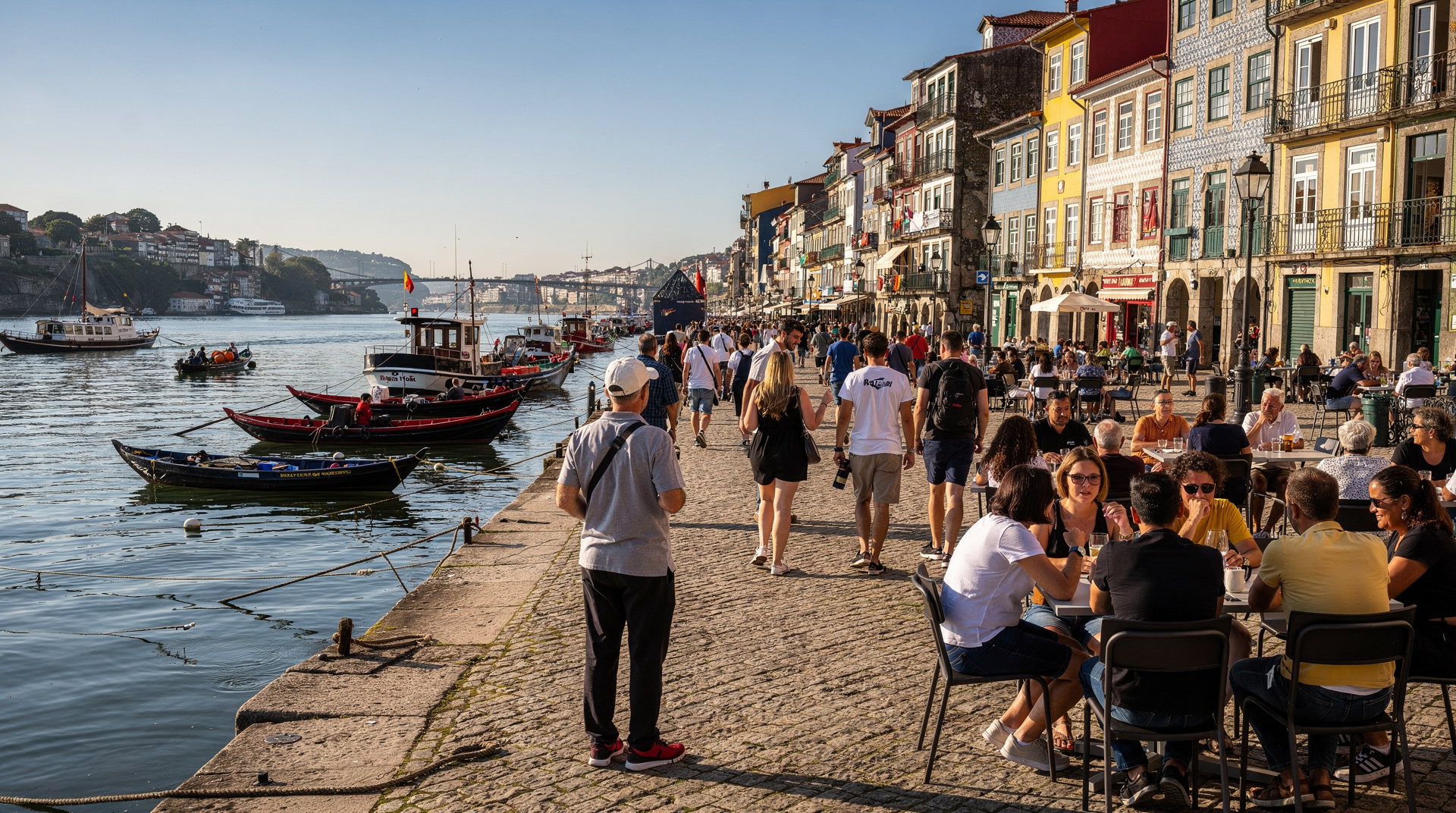
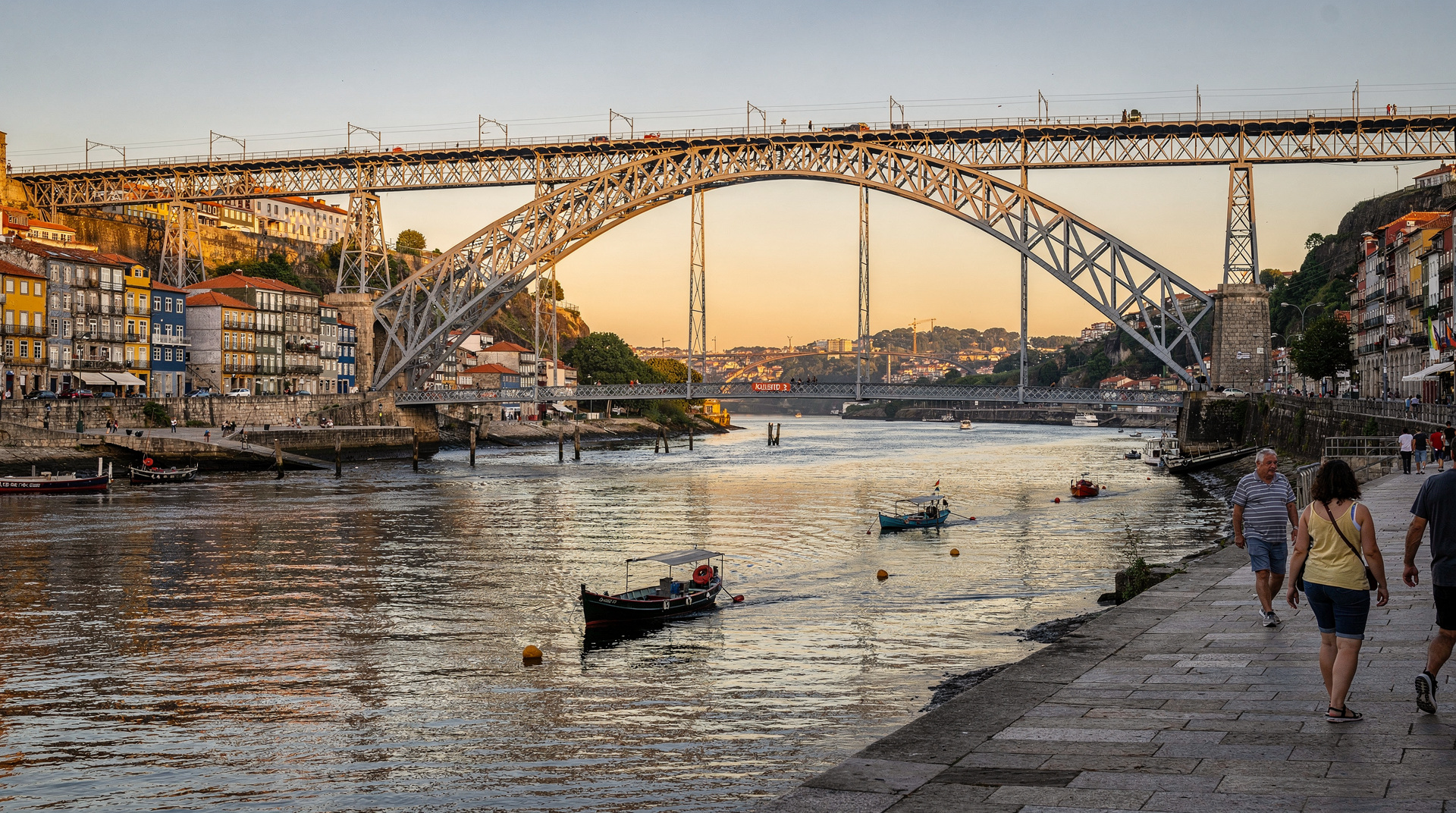
The riverside restaurants in the Ribeira district — the ones with menus displayed in eight languages, tables squeezed onto the waterfront promenade, and waiters positioned to catch passing tourists — are the most systematically overpriced dining option in Porto.
The food is not usually terrible. It is adequate, sometimes. But it is 25-40% more expensive than equivalent quality one or two streets back, and the focus of the kitchen is volume rather than craft.
The specific pricing patterns to recognize: grilled fish sold per 100g rather than as a dish (making it hard to price before ordering), menu photos showing dishes that don’t reflect the daily quality, and the couvert appearing automatically (see below).
What to do instead: Walk up from the Ribeira waterfront into the streets behind — Rua dos Mercadores, Rua do Infante Dom Henrique, and further up to Rua das Flores. For a proper local restaurant experience in Cedofeita and Bonfim, metro or a 15-minute walk from the centre. See the Ribeira restaurant traps guide for specific red flags and alternatives, and the best restaurants in Porto guide for a positive list rather than just what to avoid.
A typical well-chosen Bonfim tasca lunch (soup, main course, bread, glass of wine, coffee) costs €10-14 per person. The equivalent tourist menu on the Ribeira waterfront is €20-28 for worse food — the gap is large enough that a family of four can save €40-50 on a single lunch simply by walking two minutes further.
Tourist trap 2: the couvert charge
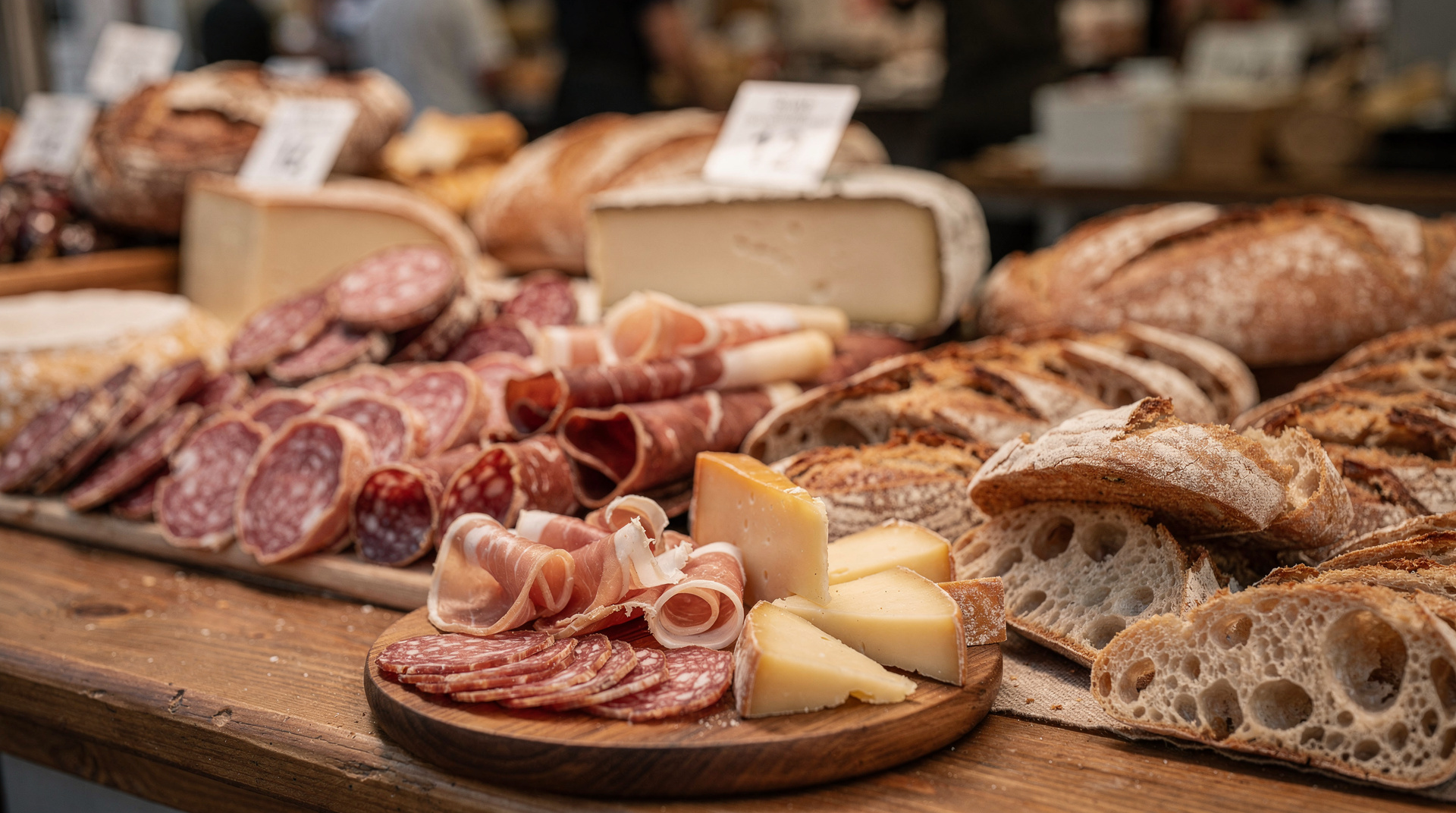
Couvert is the pre-meal spread of bread, butter, olives, cheeses or other items that arrives at your table in many Portuguese restaurants without being ordered. In neighbourhood tascas, it is often genuinely good (fresh bread, good olive oil, local cheese) and costs €1.50-3 per person — a reasonable addition. In tourist-facing restaurants, it is a stealth margin-padding charge of €3-6 per person that adds 15-20% to a bill before you’ve ordered anything.
You are legally entitled to refuse couvert and have it removed from your table and your bill without penalty. The only action required: when it arrives, say calmly “no couvert, please” (or “sem couvert, obrigado” — restaurant staff speak English and understand this immediately). It will be removed. You will not be treated poorly for refusing it.
The trap is the assumption that the bread is complimentary. It isn’t. If you consume it, you pay for it. If you don’t want it, decline immediately when it arrives.
Tourist trap 3: Livraria Lello without a ticket
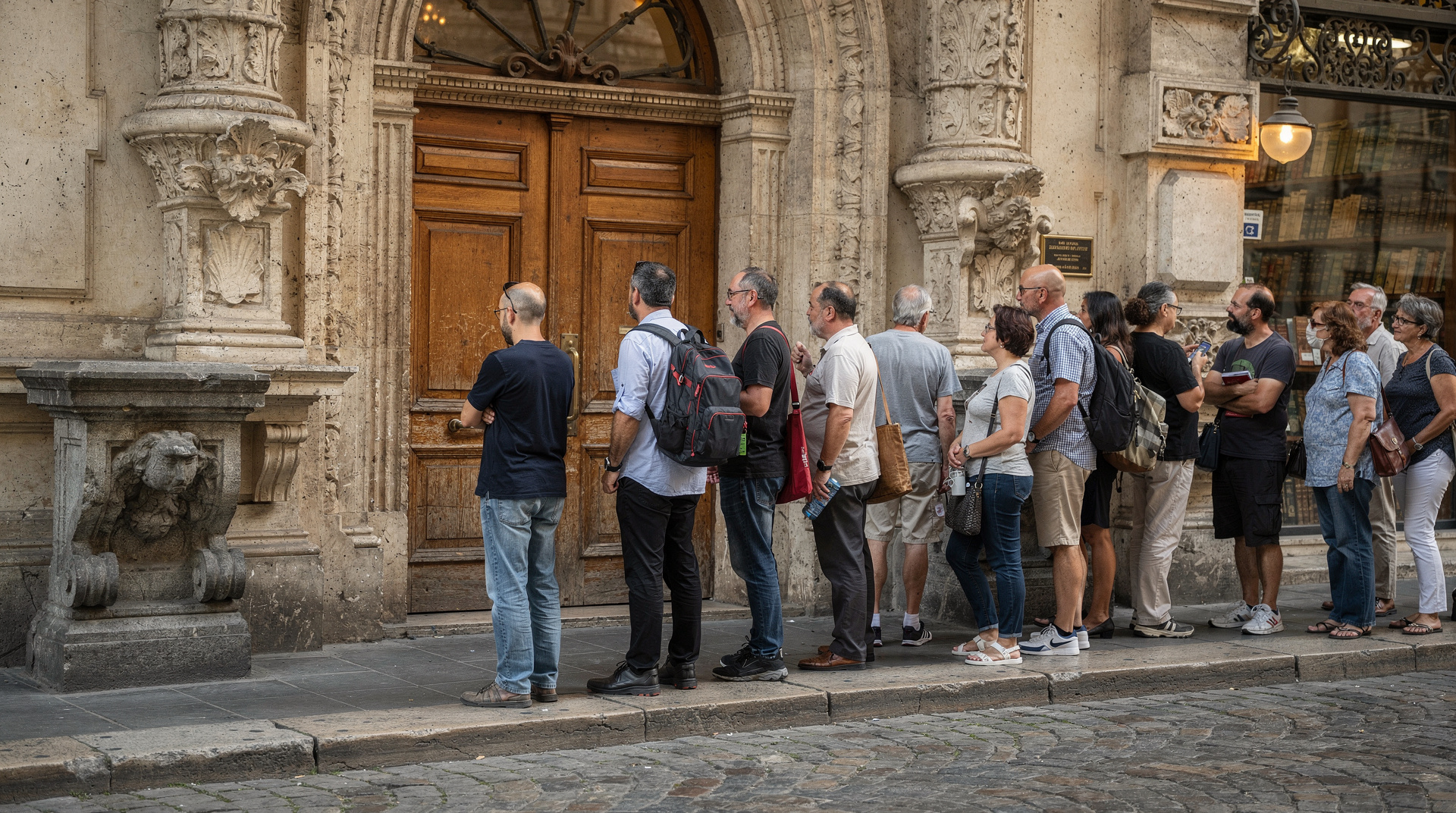
Livraria Lello is one of Porto’s most genuinely beautiful attractions — the neo-Gothic interior, the double staircase, the stained glass ceiling. The tourist trap version of the visit is not the bookshop but the queue without a ticket.
In June-September, the queue for walk-in visitors without pre-booked tickets can extend to 2-3 hours. This is not an exaggeration and not a reason to skip the visit — it is a reason to book in advance.
The solution is simple: Silver ticket (€8) online at Lello’s official website or via GetYourGuide gives you a time-slotted entry. Gold ticket (€15.90) adds skip-the-line priority access. Both are deductible from any book purchase, making the entry effectively free if you spend €8 or more.
Never arrive at Livraria Lello in summer without a pre-booked ticket. The 3-hour queue is genuinely wasted time that could be spent on the rest of the city.
Tourist trap 4: “free” walking tours
Porto has a thriving market in “free walking tours” — tours advertised as free that operate on a mandatory-tipping model. The tours start at a fixed central point (typically Aliados or São Bento station), run 2-3 hours, and end with guides explicitly collecting tips. The expectation is €10-15 per person.
This is not, in itself, fraudulent. It is a legitimate business model used in dozens of European cities. The problems in Porto’s specific market:
Quality inconsistency: The free tour market has low barriers to entry. Guides range from genuinely knowledgeable local residents who provide excellent value at €12 in tips to people who have memorised a script covering the same landmarks and repeat it daily. Without vetting, you cannot know which you’re getting until it’s over.
The “free” framing is misleading. A tour that costs €12-15 in mandatory social pressure is not meaningfully different from a paid tour — except that paid tours by established operators (€15-25 per person) have reviewed content, vetted guides, and accountability if the experience is poor.
The better alternatives: The 3-hour Porto walking tour with local guide at around €15-18 is straightforwardly better value: fixed price, reviewed guide, structured content. The hidden streets Porto walking tour covers areas the free tour circuit doesn’t reach. For a comprehensive view of the honest walking tour landscape, see the fake free walking tours guide.
Tourist trap 5: airport taxis
Porto Airport (OPO) to the city centre has a legitimate taxi tariff that runs approximately €25-35 depending on exact destination and luggage — this includes the metered journey plus luggage supplement. The legitimate taxis at the airport queue operate on the meter and this fare is reasonable.
The trap is the unofficial or negotiating driver who approaches you in the arrivals hall before you reach the official taxi queue. These are not licensed airport taxis. They quote €50-70 in advance, target new arrivals who don’t know the correct price, and should be declined.
The three legitimate options:
- Metro line E from the airport: approximately €2.50, 30 minutes to Aliados or São Bento. The cheapest and most reliable option for single travellers or couples without excessive luggage.
- Uber or Bolt: Book from the official rideshare pickup zones at the airport exit. In-app fare quoted before you get in — typically €15-22 for central Porto. Set price, no negotiation.
- Licensed taxi queue: The official taxi stand at arrivals. Insist on the meter (taxímetro) from the start. Decline any driver who quotes a price before starting the meter. The meter fare to central Porto (30-35 min) with luggage is approximately €25-35.
Never accept a fare from a driver who approaches you in the terminal before the official taxi stand. Walk past them to the queue.
This pattern isn’t unique to Porto Airport — approaching or aggressive touts near any transport hub (Campanhã station, the Ribeira ferry points) should be treated the same way: real operators don’t need to chase you down. The getting from Porto airport guide has the fuller arrival-day walkthrough, including which exit the official taxi queue and rideshare pickup point are actually at.
Tourist trap 6: Douro Valley premium tours that aren’t premium
Several Douro Valley day tour operators market their products as “premium” while running formats that are standard at best. The specific patterns to watch for:
- Single quinta visit disguised as comprehensive wine experience
- “River cruise” that is a 30-minute float between one dock and another rather than a proper valley cruise
- Lunch at a generic roadside restaurant described as “typical Portuguese”
- Group sizes of 40+ people described as “small group”
A genuine premium Douro tour (€100-140) means: 8-12 maximum passengers, two or more quinta visits with winemaker access, private river cruise, lunch at a quinta. Any tour that doesn’t meet most of these criteria at a premium price is overcharging for standard delivery.
The Douro tours to avoid guide covers the specific red flags in tour descriptions that indicate poor value regardless of the marketing language.
Tourist trap 6b: the “typical Portuguese” fado dinner
A specific trap variant on the food-and-culture side: fado dinner packages advertised outside Ribeira restaurants promising a “typical” evening for a flat fee, often €35–50, that turn out to be a rushed set menu followed by two or three recorded or amateur songs rather than a genuine performance. The best fado shows guide covers the venues with a real reputation for the music, and the Porto fado guide explains what separates a serious casa de fado from a tourist-menu imitation. If a flyer or a tout on the street is pushing you toward a specific restaurant for “authentic fado,” treat it with the same scepticism as a free walking tour pitch.
Tourist trap 7: hop-on hop-off buses
The hop-on hop-off bus circuits in Porto are a legitimate tourist product in other cities. In Porto, they are questionable value because Porto’s historic centre is genuinely walkable — the distances between major sights don’t require a bus circuit to navigate. The bus routes also duplicate the tram and metro at a significantly higher per-journey cost.
The exception: the hop-on hop-off makes sense if you have very limited mobility, are visiting with children who cannot walk distances, or want a narrated overview on arrival before deciding where to focus. For these use cases, it can be a reasonable orientation tool on day one.
For everyone else: the Andante transport card (€2 per journey) plus walking covers everything the hop-on hop-off covers at a fraction of the cost.
The tourist-trap pattern in the Douro Valley too
The same overpricing logic that operates in Ribeira restaurants shows up in Douro Valley day trips: operators marketing a rushed 30-minute boat float and a single quinta stop as a “full wine experience” at prices close to a genuine full-day tour. If a Douro trip is part of your plan, read the Douro Valley transport guide before booking anything, so you know what a fair price actually buys.
Tourist trap 8: unnecessary port cellar upsells
Several port wine lodges on the Gaia waterfront offer a basic tasting included in the entry ticket, then push a significantly more expensive “premium” or “vintage” tasting upsell at the till before you’ve even seen the cellar. This isn’t dishonest — the wines genuinely are better — but the upsell pitch is timed and pitched in a way designed to catch visitors off guard, before they’ve compared prices against other lodges. The basic tour and tasting at an established house is a perfectly complete experience on its own; treat the upsell as optional rather than assuming it’s part of the standard visit. If you do want a more serious tasting, decide in advance and book it directly rather than being upsold at the door — the types of port wine explained guide is useful background before you’re standing in a cellar being asked to choose between a Ruby and a 10-Year Tawny you’ve never tried.
Building a trap-free Porto itinerary
The practical version of avoiding tourist traps in Porto:
Eat: Breakfast at a neighbourhood padaria (€2-3 for coffee and pastel de nata), lunch at a local tasca in Bonfim or Cedofeita (€10-14 for a full meal), dinner at a restaurant found via Google Maps filtered by local reviews rather than TripAdvisor top-10 lists. Reserve the tourist-zone restaurants (which are not all bad) for evenings when the atmosphere justifies the premium.
Transport: Metro from the airport, Andante card for city travel, walking for the historic centre (which covers 90% of what most visitors need), and Uber/Bolt for longer journeys.
Attractions: Book Livraria Lello in advance (Silver ticket, online). Port wine cellars: book Taylor’s or Graham’s in advance for July-August; walk in otherwise. Skip the Sandeman “photo-op” unless you’re particularly attached to the logo.
Tours: Pay the modest fixed price for an established walking tour rather than the “free” tip-pressure version. The price difference is negligible; the quality difference is real.
The Porto food and wine hidden gems tour is designed specifically for visitors who want the parts of Porto’s food culture that don’t appear on the tourist surface — the market stalls, the neighbourhood wine bars, the tasca menus you won’t read about anywhere else.
For a fuller trap-free plan across an entire stay rather than isolated fixes, the Porto travel tips guide and the Porto on a budget guide cover the same territory with a wider practical lens — hills, tipping, ETIAS and daily spend alongside the specific traps listed here.
Frequently asked questions about Porto tourist traps
Is Porto full of tourist traps?
Porto has concentrated tourist-trap scenarios in specific areas (Ribeira waterfront, queue-heavy attractions) that can significantly damage a trip if you’re unprepared. But the alternatives are genuinely close in every case. Being informed is the only real defense.
What is the couvert charge in Portuguese restaurants?
Couvert is a pre-meal spread of bread, butter, olives and other items that arrives without being ordered. It is a legal additional charge of €2-6 per person. You can decline it — say “no couvert please” when it arrives. You will not be charged for food you haven’t consumed.
How do I avoid airport taxi scams in Porto?
The legitimate airport taxi costs approximately €25-35 on the meter. Any driver quoting €50-70 before a meter is not legitimate. Take the metro (line E, ~€2.50) or book Uber/Bolt from the official rideshare zone. If taking a taxi, insist on the meter from the start.
Are Porto’s free walking tours actually free?
No. They operate on a tip model where guides expect €10-15 per person. Guide quality varies significantly. Paid tours by established operators at €15-25 per person typically have vetted guides and consistent content. The price difference is minimal; the quality assurance is real.
What other charges should I watch out for in Porto?
Table service charge (sometimes added automatically — check the bill). Menu photos on the exterior targeting you as you pass. “Typically Portuguese” description on tourist menus. Check Google Maps reviews filtered to local guides before choosing a restaurant in the Ribeira zone.
Is Livraria Lello worth it despite the queues?
Yes — the interior is genuinely beautiful. The trap is queue management: book a Silver ticket (~€8) online for timed entry. Never arrive in summer without a pre-booked ticket. The 2-3 hour walk-in queue is real and avoidable.
Frequently asked questions — Porto tourist traps — the honest guide to what's overpriced and why
Is Porto full of tourist traps?
Porto has a concentration of tourist-trap scenarios in specific areas (Ribeira waterfront, queue-heavy attractions) that can significantly damage a trip if you're unprepared. But unlike some heavily touristed cities, the alternatives in Porto are genuinely close — the good restaurant is one street back from the bad one, the sensible transport option exists, the honest cellar visit is available. Being informed is the only real defense.What is the couvert charge in Portuguese restaurants?
Couvert (sometimes called 'bread and butter') is a pre-meal spread of bread, butter, olives, cheese or other small items that arrives at your table without being ordered. In tourist-facing restaurants, this is a stealth charge of €2-5 per person. It is legal in Portugal. You are entitled to refuse the couvert and have it removed without charge — simply say 'no couvert, please' when it arrives. In local tascas, couvert is often cheaper and genuinely good; in tourist restaurants, it's a margin-padding exercise.How do I avoid airport taxi scams in Porto?
The legitimate airport taxi to central Porto costs approximately €25-35 (metered, with luggage supplement). Any driver quoting €50-70 before a meter start is not a legitimate taxi operator — they are either an unlicensed driver or running an inflated fixed-price scheme targeting tourists. The metro (line E, ~€2.50, ~30 min) is the safest option from Porto Airport OPO. Uber and Bolt are the second safest — fixed prices quoted in-app before you get in.Are Porto's 'free walking tours' actually free?
No. 'Free walking tours' in Porto operate on a tip model. The guides present the tip as voluntary but create significant social pressure for €10-15 per person — making the tour cost €10-15 anyway, but with less accountability for quality. Guide quality varies widely; some are excellent, some are barely informed. Paid tours by established operators (€15-25 per person) typically have vetted guides, consistent content and real accountability. See the detailed guide to fake free walking tours.What other charges should I watch out for in Porto?
Table service charge: some restaurants add a 10% service charge automatically — check the bill. Menu photos on the exterior: a menu displayed exclusively in photos and targeting you as you pass is a red flag for tourist pricing and mediocre food. 'Typically Portuguese' description: a label used on tourist menus to imply authenticity that is often absent. Check Google Maps reviews filtered to 'Local Guide' reviewers before choosing a restaurant in the Ribeira zone.Is Livraria Lello worth it despite the queues?
Yes — the interior is genuinely beautiful and worth the visit. The trap is not the bookshop itself but the queue management. Without an online ticket, summer queues of 2-3 hours are real. With a Silver ticket (~€8, booked online in advance), you enter in a time slot. With a Gold ticket (~€15.90), you skip the line entirely. Never arrive at Livraria Lello in summer without a pre-booked ticket.
Top experiences
Bookable activities with verified prices and instant confirmation on GetYourGuide.