Hidden gems in Porto: ten things most visitors miss
| Best for | Repeat visitors, or first-timers with 3+ days |
| Cost | Mostly free to 5 €; the Boa Nova lunch is a splurge |
| Time needed | Half a day to work through 4–5 of these |
| Getting around | On foot in the centre; metro or bus for Leça da Palmeira |
| Best paired with | A slow day — these don’t work rushed between big sights |
The problem with “hidden gem” lists
Most hidden gem lists are either obvious things that have been “discovered” so many times they’re no longer hidden, or genuinely obscure things that are obscure for good reason. We’ve tried to find a middle path: places and experiences that are real, accessible, interesting, and genuinely underrepresented in the mainstream Porto travel discourse.
These are places we’ve visited ourselves, in most cases more than once, and would recommend without qualification to someone who asks what they’re missing.
1. The Roman foundations under Sé Cathedral
The Sé de Porto cathedral is well-visited but most people walk through the main nave and cloisters without knowing that the ground below contains excavated Roman-era archaeology. The crypt and undercroft area, accessible as part of the paid cloisters ticket (around 4 €), shows sections of Roman road and foundations from the period when Porto (then called Cale or Portucale) was a settlement on the coastal route.
The explanatory panels are Portuguese-only at most points, but the visual archaeology is self-evident. Stand on a glass floor panel and look down at a Roman street surface from eighteen centuries ago.
2. The azulejo tile cemetery at the Museum of Azulejo in Gaia
There is a tile museum in Lisbon (the Museu Nacional do Azulejo) that appears on every list. There is also a smaller, less-visited tile museum in Vila Nova de Gaia that has a peculiar and wonderful feature: a collection of broken and salvaged tiles from demolished buildings, organised by period and pattern, that functions as a kind of cemetery for orphaned ceramics. Entry included with the broader museum ticket.
3. Rua das Flores on a weekday morning
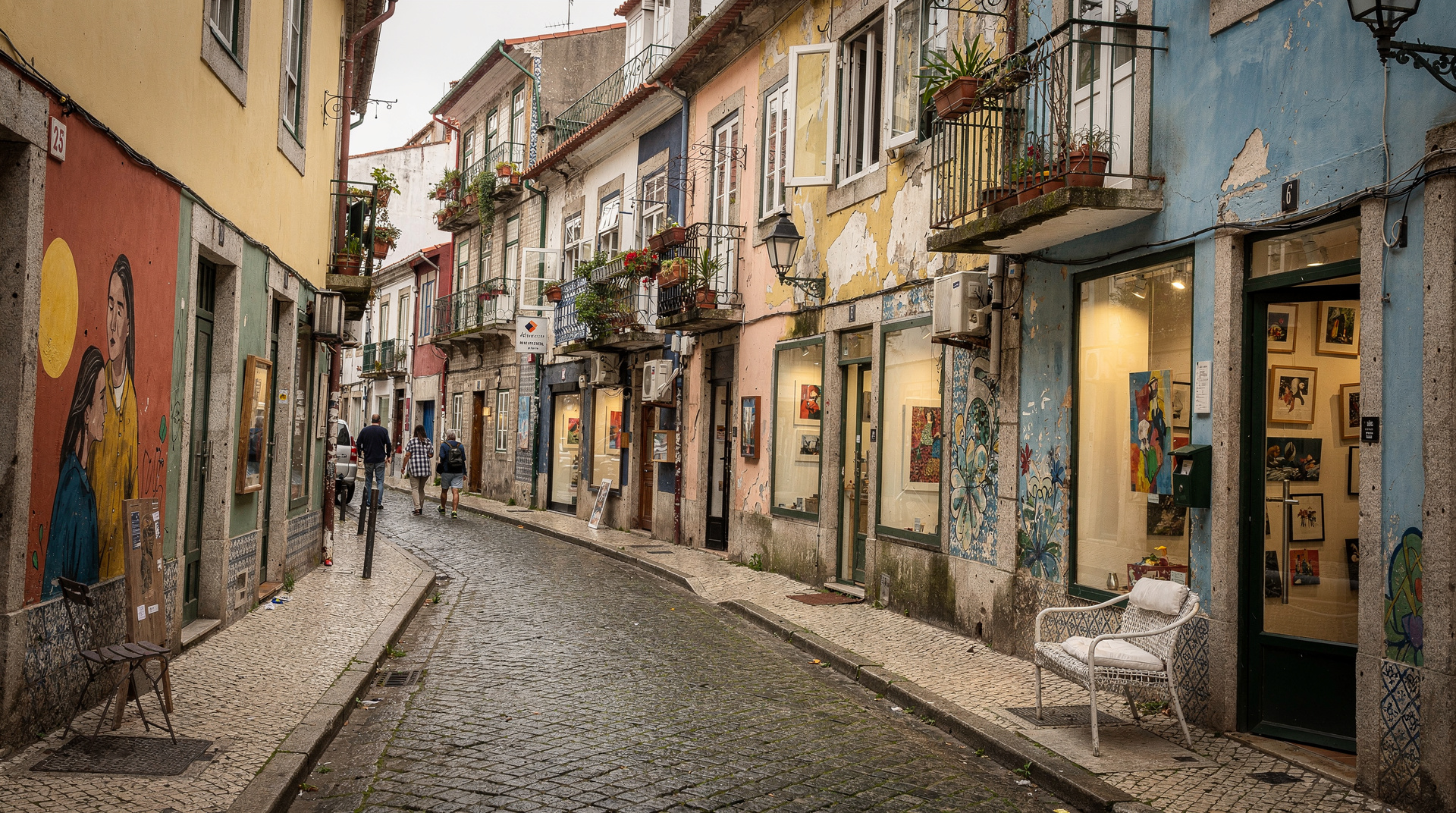
Rua das Flores — the flower street — is Porto’s most architecturally consistent commercial street, with ground-floor shops and cafés under a continuous run of 18th-century facades. It appears on photography lists and walking tour routes, but on a weekday morning before 10am it’s a working street: florists opening, café deliveries arriving, office workers having espresso at the counter. This is when you see it properly.
4. Padaria Ribeiro, the oldest bakery
Near Praça da Batalha, Padaria Ribeiro has been operating since 1893 and is one of the few remaining commercial spaces in Porto’s centre that hasn’t been converted to a café or repositioned for tourism. The bread is good and the interior — white tile walls, old cases, the smell of a real bakery — is genuine rather than recreated.
5. The WOW cork museum
The World of Wine (WOW) cultural district in Gaia is not a hidden gem — it’s a multi-million euro cultural investment with significant marketing. Within it, however, the Planet Cork exhibition is underappreciated: a detailed museum about the Portuguese cork oak industry that’s more interesting than it sounds. Portugal produces around 50% of the world’s cork, and the exhibition makes the industrial and ecological case for this in a genuinely compelling way. Included in the WOW day ticket.
6. Livraria Chaminé da Mota
There are several good bookshops in Porto beyond Lello. Livraria Chaminé da Mota, in Cedofeita, is the one we’d recommend to anyone who actually reads: a proper independent bookshop with a good Portuguese literature section, bilingual staff, and no queue outside. No staircase, no Instagram moment — just books.
7. The Sardine Festival viewpoint, Rua da Boa Viagem
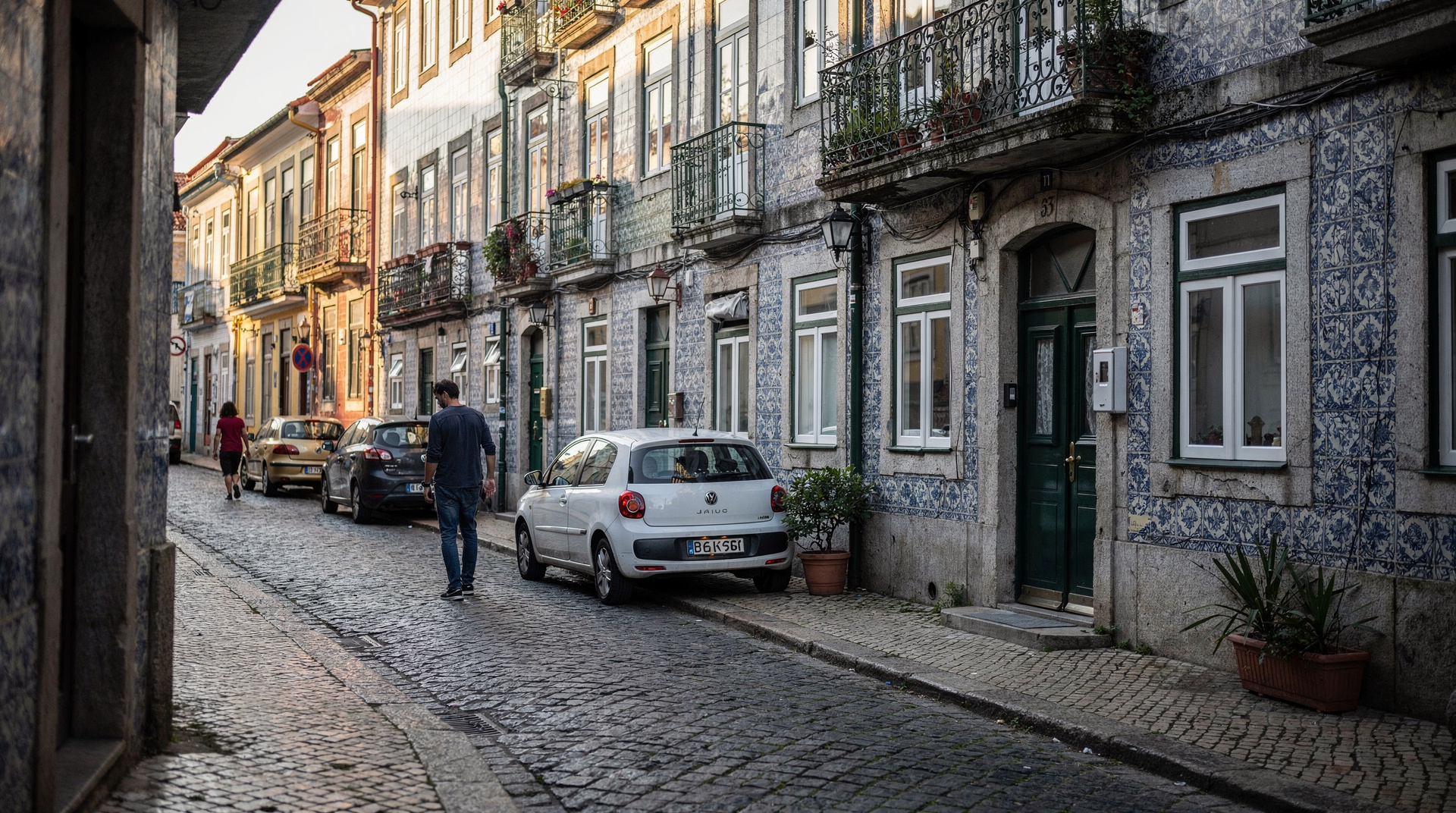
In Bonfim, a street called Rua da Boa Viagem has been painted — street surface, walls, facades — in the blue-and-white sardine pattern associated with Portuguese popular graphic tradition. It’s the kind of intervention that could be kitschy but somehow isn’t, partly because it’s in a residential street rather than a tourist zone, and the painted buildings are still used as residential buildings.
8. Casa de Chá da Boa Nova (Leça da Palmeira)
Twenty minutes north of Porto by metro and bus, in the coastal town of Leça da Palmeira, the Casa de Chá da Boa Nova is an Álvaro Siza Vieira building from 1963: a tea house and restaurant built into the rocky Atlantic coastline in a way that treats the geological landscape as structural partner. It’s now a Michelin-starred restaurant (expensive) but the building itself can be seen from the coastal path — the architecture is the thing.
If budget allows, lunch here is one of the finest restaurant experiences accessible from Porto.
9. A small-producer port wine tasting at Poças
Everyone visits Taylor’s or Graham’s or Cálem. Poças is a family-owned producer in Gaia that’s been operating since 1918 and maintains a scale where individual visits feel individual. The tasting room is small, the guides are not reading from a script, and the wines — particularly the colheita tawnies — are excellent and honestly priced (starting around 5-8 € for the guided tasting).
Poças three-wine tasting — the small-producer Gaia visit worth making time for10. The garden of Palácio de Cristal in winter
Parque do Palácio de Cristal is a large public garden with peacocks, pavilions, and the iron-and-glass Crystal Palace exhibition building. In spring and summer it’s on most itineraries. In November and December it’s quiet, the deciduous trees are bare, the peacocks are annoyed at the cold, and the pavilion terrace overlooks the Douro with the winter light doing extraordinary things to the river surface.
The café in the garden is open year-round and charges normal café prices for a location that would command a tourist premium if it were in Ribeira.
Private tour with a local who knows the city beyond the highlightsHow hidden these actually still are
We rate these on a rough scale of how likely you are to have the place mostly to yourself, based on our last visit to each:
| Spot | How quiet | Best time to go |
|---|---|---|
| Roman foundations, Sé | Very quiet | Any time — few visitors even know it’s there |
| Azulejo cemetery, Gaia | Quiet | Weekday mornings |
| Rua das Flores (early) | Moderate later in the day | Before 10am on a weekday |
| Padaria Ribeiro | Quiet | Any time; busiest at breakfast |
| Chaminé da Mota bookshop | Very quiet | Any time |
| Rua da Boa Viagem murals | Quiet | Daylight, for the colour |
| Boa Nova tea house (view) | Moderate | Weekday, off-peak |
| Poças tasting | Quiet | Weekday afternoons |
| Palácio de Cristal in winter | Very quiet | November–February |
What we’d add if we wrote this list today
Two more that have earned a place since we first published this piece. The Bolhão market’s upper gallery, above the ground-floor food stalls, has a quieter run of small shops and a view down onto the market hall that most visitors on a quick walk-through never look up to see — worth the two minutes it takes to find the stairs. And the riverside path west of Foz do Douro toward the lighthouse, a stretch of coastal walk that gets a fraction of the traffic of the central Ribeira waterfront despite being just as scenic; our Foz do Douro coverage has the detail.
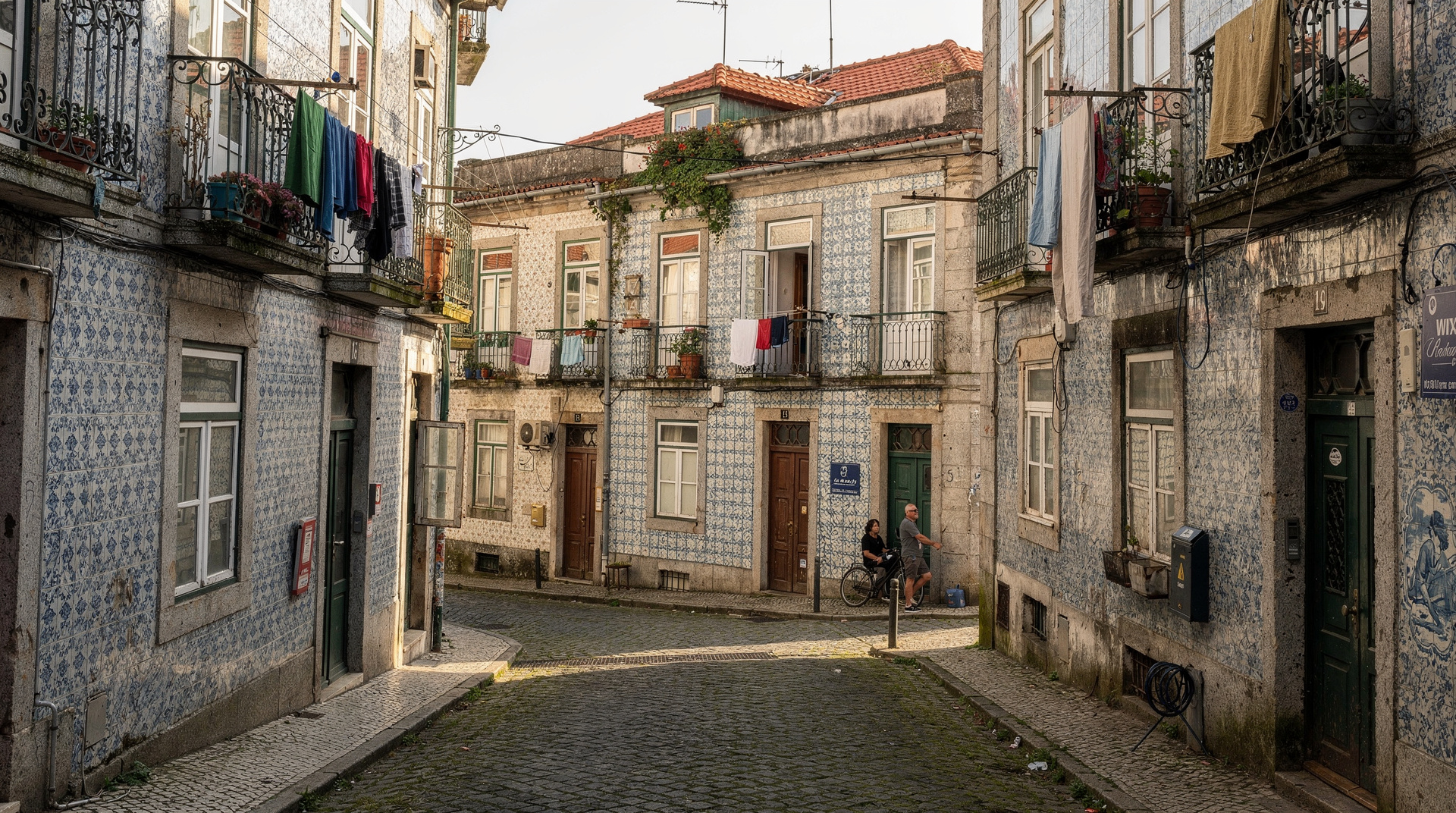
If you want a more structured way to see the city’s overlooked corners rather than chasing this list stop by stop, a local guide who already knows which streets are quiet on a given morning is worth the cost.
Porto hidden streets walking tour — the guided version of this listThe honest note on hidden gems
Porto’s “hidden” layer is getting shallower with each year. Several things on this list have appeared in publications since we first wrote about them. The Boa Nova tea house is now internationally known. The Bombarda gallery strip has art-tourist visitors. By the time you visit, some of these will be less hidden than described.
The best version of Porto is the version you find by walking beyond the marked route. Take a street that isn’t on your map, sit at a café that doesn’t have an English menu, ask your guesthouse owner where they eat lunch. The hidden gems of Porto are less specific places than a way of moving through the city.
Our underrated Porto neighbourhoods guide builds on this with more structured neighbourhood-level advice for Bonfim, Cedofeita, and Bombarda. If you’re building a first-timer itinerary around a few of these, our 3-day itinerary has room to slot two or three in without derailing the main sights.