Underrated Porto neighbourhoods: Bonfim, Cedofeita, and Bombarda
The Porto that most visitors don’t see
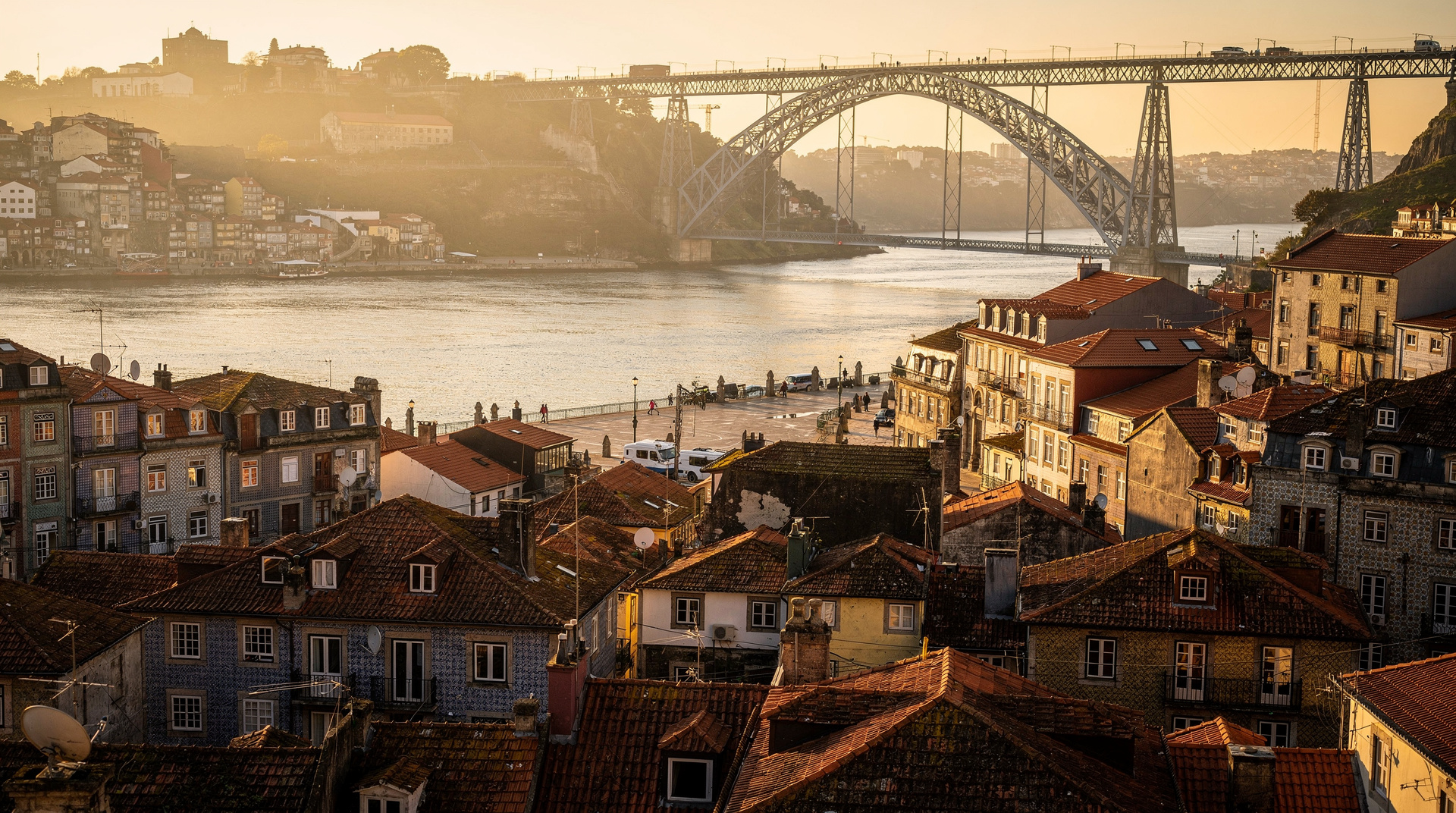
A Porto trip that stays in Ribeira, crosses to Gaia for port wine, visits Lello and Clérigos, and doesn’t go further east or west than those coordinates is a good trip. It’s also an incomplete one. The city’s character — the thing that makes Porto distinctly Porto rather than a generic pretty European destination — lives more completely in Bonfim, Cedofeita, and the Bombarda gallery strip than in any of the above.
| Bonfim | Working-class heritage, azulejo streets, early-mid gentrification |
| Cedofeita | Independent shops, best café culture, Bombarda edge |
| Bombarda strip | Contemporary art galleries, first-Saturday open |
| Getting there | 10-15 min walk from Clérigos/Bolhão, or metro |
| Best for | 3+ day trips, digital nomads, return visitors |
These aren’t secret. The locals know them and a certain type of visitor seeks them out. But they have not yet been fully absorbed into the mainstream Porto tourist circuit, which makes them both more rewarding and more at risk of disappearing by the time you read this.
Bonfim: the Porto that time managed differently
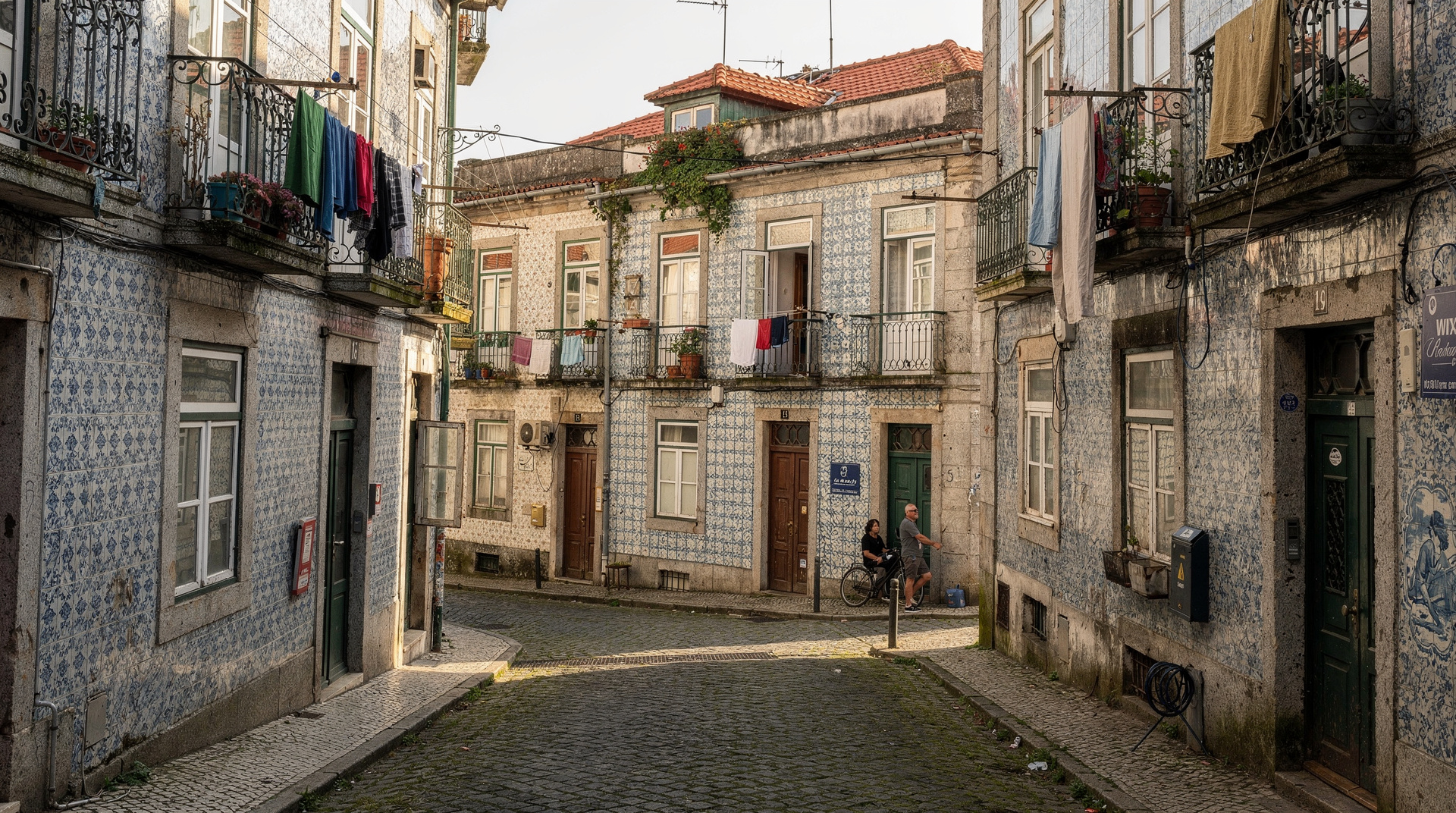
Bonfim is the neighbourhood east of the railway line, below Campanhã station, extending south toward the Douro. It was working-class Porto for a century: factory workers, port wine cellar labour, ordinary families in apartment buildings covered in domestic azulejo.
What happened next is familiar from every European city with a post-industrial east side: the factories closed, young creative people moved in attracted by lower rents, and the neighbourhood began a slow reconfiguration that’s currently in a state we’d call early-mid gentrification. The azulejo facades are still there. The old families are still there. The new cafés and small restaurants are arriving.
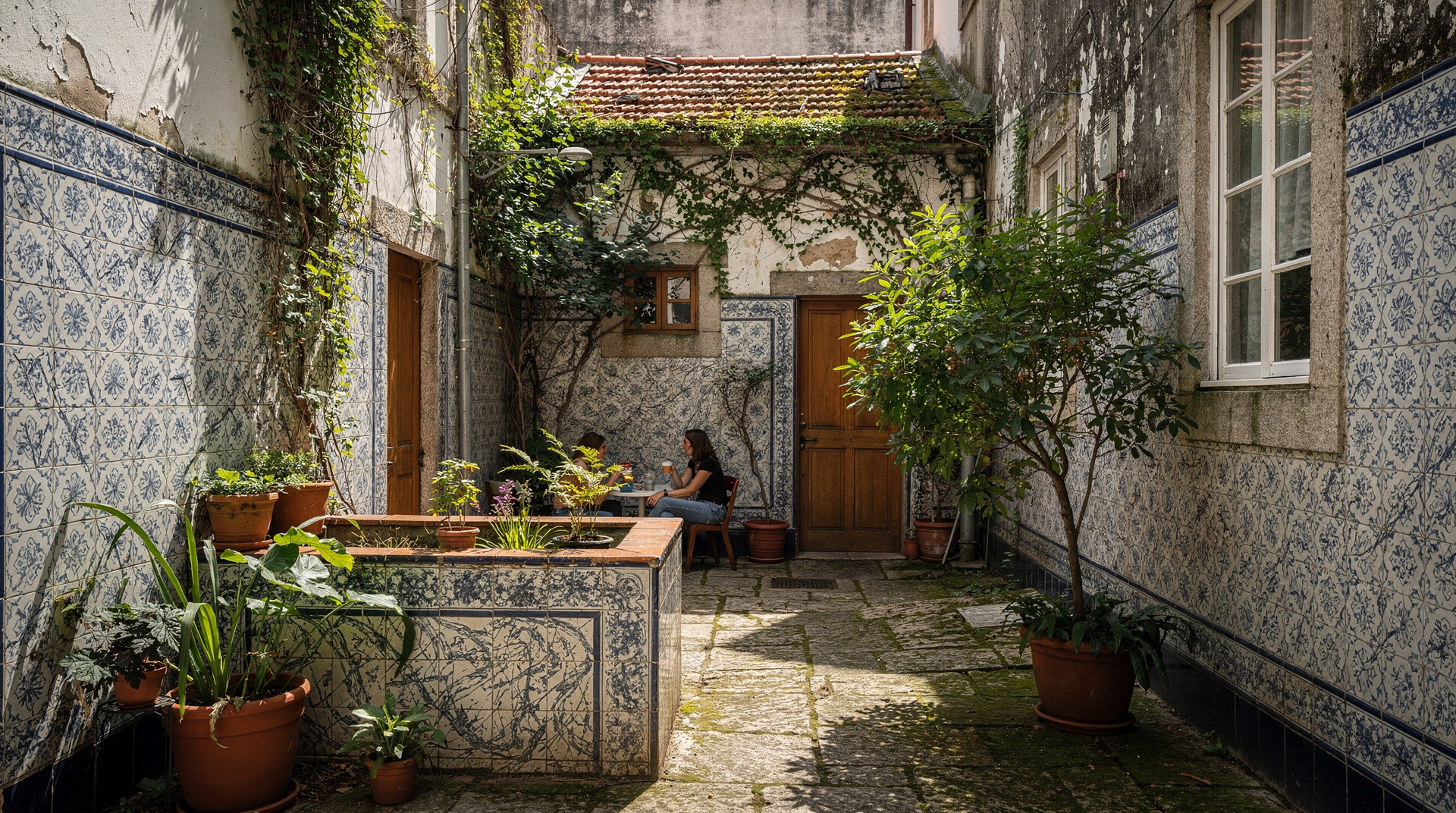
The Bonfim we spent time in had: a ceramic tile workshop run by a woman who’d been restoring historic azulejos for thirty years and had started accepting visitors for occasional demonstration sessions; a neighbourhood tasca where lunch cost 8 € and the proprietor spoke no English but communicated the daily specials through improvised gesture; a plant nursery in a courtyard building that had previously been a stable; a wine shop run by a Douro producer selling bottles at estate prices.
None of these appeared on any travel website we checked before going. We found them by walking.
The azulejos of Bonfim specifically deserve their own attention. Rua de Fernão Lopes, Rua de Costa Cabral, the streets around the Igreja de Bonfim — these blocks have some of the finest decorative tile facades in the city, applied to residential buildings in the 19th and early 20th century in a way that treats ceramic tile as the natural finish for exterior walls. Which, in Porto’s Atlantic climate, it is.
Getting there: walk east from Bolhão market, fifteen minutes. Or metro to Campanhã and walk south-west.
Cedofeita: the neighbourhood with the street that changed
Cedofeita is west of the historic centre, running from Rua de Cedofeita (the long commercial street with a good selection of independent shops) toward the large park at Jardim da Cordoaria. It’s the neighbourhood closest to the tourist zone that has maintained the most local character.
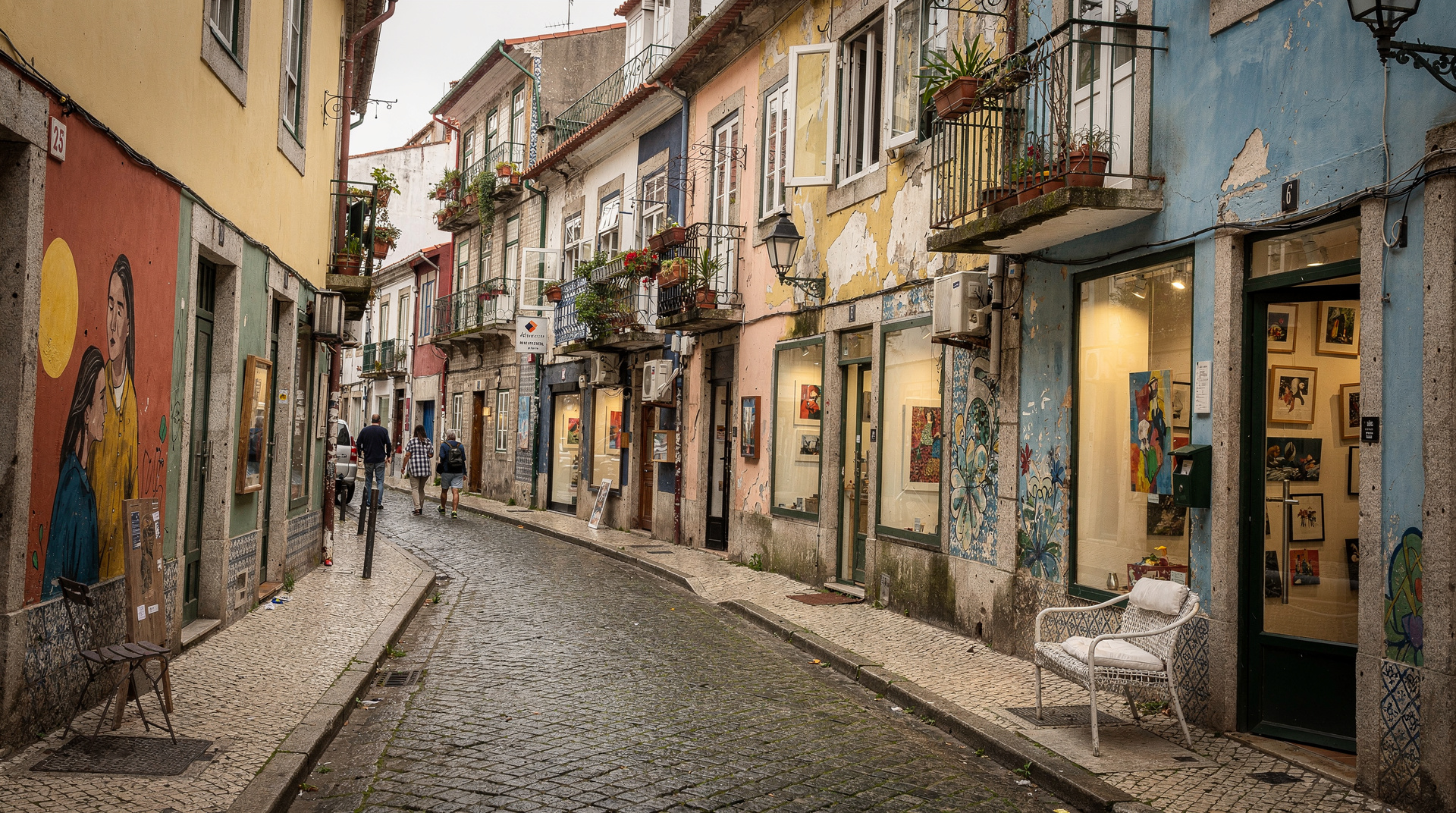
The Rua de Miguel Bombarda — the art gallery street — is the edge of Cedofeita where the creative sector concentrated. On the first Saturday of each month, the Bombarda galleries coordinate open doors and the street becomes an informal gallery walk with wine in plastic cups and conversation spilling onto the pavement. It runs from roughly 4pm to 8pm and is free. The art quality varies; the atmosphere is reliably good.
Cedofeita itself has the best café culture of the three neighbourhoods: independent places with actual character, as opposed to either the historic grand cafés of the centre or the hotel café equivalents that have appeared in Ribeira.
Our favourite afternoon structure in Cedofeita: espresso at a small coffee spot near Rua da Vilarinha → browse the independent bookshop on Rua de Cedofeita → lunch at a restaurant with proper Portuguese food rather than a tourist adaptation → afternoon in the Jardim da Cordoaria gardens watching people play chess.
Cost for this afternoon: approximately 18-22 € per person including a sit-down lunch.
The Cordoaria garden itself is underused by visitors. It’s a large urban park with mature trees, open lawns, and — when we last visited — an outdoor chess area and a regular weekend artisan market. Bring the pastel de nata you bought at the bakery on the way.
Getting there: ten-minute walk west from Clérigos tower. The neighbourhood begins where the tourist infrastructure thins.
The Bombarda gallery strip
The stretch of Rua de Miguel Bombarda between the Jardim da Cordoaria and the Museu Nacional Soares dos Reis contains a concentration of contemporary art galleries that would be significant in any European city. In Porto, it’s remarkable mostly because it exists without a great deal of tourist attention.
The galleries range from commercial spaces showing established Portuguese artists to more experimental project spaces showing emerging work. Hours are irregular (typically 10am-1pm and 3pm-7pm, closed Sunday and Monday), and the quality of work varies as widely as in any gallery district. The first Saturday open is the event to time a visit around.
The Museu Nacional Soares dos Reis at the north end of the area is Porto’s main fine arts museum: Portuguese painting and decorative arts from the 19th and 20th century in a former royal palace. Entry around 5 €. Consistently under-visited relative to its quality.
How to use these neighbourhoods in a Porto trip
For a 2-day trip: the historic centre covers day one. Spend half of day two in Cedofeita — it’s accessible from the centre and shows a different face of the city without requiring major logistical effort.
For a 3-day trip: one day centre, one day Gaia and south, one day Bonfim and Cedofeita. This is the complete version.
For a longer stay or digital nomad visit: base yourself in Bonfim or Cedofeita from the start. You’ll understand the city differently from the first day.
Off-the-beaten-track Porto private tour — a good investment for understanding these neighbourhoods with local contextThe honest caveat
These neighbourhoods are changing. The rents in Cedofeita have risen consistently since 2019. Parts of Bonfim that were genuinely local in 2018 have new café-and-hostel infrastructure in 2024. The Bombarda gallery strip was a genuine discovery in 2016; it now appears on enough lists to have a permanent stream of “gallery district” visitors.
We’re not suggesting they’re ruined — they’re not. But the window in which Bonfim in particular feels like a neighbourhood you’ve found rather than one that’s been prepared for you is getting smaller. Go while the tascas still outnumber the specialty coffee shops.
Porto hidden streets walking tour — the structured version of what we describe aboveWhere to stay if you want the neighbourhood, not just the visit
If these areas appeal enough to base yourself there rather than just visiting, our where to stay in Porto guide covers Bonfim and Cedofeita alongside the more obvious historic-centre options. The trade-off is real: staying in Bonfim means a ten-to-fifteen-minute walk or short metro ride to Ribeira and the main sights each day, versus stepping out into tourist infrastructure immediately from a Baixa-Aliados or Ribeira base. For a short trip, that walk isn’t worth the neighbourhood experience; for four days or more, it is.
How these neighbourhoods compare for a longer stay
| Bonfim | Cedofeita | Historic centre (Ribeira/Baixa) | |
|---|---|---|---|
| Local character | Strongest | Strong, more polished | Weakest, most touristed |
| Walk to Clérigos/Lello | 15-20 min | 10 min | 0-5 min |
| Café/restaurant prices | Lowest | Mid | Highest |
| Nightlife | Quiet, local | Good, Galerias de Paris nearby | Busiest |
| Best suited to | Longer stays, digital nomads | First-timers wanting some local flavour | First 1-2 nights, convenience |
Combining with the wider hidden-gems picture
These three neighbourhoods are part of a broader pattern of Porto areas that reward slower exploration; our hidden gems in Porto guide rounds up more of them beyond Bonfim and Cedofeita specifically, including spots closer to the centre that most itineraries still skip. If you’re building a 4-day Porto itinerary, splitting even half a day between Bonfim and Cedofeita is the single highest-value addition beyond the standard sights.
FAQ
Is Bonfim or Cedofeita safe to walk around at night? Both are generally safe, similar to the rest of central Porto — normal city precautions apply. Cedofeita has more evening foot traffic due to its restaurant and gallery scene; parts of Bonfim are quieter at night, which some travellers prefer and others find less lively.
How far is Cedofeita from the main Porto sights? About a 10-minute walk from Clérigos tower, making it the more convenient of the two neighbourhoods for visitors who still want easy access to Livraria Lello, São Bento, and the historic centre while getting some local character.