10 most instagrammable spots in Porto (with honest timing advice)
A note on “instagrammable” spots
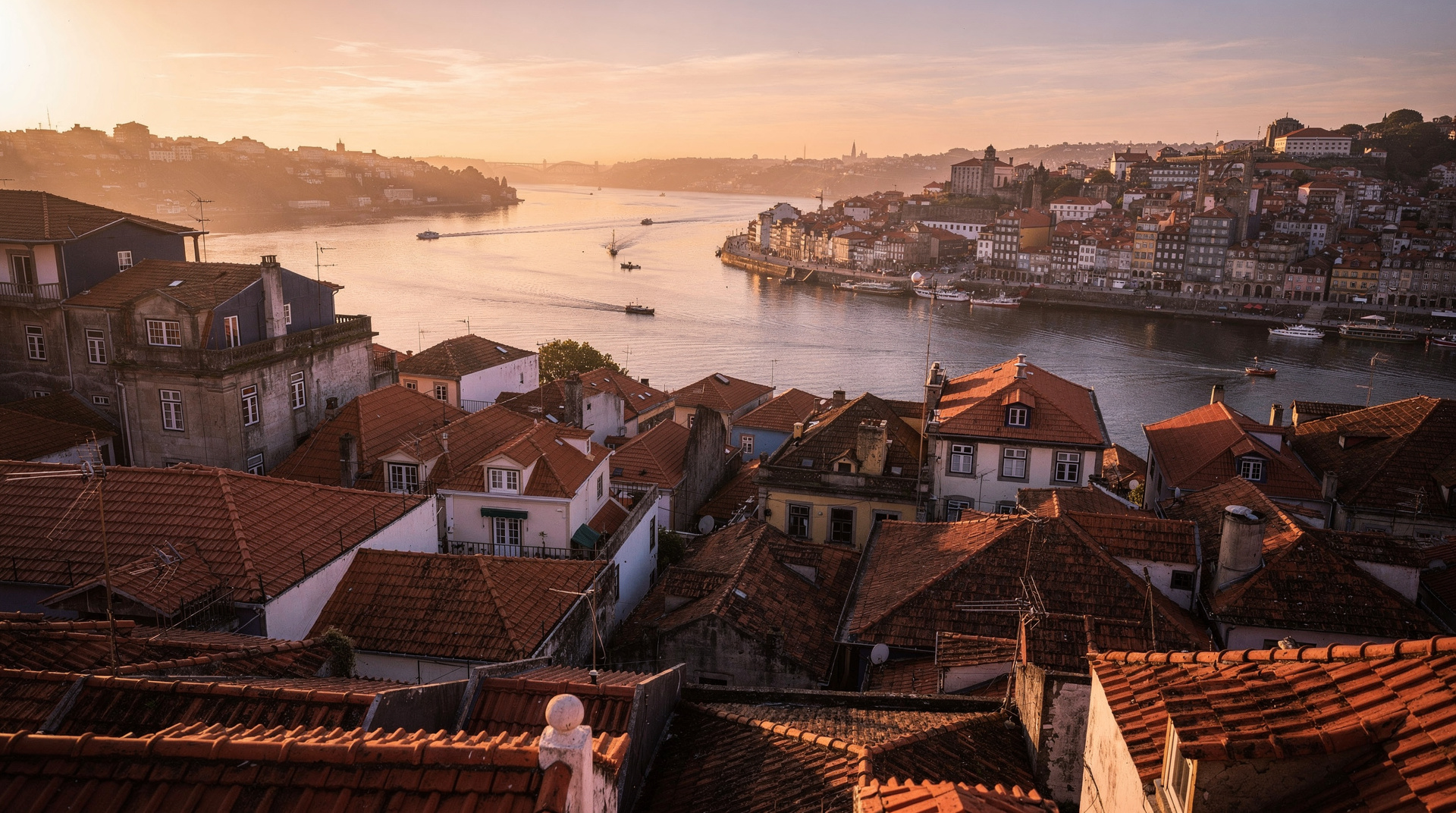
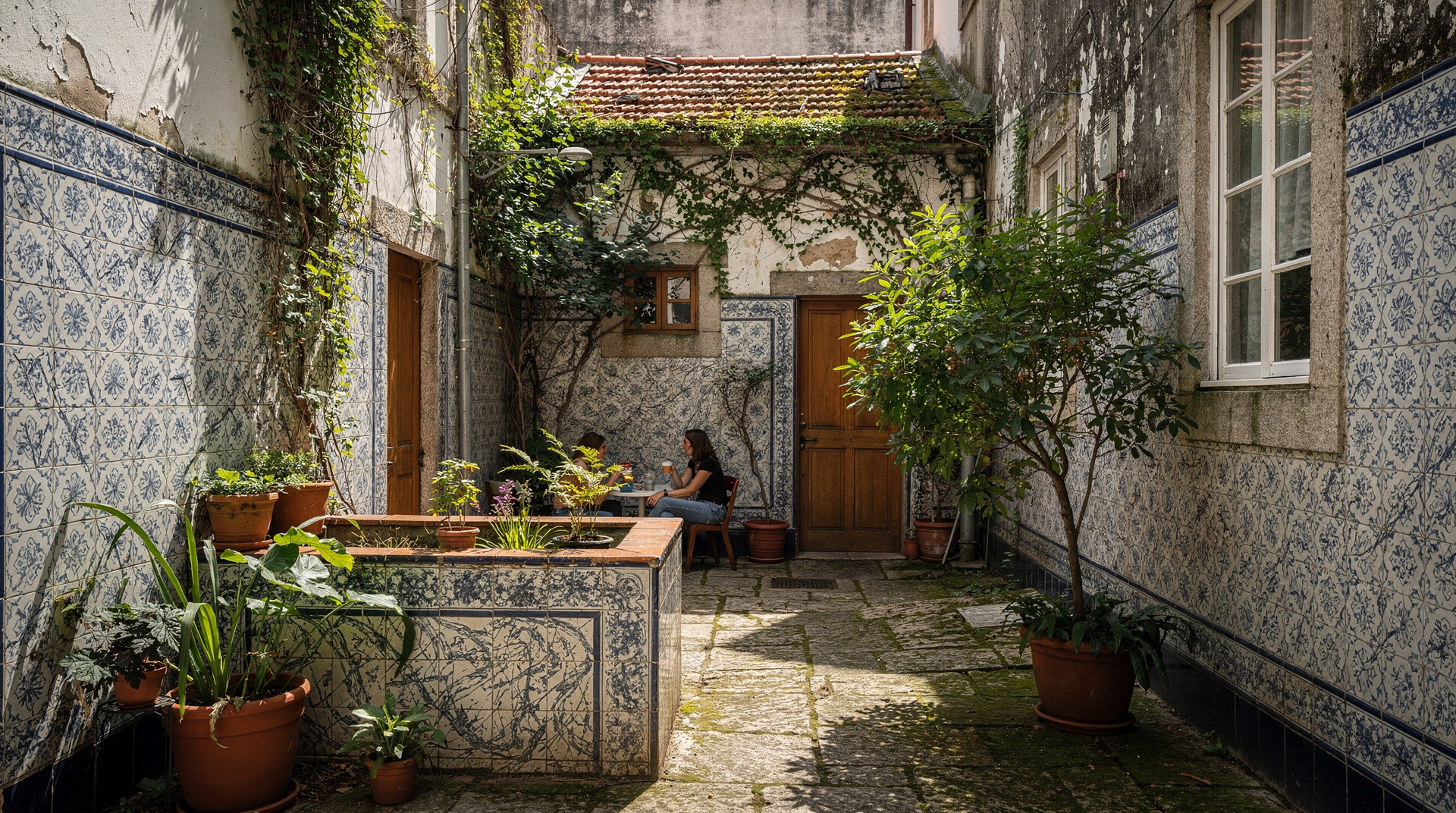
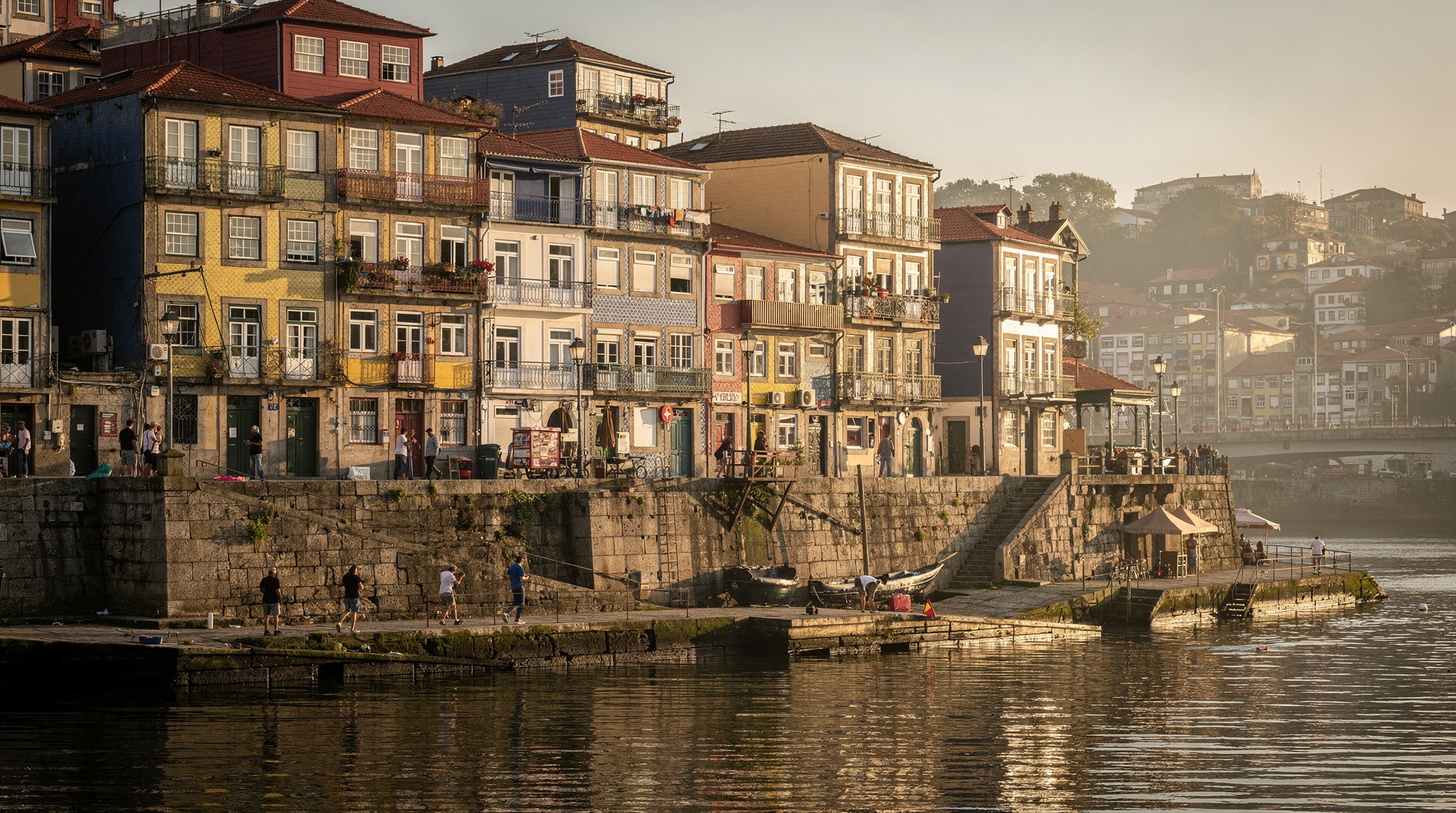
We’re using the word pragmatically — it means places that photograph well, not places that exist for photographing. Porto is a city with extraordinary visual density: 400 years of azulejo tile facades, a river with historic infrastructure, baroque churches, Art Deco cafés, and a particular quality of Atlantic light that makes almost everything look better than it has any right to.
The challenge is not finding photogenic places — it’s finding them without fifty other people in the frame. Here’s the list, with the timing that actually works.
| Best overall time | Golden hour — the hour after sunrise or before sunset |
| Best season | Spring or autumn for soft light and thinner crowds |
| Free spots | 8 of the 10 below cost nothing to photograph |
| Paid access | Lello Gold ticket (around 8 €); Gaia cable car (around 7 € return) |
| Drone use | Restricted in central Porto and over the Gaia hillside — check airspace first |
1. Chapel of Souls (Capelas das Almas), Rua de Santa Catarina
The exterior of this chapel is one of the most photographed facades in Porto: 15,000 blue-and-white azulejo tiles covering the entire front of a corner building, depicting the life of Saint Francis and Saint Catherine.
Timing for the shot: 8:00-9:00am. The street is quiet this early and the morning light hits the tiles from the east at an angle that makes them glow. By 11am there are groups being photographed here every three minutes.
What people miss: go around the corner — the side facade is equally tiled and usually empty of other photographers.
2. Ponte Dom Luís I upper deck
The view from the upper level of Porto’s double-deck iron bridge — looking toward Ribeira with the tiled city climbing the hillside — is the canonical Porto image.
Timing: the upper deck carries the metro as well as pedestrians, so early morning is best: 7:30-8:30am the deck is nearly empty. Alternatively, the 30 minutes before sunset, when the light is orange on the facades and the bridge is warm-lit.
What people miss: walk to the middle of the upper deck and look east, not west. The Douro curving into the distance with terraced hills has more depth and less tourist infrastructure.
3. Livraria Lello staircase
The red neo-Gothic staircase inside Lello bookshop is the most-reproduced indoor image in Porto. See our detailed guide to visiting Lello for the full situation.
Timing: buy the Gold ticket for an 18:00-19:00 entry slot. The interior at 6pm in summer has the stained glass at its most active and a fraction of the midday crowd.
4. Azulejo facades of Bonfim
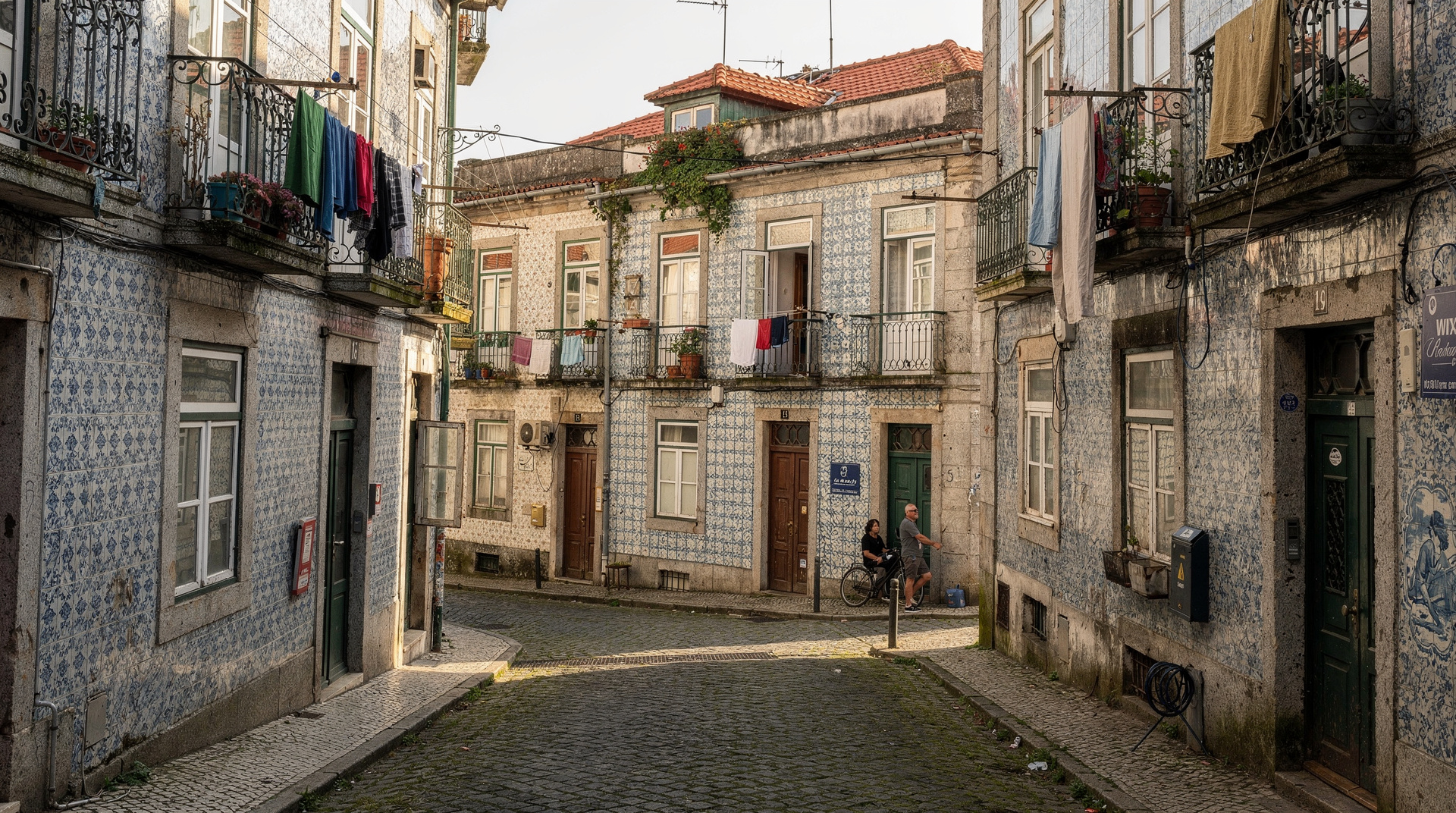
Bonfim, east of the city centre, has the densest concentration of decorative tiled building facades in Porto. Unlike the heavily photographed spots, these are domestic buildings that happen to be extraordinary: entire apartment buildings covered in geometric azulejos of different periods.
Timing: any time of day works because these streets are rarely crowded. Morning light on the east-facing facades is best (Rua de Fernão Lopes area). Walk south from Campanhã station and photograph as you find.
5. Clérigos tower at dusk
The view from Clérigos tower at 7pm in summer — over the terracotta city to the Douro and the Atlantic coast beyond — is different from the midday version. The haze has cleared, the light is warm, and you can see the coast at Matosinhos with good visibility.
Timing: 6:30-7:30pm in summer. Enter at 6:30 and catch the last light. The tower closes at 7pm (confirm current hours before visiting).
6. São Bento station interior
The azulejo panels in São Bento’s main hall depict Portuguese history in 20,000 tiles. The composition challenge is the people — it’s an active train station.
Timing: 8:00-9:00am on a weekday when commuters are moving through but not lingering. Early morning light comes through the windows at an angle that catches the tiles differently from midday. Weekend mornings are slightly better for long-exposure shots (less movement required).
7. Palácio das Cardosas (McDonald’s location) detail
This is a slightly perverse entry but: the arched marble portal of the former Palácio das Cardosas, now occupied by a McDonald’s on Praça da Liberdade, is an extraordinary piece of 18th-century stonework that receives almost no photographic attention because of what it now contains. The exterior detail — the carved stone, the proportions — is worth five minutes.
Timing: any time. Photograph the exterior, don’t document the interior.
8. Foz do Douro at low tide
Where the Douro meets the Atlantic at Foz do Douro, the rocky shoreline at low tide creates tide pools, layered rock formations, and the lighthouse at Farol de Felgueiras against the ocean. It’s a forty-minute walk or a bus ride from the centre.
Timing: check the tide tables (easily found for Porto). Low tide at golden hour — about 45 minutes before sunset — is the combination to aim for.
9. The Majestic Café exterior and interior
Café Majestic on Rua de Santa Catarina is an Art Nouveau interior from 1921 with dark wood, carved cherubs, and mirrors. It’s touristy and expensive (an espresso here costs 2-3 €, versus 0.80 € at a counter). The interior is genuinely beautiful.
Timing: 8:30-9:30am (opening time) when the café is setting up and before the tourist traffic builds. Request a corner table rather than the central area.
10. The Douro from the Gaia hillside
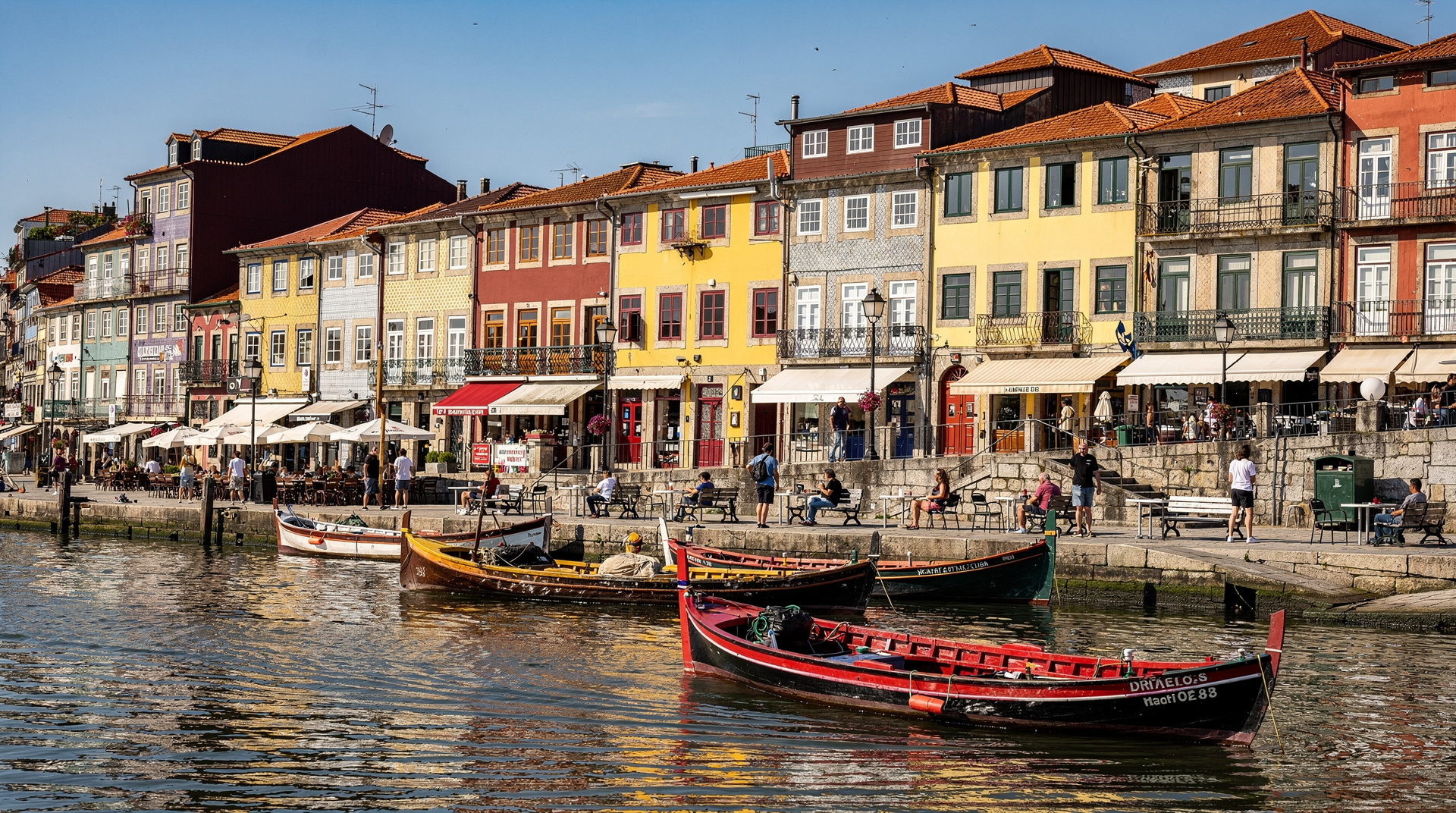
The view back toward Porto from the upper promenade in Vila Nova de Gaia — looking across the river at the stacked city, with Clérigos tower visible and the bridge in the foreground — is the reverse of the Ponte Dom Luís I shot and often better.
Timing: late afternoon when the sun is behind you (you’re on the south bank looking north) and the Porto facades are lit. The cable car up to the upper promenade in Gaia costs around 7 € return.
Porto photography walking tour — a good way to find the angles you’d miss aloneGeneral Porto photography timing notes
Porto’s light is best in the hour after sunrise and the hour before sunset. The midday light in summer is harsh and flattening. Winter light is lower-angle all day, which compensates for the grey clouds.
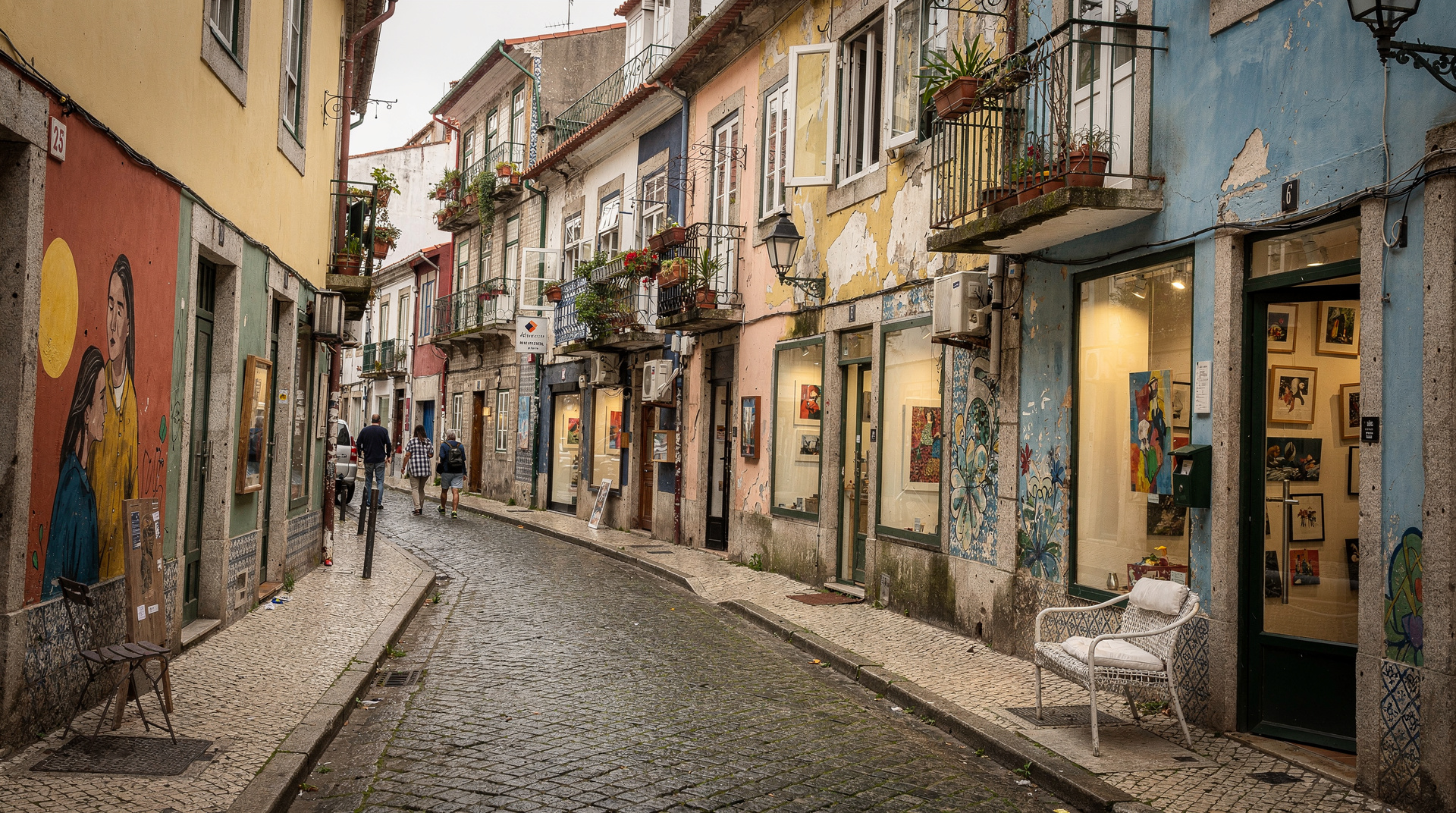
Cobblestone streets reflect beautifully in rain — Porto after a shower in November or March offers a kind of wet-stone reflection that doesn’t exist in the summer photographs.
The drone restrictions in central Porto are real — the city centre and Gaia hillside have aviation restrictions. Check airspace before flying.
Analog photography workshop in Porto — for a different kind of visual recordOur Porto sunset spots guide goes deeper on the best viewpoints for evening photography specifically.
Best season for Porto photography
Light quality changes noticeably across the year, and it changes which of the ten spots above are worth prioritising.
| Season | Light quality | Crowds | Best suited to |
|---|---|---|---|
| Spring (Mar–May) | Soft, changeable, good cloud interest | Moderate, building toward summer | Tile close-ups, Bonfim facades |
| Summer (Jun–Aug) | Harsh at midday, excellent at golden hour | Heaviest — arrive earliest | Sunset shots at Foz and Gaia |
| Autumn (Sep–Oct) | Warm, low-angle most of the day | Thinning after September | Clérigos tower, general walking |
| Winter (Nov–Feb) | Low-angle all day, dramatic after rain | Lightest — best availability | Wet-cobblestone reflections, São Bento |
Where to base yourself for early starts
Most of the best light happens before 9am, so where you sleep matters more than usual. Ribeira puts you steps from the bridge and the chapel for a pre-dawn start, though rooms are pricier and noisier at night. Baixa-Aliados is a fair compromise — a 10–15 minute walk to most spots on this list and generally quieter after dark. See our where to stay in Porto guide for neighbourhood-by-neighbourhood detail, and the Porto travel tips guide for general logistics.
Camera settings that actually help
You don’t need specialist gear, but a few defaults save time on location. For tiled facades, a polarising filter cuts the glare that otherwise blows out the glaze — worth the extra 30 seconds to attach. Inside São Bento and Lello, raise your ISO rather than using flash, which is often prohibited and flattens the exact texture you’re there for. For the bridge and river shots, a small tripod or a stable ledge lets you shoot at a lower ISO during the darker golden-hour minutes. If you’d rather not carry a tripod through cobbled streets, the best viewpoints in Porto guide flags which spots have a wall or ledge to brace against.
Frequently asked questions
Do I need a professional camera for these shots? No — a modern phone camera handles most of these well, especially in good light. A dedicated camera helps most with the low-light interiors (Lello, São Bento) and with the polarising-filter trick for tiled facades, but it isn’t a requirement for any of the ten spots.
Is it possible to photograph all ten spots in one day? It’s tight but possible if you start before sunrise and accept the midday light won’t be ideal for a couple of stops. Most visitors get better results spreading the list across two mornings and one sunset, rather than rushing a single day — see our 2 vs 3 days in Porto guide for how the extra day helps beyond just photography.