Aveiro — Portugal's canal town and Art Nouveau gem
Aveiro: canals, moliceiro boats, Art Nouveau buildings and ovos moles, 60 km from Porto. Day trip guide: train times, what to see and combining with Costa
Aveiro: Aveiro Traditional Moliceiro Boat Tour
Quick facts
- Distance from Porto
- 60 km south; 45–60 min by train
- Train fare
- €7–15 depending on train type
- Moliceiro boat cruise
- Approximately 45 min, €12–15 per person
- Ovos moles
- The must-eat local sweet — from €2–3 per portion
Canals, painted boats and egg-yolk sweets
Aveiro acquired its “Venice of Portugal” label from well-meaning tourism promotional material, and like most such labels it is both accurate and misleading. There are canals — four of them, lined with moliceiro boats painted with elaborate folk designs — and there is water visible from most of the town centre. But Aveiro is not especially like Venice. What it is is a mid-sized Portuguese town with a distinctive canal geography, an outstanding collection of Art Nouveau buildings, and a local food culture anchored by the ovos moles, a shell-shaped sweet made from egg yolk and sugar that is the product of a long history of convent confectionery.
As a day trip from Porto, Aveiro is among the most consistently rewarding options — different in character to Porto itself, compact enough to navigate on foot, and substantial enough that the journey feels justified. The 45–60 minute train ride is scenic and the logistics are simple. For visitors with more time, combining Aveiro with Costa Nova fills a comfortable full day.
| Where | Ria de Aveiro lagoon, 60 km south of Porto |
| Time needed | Full day (6 hours comfortable); half-day possible for the canal and Art Nouveau core |
| Cost | Train €7–15 return leg; moliceiro cruise €12–15; museum entries €3–6 |
| Getting there | 45–60 min by train from Porto Campanhã (recommended) |
| Best time | May, June and September; avoid August weekends |
What to do in Aveiro
Moliceiro boat cruise on the canals
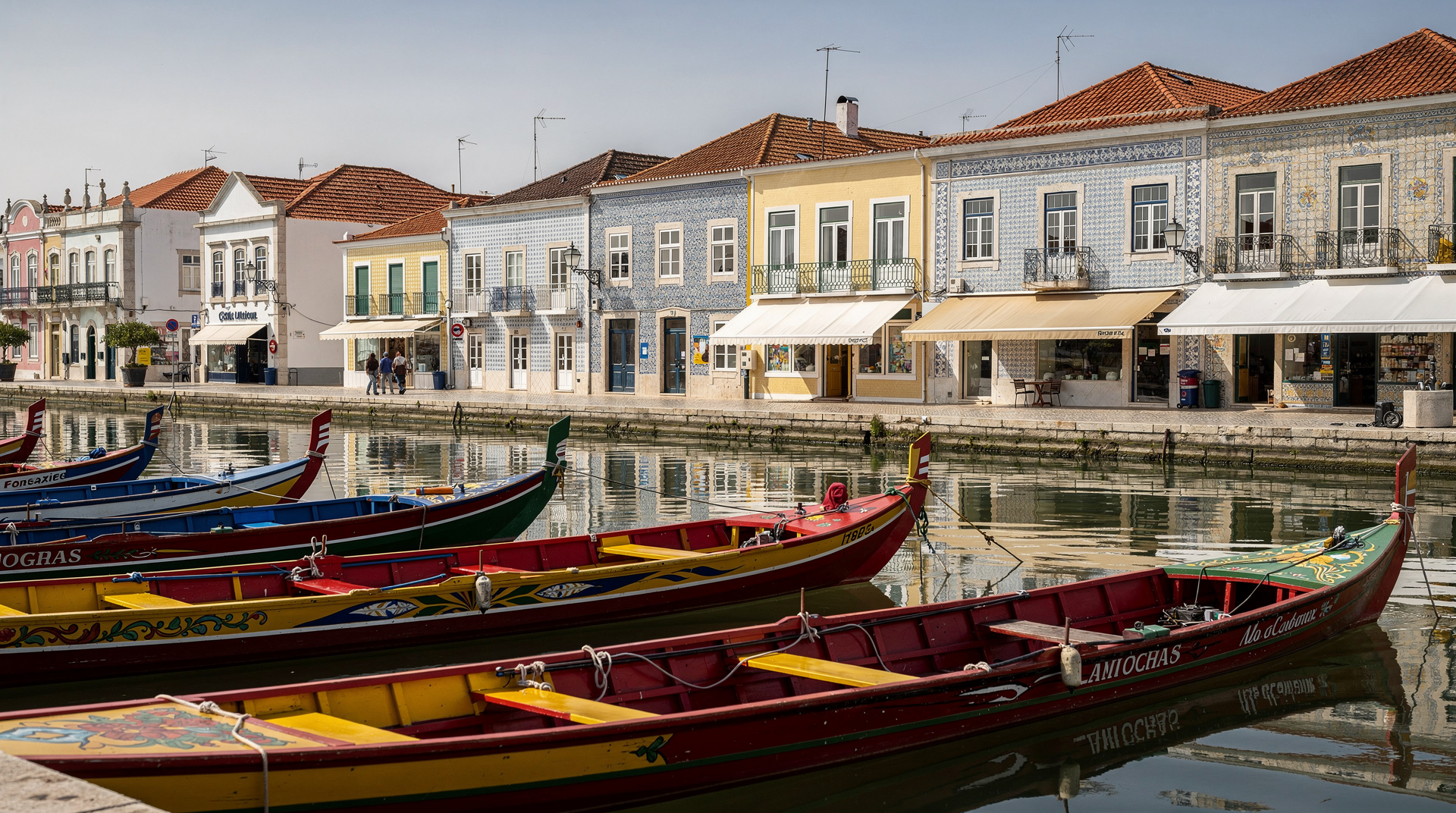
The moliceiro is the traditional vessel of the Ria de Aveiro — a narrow, flat-bottomed boat with a high prow, originally used to harvest moliço (a type of seaweed used as agricultural fertiliser). The boats were painted with colourful folk scenes on the bow panels, often comedic or mildly risqué, as part of a local tradition that continues in the tourist versions today.
The canal cruise from the town centre takes approximately 45 minutes and covers the main canals past the Mercado do Peixe, the former salt pans and the residential canal banks. Commentary is provided (in Portuguese and English on most tours). It is slower and more atmospheric than the word “cruise” implies — a flat-bottomed boat at walking pace through an urban waterway is a specific kind of pleasant. The traditional moliceiro boat cruise is available directly in Aveiro at the canal-side boarding points; tickets can also be booked in advance to avoid queuing in high season.
The combined Porto day trip that includes the transfer from Porto, the moliceiro cruise and guided time in Aveiro and Costa Nova is covered by the Aveiro and Costa Nova half-day tour from Porto, which is the practical option for visitors who want everything arranged.
Art Nouveau architecture
Aveiro experienced a construction boom in the late 19th and early 20th century, partly funded by emigrants returned from Brazil, who commissioned houses in the fashionable architectural styles of the day. The result is a collection of Art Nouveau façades — tiled, ornate, often with organic motifs in azulejo and carved stonework — that is among the most concentrated outside Lisbon.
The best buildings are clustered around the Praça da República and along the canal-side avenues. The Museu Arte Nova (at Rua Dr. Barbosa de Magalhães 9) occupies one of the finest examples — a 1907 house with extraordinary tilework and interior details. Entry is approximately €3; the exterior is free and worth photographing in any case. The museum provides context for the broader collection of buildings visible throughout the town centre.
Aveiro Cathedral and the city centre
The old city core, clustered around the former convent now housing the Museu de Aveiro, has a quieter character than the canal areas. The museum (housed in the Convento de Jesus) holds an important collection of 15th-century Gothic panels by the Portuguese primitive painter Nuno Gonçalves, alongside religious art and the Baroque chapel of Santa Joana — worth visiting if you have 90 minutes and an interest in medieval Portuguese art.
The Praça da República, the central square, is good for an outdoor coffee break. The cafés here are unexceptional but correctly priced and give you a seat from which to watch the town operate.
Ovos moles and local food shopping
Ovos moles de Aveiro are a Protected Geographical Indication (PGI) product — the recipe dates to the Aveiro convents of the 17th century, and the shell-shaped wafer casing filled with sweet egg yolk is instantly recognisable. Almost every bakery and confeitaria in Aveiro sells them; the best are still made by hand, with the wafer shells formed individually in carved wooden moulds.
Confeitaria Peixinho (near the central market) is among the most consistent producers. A small box of four to six pieces costs €2–4. They travel reasonably well for a day but are best eaten fresh.
The covered Mercado do Peixe (fish market) on the central canal is active from early morning and sells the lagoon’s catch — eels, flounder and mullet alongside saltwater species brought in from the coast. If you are visiting on a weekday, arrival before 11:00 gives you the market at full operation.
Day trips to the Ria and salt pans
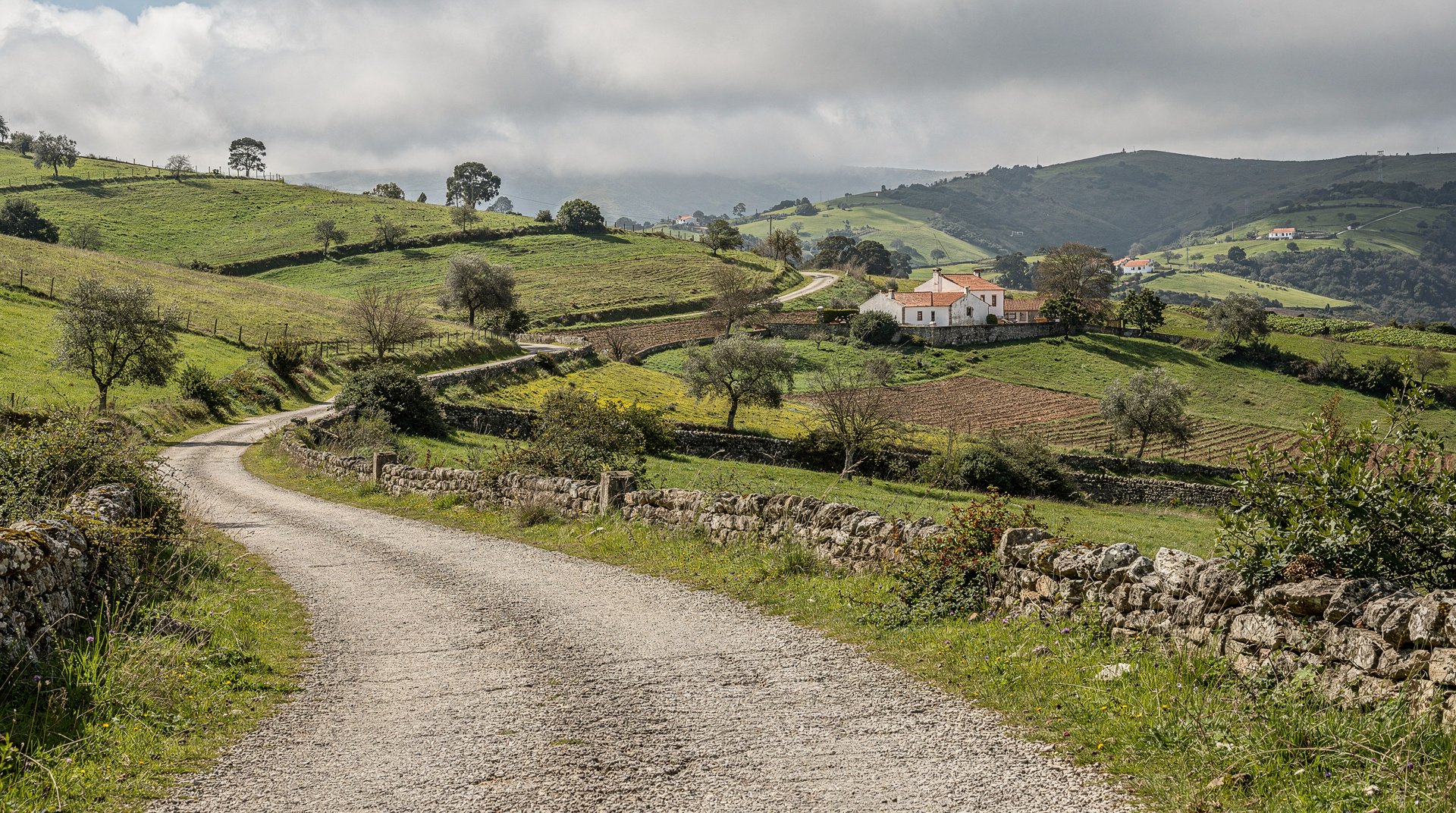
The Ria de Aveiro lagoon system extends far beyond the town centre — a complex wetland environment of former salt pans, tidal channels and reed beds that constitutes one of the most important migratory bird stopover points in Portugal. In autumn and spring, the salt pans attract flamingos, spoonbills and dozens of wader species. The areas closest to town are accessible on foot from the canal edge; the deeper parts of the lagoon require a car or bicycle.
Several operators offer kayak or bicycle tours of the outer lagoon areas — appropriate for half-day visitors who want to combine Aveiro with some outdoor activity. The Ria’s salt-pan network was historically the backbone of the local economy, producing sea salt through traditional evaporation methods that are still practised at a handful of working salinas near the town; some offer short guided visits explaining the harvesting process, a useful add-on for visitors with an extra hour and an interest in how the landscape shaped the local economy long before tourism did.
Aveiro versus Costa Nova versus Coimbra: what to combine
Aveiro is often paired with either Costa Nova or Coimbra, and the two combinations feel quite different in practice.
| Combination | Character | Time needed |
|---|---|---|
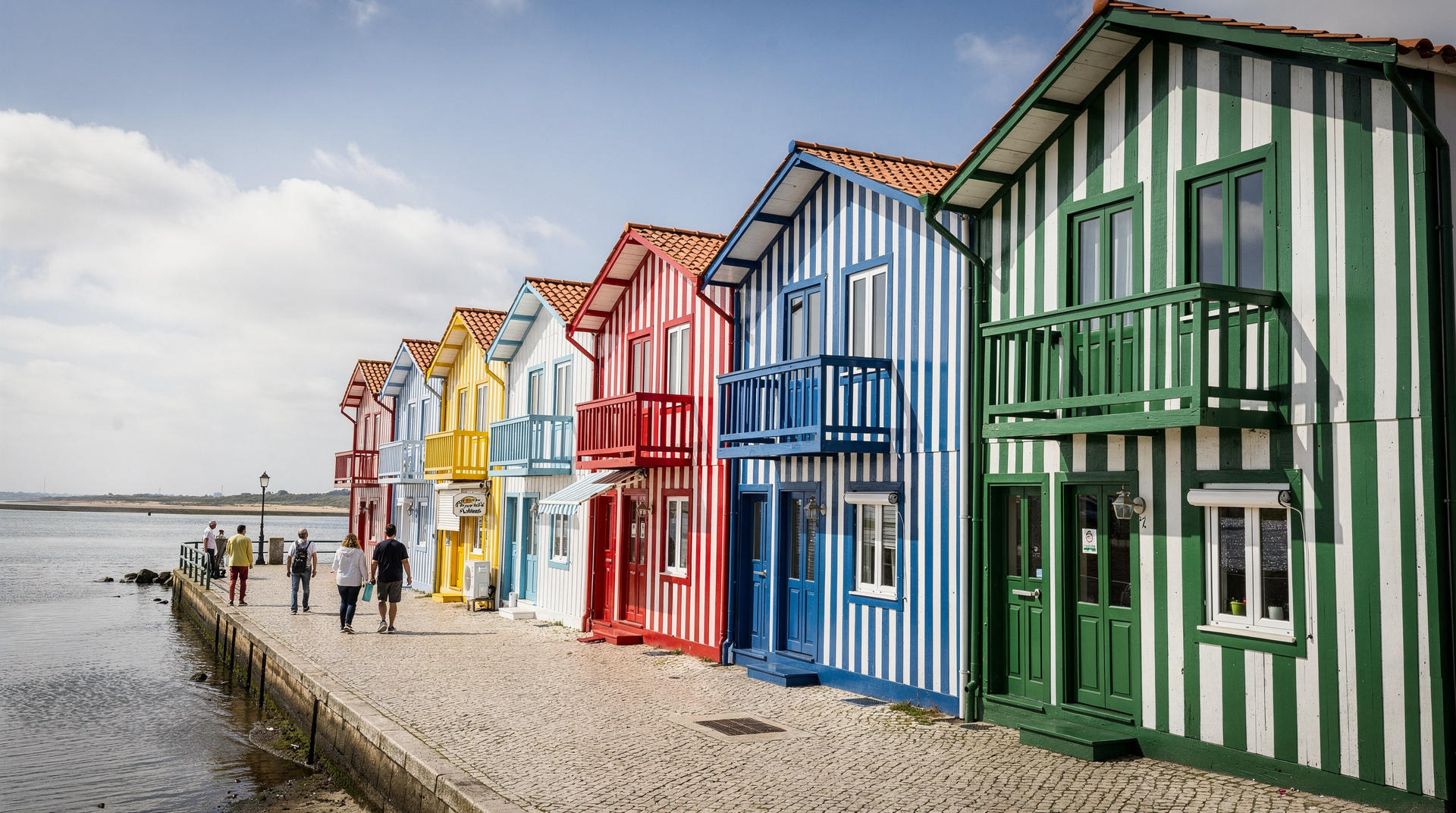
| Aveiro + Costa Nova | Canal town then striped-house coastal village; both compact and low-effort | Full day, comfortable |
| Aveiro + Coimbra | Canal town then medieval university city; more culturally dense | Full day, tighter schedule |
| Aveiro alone | Relaxed pace, time for the museum and a proper lunch | Half to full day |
Visitors chasing photographs and a beach lunch tend to prefer Aveiro plus Costa Nova; visitors prioritising history and architecture usually get more from Aveiro plus Coimbra, though it makes for a longer, more scheduled day given the extra distance involved.
Getting to Aveiro from Porto
By train (recommended): This is the standard and logical approach. Intercidades and Alfa Pendular services from Porto Campanhã reach Aveiro in 45–60 minutes. Fare: approximately €7–15 depending on train type. Trains run frequently throughout the day. The scenic section before Aveiro, as the line approaches the lagoon, is one of the better train views in northern Portugal.
From Porto São Bento: some services start at São Bento rather than Campanhã (or stop at both). Check the CP timetable — the total journey from São Bento is 50–70 minutes.
Organised day trip from Porto: The most convenient option for visitors who don’t want to manage independent connections. The Porto full-day trip to Coimbra and Aveiro with boat ride combines both cities in a single day, with transport included. If Aveiro alone is the priority, the Aveiro and Costa Nova half-day covers both in a morning or afternoon.
By car: 60 km south on the A1/A29, approximately 55–65 minutes from central Porto. Parking near the central canals is paid and can be busy in summer; the town is compact enough to park once and walk everywhere.
Where to stay in Aveiro
Aveiro rewards an overnight stay for visitors who want to experience it after the day-trip crowds leave.
Hotel Moliceiro: On the canal bank, occupying a historic building with rooms facing the water. Rates €90–140 per night. The position is unmatched for the canal atmosphere and the boat watching.
Veneza Hotel: Mid-range option at €65–95 per night, well located for the town centre and train station. Reliable and comfortable without the canal premium.
Hotel As Américas: In a converted 19th-century building near the Praça da República, €70–100 per night. Good for the Art Nouveau architecture context — you are surrounded by it from the moment you step outside.
For visitors based in Porto and doing Aveiro as a day trip, the where to stay in Porto guide covers options there.
Where to eat in Aveiro
Cervejaria Salpoente: On the salt pan promenade on the edge of town — one of the best restaurants in the Aveiro area, focused on lagoon fish and local products, with mains at €18–30. Worth reserving for dinner if staying overnight.
Maré Marítima (near the fish market): A reliable lunch option for grilled fish at honest prices — the daily catch from the lagoon, prepared simply, with house wine. €12–18 per person.
O Bairro (Costa Nova): If combining Aveiro with Costa Nova, the promenade restaurants in the village are the natural lunch destination for lagoon fish and eel.
Confeitaria Peixinho: Already mentioned for ovos moles — but also serves sandwiches and coffee, appropriate for a mid-morning stop.
Best time to visit Aveiro
May, June and September are the best months: mild weather, active boat traffic, market operating fully, and manageable visitor numbers. July and August are busy, particularly on weekends when day-trip tours arrive in volume from Porto and Coimbra.
Aveiro in winter (November–March) is quiet and slightly melancholy — the canal boats run reduced schedules, the market has fewer fresh lagoon species, and the town takes on a different character. Not recommended as a day trip from Porto in winter unless specifically interested in the Art Nouveau architecture, which looks well in overcast light.
The best day trips from Porto guide ranks Aveiro alongside other options including Braga, Guimarães and Coimbra, with honest assessments of what each delivers.
Frequently asked questions about Aveiro
How long does the Aveiro day trip from Porto take?
A comfortable day trip requires departure from Porto by 9:00–9:30 and return by 18:00–19:00. This gives you approximately 6 hours in Aveiro — enough for the moliceiro cruise, the Art Nouveau walking route, the museum and a proper lunch. Adding Costa Nova requires a 15:00 departure from Aveiro at the latest to catch buses or a taxi to the village.
Is the moliceiro boat cruise worth it?
Yes, for almost all visitors. It is 45 minutes, reasonably priced, gives you the canal perspective that foot exploration cannot replicate, and the painted boats are genuinely handsome objects. It is the one activity in Aveiro that consistently delivers on expectations.
What are ovos moles and where should I buy them?
Ovos moles are shell-shaped wafers filled with a sweet preparation of egg yolk and sugar, made exclusively in and around Aveiro under a PGI certification. They taste of egg and sugar with a faint vanilla note. Confeitaria Peixinho near the central market is the most consistent producer; the version sold at the canal-side tourist shops is indistinguishable in quality but more expensive. Buy from a proper confeitaria and eat them the same day.
Can I do Aveiro and Costa Nova in the same day trip?
Yes — this is the standard combination. From Aveiro, bus 31B to Costa Nova takes approximately 30 minutes and runs regularly; a taxi costs €10–15 one way. The combined Aveiro and Costa Nova day, starting at the canal and ending with a fish lunch in the village, is one of the best coastal day trips from Porto.
Is Aveiro suitable for children?
Very much so. The boat cruise is appropriate from any age, the town is flat and pushchair-friendly, and the ovos moles are universally acceptable to children. The Porto with kids guide covers Aveiro among its day trip recommendations.
Is Aveiro better than Coimbra as a day trip from Porto?
They are not really comparable in the same category. Aveiro is a relaxed, visually distinctive canal town best suited to travellers who want scenery and a slower pace; Coimbra is a denser, more historically significant university city with the Joanina Library as its centrepiece. Visitors with limited time and a preference for photogenic, low-effort days tend to prefer Aveiro; visitors interested in history and architecture usually rate Coimbra higher. With two full days available, doing both separately beats a single rushed combined day.
Top experiences
Bookable activities with verified prices and instant confirmation on GetYourGuide.