Petiscos and tascas in Porto — the honest local guide
Porto: Porto 3 Hour Food Tasca Tour
Where are the best tascas and petiscos in Porto?
Tasco (Rua do Almada area), A Sandeira, and Adega São Nicolau are reliable addresses across different budgets. For the most authentic experience, walk away from Ribeira into Cedofeita and Bonfim and look for handwritten menus in windows — these are the tascas where locals eat.
What makes Porto’s food culture different
Porto’s food identity was shaped by poverty, not abundance. The city was a major port and commercial hub for centuries, but its working-class majority ate what they could afford — offal, salt cod, cured meats, river fish, beans and bread. The result is a cuisine where the supposedly humble ingredients are the most interesting: tripas are more Porto than sea bream; alheira tells a more complex cultural story than a grilled steak; a properly made caldo verde is more satisfying than most restaurant soups in Europe.
Understanding petiscos and tasca culture is understanding Porto’s actual food identity, as opposed to the tourist-facing version of it. This guide covers both the culture and the specific addresses worth knowing.
| Where | Cedofeita, Bonfim and the Baixa side streets, mainly |
| Cost | Around 25-40 € for two at a mid-range tasca |
| Time needed | 1.5-2 hours for a sit-down meal, longer for a crawl |
| Getting there | Walkable from central Porto, no booking usually needed |
| Best time | Weekday lunch, or an evening crawl Thursday-Saturday |
What petiscos are and how to order them
Petiscos are Portugal’s answer to the question of how to eat well without committing to a three-course meal. The format is flexible: you order several small dishes as a table shares, drinks arrive alongside, the conversation is the frame rather than the food being the main event.
The best way to approach a petiscos meal is to order three or four plates to start, see what arrives and what the table actually wants more of, and order additional plates as the meal progresses. Unlike a formal restaurant meal, there is no rush and no expectation of a particular sequence.
The essential petiscos to know
Pataniscas de bacalhau: Cod fritters — thin discs of salt cod mixed with egg, parsley and flour, fried in olive oil. The standard is crisp edges, moist interior, not greasy. Often served with a tomato rice on the side (arroz de tomate) in traditional tascas.
Amêijoas à bulhão pato: Clams steamed open in white wine, olive oil, garlic, and fresh coriander. One of Portugal’s most successful simple preparations. The broth left in the bowl is meant to be sopped up with bread. Price: 8-14 € per portion.
Alheira grelhada: A smoked sausage with an unusual history. Alheira was invented by Portuguese Jews during the Inquisition as a sausage that looked like chouriço (to demonstrate assimilation) but contained no pork — using instead game meats, chicken, and bread in the mixture. The resulting sausage is lighter and more complex than pure pork equivalents. Grilled and served with a fried egg and chips, it is one of Porto’s most satisfying simple dishes.
Chouriço assado: A whole chouriço (smoked pork sausage) cooked tableside in a ceramic grill, flamed with aguardente (grape spirit). The drama is part of the experience; the flavour of the rendered, slightly crisp sausage is excellent with white wine.
Pica-pau: Small pieces of pork loin marinated in white wine, garlic and paprika, served in an earthenware bowl with pickles. The name means “woodpecker” — the wooden skewers used to eat it. A classic bar petisco rather than a restaurant starter.
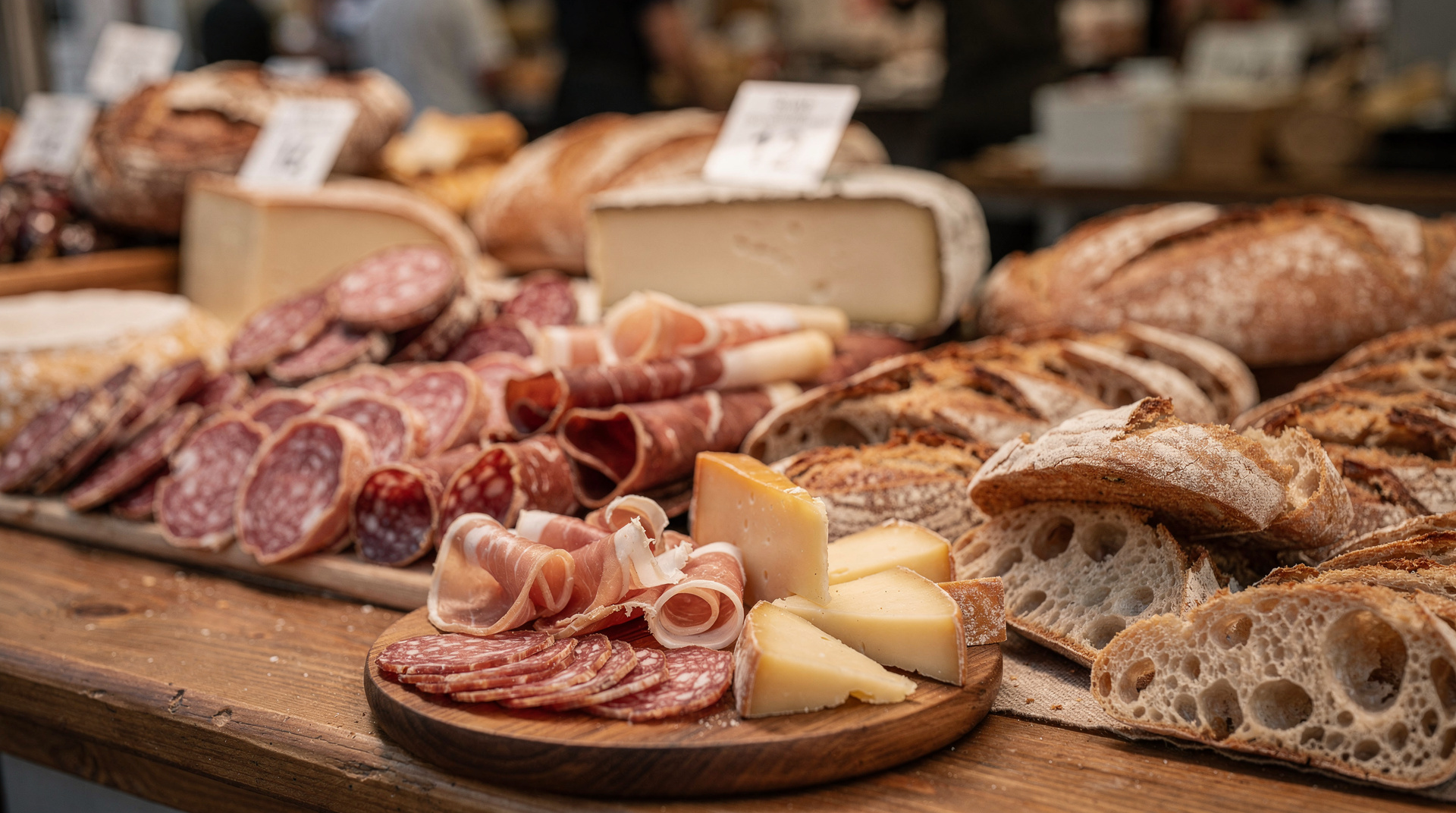
Presunto com queijo: Cured ham from Alentejo or Trás-os-Montes with aged Serra da Estrela cheese or a regional goat cheese. Simple; very good when the ingredients are quality. Price: 5-10 € depending on the presunto grade.
Tripas à moda do Porto: The defining Porto dish that most visitors avoid and some locals order weekly. A tripe stew with white beans, chouriço, cured ham, and cumin — deeply savoury, gelatinous, warming. Not for everyone. Worth trying at a traditional tasca specifically because of what it represents in Porto’s culinary identity.
The tasca format — how to find and use it
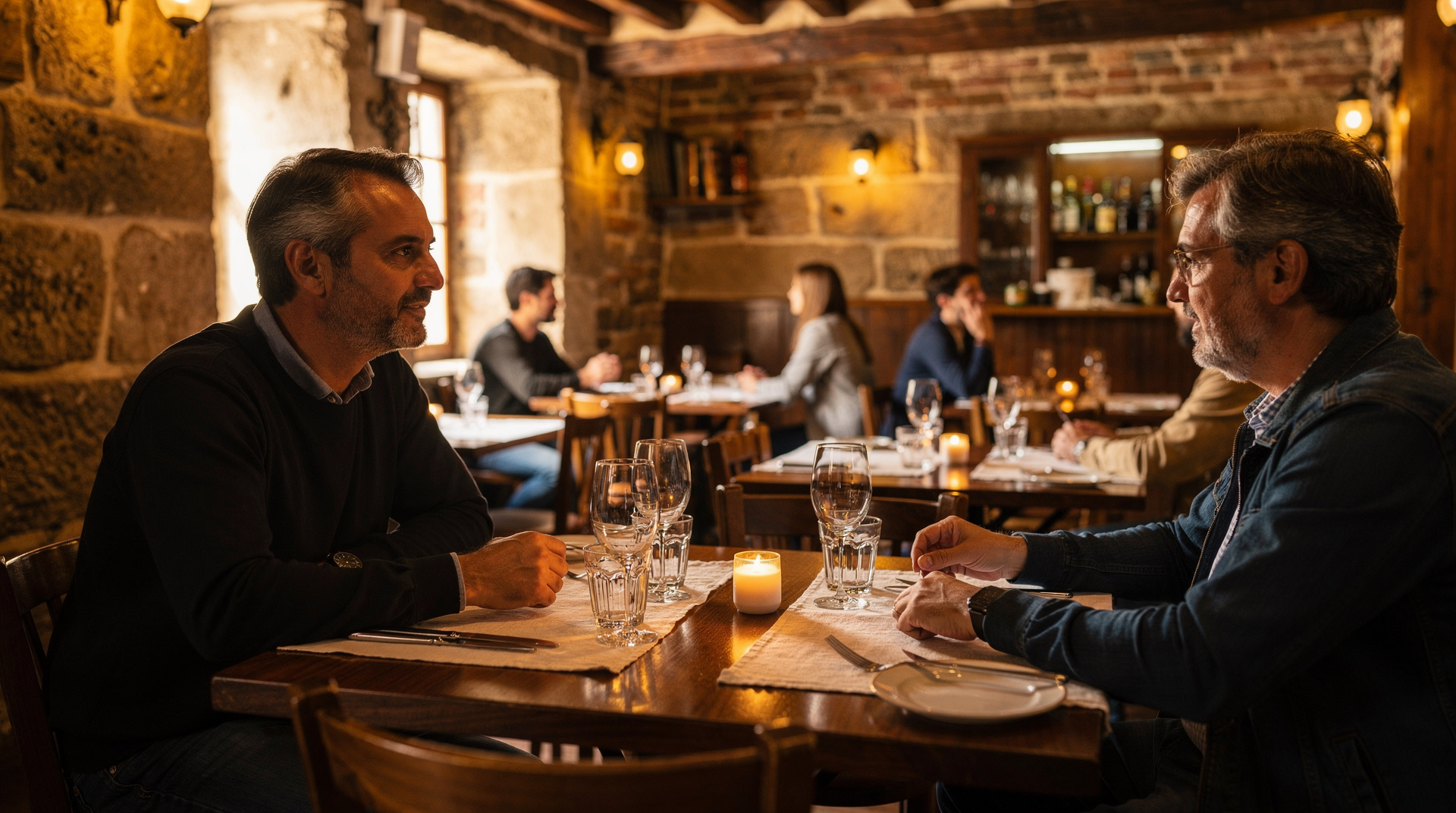
A genuine tasca has a specific set of characteristics:
- Small room: usually 8-20 covers maximum
- Handwritten or chalked menu: not a laminated four-language tourist menu
- Prato do dia: a daily special listed on a board or read out by the waiter, priced at 8-12 €, including bread, wine by the glass or beer, often coffee
- No reservations: first come, first served is the standard
- Cash preferred: many traditional tascas still prefer or only accept cash
- Lunch focused: many tascas open from noon and close at 3-4 pm; some open for dinner, some do not
- Regulars: the majority of the customers at a genuine tasca are people who eat there weekly
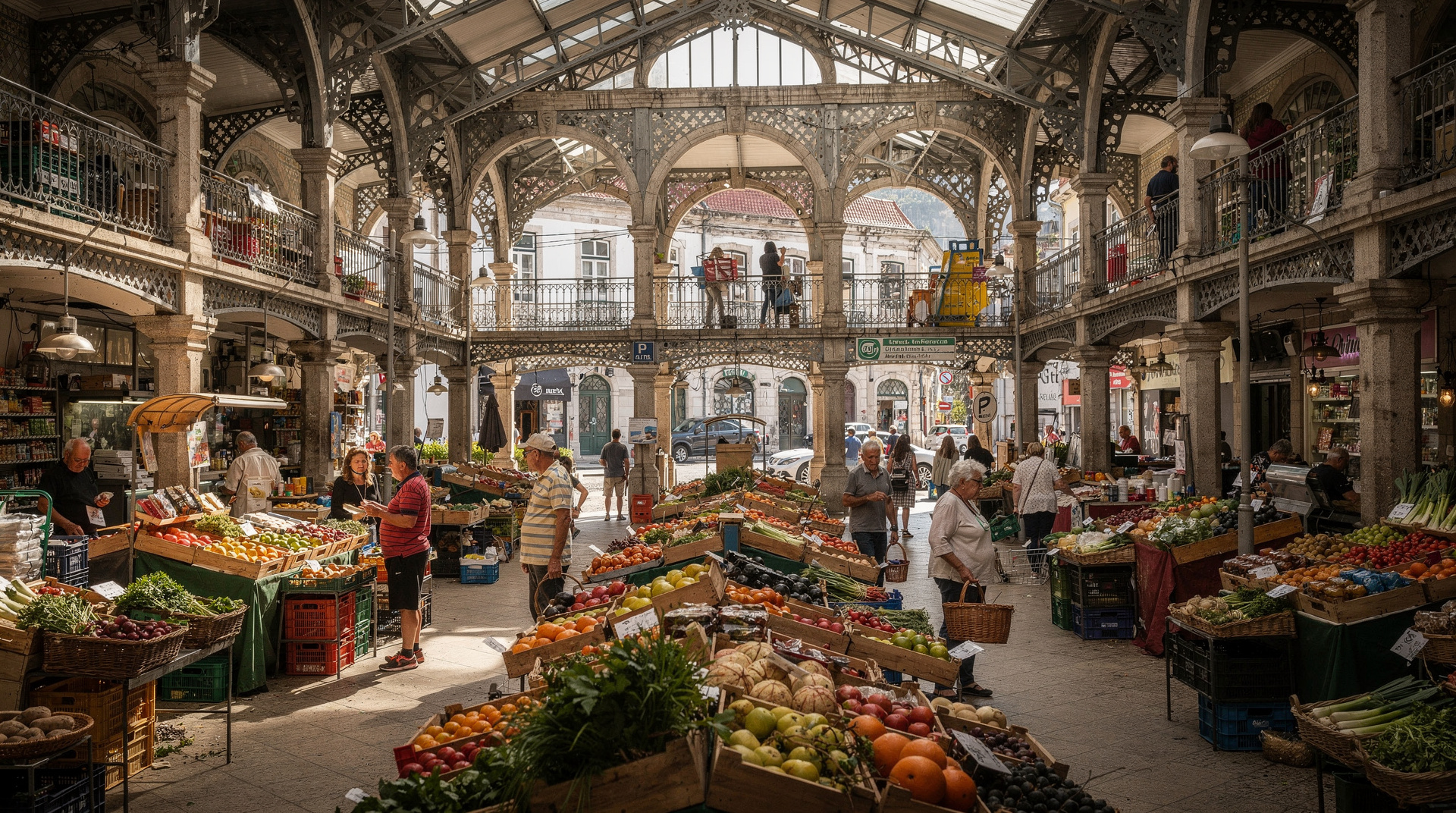
The practical search method: walk the streets in Cedofeita, Bonfim and the Baixa side streets in the hour before noon. Look for handwritten menus in windows, small rooms with locals occupying every table, and the smell of something cooking. These are the tascas. They don’t have websites and they often don’t appear on food apps.
Specific addresses worth knowing
Tasco (and similar) — Rua do Almada area
The streets around Rua do Almada in the Baixa-Aliados area have several small lunch spots that qualify as genuine tascas. These cycle in and out of the category as rent pressures push some to close and new ones open. The marker is the same: handwritten menus, local customers, prato do dia under 12 €. Walk Rua do Almada between São Bento and the Aliados area at noon and you will find at least two or three.
A Sandeira — multiple locations including Bonfim
A Sandeira occupies an interesting position between a tasca and a modern café — the sandwiches and simple plates are made with above-average ingredients (real presunto, quality bread, decent cheese) at prices that are fair for the quality. Better than a standard tasca for a quick lunch; not a replacement for the full tasca experience. Useful if you want something between a tourist café and a formal restaurant.
Adega São Nicolau — Ribeira area
Adega São Nicolau (Rua de São Nicolau 1) is one of the few addresses in the Ribeira area that justifies the location premium. The room is a traditional wine bar cum restaurant, the petiscos are well-executed, and the wine list goes significantly beyond the carafe of vinho verde available at most neighbours. The prawn dishes and cod fritters are particularly reliable. Prices: 12-18 € per person for a petiscos selection with wine — reasonable for the area and quality.
Antunes — historic centre
Antunes (check the current Rua de Bonjardim location) is one of the old guard Porto restaurants that has survived the tourist wave by serving local customers consistently rather than pivoting to a tourist-facing menu. Reliable tripas, good bacalhau preparations, wine list that is functional rather than ambitious.
Cafeína — Foz do Douro
Cafeína (Rua do Padrão 100, Foz do Douro) is not a traditional tasca — it is a well-regarded restaurant with a proper wine list, comfortable seating and a menu that covers petiscos alongside main courses. It earns its mention here because it serves the petiscos format with more care and better sourcing than most tourist-facing equivalents, and is popular with Porto residents rather than exclusively visitors. From central Porto, a 20-minute taxi or Bolt journey; from Matosinhos beach, a 10-minute walk south along the coast.
The petiscos crawl format
Porto is well-suited to an evening petiscos crawl — moving between two or three establishments over the course of an evening, eating a few plates at each rather than committing to a single restaurant for the full meal. This is the native Porto way to spend a Thursday or Friday evening.
A typical crawl route: start with pica-pau and wine at a bar in Cedofeita or Bonfim, move to a slightly more restaurant-like setting for pataniscas and alheira, end with a board of cheese and presunto at a wine bar or natural wine spot.
The organised petiscos crawl tour covers this format with a guide who knows which bars to hit and in which order — useful for visitors who want the experience without having to navigate the neighbourhood independently.
The tapas and tasca tour is a similar format with more restaurant character — still a moving tour of multiple stops, but with a seated element at each rather than purely bar standing.
Petiscos vs francesinha: two different Porto food traditions
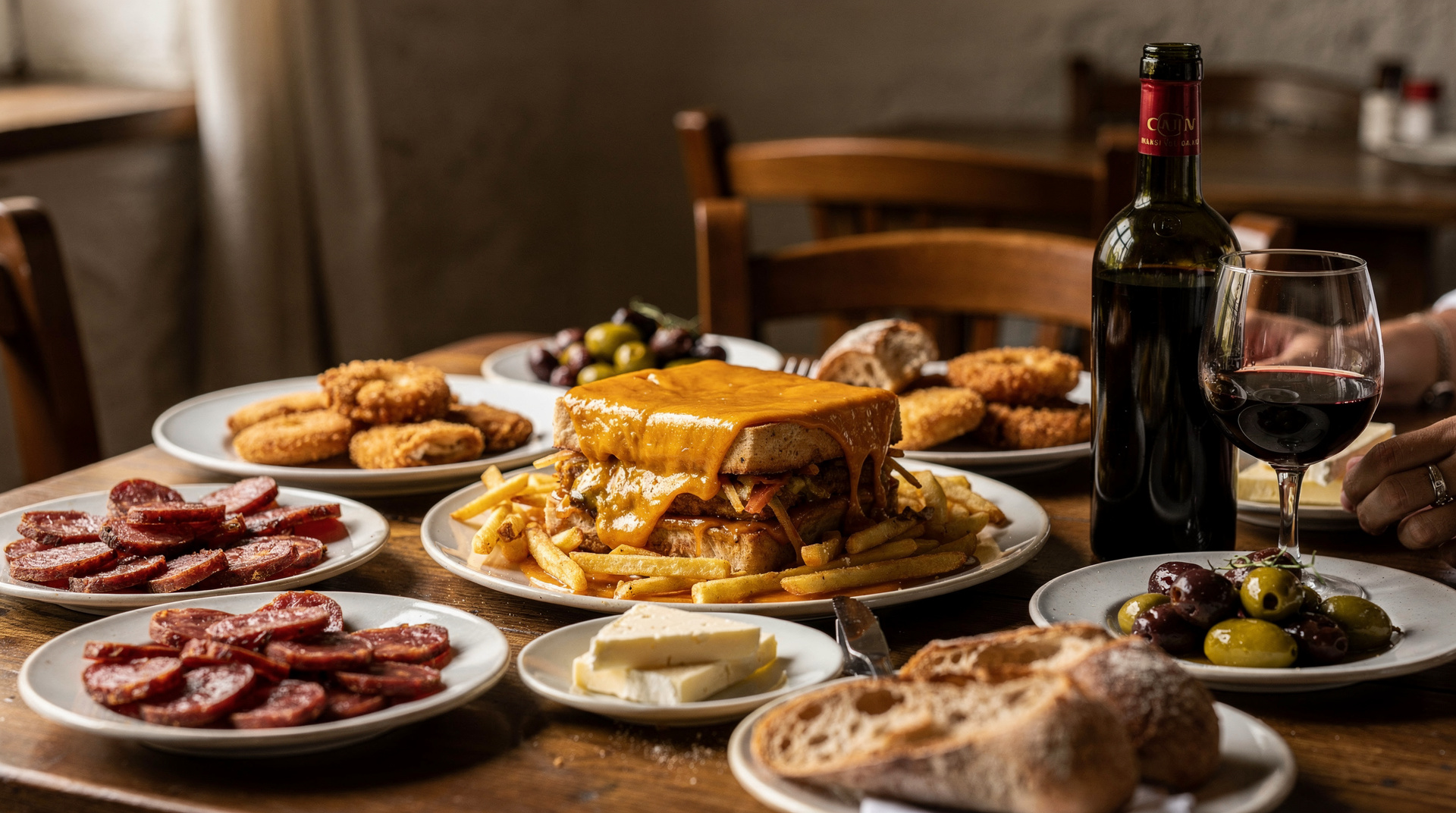
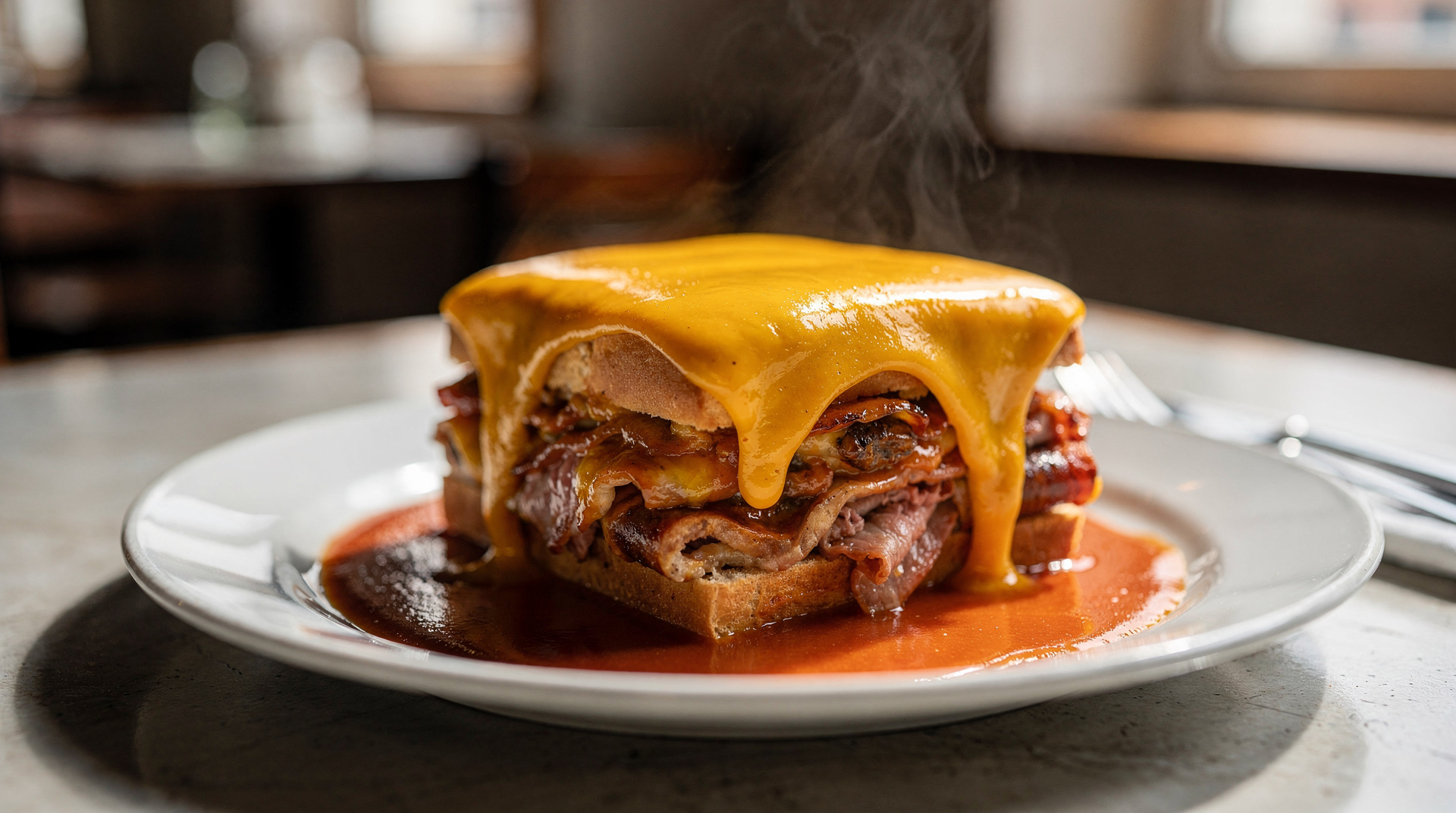
Visitors sometimes conflate Porto’s food identity with a single dish — usually the francesinha, the meat-and-cheese sandwich drowned in sauce that dominates tourist food lists. Petiscos and tascas represent a different, older strand of the same identity: smaller, shared, built around offal and cured meat rather than a single showpiece plate. Both are genuinely Porto; they simply sit at opposite ends of the meal-format spectrum. If the francesinha is on your list, the where to eat francesinha guide covers the best addresses, and it pairs naturally with a petiscos evening on a different night rather than the same one — both are rich, filling meals in their own right. For a broader view of Porto’s dining scene beyond either format, the best restaurants in Porto guide rounds out the picture.
Understanding Porto’s cultural relationship with offal
Porto’s tasca culture cannot be separated from its historical relationship with offal cooking. The city’s residents are known across Portugal as tripeiros — tripe-eaters — in reference to a legend (probably partially historical) that Porto’s population gave the best meat from their livestock to the ships of Prince Henry the Navigator in the 15th century and fed themselves on the offal that remained.
Whether or not the legend is accurate in its details, the resulting culinary tradition is real. Tripas à moda do Porto, papas de sarrabulho (blood and offal rice), and the various preparations of migas (bread dishes with various meats and offal) are genuinely more characteristic of Porto’s food identity than the grilled fish and francesinha that appear on tourist menus. Eating tripas at a tasca where the recipe has been the same for 30 years is a more genuine Porto experience than a francesinha at a restaurant that opened last year.
What to drink with petiscos
Vinho verde: The natural pairing with most petiscos. A cold jug or bottle of vinho verde (young, slightly effervescent, low alcohol at 9-11%) cuts through the richness of fried and cured foods and is cheap enough to order freely — a 75cl bottle at a tasca costs 4-8 €.
Beer: An imperial (25cl draught) at 1.50-2.50 € is the standard for a single petisco stop. The craft beer scene in Porto has expanded significantly over the past five years — see the craft beer guide for the specific addresses.
Cider: Portuguese sidra (apple cider, typically from the Minho region) appears increasingly at wine bars alongside petiscos, particularly at spots in Cedofeita.
Natural wine: The natural wine movement has reached Porto’s tasca-adjacent wine bars in Bonfim and Cedofeita, with several spots offering interesting Portuguese orange and skin-contact wines as an alternative to the standard vinho verde.
Petiscos and tascas beyond central Porto
The best hunting grounds are Cedofeita and Bonfim, both a short walk or tram ride from the historic centre and both far less shaped by tourism than Ribeira. Cedofeita mixes tascas with newer wine bars and design shops; Bonfim is more purely residential, and its tascas skew even further toward local regulars. If seafood is more of a draw than offal and cured meat, the Matosinhos seafood guide covers a different but related honest-eating tradition a short metro ride north, built around grilled fish rather than petiscos plates.
The budget reality of petiscos eating
The petiscos format is one of Porto’s best budget options precisely because it is flexible. Three plates (one fried fish, one grilled sausage, one cheese and cured meat) and a bottle of vinho verde for two people costs 20-30 € at most tascas. The same meal with a better wine list at a slightly more restaurant-like setting costs 30-40 €.
For the porto-on-a-budget itinerary, the petiscos format — combined with the tasca prato do dia for lunch — is the framework for eating well without spending restaurant-level money.
Tasca vs restaurant vs food tour: which fits your trip
| Genuine tasca | Mid-range petiscos restaurant | Guided petiscos crawl/tour | |
|---|---|---|---|
| Price for two | 20-30 € | 30-40 € | Varies, usually includes several stops |
| Language | Mostly Portuguese, some English | English usually available | English guide included |
| Finding it | Requires local knowledge or wandering | Easy — listed, bookable | Fully arranged |
| Best for | Confident, adventurous eaters | A relaxed evening without the search | First-timers wanting context and no logistics |
None of these is the “correct” way to eat petiscos — they suit different comfort levels and different trips. Many visitors do a guided crawl early in their stay to learn the format, then navigate tascas independently for the rest of the trip using what they picked up. Solo travellers in particular often find the counter-standing bar style of a pica-pau stop easier to strike up conversation at than a seated restaurant table, since sharing counter space with locals is a natural opening.
Combining petiscos with a guided introduction
Before navigating tascas independently, a food tour that includes petiscos stops gives you the context to make better choices on your own. The porto-foodie-weekend itinerary structures the tasca experience across three days, starting with a food tour and ending with an independent petiscos crawl using the knowledge from day one.
Frequently asked questions about petiscos and tascas in Porto
What are petiscos?
Petiscos are Portuguese small sharing plates — the equivalent of Spanish tapas. Common options include cod fritters (pataniscas), clams with garlic (amêijoas), grilled alheira sausage, and chouriço flambeé. A petiscos meal for two typically covers 4-6 plates and a bottle of wine.
What is a tasca?
A tasca is a small traditional Portuguese neighbourhood restaurant — typically simple, with a short handwritten menu, daily specials under 12 €, and regulars who eat there weekly. The authentic version is in residential neighbourhoods, not on tourist-facing streets.
What are Porto’s most typical tasca dishes?
Tripas à moda do Porto (tripe stew with white beans), bacalhau preparations, alheira grelhada (smoked sausage), papas de sarrabulho (blood rice), and grilled fresh fish near the coast.
Are petiscos and tascas suitable for vegetarians?
Traditional Portuguese tasca food is almost entirely meat and fish based. Cheese, olives and pickles are available, but do not expect a vegetarian-friendly menu as a given.
What is the typical cost of a petiscos dinner in Porto?
25-40 € for two people at a mid-range tasca — 4-5 small plates, a bottle of vinho verde, bread. At more tourist-facing spots the same covers 40-55 €.
What is tripas à moda do Porto?
A stew of tripe (cow stomach), white beans, chouriço, cured ham, carrots and cumin — the defining Porto dish that gave residents the nickname “tripeiros.” Rich, gelatinous, deeply savoury. Worth trying at a traditional tasca for the cultural experience.
Do tascas take reservations?
Rarely. Most are first-come, first-served, especially at lunch. Try calling ahead for larger addresses; the smallest neighbourhood spots generally don’t take bookings.
Frequently asked questions — Petiscos and tascas in Porto — the honest local guide
What are petiscos?
Petiscos are the Portuguese equivalent of Spanish tapas — small dishes meant for sharing and grazing rather than as a formal course structure. Common petiscos include pataniscas de bacalhau (cod fritters), amêijoas à bulhão pato (clams with garlic and coriander), alheira grelhada (grilled smoked sausage), presunto with cheese, pica-pau (marinated meat pieces), and chouriço assado (flamed sausage). A petiscos meal for two typically consists of 4-6 small plates and a bottle of wine.What is a tasca?
A tasca is a small, traditional Portuguese restaurant — typically a neighbourhood spot with a handful of tables, a short menu of daily specials, and prices aimed at local workers rather than tourists. The word has the same root as 'taberna' (tavern) and carries the same sense of working-class authenticity. A genuine tasca is recognisable by handwritten menus, a daily special (prato do dia) at 8-12 €, and customers who are regulars rather than visitors.What are Porto's most typical tasca dishes?
The most Porto-specific dishes in a tasca are: tripas à moda do Porto (the tripe stew with white beans that gave Porto residents the nickname 'tripeiros'), bacalhau in various preparations, alheira (a smoked sausage made with game meats and bread rather than pork — a dish with Sephardic Jewish roots), papas de sarrabulho (a rich rice dish with blood and offal), and grilled fresh fish when near the coast.Are petiscos and tascas suitable for vegetarians?
Traditional Portuguese tasca food is almost entirely meat and fish based. Cheese, bread, and vegetable-based petiscos (pickles, olives, roasted peppers) are available but form a small part of the repertoire. Some newer tascas in Cedofeita and Bonfim have expanded their vegetable-based petiscos in response to demand, but do not expect a vegetarian-friendly menu as a given.What is the typical cost of a petiscos dinner in Porto?
A satisfying petiscos dinner for two at a mid-range tasca — 4-5 small plates, a bottle of vinho verde, bread — costs 25-40 €. At more tourist-facing petiscos restaurants the same covers 40-55 €. Budget-oriented tascas in Bonfim and Cedofeita can deliver a full lunch with the prato do dia, wine and coffee for 8-12 € per person.What is tripas à moda do Porto and should I try it?
Tripas à moda do Porto is a stew of tripe (cow stomach), white beans, chouriço, cured ham, carrots and cumin that is strongly associated with Porto's identity. The city's residents are called tripeiros (tripe-eaters) in reference to the legend that they gave their meat to the fleet of Prince Henry the Navigator and ate the offal themselves. It is a genuinely acquired taste — rich, gelatinous, deeply savoury. Try it at a traditional tasca if curious; it is not for everyone but is worth experiencing as a piece of Porto culinary identity.Do tascas take reservations?
Rarely. Most genuine tascas operate first-come, first-served, especially at lunch. For a small group or a specific time, calling ahead is worth trying at slightly larger addresses like Adega São Nicolau, but the smallest neighbourhood spots generally don't take bookings at all — arriving a little before or after the main noon rush is the more reliable strategy.
Top experiences
Bookable activities with verified prices and instant confirmation on GetYourGuide.