Matosinhos seafood guide — how to eat like a local at Porto's fishing port
Porto: Matosinhos Porto from the Sea to Your Plate Food Tour
Is Matosinhos worth visiting for seafood?
Absolutely — it is the best place to eat fish in the greater Porto area by a considerable margin. The grilled fish restaurants along Rua Heróis de França serve fish that arrived from the port that morning at prices well below what you'd pay in central Porto. The 25-minute metro journey is completely worthwhile.
The place Porto residents go to eat fish
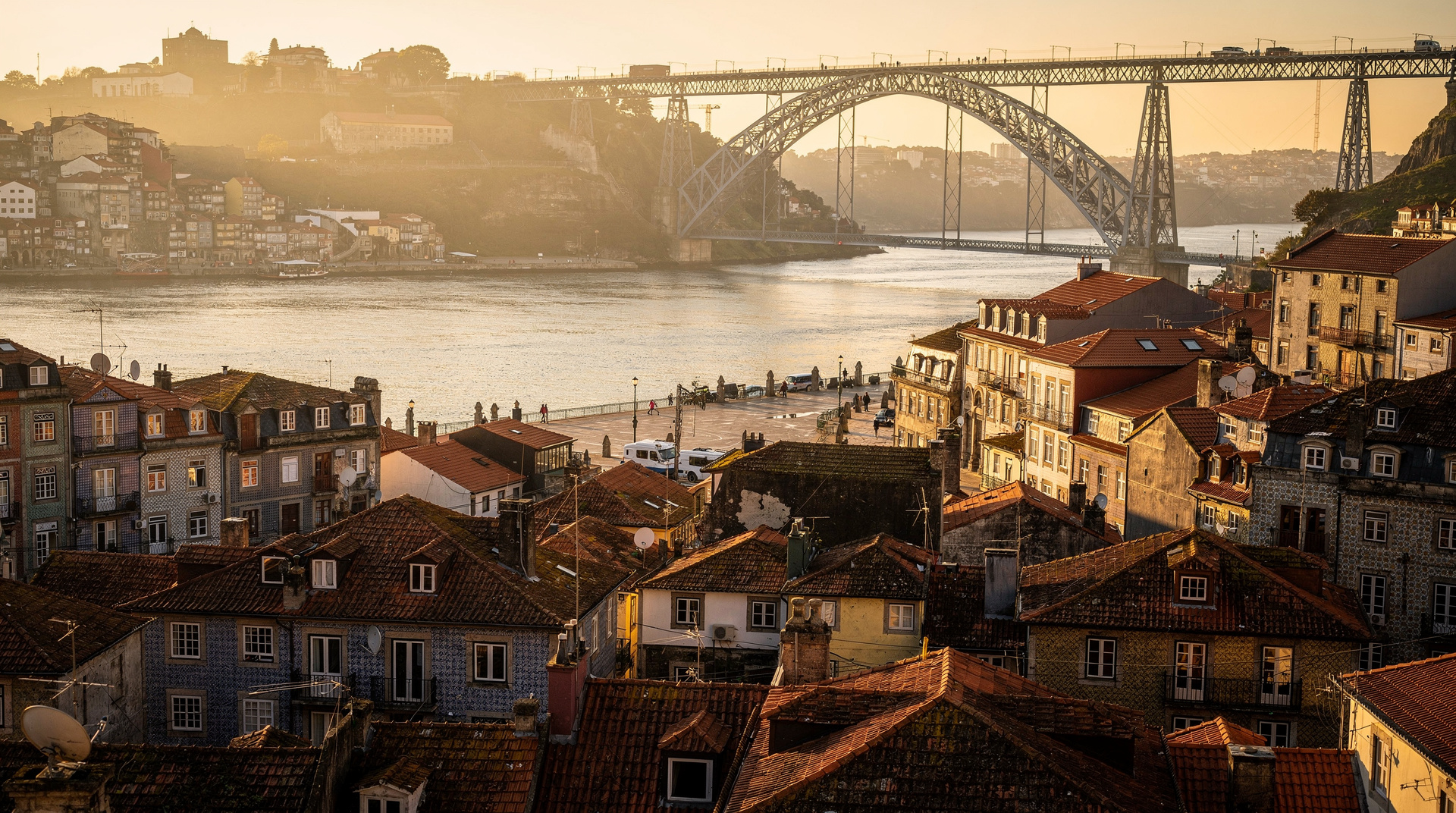
Matosinhos is one of Porto’s best-kept non-secrets. Every Porto resident knows it; most visitors don’t make the 25-minute metro journey that separates the postcard waterfront of Ribeira from one of the most honest fish-eating experiences in Portugal.
The difference is not subtle. Matosinhos is a working fishing port. Trawlers unload at the Docapesca fish market each morning, and the restaurants along Rua Heróis de França and the surrounding streets source directly from that market. The fish on your plate at noon arrived from the Atlantic that morning. This is not a selling point that Ribeira’s fish restaurants can honestly make.
This guide covers how to eat in Matosinhos — what to order, how the restaurants work, what the prices should be, and what else is worth doing in the area.
| Where | Matosinhos, north of Porto, on the Atlantic coast |
| Cost | Around 30-50 € for two for a grilled fish lunch |
| Time needed | Half a day, including travel and a proper lunch |
| Getting there | Metro line A to Matosinhos Sul, around 25 minutes from Aliados |
| Best time | Weekday lunch (noon-3pm) for the freshest, calmest sitting |
Getting there: the 25-minute case for going
Matosinhos is north of Porto, accessible on metro line A (the red line). From Aliados station in the Baixa-Aliados neighbourhood, the journey to Matosinhos Sul takes approximately 22-25 minutes and costs around 2 € with an Andante card. The metro station exits directly into the neighbourhood, with the fish market visible from the platform and Rua Heróis de França a five-minute walk.
A Bolt or taxi from central Porto takes 15-20 minutes by road (depending on traffic) and costs 10-14 €. The metro is the better option for this journey — it is faster, much cheaper, and drops you exactly where you want to be.
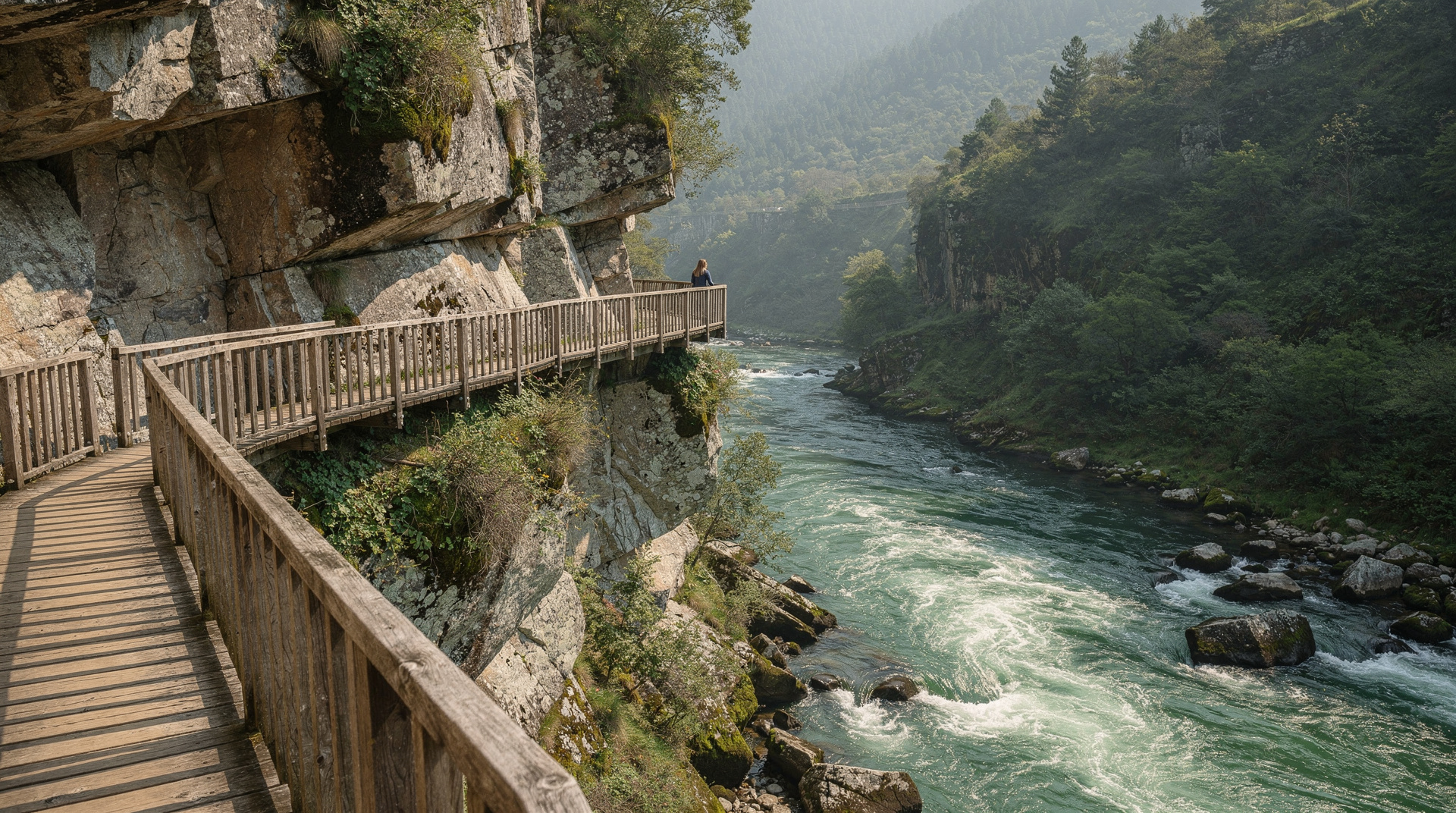
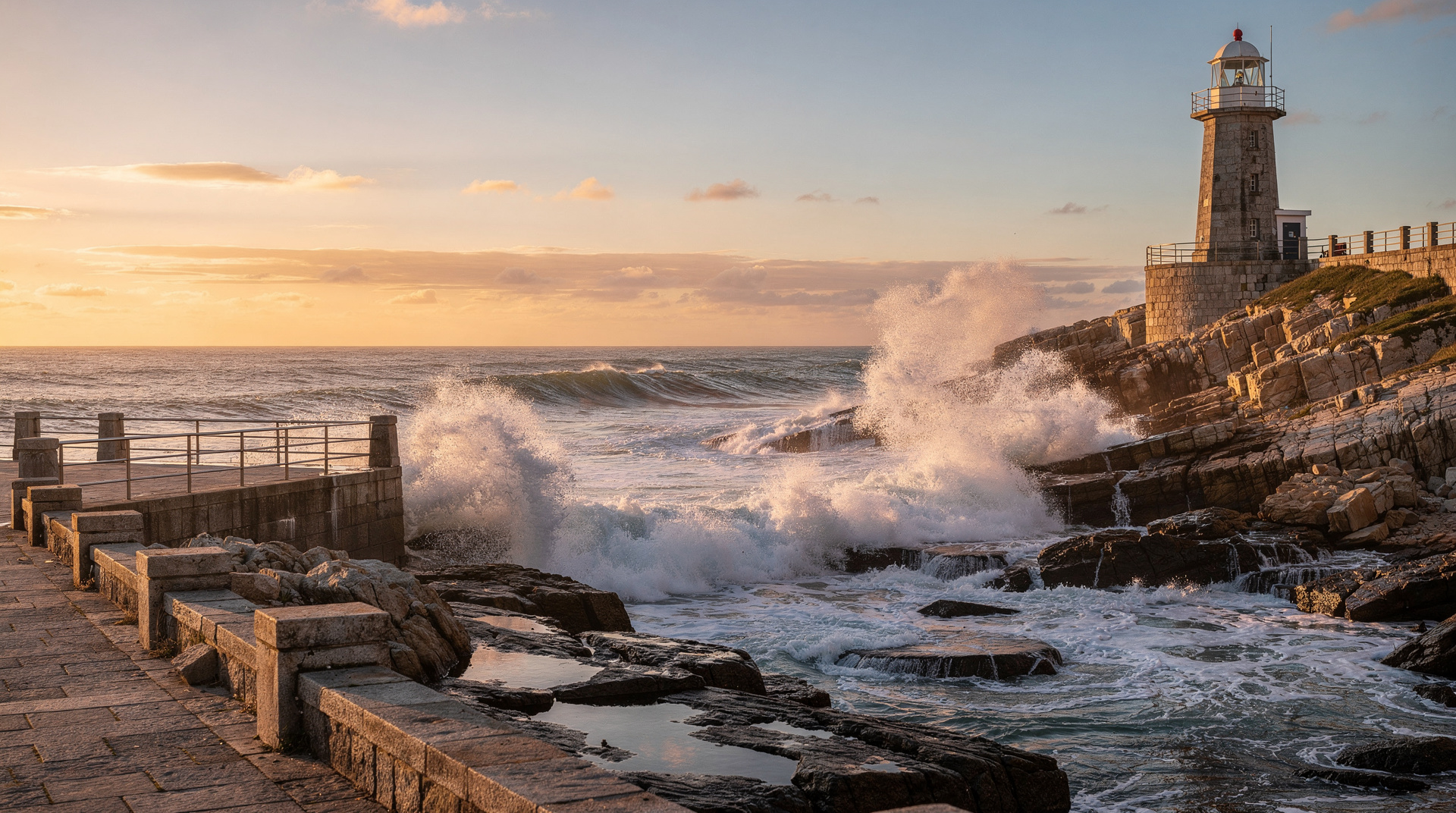
From Foz do Douro, the coastal walk north along the Atlantic promenade to Matosinhos takes approximately 45 minutes on foot and is one of the most pleasant walks in the Porto area — clifftop path, Atlantic on one side, the lighthouse at Felgueiras visible in the distance. A realistic option for a morning before lunch.
Rua Heróis de França — the street you need
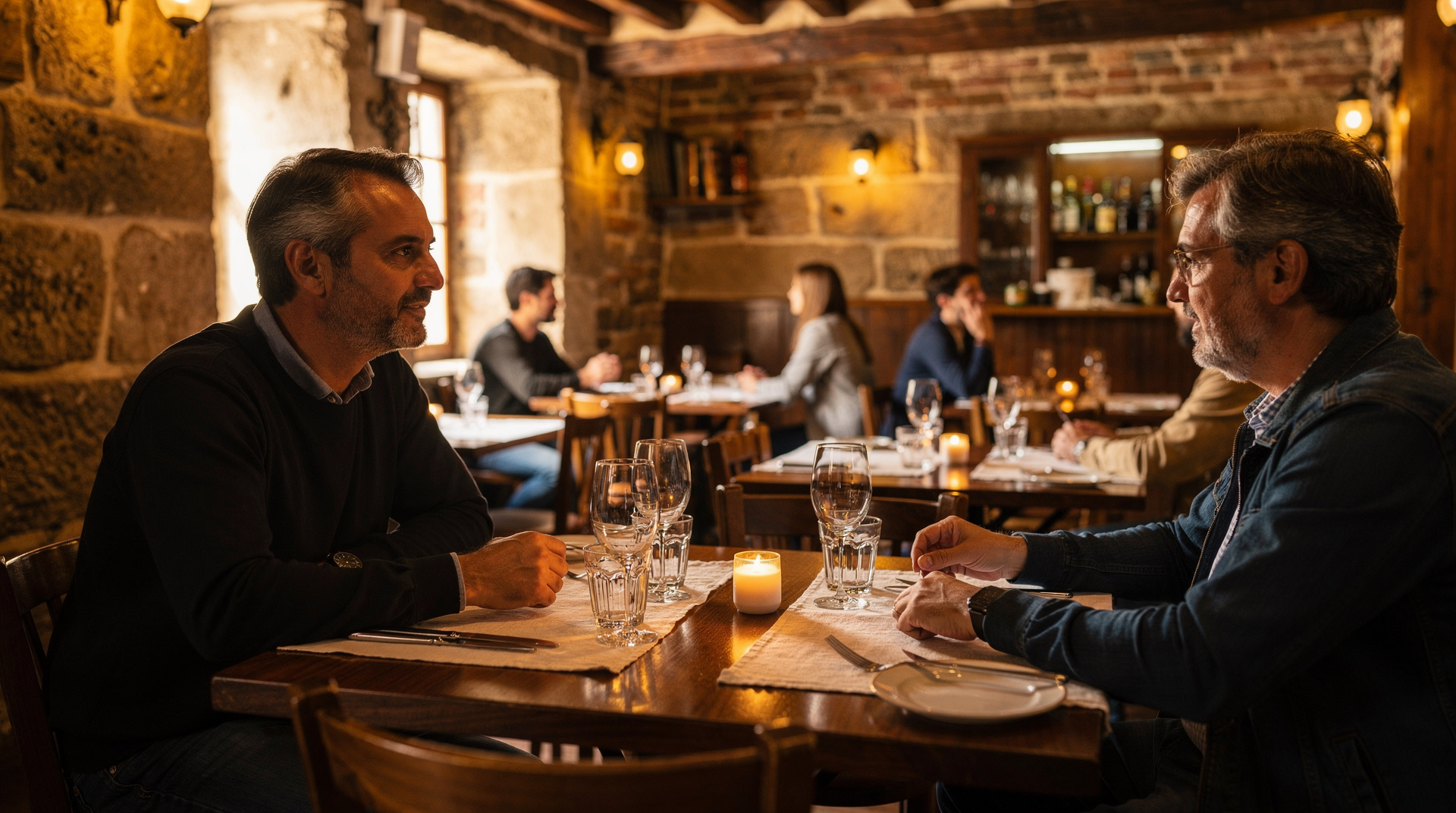
Rua Heróis de França is the central axis of Matosinhos’s fish restaurant district. The street runs parallel to the fish market and is lined on both sides with restaurants that have been cooking and grilling seafood for decades. The format is consistent: charcoal grills visible from the street, menus chalked on boards with daily catch and prices by weight, simple rooms with paper tablecloths or plastic tables.
The restaurants cluster in quality rather than differentiating dramatically. Unlike the Gaia port cellars, where genuine quality hierarchies exist between operators, the Matosinhos grills occupy a band of consistent quality with variations in atmosphere and service style rather than fish quality. The fish is comparably fresh across the street’s establishments because they are all buying from the same source.
What varies is the atmosphere. Some restaurants are large dining rooms seating 60-80 people; others are smaller and more focused. Some have developed wine lists beyond the standard carafe of vinho verde; others pour exactly what you expect and nothing more. The smaller rooms tend to have better service attention; the larger rooms turn tables faster at peak times.
Practical note: Most Rua Heróis de França restaurants don’t take reservations for weekday lunch. For Saturday or Sunday lunch, a brief call ahead (or arrive before noon) avoids the 1 pm queue.
What to order — and how fish is priced
Grilled fish (peixe grelhado)
The standard order at any Matosinhos restaurant is fish grilled over charcoal — ordered by species and priced by weight (usually per 100g or per kilo). The most common and reliably excellent choices:
Robalo (European sea bass): The most consistently available and most versatile of the large grilled fish. A medium robalo (600-700g) feeds one person comfortably; 1.2-1.5 kg feeds two. Price: typically 18-28 € per kilo depending on season and size.
Dourada (gilt-head bream): Similar to robalo in price and cooking treatment; slightly sweeter flesh. Order whichever looks better on the day — the waiter will advise.
Linguado (sole): More expensive than bass or bream and cooked differently — often pan-fried in butter and garlic rather than charcoal-grilled. Excellent when the day’s catch is good.
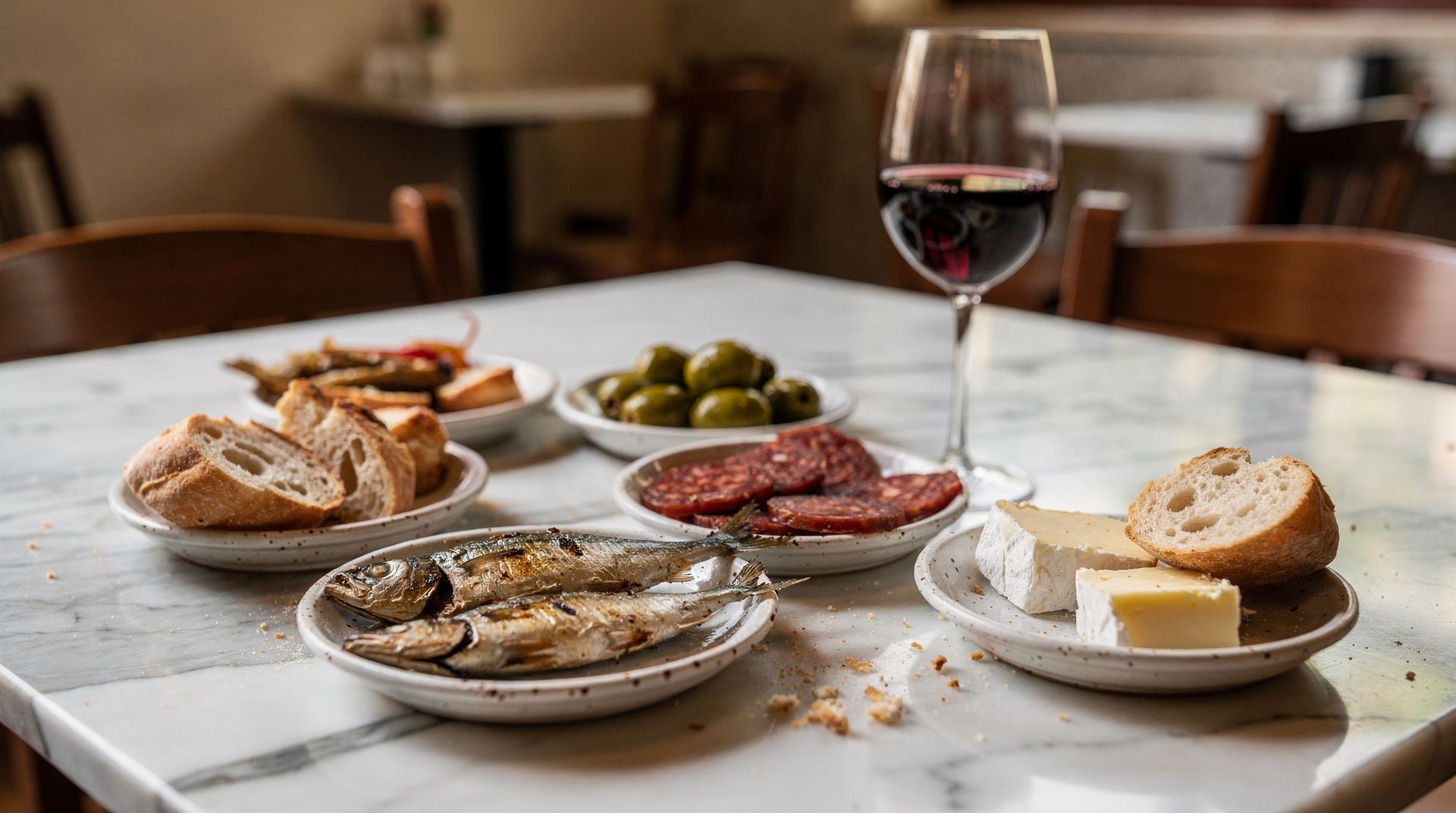
Sardinhas (sardines): The most traditionally Portuguese option. Grilled whole over charcoal, eaten with boiled potato and green salad, typically priced at 5-10 € for a portion of 4-6 fish. The season for the fattest, best sardines is July through September — specifically around the São João festival (June 23-24) when grilled sardines are the primary street food of Porto’s major annual celebration.
Pargo (red porgy/sea bream): Less common but excellent when available. Ask if it’s in season.
Shellfish and crustaceans
Percebes (goose barnacles): The great Atlantic luxury. Percebes grow on wave-battered rocks along Portugal’s northwest coast and are among the most intensely sea-flavoured foods in European gastronomy. They look alarming (dark, knobby stalks about 3-5 cm long) and are eaten by pinching the stalk end and pulling the skin back to reveal the tube of flesh inside. Taste: pure Atlantic. Price: 25-40 € per 100g, which sounds excessive until you eat them and understand why locals consider them worth it.
Amêijoas (clams): Often prepared à bulhão pato (with olive oil, garlic, coriander and white wine) — one of Portugal’s most successful simple preparations. A generous portion for two as a starter runs 8-15 €.
Sapateira (spider crab): Large, cold-dressed with the liver mixed back into the shell. A signature Matosinhos order. Price: 15-25 € depending on size. One crab typically feeds two as a starter or one as a main.
Gambas grelhadas (grilled prawns): Reliably good at Matosinhos; less dramatic than the crab or percebes but excellent as a table-sharing start.
What comes alongside
Fish restaurants in Matosinhos serve accompaniments simply: boiled potatoes (batatas cozidas) or potatoes dressed with olive oil, boiled vegetables (bróculos or cenoura), and a green salad. The approach is deliberately not complex — the fish is the point, not the garnish.
Bread and butter arrive without being ordered. This is the couvert — typically 1-1.50 € per person and not worth fussing over in this setting. Wine arrives by the carafe (white is the default and correct choice with fish — a cold vinho verde by the jug for 4-8 €) or by bottle from whatever list the restaurant carries.
Specific restaurants worth knowing
Most Rua Heróis de França establishments are reliably good. A few addresses have developed stronger reputations:
Marisqueira Antiga (Rua Heróis de França) — one of the older addresses on the street, known for consistent quality on the large grilled fish and a slightly more extensive wine list than most neighbours.
O Gaveto (Rua Roberto Ivens) — a short walk from the main street, considered by many Porto residents as the best shellfish address in Matosinhos, with particular praise for the percebes and spider crab preparations. Slightly higher prices; worth the premium for a serious shellfish-focused meal.
Nuno’s Fish (nearby the fish market) — newer, more casual in format, with a focus on whatever came off the boats that morning displayed in an open-counter format. More like a fish bar than a restaurant.
For a guided experience that covers both the fish market and a meal, the Matosinhos sea-to-plate experience visits the fish market with a guide before eating at one of the street’s restaurants — a good introduction to the market’s operation if you’ve never been to a Portuguese fish market.
The fish market to sea table experience is a similar format and worth comparing for dates and group sizes.
Beyond the restaurants — what else is in Matosinhos
The fish market (Docapesca): The fish auction and market operate in the early morning (from around 6-7 am) and are not generally open to casual visitors for the commercial auction, but the fish market area is worth walking through in the morning when it is active. The smell of fresh fish, the crates being moved, the refrigerated trucks — it is the most direct evidence you can see of where the restaurants’ ingredients come from.
Matosinhos beach: The beach immediately adjacent to the fishing port is a long Atlantic strand popular with Porto surfers (the wave quality is consistent) and local families. Beach cafés and rental kiosks operate from June through September. The sand extends north toward Leça da Palmeira and the mouth of the Leça river.
Surf: If the surf experience is on your agenda, the metro line A continues to Leça da Palmeira for surf schools there. Alternatively, the Matosinhos surf school options in the area offer first-lesson packages for beginners on the Atlantic beach.
Architecture: Álvaro Siza Vieira’s Leça Swimming Pools (Piscinas de Marés, 1966) are a short walk or bike ride from Matosinhos — a masterpiece of Brutalist architecture built into the coastal rocks. Casa de Chá da Boa Nova, also Siza’s work and now a Michelin-starred restaurant, sits on the clifftop above the pools.
Combining Matosinhos with Foz do Douro
Foz do Douro — the neighbourhood where the Douro river meets the Atlantic — is directly south of Matosinhos and connected by the coastal promenade. The combination of a morning walk along the Foz esplanade and a Matosinhos lunch makes a full and satisfying half-day out of the historic centre.
The sailing tour from Porto to Matosinhos covers this route by boat — departing from the Douro riverside and arriving at the Matosinhos coastline by sailboat. A more theatrical approach to the journey, and a good option for anyone who wants to combine the Atlantic sailing experience with the fish lunch.
Practical tips for eating in Matosinhos
Cash: Several Rua Heróis de França restaurants accept cards but some smaller ones prefer cash. Take some along regardless.
Language: English is less common here than in central Porto tourist restaurants. Basic Portuguese — “o que tem hoje?” (what do you have today?), “pode trazer a conta?” (can you bring the bill?) — is useful and appreciated. Most restaurants will manage the interaction without Portuguese if necessary.
Pricing by weight: Always ask the waiter how much the fish you’re considering weighs and the price per kilo before ordering. A 1.5 kg robalo at 22 €/kg is 33 € — worth knowing before it arrives. This is standard practice, not suspicious. The fish is weighed in front of you at most restaurants.
Timing for sardines: Grilled sardines are best and most abundant from June through September. Outside these months, they are often available but may be frozen. Ask “são frescas?” (are they fresh?) if it matters to you.
How Matosinhos compares on value
| Matosinhos | Ribeira waterfront | Petiscos/tasca in Porto | |
|---|---|---|---|
| Typical fish lunch for two | 30-50 € | 50-75 € | Not fish-focused |
| Freshness | Same-day, from the adjacent port | Standard commercial supply | N/A |
| Setting | Working street, plastic tables to proper rooms | Postcard waterfront, tourist-priced | Neighbourhood, informal |
| Best for | Serious fish and shellfish | The view, not the plate | Small sharing plates, offal, sausage |
If fish quality is the priority, Matosinhos wins on every measure except convenience — it requires the metro trip that Ribeira doesn’t. For a broader sense of how Porto’s food scene fits together, the petiscos and tascas guide covers the small-plates side of the city’s identity, and the best restaurants in Porto guide has the wider picture beyond fish.
A realistic half-day plan
For visitors without a fixed itinerary, the most satisfying way to use a Matosinhos trip is to combine it with the coastal walk rather than treating it purely as a lunch errand. Take the metro out around 11:30 am, walk the fish market area before it winds down, sit for lunch at 12:30-1 pm to beat the worst of the queue, then walk the promenade south toward Foz do Douro for coffee and a look at the river mouth before heading back into central Porto. This turns a single meal into a half-day that most visitors rate as one of the better uses of an afternoon outside the historic centre — and it avoids the common mistake of arriving at 2 pm to find the best stalls of the day’s catch already sold.
Dinner in Matosinhos instead of lunch
Most of the advice above assumes a lunch visit, which is the traditional and most reliable time to go — but dinner is also entirely workable and has its own advantages. Evening crowds are lighter than Saturday lunch, the grills are still fully operational, and the walk back to the metro along a lit Rua Heróis de França has its own charm. The trade-off is that the very freshest fish, bought that morning, has usually thinned out by dinner service at the smaller stalls; the larger, better-stocked restaurants replenish through the day and are the safer choice for an evening visit. If sardines are the goal, lunch remains the stronger option, since the grills go through the day’s supply steadily and evening stock can be inconsistent outside peak summer.
Frequently asked questions about Matosinhos seafood
How do I get from Porto to Matosinhos?
Metro line A (red) from Aliados, Trindade or São Bento to Matosinhos Sul — about 25 minutes, approximately 2 € with an Andante card. A taxi or Bolt costs 10-14 € and takes 15-20 minutes by road.
What fish should I order in Matosinhos?
Robalo (sea bass) and dourada (bream) grilled over charcoal are the most reliable. Sardinhas (sardines) are best June-September. Percebes (goose barnacles) are the prestige order — expensive but uniquely Atlantic.
How much does a meal in Matosinhos cost?
A grilled fish lunch for two with white wine typically costs 30-50 € total. Percebes and luxury shellfish push the price up significantly — a half-kilo of percebes can cost 15-20 €.
When is the best time to visit Matosinhos for seafood?
Lunch (noon to 3 pm) is the prime time. Saturday lunch is particularly lively. July through September is sardinha season. Winter has lower crowds with equally fresh fish.
What is the difference between Matosinhos and Ribeira for seafood?
Matosinhos is a working fishing port where fish arrives fresh from boats each morning. Ribeira restaurants source from the same commercial supply as everyone else and charge more for the view. The fish quality difference is significant.
Are there other things to do in Matosinhos besides eating?
Yes — Matosinhos beach for swimming and surf, Álvaro Siza’s Leça Swimming Pools (a coastal Brutalist masterpiece), and the coastal walk south to Foz do Douro.
Do I need a reservation for lunch in Matosinhos?
Not for weekday lunch. For Saturday or Sunday, call ahead or arrive before noon to avoid the 1 pm queue at the most popular addresses.
Frequently asked questions — Matosinhos seafood guide — how to eat like a local at Porto's fishing port
How do I get from Porto to Matosinhos?
Take metro line A (red line) from central Porto (Aliados, Trindade or São Bento stations) to Matosinhos Sul station. The journey takes approximately 25 minutes from Aliados and costs around 2 € with an Andante card. A taxi or Bolt from central Porto takes 15-20 minutes and costs 10-14 €. The metro is the better option — you arrive directly in the neighbourhood and can walk to the restaurants.What fish should I order in Matosinhos?
The standard order at a Matosinhos grill is grilled (grelhado) fish sold by weight — robalo (European sea bass), dourada (gilt-head bream), linguado (sole) and sardinhas (sardines) are the most common and most reliable. Percebes (goose barnacles) are the prestige order for those who want the most Atlantic-specific experience — they are expensive (25-40 € per 100g) but nothing else tastes like the sea in quite the same way.How much does a meal in Matosinhos cost?
A grilled fish lunch for two with white wine, bread and dessert typically costs 30-50 € total at most restaurants on Rua Heróis de França — well below the price of comparable fish in central Porto or Ribeira. Percebes and more luxurious shellfish push the price up significantly. A half-kilo of percebes alone can cost 15-20 €.When is the best time to visit Matosinhos for seafood?
Lunch (noon to 3 pm) is the prime time — the fish is freshest and the restaurants are at their best. Saturday lunch is particularly lively, with local families and Porto residents who make the trip specifically to eat. July and August see sardinha season peak, making this the ideal time for grilled sardines specifically. Winter months have lower crowds and fish that is equally fresh.What is the difference between Matosinhos and the Ribeira for seafood?
The difference is fundamental. Matosinhos is a working fishing port where the boats unload directly to the market each morning and the restaurants buy daily — the fish is genuinely fresher. Ribeira is a tourist-facing waterfront where fish restaurants source from the same commercial supply as everywhere else, charge significantly more, and sell the view alongside the plate. There is no comparison for fish quality.Are there other things to do in Matosinhos besides eating?
Matosinhos beach is one of the best urban beaches in Portugal — a long stretch of Atlantic sand with surf schools and beach cafés. The contemporary architecture of Álvaro Siza Vieira and Eduardo Souto de Moura is concentrated around the nearby Leça da Palmeira area (Casa de Chá da Boa Nova, Piscinas de Marés). For surf lessons, the metro continues to Leça da Palmeira for the surf schools there.Do I need a reservation for lunch in Matosinhos?
For weekday lunch, no — most Rua Heróis de França restaurants operate on a walk-in basis. For Saturday or Sunday lunch, a phone reservation or arriving before noon is the safer approach, since the most popular addresses can have a wait of 20-30 minutes from around 1 pm. Larger dining rooms turn tables faster than the smaller, more focused ones.
Top experiences
Bookable activities with verified prices and instant confirmation on GetYourGuide.