Best restaurants in Porto — by neighbourhood and budget
Porto: Gastronomy Wine Tour
Where should I eat in Porto?
Avoid the Ribeira waterfront restaurants — they charge 20-30% more for lower quality. The best value is in Cedofeita, Bonfim and Baixa. Budget 8-12 € for a tasca lunch with a drink included; 18-28 € per person for a proper dinner with wine.
How to navigate Porto’s restaurant landscape
Porto’s food scene operates across two parallel realities that are geographically close but economically and qualitatively distant from each other. There is the tourist-facing restaurant economy of Ribeira, the waterfront, and the immediate surroundings of major attractions — and there is the neighbourhood restaurant culture of Cedofeita, Bonfim, Boavista and the streets slightly removed from the postcard view.
Understanding which is which, and what each offers at different price points, is the most useful thing you can do before eating your way through Porto. This guide does that honestly, by neighbourhood.
| Where to eat | Cedofeita, Bonfim, Baixa — skip most of Ribeira |
| Cost | Around 8-12 € tasca lunch, 18-28 € midrange dinner |
| Booking | 2-3 days ahead Thu-Sun for well-regarded places |
| Dinner service | Kitchens open around 7:30-8:00 pm, peaks 8-9:30 pm |
| Watch for | The couvert — bread/olives you didn’t order but are billed for |
Neighbourhoods compared
| Neighbourhood | Vibe | Typical spend | Best for |
|---|---|---|---|
| Ribeira | Postcard views, high tourist density | 20-35 € dinner | Drinks with a view, not dinner |
| Cedofeita | Creative, gallery-district | 8-28 € | Prato do dia lunches, wine bars |
| Bonfim | Residential, local | 8-28 € | Tascas, natural wine, francesinha |
| Baixa-Aliados | Central, mixed old/new | 10-25 € | Convenience without leaving the centre |
| Matosinhos | Fishing-village seafood | 15-30 € | Fresh grilled fish, no francesinha |
| Boavista / Foz do Douro | Upmarket, residential | 25-180 € | Fine dining, quiet dinners |
The Ribeira rule — and the exceptions
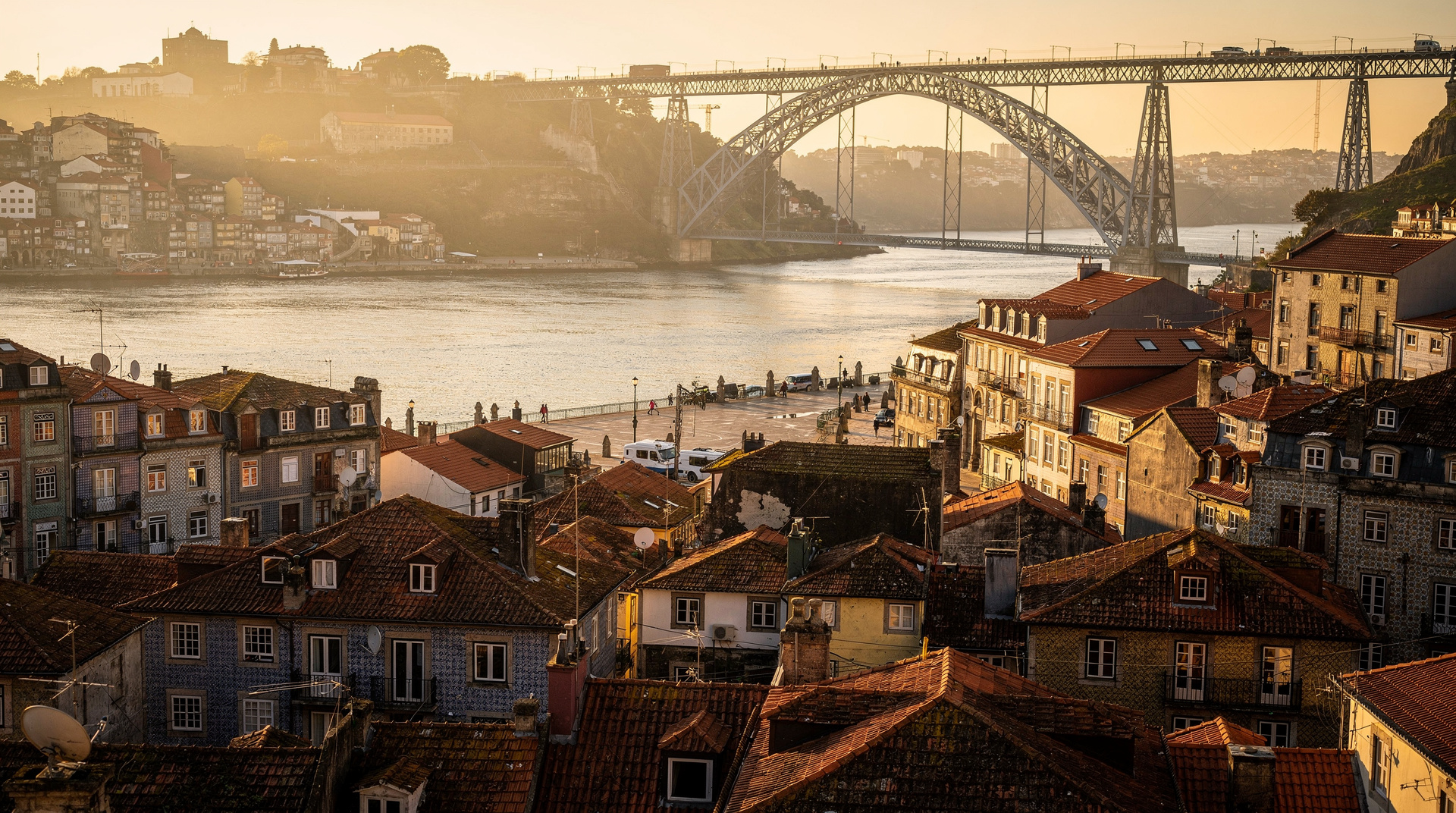
The Ribeira waterfront is Porto’s most photographed neighbourhood, and its restaurants are its most visited. They are not its best. The concentration of tourists along the quay from Cais da Ribeira to Praça da Ribeira has produced a restaurant ecosystem where the incentive to serve excellent food is lower than almost anywhere else in the city.
The pattern is consistent: menus printed in four languages with photographs, couvert arriving immediately and unbidden, prices 20-30% above what the same dish costs two streets behind the quay, service calibrated for table turnover rather than satisfaction. The fish on the grill is sometimes very good; the bacalhau is often mediocre; the wine list is expensive for what it offers.
The honest exceptions: A handful of Ribeira addresses genuinely deliver. Adega São Nicolau (Rua de São Nicolau 23) is one — a genuine wine-bar-meets-restaurant that serves petiscos and grilled fish at honest prices with a wine list that rewards attention. It is inside the Ribeira geography but not part of the tourist-trap economy. Antunes (Rua do Bonjardim 525 area) similarly operates at a different level.
The practical advice: walk through Ribeira, eat there occasionally when you find one of the exceptions, and default to the neighbourhoods described below for anything beyond a quick lunch.
Cedofeita and Bombarda — the eating neighbourhood
Cedofeita and the Bombarda street area has become Porto’s most interesting neighbourhood for restaurants over the past decade. The concentration of independent galleries, vintage shops and design studios has attracted a food scene that skews creative without abandoning local cooking traditions.
Budget (under 12 €): The prato do dia — daily lunch special — culture is strongest here. Look for handwritten menus in windows listing the day’s option, typically including soup, main course, bread and a drink, sometimes dessert or coffee. Prices run 8-12 €. These informal lunch counters rarely have names that appear anywhere online; they are found by walking Rua de Cedofeita and the streets running off it around noon.
Mid-range (18-28 € per person with wine): Cafeína (Rua do Padrão 100, near Foz do Douro) is the go-to address in this zone for a longer, wine-focused dinner — reliable cooking, a good Portuguese wine list, and a room that fills with residents rather than visitors. The menu rotates seasonally and includes good fish and roast meat options alongside the usual suspects.
Casual creative: The Bombarda street itself and Rua de Miguel Bombarda have several cafés and natural wine bars where petiscos and good glasses of wine cover dinner without the formality of a sit-down menu. These suit the post-gallery hour of 6-8 pm particularly well.
Bonfim — the neighbourhood doing the most interesting work
Bonfim is Porto’s current answer to the question of where locals actually eat. The neighbourhood, east of the historic centre and past Campo 24 de Agosto, has been absorbing a younger demographic of residents who have brought demand for better coffee, natural wine and updated traditional cooking.
Tasca culture at its best: The streets around Rua de Costa Cabral and Rua de Antero de Quental have several small restaurants that serve traditional Portuguese dishes — alheira, migas, roast bacalhau — with better sourcing and more careful execution than most Ribeira equivalents at lower prices.
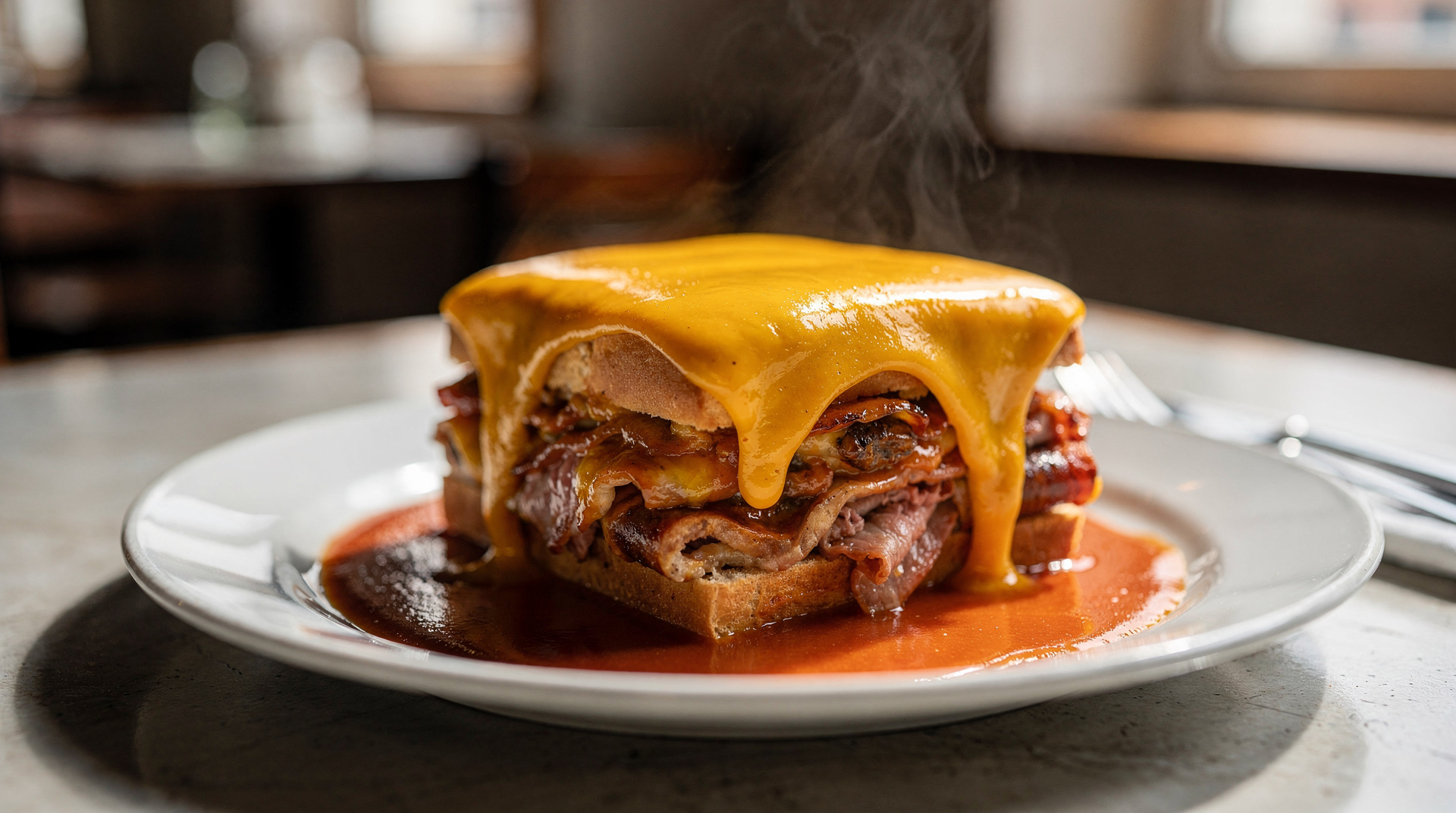
Lado B (Rua de Costa Cabral 1026) is the most discussed address in Bonfim for francesinha, but it also serves a straightforward lunch menu that represents the neighbourhood well. A Sandeira (various locations, with a strong Bonfim presence) does excellent sandwiches with proper Portuguese bread, good ham and cheese combinations, and coffee that is better than the tourist-area average.
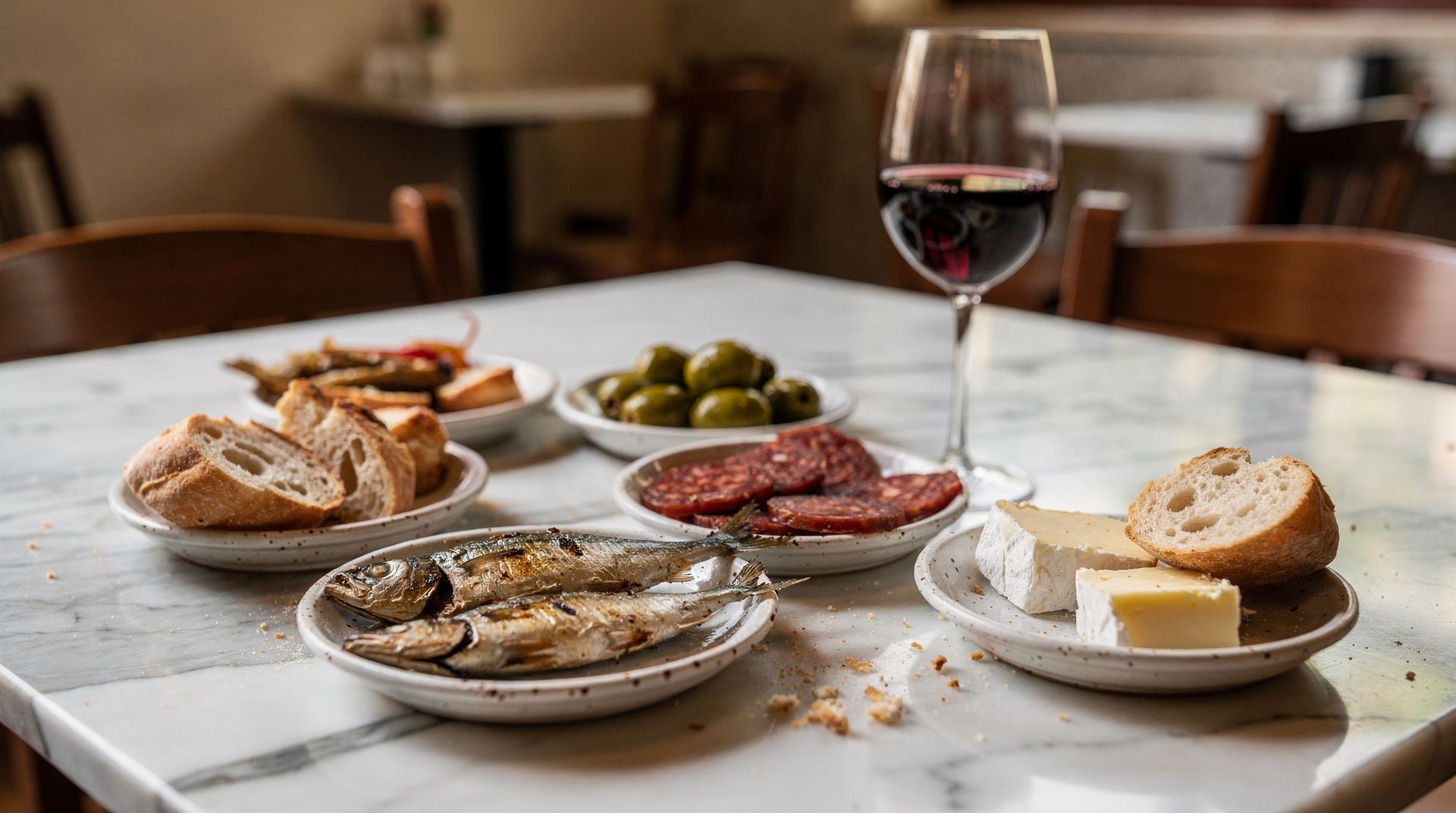
Natural wine and petiscos: Several bars in Bonfim have opened with natural wine lists and a petiscos format that essentially covers dinner — a selection of small plates including cheese, charcuterie, pickled vegetables, and whatever fish or meat the week has produced. Prices per person for a satisfying evening run 20-28 € including wine.
Baixa-Aliados — central and dependable
The Baixa-Aliados area around Avenida dos Aliados and the streets toward Bolhão has a mixture of old-guard restaurants that have been there since the 1950s and newer arrivals aimed at the increasing visitor population.
Brasão Aliados (Rua do Bonjardim 525) represents the mid-range well — it is primarily known for its francesinha (see the francesinha guide) but the rest of the menu is reliable Portuguese cooking at fair prices. The craft beer list is one of the better in the central area.
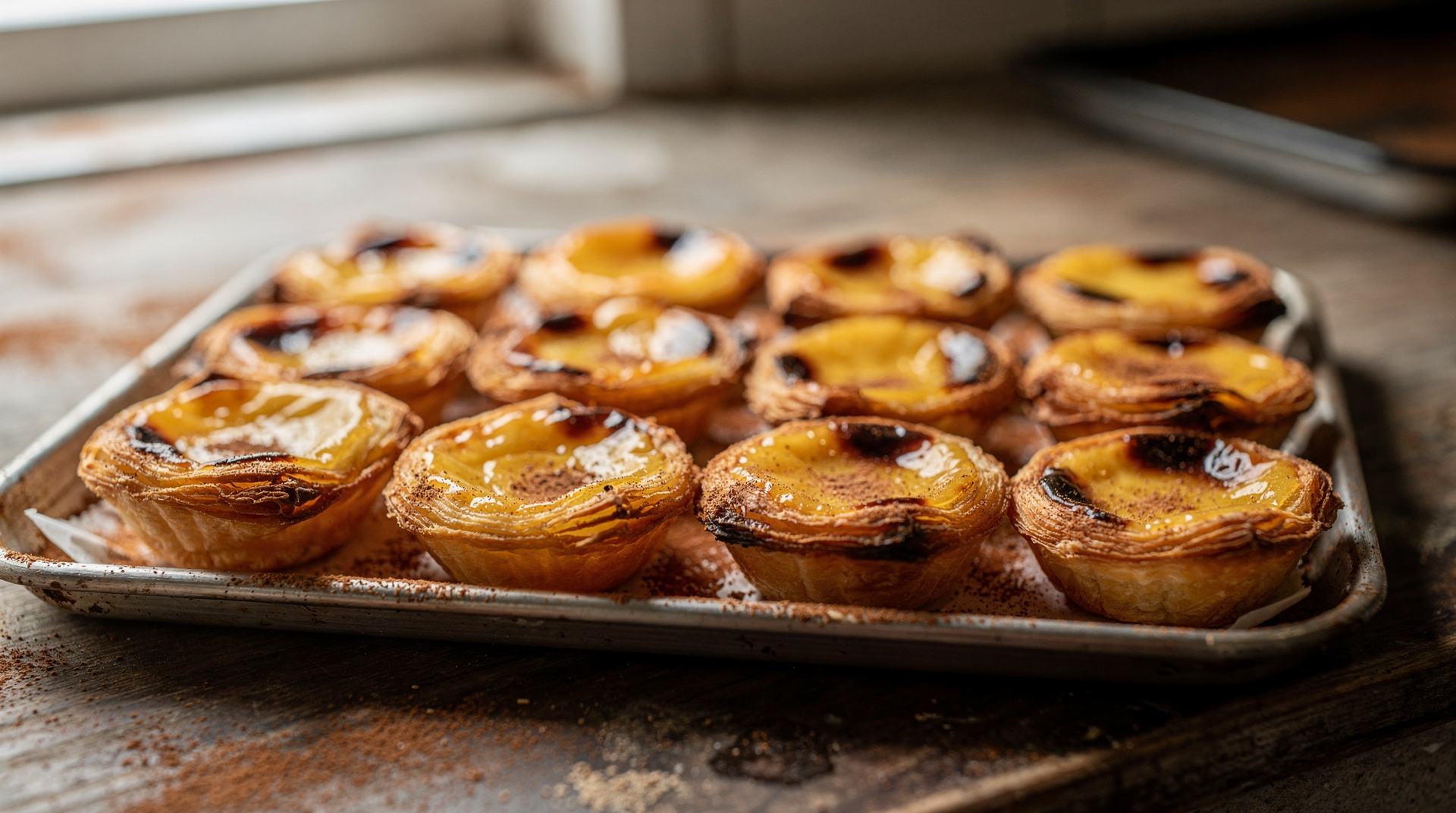
Confeitaria do Bolhão (Rua Formosa 339) is the right answer for breakfast and a mid-morning pastel de nata — one of the older pastry establishments in the area, with good coffee and a room that still serves Porto residents rather than exclusively tourists.
The Bolhão market itself, since its 2022 reopening, contains food stalls that offer lunch options — grilled fish, petiscos, sandwiches — in a market hall setting. Quality varies by stall, but the grilled fish options are reliably good.
Matosinhos — seafood in its natural habitat
The suburb of Matosinhos, 25 minutes north by metro (line A), operates a completely different restaurant economy from the historic centre. Rua Heróis de França and the streets around it are lined with grilled fish restaurants — simple rooms with open charcoal grills visible from the street, fish priced by weight, white wine by the carafe, chips fried in clean oil.
This is where Porto residents go to eat fish. The francesinha does not appear here. Bacalhau is secondary to fresh fish grilled the same day it came off a boat. See the Matosinhos seafood guide for specific restaurant recommendations and how to order properly.
The detour from central Porto is 25 minutes and completely worthwhile for anyone with a serious interest in fish.
Budget eating across Porto
Tasca lunch, 8-12 €: The prato do dia format — a complete lunch (soup, main, drink, sometimes dessert) for a fixed price — is the best-value eating in Porto and is available across all neighbourhoods. Tourist areas price it at 12-15 €; residential neighbourhoods price it at 8-11 €. A handwritten menu in the window is the reliable indicator.
Pastel de nata and coffee, 1.50-3 €: The Portuguese breakfast — an espresso (bica) and a pastel de nata (custard tart) — costs 1.50-3 € at local cafés. The same combination in a tourist-facing café on Ribeira costs 4-6 €. See the pastel de nata guide for the best bakeries.
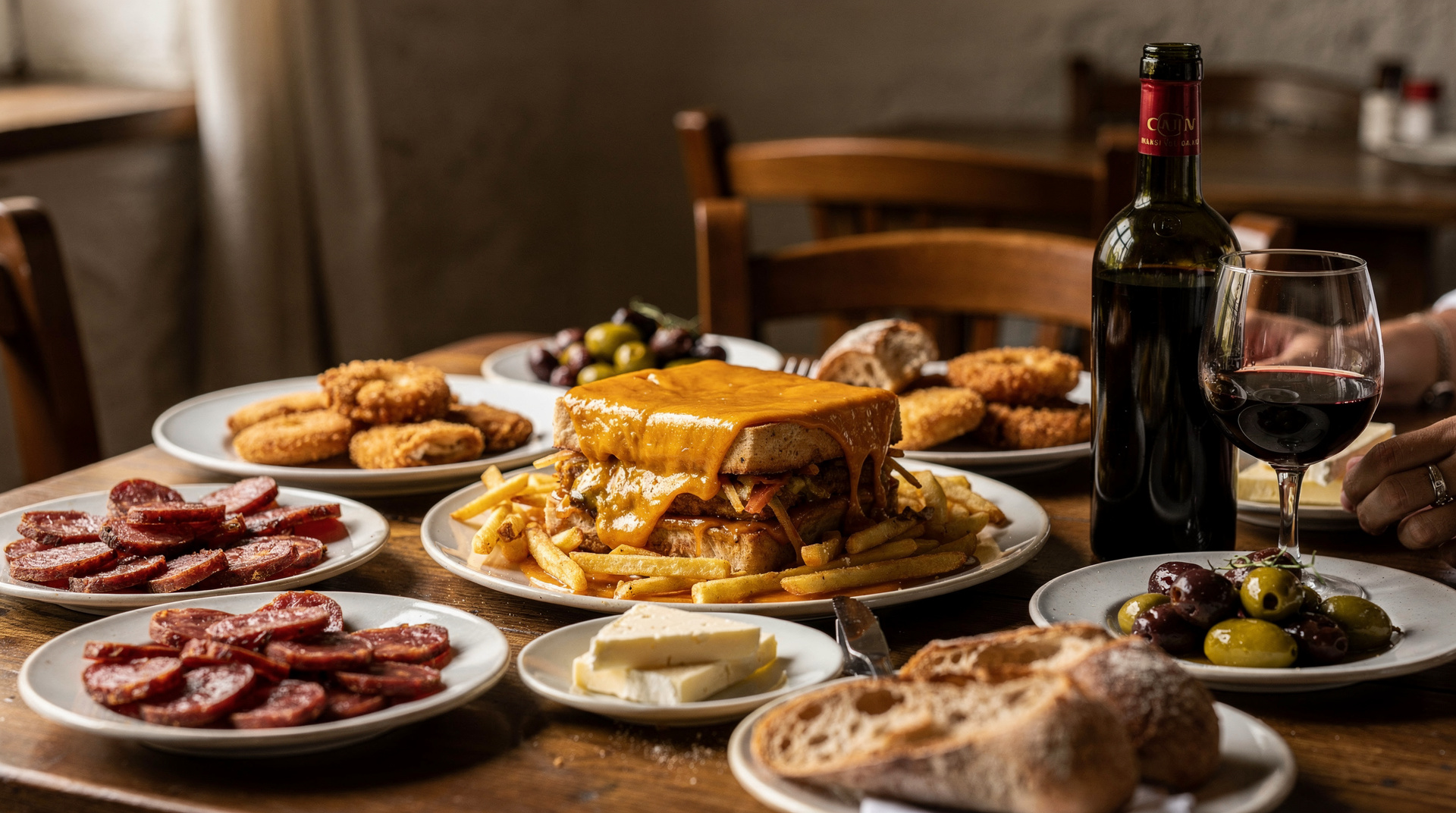
Petiscos at a tasca, 3-7 € per plate: The petiscos format — small plates of amêijoas (clams), pataniscas (cod fritters), alheira (smoked sausage), presunto — is the Portuguese equivalent of Spanish tapas and the best way to eat widely for a controlled budget. A generous dinner of petiscos for two people with a bottle of vinho verde runs 25-35 €.
Fine dining in Porto
Porto has several genuinely excellent fine dining restaurants operating at European levels of quality, most concentrated in the Boavista and Foz do Douro areas.
The Yeatman Hotel restaurant in Vila Nova de Gaia (across the river) holds two Michelin stars and is the most ambitious table in the greater Porto area, with a wine programme anchored in Douro and port wines that is genuinely world-class. The view across the river to Porto from the terrace is part of the experience. Dinner with wine pairing runs 120-180 € per person; the rooftop bar is accessible without dinner and costs 8-14 € for cocktails.
Casa de Chá da Boa Nova in Matosinhos (Leça da Palmeira, 30 minutes north) is the Álvaro Siza Vieira-designed restaurant on the Atlantic coast that holds one Michelin star and is among the most architecturally distinctive dining rooms in Portugal. The seafood-focused menu uses Matosinhos port produce. Advance booking essential; dinner runs 80-120 € per person without wine.
For a more accessible fine dining experience in the centre, the wine-focused restaurants around Cedofeita operate at a high level without requiring Michelin budgets.
Breakfast and brunch
Porto is not a brunch city in the way some Western European capitals now are, and the traditional Portuguese breakfast — a bica (espresso) and a pastel de nata, standing at a café counter — is genuinely the best way to start most mornings rather than a compromise. A few newer cafés in Cedofeita and Foz do Douro have introduced full brunch menus with eggs and avocado toast, aimed largely at the growing digital-nomad and remote-work crowd, and they’re fine if that’s what you want, but they cost more and deliver less local character than a proper Portuguese breakfast. Confeitaria do Bolhão and the older pastelarias around Baixa remain the better choice for a first morning in the city.
Practical tips for eating in Porto
Couvert: As mentioned above, the bread, olives and cheese that arrive unordered are chargeable. Decline politely if not wanted: “Não pedimos, obrigado.”
Lunch vs dinner prices: Many Porto restaurants operate a lunch menu at significantly lower prices than the dinner à la carte. The same kitchen, the same space — often significantly different pricing structures. Eating the main meal at lunch is the best-value approach.
Reservations: Thursday to Sunday dinner at recommended restaurants should be booked 2-3 days ahead. A food tour (see best food tours) is a useful way to get local recommendations you can then book directly.
Language: English is spoken in most tourist-facing restaurants. In Bonfim and Cedofeita tascas, a few words of Portuguese go a long way and are genuinely appreciated. “Bom dia,” “obrigado,” and “a conta, por favor” (the bill, please) cover most situations.
Tipping: 10% is appreciated and normal for good service. Rounding up the bill is also common. Tipping is not mandatory and in casual tascas, simply leaving change from a round amount is sufficient.
Eating with wine — and where to learn what you’re drinking
Most of the mid-range and fine-dining restaurants above have wine lists built around Douro reds and vinho verde rather than imports, and a good server will steer you toward a regional bottle if asked. If wine is a genuine interest rather than an afterthought to dinner, it’s worth building in a dedicated tasting alongside your restaurant meals rather than relying on restaurant wine lists alone — the port wine tasting guide for beginners is a useful primer before choosing between a Gaia cellar visit and a full day among the Douro Valley quintas.
Eating on a tighter budget
Porto is genuinely affordable compared with Lisbon or most Western European capitals if you eat where residents eat rather than defaulting to whatever restaurant is nearest the sights. Two tasca lunches and one modest dinner a day, avoiding Ribeira entirely, keeps food spend around 25-35 € per person — see the Porto on a budget guide for how this fits a wider daily budget including accommodation and attractions. Families should also check the Porto with kids guide, since several tascas in Bonfim and Cedofeita are genuinely welcoming to children despite feeling like adult-oriented neighbourhood spots at first glance.
Pairing restaurants with Porto experiences
A food tour on day one gives you the context to eat independently on subsequent days. The porto-3-days itinerary sequences meals to avoid overlap with tour tastings. The porto-foodie-weekend is built around restaurant choices and markets rather than sights.
For a summary of the petiscos and tasca culture that underlies most of Porto’s best casual eating, the petiscos and tascas guide provides the detailed context.
Frequently asked questions about eating in Porto
Are restaurants in Ribeira worth it?
A few Ribeira restaurants are genuinely good, but the majority charge 20-30% more than comparable establishments two streets back. Go to Ribeira for the view and drinks, then walk to Cedofeita or Bonfim to eat.
What does a meal cost in Porto?
A tasca lunch runs 8-12 €. A midrange dinner with wine runs 18-28 € per person. Fine dining with wine pairing reaches 60-90 € per person. Ribeira waterfront restaurants cluster at 20-35 € per person at dinner.
Do Porto restaurants charge for bread and olives I didn’t order?
Yes — the couvert is a standard practice. You are entitled to refuse it: “Não pedimos, obrigado” will have it removed without charge.
Should I book restaurants in Porto in advance?
For dinner at well-regarded places Thursday to Sunday, book 2-3 days ahead. Tascas rarely take reservations. Fine dining needs a week or more in summer.
What time do Porto restaurants serve dinner?
Kitchen service typically begins at 7:30-8:00 pm. Peak dinner time is 8:00-9:30 pm. Arriving at 6:30 pm expecting dinner will often result in a politely confused response.
Are there good vegetarian restaurants in Porto?
Porto has improved significantly for vegetarians, particularly in Cedofeita and Bonfim. Traditional Portuguese cuisine is heavily meat and fish dependent, but newer restaurants offer more plant-based options.
Frequently asked questions — Best restaurants in Porto — by neighbourhood and budget
Are restaurants in Ribeira worth it?
A few Ribeira restaurants are genuinely good, but the majority charge 20-30% more than comparable establishments two streets back for food that is aimed at tourist turnover. The view from the quay is real; the food quality is inconsistent. Go to Ribeira for drinks and the view, then walk to Cedofeita or Bonfim to eat.What does a meal cost in Porto?
A tasca lunch (prato do dia — daily special with bread, drink and dessert or coffee included) runs 8-12 €. A midrange dinner with wine runs 18-28 € per person. Fine dining with wine pairing reaches 60-90 € per person at the top tables. Ribeira waterfront restaurants cluster in the 20-35 € range per person at dinner, often without matching the quality of cheaper alternatives.Do Porto restaurants charge for bread and olives I didn't order?
Yes — the couvert is a Portuguese restaurant tradition where bread, butter, olives, cheese or charcuterie arrive at the table without being ordered and are charged at 1-3 € per person. You are entitled to refuse them and have them taken away without charge. In tourist-facing restaurants this is often where the bill inflates unexpectedly. Simply say 'não pedimos, obrigado' and the items will be removed.Should I book restaurants in Porto in advance?
For dinner at well-regarded places from Thursday to Sunday, yes — book 2-3 days ahead. Tascas rarely take reservations and work on first-come-first-served basis. The busiest fine dining addresses need a week or more lead time in summer. Lunch at most restaurants can be walked in without reservation from Monday to Wednesday.What time do Porto restaurants serve dinner?
Kitchen service typically begins at 7:30-8:00 pm. Most restaurants in tourist areas are adapted to earlier eating (from 7 pm); traditional tascas may not open their kitchens until 7:30 or 8:00 pm. Arriving at 6:30 pm expecting dinner will often be met with a politely confused response. Peak dinner time is 8:00-9:30 pm.Are there good vegetarian restaurants in Porto?
Porto has improved significantly for vegetarians, with dedicated vegetarian and vegan restaurants appearing in Cedofeita and Bonfim over the past five years. Traditional Portuguese cuisine is heavily meat and fish dependent, but the newer generation of Porto restaurants offers more plant-based options alongside traditional dishes.
Top experiences
Bookable activities with verified prices and instant confirmation on GetYourGuide.