Best food tours in Porto — what to book and what to skip
Porto: Porto Guided 4 Hour Food Culture Tour
Which Porto food tour is best?
The 10-tasting food and culture walk is the most comprehensive option for first-time visitors, covering markets, tascas and bakeries across the historic centre. For a shorter introduction, the half-day food tour hits the essential stops without the commitment. Both run 3-4 hours and include enough food to replace a meal.
Why Porto is one of Europe’s best cities for a food tour
Porto punches above its weight as a food destination. The city has a working-class culinary tradition built on resourceful ingredients — bacalhau (salt cod), offal, river fish, cured meats from the interior — that survived intact while Lisbon modernised. The result is a city where you can eat exceptionally well without booking anything fancy, if you know where to look.
The problem for first-time visitors is precisely that: knowing where to look. The streets between Ribeira and Bolhão market contain genuine tascas serving generational recipes alongside tourist traps charging Lisbon prices for mediocre food. A food tour with an honest local guide solves that problem in three to four hours, front-loading your visit with the knowledge to eat well for the rest of the trip.
This guide covers the main options honestly, including which types of tour to skip and what to look for in a well-designed Porto food experience.
What good Porto food tours actually cover
A well-designed Porto food tour should do at least three things: introduce the core dishes of the local cuisine with genuine context (not just “this is the national dish”), include stops that you would not naturally find on your own, and give you a mental map of which neighbourhoods and types of places to return to independently.
The best tours cover five or six distinct stop types:
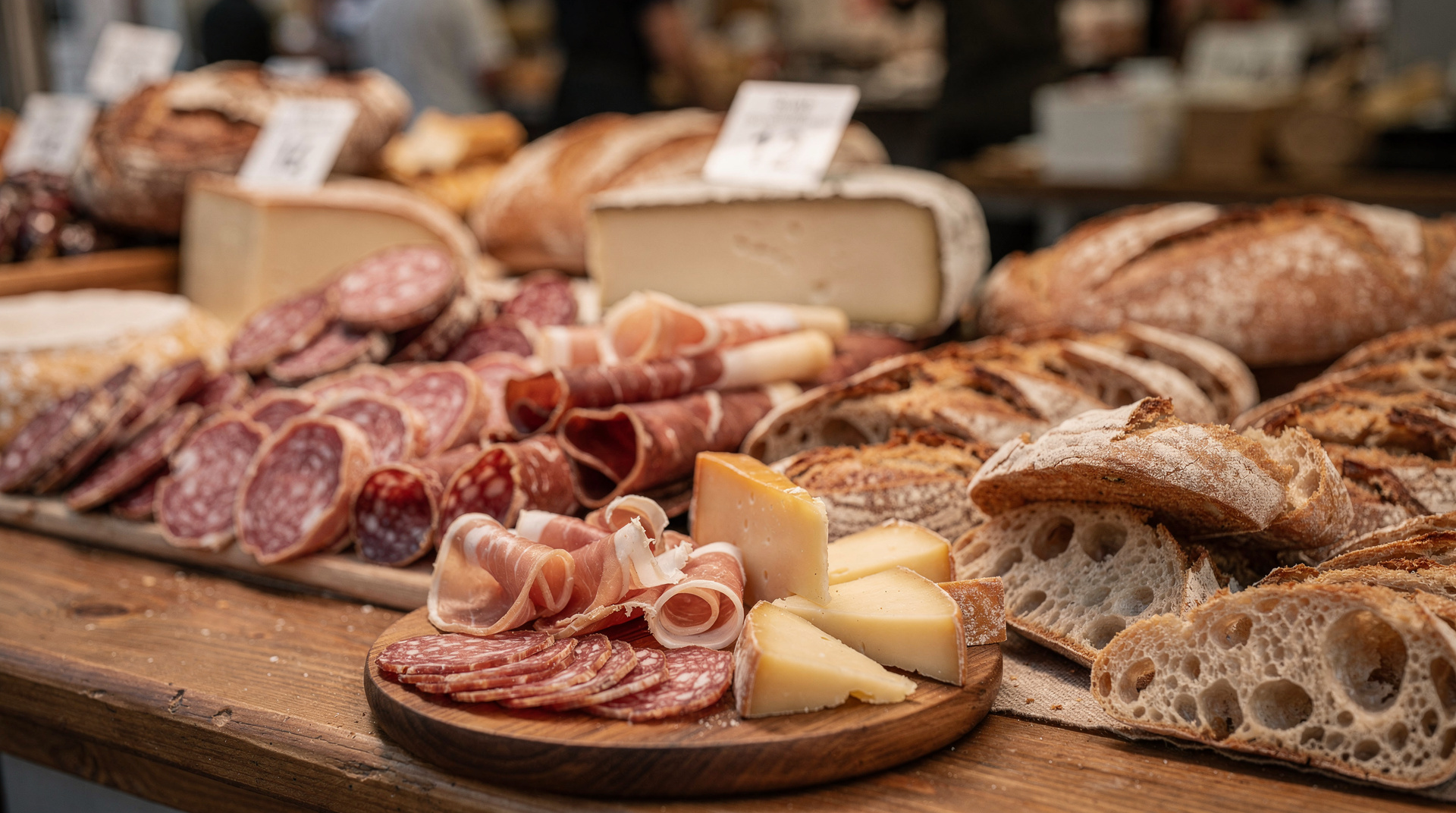
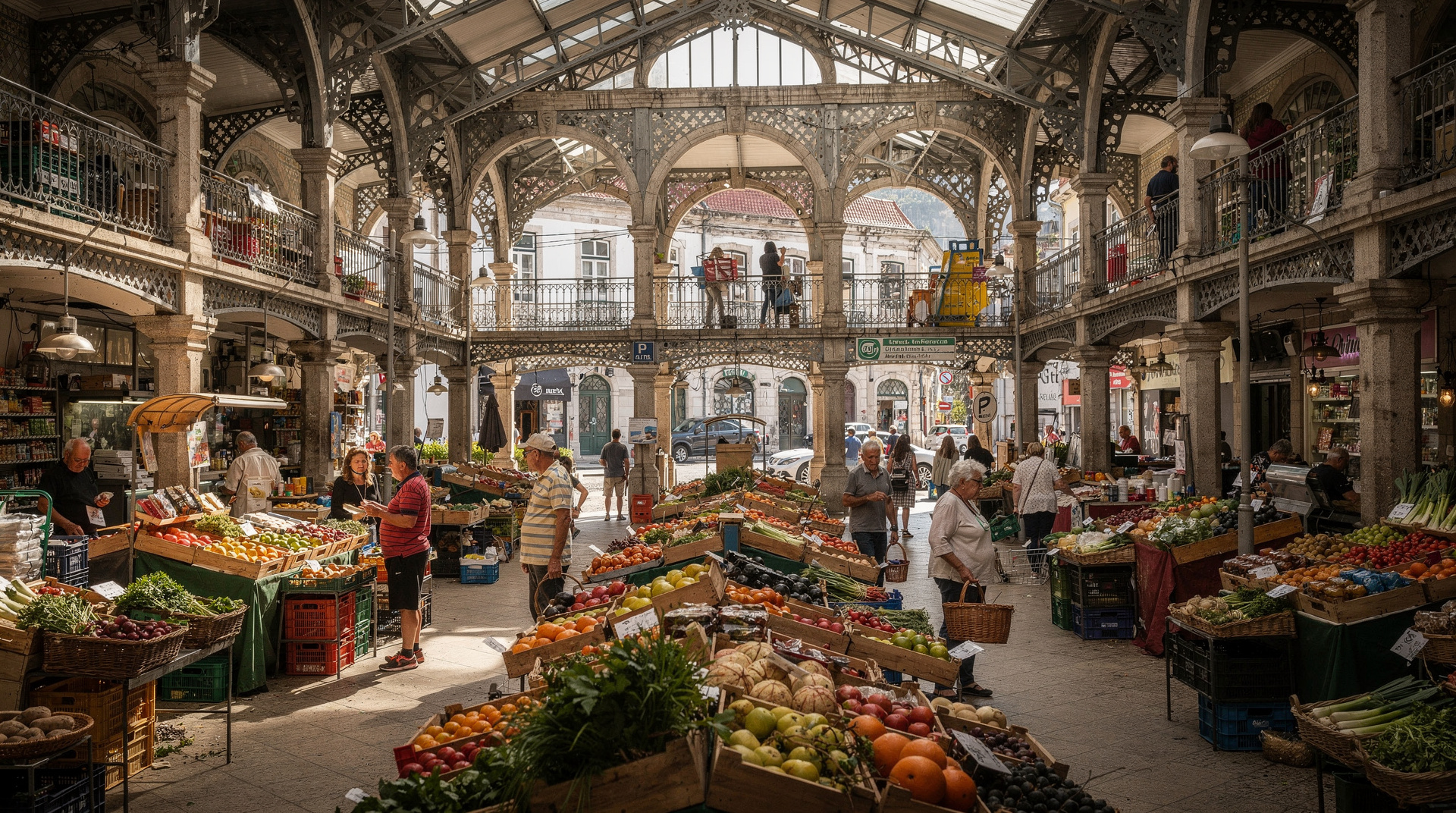
Market visit: Mercado do Bolhão — reopened in 2022 after a major renovation — is the natural starting point. A guide who knows the vendors can take you past the tourist-facing stalls to the interior butchers, spice sellers and cheese counters where the real trading happens.
Tasca stop: An authentic tasca — the small neighbourhood restaurant that forms the backbone of Porto eating — is essential. Good tours visit one that wouldn’t be on any Tripadvisor list.
Bacalhau tasting: Salt cod in at least two preparations, because bacalhau à brás (shredded, with egg and potato) and bacalhau com natas (with cream) taste entirely different and illustrate the range of Portugal’s claimed 365 recipes.
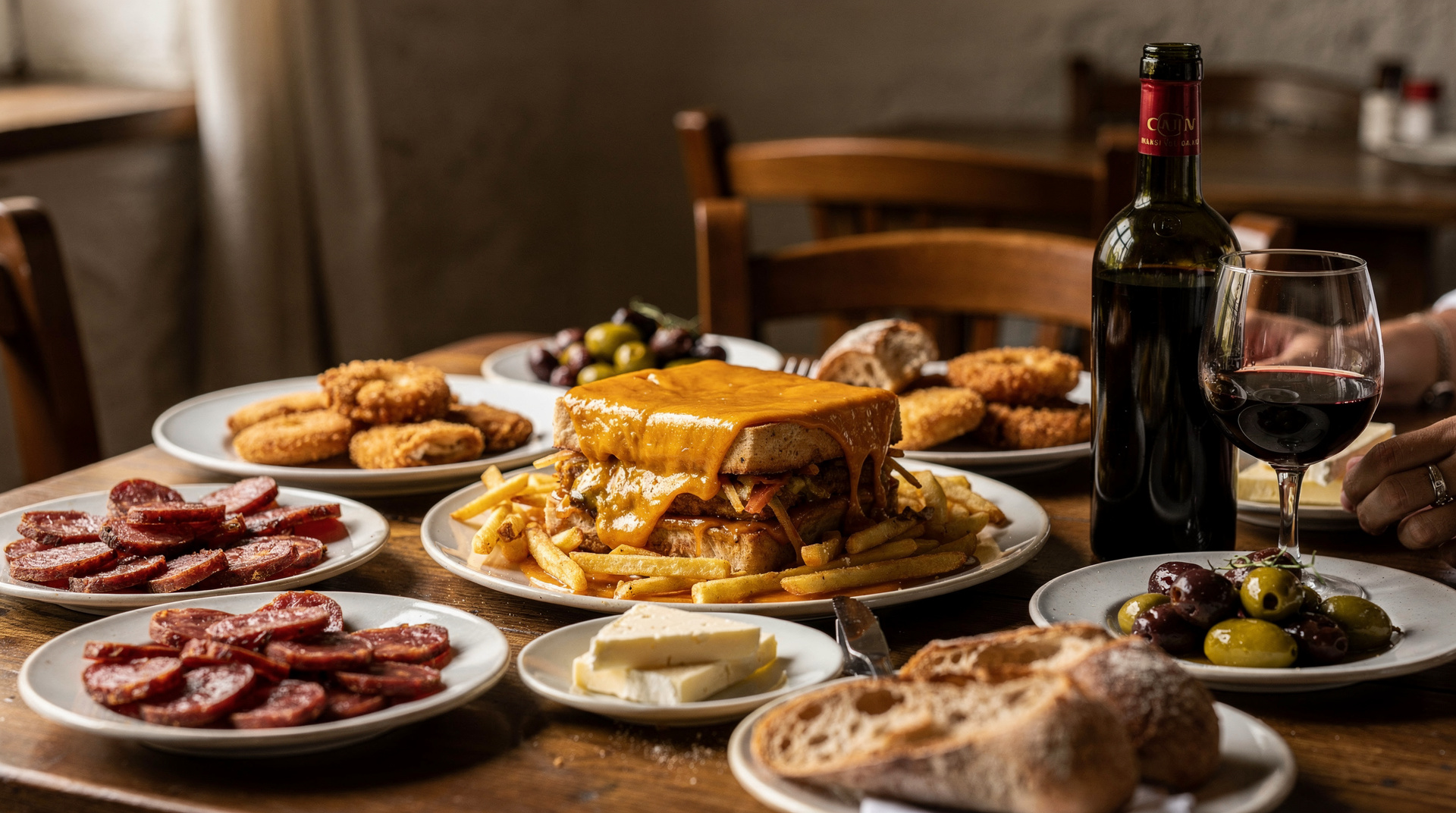
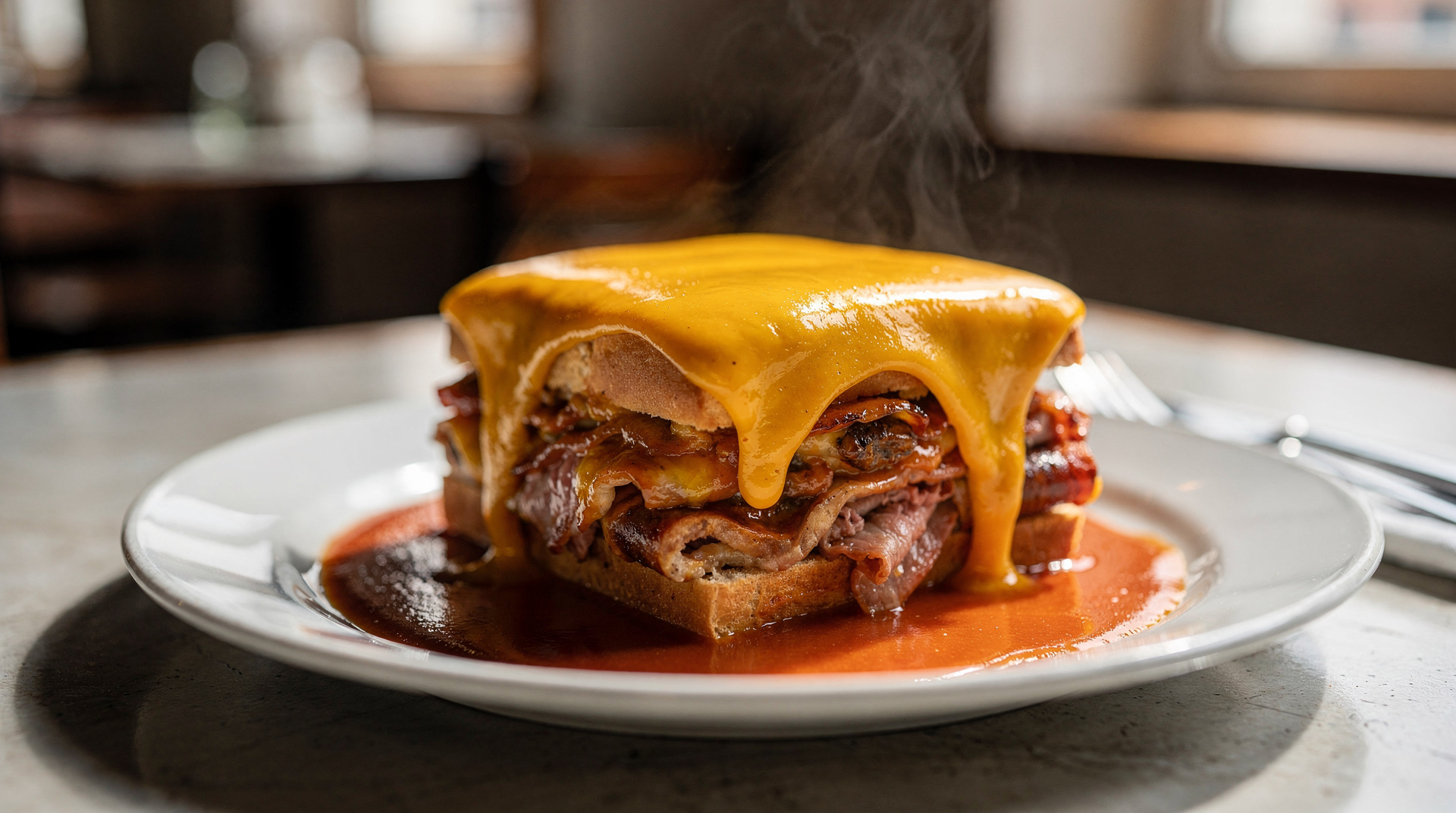
Francesinha encounter: Even if it’s just a bite of the sandwich rather than a full sitting, tasting Porto’s iconic beer-and-cheese-sauce sandwich is non-negotiable. See the francesinha guide for context before you go.
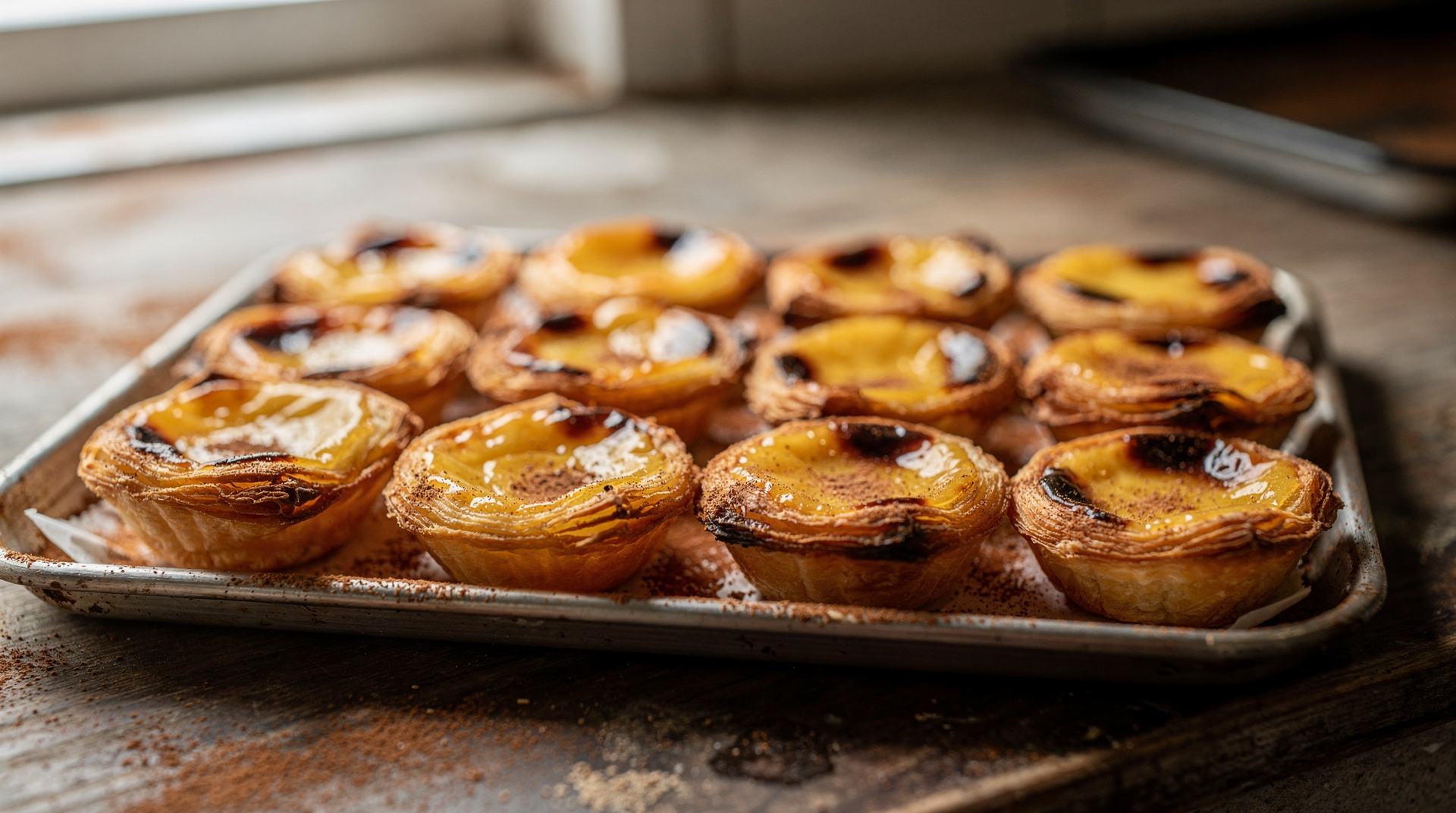
Pastel de nata: The custard tart is the entry point for most visitors into Portuguese pastry, and there’s genuine variation between versions. The best tours compare at least two bakeries.
Wine or port: A tasting of something — vinho verde, port, or a Douro red — gives the food context it needs.
The best Porto food tours by type
Best comprehensive option: the 10-tasting food and culture walk
The Porto food and culture 10-tasting tour covers the most ground of the available options, both geographically and gastronomically. The route takes in Bolhão market, two tascas, a bakery stop, a wine shop pour, and ends with port wine — ten stops in roughly 3.5 hours.
What distinguishes it from cheaper alternatives is the organisation: the guide sequences the tastings so heavy dishes (bacalhau, alheira sausage) come before the sweets, and includes neighbourhood context at each stop — the history of the Bolhão building, why certain dishes survived the Salazar-era austerity, the difference between the Ribeira tourist economy and the Bonfim local economy.
Price: approximately 65-75 € per person. Groups cap at twelve, which is the right size for a food tour — small enough to move through narrow tasca doorways without the guide losing the room. Book at least 48 hours ahead in summer.
Best for a shorter commitment: the half-day food tour
The half-day food tour runs approximately two hours and covers five to six tastings — enough for a genuine introduction without taking over a full afternoon. The route concentrates on the Baixa neighbourhood between São Bento station and the Clérigos area, hitting a bakery, a petisco bar, a wine stop and one main dish.
This is the right choice if you only have one day in Porto and need to see the city as well as eat it, or if you have already eaten a heavy lunch and want a tasting walk rather than a meal-replacement experience.
Price: approximately 45-55 € per person.
Best for wine and food combined: the food and wine hidden gems walk
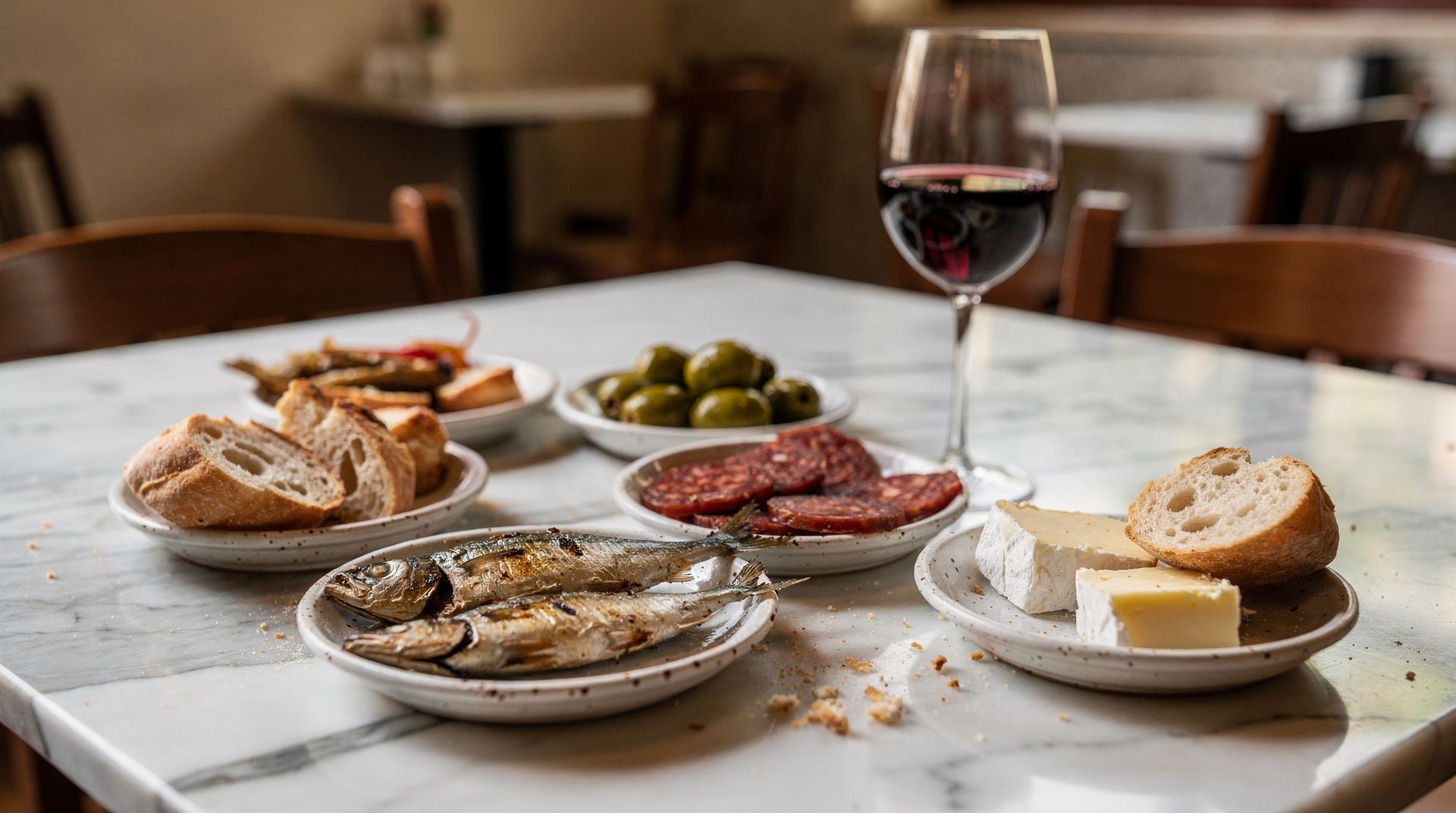
The food and wine hidden gems tour is the food tour for people who care as much about what they’re drinking as what they’re eating. The format pairs each tasting with a matched pour — vinho verde with seafood petiscos, a Douro tinto with alheira, port with pastel de nata — and the guide’s explanations focus on the relationship between the food and the wine region.
This is a more adult, slower-paced experience than the 10-tasting tour, with smaller portions at each stop and more time spent discussing what’s in the glass. Not the choice for hungry visitors who want quantity, but genuinely educational for those with a wine interest.
Price: approximately 65-70 € per person.
The secret food tour option
The Porto secret food tour markets itself on taking visitors to places that don’t appear in guidebooks — and to a meaningful extent, it delivers. The route changes regularly and deliberately avoids the standard Bolhão-to-Clérigos circuit, which means some visits have landed in Bonfim and Cedofeita instead of the historic centre.
The trade-off is less predictability: you may end up in a more residential neighbourhood with less photogenic stops but more authentic food. For repeat visitors to Porto or travellers who’ve done the main circuit before, this variability is a feature.
Price: approximately 65 € per person.
What Porto food tours don’t cover — and why that matters
Most food tours are anchored in the tourist-accessible historic centre. This is understandable from a logistics perspective, but it means you will miss two of Porto’s most compelling food experiences unless you seek them out independently:
Matosinhos: The fishing village north of Porto, easily reached by metro in 25 minutes, has a concentration of grilled fish restaurants along Rua Heróis de França that represents a completely different register of Porto eating — no francesinha, no bacalhau com natas, just fish that came off a boat this morning. See the Matosinhos seafood guide for a full breakdown.
Bonfim tascas: The Bonfim neighbourhood has a cluster of neighbourhood tascas that are doing the most interesting work in Porto’s food scene — not fine dining, but traditional recipes executed with more care and better sourcing than most tourist-facing restaurants. No current food tour routes through this area consistently.
The honest warning about Ribeira food
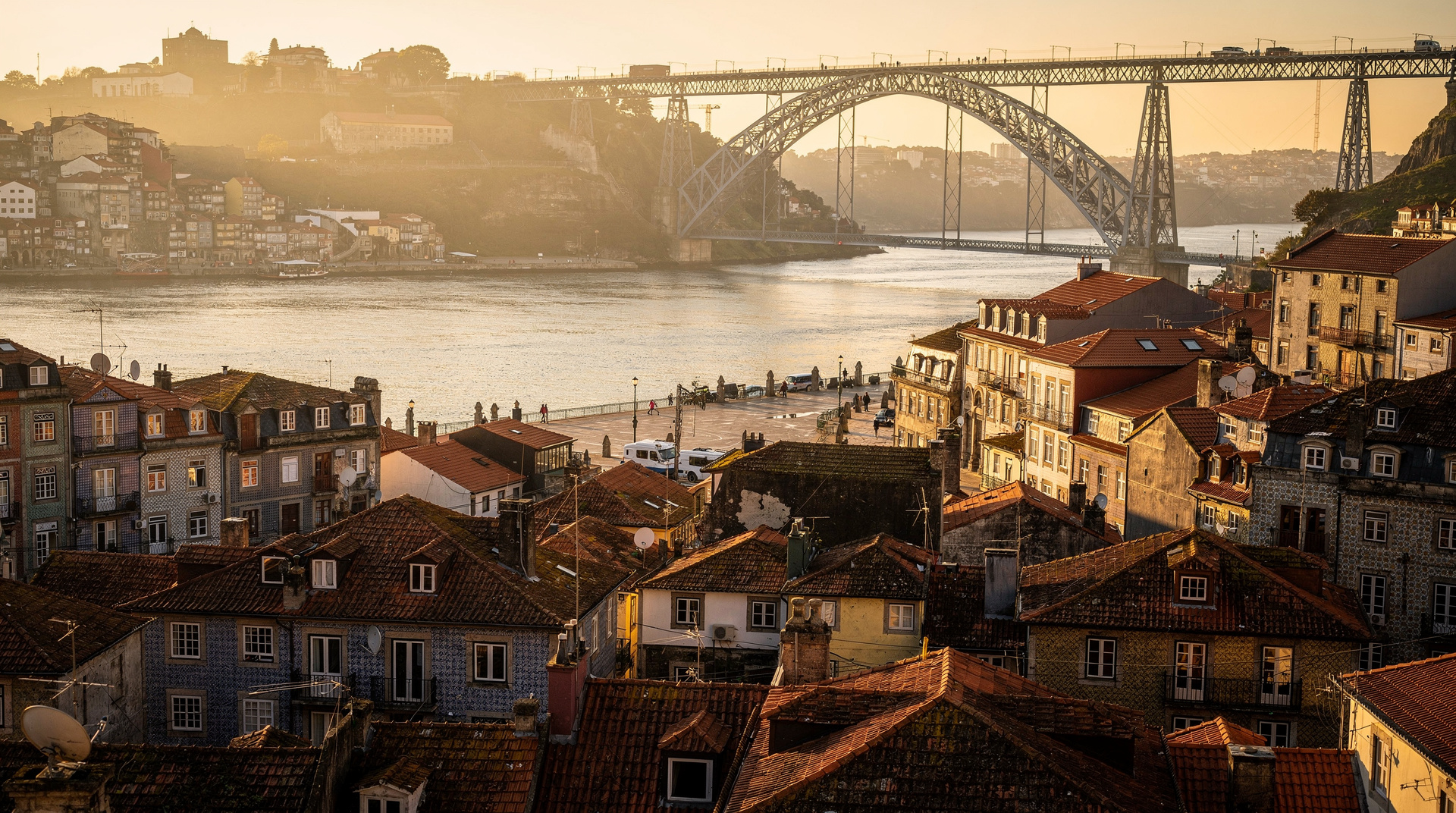
The Ribeira waterfront is the most photographed neighbourhood in Porto and the most visited. It is also, for restaurants, the area with the most disappointing food-to-price ratio in the city. Restaurants along the river quay charge 15-25% more than comparable establishments two streets back for food that is often aimed at turning tables rather than satisfying anyone. The couvert (bread, olives, cheese brought to the table without being ordered) appears at almost every tourist-facing Ribeira restaurant — you are charged for this automatically unless you decline it.
The honest advice: walk through Ribeira for the view and the photographs, cross to Gaia on Ponte Dom Luís I, and eat almost anywhere else. The petiscos guide has specific recommendations for where to eat in proximity to Ribeira without the tourist premium.
Solo travellers and food tours
Food tours are one of the easier ways to eat well as a solo traveller in Porto, since they sidestep the awkwardness of a table for one at a proper restaurant and put you at a shared counter or standing tasting alongside the rest of the group. Solo bookings don’t usually carry a single-traveller surcharge, unlike hotels or some private tours, which makes the group options above genuinely good value if you’re travelling alone. The 10-tasting tour in particular tends to attract a mix of solo travellers and couples, so it’s a reasonably natural way to get a few restaurant recommendations from fellow travellers as well as the guide.
Practical information for booking a Porto food tour
Group sizes: Tours capped at 10-14 people are the right size for food stops. Anything larger becomes a queue management exercise rather than a food experience. Check the maximum group size before booking.
Dietary requirements: Most operators ask for dietary requirements at booking. The more credible tours (not all) can adapt a stop or two for serious allergies. Celiac requirements are harder to accommodate in traditional tascas, where cross-contamination is near-certain.
Meeting points: Most tours start at a landmark near São Bento station or the Bolhão market area. From central Porto accommodation, this is a 10-15 minute walk; from the Boavista area, allow 20-25 minutes or take the metro.
Tipping: 10% of the tour price is the standard tip for a guide who was genuinely knowledgeable. Don’t feel obligated to tip on tours that were perfunctory.
Seasonality: Tours run year-round, but summer (July-August) sees groups fill quickly. Book 3-4 days ahead in peak season. Winter tours are a better experience — smaller groups, unhurried tastings, and the guide can take more time at each stop.
The Douro produces olive oil on the same terraces as the wine, from trees planted on the plot edges where vines would not hold: a Douro Valley olive oil and wine tour with a boat trip covers the half of the regional table that the wine tours leave out.
Group tour vs. private food tour
Most of the tours above run as small groups (10-14 people), which keeps the price down and still lets a good guide manage the tastings well. A private version exists for some of these routes and is worth the premium in specific situations rather than as a default upgrade.
| Group tour | Private tour | |
|---|---|---|
| Price | 45-75 € per person | Often 250-400 € for up to 6 people |
| Pace | Fixed, roughly 3-3.5 hours | Flexible — can run longer or shorter |
| Customisation | None — fixed stops | Can skip stops you dislike, add requests |
| Best for | Solo travellers, couples, first visit | Families with dietary needs, special occasions |
| Dietary handling | Limited, notify in advance | Can be built around restrictions |
For most first-time visitors, the group tour is the better value: the fixed route has usually been refined over dozens of iterations, and the group energy at a tasca counter is part of the experience. Book private only if a genuine dietary restriction (coeliac, severe allergy) needs a bespoke route, or if the trip is a celebration where a fixed schedule with strangers doesn’t fit.
What to skip
Not every food-labelled tour in Porto is worth booking. Skip anything that markets itself primarily as a “food and wine walking tour” but spends most of its time on general sightseeing with one or two tastings tacked on — read the itinerary line by line, not just the title. Also be cautious of tours that list a fixed low price but charge extra for “premium tastings” once you’re on the route; the price should include everything advertised. Finally, avoid food tours scheduled during the hottest mid-afternoon slot in July and August unless shade and pacing are explicitly mentioned — walking a market at 3 pm in August heat undermines the food part of the experience.
Combining a food tour with the Douro
If wine matters as much as food, consider pairing a Porto food tour with a separate day trip into the Douro Valley, rather than expecting one experience to cover both. A food tour in the city gives you the tascas and markets; a Douro river cruise or a quinta visit gives you the vineyards and the wine’s origin. Trying to combine both into a single afternoon tends to shortchange one or the other — the Douro valley day trip guide has the logistics for treating it as its own day.
Pairing your food tour with independent eating
The best food tours are a starting point, not a destination. After a good tour, you should have:
- The name of at least one tasca you want to return to for a proper meal
- An understanding of what distinguishes good bacalhau from mediocre bacalhau
- Two or three neighbourhood streets to explore on foot over the rest of the visit
For the porto-foodie-weekend itinerary, a food tour on day one provides the framework for independent restaurant choices on days two and three. The porto-3-days itinerary slots a morning food tour into day two after covering the main sights on day one.
The cooking class guide is the natural next step if the food tour sparks enough interest to want to understand the techniques behind what you’ve eaten.
Frequently asked questions about Porto food tours
How much does a Porto food tour cost in 2026?
Most guided food tours run between 45 € and 75 € per person. Tours at the lower end typically include 6-8 tastings; premium tours with wine pairings or market cooking elements reach 75-90 €. Children’s discounts (30-50%) apply on most tours.
How many tastings do Porto food tours include?
The better tours include 8-12 distinct tastings — typically a combination of savoury (francesinha bites, bacalhau, petiscos) and sweet (pastel de nata, travesseiro, alheira). Ten-tasting tours are usually enough food to replace lunch or dinner.
Are Porto food tours suitable for vegetarians?
Portuguese cuisine is heavily meat and fish oriented, and food tours reflect this. Some operators offer vegetarian adaptations with advance notice, but this typically means replacing bacalhau and alheira with bread, cheese and vegetable petiscos. Ask before booking.
What neighbourhoods do Porto food tours cover?
Most tours focus on the historic centre — Baixa, Bolhão market, and the streets between São Bento and the Clérigos area. Some include Bonfim and Cedofeita for a less touristy angle. Few venture to Matosinhos, which has its own distinct seafood character.
What time of day is best for a Porto food tour?
Morning tours starting at 10-11 am work well because markets are busiest and bacalhau-heavy lunches are being prepared. Afternoon tours starting at 3-4 pm reach tascas before the dinner rush. Avoid tours starting at 1 pm — you hit everything at its busiest without the morning market energy.
Should I eat before a Porto food tour?
Have only a light breakfast or coffee before a morning tour. The food volume on a 10-tasting tour is genuinely substantial. On afternoon tours, a light snack at noon is fine.
Are there food tours that go to Matosinhos for seafood?
Most food tours stay in the historic centre. However, the sea-to-plate Matosinhos tour specifically focuses on the fishing port and its restaurants. It is a separate experience from a city food tour and worth booking if seafood is a priority.
Frequently asked questions — Best food tours in Porto — what to book and what to skip
How much does a Porto food tour cost in 2026?
Most guided food tours run between 45 € and 75 € per person. Tours at the lower end typically include 6-8 tastings; premium tours with wine pairings or market cooking elements reach 75-90 €. Children's discounts (30-50%) apply on most tours.How many tastings do Porto food tours include?
The better tours include 8-12 distinct tastings — typically a combination of savoury (francesinha bites, bacalhau, petiscos) and sweet (pastel de nata, travesseiro, alheira). Ten-tasting tours are usually enough food to replace lunch or dinner.Are Porto food tours suitable for vegetarians?
Portuguese cuisine is heavily meat and fish oriented, and food tours reflect this. Some operators offer vegetarian adaptations with advance notice, but this typically means replacing bacalhau and alheira with bread, cheese and vegetable petiscos rather than genuine substitutes. Ask before booking.What neighbourhoods do Porto food tours cover?
Most tours focus on the historic centre — Baixa, Bolhão market, and the streets between São Bento and the Clérigos area. Some include Bonfim and Cedofeita for a less touristy angle. Few venture to Matosinhos, which has its own distinct seafood character worth a separate visit.What time of day is best for a Porto food tour?
Morning tours starting at 10-11 am work well because markets are busiest and bacalhau-heavy lunches are served. Afternoon tours starting at 3-4 pm reach tascas before the dinner rush and can end with wine at a natural wine bar. Avoid tours that start at 1 pm — you hit everything at its busiest without the morning market energy.Should I eat before a Porto food tour?
Have only a light breakfast or coffee before a morning tour. The food volume on a 10-tasting tour is genuinely substantial, and arriving too full means wasting the experience. On afternoon tours, a light snack at noon is fine.
Top experiences
Bookable activities with verified prices and instant confirmation on GetYourGuide.