Porto foodie weekend — 3 days of markets, restaurants and cooking
Porto: Taste of Porto the Ultimate Full Meal Portuguese Food Tour
How to use this Porto foodie itinerary
Porto’s food scene is one of the most underrated in western Europe. The city has a cuisine that runs from the deep simplicity of bacalhau (salt cod, prepared in over 1,000 ways according to local pride) and francesinha to serious contemporary restaurants that have taken Portuguese technique into modern territory. This itinerary is built around eating well and understanding why you’re eating it.
Three days covers: Mercado do Bolhão (the city’s main food market), a structured food tour with a local guide, a market-based cooking class, the francesinha debate, Matosinhos seafood (the best fish restaurants in greater Porto), a petiscos crawl in Bonfim, and one serious dinner.
Budget estimate: €150–250 per person for three days — food tours (€50–80), cooking class (~€70), restaurant dinners (€25–50 per person including wine). Porto food is good value compared to Lisbon.
| Where | Bolhão market, historic centre, Gaia, Cedofeita, Matosinhos |
| Cost | around €150–250 per person over three days |
| Time needed | three days, food-paced (no early starts) |
| Getting there | mostly walkable; metro line A for Matosinhos |
| Best time | year-round, though outdoor market stalls are best April–October |
If seafood is the priority over the full food-tour format, our best restaurants Porto guide and Matosinhos seafood guide are worth reading before Day 1.
Day 1: Bolhão market, food tour and francesinha
Morning (9:00–12:30)
9:00 — Mercado do Bolhão at opening time
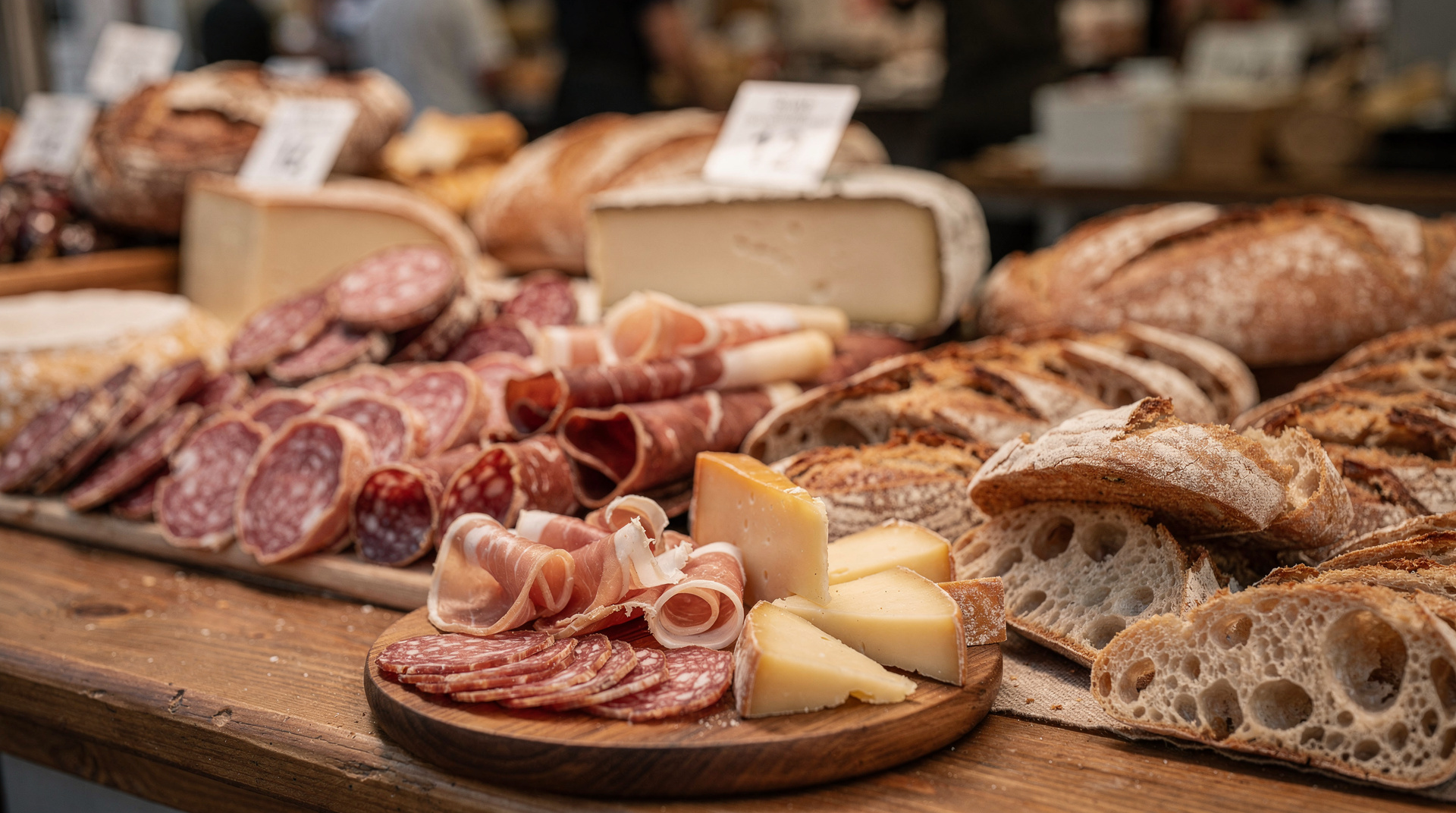
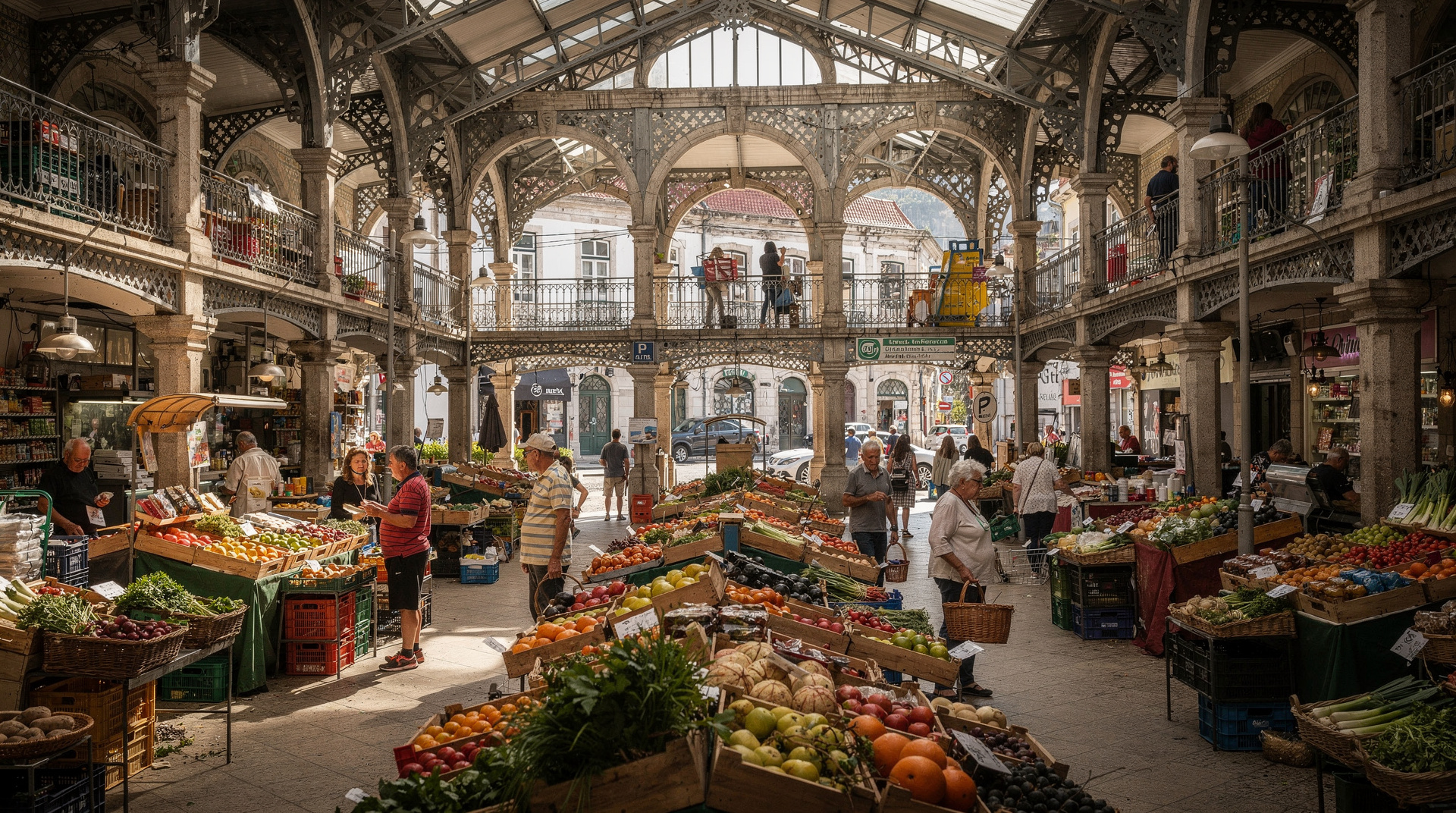
Arrive at Mercado do Bolhão (Rua Formosa, metro Bolhão, line A) at 9:00 when the market opens and the vegetable sellers, fishmongers and cheese stalls are at maximum activity. The 19th-century building was restored and reopened in 2022; it now mixes traditional produce stalls (levels 1 and 2) with more touristy food outlets (ground-floor patios). Go upstairs first — the fresh produce, the smoked presunto hanging from the rafters, the vats of bacalhau piled high — this is the context for everything you’ll cook and eat over the next three days. Allow 45 minutes.
Eat breakfast at one of the market’s counter restaurants: a bifana (spiced pork sandwich in a crusty roll, €2.50–3.50) with a bica (Portuguese espresso, €1) is the authentic morning choice. See our Mercado do Bolhão guide.
10:00 — Food tour of the historic centre
A guided food tour is the most efficient way to eat your way into Porto’s culinary culture. The full-meal Portuguese food tour (approximately 4 hours, ~€65–80 per person) visits between six and ten stops including tascas, bakeries, cheese shops and wine bars — covering petiscos, bacalhau, pastel de nata, vinho verde and port. Book ahead; tours run in mornings and afternoons. Participants typically end the tour unable to eat lunch.
See our best food tours Porto guide for operator comparison.
Alternatively (for independent explorers):
Build your own morning market crawl:
- Breakfast at Mercado do Bolhão counter (bifana + bica, ~€4)
- Pastel de nata at Manteigaria (Rua de Alexandre Herculano 4, near Clérigos) — eat immediately, warm from the oven (~€1.20)
- Queijo da Serra tasting at any cheese counter in Bolhão (~€1–2)
- Craft bakery stop at Padaria Ribeiro (Rua do Almada) for broa (cornbread) and pão de ló (~€2–3)
Lunch (12:30–14:00)
12:30 — Francesinha research begins
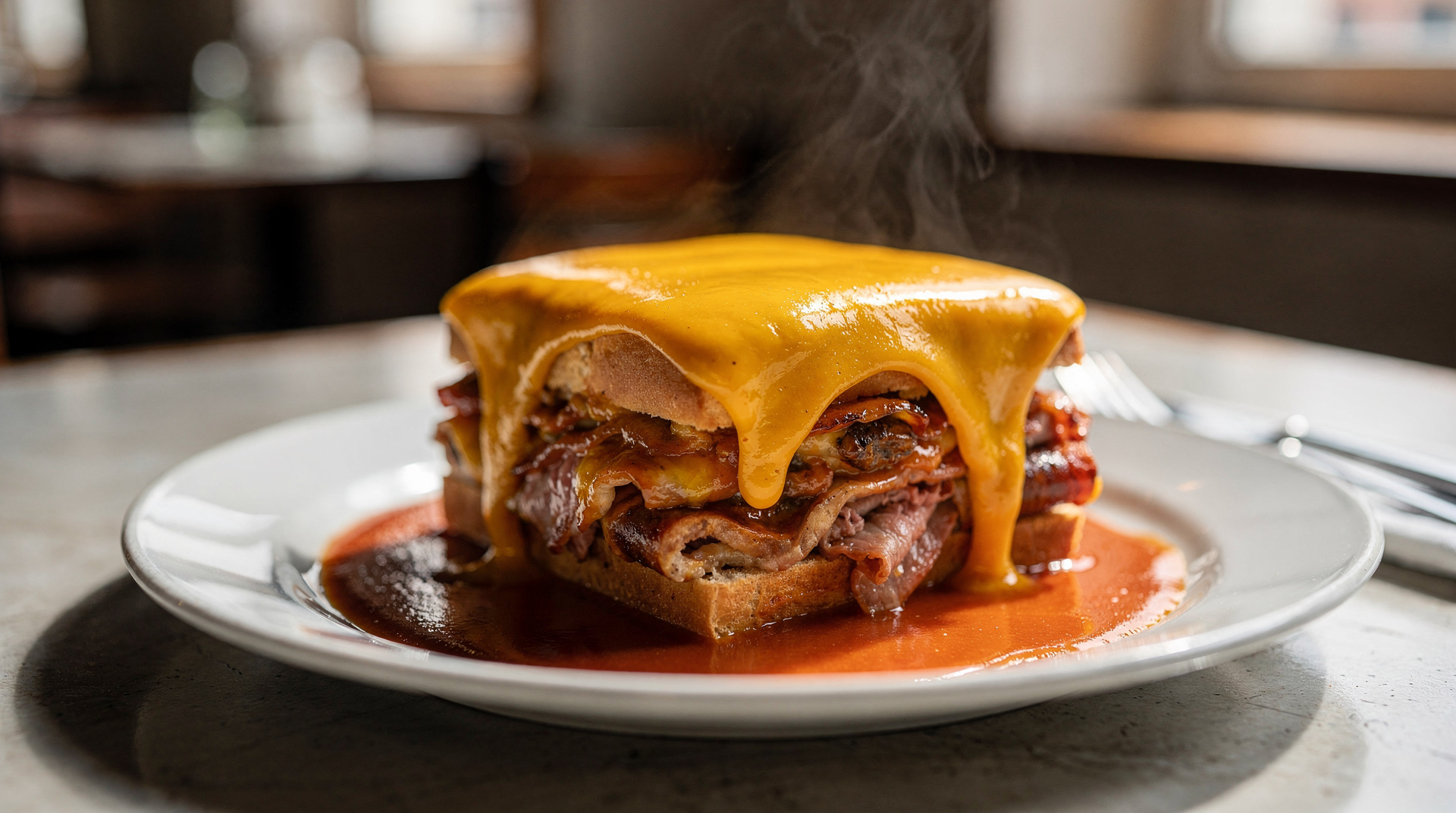
The francesinha — Porto’s signature dish, a stacked meat sandwich in a molten beer-tomato-spice sauce topped with a fried egg and optional chips — is not subtle. It is also not identical at every restaurant. This is a three-day trip; use Day 1 lunch for the first francesinha comparison.
Café Santiago (Rua Passos Manuel 226): widely considered the most famous version — the sauce is rich, sweet-savoury and slightly smoky. ~€12–15. Often crowded; queue or arrive early. See our francesinha guide for the full debate.
Alternatively: Brasão (Alameda da Passagem 4, near Cedofeita): a different interpretation — slightly more robust beef and better bread. ~€12–14.
Afternoon (14:30–18:00)
14:30 — Petiscos crawl (Cedofeita)
A structured petiscos crawl covers five to eight stops in the Cedofeita neighbourhood, pairing small plates with wine or beer at each. The Porto petiscos crawl (~3 hours, ~€45–55) combines cultural context with the food — why petiscos evolved differently from Spanish tapas, which pairings are traditional vs modern. Book ahead; this is a popular afternoon option.
For independent exploration: start at Taberna do Largo (Largo de São Domingos), continue to Adega São Nicolau (Rua de São Nicolau) and finish at Prova (Rua de Ferreira Borges 31) with a curated glass of something from the Douro. Budget €8–12 for food and €4–7 for a glass of wine at each stop.
Evening (19:30–23:00)
19:30 — Serious dinner
Day 1 evening is for the most serious restaurant of the trip. Options at different budgets:
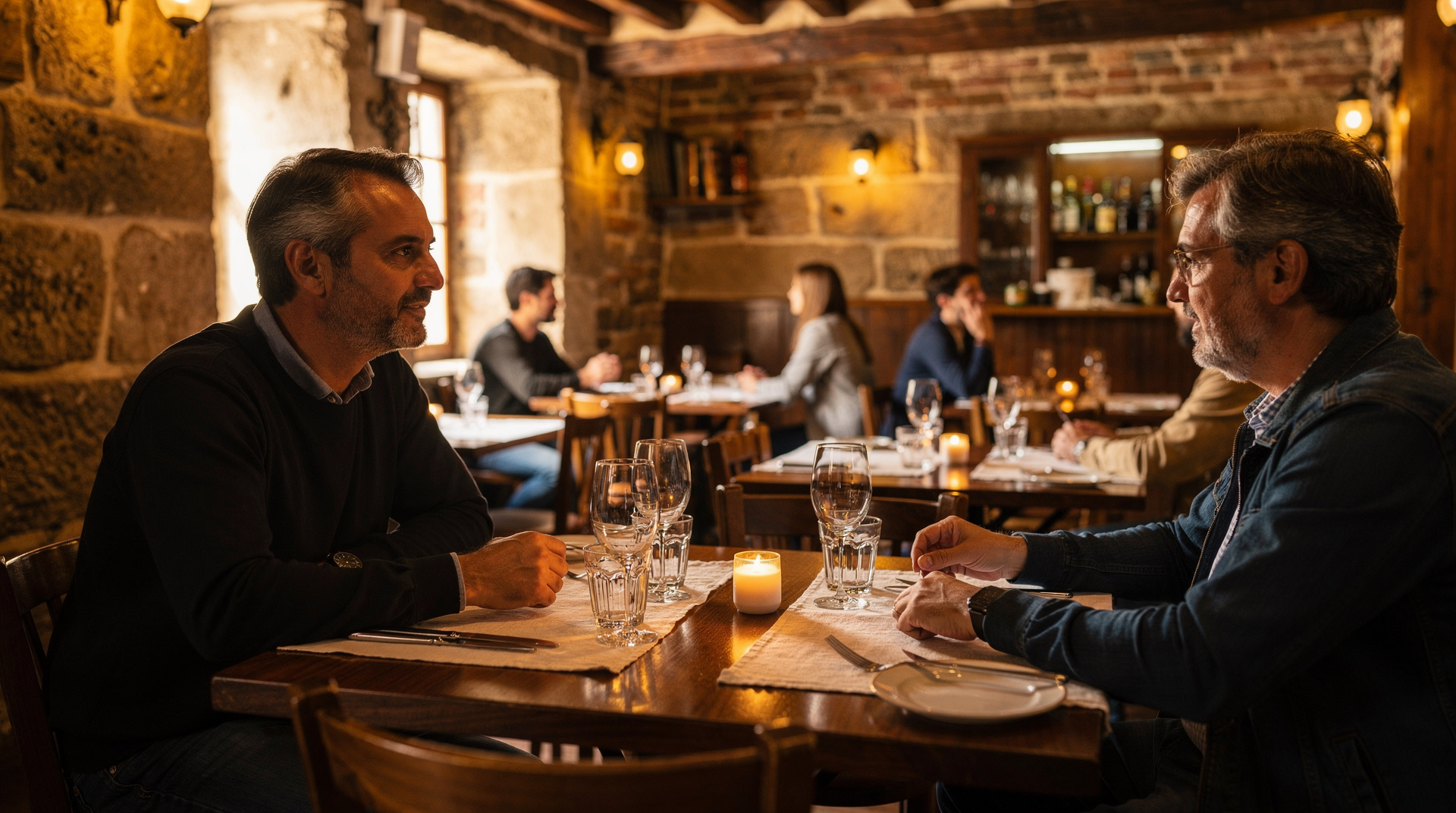
DOP (Largo de São Domingos 18, Rui Paula): Porto’s best-known creative Portuguese restaurant. The tasting menu uses classical technique on local ingredients — salted cod appears reinvented four different ways; the açorda (bread-based dish) is a refined version of the worker’s staple. Tasting menu €65–80; à la carte €30–45 per main. Book two to three weeks ahead in summer.
Semea by Euskalduna Studio (Rua de Santo Ildefonso 264): a younger, more casual version of high-quality Portuguese cooking at €25–35 per main.
Taberna dos Mercadores (Rua dos Mercadores 36): the best mid-range petiscos restaurant in the historic centre — creative without being precious, wine list focused on natural and small producers, €20–30 per person.
Day 2: Cooking class, port wine, Matosinhos seafood
Morning (9:30–13:30)
9:30 — Market visit and cooking class
The local market cooking class starts with a guided visit to Bolhão or a neighbourhood market to source ingredients, then moves to a kitchen for a 2–3 hour cooking session. You’ll typically prepare two to four dishes from the repertoire of bacalhau preparations, possibly a caldo verde (kale soup) and a Portuguese tart. Cost ~€60–80 per person including the meal. Book ahead — classes have maximum 8–12 participants and fill fast in summer.
After the cooking class, you eat what you cooked as lunch (~12:30–13:30).
Afternoon (14:30–18:30)
14:30 — Gaia: port wine tasting paired with chocolate or cheese
Cross to Vila Nova de Gaia for an afternoon tasting with food pairing — a different experience from a straight cellar tour. Cálem’s chocolate-and-cheese tasting (€20) pairs port styles with complementary flavours; Cockburn’s premium pairing (€30) focuses on the interaction between tawny port and different cheese types. See our port wine tasting guide.
Or skip Gaia and walk the Rua das Flores/Mercado Bom Sucesso food-hall afternoon option: the Mercado Bom Sucesso (Praça Bom Sucesso) has a more local mix of food vendors and is better for afternoon tasting than Bolhão’s tourist-facing stalls.
17:00 — Craft beer at a Bonfim bar
Porto has a small but genuine craft beer scene centred around the Bonfim neighbourhood. Musa (Rua da Alegria, Bonfim) is a craft brewery with a taproom. Moa (Rua do Bonfim) is a bar specialising in Portuguese craft beers. A flight of four beers costs ~€10–14 and is a palate reset from two days of port and wine. See our craft beer Porto guide.
Evening (19:30–23:00)
19:30 — Matosinhos seafood dinner
Take metro line A from Campanhã or the city centre to Matosinhos Sul (~25 minutes, €1.85) for the best seafood dinner in greater Porto. Rua Roberto Ivens is lined with seafood restaurants; the formula is consistent — tanks of live shellfish outside, charcoal grills visible through the windows, menu in Portuguese.
O Gaveto (Rua Roberto Ivens 826): one of the most respected seafood restaurants in Porto, famous for percebes, amêijoas à Bulhão Pato (clams with garlic and coriander), and grilled fish from the daily catch. Expect to pay €35–55 per person with wine. Queue or book ahead on weekends. See our Matosinhos seafood guide.
Marisqueira Mira Verde (adjacent): similar quality, slightly shorter queues.
Return by metro; the last Matosinhos Sul departure is well after 23:00.
Day 3: Tasca tour, pastel de nata masterclass and last meal
Morning (9:30–12:30)
9:30 — Pastel de nata deep dive
Porto is not Belém — the city doesn’t have the Pastéis de Belém original, but it has its own excellent versions. Do a small comparison across three locations:
- Manteigaria (Rua de Alexandre Herculano 4, near Clérigos): consistently warm from a visible oven, thin custard crust, good caramelisation. €1.20.
- Fábrica da Nata (Rua das Flores 44): slightly more expensive (€1.50) but the interior is beautiful and the tarts are good.
- Confeitaria da Bolhão (Rua Formosa, near the market): the oldest pastelaria in Porto, open since 1896, with good pastry beyond just the nata.
10:30 — Pastel de nata cooking class
If you want to make your own: the pastel de nata cooking class with grandma’s recipe gives you a hands-on version of the custard and pastry preparation. ~€50–65 per person. Takes about 2 hours.
11:30 — Rua das Flores food and ceramics
Walk Rua das Flores from the Clérigos end to São Bento. At the northern end, Loja da Queijaria has a serious selection of Portuguese cheeses (provar = taste, never buy without tasting). At the southern end, wine shops near the Palácio da Bolsa carry bottles from small Douro and Alentejo producers at better prices than airport shops.
Lunch (12:30–14:00)
12:30 — Tasca tour or independent final lunch
The three-hour Porto food tasca tour (~€45–55) is the structured farewell food experience — four to five stops in the historic centre covering the traditional tasca format (no menu on the wall, daily specials shouted by the waiter, house wine in a ceramic jug). Or eat independently at Restaurante Casa de Pasto (Rua do Bombarral 6) — a working-class lunch restaurant that serves daily specials for €8–10 per main with a jug of vinho verde.
Afternoon (14:30–18:00)
14:30 — Vinho verde deep dive
Vinho verde is rarely understood outside Portugal. The category covers whites (most commonly), reds and rosés from the Minho region north of Porto, made from specific grape varieties (Alvarinho, Loureiro, Arinto) at low alcohol and with a slight natural effervescence. It’s not sweet — most vinho verde is dry, aromatic and brilliantly acidic. Visit a wine bar specialising in it: Quinta do Crasto Wines (in the WOW complex, Gaia) or Solar dos Presuntos (Rua dos Clérigos) for a flight of three to four different vinho verde styles. See our vinho verde guide.
16:00 — Final market pass
Return to Bolhão for last food shopping: smoked paprika, piri piri paste, bacalhau-flavoured crackers, and a bottle of vinho verde verde from one of the market’s wine sellers. Budget €15–30 for a curated haul to bring home.
Final evening (19:30–23:00)
The final dinner can be simple or celebratory:
Simple: Zé Natário (Rua do Bonfim 116) — a neighbourhood tasca with handwritten menus and genuine generosity. €12–15 per person. No reservations; arrive at 19:30 before it fills.
Celebratory: Book the francesinha tasting menu at Lado B (Rua do Almada) — a restaurant that takes the city’s signature dish through multiple interpretations over a multi-course dinner. ~€35–45 per person.
Guided vs independent: which stops are worth booking
| Experience | Guided version | Independent version | Best choice |
|---|---|---|---|
| Day 1 food tour | ~€65–80, 6–10 stops with a guide | Build-your-own market crawl, ~€10–15 | Guided if it’s your first Porto food day |
| Day 2 cooking class | ~€60–80, structured, small group | Not really replicable alone | Guided — the market-sourcing context is the point |
| Day 3 tasca tour | ~€45–55, 4–5 stops with context | Casa de Pasto lunch, €8–10 | Either — independent saves money if you already know tasca etiquette |
For a deep dive into the pastel de nata specifically, beyond the three-way comparison above, our pastel de nata Porto guide covers bakeries across the whole city, not just the ones on this route.
Practical notes about this itinerary
Booking priority: The food tour on Day 1, the cooking class on Day 2, and the Matosinhos dinner on weekend evenings — all benefit from advance booking of at least 48 hours. Popular restaurants (Café Santiago, DOP, O Gaveto) fill up in summer; book 72+ hours ahead.
Pacing your appetite: Three days of this itinerary is intense eating. Many travellers overbook food experiences and end every meal already full. Leave one meal slot each day deliberately light — a pastel de nata and coffee, rather than a full lunch. The petiscos format (small plates) helps manage this better than fixed menus.
The couvert trap: Read the Ribeira restaurant traps guide before sitting down anywhere near the waterfront. The €1.50–3 per item couvert charge (bread, olives, cheese placed at your table unbidden) will erode your food budget at tourist-facing restaurants.
Wine with food: Portuguese food matches best with Portuguese wine. Ask for Douro red with meats and bacalhau; vinho verde with fish and shellfish. The house wine (vinho da casa) is often serviceable and much cheaper than the wine list.
Frequently asked questions about this itinerary
What is a francesinha and where is the best one?
The francesinha is a layered sandwich of cured meats (linguiça, presunto, steak) under melted cheese, in a sauce made from beer, tomato, piri piri and spice. The sauce is the point of debate — every restaurant has a different recipe, some sweeter, some spicier, some with more beer. Café Santiago (Rua Passos Manuel) and Brasão (Alameda da Passagem) are the two most consistently cited. See our francesinha guide.
Is Porto’s food scene worth a dedicated trip?
Yes. Porto’s combination of market culture, excellent fish and seafood, a serious petiscos tradition, and an emerging contemporary restaurant scene makes it one of the most rewarding food cities in Europe. It punches significantly above its weight.
What is bacalhau and how many ways can it be prepared?
Bacalhau is salt-dried cod, an ingredient that became central to Portuguese cuisine through centuries of the Atlantic fishing trade. The canonical claim is “365 ways to prepare it” — one for each day of the year. The most common preparations include bacalhau à Brás (shredded with eggs, potato sticks and olives), bacalhau com natas (with cream), bacalhau à Gomes de Sá (with potatoes, onion and hard-boiled egg, named for a Porto merchant) and simple grilled bacalhau with potatoes and olive oil.
Are there vegetarian options in Porto?
Yes, though Portuguese cuisine is historically meat and fish-heavy. The contemporary restaurant scene has strong vegetarian menus (Semea, DOP and most modern tascas). Traditional tascas will often have a vegetarian option (typically an egg dish or grilled vegetables) if you ask. Caldo verde (kale soup, traditionally with chouriço) can usually be ordered without the sausage.
Is the cooking class worth the price?
For food travellers: yes. You leave with a replicable dish (bacalhau à Brás is the most common class recipe), better knife skills on Portuguese vegetables, and genuine engagement with the market sourcing process. The two to three hours is well-paced and the class format means you eat the results. See our Porto cooking class guide.
Does the season affect what I’ll eat?
Yes, more than most visitors expect. Percebes (goose barnacles) and most shellfish are best in the colder months (October–March), while sardines — grilled whole on the street during São João in June — are at their fattest and most flavourful June–September. Vindima (grape harvest) in September brings fresh Douro must and new-wine tastings to wine bars across the city, and the market stalls at Bolhão are visibly fuller with seasonal produce April–October than in the depths of winter. None of this should change whether you book this itinerary — Porto eats well year-round — but it explains why a dish that impressed a friend in August might taste different in February. See our best month to visit Porto guide if timing is flexible.
Where should I stay for a food-focused trip?
The historic centre or Cedofeita put you within walking distance of Bolhão, the francesinha restaurants and the petiscos crawl route, cutting down on metro trips between meals. Bonfim is a good second choice if you want cheaper accommodation and don’t mind a 15-minute walk into the centre for lunch. Avoid basing yourself too far out in Boavista or Matosinhos for this specific itinerary — you’d spend Day 1 and Day 3 commuting back into the centre for every meal, which works against the point of a food-paced weekend. See our where to stay in Porto guide for neighbourhood trade-offs, and our general Porto travel tips guide for logistics beyond food.
Top experiences
Bookable activities with verified prices and instant confirmation on GetYourGuide.