Porto Cathedral (Sé) — the honest visitor's guide
Porto: Porto Historic Center Small Group Walking Tour Cathedral
How much does it cost to visit Porto Cathedral?
The church nave is free to enter. The Gothic cloister costs approximately €3 and includes access to the treasury and chapter house. The cloister's 18th-century azulejo panels by Valentim de Almeida are the main reason to pay; the nave alone is worth visiting for free.
Porto’s oldest building and what it honestly offers
The Sé Catedral sits on Porto’s highest point in the historic centre, a low granite mass that looks more like a fortified keep than a conventional church from a distance. This appearance is not accidental — the cathedral was built at a time when churches in northern Portugal needed to be defensible as well as devotional, and the thick walls and small windows of the Romanesque exterior reflect that dual purpose.
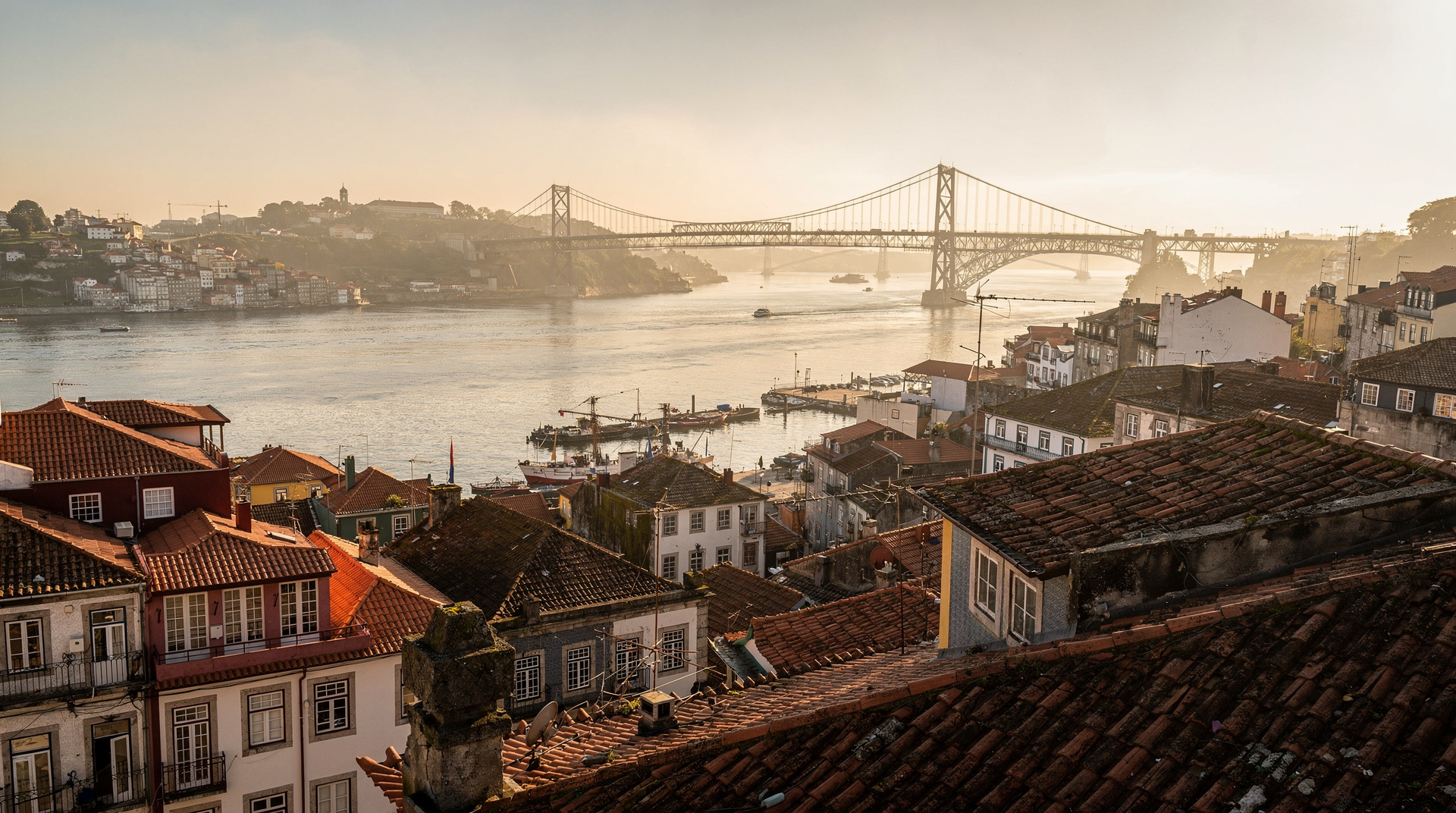
From the terrace in front of the cathedral, the Douro is visible below, the Gaia hillside with its port wine lodge signs is directly opposite, and Ponte Dom Luís I’s iron span crosses the river in the distance. It is one of the finest urban views in Porto, and it is free.
| Where | Largo da Sé, Morro da Sé (highest point of the old town) |
| Cost | Nave free; cloister + treasury around €3 |
| Time needed | 30–45 min (nave + cloister) |
| Best time | Before 10am or after 4pm to avoid tour groups |
| Getting there | 7–10 min uphill walk from São Bento |
The history of the Sé Catedral
The cathedral’s foundation is usually dated to around 1110, coinciding with the period when Porto was becoming established as a significant city in the newly forming county of Portugal. The founding figures were Bishop Hugo of Porto and likely the patronage of Countess Teresa, mother of Afonso Henriques — who would become Portugal’s first king. This makes the Sé one of the oldest continuously functioning ecclesiastical buildings in the country.
The original structure was Romanesque in style, following the architectural conventions imported from France and northern Spain via the pilgrimage route to Santiago de Compostela. Romanesque church architecture is characterised by its weight: massive stone walls, small windows, round barrel-vaulted ceilings, and a feeling of solidity that was functional in a world where churches also served as refuges. Porto’s Sé embodied all of these qualities.
Through the 13th and 14th centuries, Gothic modifications were introduced — pointed arches, a rose window in the façade, the addition of the Gothic cloister in the 14th century (built between 1385 and 1425). The Baroque period brought further alterations: side chapels were added, and an elaborate gilded wooden screen was installed behind the main altar. An 18th-century renovation introduced the azulejo panels that now line the cloister.
The 20th century saw the most controversial phase of the building’s history. A major restoration project in the 1930s, under the Estado Novo government, stripped away several Baroque additions in an attempt to return the cathedral to a more “authentic” Romanesque appearance. This kind of intervention is now seen as historiographically problematic — removing genuine historical layers in the name of architectural purity — but the result is a building that reads more clearly as a Romanesque structure than it did before, whatever the cost to its Baroque elements.
The exterior: what to look for
Arriving at Largo da Sé, the wide terrace in front of the cathedral, the building presents a severe and imposing face. Two square towers flank the main façade — a common Romanesque configuration, mirroring the towers of churches in Santiago de Compostela and northern Spanish cathedrals of the same period.
The main portal is the most elaborately decorated element of the exterior. The archivolts (the decorative bands around the arch) carry carved figures — worn by centuries of exposure but still legible as ecclesiastical figures, animals, and geometric patterns. The rose window above the portal is Gothic in date, added in the 14th century to bring light into what had been a rather dark Romanesque interior.
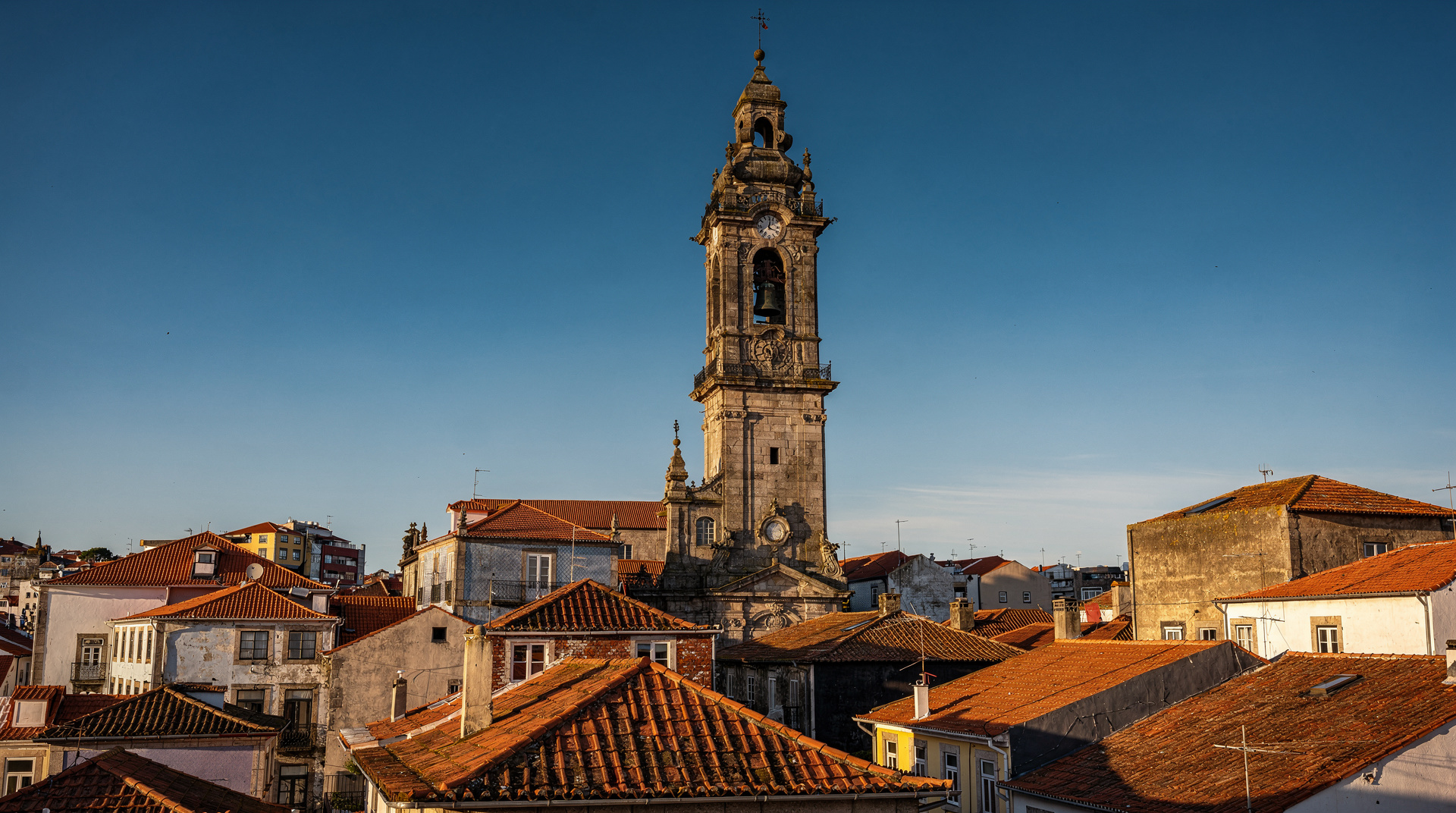
On the north side of the building, a Baroque loggia was added by Nicolau Nasoni in the 18th century — the same Nasoni who designed Torre dos Clérigos. The loggia’s graceful arcade creates a small covered terrace connecting the cathedral to the bishop’s palace next door. It is a fine piece of work that contrasts deliberately with the Romanesque mass of the main building, and it demonstrates how successive periods of architectural addition have layered onto the original structure.
The terrace to the south of the cathedral — with its pelourinho (pillory column, an 18th-century Mannerist work attributed to Nasoni) — is an excellent viewpoint overlooking the Douro, the Ribeira waterfront, and the Gaia hillside. The view is best in the afternoon when the sun is on the water.
The interior: nave, chapels, and the silver altarpiece
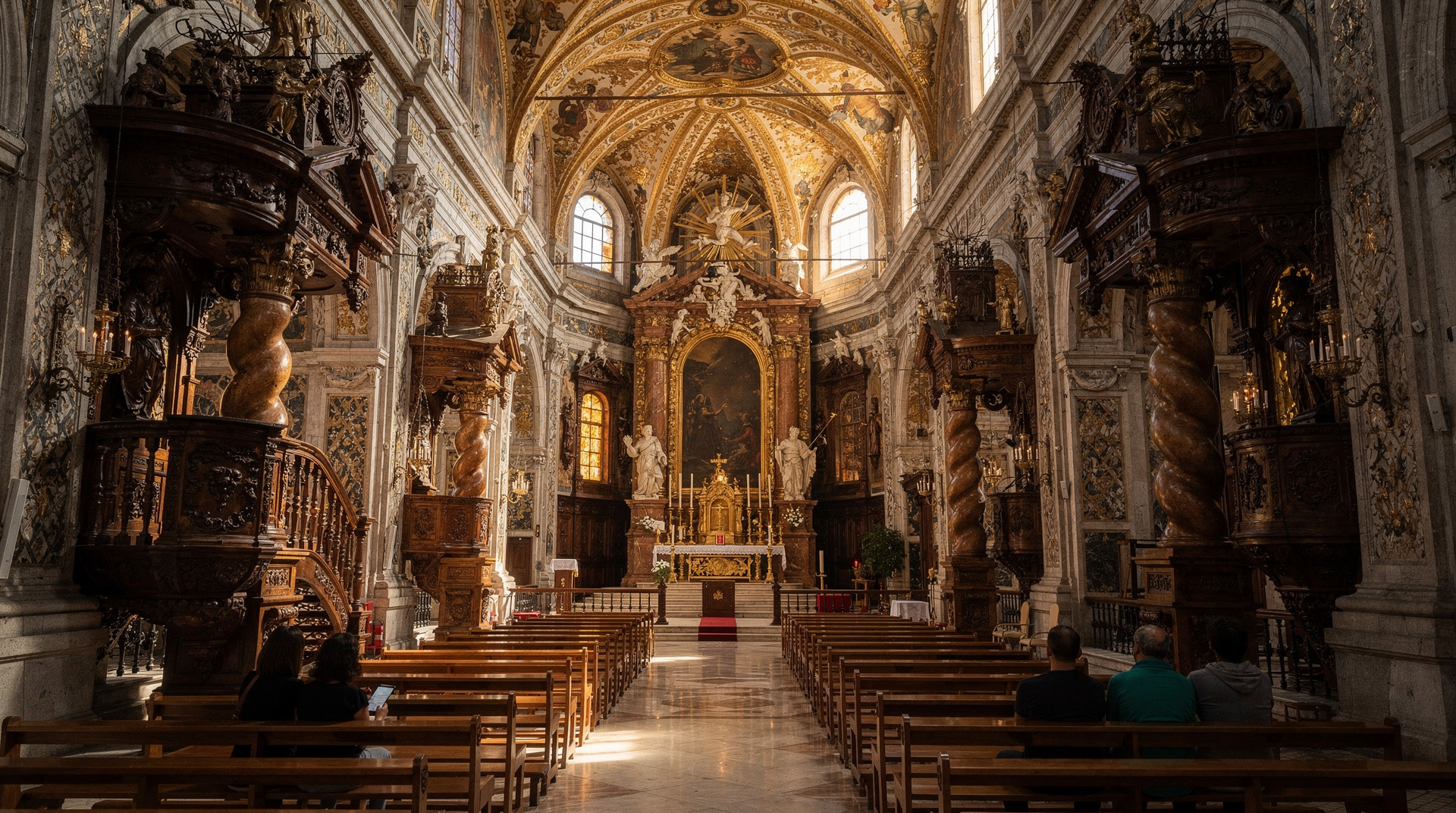
Entering the cathedral through the main portal, the nave is immediately different in character from the exterior. The Romanesque barrel vault overhead, the massive cylindrical pillars, and the dim light create an atmosphere of enclosure and weight. The proportions are lower and wider than the soaring verticals of Gothic cathedrals; this is a building that communicates authority by solidity rather than height.
The most valuable single object in the interior is the Gothic silver altarpiece in the Chapel of the Blessed Sacrament (on the north side of the main nave). The altarpiece was created in the 14th century and is one of the finest surviving examples of medieval silversmithing in Portugal. It survived the Napoleonic Wars hidden beneath a layer of plaster — the sacristan concealed it during the French occupation when churches across Portugal were systematically looted.
The nave itself is relatively sparse following the 20th-century restoration; the Baroque decorative elements that once filled the side chapels were removed or reduced. What remains is architecturally coherent but aesthetically austere. Some visitors find this restraint powerful; others find it cold. If you are seeking the gilded wood excess of São Francisco church (described in the churches guide), the Sé offers something entirely different.
The Gothic cloister: the main reason to pay
The entry fee of approximately €3 buys access to the Gothic cloister, and this is where the visit becomes significantly more interesting for most people.
The cloister was built between 1385 and 1425 in a mature Gothic style — pointed arches, delicate tracery in the upper windows, a garden in the central courtyard that in spring and summer has a quiet, enclosed quality. It was originally a working monastic space, and even today the proportions feel human-scale in a way the vast interior of the nave does not.
The azulejo panels installed in the early 18th century by Valentim de Almeida cover the lower walls of the cloister completely. The subject matter — scenes from the Song of Songs and episodes from the life of the Virgin — is depicted in blue-and-white tiles with the same narrative ambition as the São Bento panels, though in a more intimate register. The Song of Songs scenes in particular have an unusual quality: the biblical poetry’s imagery of gardens, shepherds, and erotic symbolism translated into tile painting creates something unlike most religious art.
Study the panels in sequence around the cloister perimeter. Each tile section was designed as a unit, with internal compositional logic; the overall programme reads as a continuous narrative if you follow it in order. The border elements — architectural frames, flower garlands, grotesque masks — are as carefully executed as the main scenes.
From the upper level of the cloister (accessed via a staircase near the chapter house entrance), the view down into the cloister garden and across the cathedral rooftops toward the Douro is excellent and relatively uncrowded.
The treasury
The cloister ticket includes the cathedral treasury, housed in rooms adjacent to the chapter house. The collection is small but contains significant pieces: 14th to 18th-century liturgical silver (chalices, monstrances, reliquaries), vestments, and decorative objects donated by Portuguese nobility over centuries.
The standout object is an extraordinary Gothic ivory figure of the Virgin — small, intricately carved, and believed to date from the 13th century. The piece is displayed somewhat modestly given its importance; it merits close examination.
Also worth pausing over is a processional monstrance in gilded silver, used historically to carry the consecrated host through the streets during major religious feasts — a reminder that this collection is not purely decorative but reflects centuries of continuous liturgical use. The treasury rooms are small enough to see thoroughly in ten minutes, which makes them an easy addition once you’ve already paid for the cloister ticket.
Visiting practically: times, crowds, and the pilgrimage context
The Sé is on the central Porto tourist circuit, which means it sees significant foot traffic from 10 am onward during peak season. The nave (free) is visited quickly by most people — ten minutes of looking around. The cloister (€3) requires paying, which filters visitor numbers; it is rarely as crowded as the nave.
The quietest visiting windows are before 10 am and after 4 pm. On Sunday mornings, masses are celebrated at regular intervals and independent visitors are expected to be respectful rather than actively touring during services.
The pilgrimage dimension: The cathedral is also the starting or arrival point for walkers on the Caminho Português de Santiago — the Portuguese route of the Camino de Santiago. Pilgrims stamp their credencials (pilgrim passports) at the cathedral before setting out or after arrival. If you encounter groups of walkers with backpacks and scallop shells, this is the context.
The Sé district walking tour visits the cathedral alongside the surrounding historic streets, the viewpoint at Largo das Amendoeiras, and the steep lanes running down toward the Ribeira — a context that helps place the cathedral’s hilltop position within the medieval city.
The surrounding district
The Sé sits at the highest point of the Morro da Sé, the ridge that formed the nucleus of medieval Porto. The surrounding streets are among the oldest in the city, with a density and scale that reflects their pre-modern origins.
Rua dos Mercadores (Merchants’ Street) runs downhill from the cathedral toward the Ribeira, following what was probably the main commercial artery of medieval Porto. The street is steep and cobbled; the buildings lining it are narrow and tall, often with workshops or small shops on the ground floor. Walking it downhill takes about 8 minutes to reach the waterfront.
To the east, the Bairro da Sé neighbourhood extends around the cathedral hilltop. This is one of the areas most affected by ongoing urban regeneration in Porto; some streets have been restored, others remain in various states of decay. The neighbourhood gives an authentic sense of the city’s less photogenic reality alongside its curated tourist spaces.
The narrow lane of Rua de São Luís, running immediately behind the cathedral, has several traditional restaurants serving honest lunches (prato do dia €8–10) that are patronised by locals from the neighbourhood as well as visitors in the know.
Comparing the Sé with Porto’s other major monuments
Porto’s historic centre packs several major sights within a short walk of each other, and visitors often ask how to prioritise time. A rough comparison:
| Site | Time needed | Cost | Best for |
|---|---|---|---|
| Sé Catedral | 30–45 min | Free (nave) / ~€3 (cloister) | Romanesque architecture, river views |
| Torre dos Clérigos | 45–60 min | ~€8 (tower) | Panoramic city views, Nasoni’s Baroque tower |
| Palácio da Bolsa | 45 min (guided only) | ~€10 | Arab Room, 19th-century opulence |
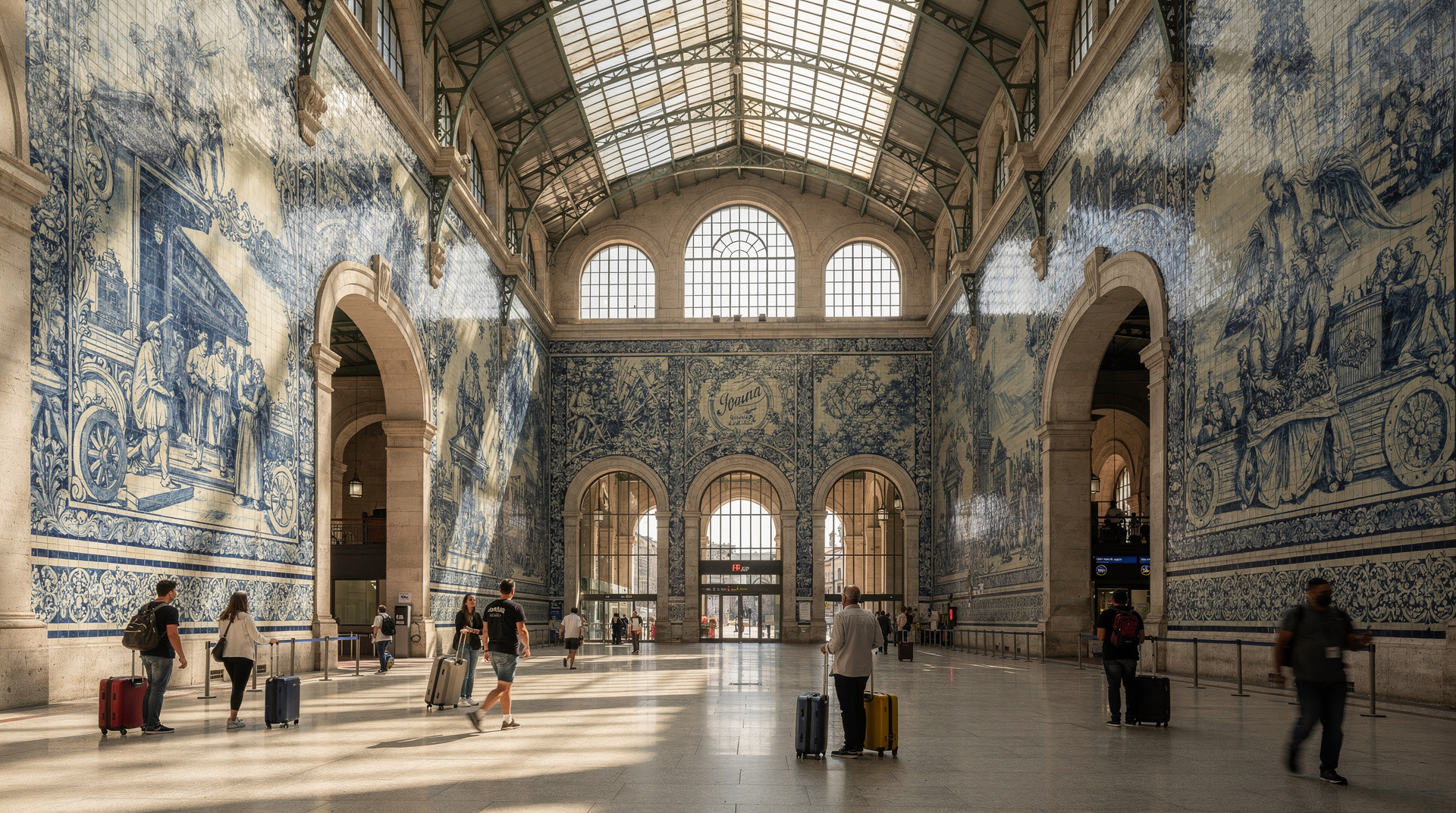
| São Bento station | 15–20 min | Free | Azulejo panels, no ticket needed |
If your time in Porto is limited to a half day in the historic centre, the Sé and São Bento together (both free or near-free, both close together) make an efficient pairing, with Torre dos Clérigos added if you want a proper viewpoint climb.
The cathedral in the wider azulejo story
The Sé cloister’s Song of Songs panels are part of a broader Porto tradition worth understanding in context. The azulejos of Porto guide traces the tile-painting tradition across the city’s major sites, from São Bento’s railway-history narrative to the more intimate, garden-themed programme in the Sé cloister — useful background if you’re planning to visit more than one tiled interior during your stay.
Accessibility and practical notes
The cathedral’s hilltop position means the approach on foot from any direction involves genuine uphill walking on cobbled streets — there is no step-free shortcut. Inside, the nave is level and wheelchair-accessible from the main portal, but the cloister staircase to the upper level is not. Wheelchair users can still visit the ground-floor cloister and treasury rooms, which is where the azulejo panels and the Gothic ivory Virgin are found. There are no public toilets inside the cathedral itself; the nearest facilities are at nearby cafés on Rua de São Luís or Largo da Sé.
Photography is generally permitted in the nave and cloister without flash; tripods are discouraged during opening hours when other visitors are present. The best photographic light on the exterior terrace is in the afternoon, when the sun illuminates the Douro-facing side of the building and the Gaia hillside opposite.
Getting to the Sé Catedral
From São Bento station: walk east and uphill along Rua Mouzinho da Silveira or the parallel Rua da Pena Ventosa — approximately 7 to 10 minutes. The cathedral is visible from below; aim for it.
From the Ribeira waterfront: walk northwest uphill through the steep lanes between the waterfront and the Morro da Sé — 10 to 15 minutes depending on which route you take. The climb is genuine; comfortable shoes matter.
From Torre dos Clérigos: walk east and downhill along Rua do Calvário and Rua de Santana — about 12 to 15 minutes.
By tram: historic tram line 22 stops near the cathedral (Sé stop) — a useful connection from the Bonfim neighbourhood to the east.
There is limited parking near the Sé; the historic centre is best approached on foot from a more accessible parking area to the north or west.
Frequently asked questions about Porto Cathedral
How much does it cost to visit Porto Cathedral?
The nave is free. The Gothic cloister costs approximately €3 for adults, with reductions for students and seniors. The cloister ticket includes the treasury and chapter house.
What are Porto Cathedral’s opening hours?
Generally 9 am to 12:30 pm and 2:30 pm to 7 pm Monday to Saturday. Sunday hours are reduced due to masses. Verify current hours before visiting as they can vary seasonally.
What is the history of Porto Cathedral?
Founded around 1110 in the Romanesque style. Gothic cloister added 1385–1425. Baroque additions in the 17th and 18th centuries. 20th-century restoration removed many Baroque elements to emphasise the Romanesque character.
What are the azulejos in the cathedral cloister?
Blue-and-white panels by Valentim de Almeida (early 18th century) depicting scenes from the Song of Songs and the life of the Virgin Mary. Among the finest narrative azulejo work in Porto.
Can I climb the cathedral towers?
The towers are not currently open to the public. The terrace beside the cathedral offers partial views toward the Douro.
Is Porto Cathedral worth visiting if I have seen Lisbon’s?
Yes — Porto’s Sé is more austere and fortress-like, with a better-preserved Romanesque character. The hilltop setting and river views are also distinct from Lisbon’s coastal context.
Is there a guided tour of Porto Cathedral?
Yes. The cathedral guided experience provides historical context on the Romanesque period, the azulejo tradition, and the medieval development of the Sé district.
Frequently asked questions — Porto Cathedral (Sé) — the honest visitor's guide
How much does it cost to visit Porto Cathedral?
The main nave of the cathedral is free to enter at any time during opening hours. The Gothic cloister costs approximately €3 for adults, with reductions for students and seniors. The cloister ticket also gives access to the treasury (silver altarpiece, liturgical objects) and the chapter house.What are Porto Cathedral's opening hours?
The cathedral is generally open Monday to Saturday from 9 am to 12:30 pm and 2:30 pm to 7 pm (slightly shorter in winter). Sunday hours are more restricted due to masses. The cloister has the same hours. Visiting during a religious service is possible but you should be respectful of worshippers; tours are discouraged during mass.What is the history of Porto Cathedral?
The Sé Catedral was founded in the 12th century, likely begun around 1110, making it one of the oldest buildings in Porto. It was built in the Romanesque style — thick walls, round arches, small windows, a fortress-like solidity — which reflected both the architectural fashion and the defensive requirements of a city under frequent threat. Over the following centuries it underwent Gothic additions, Baroque modifications, and a 20th-century restoration that stripped away some later accretions to restore a more austere character.What are the azulejos in the cathedral cloister?
The Gothic cloister was decorated with azulejo panels in the early 18th century by Valentim de Almeida, one of the most accomplished Portuguese tile painters of the period. The panels cover the cloister walls in blue-and-white tiles depicting scenes from the Song of Songs and the life of the Virgin Mary. They are among the finest examples of narrative azulejo work in Porto, less famous than São Bento but in many respects equally accomplished.Can I climb the cathedral towers?
Access to the towers themselves is not currently open to the general public. The terrace areas adjacent to the cathedral offer partial views but are not the same as a tower climb. For panoramic views in this part of the city, the terrace beside the cathedral and the viewpoint at the nearby Largo da Sé offer good perspectives toward the Douro.Is Porto Cathedral worth visiting if I have already seen Lisbon's cathedral?
Yes — the two cathedrals are distinct in character. Porto's Sé is more austere and fortress-like than Lisbon's; the Romanesque structure has been less altered by later Gothic additions than Lisbon's, and the setting on its hilltop promontory with views to the Douro gives it a different urban presence. If you are interested in Romanesque architecture specifically, Porto's Sé is the more important example.Is there a guided tour of Porto Cathedral?
Guided tours of the cathedral and surrounding historic quarter are available. The walking tour with a small group that focuses on the cathedral and Sé district is a good option if you want historical context on the Romanesque period, the azulejo tradition in the cloister, and the development of Porto's religious architecture.
Top experiences
Bookable activities with verified prices and instant confirmation on GetYourGuide.