Sandeman, Cockburn's and the mid-tier Gaia cellars — honest comparison
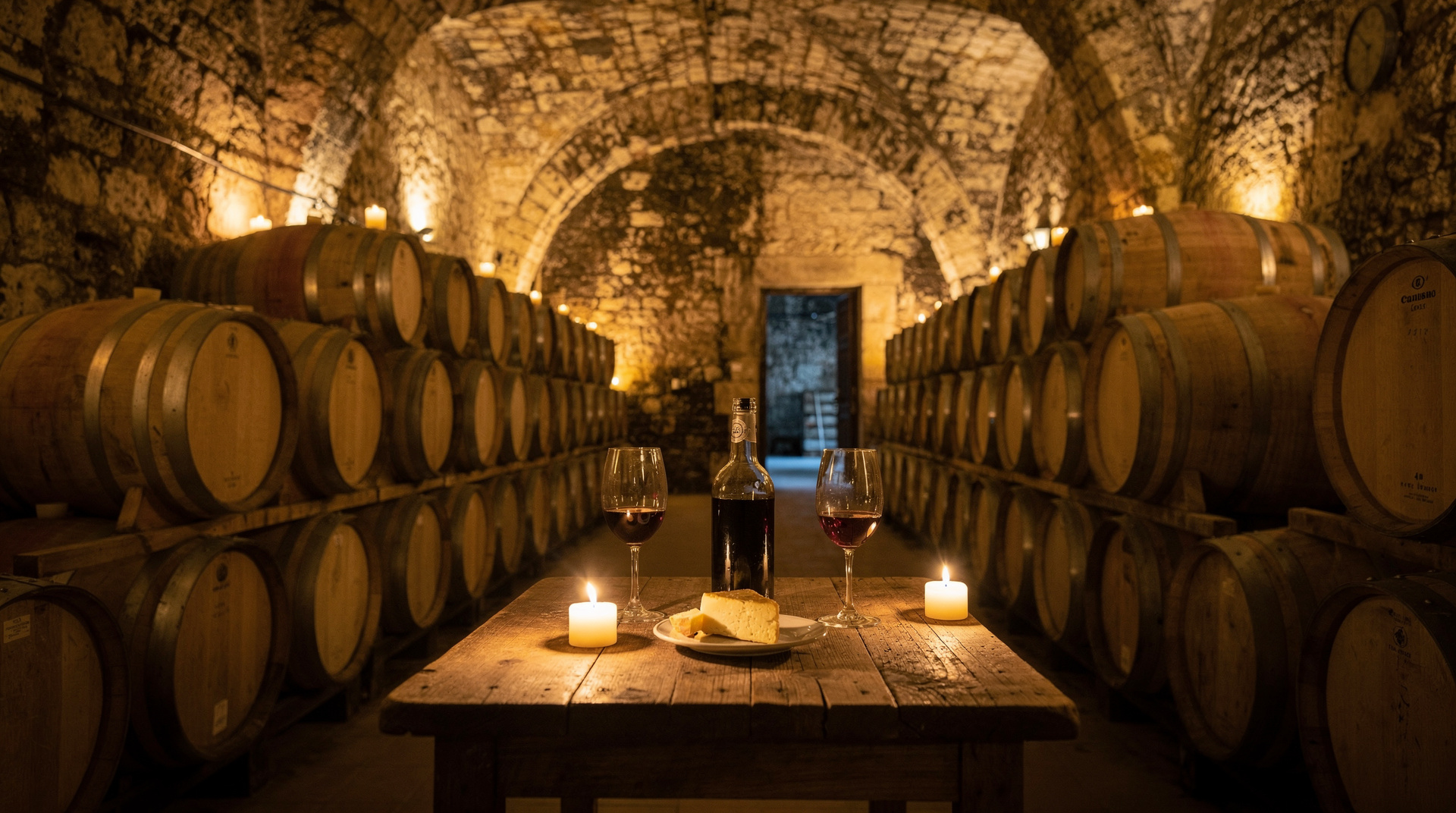
Porto: Porto Cockburn S Cellar with Premium Tasting and Pairing
Are Sandeman, Cockburn's or Burmester worth visiting in Gaia?
Cockburn's premium food pairing is the best value mid-tier tasting in Gaia. Burmester is the best choice for serious wine enthusiasts wanting a less touristy experience with excellent aged tawnies. Sandeman is fine if you haven't done Taylor's or Graham's, but skip it if you have — the experience is similar and the price comparable. Ramos Pinto is worth a look for its Art Nouveau exterior and interesting wines.
The Gaia cellar landscape beyond the top three
The conversation about port wine cellars in Vila Nova de Gaia tends to focus on Taylor’s, Graham’s and Cálem — and for good reason, as those three set the benchmark. But Gaia’s hillside has a dozen other lodges open to visitors, several of which offer experiences that are genuinely worth your time, and a few that are not.
This guide covers the mid-tier lodges honestly: what each one does well, where it falls short, and who should visit each one. The format follows the same principle as the broader best port wine cellars guide — no promotional language, real prices, real assessments.
| Best value | Cockburn’s premium food pairing, ~€20–25 |
| Best for enthusiasts | Burmester aged tawnies and colheitas, ~€8–28 |
| Best for photography | Ramos Pinto’s Art Nouveau tiled facade |
| Best evening format | Fonseca fado and dinner, ~€50–70 |
| If unsure where to start | See Taylor’s vs Graham’s vs Cálem first |
For grounding on what you’re actually tasting at any of these lodges, the types of port wine guide and the port wine tasting guide for beginners are worth reading before you book.
Cockburn’s — the best value mid-tier experience
Address: Rua do Serpa Pinto 185, Vila Nova de Gaia Standard tasting: ~€12–15 | Premium food pairing: ~€20–25
Cockburn’s is part of the Symington Family Estates, the same group that owns Graham’s, Dow’s and Warre’s. The lodge is less architecturally remarkable than Graham’s or the Art Nouveau waterfront options, but the food pairing format — Portuguese cheese, charcuterie and bread matched to three or four wines — delivers genuine value at a price below Graham’s equivalent.
Why Cockburn’s works
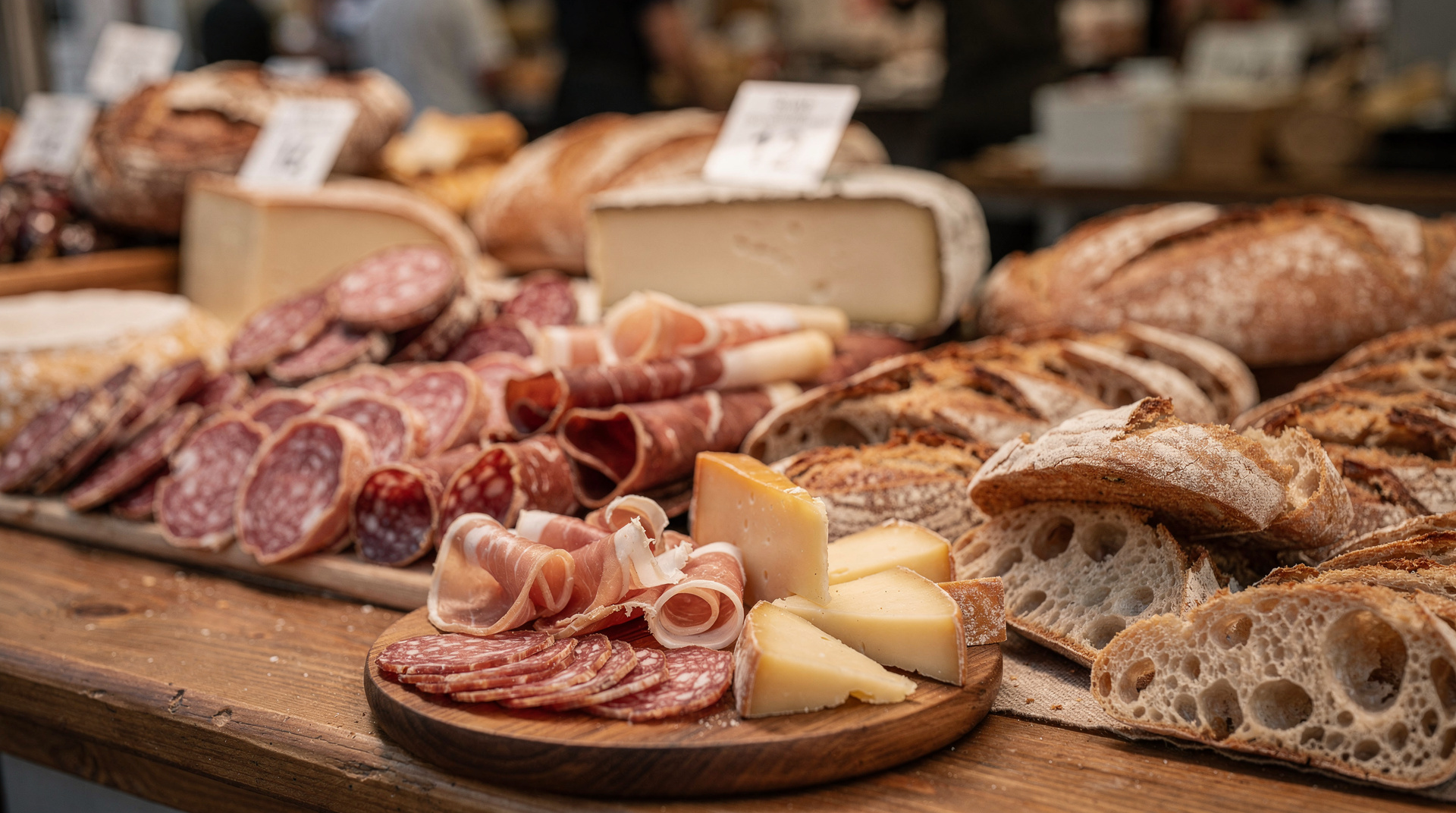
The food pairing is a proper exercise rather than a perfunctory pour. Local cheeses (typically Queijo da Serra or a firm aged Queijo Amarelo), cured meats, and good bread are matched to Cockburn’s core wine range: the Special Reserve ruby, a 10-year tawny, an LBV, and sometimes a white port as an opener. The guide explains the pairing logic and creates space for questions.
Cockburn’s Special Reserve ruby is one of the most widely distributed port wines in the world — sold everywhere from supermarkets to wine shops internationally. Tasting it at the source, in context, is more interesting than the bottle recognition suggests. Their LBV expression is consistently good.
The practical advantage over the more famous lodges: availability. Cockburn’s almost never sells out on the same-day basis that Taylor’s and Cálem do in July and August. If you missed a Taylor’s booking, Cockburn’s premium pairing is the best alternative available on short notice.
Honest weakness: The lodge itself is less visually compelling than the Gaia tier-one options. The view is limited, the tasting room is modest, and the experience lacks the theatrical elements (terrace views, fado, chocolate pairing) that make the top three distinctive. Cockburn’s excels at a specific thing — good wines with thoughtful food pairing at a fair price — and should be evaluated on that basis rather than compared to the overall experience at Taylor’s or Graham’s.
Book the Cockburn’s premium food pairing tasting on GetYourGuideSandeman — the brand versus the experience
Address: Largo Miguel Bombarda 3, Vila Nova de Gaia Standard tasting: ~€15–20 | Premium: ~€25–35
Sandeman is the most instantly recognisable port brand in the world. The black cape and wide-brimmed hat of The Don — the Sandeman mascot designed in 1928 by Scottish cartoonist George Massiot Brown — appears everywhere in Gaia, on the lodge facade, on bottles in every wine shop in Portugal, and on souvenir merchandise across the country. This brand recognition makes Sandeman a natural first stop for visitors who know the name from shop shelves at home.
The honest assessment
The Sandeman visit is competent and the wines — particularly the 10-year and 20-year aged tawnies — are well-made. The lodge tour covers the standard production narrative effectively. The premium pairing tiers deliver a decent experience at prices comparable to Cockburn’s.
The fundamental limitation: Sandeman doesn’t offer anything meaningfully different from Cockburn’s (also Symington-owned until 2002, now owned by Sogrape) at a similar price point, and both fall short of Taylor’s and Graham’s on wine depth and overall experience quality. Visiting Sandeman before you have done Taylor’s or Graham’s means you set your reference point too low. Visiting it after Taylor’s or Graham’s means the experience feels like a step down.
When Sandeman makes sense: If you specifically want to photograph the Don facade (a legitimate tourist motivation), if you are a collector of Sandeman’s internationally available range and want to taste the lodge expressions, or if it genuinely is your first port cellar and the brand familiarity makes it more approachable. It is also a reasonable option when other lodges are sold out.
When to skip it: If you have limited time and have already visited one of the tier-one cellars. You will see similar wines delivered similarly, without the distinguishing factors that make the top three memorable.
Burmester — the best-kept secret in Gaia
Address: Rua de Serpa Pinto 95, Vila Nova de Gaia Standard tasting: ~€8–12 | Premium colheita flight: ~€20–28
Burmester is what most port-curious visitors are looking for when they say they want a “less touristy” Gaia experience. Founded in 1730 by John Burmester, a German merchant operating in the Portuguese wine trade (which explains the distinctly un-Portuguese name), the house specialises in aged tawnies and colheitas — the oxidative, barrel-matured styles where time in wood is the defining variable.
Why wine enthusiasts should go here
Burmester’s 10-year and 20-year tawnies are among the best-value premium port expressions in Gaia. The wines are produced with genuine care by the Sogevinus group (which acquired the house in 2005) and consistently receive strong reviews from port wine specialists. The colheita range, spanning several decades, is the most interesting part of the Burmester cellar shop and tasting menu.
The visits are smaller and more personal than at the major lodges. On most days outside peak summer, a Burmester visit feels like talking to a knowledgeable host rather than being processed through a tourist programme. Questions are answered with specificity. The cellar is smaller and less theatrical than Cálem or Taylor’s, which makes the experience feel more genuine.
The limitation: Burmester has low brand recognition among general visitors, which means the visit lacks the reference points and expectations that make Taylor’s or Graham’s immediately comprehensible. If you are visiting with someone who wants the “famous” cellar experience, Burmester will feel obscure. If you are a wine enthusiast who doesn’t need brand validation, it is the most rewarding less-visited option in Gaia.
Book the Burmester cellar tasting on GetYourGuideRamos Pinto — art nouveau and indigenous varieties
Address: Avenida Ramos Pinto 400, Vila Nova de Gaia (waterfront) Standard visit and tasting: ~€12–18
Ramos Pinto occupies one of the most architecturally interesting positions on the Gaia waterfront. The lodge facade features elaborate Art Nouveau azulejo tile panels depicting pastoral and allegorical scenes — among the most photographed building surfaces in Gaia that most tourists don’t know are there. Founded in 1880 by Adriano Ramos Pinto, the house gained international recognition in the early 20th century through modernist advertising campaigns that are now in museum collections.
The current Ramos Pinto is owned by Louis Roederer (the Champagne house) and has invested significantly in viticultural research into indigenous Douro grape varieties. This makes the visit more wine-technically interesting than most — the guide can discuss specific varieties, vineyard methods, and how Ramos Pinto’s approach to single-variety fermentation differs from the blending methods of most port houses.
The tasting leans toward the tawny and table wine range (Ramos Pinto is also a significant producer of Douro table wines including the well-regarded Duas Quintas). Wine enthusiasts interested in the Douro as a table wine region rather than just a port region will find Ramos Pinto more relevant than most Gaia lodges.
Best for: Photography (the Art Nouveau tiles), wine-curious visitors interested in viticultural research, anyone visiting on the waterfront after Cálem who wants a second stop without climbing the hill.
Fonseca — Taylor’s quieter sibling
Address: Rua do Agro 141, Vila Nova de Gaia (adjacent to Graham’s) Standard visit: ~€12–16 | Fado and dinner: ~€50–70
Fonseca is owned by the Fladgate Partnership alongside Taylor’s, but the house style and visitor experience are quite different. Fonseca’s port has historically been described as fruitier and more immediately approachable than Taylor’s structured expressions — a complement rather than a competition.
The regular Fonseca lodge visit is smaller and more intimate than Taylor’s. The barrel cellar is accessible and the guide format is closer to Burmester’s personal style than the production-line throughput of Cálem. For visitors who want the Fladgate quality standard in a quieter setting, Fonseca is worth considering.
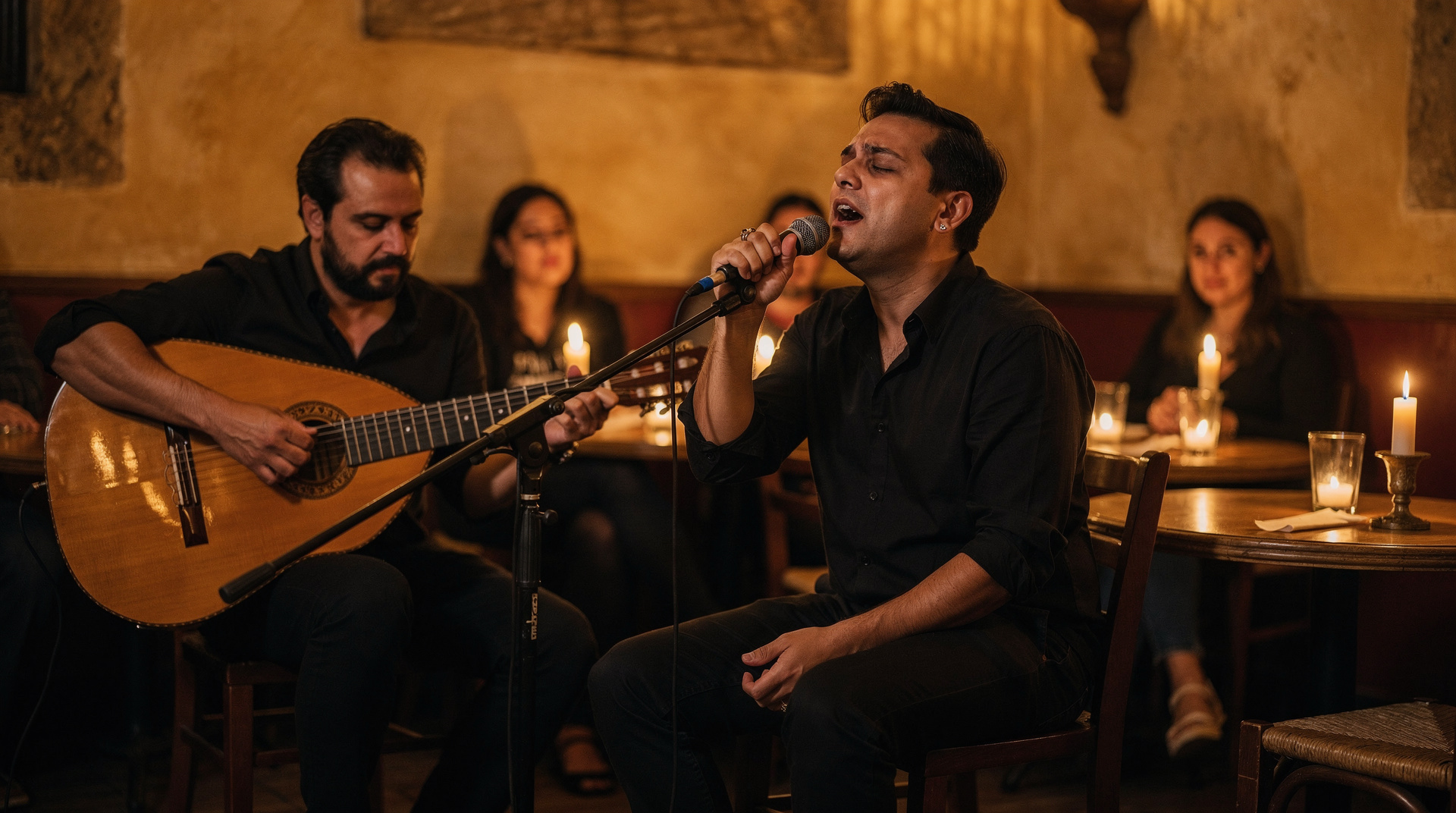
The fado and dinner format: Fonseca’s evening programme combines a cellar visit, a port tasting, a fado performance, and a dinner — a more elaborate evening than Cálem’s stand-alone fado show and more intimate in scale. At approximately €50–70 per person, it positions itself as a premium alternative to Cálem for visitors who want fado as the centrepiece of their evening rather than one component of an afternoon. The best cellar with fado show guide covers this format in detail alongside Cálem.
Book the Fonseca fado dinner experience on GetYourGuideThe Niepoort question
Niepoort is one of the most respected names in port wine globally — Dirk Niepoort’s operation is small, independent, and produces some of the finest and most unconventional wines in the Douro. Colheitas spanning five decades, outstanding unfiltered LBVs, and innovative Douro table wines have made Niepoort a name that serious wine enthusiasts pursue specifically.
The honest reality for most visitors: Niepoort does not operate a standard tourist cellar visit. Visits are typically by appointment or through specialist wine tour formats. If you are a committed wine enthusiast who wants to access Niepoort wines in Gaia, the most practical approach is to ask at the lodge directly or book through a wine-specialist tour operator rather than through standard tourist booking platforms.
How to plan a mid-tier cellar day
Scenario A — one afternoon, mid-range budget (€30–50): Cockburn’s premium pairing (€20–25) + Burmester standard tasting (€8–12). This combination covers excellent food-paired wine at Cockburn’s and the best aged tawny and colheita experience in the mid-tier at Burmester. Both are on the upper Gaia hillside within 5 minutes’ walk of each other.
Scenario B — adding to a tier-one visit: Morning at Taylor’s or Graham’s, afternoon at Ramos Pinto for the Art Nouveau exterior and an exploratory tasting of their alternative grape-variety wines. Total budget: €45–65 per person.
Scenario C — waterfront focus: Cálem (fado + tasting, €20–22) followed by Ramos Pinto (12–18) along the waterfront. Two visits without any uphill walking, covering the fado cultural component and the Art Nouveau architecture alongside two different house styles.
Mid-tier vs tier-one — how to choose
| Mid-tier (Cockburn’s, Burmester, Ramos Pinto, Fonseca) | Tier-one (Taylor’s, Graham’s, Cálem) | |
|---|---|---|
| Standard tasting price | €8–20 | €15–25 |
| Same-day availability | Almost always | Sells out in July/August |
| Setting and theatre | Modest to good | Terrace views, fado, larger scale |
| Crowd size | Small groups, more personal | Larger groups, production-line pace |
| Best for | Second/third lodge, or a quieter visit | First lodge, or wanting the reference-point experience |
If you have time for only one Gaia cellar, start with a tier-one lodge; the mid-tier houses in this guide are the right move for a second or third stop, once you have a comparison point.
Frequently asked questions about mid-tier Gaia cellars
Is there a free way to taste port wine in Gaia?
Some smaller lodges occasionally offer complimentary tastings as an incentive for visiting — Poças, for example, has offered walk-in tastings without charge at quieter times. However, this is not reliably available and should not be planned around. The standard entry prices at Cockburn’s and Burmester (€8–18) are the lowest reliable paid options in the mid-tier.
Are Symington-owned cellars (Graham’s, Cockburn’s, Dow’s, Warre’s) all worth visiting?
Graham’s is a tier-one cellar with a distinctive premium format. Cockburn’s is the best value in the mid-tier for the food pairing. Dow’s and Warre’s are less frequently visited by tourists — Dow’s lodge in Gaia runs visits but with less consistent tourist infrastructure than Graham’s or Cockburn’s. Warre’s is primarily sold through supermarkets and wine shops rather than operating a major visitor experience. Of the Symington family, Graham’s and Cockburn’s are the most visitor-oriented options.
What is the Poças cellar?
Poças Junior is a family-owned lodge on the Gaia hillside that receives fewer tourists than the major brands. It produces reliable tawny and vintage port expressions at competitive prices and offers unpretentious visits for visitors interested in a more personal experience. Recommended for travellers who want to stray from the standard Gaia tourist route and support smaller independent houses.
Should I buy port wine in Gaia or in central Porto?
Gaia lodge shops offer lodge-exclusive expressions not available elsewhere, which is the main reason to buy there. General port wine ranges (standard ruby, LBV, 10-year tawny) are widely available in Porto supermarkets (Mercadona, Pingo Doce) at lower prices than lodge retail. For anything you specifically tasted and want to take home, buy it at the lodge. For generic gifts, the supermarket is cheaper.
Frequently asked questions — Sandeman, Cockburn's and the mid-tier Gaia cellars — honest comparison
Is Sandeman worth visiting if I've already done Taylor's or Graham's?
Not as a priority. Sandeman's visit format is similar to Taylor's and Graham's at a comparable price, but the wine quality and the setting don't match the tier-one lodges. If you are filling out a long Gaia afternoon and want a third option, Sandeman is a reasonable choice. If you have limited time, it is better skipped in favour of Cockburn's or Burmester which offer more distinctive experiences.What makes Cockburn's premium pairing good value?
The Cockburn's premium tasting pairs local Portuguese cheese, charcuterie and bread with three or four wines — a proper food-and-wine exercise at approximately €20–25, below the price of Graham's comparable format. Cockburn's wines lean toward the ruby and LBV styles where the house has genuine strength, and the availability is almost always better than at the busier lodges.Who is Burmester and why is it less well-known?
Burmester was founded in 1730 by German merchants, which explains the non-Portuguese name. It is now part of the Sogevinus portfolio (same group as Cálem, Kopke, Barros). Despite modest brand recognition among tourists, Burmester specialises in aged tawnies and colheitas that consistently receive strong reviews from port wine specialists. Its lower tourist profile means smaller groups and more personal visits.Does Ramos Pinto offer cellar visits?
Yes — Ramos Pinto's Art Nouveau tiled lodge on the Gaia waterfront is one of the most architecturally interesting in Gaia. They offer guided visits with tastings focusing on their tawny range and their research into indigenous Douro grape varieties. The visit is smaller in scale than Taylor's or Cálem and the experience is more personal. Worth combining with a Cálem visit since both are on the waterfront.What is the Fonseca fado and dinner experience?
Fonseca (owned by the Fladgate Partnership alongside Taylor's) offers an evening format combining a port wine tasting with a fado performance and dinner at their Gaia lodge. It is more intimate than Cálem's fado show — smaller groups, a proper dinner rather than just wines, and a more curated performance. Price is approximately €50–70 per person. The best cellar with fado show guide compares this against Cálem in more detail.Is there a difference between visiting a Symington-owned lodge and a Fladgate one?
The two families represent different traditions in Gaia. The Fladgate Partnership (Taylor's, Fonseca, Croft) tends toward a more traditional, restrained house style. The Symington family (Graham's, Dow's, Warre's, Cockburn's) produces a broader range of styles across its labels with more variation between brands. Both groups maintain high quality. Visiting one lodge from each family gives you a sense of the different house philosophies.
Top experiences
Bookable activities with verified prices and instant confirmation on GetYourGuide.