São João festival Porto — the complete guide to June's biggest night
Porto: Porto Walking Tour and Fado Show
When is São João festival in Porto and what happens?
São João takes place on the night of June 23 into the early hours of June 24. The whole city spills into the streets: people hit each other with plastic hammers (maletas), sardines are grilled on every corner, fireworks illuminate the Douro at midnight, and the party continues until dawn. It is the most important night of Porto's year.
Why São João is Porto’s most important night
If you are in Porto on June 23, nothing else matters. São João — the feast of Saint John the Baptist — has been celebrated in Porto for centuries, but the city’s version of the festival has evolved into something entirely its own: a city-wide street party that erases the usual boundaries between stranger and friend, tourist and local, neighbourhood and neighbourhood. For one night, Porto belongs entirely to itself.
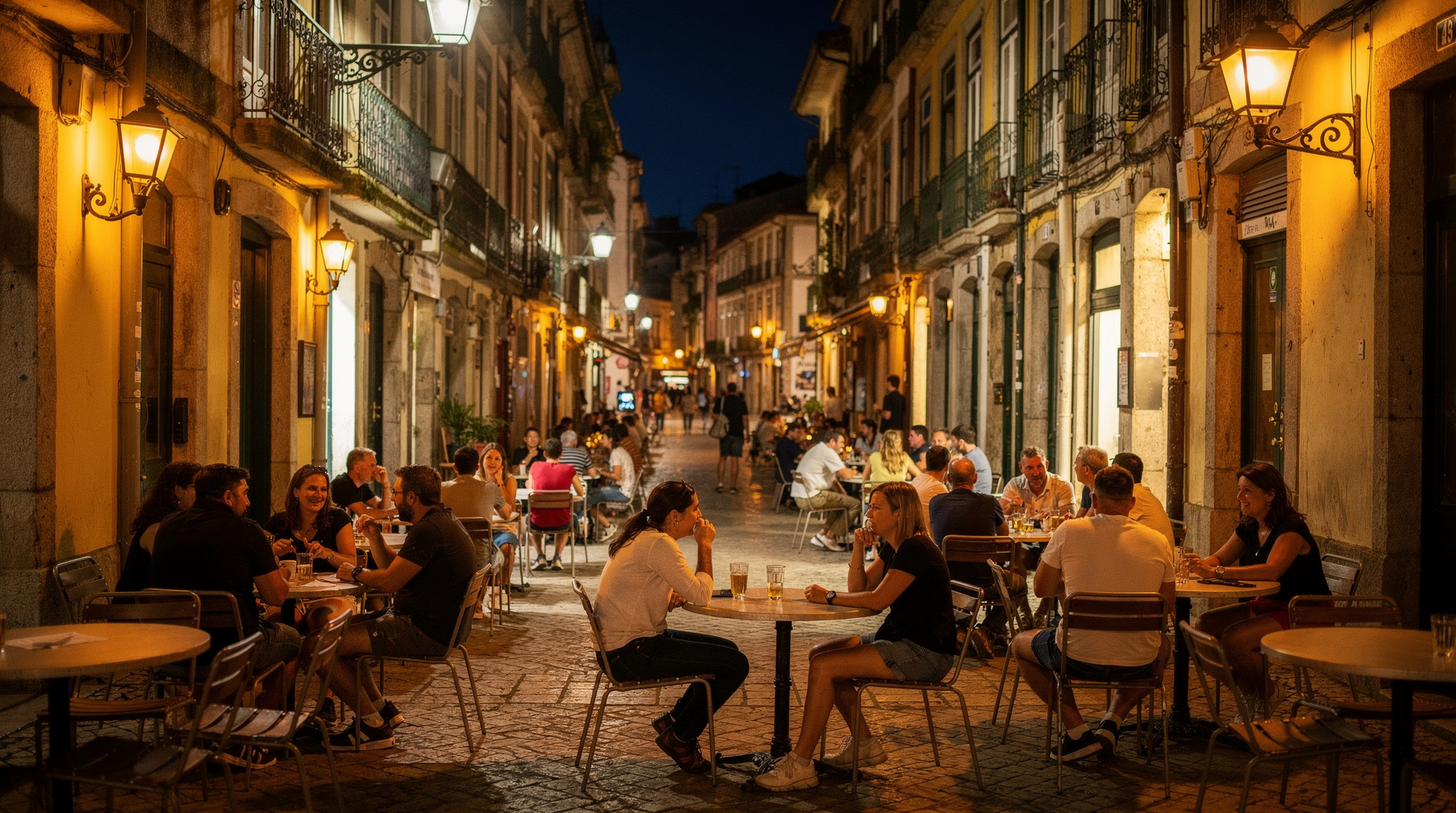
The scale is difficult to convey in advance. The historic centre fills with hundreds of thousands of people. Every square, every staircase, every viewpoint is occupied. Sardine smoke drifts through the streets. The sound of traditional music — concertinas, drums, guitar — competes with modern speakers in bars and on temporary stages. At midnight, fireworks burst over the Douro while boats packed with revellers float below. The noise is considerable, the energy is extraordinary, and the whole event has a quality of genuine popular celebration that Porto’s increasingly tourist-facing calendar doesn’t always deliver.
This guide covers everything you need to make the most of it.
| When | Night of June 23 into the early hours of June 24 |
| Where | City-wide — Ribeira, Bonfim, Aliados, Foz do Douro |
| Cost | Free to attend; hammer €1–8, sardine portion €2.50–4 |
| Fireworks | Midnight, launched from the Douro, 15–20 minutes |
| Booking | Accommodation 4 months ahead; restaurants 3–4 weeks ahead |
The origins: from religious feast to city institution
São João has been celebrated in Portugal since at least the 13th century, with the feast of Saint John the Baptist on June 24 serving as the nominal religious occasion. Porto’s celebration absorbed local folk traditions over the centuries and developed distinctly away from the more conservative versions observed elsewhere in Portugal and Catholic Europe.
By the 18th century, the night of June 23 in Porto was already notable for its popular character — music in the streets, fires lit in the squares, and a general suspension of normal social rules. The city’s liberal tradition and working-class culture gave São João a democratic quality: unlike the formal processions that dominated similar events elsewhere, Porto’s celebration was always primarily the people’s party.
The plastic hammer arrived in the 20th century, replacing the traditional leeks (alho-porro) as the object used to greet strangers. The switch is practical — a leek is unwieldy and messy — and the squeaky hammer has become the defining visual symbol of Porto’s São João worldwide. You will see them sold from about June 10 onward, initially in novelty shops and then, as the night approaches, by mobile vendors throughout the city.
The plastic hammer: protocol and etiquette
The maleta — the squeaky plastic hammer — requires some explanation for first-time visitors. You buy one. You use it to tap people on the head. People tap you back. Everyone grins.
That is the entire protocol. There is no age limit, no social hierarchy and no meaningful distinction between locals and tourists in this exchange. A group of elderly Porto residents will cheerfully hammer a bemused Australian family who’ve just arrived. The gesture is entirely benign and functions as a kind of collective permission slip for the strangeness of the night.
Hammers are sold in sizes from small (good for children) to oversized comedy versions. Price ranges from €1-3 for a basic hammer to €5-8 for larger or novelty versions. Buy one at a street stall rather than in shops — the markup in tourist shops in June is significant.
The only place where the hammer tradition is slightly more restrained is within packed bars or restaurant terraces, where the indoor density makes aggressive hammering impractical. On the streets, consider it open season.
Where to be: neighbourhood by neighbourhood
Ribeira and the waterfront
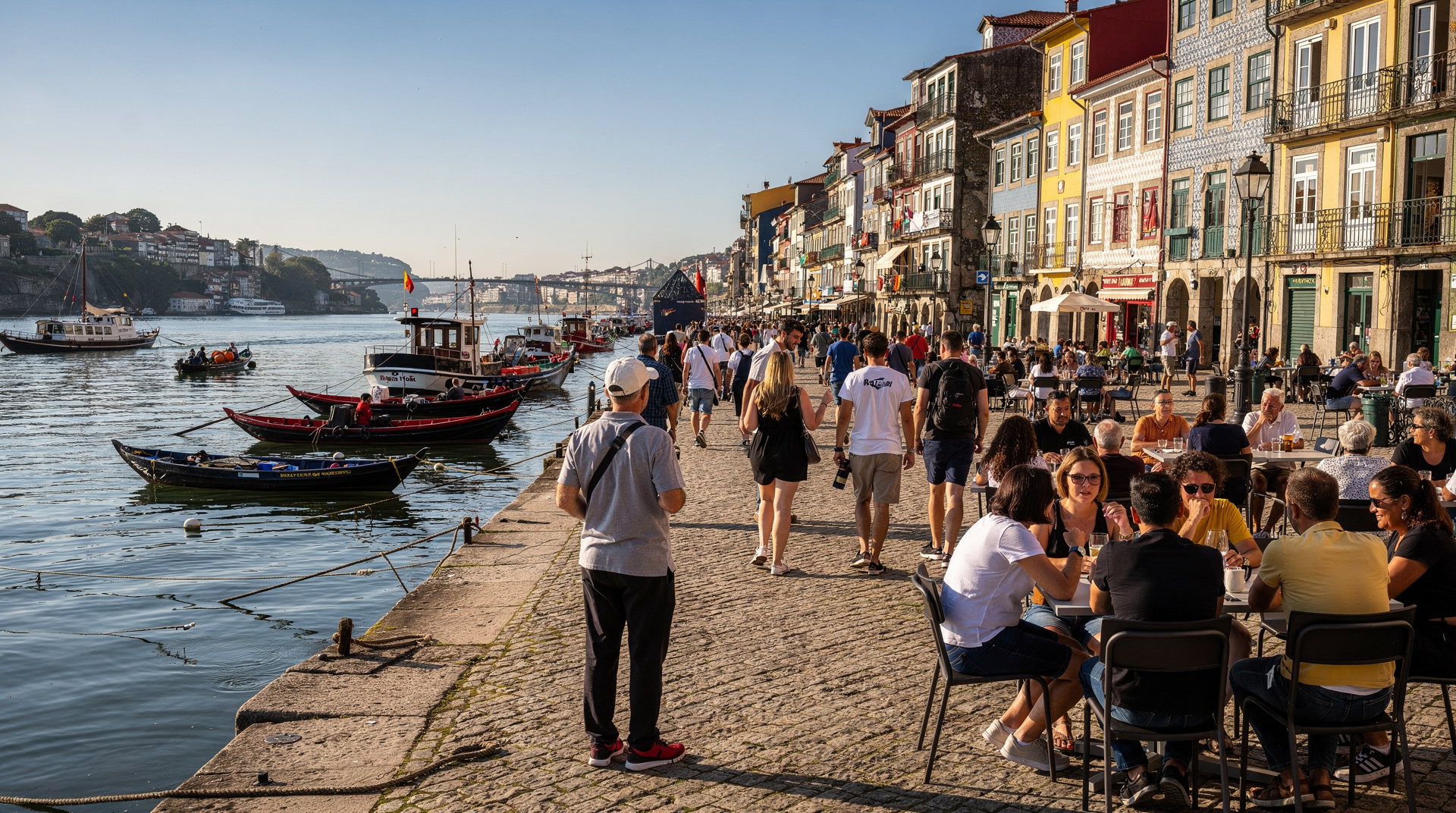
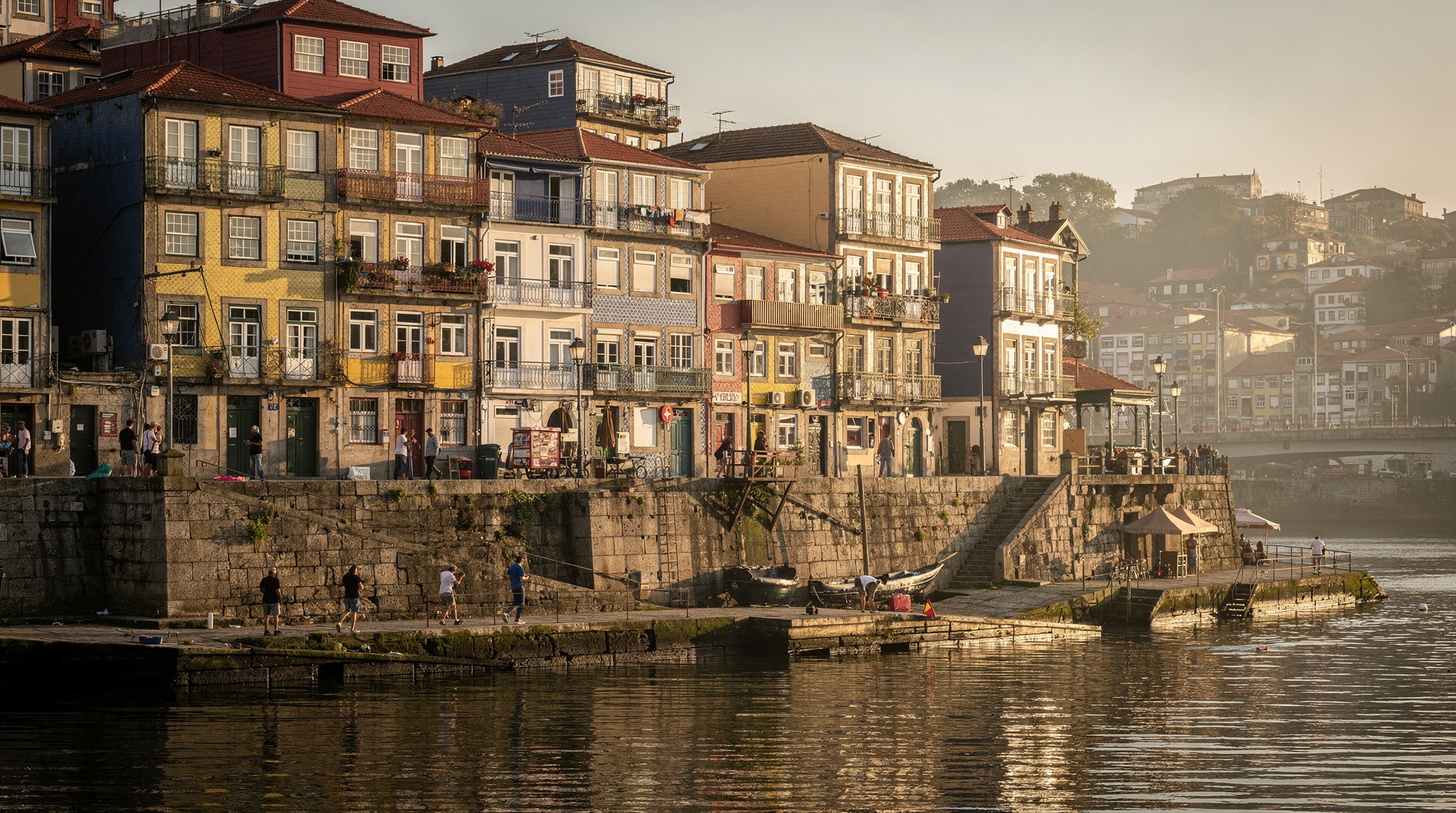
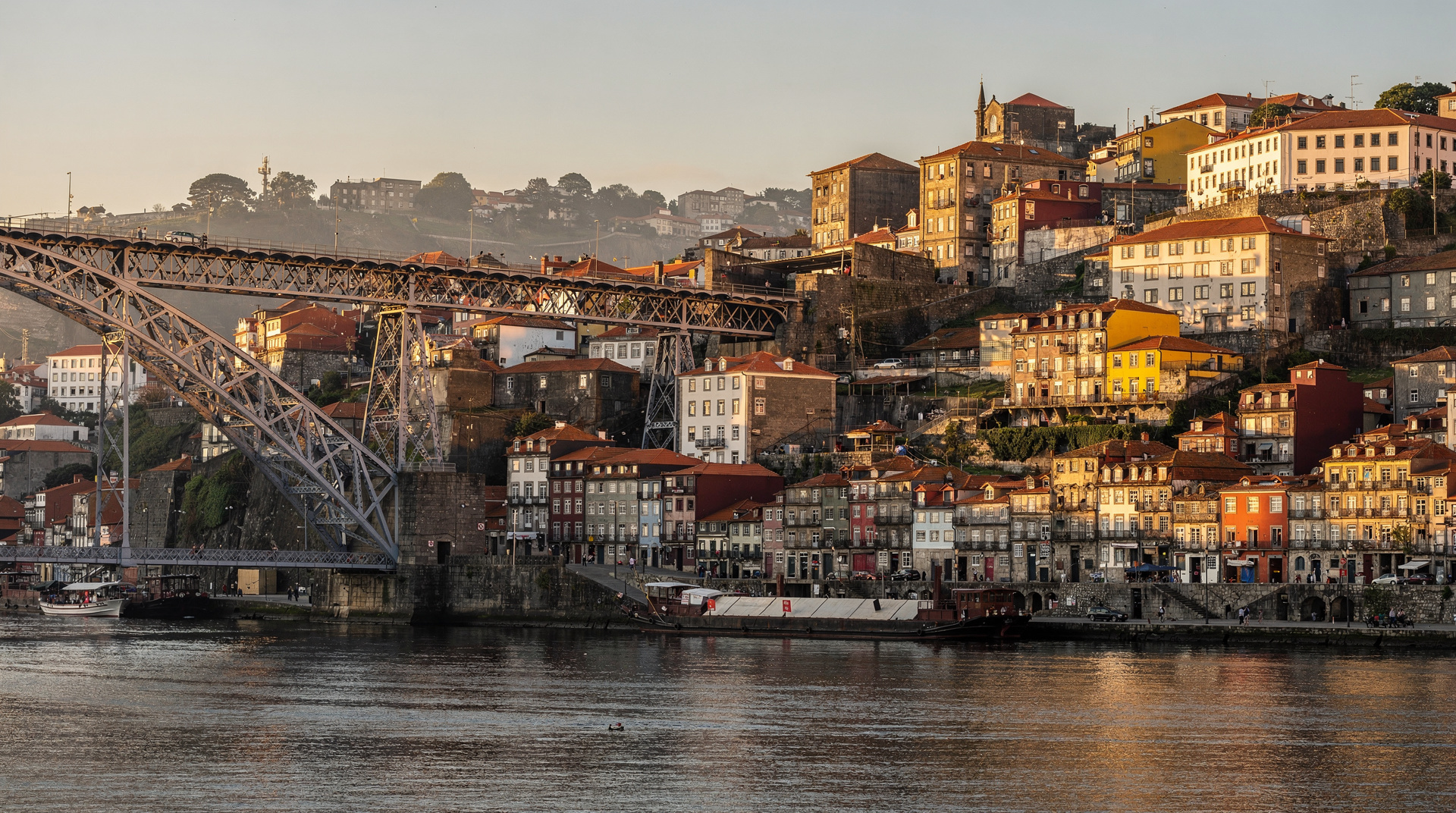
The most photographed São João location and the most crowded. The Ribeira waterfront and the lower deck of Ponte Dom Luís I are effectively impassable by 11 pm, with shoulder-to-shoulder crowds extending from Praça da Ribeira to the base of the bridge. The fireworks at midnight are seen excellently from here, and the atmosphere is intense.
If this is your first São João and you want maximum immersion, head to Ribeira. But arrive before 9 pm if you want to move freely — after 10 pm you are joining a mass that has its own momentum.
Bonfim
Porto’s São João traditionally belongs to Bonfim, the neighbourhood east of the historic centre where the popular celebrations have their deepest roots. The streets around Rua de Santo Ildefonso and Travessa do Bonjardim are animated from late afternoon, with neighbourhood associations setting up sardine grills, local bands playing in courtyards, and a family celebration atmosphere that feels less touristy than Ribeira.
Bonfim is where Porto people who know Porto go. The density is lower, the sardines are more reliably fresh, and the sense of authentic local participation is higher. For a first São João, Ribeira is the spectacle — but Bonfim is closer to the soul.
Aliados and the city centre
Praça da Batalha and the Aliados boulevard have official stages with live music from 9 pm onward. The programming ranges from traditional Portuguese folk music and fado to contemporary Portuguese pop. Admission to the street concerts is free. The sound levels are significant and the crowd around the stage areas is dense but manageable compared to the Ribeira waterfront.
Foz do Douro and Matosinhos
For a calmer experience — particularly suitable for families or visitors who want São João atmosphere without maximum density — Foz do Douro and Matosinhos have neighbourhood celebrations at a more human scale. The fireworks are visible from the Foz waterfront and the sardines are, arguably, fresher given the proximity to the fish market.
| Area | Crowd density | Atmosphere | Best for |
|---|---|---|---|
| Ribeira & bridge | Very high, impassable after 11 pm | Maximum spectacle, best fireworks view | First-timers wanting full immersion |
| Bonfim | Moderate | Local, family-run, authentic | Feeling the “soul” of the festival |
| Aliados | Moderate | Official stages, live music | Music-focused evening, easy access |
| Foz do Douro / Matosinhos | Low | Calmer, human-scale | Families with young children |
The food: sardines, bread and summer wine
São João food is simple and specifically right for the occasion.
Grilled sardines (sardinhas assadas) are the centrepiece. Porto’s relationship with the sardine is ancient — it is a working-class fish that fed the city through difficult centuries — and São João is the night when sardines are eaten everywhere, by everyone. Street vendors set up charcoal grills on the pavement from around 7 pm. A portion of two sardines with bread and a paper napkin typically costs €2.50-4. The sardines are fatty, heavily chargrilled, and best eaten messily with fingers over a piece of bread to catch the oil. This is not a refined dining experience. It is the correct São João experience.
Broa (corn bread) is the traditional accompaniment — dense, slightly sweet, and perfect for absorbing sardine oil.
Vinho verde in plastic cups is the drink of the streets. Green wine — light, slightly fizzy, refreshingly low in alcohol — is the practical choice for a night of walking. Beer (Super Bock, Sagres) is equally omnipresent. Queimada (a regional spirit punch) appears at some street stalls.
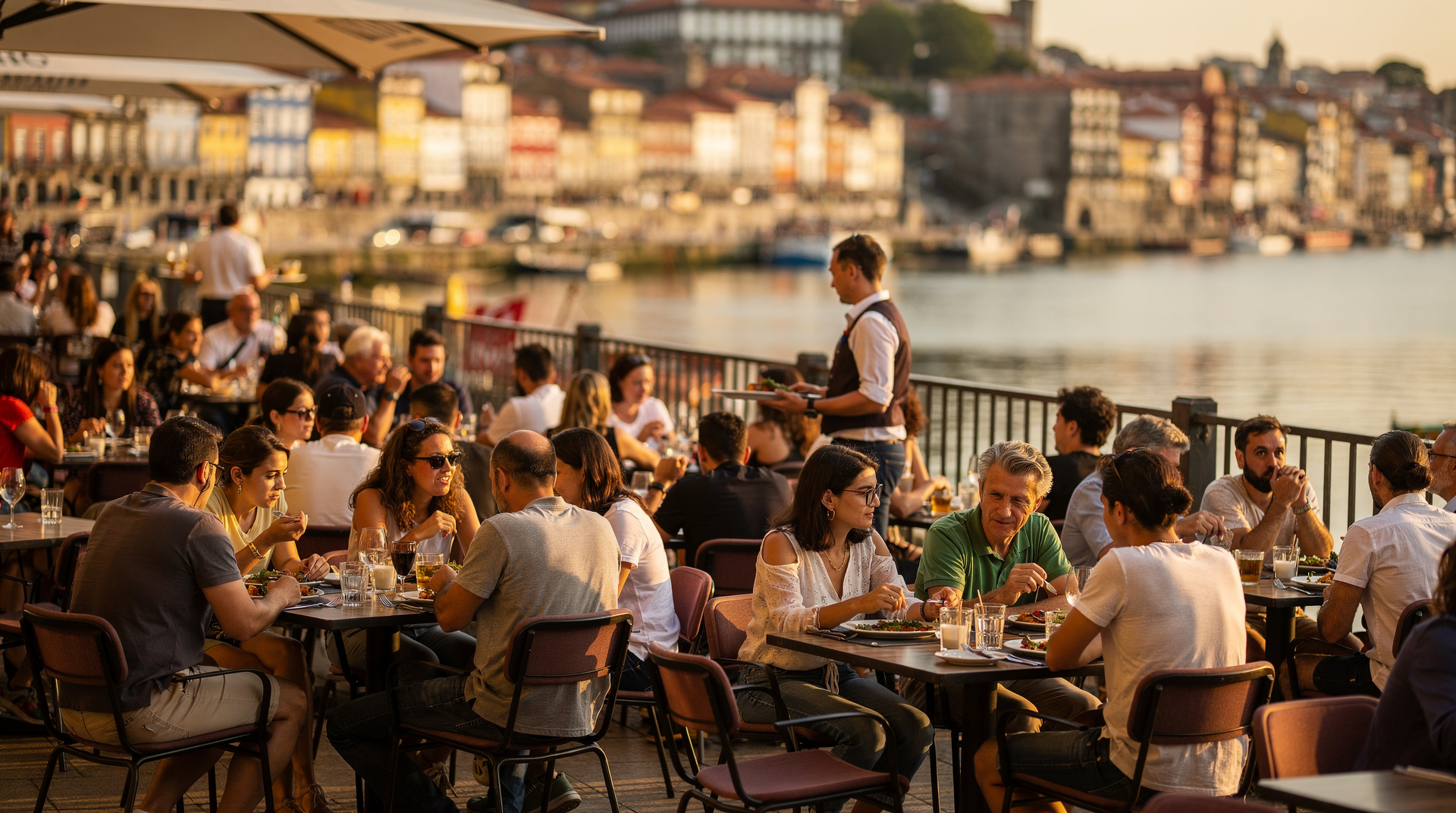
Sit-down restaurant options: If you want a proper São João dinner rather than street food, book 3-4 weeks in advance. Most restaurants in the historic centre and Ribeira offer a fixed São João menu: sardines, caldo verde (potato and kale soup), bread and olives, with local wine. Expect €18-28 per person for a set menu at a standard restaurant, more at the tourist-facing places on Ribeira’s front row.
The midnight fireworks: logistics
The fireworks display launches from the Douro at midnight on June 23/24 and is typically 15-20 minutes long. It is excellent — well-choreographed, reflected in the river, and visible from a wide arc of the city.
Best positions:
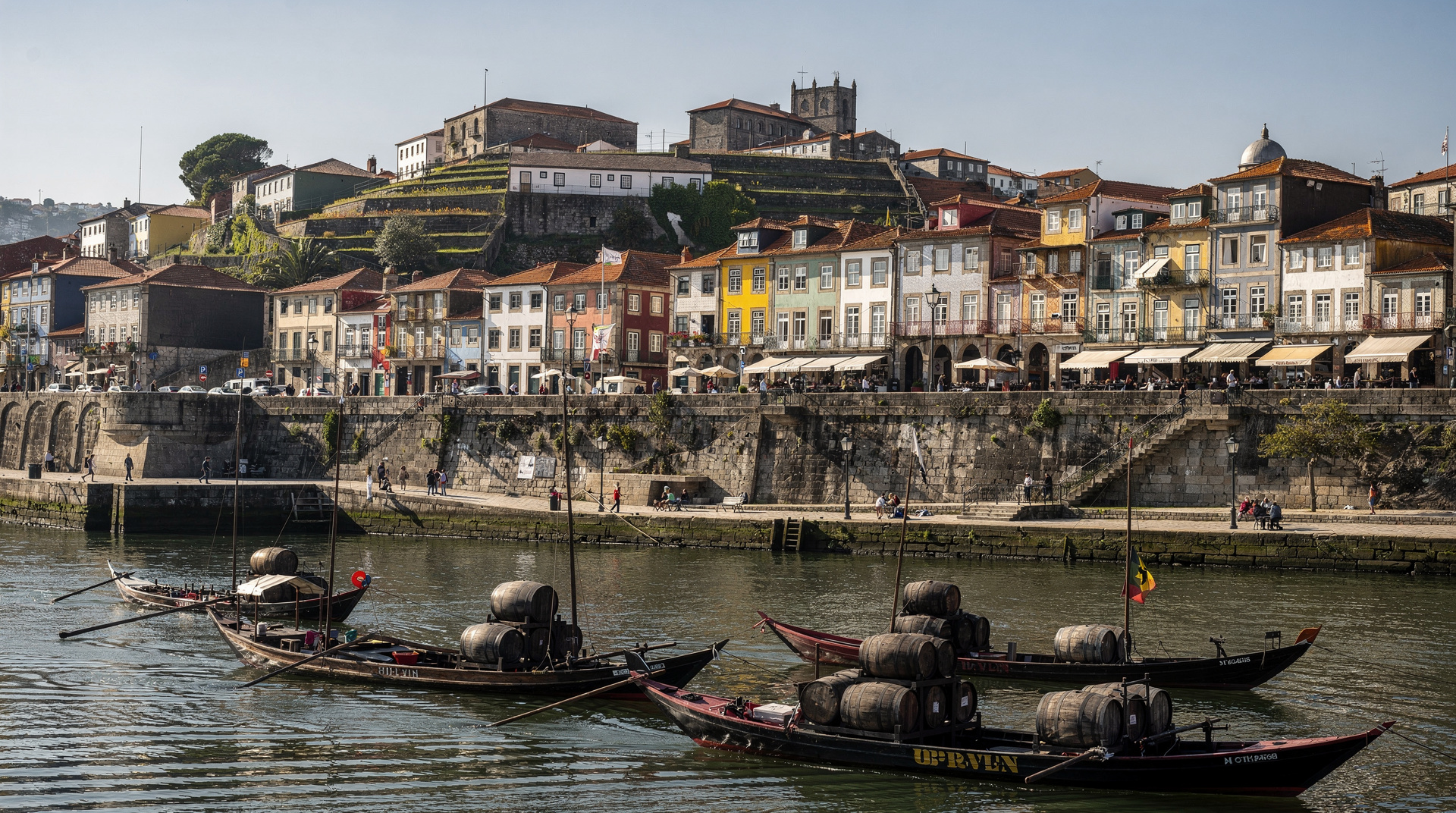
- Lower Gaia waterfront (Cais de Gaia): Slightly less crowded than Ribeira and gives you the Porto skyline and Ponte Dom Luís I illuminated as backdrop. Arrive by 10 pm to secure space near the water.
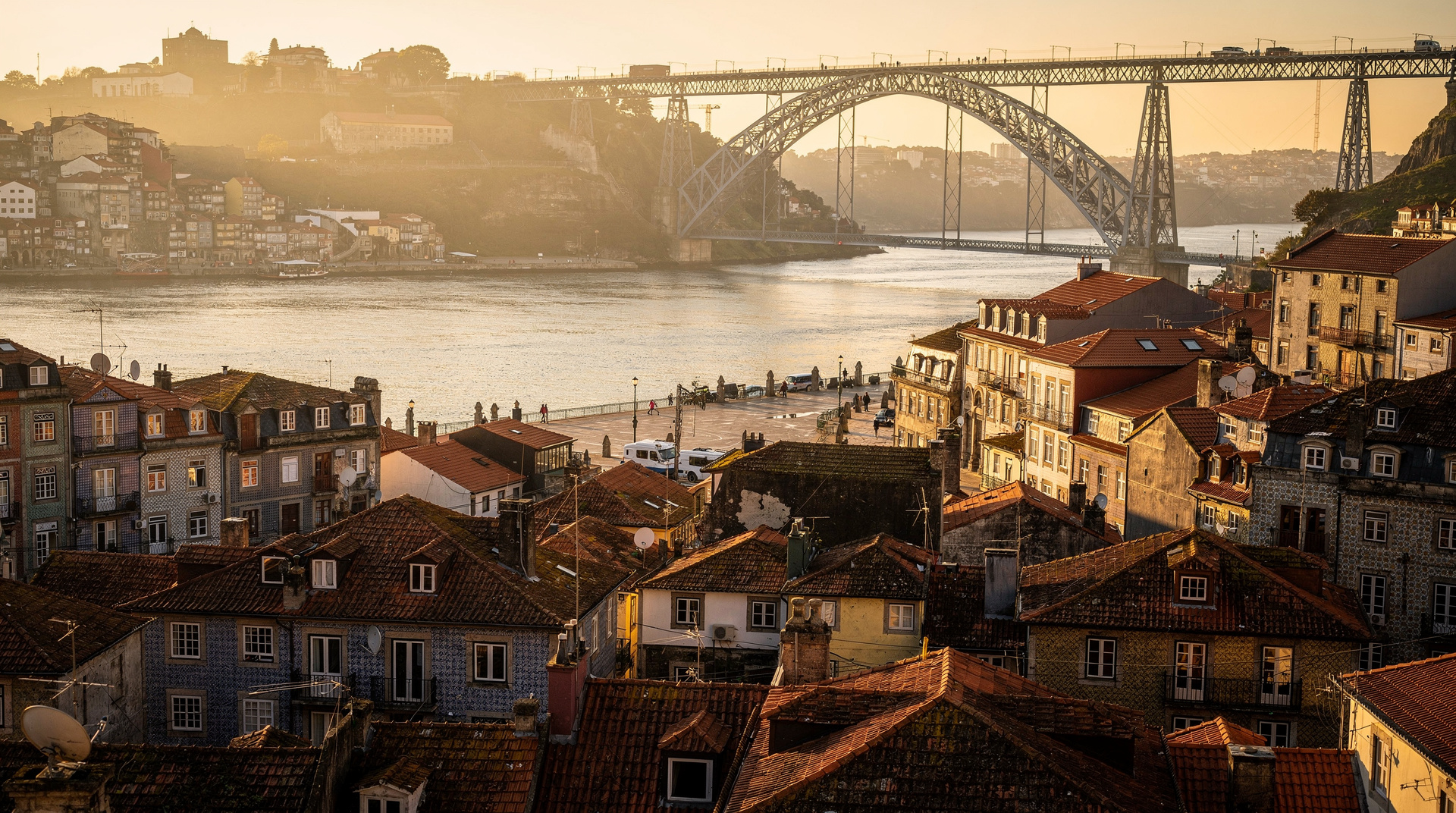
- Upper deck of Ponte Dom Luís I: Spectacular panoramic view but you will be compressed against the barriers with thousands of others. Get there by 9 pm.
- Serra do Pillar (Gaia side, near the bridge): Elevated position with an excellent wide-angle view. Less crowded than the waterfront. Some distance from the sardine atmosphere below.
- Ribeira waterfront: The heart of the celebration but almost impossible to navigate after 10:30 pm. If you’re already there from early evening, stay and you’ll be surrounded by the full force of the celebration.
After midnight: The city does not stop. The streets remain full until 3-4 am, the bars are open, and the neighbourhood celebrations continue. São João is one night per year and Porto takes that seriously.
Practical information for the night
Transport
Porto’s metro and buses run extended hours on São João night, with additional services until around 3-4 am. Check the STCP website for the São João night timetable, which is published in early June. Walking is often faster than any vehicle once the city centre reaches peak density — Porto’s historic centre is compact and the distances between the main celebration areas are manageable on foot.
Uber and Bolt become extremely difficult to book from about 11 pm until 2 am — surge pricing is significant and drivers avoid the pedestrianised centre. If you’re relying on a rideshare app to get home, plan to walk to the edge of the pedestrian zone or wait until the very late hours when demand drops.
Safety
São João is a genuinely safe event by the standards of mass outdoor celebrations. Pickpocketing increases with crowd density — keep your phone in a front pocket and your bag under your arm in the crush. Porto’s Polícia de Segurança Pública maintains a heavy presence throughout the historic centre. Drunk-and-disorderly incidents happen but are rare enough not to be a significant concern.
Accommodation: the 4-month rule
Book your accommodation by late February for the June 23 night. This is not an exaggeration — June in Porto is high season, and June 23 specifically is the most competitive single night of the year. Hotels in the historic centre, Ribeira and Bonfim sell out first. Cedofeita and the Boavista area have slightly more availability but still require early booking.
The price premium for June 23-24 is real: expect rates 40-80% higher than standard June rates for the same property. Budget for it or accept accommodation further from the centre and plan your transport accordingly.
Tickets and organised events
In addition to the free street celebration, Porto has organised São João events: Douro party boat for São João cruises offer a floating perspective on the fireworks with food and drink included. These sell out months in advance and cost €45-90 per person depending on format. If you want a guaranteed fireworks viewing position with seating and catering, a boat event is worth considering — but book in March or April at the latest.
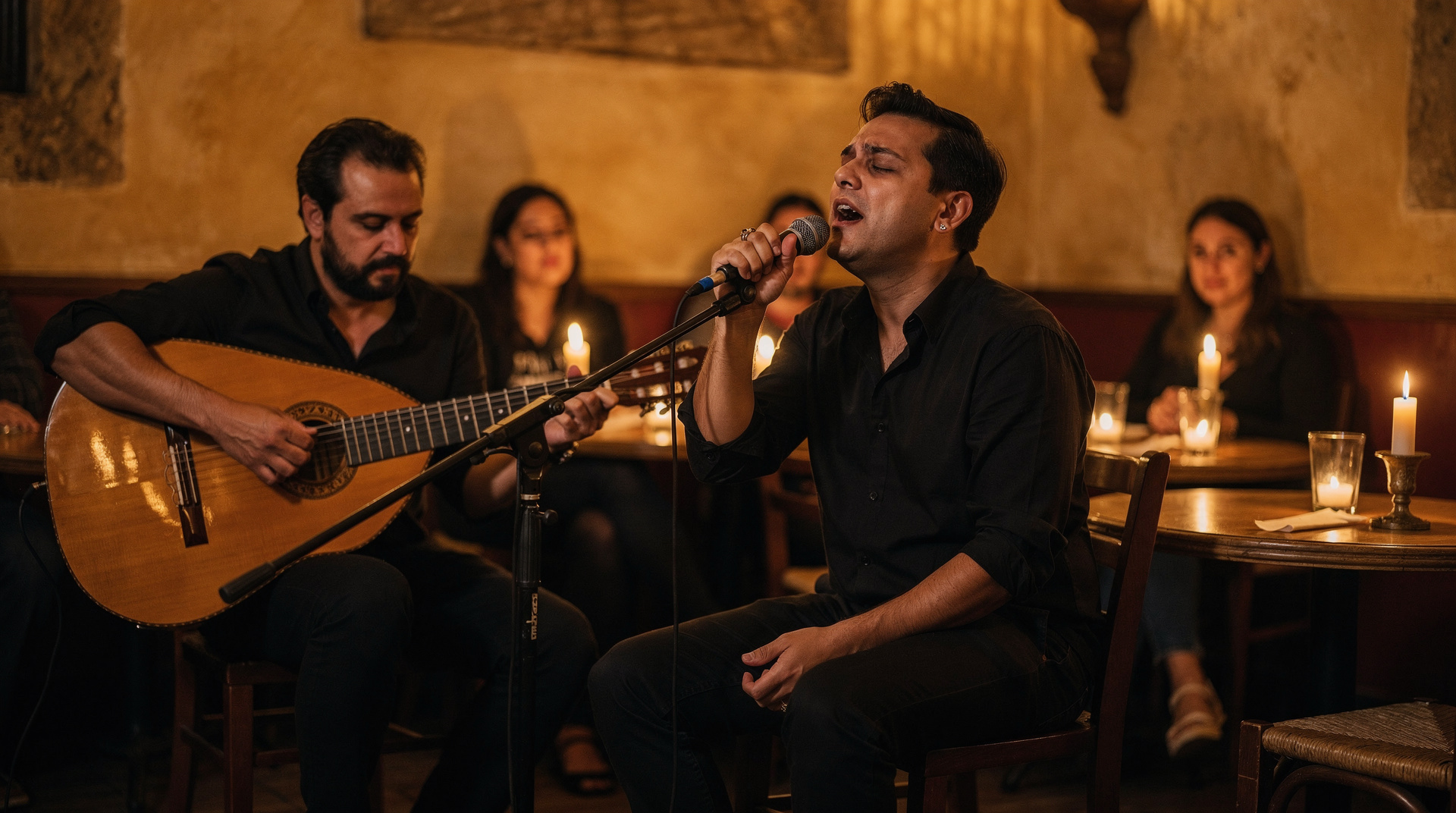
The fado night all-inclusive format is also popular around São João, combining dinner, drinks and a fado show. Less specific to São João but a good way to add musical dimension to the trip if you’re in Porto for the surrounding days.
The days around São João
São João night is June 23-24, but the festival atmosphere extends across the last week of June. The arraiais (traditional street parties) begin in neighbourhoods around June 13 (Santo António) and intensify through June 23. Visiting Porto in the week before São João means encountering preparatory celebrations in Bonfim and other traditional neighbourhoods — smaller, more local, and often more intimate than the main night.
June 24 itself (the actual feast day) is quieter — most of Porto is resting after the night before. A few religious events take place in the morning, but the streets are essentially empty by comparison, populated mainly by people picking up dropped plastic hammers and empty bottles.
The period around São João coincides with the height of Porto’s summer season. See the Porto in summer guide for how to combine São João with the wider summer experience, including the beaches at Foz do Douro and Matosinhos and the summer festival calendar.
Fado shows and organised evenings around São João
If you want to experience the musical dimension of Porto’s São João beyond the street atmosphere, a Porto fado walking show in the days surrounding June 23 adds a more structured musical experience to the trip. Fado is not technically part of São João tradition (which leans more toward folk and popular music), but the emotional resonance between Porto’s music culture and its most celebrated feast night is real.
For the São João night itself, organised tours that include guided access to key celebration areas, translation of what’s happening in the neighbourhood festivities, and a local guide who can navigate the crowds are available through Porto night lights fado tour. These are not necessary for the main event but can be helpful if you are visiting with elderly family members or others for whom the unguided experience of a 500,000-person street party would be overwhelming.
Frequently asked questions about São João festival Porto
When exactly does São João festival take place in Porto?
The main celebration runs from the evening of June 23 through to the early hours of June 24. Fireworks over the Douro happen at midnight between the 23rd and 24th. The city is officially celebrating the feast day of Saint John the Baptist, but the party starts at sunset and most serious revellers are still going at 4 am.
What is the plastic hammer tradition at São João?
The maleta (plastic hammer) is Porto’s most distinctive São João tradition — a soft squeaky hammer sold by street vendors throughout the evening. You use it to tap strangers on the head as a greeting and good luck gesture. Nobody minds; it is entirely expected. Being in Porto on São João night without getting whacked by a hammer is almost impossible.
How do I find a hotel for São João in Porto?
Book at least 4 months in advance — June 23 is one of the most competitive hotel nights of the year in Porto. Prices increase 40-80% over standard June rates and properties in the historic centre, Ribeira and Bonfim sell out first. If you find a room in March, book it immediately.
Where is the best place to watch the São João fireworks?
The fireworks are launched from the Douro and best seen from the Ribeira waterfront, the upper deck of Ponte Dom Luís I, or the Gaia riverside opposite. The Gaia side is marginally less crowded than Ribeira. Arrive by 10 pm to secure a good spot.
Is São João family-friendly?
Broadly yes, though the midnight period on the main streets is dense, loud and crowded. Families with young children typically enjoy the early evening (7-10 pm) when the sardine grilling and street music are in full swing but before the crush intensifies. Foz do Douro and some neighbourhood celebrations are calmer alternatives.
Do restaurants serve normally during São João?
Most casual eateries remain open and are very busy. Many restaurants offer fixed São João menus (sardines, grilled vegetables, bread) for €15-25. Street food is omnipresent — sardine grills set up on pavements throughout the historic centre and Bonfim. Reserve any restaurant at least 3-4 weeks in advance.
What should I wear to São João?
Comfortable walking shoes you don’t mind getting beer-splattered, light layers, and leave anything valuable or fragile at your accommodation. The streets are very crowded and you will be shoulder-to-shoulder with tens of thousands of people. A small cross-body bag is practical.
Frequently asked questions — São João festival Porto — the complete guide to June's biggest night
When exactly does São João festival take place in Porto?
The main celebration runs from the evening of June 23 through to the early hours of June 24. Fireworks over the Douro happen at midnight between the 23rd and 24th. The city is officially celebrating the feast day of Saint John the Baptist, but the party starts at sunset and most serious revellers are still going at 4 am.What is the plastic hammer tradition at São João?
The maleta (plastic hammer) is Porto's most distinctive São João tradition — a soft squeaky hammer sold by street vendors throughout the evening. You use it to tap strangers on the head as a greeting and good luck gesture. Nobody minds; it is entirely expected. Being in Porto on São João night without getting whacked by a hammer is almost impossible. Leek stems (alho-porro) are a more traditional but less common alternative to the hammer.How do I find a hotel for São João in Porto?
Book at least 4 months in advance — June 23 is one of the most competitive hotel nights of the year in Porto. Prices increase 40-80% over standard June rates and properties in the historic centre, Ribeira and Bonfim sell out first. Aliados and Cedofeita are slightly easier to find availability but still require early action. If you find a room in March, book it immediately.Where is the best place to watch the São João fireworks?
The fireworks are launched from the Douro and best seen from the Ribeira waterfront, the upper deck of Ponte Dom Luís I, or the Gaia riverside opposite. The Gaia side is marginally less crowded than Ribeira and gives you the Porto skyline as backdrop. Anywhere elevated — Serra do Pillar, the Jardim do Morro — gives you a wider view but you are further from the atmosphere. Arrive by 10 pm to secure a good spot.Is São João family-friendly?
Broadly yes, though the midnight period on the main streets is dense, loud and crowded. Families with young children typically enjoy the early evening (7-10 pm) when the sardine grilling and street music are in full swing but before the crush intensifies. The main city centre streets between Aliados and Ribeira become very congested from 11 pm onward. Foz do Douro and some neighbourhood celebrations are calmer alternatives.Do restaurants serve normally during São João?
Most casual eateries and tasca-style places remain open and are very busy. Many restaurants offer fixed São João menus (sardines, grilled vegetables, bread) for €15-25. Fine dining restaurants are often closed or operating reduced service. Street food is omnipresent — sardine grills set up on pavements throughout the historic centre and Bonfim. Reserve any restaurant you plan to use at least 3-4 weeks in advance.What should I wear to São João?
Comfortable walking shoes you don't mind getting beer-splattered. Light layers — June nights in Porto can be warm but rarely sweltering. Leave anything valuable or fragile at your accommodation. The streets are very crowded and you will be shoulder-to-shoulder with tens of thousands of people. A small cross-body bag is practical. Portuguese locals dress festively but not formally.
Top experiences
Bookable activities with verified prices and instant confirmation on GetYourGuide.