Porto in summer — what June to September actually looks like
Vila Nova de Gaia: Porto Riverbank Tour on an e Bike Atlantic Coast Gardens
Is summer the best time to visit Porto?
Summer is Porto's most visually vibrant season — warm, long days, beaches accessible, festivals running — but it is also when the city is most crowded and most expensive. June is the sweet spot: good weather, São João festival, before the August crush. July-August means queues everywhere, 40-50% higher hotel prices, and the tourist-facing side of Porto at maximum intensity.
Summer in Porto: the real picture
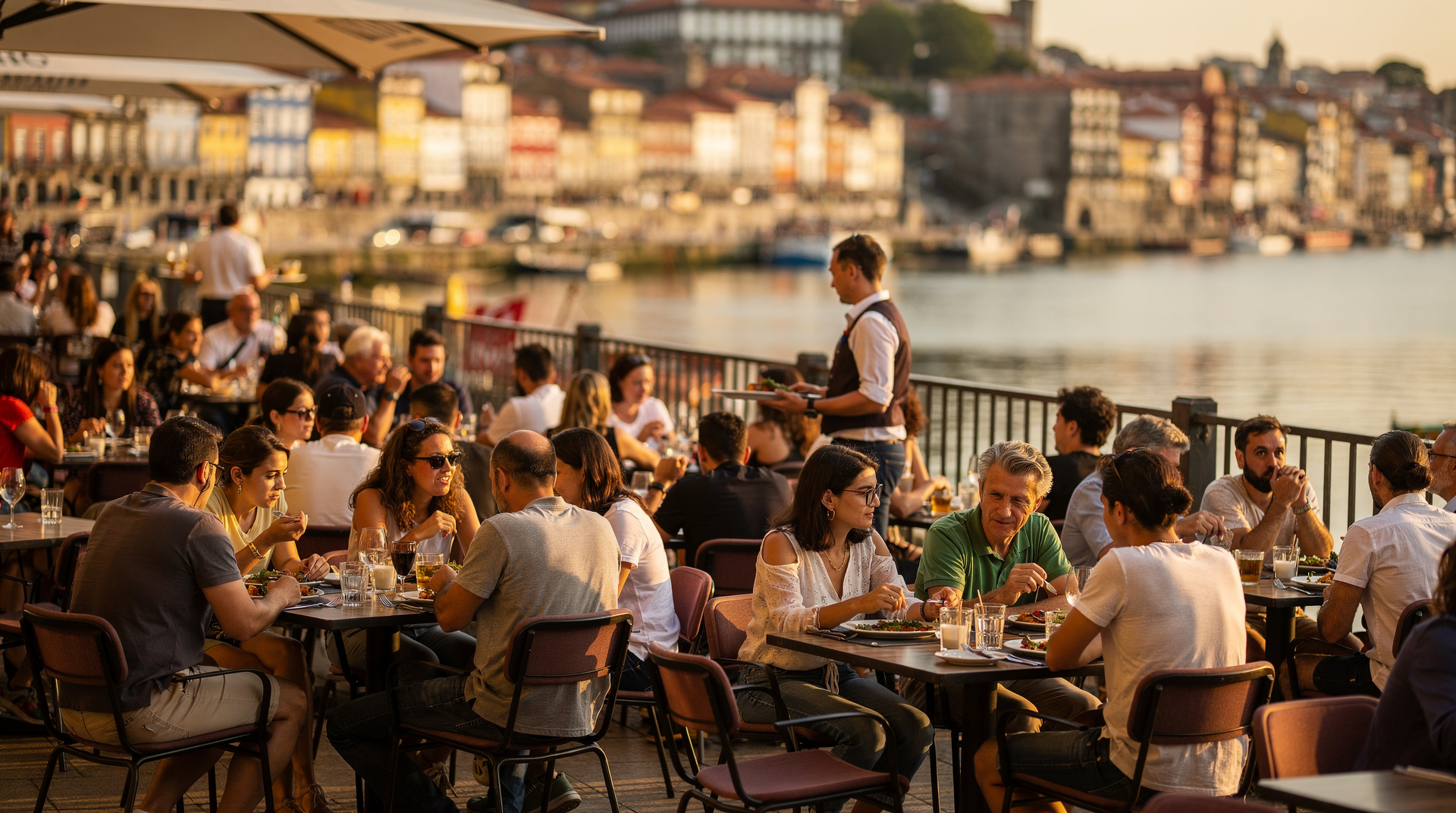
Porto in summer is genuinely excellent. The light is extraordinary — long golden evenings, the Douro glittering, the azulejo panels catching the afternoon sun in ways that justify every photograph. The city comes alive in June with São João, and the beaches at Foz and Matosinhos become serious options for the first time in the year.
But Porto’s summer is also when the city’s tourism industry operates at maximum intensity. The crowds are real, the prices are elevated, and some of the most beloved attractions become experiences defined by their queues rather than their content. This guide gives you the honest version of what summer delivers and what it doesn’t.
| Temperature | 20–32°C, occasional spikes above 35°C in August |
| Sea temperature | 17–19°C at Foz and Matosinhos |
| Crowds | Moderate in June, heaviest in August |
| Hotel prices | 20–30% above winter in June, up to 40–60% in August |
| Headline event | São João, 23–24 June |
Month by month: the summer curve
June: the best summer month
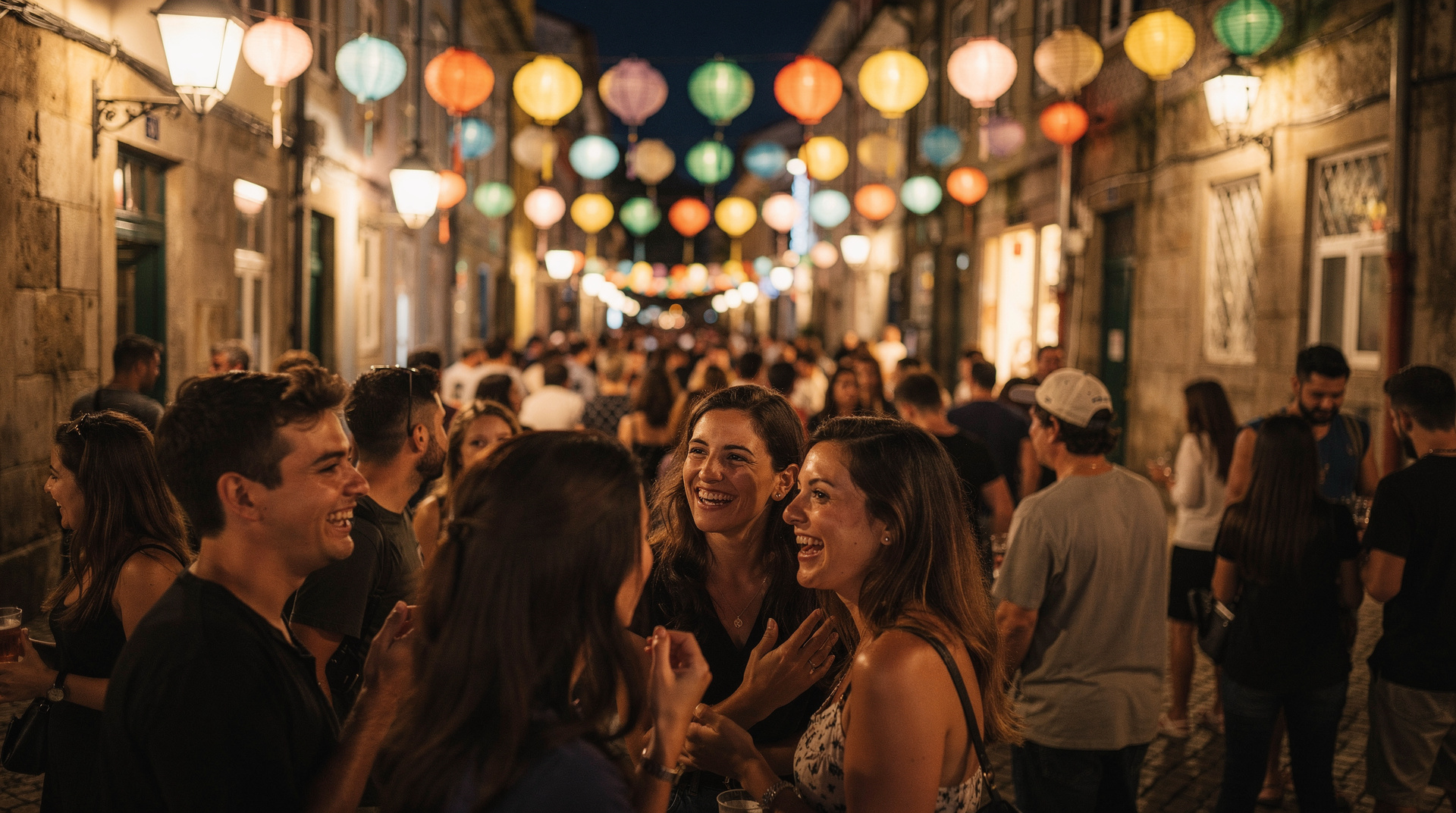
June is Porto’s sweet spot. Temperatures are warm but rarely uncomfortable — 20-25°C during the day, 15-18°C at night. The city is busy but not yet at August saturation. And June 23-24 is São João — Porto’s biggest annual celebration, a city-wide street party with grilled sardines, plastic hammers, fireworks over the Douro at midnight, and a collective energy that has no equivalent elsewhere in the Portuguese calendar.
If you can only visit Porto once and want the summer experience, book June. The week around São João specifically (June 20-27) combines festival atmosphere with manageable crowds in the days before and after the main event.
June prices are lower than July-August but already elevated from spring: expect hotel rates 20-30% above winter lows but 15-25% below August peaks.
July: summer intensifies
July brings the heat and the people. Average temperatures sit at 23-27°C with occasional spikes toward 30°C. Tour groups multiply. Livraria Lello queues lengthen. The Ribeira waterfront fills with tour-group lunches at restaurants where the menu is translated into eight languages and priced accordingly.
July is also when Porto’s music festival calendar is busiest — Marés Vivas in Vila Nova de Gaia typically falls in July and brings tens of thousands of people to the city. If a major festival aligns with your visit, that’s a genuine plus; if not, the July crowds without a festival are simply crowds.
The beaches become seriously useful in July. Matosinhos beach (metro to Matosinhos Sul, 30 min from central Porto) is the most practical option — a long sandy beach with consistent waves, surf schools and excellent seafood restaurants immediately adjacent. Foz do Douro has more of a neighbourhood character and smaller coves.
August: maximum intensity
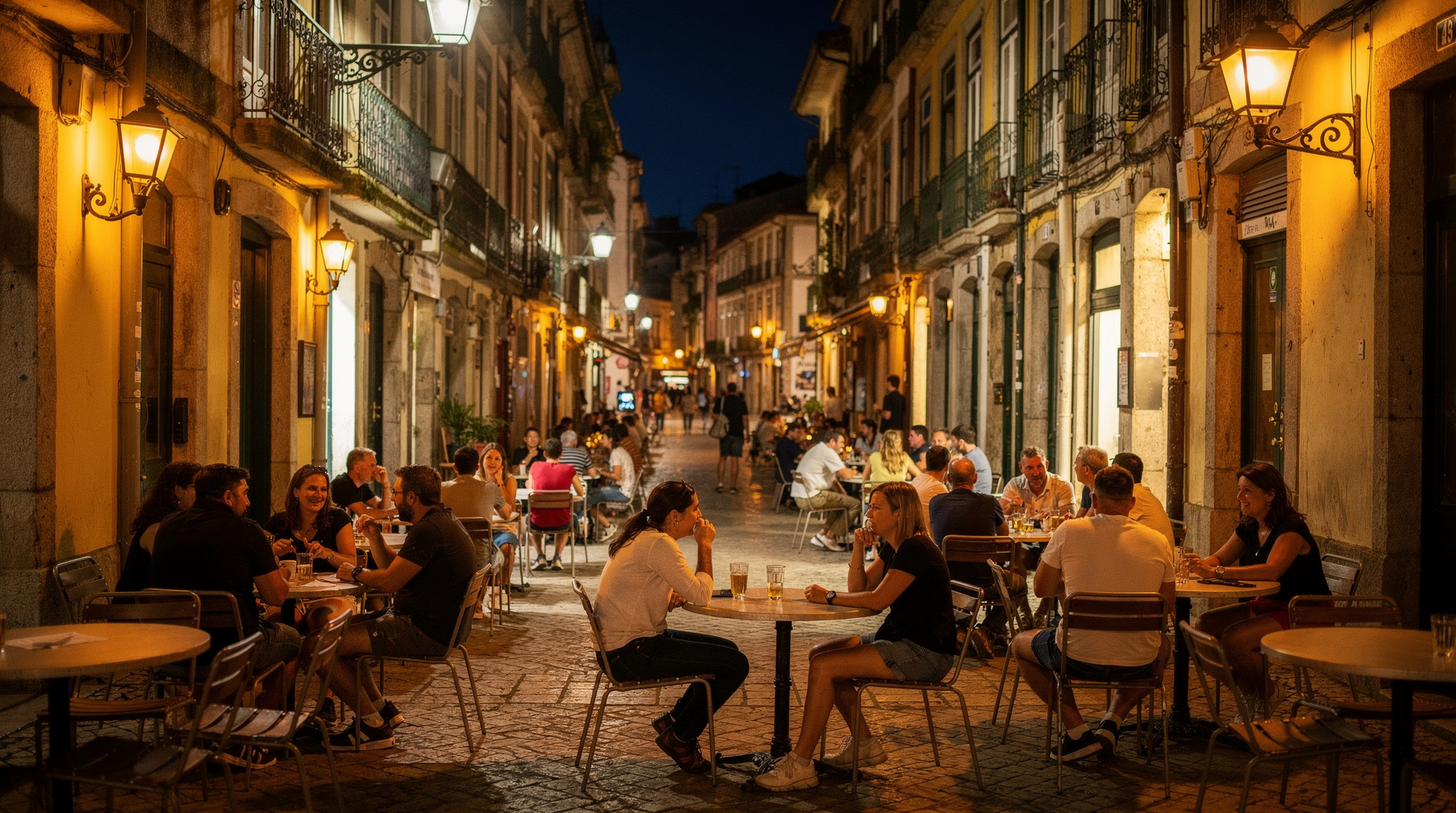
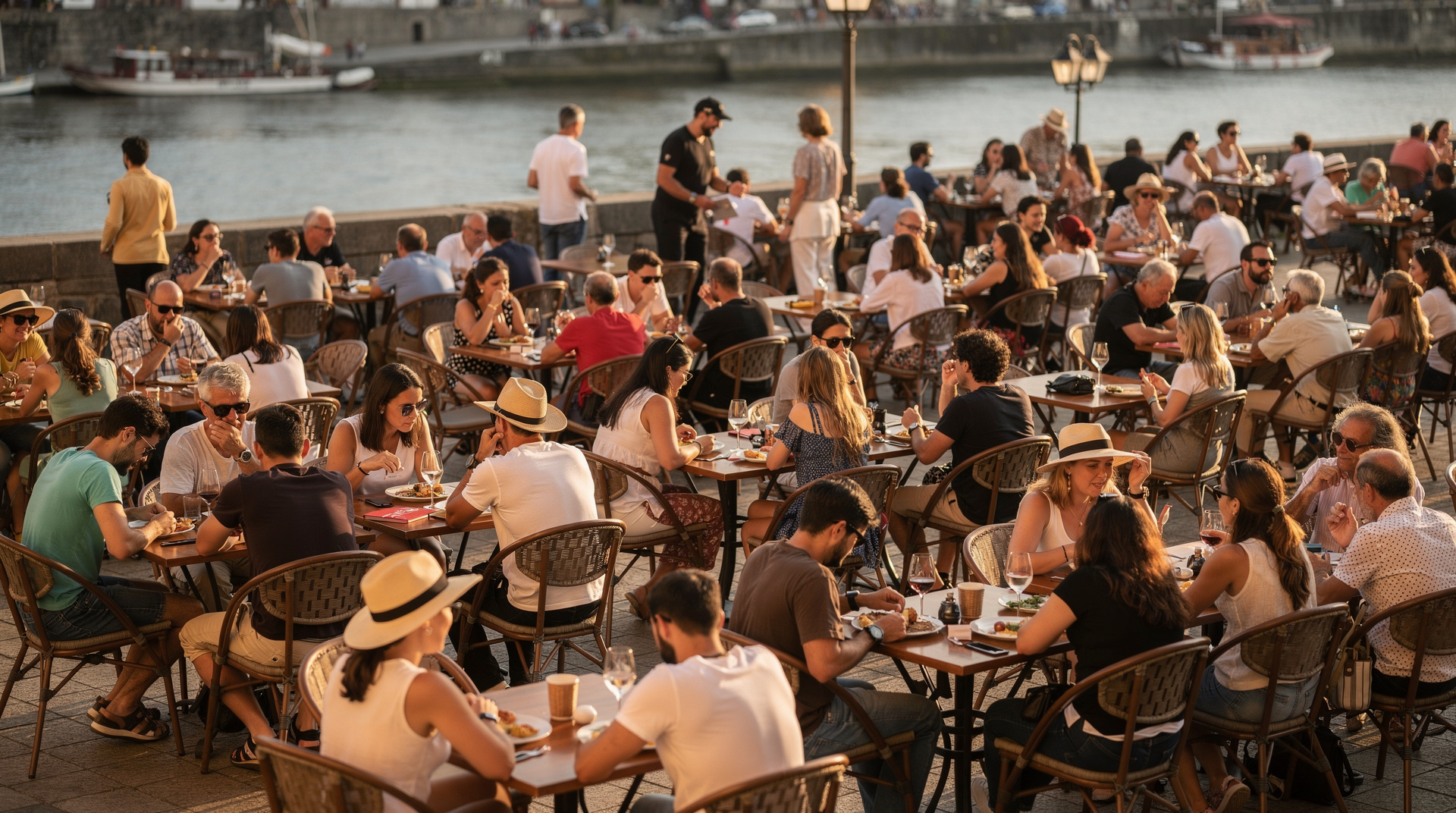
August in Porto is hot, crowded and expensive. It is not unpleasant — the evenings are long and warm, the outdoor restaurant terraces are full, and the city is alive in ways that winter’s emptiness doesn’t replicate. But the tourist infrastructure is at maximum capacity: hotel rooms at peak prices, queues at every major attraction, and a version of Porto calibrated for high-volume throughput rather than considered exploration.
If August is your only option, commit to it with clear eyes. The experience will be excellent at the beaches, the port wine cellars (though book in advance), and the restaurant terraces in neighbourhoods slightly away from the tourist centre. It will be underwhelming at the famous Instagram spots, where the crowd is as much the experience as the landmark.
September: the transition
September combines late summer warmth (still 22-26°C) with the beginning of the tourist retreat. The first two weeks are nearly as busy as August. The last two weeks of September see a noticeable drop in crowds. September is also when the vindima (wine harvest) begins in the Douro Valley — the most atmospheric time to combine a Porto trip with a valley visit.
The beaches: Foz do Douro and Matosinhos
Porto’s city beaches are a real summer asset that many visitors underuse, either because they don’t know they’re accessible or because they’re spending all their time in the historic centre.
Foz do Douro
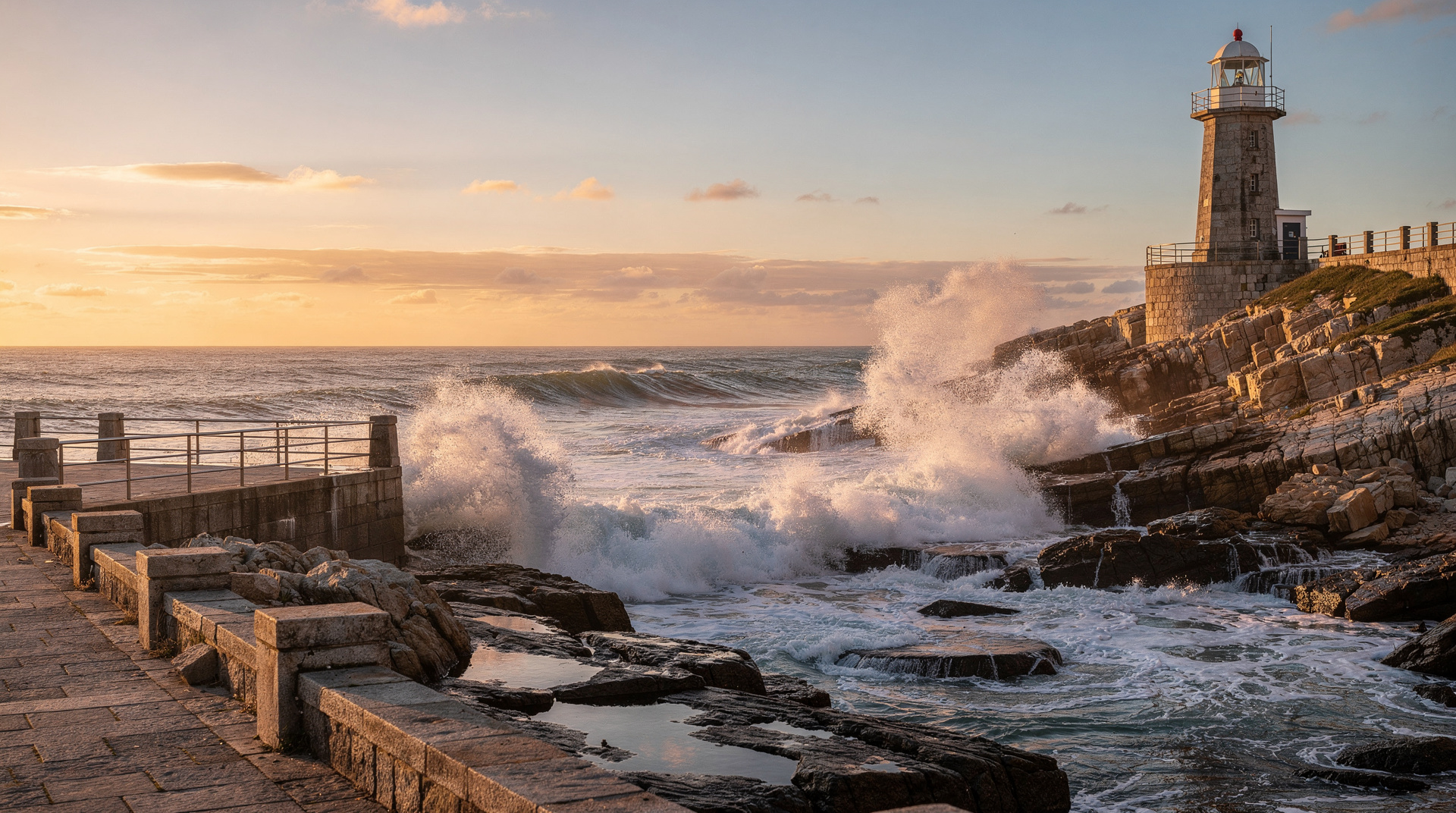
Foz do Douro sits at the mouth of the Douro River, 7-8 km west of Porto’s historic centre. It is reached by tram (line 1, the historic tram along the river — scenic and slow), by Uber/Bolt (15-20 min), or on an e-bike. The coastal strip at Foz has a series of small beaches and rocky coves — Praia do Molhe, Praia dos Ingleses, Praia da Luz — that are more atmospheric than long. They’re backed by the sea walls and lighthouses that give Foz its distinctive maritime character.
The neighbourhood behind the beaches is affluent residential Porto — good restaurants, upmarket café terraces, less of the tourist overlay that characterises Ribeira. For a summer afternoon that feels like Porto rather than tourism, Foz is the right answer.
The Gaia and Atlantic e-bike tour covers the coastal route between Gaia and Foz, linking the waterfront to the ocean beaches in a single itinerary that works well in summer.
Matosinhos
Matosinhos beach is Porto’s practical summer beach — a long, wide strand (3-4 km) with reliable Atlantic waves, lifeguards in season, and the best concentration of seafood restaurants in the Porto area immediately adjacent. The beach fills in July and August but rarely reaches the saturation levels of Mediterranean resort beaches. The sea is cold (17-19°C) but swimmable.
Getting there: metro to Matosinhos Sul (line A/B from Aliados or Trindade, 30-35 min, ~€2.50 with Andante card). The station is a 5-minute walk from the beach.
The seafood restaurants on Rua Roberto Ivens and the surrounding streets are the reason many Porto locals come to Matosinhos: fresh fish and shellfish at prices significantly below what you pay in Ribeira. A proper grilled fish lunch (with soup, bread, wine, dessert) at a genuinely good restaurant costs €18-28 per person — compare that to the Ribeira tourist menu at the same price for worse food.
Surf lessons at Matosinhos are a summer option: 1.5-hour surf lessons at Matosinhos are beginner-friendly and run daily in summer.
Summer festivals and events
São João festival (June 23-24)
See the dedicated São João guide for the full treatment. In summer planning terms: book accommodation by February, plan to be in Porto from June 22 to June 25, and do not try to do anything normal on the night of June 23.
NOS Primavera Sound (June)
Portugal’s most prestigious music festival, held in Porto’s Parque da Cidade. International headliners across three or four days — the lineup is typically announced in November. Day tickets start around €70-80; weekend passes €150-190. The park site is well-organised and the event is properly run. If the lineup intersects with your interests, it’s an excellent reason to time a Porto visit in June.
Marés Vivas (July, Vila Nova de Gaia)
A major outdoor music festival on the Gaia waterfront, with Portuguese and international acts across two or three days. The setting — the Douro riverside with Porto’s skyline visible across the water — is exceptional. Tickets in the €50-80/day range. Worth combining with a Gaia cellar visit if your Porto trip aligns.
What summer ruins: an honest list
The honest guide to summer Porto has to include what the season actively damages.
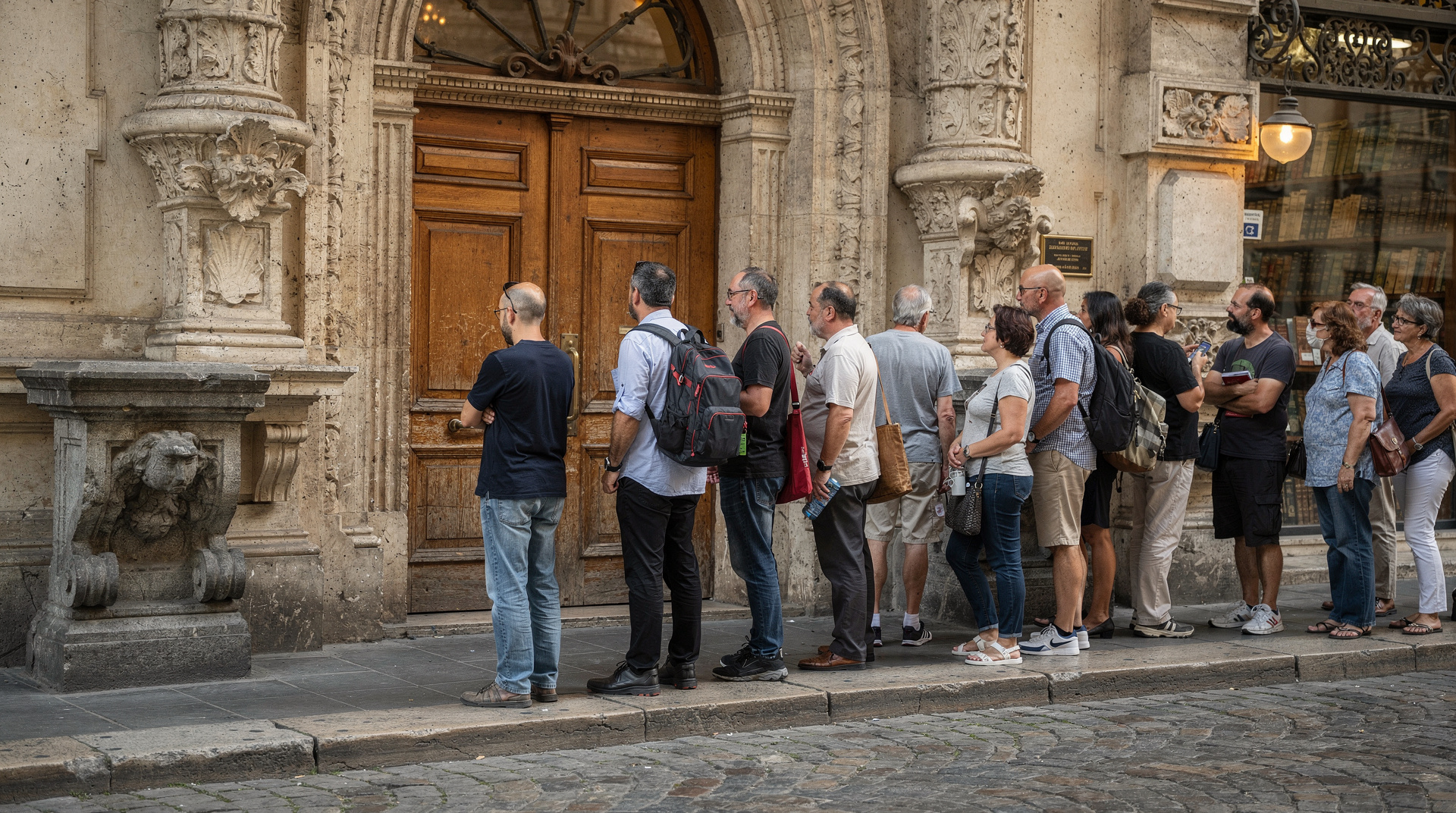
Livraria Lello in summer is a crowd management exercise, not a bookshop visit. The two-to-three hour queues without a ticket are real. Even with an online Silver ticket (~€8), the timed-entry system means the interior is at close to maximum capacity when you’re inside. If you can visit in winter or spring, do. If not, book early morning or late evening. See is Livraria Lello worth it.
Ribeira restaurants in summer are where Porto’s tourist pricing reaches its logical extreme. The waterfront restaurants with menu boards in six languages and waiters who call to you from the doorway should be avoided. The food is unremarkable, the prices are 25-40% higher than equivalent quality one street back, and the experience of eating facing ten thousand tourists on the quay is not the Porto restaurant experience you came for. See Ribeira restaurant traps.
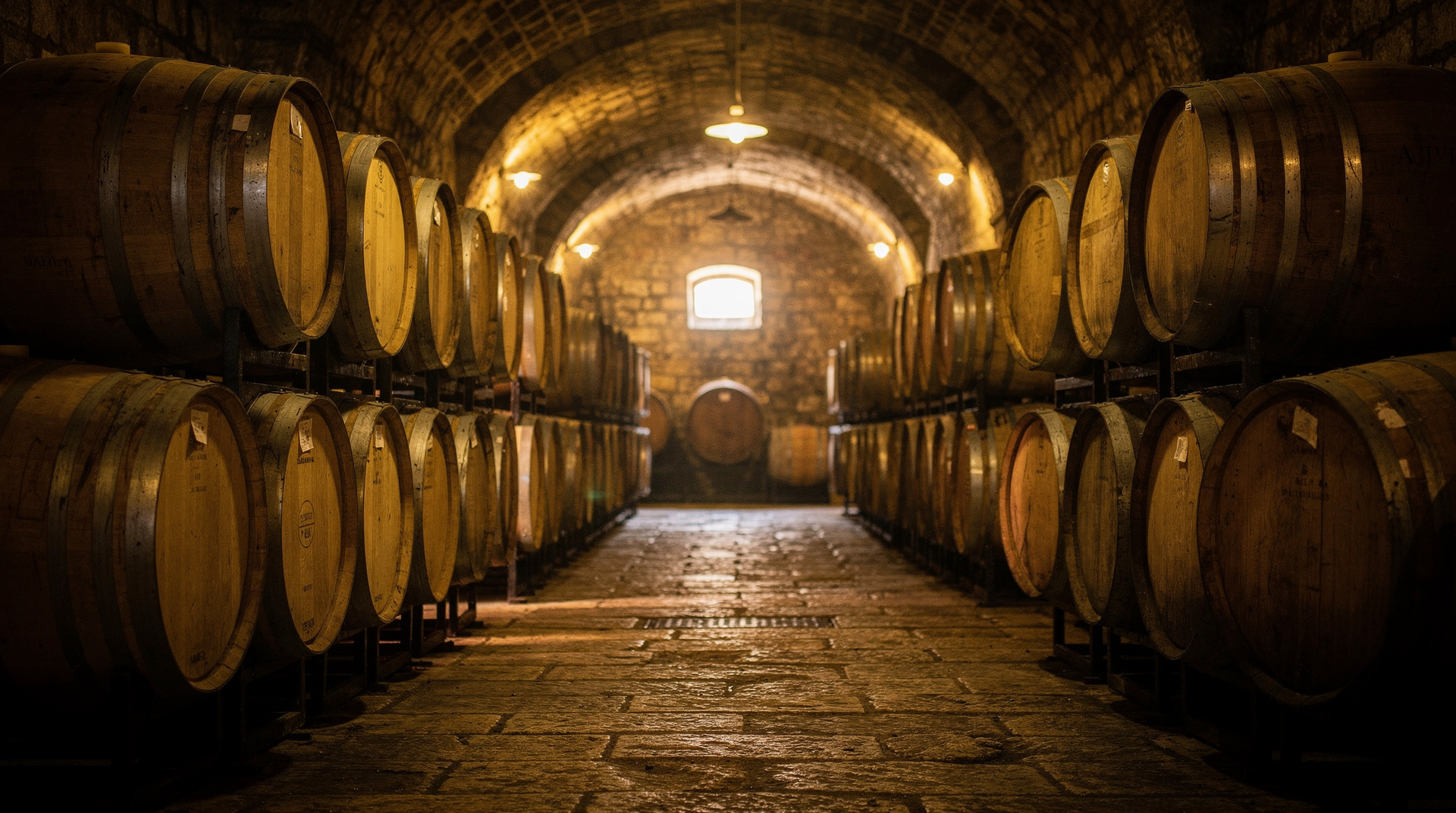
Port wine cellar queues. Taylor’s and Cálem require advance booking in July-August, and even with booking you arrive into a group tour format with 35 other visitors. The cellar experience in August is competent but not intimate. Book in advance (crucial) and consider arriving at opening time when groups are smallest.
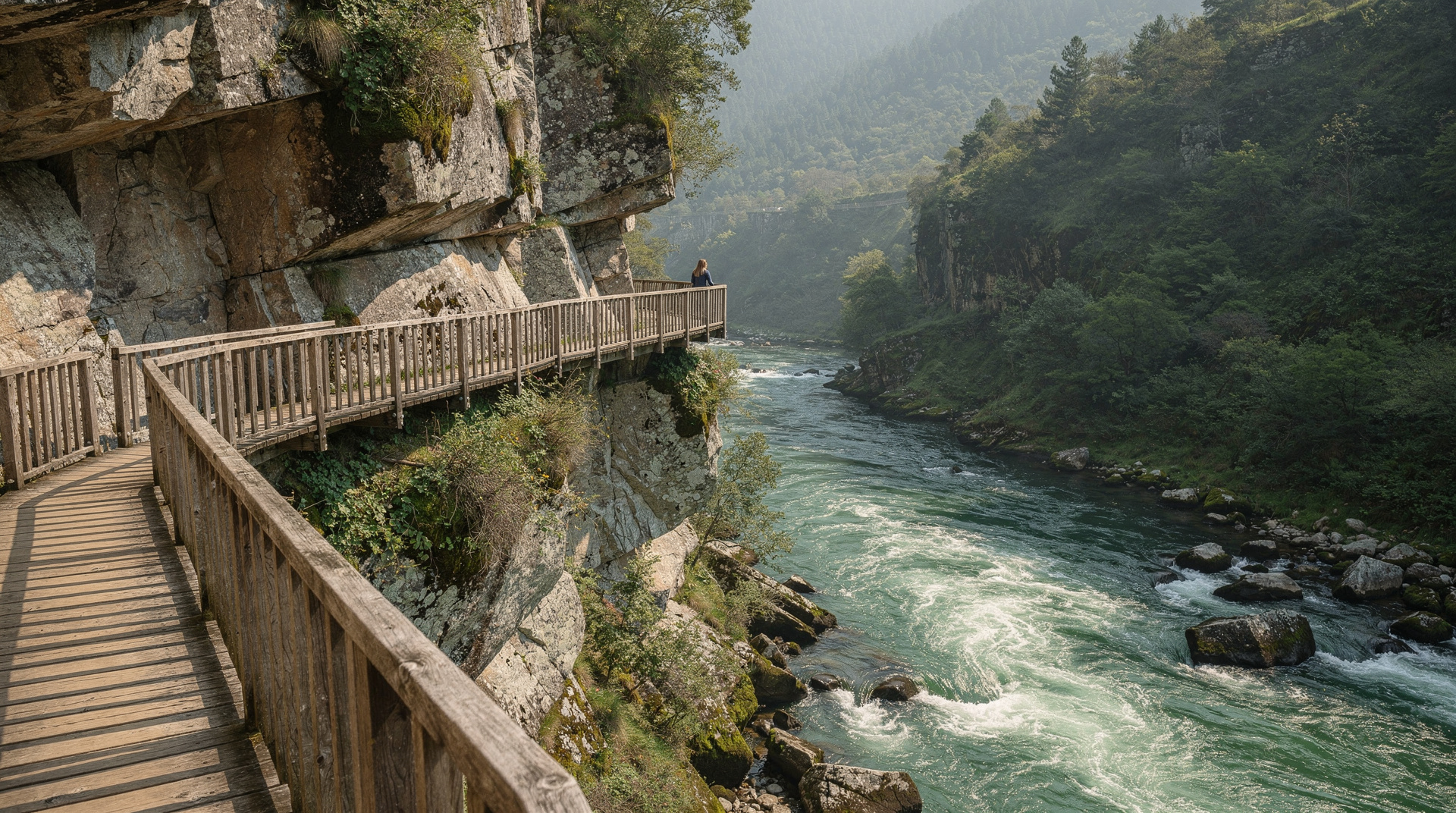
The Douro Valley in August. The valley is hotter than Porto — 35-40°C in August, which makes the drive up from Porto feel like entering an oven and makes vineyard walks inadvisable between 11 am and 4 pm. Quintas are busy; the river cruise is a highlight but shared with full boats. June or September are better Douro months.
Managing summer: practical strategies
The early morning advantage. Porto’s most popular spots — Livraria Lello, Clérigos Tower, São Bento station, the viewpoints (miradouros) — are dramatically less crowded before 9:30 am. In summer, this means rising earlier than you might naturally want to, but the payoff is significant: you get the Porto that photographs look like, rather than the Porto that photobombs with other tourists.
Neighbourhood shift. The tourist pressure in summer concentrates in the historic centre (Ribeira, Clérigos, Aliados corridor). A 15-20 minute walk east into Bonfim or north into Cedofeita gives you a city that’s busy but not saturated. The restaurants, cafés and bars in these neighbourhoods serve Porto’s residents in summer and are priced accordingly.
Beat the afternoon heat. A midday lull (2-4 pm) is practical in July-August. This is the moment for indoor museums — Museu de Arte Contemporânea de Serralves, Museu Nacional Soares dos Reis, the Casa da Música if there’s a daytime event — or a long post-lunch rest before the cooler late afternoon.
River cruises in the evening. The six bridges river cruise is more pleasant in the evening when temperatures drop and the light on the Douro bridges is at its best. Evening cruises also offer a different perspective on São João preparations in June, when the waterfront is animated without yet being impassable.
Summer month by month at a glance
| June | July | August | September | |
|---|---|---|---|---|
| Avg. temp | 20–25°C | 23–28°C | 27–32°C | 22–26°C |
| Crowds | Moderate | Heavy | Heaviest | Heavy, easing late |
| Hotel prices | +20–30% vs winter | High | Highest | High, easing |
| Headline event | São João (23–24) | Marés Vivas | — | Vindima begins |
Packing and daily rhythm for summer heat
Layering matters less in summer than timing does. Mornings before 9:30 am and the two hours before sunset are consistently the most comfortable and least crowded windows for walking the historic centre — the best time to visit Porto guide covers this pattern in more depth across the whole year. Bring a reusable water bottle (Porto’s tap water is safe and free refill points exist at several fountains and cafés), a hat, and sunscreen — the reflected heat off granite paving in Ribeira and Aliados is more intense than the air temperature alone suggests. Light, breathable layers work better than a single heavy outfit, since evening temperatures on the coast at Foz can be noticeably cooler than the historic centre after sunset.
Day trips that work well in summer heat
Not every day trip suits the peak summer months equally. The Douro Valley is genuinely hot and best tackled with an early start or a boat-based itinerary that keeps you near the water. Aveiro, by contrast, is coastal and canal-based, staying noticeably cooler than the inland Douro — a sensible swap if a July or August day trip is on your list and you want to avoid the valley’s peak heat. Whichever you choose, the porto to Douro Valley transport guide and the general how many days in Porto guide help slot day trips sensibly around the rest of a summer itinerary.
Getting around Porto in summer
The historic centre is compact and walkable, but the summer heat makes the uphill sections (Ribeira to Clérigos, Ribeira to Batalha) more taxing than they look on a map. Allow more time and water than you think you need.
Metro: The Andante card (rechargeable transport card, ~€0.60 to issue, ~€2 per journey) covers metro, buses and some trains. The airport metro (line E) runs to the city centre in about 30 minutes for €2.50 — far better value than an airport taxi (€35) or Uber.
Tram line 1: The historic tram along the Douro to Foz do Douro is a genuinely pleasant summer experience but slow (45-60 min for the full route). Take it for the journey rather than as practical transport.
Taxis and rideshares: Available throughout, with Uber and Bolt functioning reliably in summer. Evening prices surge on busy nights (São João, festival dates). The airport taxi runs about €35 fixed tariff.
Walking uphill in the heat: The routes between Ribeira and the upper city (toward Clérigos, Batalha or the Sé) involve a genuine climb on cobbled streets that feels considerably harder at 30°C than at 20°C. Where possible, use the funicular dos Guindais rather than walking the steepest sections in the midday heat — a small fare that saves both time and a sweat-soaked shirt for whatever you’re doing next.
Frequently asked questions about Porto in summer
How hot does Porto get in summer?
June averages 20-25°C with pleasant evenings. July rises to 23-28°C and August can push 28-32°C during heat events. The Atlantic position keeps Porto cooler than Lisbon or Seville. Occasionally August sees temperatures above 35°C for brief stretches.
Can I swim in Porto in summer?
Yes — Foz do Douro and Matosinhos beaches are within 20-30 minutes of the historic centre by metro or tram. The Atlantic water is cold (17-19°C) but swimmable. Matosinhos beach is longer with better surf; Foz has smaller coves and a more residential feel.
What festivals happen in Porto in summer?
São João (June 23-24) is the headline event. NOS Primavera Sound (June) brings international music to Parque da Cidade. Marés Vivas (July, Vila Nova de Gaia) is a major festival on the Douro waterfront. Smaller neighbourhood festas continue through July and August.
How bad are the crowds in Porto in August?
Very significant in tourist zones. Livraria Lello queues of 2-3 hours exist despite the ticket system. The Ribeira waterfront is crowded at peak hours. Hotel prices in August are the highest of the year. Plan activities that don’t require queueing and consider basing yourself slightly outside the most touristic zones.
Is the Douro Valley worth visiting in summer?
Yes, particularly in June. July-August visits involve driving through 35-38°C heat in the valley interior. Vindima (harvest) starts in mid-September and is the most atmospheric time. See the dedicated harvest guide.
What’s the best neighbourhood to stay in Porto in summer?
Bonfim and Cedofeita offer cooler temperatures, local restaurant pricing, and a 15-20 minute walk to main sights. Ribeira is the heart of tourist Porto — beautiful but expensive and loud in high season.
Frequently asked questions — Porto in summer — what June to September actually looks like
How hot does Porto get in summer?
June averages 20-25°C with pleasant evenings. July rises to 23-28°C and August can push 28-32°C during heat events, though Porto's Atlantic position keeps it cooler than Lisbon or Seville. Occasionally August sees temperatures above 35°C for 2-4 day stretches. The sea at Foz and Matosinhos stays refreshingly cold (17-19°C) even in peak summer — a bracing contrast to the city heat.Can I swim in Porto in summer?
Yes — Foz do Douro and Matosinhos beaches are the main options. Both are within 20-30 minutes of the historic centre (tram or metro). The Atlantic water is cold (17-19°C) but swimmable. Matosinhos beach is longer and backed by excellent seafood restaurants. Foz has smaller coves and a more residential feel. Neither is a bucket-and-spade family beach — the Atlantic swells can be strong.What festivals happen in Porto in summer?
São João (June 23-24) is the unmissable headline event — see the dedicated guide. NOS Primavera Sound (usually June) brings international music acts to Parque da Cidade. Marés Vivas (July, Vila Nova de Gaia) is another major music festival with Portuguese and international artists. Super Bock Super Rock (July-August, Lisbon, but Porto has parallel events) and smaller neighbourhood festas throughout July and August.How bad are the crowds in Porto in August?
Very bad in the tourist zones. Livraria Lello queues of 2-3 hours exist despite ticket systems. The Ribeira waterfront is essentially impassable at weekend lunchtime. Azulejo viewpoints and selfie spots have informal queues. Hotel prices in August are the highest of the year. If you must visit in August, the honest advice is to plan activities that don't require queueing and to base yourself slightly outside the most touristic zones.Is the Douro Valley worth visiting in summer?
Yes, particularly in June before the heat peaks. July-August Douro Valley visits involve driving through 35-38°C heat in the interior valley (which is several degrees hotter than coastal Porto). Quinta visits are fully operational. Vindima (harvest) starts in mid-September and is the most atmospheric time for a Douro Valley trip. See the dedicated harvest guide.What's the best neighbourhood to stay in Porto in summer?
Bonfim and Cedofeita are better choices than Ribeira for summer: cooler temperatures (less urban heat island), local restaurants that don't triple their prices for tourists, and a 15-20 minute walk or easy metro/tram ride to the main sights. Ribeira is the heart of tourist Porto and also the epicentre of tourist-price Porto — beautiful but expensive and loud in high season.
Top experiences
Bookable activities with verified prices and instant confirmation on GetYourGuide.