Six bridges cruise Porto — the complete guide
Porto: Douro River Six Bridges Cruise
How long is the Six Bridges cruise in Porto?
The standard Six Bridges cruise lasts approximately 50 minutes. It departs from the Ribeira quay or the Gaia bank, passes under all six of Porto's Douro bridges and returns to the same point. Prices typically run 18–25 € per adult.
What the Six Bridges cruise actually is
The Six Bridges cruise is a 50-minute loop on the Douro River that takes you past all six of Porto’s road and rail bridges before returning to the departure point. It is the single most popular activity in Porto after walking the historic centre — on any summer afternoon the Ribeira quay has a dozen competing operators offering variations on the same route.
The experience is not complicated. You board at the quay, the boat moves downriver (west, toward the sea), passes under the newest bridge (Ponte da Arrábida), turns and heads back east, passing the remaining five bridges in sequence before docking again. The whole loop covers roughly 8 km. Most vessels are covered motor launches with open upper decks; recorded commentary plays in three or four languages.
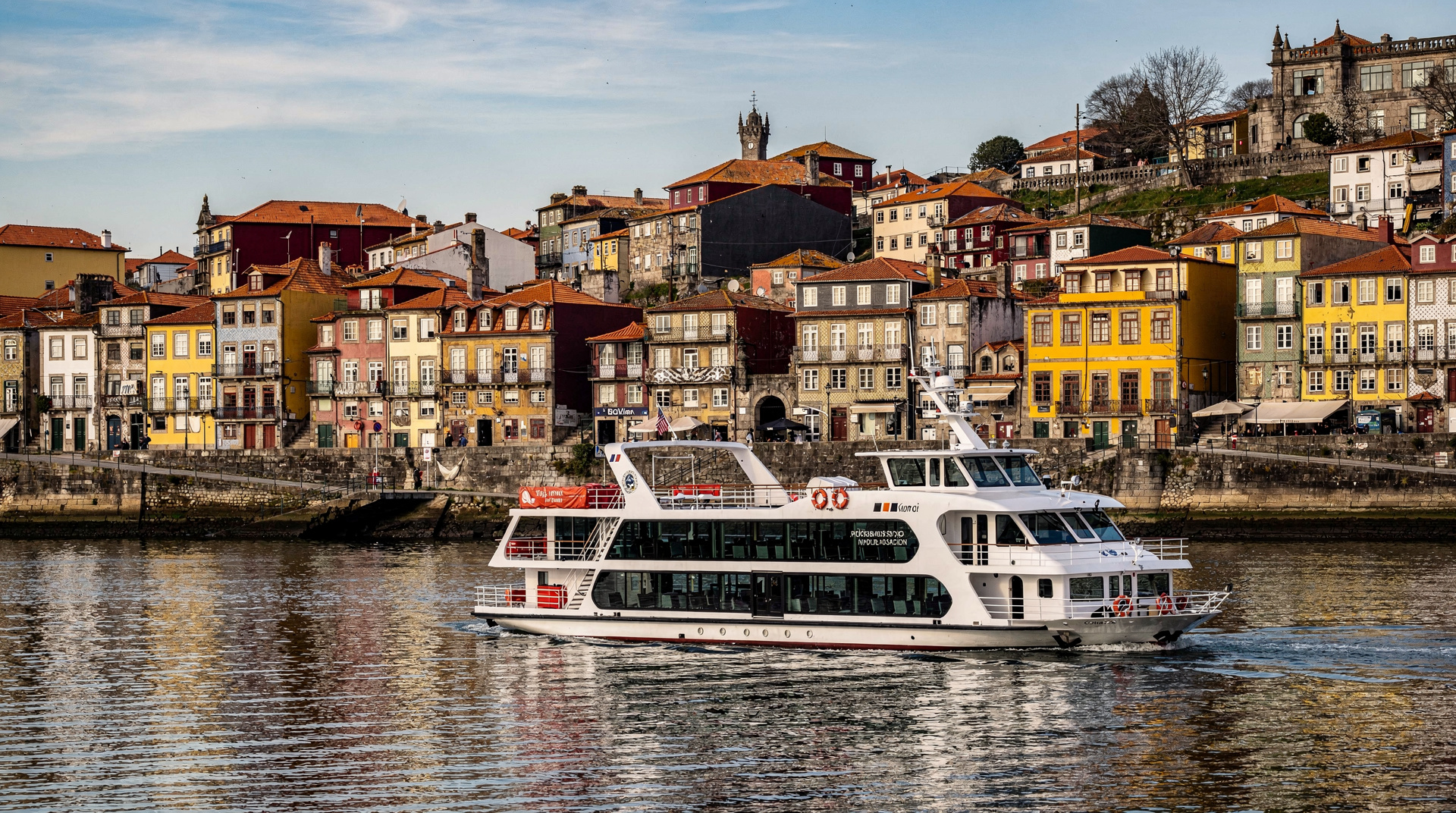
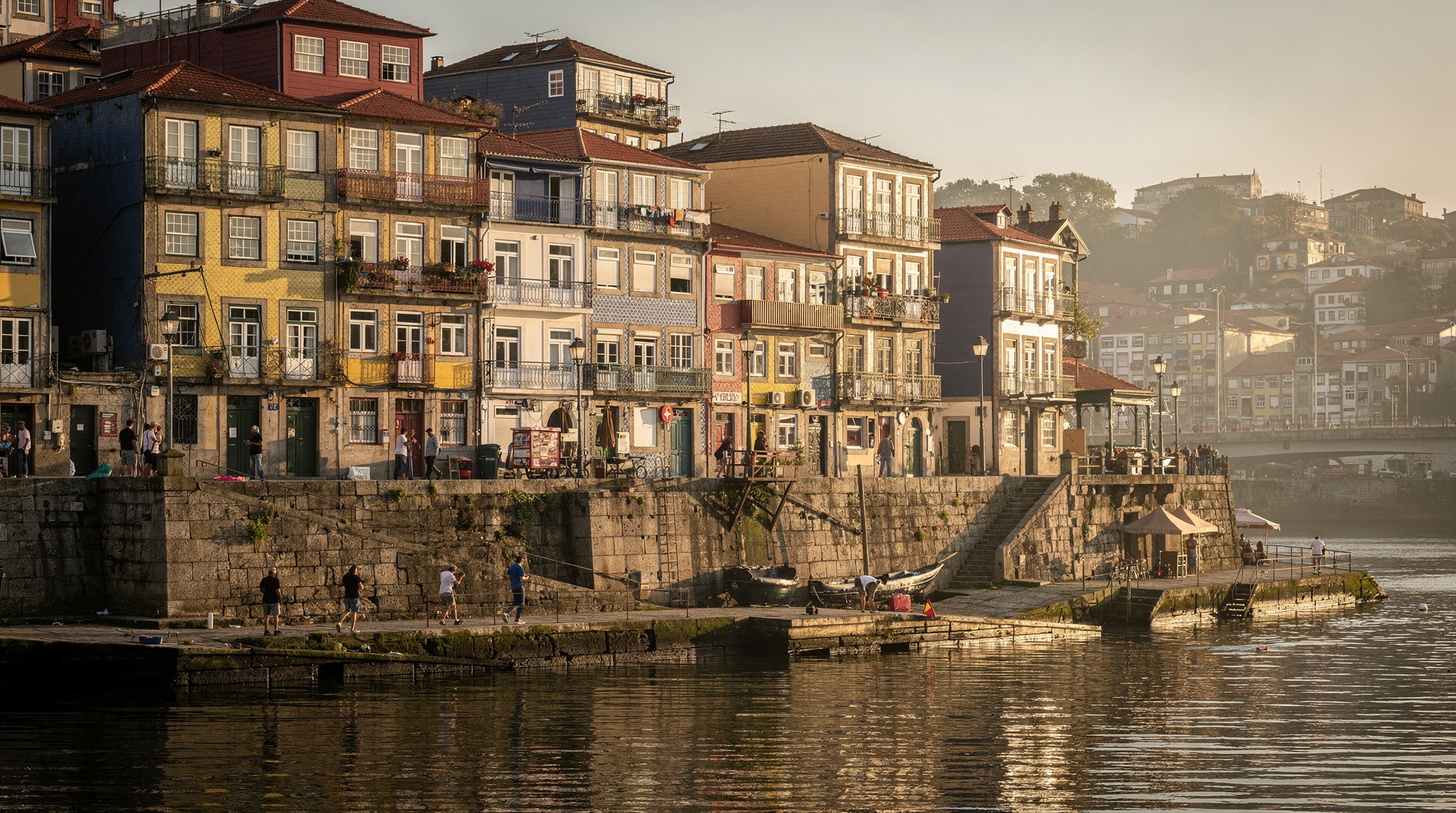
Despite the ubiquity, the cruise genuinely delivers. The Douro from water level shows you a version of Porto that is impossible to replicate from any viewpoint on land — the pastel-coloured houses stacked up the hillside above Gaia, the terracotta rooftops of the historic centre, the iron arches of Ponte Dom Luís I reflected in the water. If you only have time for one organised activity in Porto, this is the one most likely to repay 50 minutes.
| Where | Ribeira quay or Cais de Gaia |
| Duration | ~50 minutes |
| Cost | 18–25 €/adult; sunset variants 22–28 € |
| Frequency | Every 30 min in season (Apr–Oct); hourly-ish in winter |
| Booking | Walk-up usually fine; pre-book July–August |
The six bridges, in order
From east to west, the six bridges you pass under are:
Ponte Dom Luís I (1886, iron, Eiffel School) — the most photographed bridge in Porto. Two decks: the upper carries the Metro line D; the lower carries road traffic. Walking across either deck is free and takes about 20 minutes. From water level, the double arch is striking.
Ponte Infante Dom Henrique (2003, concrete arch) — the newest of the central bridges, used by road traffic between Porto’s Batalha district and Gaia. The arch structure looks imposing from below.
Ponte Maria Pia (1877, iron, designed by Gustave Eiffel) — a railway bridge no longer in active service. Eiffel considered it one of his finest engineering achievements; it predates the Eiffel Tower by twelve years. It has been idle since the new São João rail bridge opened in 1991.
Ponte de São João (1991, concrete) — the functional replacement for Maria Pia, carrying the Porto–Lisbon railway line.
Ponte do Freixo (1995, cable-stayed) — carries the A1/IP1 motorway; purely functional and the least photographed of the six.
Ponte da Arrábida (1963, concrete arch) — the westernmost bridge and the turning point of the cruise. Its single concrete arch was, at the time of construction, the widest in the world. From directly below, the scale is unexpectedly impressive.
Choosing between operators
The Ribeira quay has a dozen or more operators on any given day, and it is worth knowing the genuine differences before you commit to a ticket.
Douro Acima and Tomaz do Douro are among the longest-established operators with regular departures from the Ribeira. Both run modern covered motor launches. Ticket windows are at the quay; online booking is available.
Living Tours runs a well-regarded version with a small-group cap (typically 12 people) and a live guide rather than recorded commentary. The experience feels more engaged than the mass-market boats.
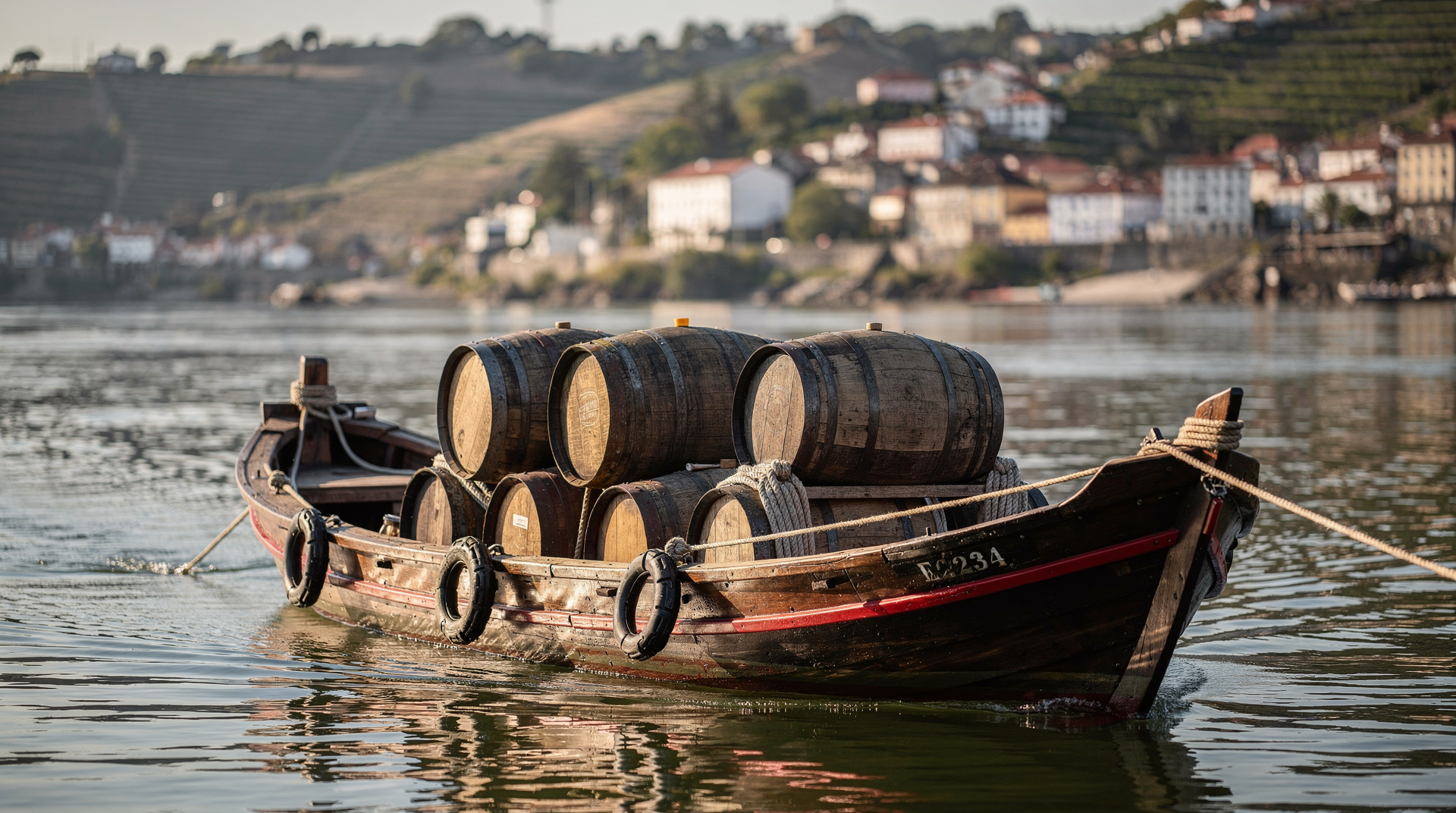
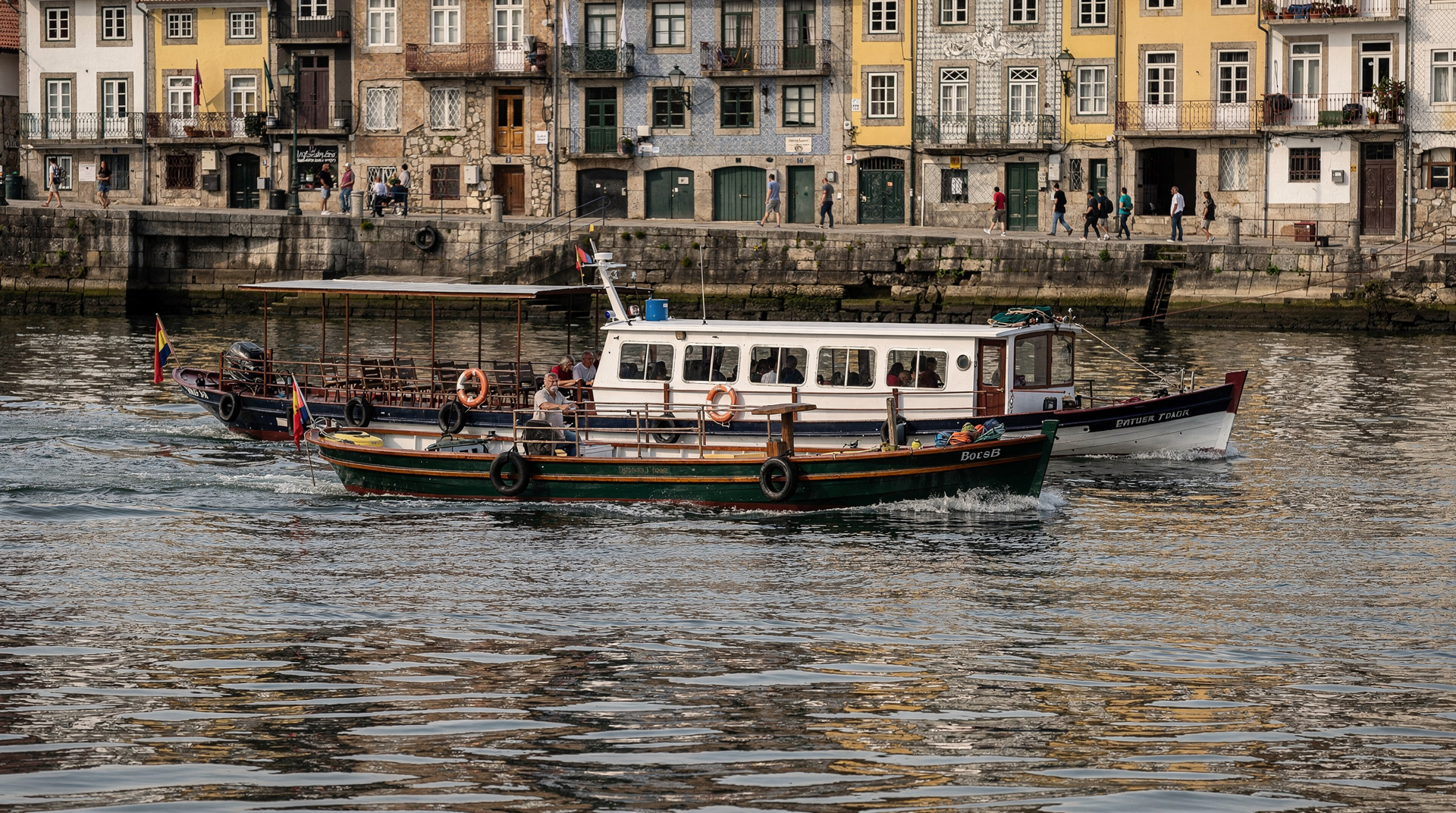
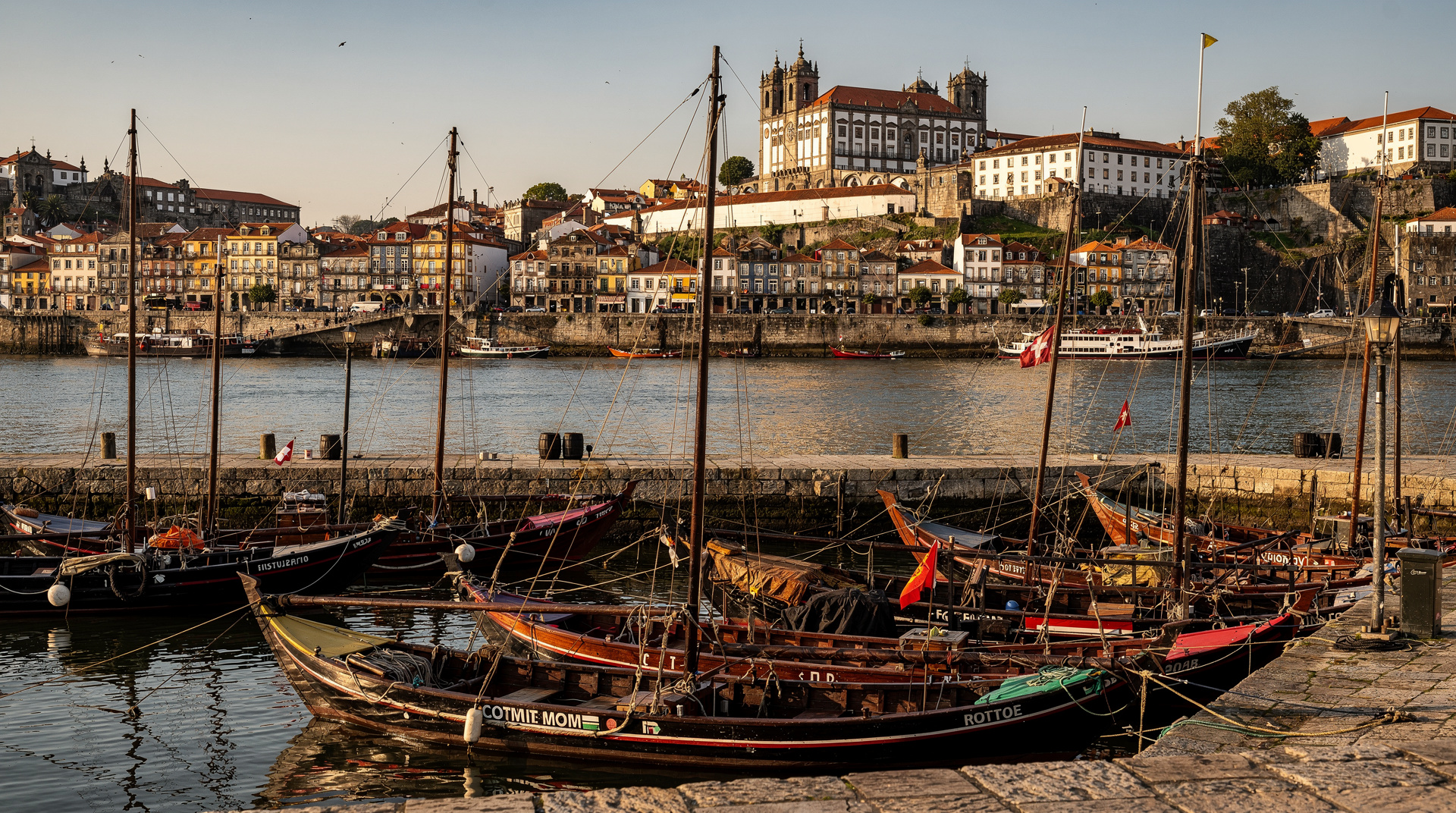
RentDouro offers the traditional rabelo boat version of the cruise — a flat-bottomed wooden cargo vessel that is a more atmospheric choice if the classic look appeals to you. The Six Bridges cruise on a traditional rabelo boat runs less frequently than the standard boats, so check departure times before arriving at the quay.
For most visitors, the simplest approach is to pre-book through the standard Six Bridges cruise on GetYourGuide — it includes guaranteed departure times, avoids the queue at the ticket window and typically costs the same as walk-up pricing.
If you want the sunset option without the organisational hassle, the Six Bridges cruise with port wine and sunset option combines an early-evening departure with a glass of port, which makes the timing and the experience work together.
Which version should you book?
| Version | Cost | Best for |
|---|---|---|
| Standard motor cruise | 18–22 € | Fixed timetable, families, first-time visitors |
| Rabelo boat cruise | Slightly higher | Traditional atmosphere, photography |
| Sunset with port wine | 22–28 € | Couples, golden-hour photography |
| Small-group with live guide | Mid-range | Wanting live narration over recorded commentary |
Departure times and practical logistics
In high season (June–August), most operators run departures every 30 minutes between 10 am and 7 pm, with some extending to 8 pm for the sunset slot. In shoulder season (April–May, September–October) the frequency is closer to every 45–60 minutes. In winter (November–March) expect roughly hourly departures and an earlier last boat — typically 5 pm.
The Ribeira quay is at the foot of Rua Nova da Alfândega, about a five-minute walk from the Palácio da Bolsa. The Gaia bank boarding point is at Cais de Gaia, directly across the river and accessible via the lower deck of Ponte Dom Luís I. If you are already in Gaia visiting port lodges, boarding from Cais de Gaia saves backtracking.
Arrive 15 minutes before your desired departure time for walk-up tickets. In July and August this is essential — the most popular operators sell out the next two departures by mid-morning.
The sunset cruise: is the premium worth it?
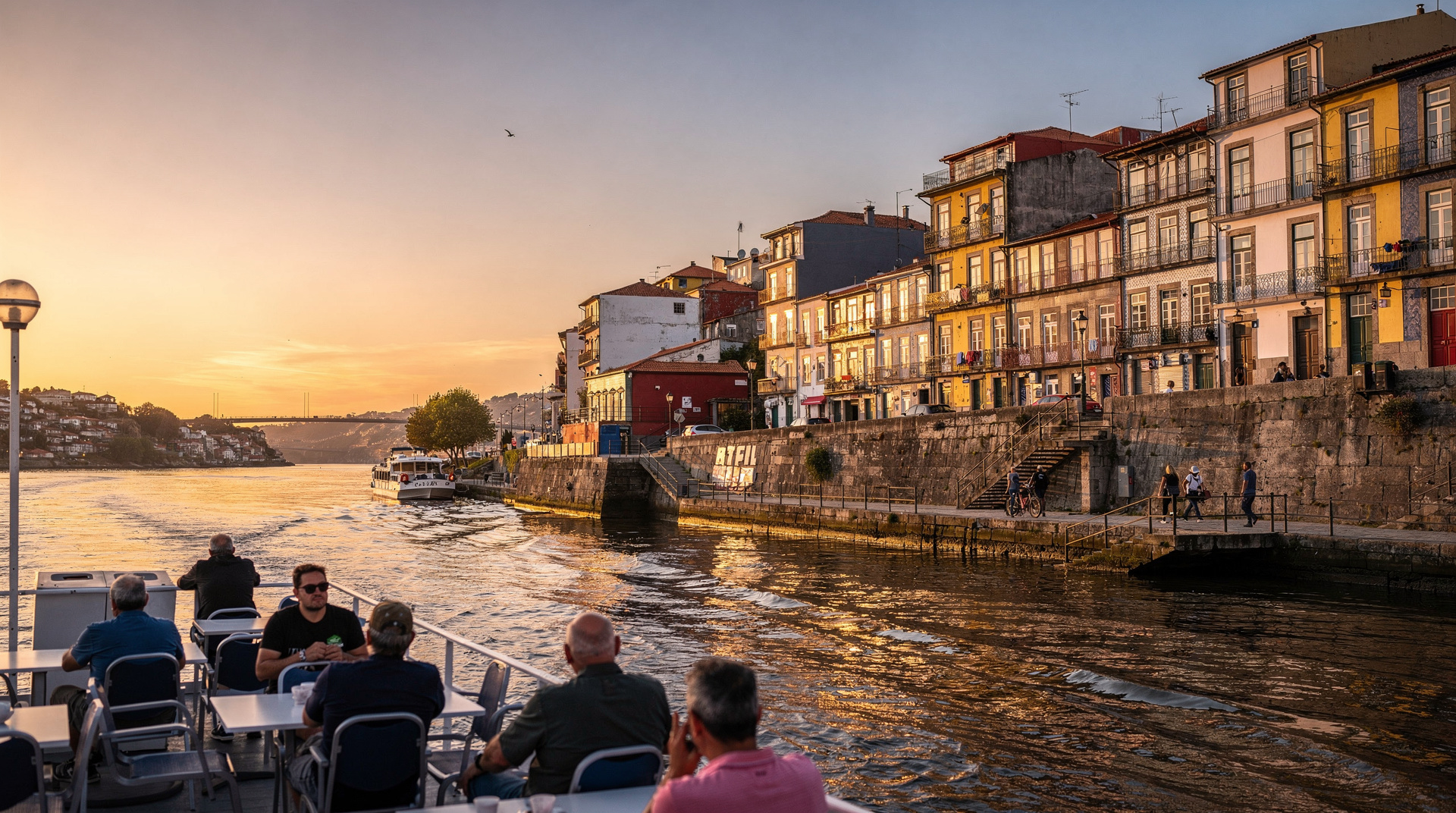
The sunset version of the Six Bridges cruise departs roughly 60–90 minutes before sunset, turning the return leg into a golden-hour experience as the city catches the late afternoon light. It typically includes a glass of port wine or a welcome drink.
The sunset timing makes a genuine difference. Porto and Gaia face west, which means the return eastward leg — when you are looking at the two city waterfronts — catches the sun behind you. The light on the pastel and terracotta buildings is considerably warmer than at midday. If you are travelling as a couple or are prioritising photography, the premium of 3–6 € is worth it.
The practical caveat: sunset time shifts significantly between spring and summer. In late May, sunset is around 9 pm; in late June it is close to 9:20 pm. The 7 or 7:30 pm departure is not actually a sunset cruise in late spring — it is just an afternoon cruise with a later end time. Check the actual sunset time for your travel date before booking the “sunset” option.
Combining the cruise with a port wine cellar visit
The most efficient half-day in Porto pairs a morning port cellar visit in Gaia with an afternoon Six Bridges cruise. Most Gaia cellar tours (Graham’s, Taylor’s, Cálem) run 45–90 minutes and include a tasting. Finishing by 1–2 pm leaves time for lunch along Cais de Gaia before an afternoon cruise departure from the Gaia bank.
This combination avoids the tourist congestion around the Ribeira in the afternoon. You see the cellar in cooler, emptier morning conditions and use the time when crowds peak for something you are doing from the water rather than on foot.
For a deeper comparison between a Six Bridges cruise and a full-day Douro Valley cruise, see our Douro cruise comparison guide. If you want to understand what the rabelo boat actually is and why it matters historically, the rabelo boat cruise explained guide covers the background in detail.
The six bridges span barely three kilometres of river, so the cruise is short by design and its value depends entirely on the hour it sails: a six bridges cruise with a welcome drink at sunset takes the slot when the granite on the Ribeira side turns colour.
What the cruise does not cover
The Six Bridges cruise does not take you into the Douro Valley. The turn point is Ponte da Arrábida, still very much within the urban area. The scenic gorge section of the Douro — the terraced vineyards, the quintas, the landscape that makes the Douro famous — begins about 80 km east of Porto, near Pinhão. If that is what you are imagining when you book a “Douro cruise,” you need a different product entirely. Our Porto to Régua cruise guide and best Douro river cruise guide cover the full-day options in detail.
Similarly, the cruise is not a guided tour of Porto’s history. The recorded commentary covers the basic facts — bridge names, dates, a few sentences about port wine — but it is not an educational deep dive. If you want guided context for the bridges and the waterfront, look at the walking tour and fado show combination or a dedicated history walking tour.
Getting to the Ribeira quay
On foot from the historic centre: From Praça da Ribeira (the square at the base of Ribeira) the quay is a two-minute walk west. From São Bento station, allow 15 minutes downhill via Rua das Flores.
By metro: The closest metro stop is São Bento (line D); from there it is a 15-minute walk downhill to the quay. Alternatively, take metro to General Torres in Gaia for the Gaia bank boarding point.
By tram: The historic tram Line 1E runs along the Douro riverfront from Infante to Passeio Alegre, with stops near the Ribeira quay. It is slow and frequently crowded, but it is an atmospheric option if you are not in a hurry.
For broader context on getting around Porto, including the metro system and the funicular, see our Porto transport guide.
Frequently asked questions about the Six Bridges cruise
Can I bring children on the cruise?
Yes. The covered boats are appropriate for families with children of all ages. Most operators offer a free ticket for under-5s and a reduced rate for children under 12. The boats are stable enough that motion sickness is rarely an issue on the Douro, which has calm water within the urban stretch.
What happens if it rains?
All standard boats have covered lower decks, so rain does not cancel the cruise or leave you exposed. The upper open deck gets wet. A light jacket is useful in shoulder season or if you are seated on the upper level. Cruises run in most weather conditions; only strong wind or rare flooding conditions cause cancellations.
Is the Six Bridges cruise the same as a Douro Valley day trip?
No. The Six Bridges cruise is a 50-minute loop within urban Porto, covering the six city bridges. A Douro Valley day trip is an 8–10 hour excursion that travels 80–100 km upstream into the wine country, typically with stops at quintas, wine tastings and lunch. They are completely different experiences. The Douro cruise comparison guide explains when each option makes sense.
Do I need to book in advance?
In July and August, booking in advance is strongly recommended for the most popular departure times (especially 4–5 pm and sunset slots). In shoulder season, walk-up is usually fine for most departures. Pre-booking through an online platform also means you avoid standing in the ticket queue at the dock, which can add 20–30 minutes in peak hours.
Should I board from Ribeira or from Gaia?
Either works — the same route covers both banks regardless of boarding point. If you are exploring the historic centre in the morning, boarding from Ribeira is more convenient. If you are visiting port cellars in Gaia, boarding from Cais de Gaia saves backtracking. The boat docks at the same point you boarded from at the end of the cruise.
Frequently asked questions — Six bridges cruise Porto — the complete guide
Where do the Six Bridges cruises depart from?
Most cruises depart from the Ribeira quay on the Porto side or from the Cais de Gaia on the Vila Nova de Gaia bank. Both landing points are close to the foot of Ponte Dom Luís I. Boarding is typically walk-up, though pre-booking a ticket means you skip the queue at the dock.How much does the Six Bridges cruise cost?
Standard tickets run 18–22 € per adult. Cruises with a glass of port wine included cost 20–25 €. Sunset variants with a welcome drink generally sit at 22–28 €. Children under 5 are usually free; under-12 discounts of 30–50% are common.How often do the Six Bridges cruises run?
In peak season (April–October) boats depart every 30 minutes from roughly 10 am to 6 pm; some operators extend to 8 pm for sunset departures. In winter (November–March) frequency drops to roughly every 60–90 minutes and the last departure is earlier.Is the Six Bridges cruise worth it?
For most visitors, yes. The 50-minute loop gives you the best possible view of both city waterfronts, all six bridges and the hills above Gaia from a perspective you cannot get on foot. It is not a deep experience — there is recorded commentary rather than a live guide on most boats — but it is the most efficient 50 minutes in Porto.What is the difference between a standard cruise and a rabelo boat cruise?
Standard Six Bridges boats are modern motor vessels with covered decks. The rabelo is a traditional flat-bottomed wooden cargo boat — the same type once used to bring port wine barrels down from the Douro Valley. Rabelo cruises cover the same six-bridge route but in smaller boats with an open deck feel. They cost slightly more and run less frequently.
Top experiences
Bookable activities with verified prices and instant confirmation on GetYourGuide.