Porto to Régua cruise — full-day Douro boat trip guide (2026)
Porto: From Porto Douro River Cruise to Regua with Lunch
How much does the Porto to Régua cruise cost and is it worth it?
Standard full-day cruises with lunch run 65–85 € per person. The boat journey takes 3.5–4 hours upstream. The experience is worthwhile for the Douro Valley scenery, though the train return from Régua (approximately 2 hours, included in many packages) is often more enjoyable than the return boat trip.
Understanding the journey — what this cruise actually is
The Porto to Régua cruise is a full-day boat journey that takes you from the urban waterfront of Porto east along the Douro River into the UNESCO World Heritage wine-producing valley, arriving at Peso da Régua — the principal town of the Douro wine region — after approximately three and a half to four hours on the water.
| Duration | 9–10 hours door to door |
| Upstream journey | 3.5–4 hours by boat |
| Cost | around 65–130 € per person, lunch included |
| Best return option | Train (~2h) rather than boat |
| Booking | At least a week ahead in peak season |
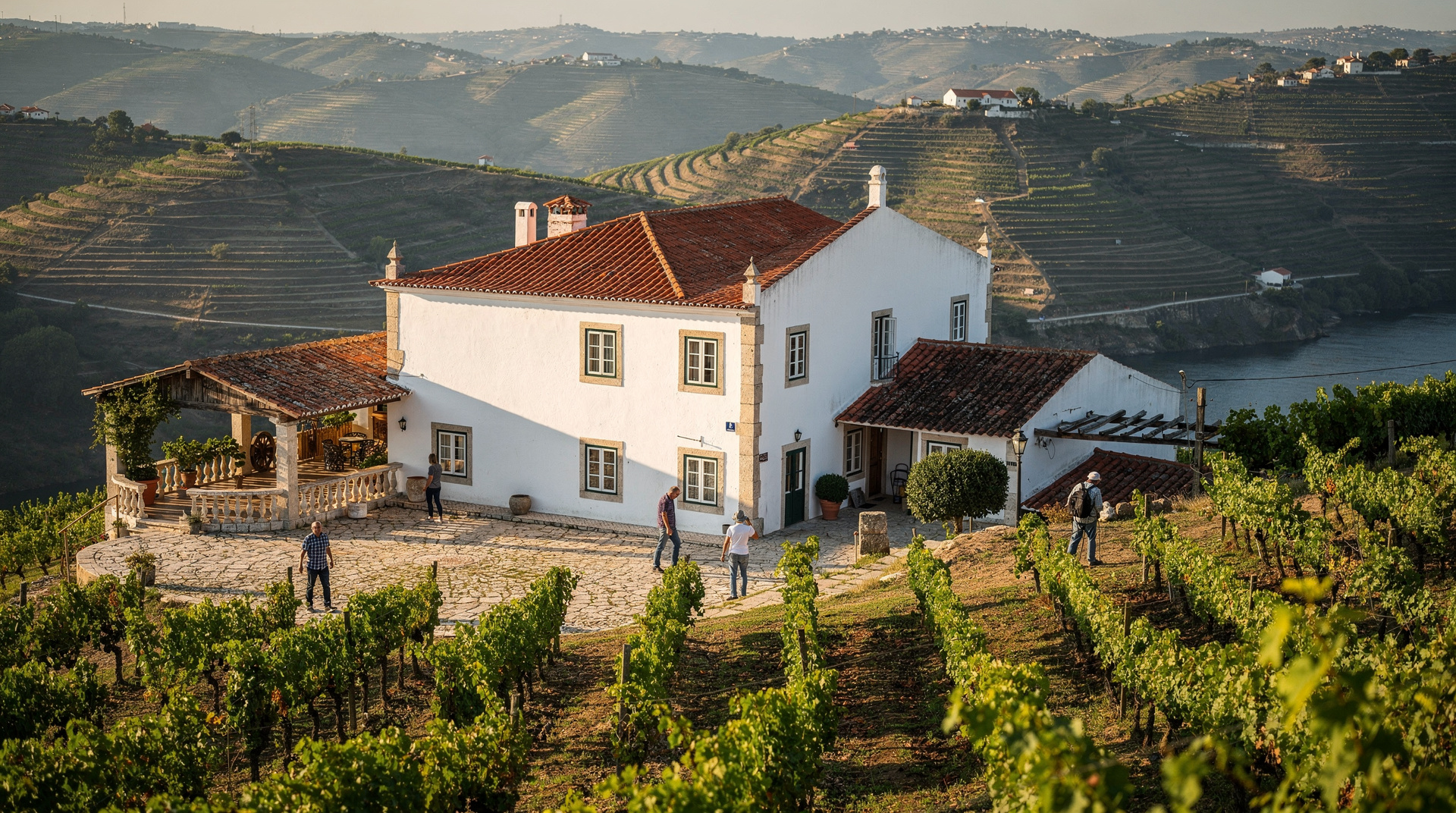
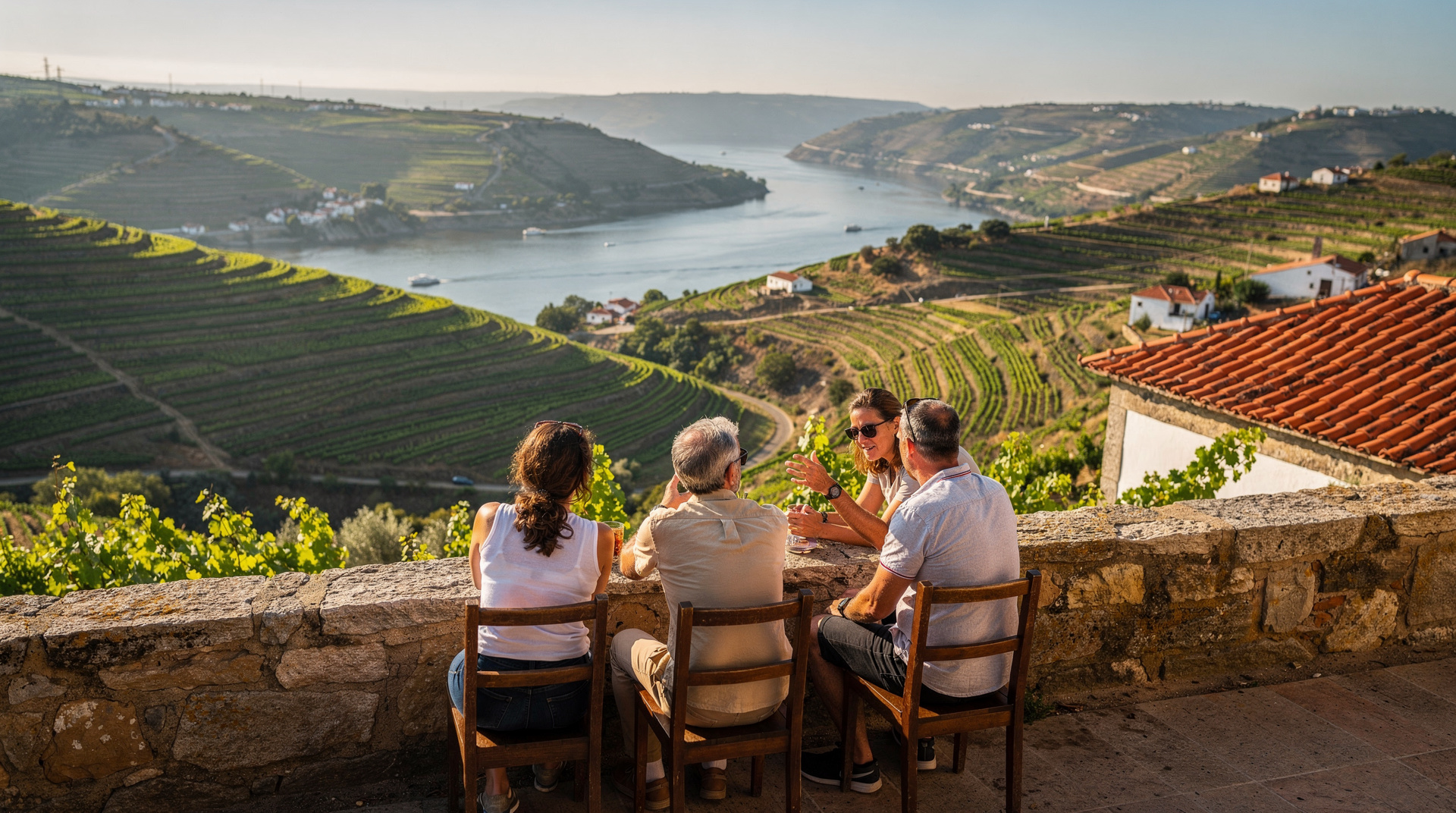
It is categorically different from the Six Bridges cruise, which covers only the urban section of the river in 50 minutes. The Régua cruise crosses from city to countryside, from bridge and tile facades to schist gorges and terraced vineyards. If you have seen photographs of the Douro Valley — the geometric lines of vines on the steep hillsides, the white quinta buildings reflected in the still river — this is how you experience that landscape from the water.
The cruise is worth understanding before you book, because it comes with significant time and financial commitment and the experience is more nuanced than the marketing typically suggests.
The journey upstream — what to expect hour by hour
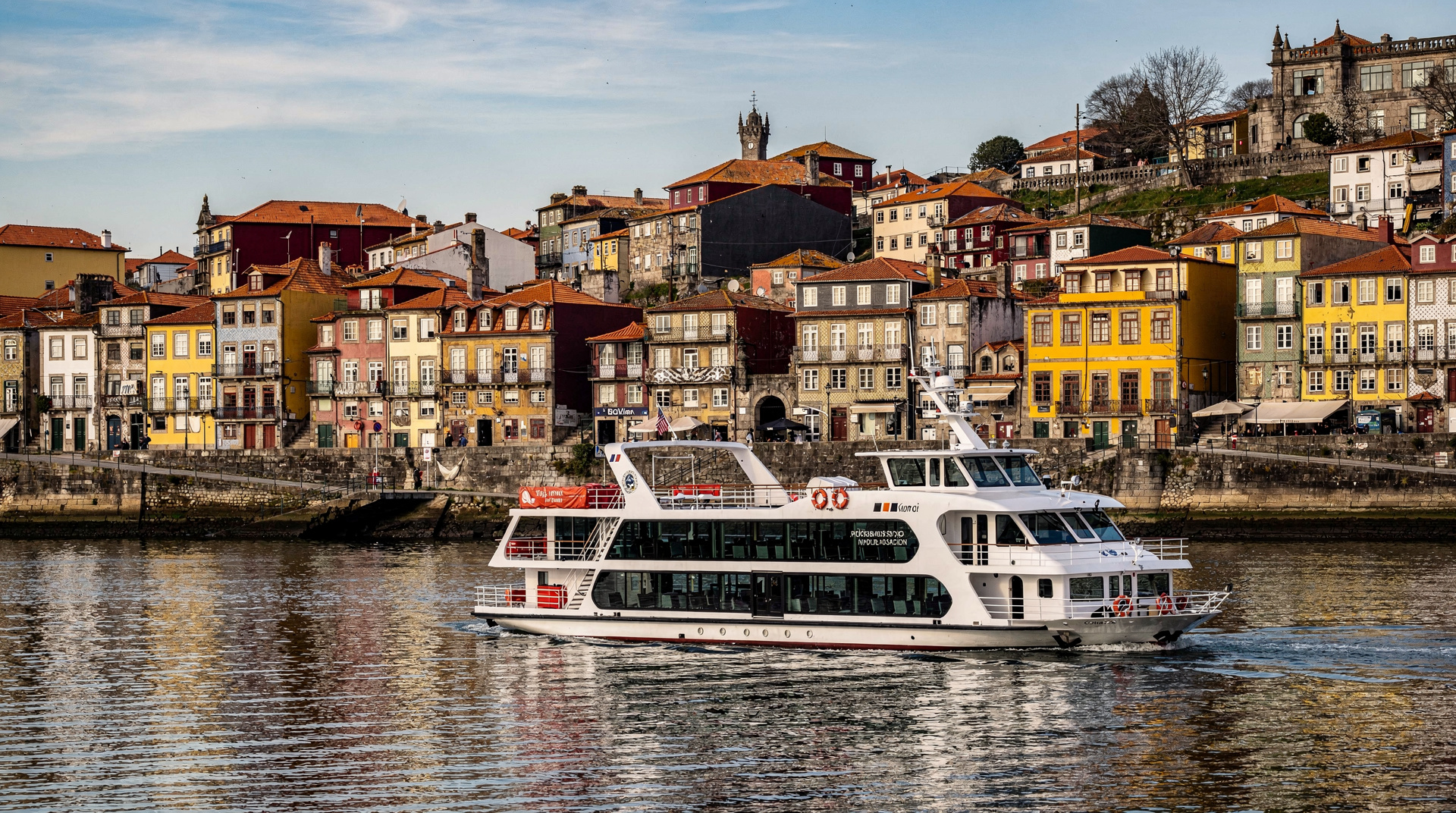
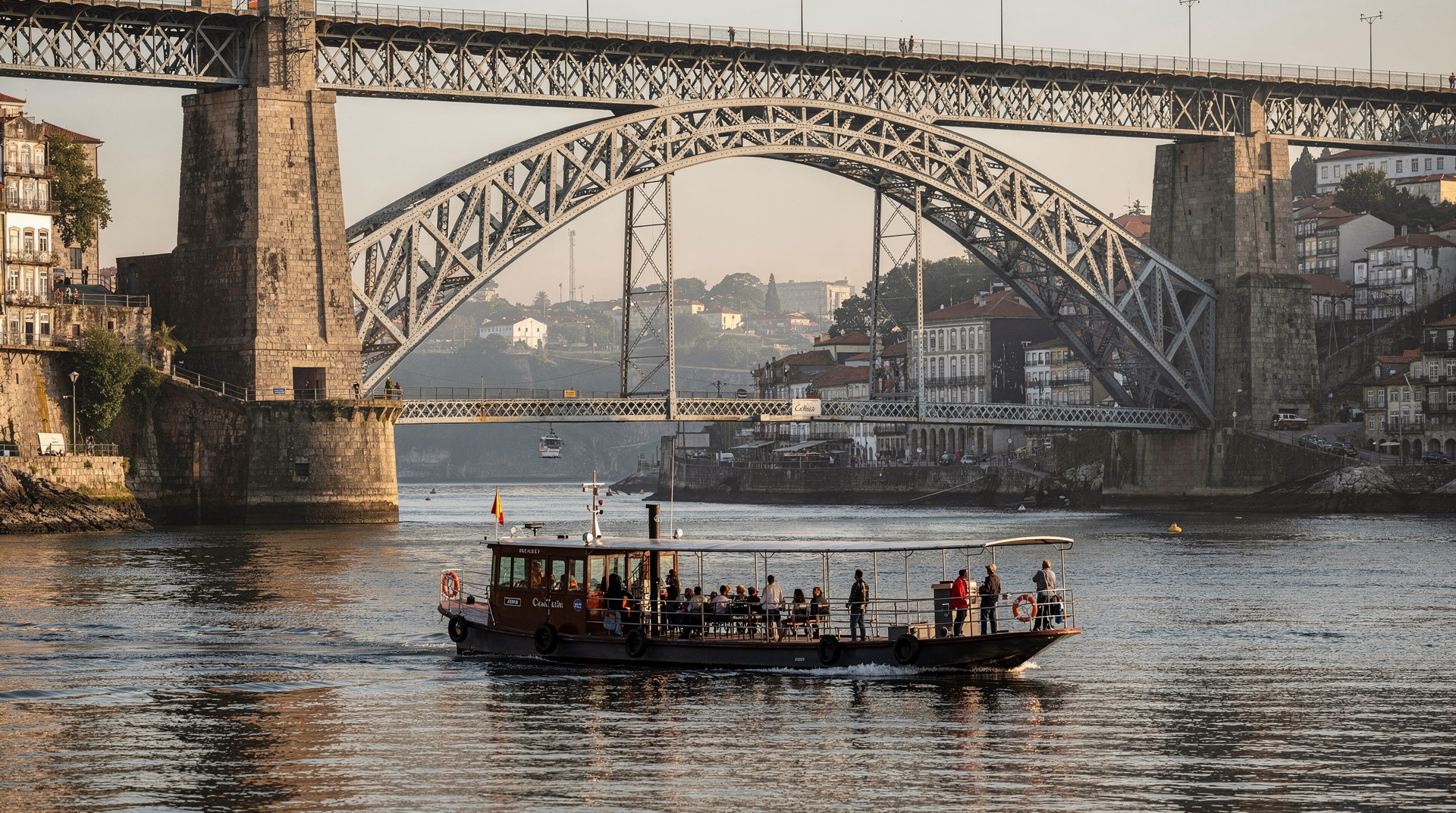
Departure (Porto, 8–9 am): Most operators depart from the Ribeira quay or Cais de Gaia. The first section of the journey covers the Six Bridges circuit — the same bridges you would see on a shorter cruise. If you have already done the Six Bridges loop, this section covers familiar ground. Allow roughly one hour to clear the urban bridges and enter the river valley proper.
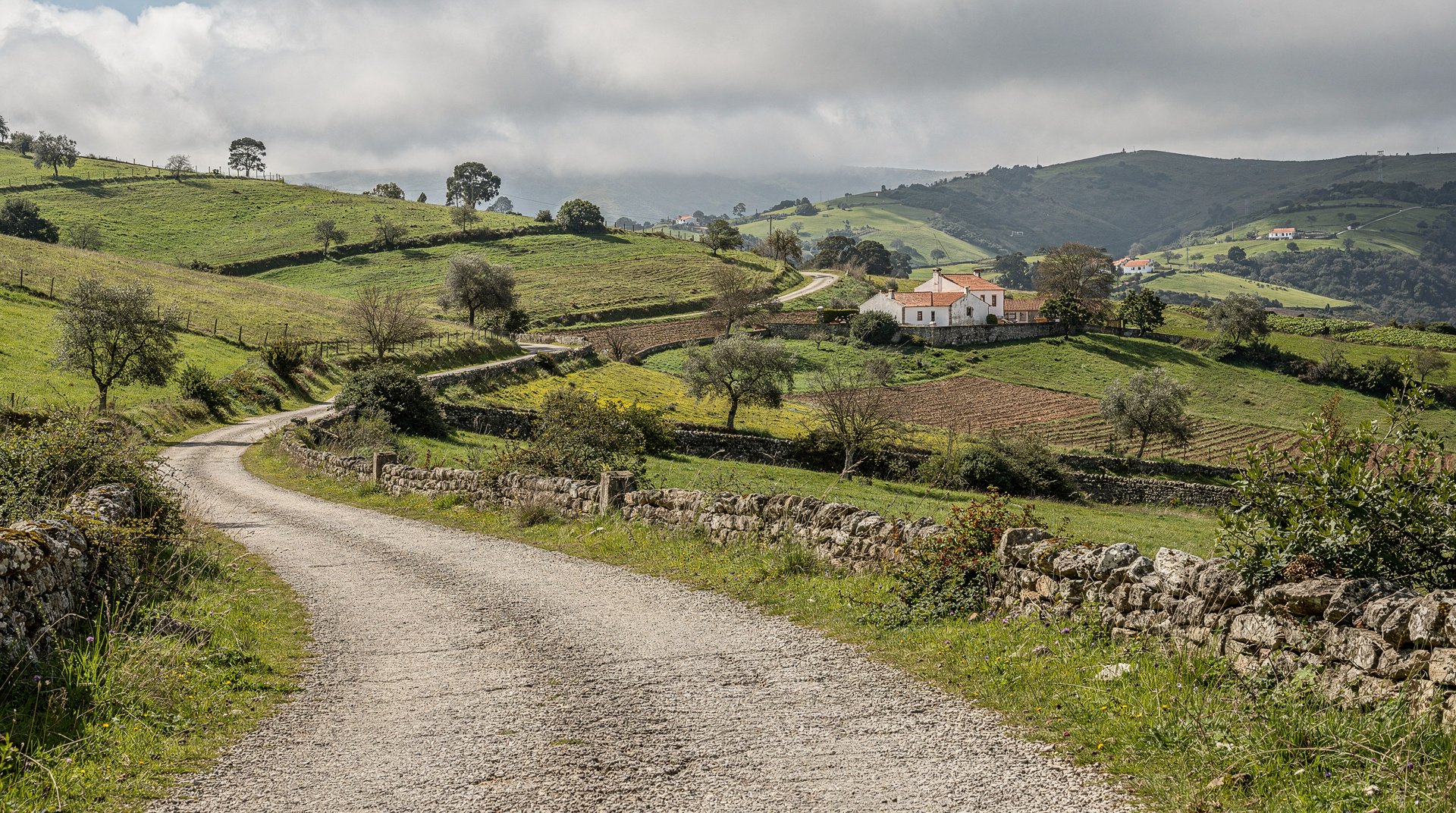
Hours 1–2 (approaching the valley): The landscape gradually changes as you head east through the Douro Litoral region. The riverbanks become steeper; the urban sprawl gives way to forest and agricultural land. The light on the water begins to improve. This stretch — between the urban zone and the beginning of the vine-covered gorge — is scenic but not yet spectacular. Many passengers rest, have breakfast, or take photos from the upper deck.
Hours 2–4 (entering the Douro Valley proper): This is what the cruise exists for. As the boat passes through Baião and Mesão Frio and approaches the Alto Douro wine region boundary, the schist hillsides close in and the terraced vineyards begin to appear on both banks. The geometry is extraordinary — the terraces were cut by hand over centuries, and from the river you see them as an almost architectural landscape rising hundreds of metres above the water.
Quinta buildings appear on the slopes: some white-rendered with red roofs, some built directly from the schist stone. Many of the major port wine houses have estates visible from the river — Quinta da Pacheca, Quinta do Crasto, and numerous smaller family quintas. Some cruise packages stop at one or two of these for a brief visit and wine tasting.
Arrival at Régua: Peso da Régua itself is a working river town — functional, with the Museu do Douro on the waterfront and the historic railway station (decorated with azulejo scenes of the wine harvest) near the dock. Most cruise packages allow one to two hours in Régua, which is enough for a walk along the waterfront, a look at the station azulejos, and possibly a quick visit to the Museu do Douro.
Lunch on board — the honest review
Lunch is included in most packages and is one of the more variable elements of the experience. Here is what to expect at each price point:
Budget packages (65–75 €): Typically a three-course set menu with limited choice — soup, a main of bacalhau (salt cod) or grilled meat, dessert, coffee, water, and a half bottle of house Douro wine. Competent but not memorable. Quality is adequate rather than excellent.
Mid-range packages (75–90 €): Better wines, often a Douro DOC red from a specific quinta, and more attention to the quality of the main course. Some operators bring in a caterer specialising in regional cuisine — caldo verde, roasted meats, regional cheeses. This is where the lunch becomes a genuine part of the experience rather than fuel.
Premium packages (90–130 €): Some combine a quinta visit with a private dining experience at the estate. The best of these serve estate wines alongside the meal, with explanation of what you are drinking. The difference between a 70 € cruise lunch and a 120 € quinta lunch can be substantial.
Read recent reviews specifically mentioning the food before booking. “Included lunch” ranges from a disappointing set menu to one of the best meals of a trip.
The return journey — boat or train?
This is the question that most divides experience levels.
Return by boat: Takes the same 3.5–4 hours downstream (slightly faster with the current). You see the same scenery in reverse. After a full day on the water, four more hours of river travel is genuinely tiring, and the downstream direction is less scenic going west — you are looking at a less photogenic light. Many passengers find themselves bored or asleep for significant portions of the return.
Return by train: The Linha do Douro from Peso da Régua to Porto São Bento takes approximately two hours and runs along the south bank of the Douro. The train tracks cling to the cliff face above the river through much of the journey, passing through vineyards and over stone viaducts. The views from the carriage window are arguably better than from the boat because you are elevated — you look down over the river and across to the quintas on the northern bank. The train also allows you to get off, stretch, and see the famous azulejo platforms at Pinhão station if your package includes a train stop there.
Book the Porto–Régua rail and sail combination — the boat-up, train-back format that most experienced travellers prefer.
Book the standard Porto to Régua full-day cruise with lunch — the most popular single-day format.
Boat return vs train return, side by side
| Return by boat | Return by train | |
|---|---|---|
| Duration | 3.5–4 hours | around 2 hours |
| Scenery | Same route, less photogenic light heading west | Elevated views over the river and quintas |
| Comfort after a full day | Tiring — a second long stretch on the water | Easier to rest, stretch, move around |
| Extra stops | None | Can include a stop at Pinhão station’s azulejo panels |
Most experienced travellers choose the train return once they’ve done the boat once. If your package doesn’t already include it, check whether it can be added — the rail and sail combination above exists specifically for this preference.
Quinta stops along the route
Most mid-range and premium cruises include at least one quinta stop. The quality and interest of these stops vary widely:
What a good quinta stop includes: A guided walk through the vineyard or cellar, an explanation of the winemaking process, and a tasting of two to four wines. The best stops leave you understanding more about port and Douro wine than you arrived with.
What a disappointing quinta stop looks like: A 30-minute visit to a gift shop with a perfunctory wine pour. Some quintas on the cruise circuit have become very tourist-oriented — they exist to sell bottles rather than to educate.
Before booking, check whether the package lists a specific quinta by name. Named quintas (Quinta do Crasto, Quinta da Pacheca, Quinta de la Rosa) suggest a more serious experience than vague “stops at local estates.” The is the Douro Valley tour worth it guide has a frank assessment of which quinta visits add real value.
Who this cruise actually suits
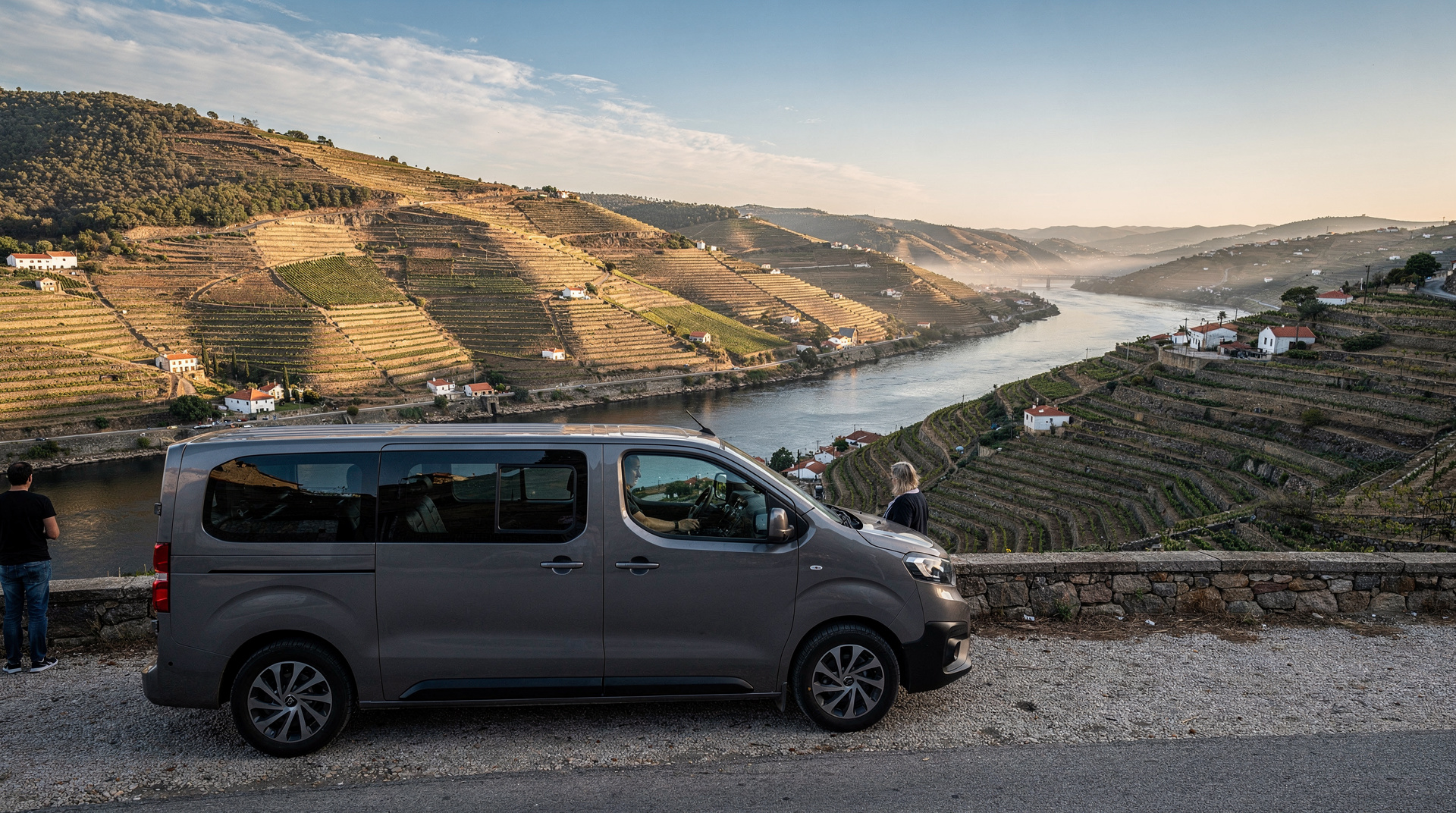
The Régua cruise rewards patience more than it rewards a tight schedule — it is a nine-to-ten-hour commitment for roughly four hours of genuinely spectacular scenery bracketed by transition time. Travellers who enjoy a slow day on the water, who want the Douro without organising a rental car and a non-drinking driver, and who are comfortable with a long sit will get the most from it. The Douro cruise comparison guide sets this trip against the shorter Six Bridges loop and the multi-day options if you’re still deciding which format fits your trip. For visitors who would rather see the valley without dedicating a full day to a boat, the Douro Valley transport guide covers the train, tour and rental-car alternatives.
Practical planning — what to bring and wear
Clothing: The upper deck of the boat is exposed. In summer (June–September), sun protection is essential — hat, sunscreen SPF 50, long-sleeved light layer. In spring and autumn, a windproof layer is important because the river creates its own breeze even when the surrounding countryside is warm. Evenings on the return train can be cool from September onwards.
Footwear: If the package includes a quinta walk, wear walking shoes or trainers. The quinta terraces and cellar floors are often uneven. Flip-flops or sandals are uncomfortable for any terrain away from the boat.
Camera: The scenery is best on the upstream journey in the morning, particularly between Mesão Frio and Régua. If you sleep in, you miss the best stretch. Station yourself on the upper deck for the first hour after leaving the urban zone.
Cash: Many quinta shops and some Régua restaurants prefer cash. Bring 30–50 € beyond your cruise cost for incidentals.
Seasickness: The Douro upstream of Porto is calm river water, not open sea — motion sickness is rarely an issue even for passengers who struggle on ocean crossings. If you’re prone to it regardless, sit toward the centre of the boat and keep the horizon in view during the first hour while the vessel is still moving through the widest stretches.
Honest caveats and what to reconsider
If the journey is the point: The Régua cruise delivers on its promise — the scenery is genuinely beautiful and the day has a natural rhythm. Book it.
If you are primarily interested in wine education: A structured quinta visit on land, possibly combined with a stay in the valley, will teach you more than a boat trip with a 45-minute stop. The Douro wine lovers 4-day itinerary covers this alternative.
If you struggle with long days of sitting: This is a nine to ten hour day. Much of it is on the boat. It is not an active experience. If you get bored easily on transport, the valley by car or with a private guided tour is likely a better format.
If the budget is tight: The 65–75 € range packages represent reasonable value for the length and inclusions. Spending 120 € for a premium version is only justified if the quinta visit and lunch quality are demonstrably better — check reviews.
Book the Douro boat and train day trip with lunch — this is the most consistently well-reviewed format for first-time visitors, combining the upstream cruise with the scenic train return.
For a side-by-side comparison of the Régua cruise against the Six Bridges loop and the multi-day options, see the Douro cruise comparison guide.
How this compares to the Six Bridges and sunset cruises
Porto offers three broad categories of Douro cruise, and it’s easy to book the wrong one for what you actually want. The Six Bridges cruise is a 50-minute urban loop past Porto’s bridges — no valley scenery, low cost, good for a first orientation to the river. The sunset cruise covers similar urban ground with better evening light and sometimes a drink included, aimed at atmosphere rather than the wine region. The Régua cruise described in this guide is the only one of the three that actually reaches the Douro Valley’s terraced vineyards — if the vine-covered hillsides in the photographs are what drew you to Porto’s river cruises in the first place, this is the format that delivers them, not the shorter urban options.
Peso da Régua — what to do during the stop
Most full-day cruises allow one to two hours at Peso da Régua before the return journey. The town is functional rather than beautiful, but it has several worthwhile stops:
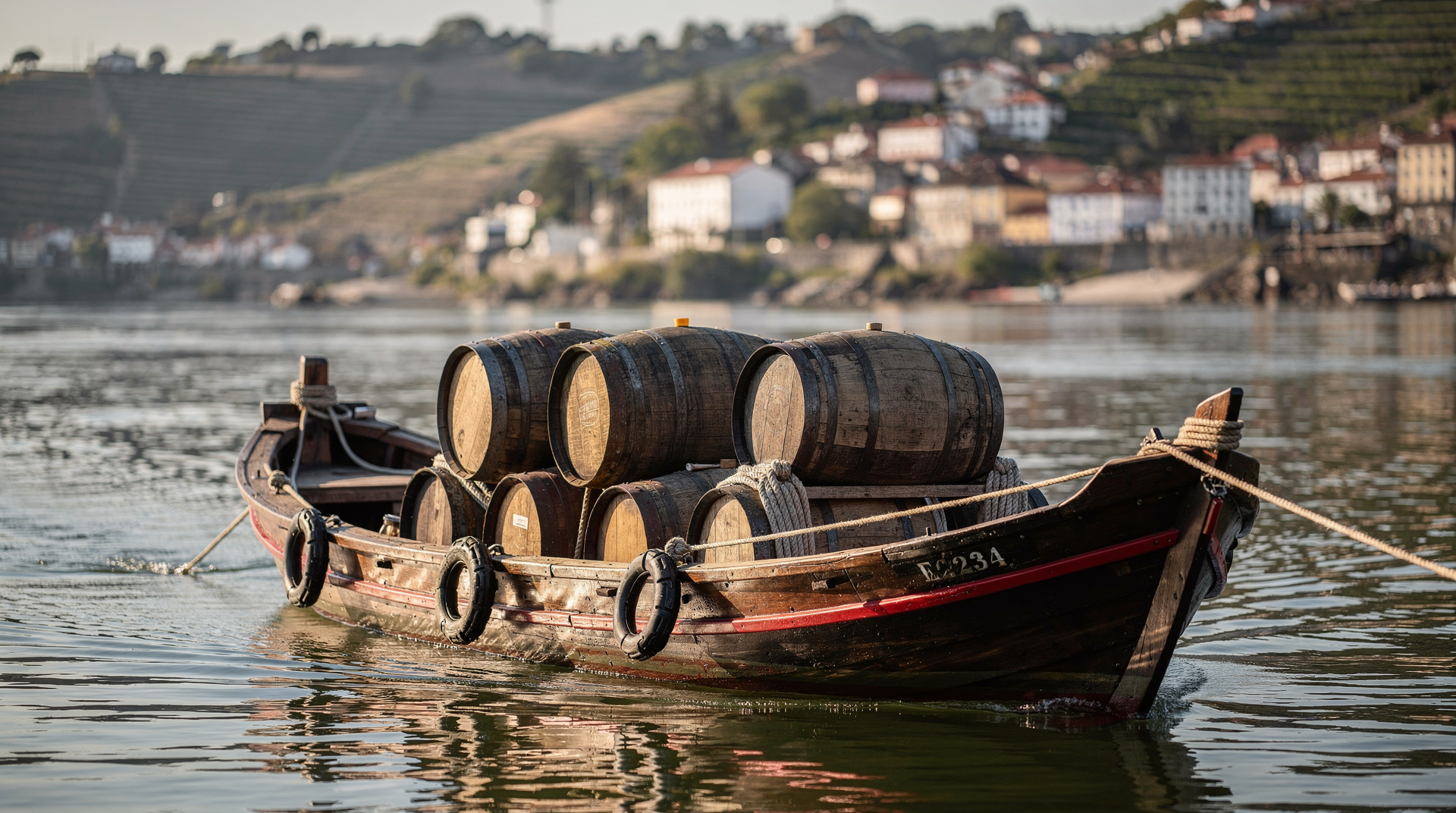
Museu do Douro: The primary cultural site in Régua, housed in a converted wine lodge on the waterfront. Covers the history of port wine, the Douro Valley, and the rabelo boat tradition with genuinely well-curated exhibits. Entry approximately 6 €. Allow 60–90 minutes. If you want context for what you have seen from the water, this is the place to get it.
Régua railway station: A five-minute walk from the dock. The station platforms are decorated with historic azulejo tile panels depicting scenes of the Douro Valley — vine cultivation, harvest, and river transport. These are among the finest examples of narrative azulejo work in the Douro region and are free to view — a smaller-scale companion to the azulejos of Porto that many visitors see first. If your package includes the train return, you will arrive here anyway — the panels are worth examining before boarding.
The waterfront: Régua has a pleasant riverside promenade where you can walk and get a different view of the valley from a fixed point on land after hours on the water. Several café-restaurants serve basic local food at fair prices. Régua is also the practical base town for visits further into the valley, close to Peso da Régua itself and within reach of Lamego for travellers extending the trip beyond a single day.
The vindima season — why September and October are special
If you can time the Porto-to-Régua cruise for September or early October, you will be travelling through the valley during vindima — the grape harvest. This is the most alive and active period in the Douro Valley’s annual cycle.
During vindima, the quintas are in full operation. Workers move through the terraced vineyards in the mornings harvesting by hand — many of the Douro’s steep terraces are inaccessible to mechanical harvesting equipment. The smell of fermenting must (grape juice beginning fermentation) drifts from the winery facilities. If your cruise includes a quinta stop during vindima, you may have the opportunity to see the lagares in operation.
Book harvest-season cruises three to four months in advance. This is the most in-demand period for Douro Valley tourism, and the better quinta-visit packages sell out by July. The Douro wine lovers 4-day itinerary suggests how to plan a trip centred on the harvest season.
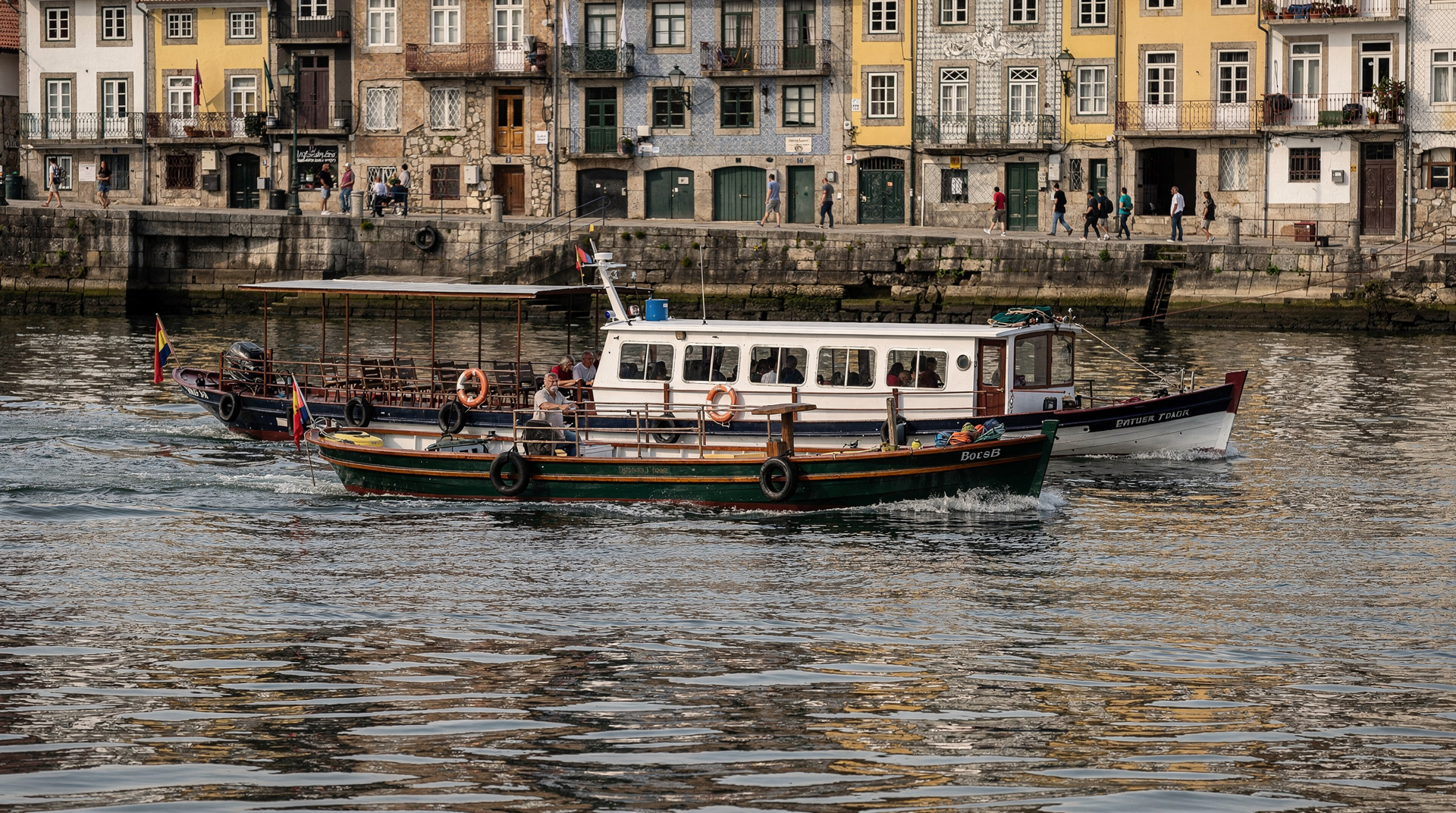
If a full day on the water feels like too much commitment, the rabelo cruise on the urban stretch of Porto is a shorter alternative that still gives a taste of the Douro’s boat culture — see the rabelo boat cruise guide for how the two experiences differ.
Practical checklist before you book
Before confirming a Porto-to-Régua cruise, verify these points:
Return journey included — what form? (boat, bus, train) — this significantly affects the total day experience.
Lunch details: Set menu or choice? What wines are included? If the listing says “drinks included,” confirm this means wine with lunch and not just water.
Quinta visit: Which quinta? How long is the stop? Is the tasting included or separate?
Departure time: Earlier is better. An 8 am departure means you arrive at Régua with energy remaining. A 10 am departure means you arrive late, eat, and immediately face the return.
Group size: Standard cruises carry 60–80 passengers. Premium small-group versions cap at 12–20. The experience is noticeably different between these sizes.
Cancellation policy: A reputable operator offers full refunds for operator cancellations and at least partial refunds for 24-hour advance cancellations by the passenger. Given the length and cost of the day, this is worth confirming before you pay rather than after a weather forecast changes your plans.
Book the full-day Douro cruise with lunch — one of the most straightforward full-day packages, well-reviewed for the combination of scenery and included lunch quality.
Frequently asked questions — Porto to Régua cruise — full-day Douro boat trip guide (2026)
How long is the Porto to Régua cruise?
The upstream journey takes approximately 3.5 to 4 hours. With stops at quintas, lunch on board or at a riverside estate, and the return journey, the full day runs 9 to 10 hours. Boats typically depart Porto at 8–9 am and the return arrives back in Porto by 6–7 pm.Does the Porto to Régua cruise include lunch?
Yes — virtually all packages priced at 65 € or above include a three-course lunch with Douro wines. Budget packages sometimes offer only a light lunch or on-board snacks. Read the listing carefully. The quality of the lunch varies significantly between operators — it can be the best part of the experience or a mediocre set menu.Is it better to return by boat or by train?
Most passengers prefer the train. The Linha do Douro from Régua to Porto São Bento follows the south bank of the river through spectacular scenery and takes about two hours. The scenery is arguably better than the cruise itself because the train is higher and the views change constantly. The boat return takes the same 3.5–4 hours in reverse, which is tiring. Packages that include the train return are generally the smarter choice.Can I reach Pinhão on this cruise?
Not on standard packages. Most Porto–Régua cruises terminate at Peso da Régua. Pinhão is another hour upstream from Régua, deeper into the valley. Some premium cruises continue to Pinhão, but they are longer and more expensive. If Pinhão is your destination, check specifically that the package goes there, or take the train from Régua.What is the best time of year for this cruise?
May, June, September, and October offer the best combination of good weather, manageable crowds, and attractive scenery. September and October coincide with vindima (harvest season) — the vineyards are at their most active and the light is warm. July and August are hottest and most crowded. Cruises operate from roughly March to November; some operators run limited winter sailings.Do I need to book in advance?
Yes. Full-day cruises to Régua operate with smaller groups than urban boat tours — typically 30 to 80 passengers. They frequently sell out in peak months, particularly the popular Saturday and Sunday departures from July through September. Book at least a week ahead for summer travel; two to three weeks is safer.Is this cruise suitable for older travellers or those with limited mobility?
Generally yes — the boats have lower decks with seating, and the pace is gentle. Boarding the boat from the quay involves steps. Some quinta stops require walking on uneven terrain. Check with the operator if mobility is a specific concern — some boats have more accessible boarding than others.
Top experiences
Bookable activities with verified prices and instant confirmation on GetYourGuide.