Getting around Porto — metro, tram, funicular and walking guide
Porto: Porto Hop on Hop Off Bus Tram Tour Funicular
How do you get around Porto?
Walking covers most of the historic centre, though the hills are steeper than they look on maps. The metro (6 lines, Andante card, 1.45–2.50 € per journey) handles longer distances including the airport. The historic tram to Foz is scenic but slow. The funicular connects Batalha to Ribeira (2.50 €). Taxis and Uber are available but expensive for short city journeys.
Understanding Porto’s geography before planning transport
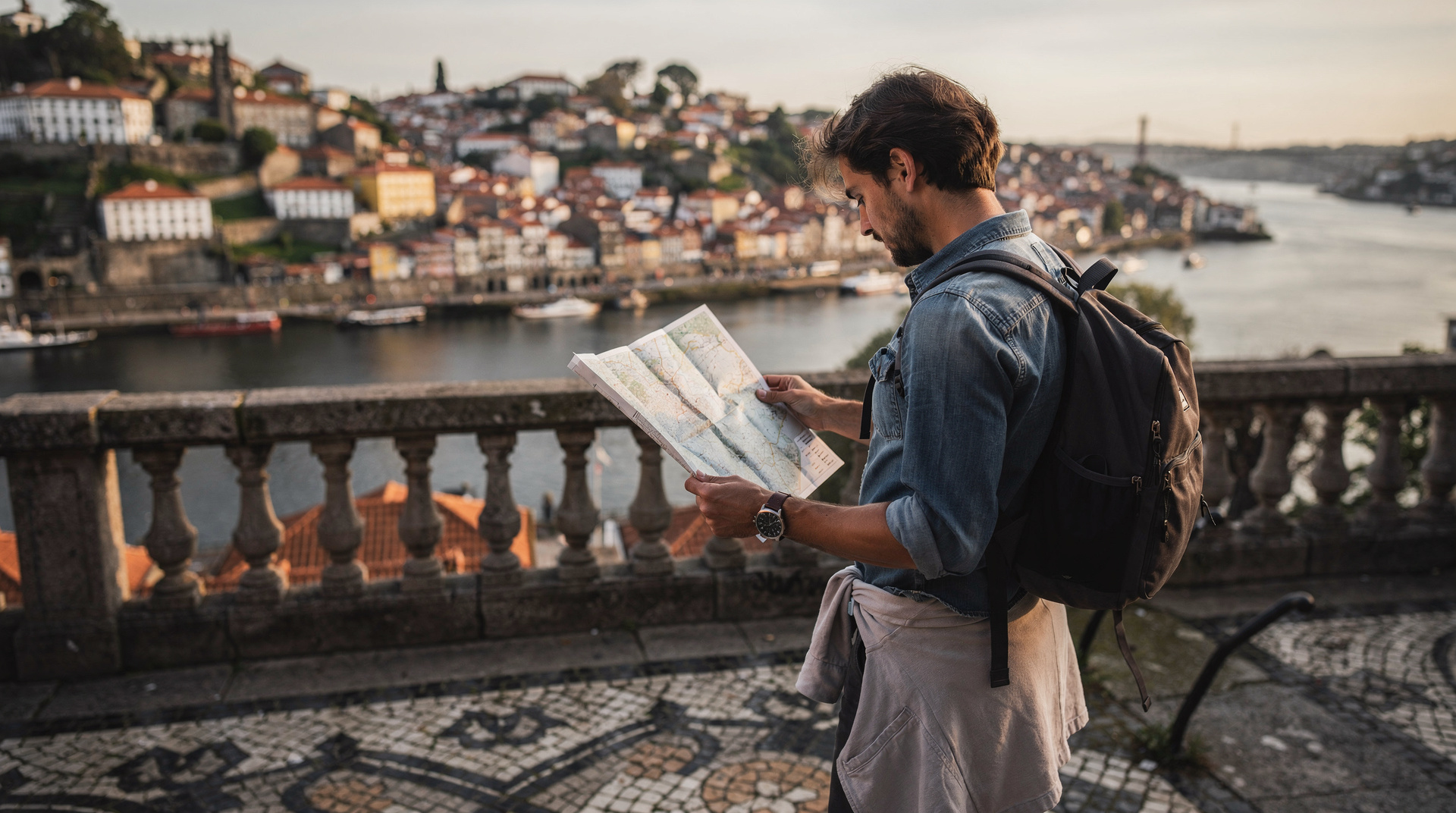
The most important piece of transport planning for Porto is understanding the city’s topography. Porto is built on steep hillsides descending to the Douro River, with most of the major tourist attractions distributed across multiple altitude levels. The difference between the Ribeira waterfront (river level) and the upper historic centre around Clérigos Tower is approximately 60 to 80 metres of elevation gain over roughly 500 metres of horizontal distance.
This geography means that transport decisions in Porto are not primarily about distance — it is about whether you want to walk the hills or use a mechanical alternative. Understanding which attractions are at which level helps you plan efficient routes and decide when transport is worth the cost versus when walking is more practical.
River level (Douro waterfront): Ribeira quayside, Ponte Dom Luís I lower deck, Cálem and other waterfront-adjacent cellars in Gaia.
Mid-level (historic centre): São Bento station, Sé Cathedral, the lower Cedofeita streets.
Upper level (plateau): Clérigos Tower, Aliados boulevard, Livraria Lello, Trindade metro station, Mercado do Bolhão.
Any journey that moves between these levels on foot involves significant uphill effort. Any journey that stays within one level is flat and easy.
| Metro | 1.45–2.50 €/journey, Andante card, 6 lines |
| Historic tram | 3 €/journey, scenic, slow |
| Funicular dos Guindais | 2.50 € one way, hill shortcut |
| Uber/Bolt | good for airport & longer trips, not city-centre short hops |
| Walking | best for the historic centre, expect hills |
For a broader planning view beyond transport specifics, see Porto travel tips and how many days in Porto is enough.
Walking: the best tool for the right sections
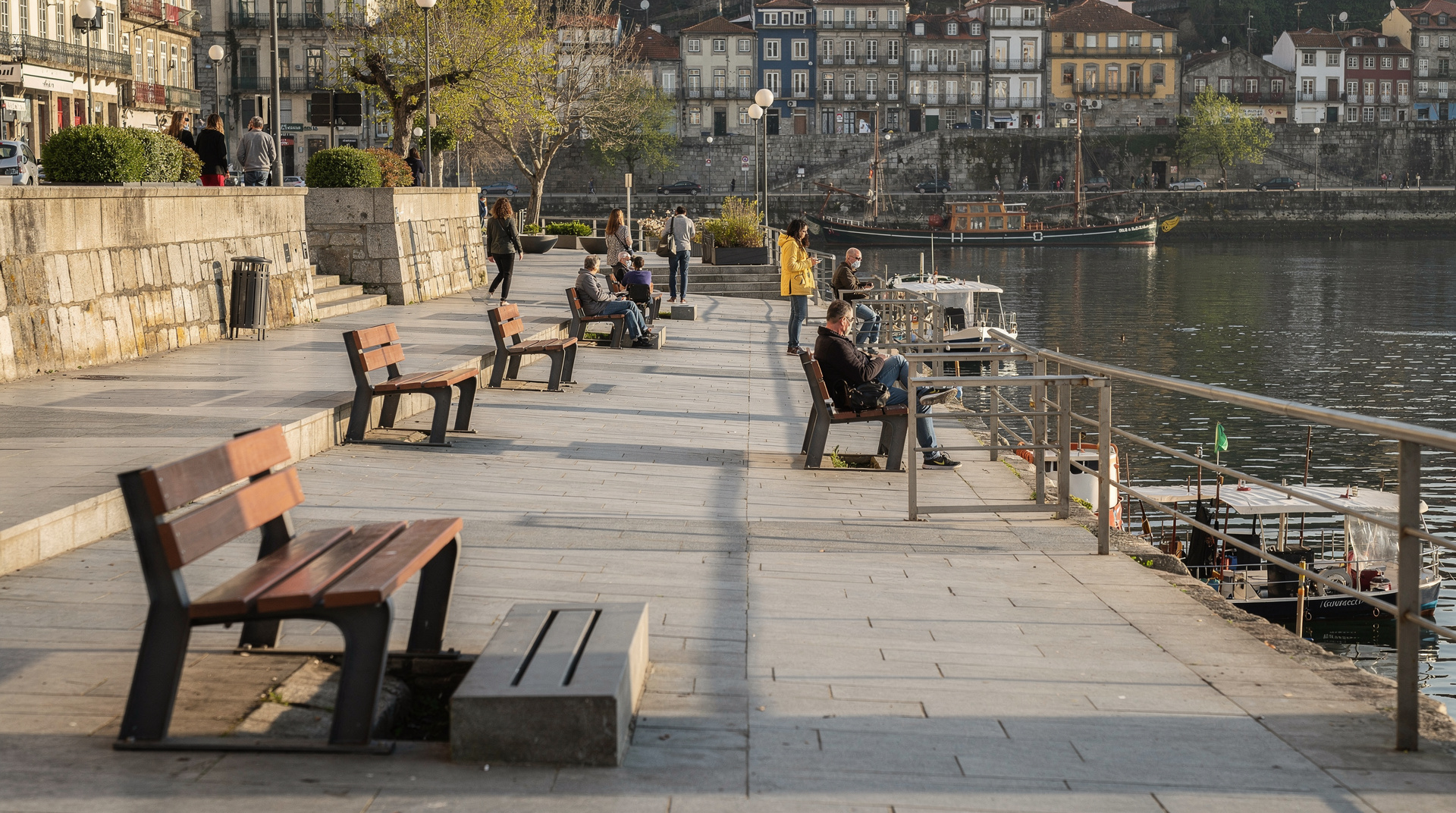
Porto’s historic centre repays walking like few European cities. The azulejos, unexpected church facades, narrow lanes and changing views from Porto’s multiple miradouros (viewpoints) are best experienced on foot at a pace that allows stopping and looking. The distance between São Bento station and Livraria Lello is 1.2 km — about 15 to 20 minutes walking. From Clérigos Tower to Ribeira is 0.8 km downhill — about 12 minutes.
The practical walking advice for Porto visitors:
Wear shoes with grip. Calçada portuguesa (traditional cobblestones) is beautiful but slippery when wet, and even in dry conditions the uneven surface requires attention. Fashion trainers and leather soles are not adequate for Porto’s steeper wet streets. Rubber-soled footwear is not optional — it is a safety requirement in rainy conditions.
Plan descending routes into Ribeira. Walking downhill to Ribeira is manageable for most fitness levels; the same journey uphill is a 15-minute cardiovascular effort. Plan your day so you go to the waterfront in the afternoon (descend for sunset, cross the bridge, do a Gaia cellar, come back for dinner) rather than starting there and walking up.
Use the viewpoints as route waypoints. The Jardim do Infante D. Henrique, Miradouro da Vitória and Miradouro das Aldas are high-point rest spots built into the walking routes — they justify the uphill work with views across the Douro to Gaia.
The metro: Porto’s most efficient long-distance transport
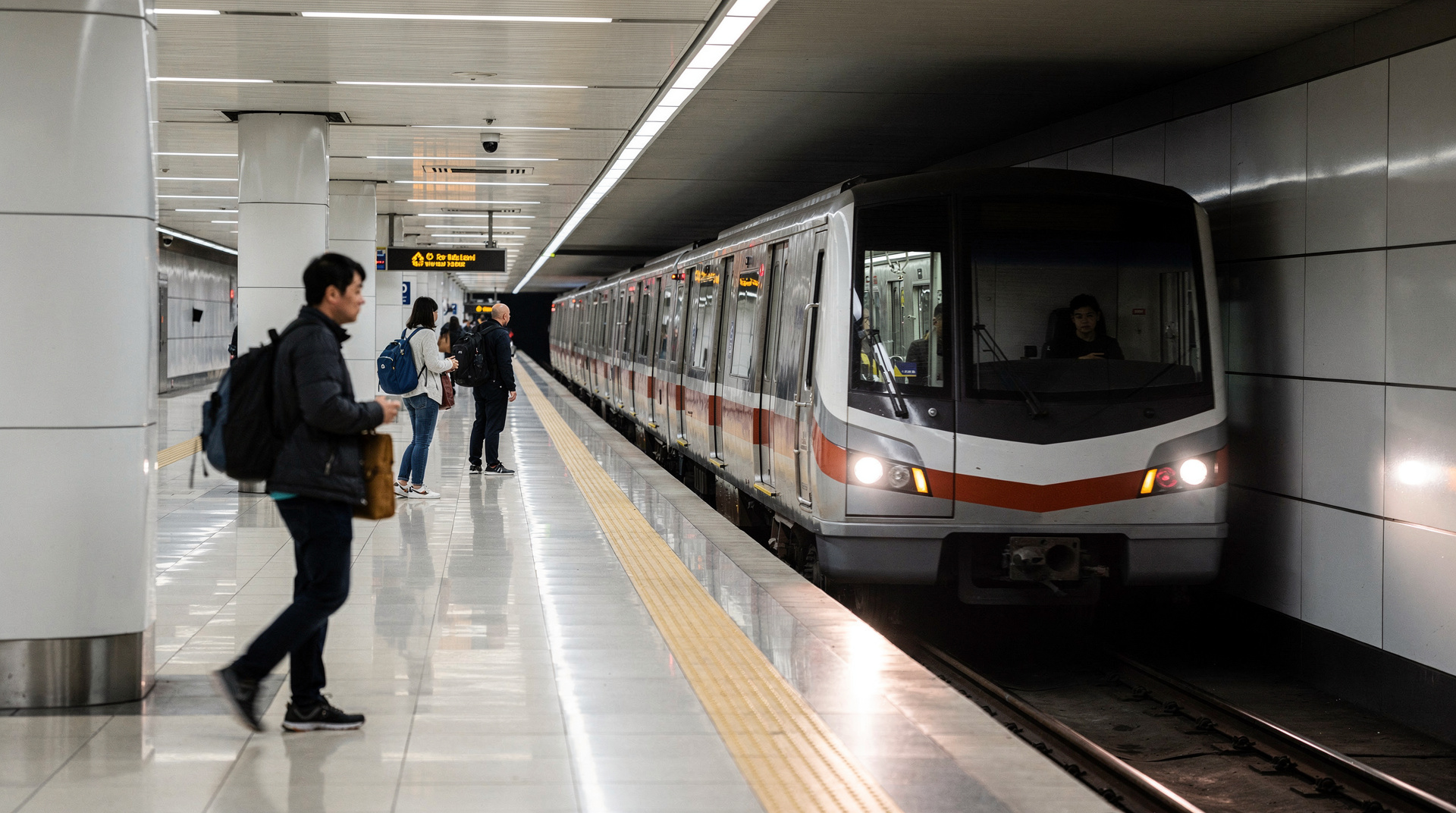
Porto’s metro opened in 2002 and has expanded to six colour-coded lines serving 82 stations. It is clean, reliable, well-signposted in both Portuguese and English, and runs from approximately 6 am to 1 am on most lines.
The six metro lines:
- Line A (Blue): Senhor de Matosinhos ↔ Estádio do Dragão, via Matosinhos Sul, Casa da Música, Trindade, Campanhã
- Line B (Red): Póvoa de Varzim ↔ Estádio do Dragão, via Verdes, Campanhã
- Line C (Green): ISMAI ↔ Campanhã, via Maia, Verdes, Campanhã
- Line D (Yellow): Hospital São João ↔ Santo Ovídio (Gaia), via Marquês, Aliados, Trindade, São Bento, Dom João II
- Line E (Purple): Aeroporto ↔ Estádio do Dragão, via Verdes, Campanhã, Salgueiros, Marquês, Trindade, Aliados
- Line F (Orange): Fânzeres ↔ Campanhã, via Campainha
Key stations for visitors:
- Aliados: Central Porto, close to Avenida dos Aliados, connected by lines A, B, C, E, F
- Trindade: The main interchange hub, connected by all six lines, 10 minutes walk from Lello
- São Bento: D line only, directly adjacent to São Bento station (the train station with the azulejos — confusing naming, but important to note)
- Jardim do Morro: D line in Vila Nova de Gaia, adjacent to the Gaia cable car and hilltop viewpoint
- Aeroporto: E line terminus, inside the airport terminal
Fares and zones:
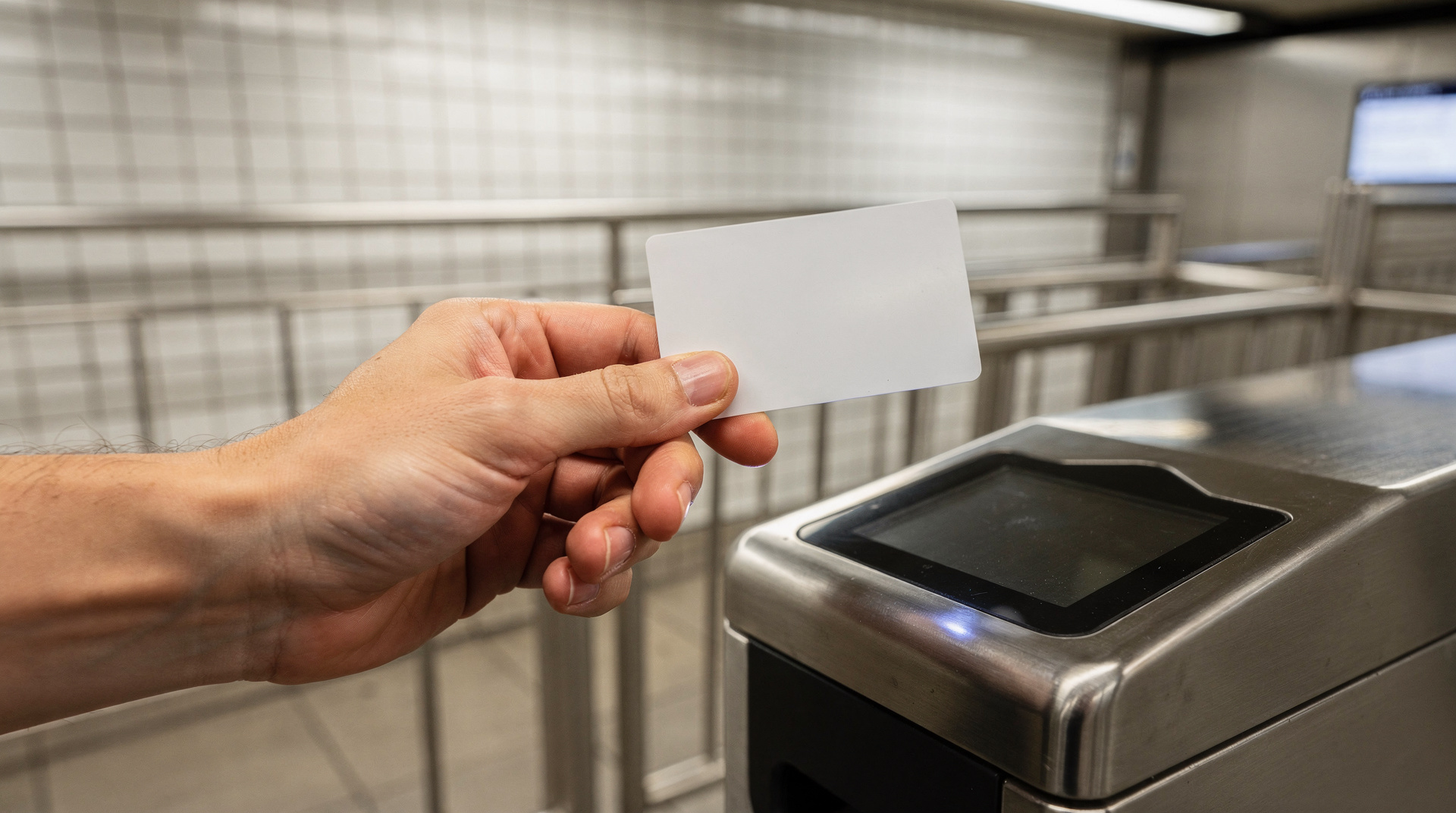
Porto’s metro uses a zone system. Zone 2 covers most intra-city journeys (1.45 € with Andante card). Zone 3 covers the airport connection (2.50 €). The Andante card costs 0.60 € and is rechargeable. Individual paper tickets cost slightly more per journey than Andante card top-ups.
The Porto Card includes unlimited metro travel and may save money for visitors using the metro multiple times per day — see the Porto Card guide for the break-even calculation.
The tram: scenic but slow
Porto has one remaining operational historic tram line for tourism: Line 1 (Massarelos ↔ Passeio Alegre), running along the Douro waterfront from the Ribeira area through to Foz do Douro (approximately 6 km). The bright yellow single-car trams date from the early 20th century and are one of Porto’s most photographed elements.
The tram is scenic and enjoyable to ride. It is not efficient transport. The line runs along the riverside road (Rua da Restauração) and is subject to traffic at road junctions. A one-way journey from Ribeira to Foz takes approximately 30 to 40 minutes. The tram operates approximately every 30 minutes.
Cost: 3 € for a single journey (tourist pricing — the tram does not accept the standard Andante card loaded with regular fares). The Porto Card includes tram use.
Who should ride it: Anyone who wants the experience of the historic tram as an attraction in itself, or who wants to travel from central Porto to Foz do Douro at a relaxed pace. The STCP bus to Foz is faster and costs less.
Who should take the bus instead: Anyone who needs efficient transport to Foz, who is on a tight schedule, or who has already experienced the tram.
The tram also operates Line 18 (Carmo ↔ Massarelos) for shorter in-city heritage journeys, and Line 22 (Carmo ↔ Batalha) on a circular route through parts of the historic centre.
The funicular: the hill shortcut that pays for itself
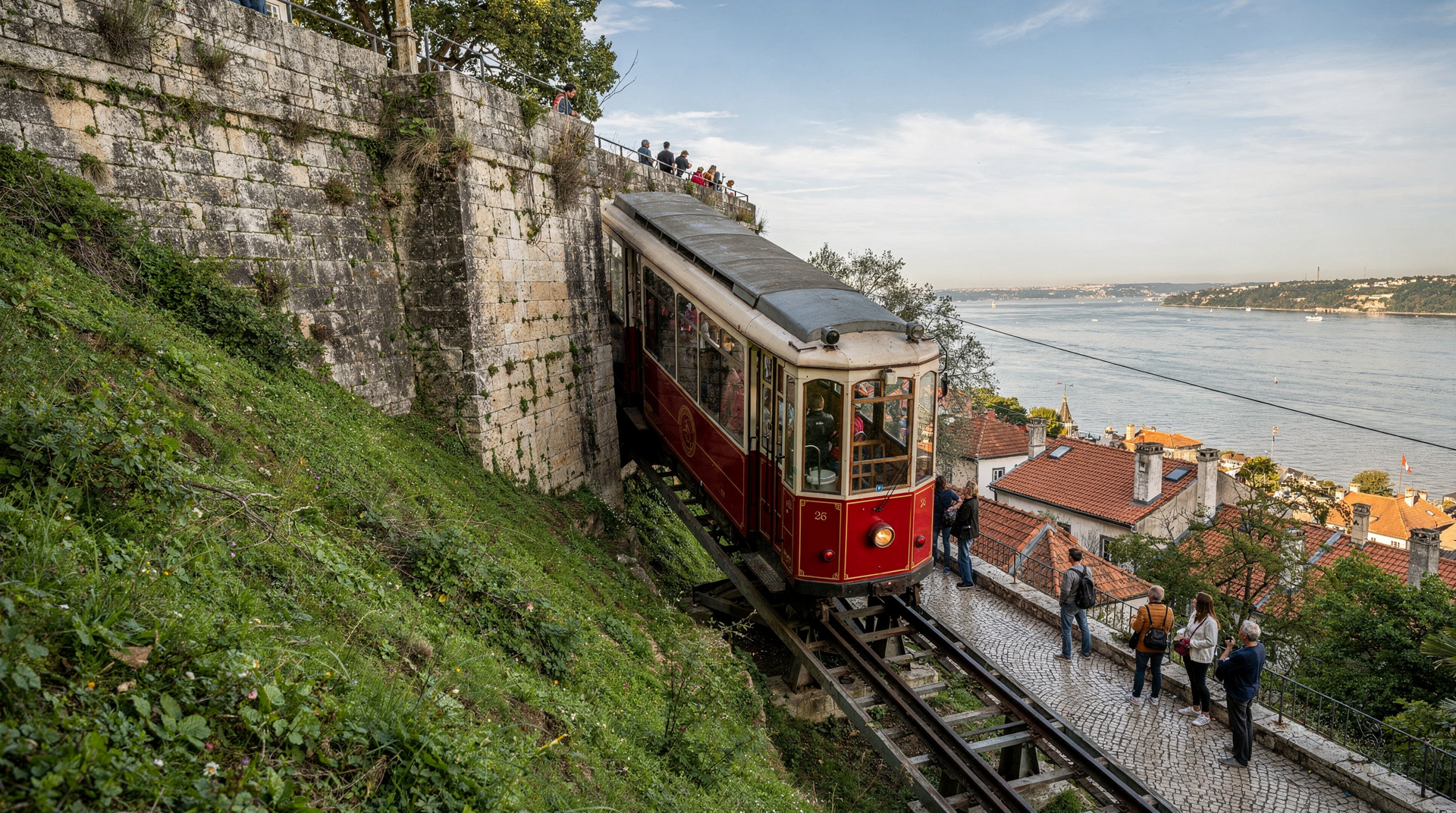
The Funicular dos Guindais is a short but genuinely useful piece of transport infrastructure connecting Batalha square (upper city level) to the Ribeira waterfront (river level). The journey is approximately 280 metres long, drops 61 metres in altitude, and takes about 2 minutes.
Cost: 2.50 € one way, 4 € return.
Hours: Daily from approximately 8 am to 10 pm (later in summer). Check current hours at the funicular station.
Practical value: The funicular replaces a 15-minute uphill walk on steep, irregular cobblestones. For anyone who has already walked down to Ribeira and wants to return to the upper city without the climb, 2.50 € is excellent value. The porto funicular and cable car guide covers both the funicular and the Gaia cable car (teleférico) separately.
The funicular is not covered by the Andante card. It is covered by the Porto Card.
Which option for which trip
| Journey | Best option | Cost |
|---|---|---|
| Within the historic centre (flat) | Walk | Free |
| Historic centre, uphill sections | Metro, funicular or taxi | €1.45–2.50 |
| Ribeira to Batalha | Funicular | €2.50 |
| Central Porto to Foz | Bus or metro-adjacent walk | €1.45–2.50 |
| Central Porto to Matosinhos | Metro (line A) | €1.45–2.50 |
| Central Porto to airport | Metro (line E) or Uber | €2.50 or €15–22 |
| Ribeira to Gaia cellars | Walk across the bridge | Free |
| To the Douro Valley | Train, tour or rental car | €10–90+ |
Taxis and Uber
Taxis: Metered, widely available, required to take passengers within the urban area. Standard fares apply (metered, with night and luggage supplements as noted on the tariff card inside the taxi). For journeys within the historic centre, taxis are useful for carrying luggage or avoiding the hills when tired. Confirm the meter is running. See the honest assessment in the getting from Porto airport guide for context on taxi pricing reliability at OPO.
Uber and Bolt: Both operate in Porto. More transparent pricing than taxis, with fare estimates shown before booking. Pickup is app-based; you meet the driver at the designated point on the map. More practical for journeys from the historic centre to Matosinhos, Foz, or the airport than for very short in-centre journeys (traffic can make these slower than walking).
Practical tip: In very crowded tourist areas in summer (especially Ribeira), Uber pickup can be complicated due to restricted vehicle access. Arrange to meet the driver at a nearby accessible road rather than at the specific narrow street address.
Airport transfers specifically: For late-night or early-morning airport departures, pre-booking a fixed-price transfer removes the surge-pricing uncertainty that Uber and Bolt can carry at those hours. The metro’s E line stops running around 1am, so travellers with very early flights or very late arrivals should plan a taxi or private transfer rather than relying on the metro schedule.
Porto is built on a slope steep enough that the walk back up from the Ribeira defeats most itineraries by mid-afternoon: a two-hour shared tuk tuk tour of Porto takes the gradient out of the equation, which is the single largest constraint on how much of the city fits into a day.
Renting a car — when it makes sense
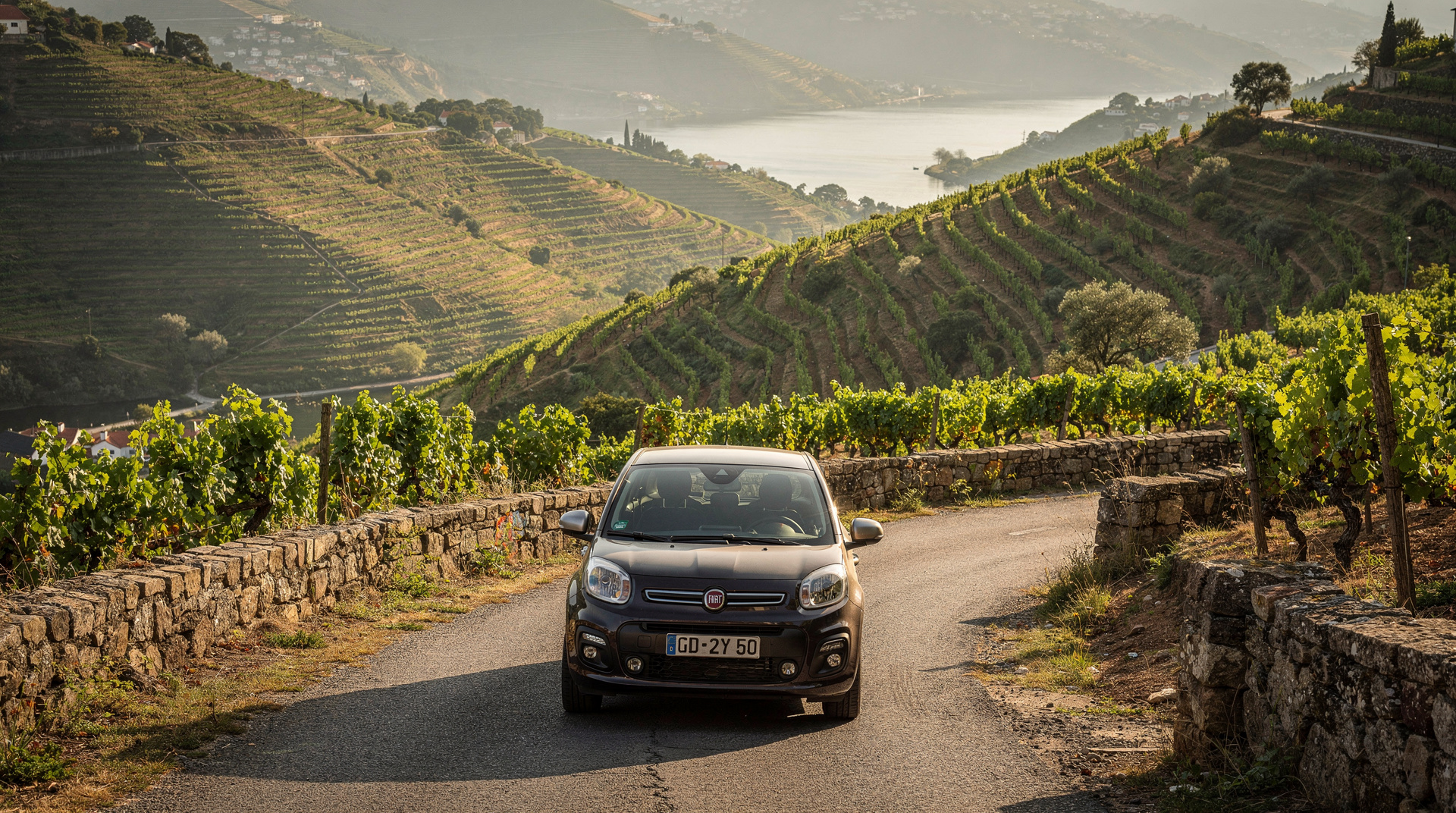
For the city itself, a rental car is a liability rather than an asset: parking is limited and expensive in the historic centre, streets are narrow, and the metro and walking cover urban journeys more efficiently. A car earns its cost once you’re heading beyond Porto — to the Douro Valley, Gerês, or a multi-stop northern Portugal route. The renting a car in Porto guide covers pickup logistics, typical pricing and where parking works in practice if you do decide a car suits your itinerary.
Accessibility notes
Porto’s hills and cobblestones make it one of the more physically demanding European city breaks for visitors with mobility limitations. The metro stations are generally step-free with lifts, and the funicular and cable car both offer step-free or near-step-free boarding. The historic tram and many pavement sections in the old town are not wheelchair-friendly. The accessible Porto guide covers which specific routes and attractions work well for wheelchair users and visitors with reduced mobility, and which require a taxi-based workaround.
Bikes and e-bikes
Cycling in Porto’s historic centre is challenging but not impossible. The hills are steep and the cobblestones are not easy to ride. The riverside cycle paths (ciclovia) along the Douro are flat and accessible, running from the waterfront area toward Foz.
GIRA: Porto’s public bike-share system. Docking stations throughout the city. The app-based system works similarly to other European bike shares. Standard bikes are available; some stations have e-bikes. A short-term visitor pass is available, though the hilly terrain means GIRA works best for the flatter riverside stretches rather than as a general-purpose way to cross the historic centre.
Private e-bike rental: Several operators rent e-bikes for half-day and full-day periods, suitable for visitors who want to explore the city under their own steam without the hill problem. Prices typically run 25 to 35 € per day for a quality e-bike.
Guided bike tours: Book the Porto 3-hour bike tour — a guided cycling experience that covers the city’s highlights on a route that manages the gradient with route planning and e-bikes. A practical alternative to walking for visitors who want to cover more ground.
Transport to Gaia (port cellars)
Vila Nova de Gaia is directly across the Ponte Dom Luís I from Porto. The easiest way to reach the Gaia cellars is to walk across the bridge — 10 to 15 minutes from Ribeira on foot, with excellent views from both the upper and lower decks. The lower deck is at waterfront level and leads directly to the Gaia quay.
The D line metro stops at Jardim do Morro in Gaia (one stop from the São Bento station side via the metro tunnel under the river). This is the fastest option from the upper city. The station is at the top of the Gaia hillside, near the cable car station and a 10 to 15 minute walk downhill from the Gaia waterfront.
From Jardim do Morro you can also take the Gaia cable car (teleférico) down to the waterfront — a scenic 3-minute journey covering 563 metres at an altitude of 65 metres. Cost: 6 € return, 4 € one way. This is not covered by the Porto Card. See the porto funicular and cable car guide for full details.
Transport to Matosinhos and the beach
Matosinhos is Porto’s nearest beach and fish restaurant destination, 8 km northwest of the city centre. The A line metro (Matosinhos Sul or Matosinhos Sul terminus, depending on direction) connects Aliados to Matosinhos Sul in approximately 20 minutes. A convenient day trip by metro without needing a car or taxi.
Transport planning for the Douro Valley
The Douro Valley requires different transport planning from Porto’s urban network. The options are: organised tour (60 to 90 € per person, all transport included), train from Campanhã (10 € to Pinhão, 2.5 hours), or rental car (25 to 50 € per day for the vehicle). Note that Uber and Bolt do not operate in the Douro Valley interior — once in Pinhão or Peso da Régua, transport is taxi-only or pre-arranged. The Douro Valley transport guide covers all options in detail.
The hop-on hop-off tram and funicular combo is the most efficient sightseeing-transport hybrid for visitors who want to cover Porto’s main visual highlights in a single morning without independent route-planning — it combines the heritage tram and the funicular into a circuit that covers the waterfront, upper city, and Foz route in a structured format.
Budgeting for transport
For a typical multi-day visit, transport is one of the smaller line items in a Porto budget. A visitor relying mainly on walking and the metro can expect to spend €10–20 total across several days on Andante top-ups, with the funicular and any Uber trips adding a few euros more. The Porto on a budget guide sets this in context against food and accommodation costs, and the where to stay in Porto guide is worth reading alongside this one, since choosing a base close to Trindade or São Bento cuts transport needs significantly compared with staying further out.
Frequently asked questions — Getting around Porto — metro, tram, funicular and walking guide
What is the Andante card?
The Andante card is Porto's reusable transport card for the metro, buses and some other public transport services. It costs 0.60 € for the card itself and can be recharged with credit or single-use tickets. Fares range from 1.45 € for a zone 2 journey to 2.50 € for zone 3 (which includes the airport). The card is sold at metro station ticket machines and at some newsagents and transport offices.How many metro lines does Porto have?
Porto's metro has six lines: A (blue, to Senhor de Matosinhos), B (red, to Póvoa de Varzim), C (green, to ISMAI/Maia), D (yellow, to Hospital S. João), E (purple, to the airport Aeroporto), and F (orange, to Fânzeres). Most lines converge at Trindade station in central Porto, making it the main interchange hub. Lines A, B and C also share track through parts of the network. Most visitor journeys use the D line (to hospital and Campanhã area) and the E line (airport).Is the tram in Porto free with the Porto Card?
Yes. The Porto Card includes free use of the historic tram line 1 (Ribeira to Foz do Douro) and the funicular dos Guindais. Without the Porto Card, the heritage tram costs 3 € for a single journey for tourists (using a separate ticketing system from the metro). The Porto Card guide explains when this included benefit makes the card worth buying.Is Porto walkable?
Porto's historic centre is very walkable in the sense that distances between major sights are short — typically 10 to 20 minutes on foot between any two main attractions. However, the hills make walking physically demanding: the route from the Douro waterfront to Livraria Lello involves 60 to 80 metres of elevation gain over less than a kilometre. Comfortable footwear is essential. For the fit and mobile, walking is the best way to experience Porto; for others, the metro, funicular and taxis fill the gaps.Can I use Uber in Porto?
Yes. Uber and Bolt operate in Porto and are widely used. They are reliable for journeys to the airport (15 to 22 € one way), longer city journeys, and situations where carrying luggage makes the metro difficult. Within the historic centre, walking and the metro are usually faster than waiting for a car in traffic. Note that Uber and Bolt do not operate in the Douro Valley interior — if travelling to Pinhão or rural quintas, you need a pre-booked taxi or tour transport.Are there bike rentals in Porto?
Yes, bike rental is available in Porto from multiple providers including GIRA (Porto's bike share system) and private rental shops around the historic centre. The terrain is challenging for casual cyclists — the hills are steep and cobblestones make cycling uncomfortable on standard bikes. E-bikes are available from several operators and make the city's geography manageable. The riverside cycle path between Foz and Matosinhos is flat, safe and one of the better urban cycling routes in Porto.
Top experiences
Bookable activities with verified prices and instant confirmation on GetYourGuide.