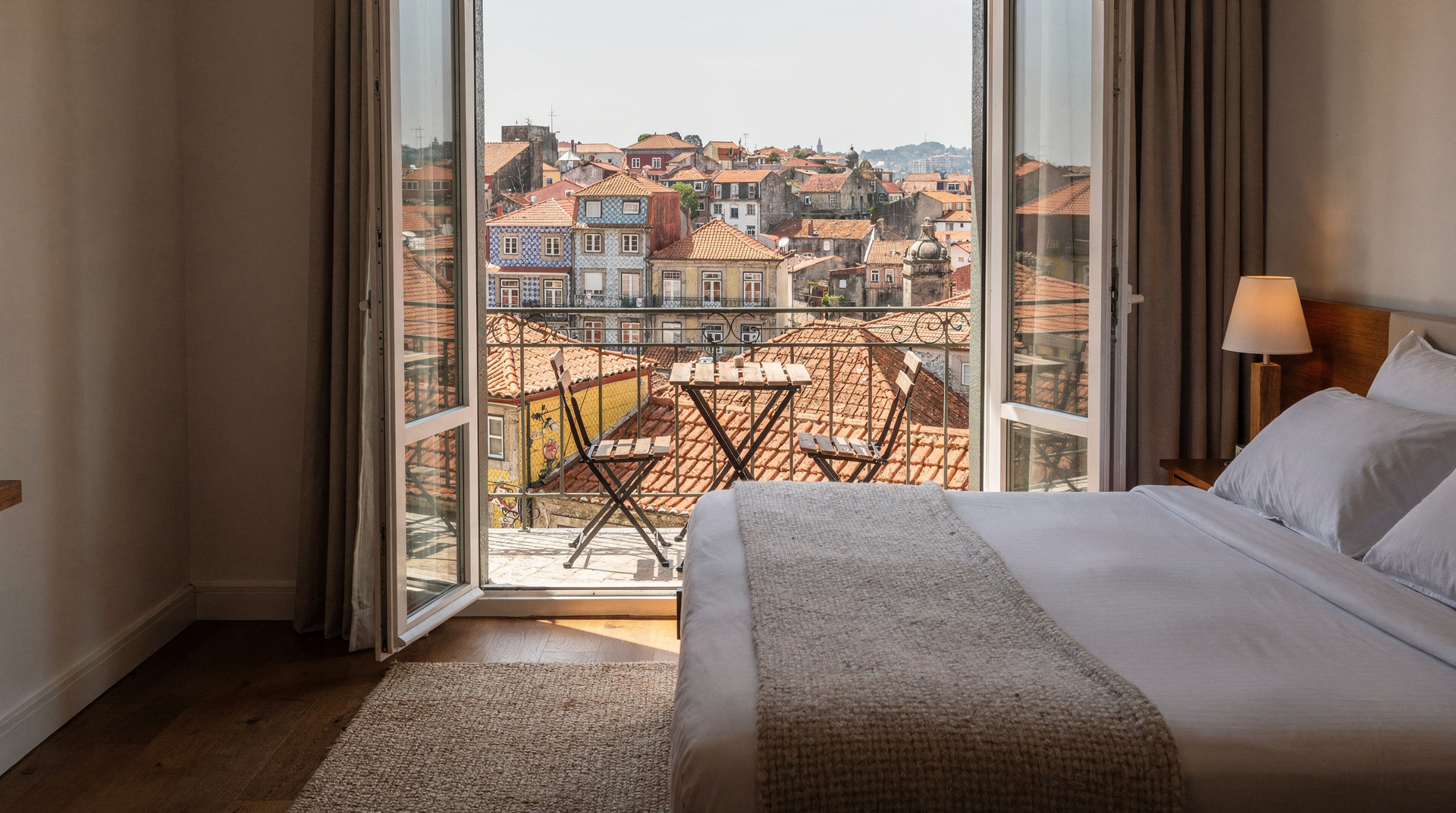
Porto on a budget — how to visit without overspending
Porto: Classic Walking Tour
How much does Porto cost per day on a budget?
A genuine backpacker budget in Porto runs 55 to 70 € per day including hostel accommodation, meals at tascas and markets, free walking tours (plus tip), metro travel, and one or two paid attractions. Mid-range visitors spend 120 to 180 € per day. The city is affordable compared to Western Europe but Ribeira restaurants charge London-level prices — one street back and costs halve.
Porto on a budget: the honest state of play
Porto has been appearing on European budget travel lists for years, and the reputation is half-deserved and half-outdated. The city remains genuinely affordable compared to Lisbon, Madrid or Barcelona — but prices in tourist-facing zones have risen significantly since 2019, and anyone arriving with expectations of a uniformly cheap city is going to be surprised by Ribeira restaurant bills.
The key to visiting Porto on a budget in 2026 is understanding which costs are genuinely low (accommodation outside the centre, local meals, transport, viewpoints) and which have crept toward Western European norms (anything on the Ribeira waterfront, Gaia quay restaurants, tourist-zone cafés). This guide navigates that honestly.
A realistic budget for Porto breaks down as follows per person per day:
| Hostel bed, central location | around 18–30 € |
| Meals (bakery breakfast, tasca lunch, affordable dinner) | around 18–28 € |
| Transport (Andante metro + walking) | around 4–8 € |
| One paid attraction | around 8–15 € |
| Free walking tour tip | around 10–15 € |
| Miscellaneous | around 5–10 € |
| Total realistic backpacker day | around 55–75 € |
This is achievable without sacrificing the best of what Porto offers. It requires knowing where to eat and where not to eat, using the right transport options, and understanding which attractions are genuinely worth the entry fee.
Backpacker vs mid-range: what the extra money buys
| Backpacker (55–75 €/day) | Mid-range (120–180 €/day) | |
|---|---|---|
| Sleeping | Hostel dorm or shared guesthouse | Private hotel room, central |
| Eating | Tascas, bakeries, market lunches | Mix of tascas and sit-down restaurants |
| Attractions | One paid stop, rest free/low-cost | Two to three paid attractions, one cellar tour |
| Transport | Andante card, walking | Andante card plus occasional Uber |
| Day trips | Train (self-guided) | Small-group organised tour |
The gap between the two tiers is mostly about comfort and time saved, not access — a backpacker who eats and moves smartly sees almost everything a mid-range visitor does. The Porto on a budget 3-day itinerary builds a full trip around the lower figure without cutting corners that matter.
Where to stay on a budget
Porto has a solid hostel scene, particularly in the Bonfim and lower Cedofeita areas. Budget 18 to 30 € per night for a dorm bed in a well-run hostel; 45 to 70 € for a private room in a budget guesthouse. The best value accommodation clusters are a 10 to 15 minute walk from Ribeira — close enough for easy access, far enough to avoid the premium.
Hostels worth knowing: The city’s hostel scene is concentrated between Bonfim and the Baixa. Smaller guesthouses (pensões) on the streets between Cedofeita and Aliados consistently offer private rooms at 45 to 65 € that compete with 80 € hotels in Ribeira for actual quality. Look on standard booking platforms for properties rated above 8.5 with more than 100 reviews — the strong performers tend to stay consistent.
For the cheapest accommodation in Porto, the window is November to February when all categories drop 30 to 40 percent. A hostel dorm bed costs as little as 14 to 18 €; private rooms at small guesthouses run 35 to 55 €.
The where to stay in Porto guide covers the neighbourhood options in detail, including which areas are best reached on foot versus metro.
Eating on a budget: tascas, markets and bakeries
Porto’s food is one of the city’s greatest strengths for budget travellers, if you know where to go.
Tascas: Traditional neighbourhood restaurants where locals eat lunch. The format is a set menu (prato do dia) that typically includes soup, a main course (usually fish or meat), bread, dessert, and a drink for 8 to 12 €. These restaurants rarely have tourist-facing menus or English signage — look for handwritten menus in the window, no photos of food, and a room full of Portuguese people. The Porto foodie weekend itinerary includes a shortlist of specific neighbourhood restaurants that have maintained this format.
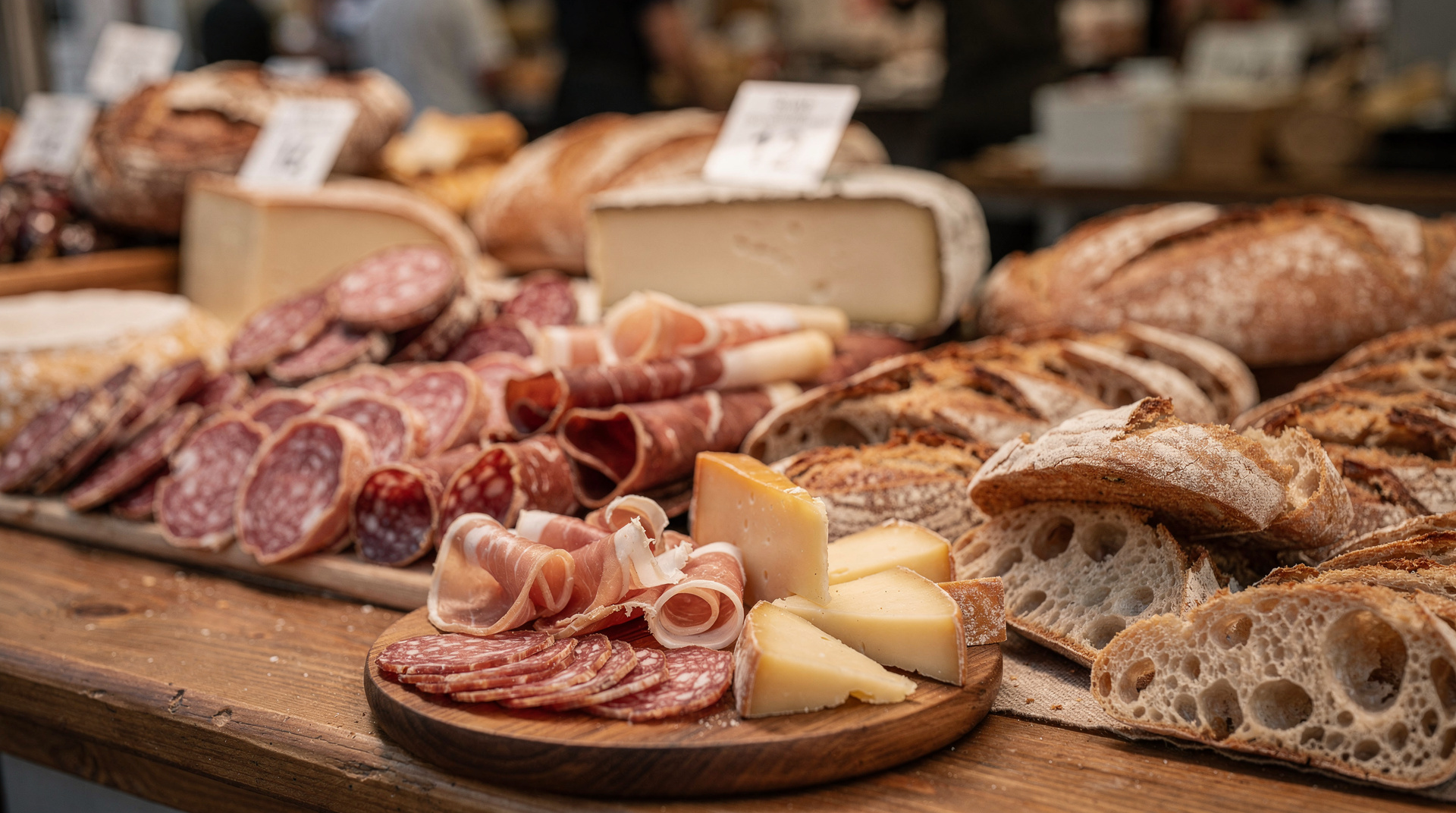
Mercado do Bolhão: Porto’s renovated central market hall has both market stalls and small food counters. Lunch at a market counter costs 9 to 14 € for a full meal. The market is also the right place to buy picnic provisions — fresh cheese, cured meats, local bread — for a riverside lunch on the Ribeira steps at a fraction of restaurant cost.
Bakeries (padarias): Pastel de nata at a local padaria costs 1 to 1.50 €. A coffee and pastry breakfast at a neighbourhood café runs 2 to 3 €. The same items in a Ribeira tourist café cost 5 to 8 €.
The Ribeira trap: The restaurants on the actual Ribeira waterfront — the ground-floor row with outdoor tables facing the Douro — charge 20 to 30 percent more than equivalent restaurants one or two streets inland. The menus are designed for first-time visitors: photos of the dishes, multiple languages, aggressive menu presentation from staff at the door. These are not bad restaurants, they are ordinary restaurants at inflated prices. Walk one street north from the waterfront and you will find the same quality of food for 15 to 25 percent less.
Francesinha on a budget: Porto’s iconic sandwich (layers of cured meats, sausage, fresh steak, covered in melted cheese and a thick tomato-beer sauce) costs 10 to 16 € at most restaurants. The cheapest places to eat one are neighbourhood cafés in Bonfim and Campanhã rather than the tourist-adjacent restaurants in the centre.
Free and low-cost attractions
Porto’s free attraction list is genuinely impressive compared to most European cities of its size.
Completely free:
- São Bento station azulejo panels — one of the most extraordinary interiors in Portugal, completely free to enter
- Ponte Dom Luís I crossing on both decks
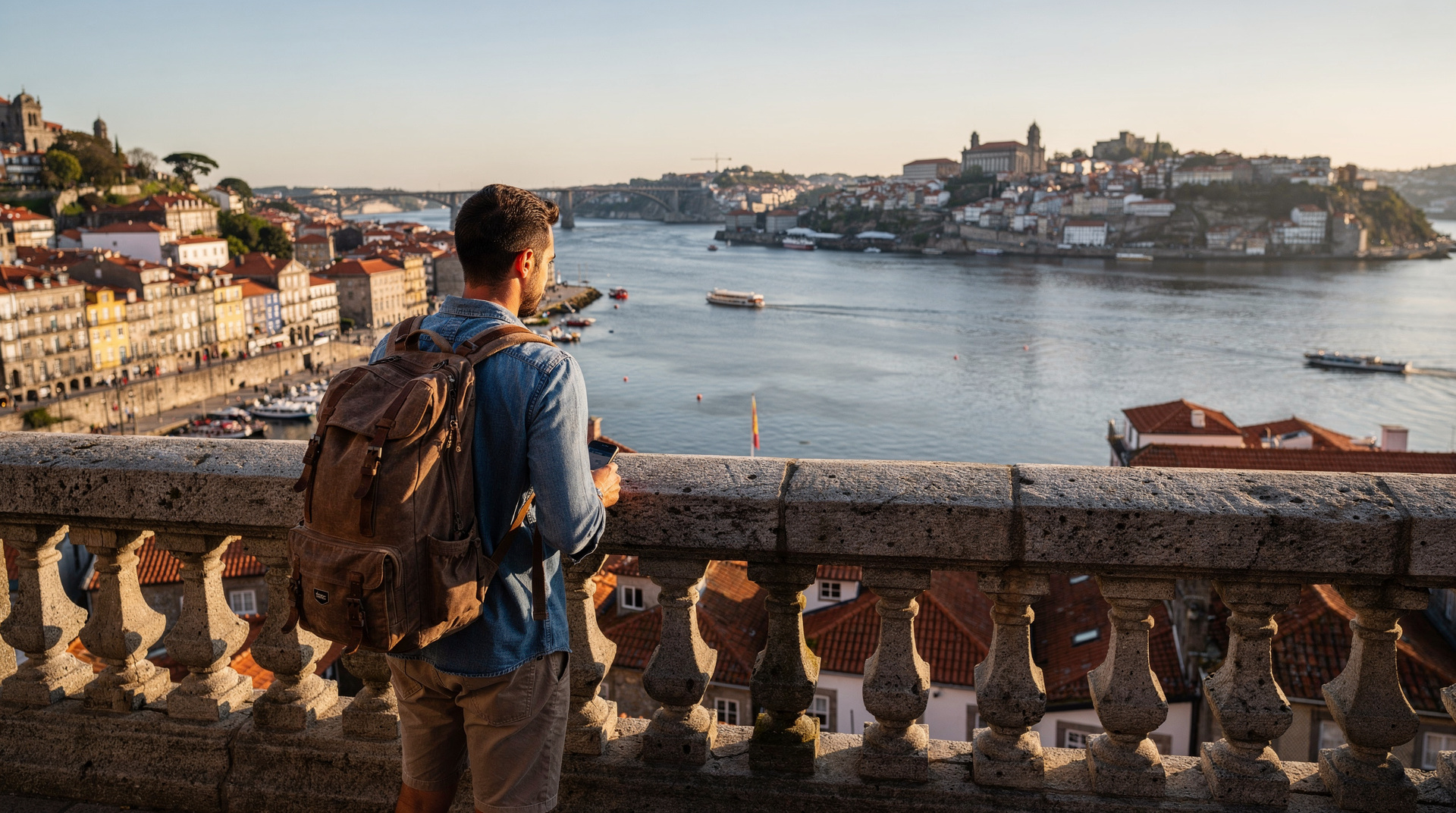
- All miradouros (viewpoints): Jardim do Infante D. Henrique, Serra do Pilar (Gaia side), Miradouro da Vitória, Miradouro da Rua das Aldas
- Ribeira waterfront walk along the Douro
- Igreja de São Francisco exterior, Igreja do Carmo azulejo façade
- Jardim do Palácio de Cristal
- Serralves Contemporary Museum grounds (free Sunday mornings until 1 pm)
- All neighbourhood markets (Bolhão for looking, not just shopping)
Low cost (5 to 10 €):
- Clérigos Tower: 6 € for access to the tower and view (the most photogenic viewpoint of the city roofscape)
- Port cellar visits at Burmester or Poças: basic tastings from 8 to 12 €
- Funicular dos Guindais: 4 € return (functional and scenic, runs Ribeira to Batalha)
Worth the money even on a budget:
- Livraria Lello Silver ticket (~8 €): the ticket price is deductible from a book purchase, making entry effectively free if you spend 8 € on books. Budget for it and spend the 8 € — the interior justifies it.
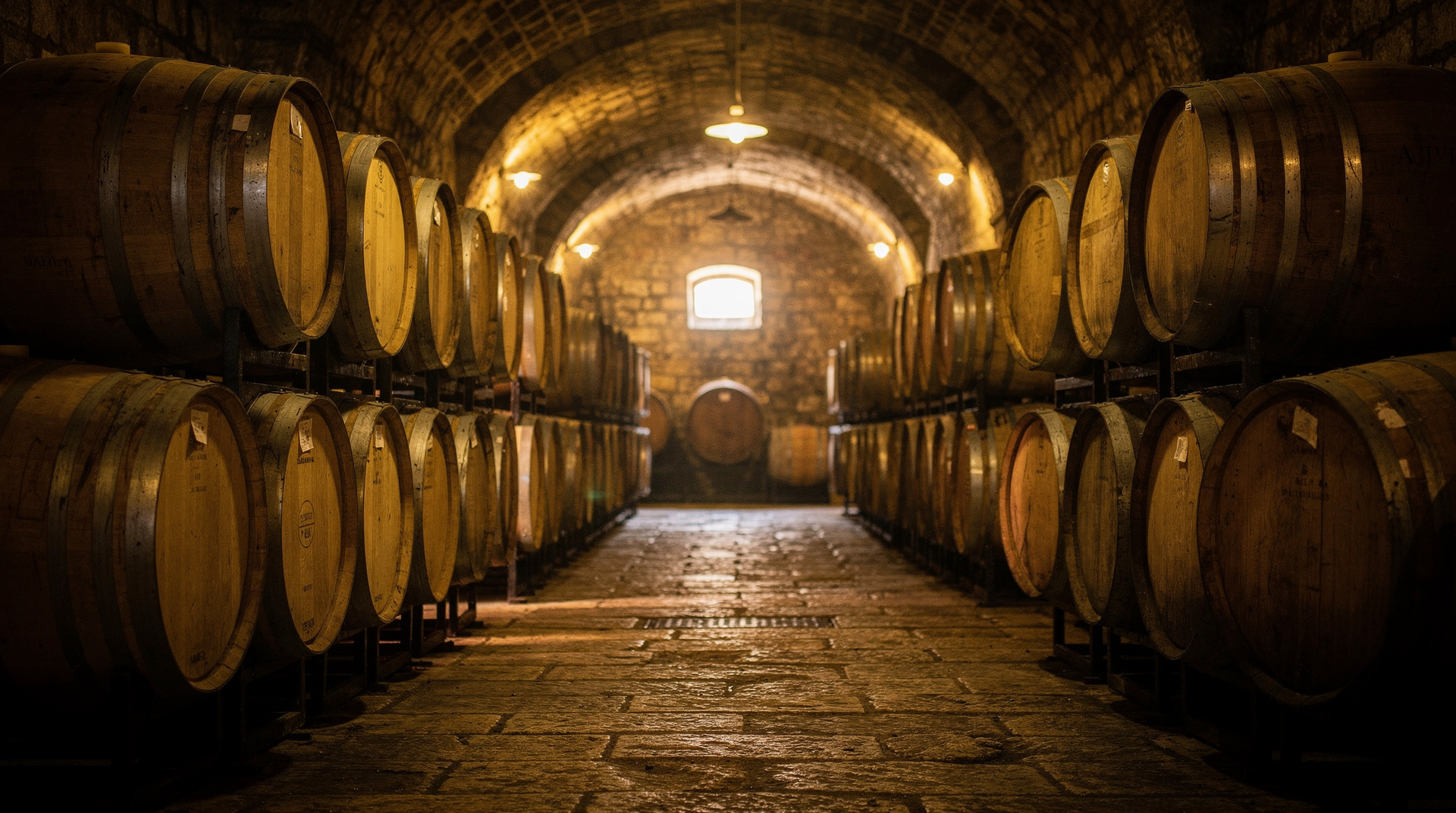
- One port cellar visit at an established lodge: 12 to 22 € for a guided tour and tasting. This is the essential Porto cultural experience; do it once even on a tight budget. Taylor’s is the best value for the experience quality; Cálem is competitive if you want fado included.
Getting from the airport without overpaying
Porto Airport (OPO) sits at the top of the budget list because it’s an easy place to overspend without realising it. The metro (line E) runs directly from the airport to Aliados and São Bento for around €2.50, taking about 30 minutes — this is the cheapest option and perfectly practical with a backpack or a single carry-on suitcase. Uber and Bolt from the airport typically cost €15–22 to the centre with a fixed quoted price, which is worth it for groups of three or four splitting the fare, but poor value for a solo traveller on a tight budget. Airport taxis quoting a fixed price before starting the meter are routinely overpriced; the full getting from Porto airport guide covers every legitimate option and what to watch for.
A sample budget day
To make the daily figures concrete, here is one realistic day at the lower end of the budget:
| Time | Activity | Cost |
|---|---|---|
| Morning | Bakery breakfast, walk São Bento azulejos and the Ribeira | around €3 |
| Midday | Tasca lunch (prato do dia) in Bonfim | around €10 |
| Afternoon | Clérigos Tower climb, free miradouros | around €6 |
| Evening | Tasca dinner, one Super Bock at Galerias de Paris | around €16 |
| Transport | Andante card, a few metro journeys | around €5 |
| Total | around €40 |
This is deliberately below the 55–75 € range because it skips a paid attraction beyond Clérigos and any evening beyond a single drink — a realistic floor for one very frugal day, useful as a reference point when a listing or restaurant bill looks out of line. The how many days in Porto guide helps translate a daily budget like this into a full trip length.
The hop-on bus covers the distances and the walking guide covers the detail, and buying them separately costs more than the pair usually does together: a Porto walking tour with a hop-on hop-off bus is the combination that removes the choice between the two.
Free walking tours — the honest assessment
Porto has numerous “free walking tours” that operate on the tip-at-the-end model. The theoretical proposition is appealing: no upfront cost, pay what you feel the experience was worth.
The honest reality: a tip of 10 to 15 € per person is the expected norm, and guides working on this model depend on tips for their income. A good guide deserves 12 to 15 €. A perfunctory one might get 8 €. The actual cost for a two-person couple is 20 to 30 €, which is comparable to what many official paid tours charge.
Quality varies dramatically. The best free walking tour guides in Porto are genuinely excellent — knowledgeable, funny, locally informed, and honest about the city’s complexities. Others are recent arrivals with a script and a flag on a stick who are less informative than reading this website for an hour.
How to identify reliable free tour operators:
- Check independent reviews on Google Maps or TripAdvisor specifically for free tours (not the same company’s paid tours)
- Look for tours that depart from a fixed location (Praça da Liberdade is common) rather than moving to find participants
- Ask how long the guide has lived in Porto and what their background is — the best guides have years of local knowledge, not months
Book the 3-hour Porto walking highlights tour — at around 15 to 20 €, a professional paid walking tour guarantees the quality and is often comparable in total cost to a free tour with tip.
The couvert trap
One specific Porto (and Portuguese) restaurant habit that catches budget travellers: the couvert. When you sit down at many traditional restaurants, the waiter brings bread, olives, butter, sometimes local cheese, and occasionally sardine paste without asking. These items are not free. They typically cost 1.50 to 3 € per item, and a table for two can accumulate 10 to 12 € in couvert before you have ordered anything.
You are entirely within your rights to decline the couvert or to push it aside and not pay for anything you haven’t touched. Politely saying “No, thank you” when the waiter brings bread is normal practice. If items arrive without being asked for, you are not obliged to eat them or pay for them.
Transport on a budget
Walking covers most of the historic centre and costs nothing. When you need transport:
Andante card + metro: The Andante card costs 0.60 € and is rechargeable. A single journey on zone 2 costs 1.45 €; zone 3 (including the airport line) costs 2.50 €. For a three-day stay with several metro trips per day, load 15 to 20 € onto the card. This is significantly cheaper than individual tickets. See the getting around Porto guide for the zone map and which lines connect where.
Porto Card: At 13 € for one day, 20 € for two days, or 25 € for three days (2026 prices), the Porto Card includes unlimited metro use and discounts or free entry to several attractions. The Porto Card guide calculates the break-even point — for budget travellers who plan to use the metro frequently and visit multiple paid attractions, it can save money; for visitors who mostly walk and do one or two attractions, it probably doesn’t.
Uber vs metro: Uber typically costs 4 to 8 € for journeys within the city centre. The metro is almost always cheaper for solo travellers. For groups of three or four, Uber can be price-competitive with four separate metro tickets.
Budget-friendly day trips
The Douro Valley is Porto’s most popular day trip but also its most expensive when done through a tour operator (60 to 90 € per person). The budget alternative is the train: Porto Campanhã to Pinhão costs around 10 € each way and takes 2.5 hours. The caveat is that almost no quintas are reachable from Pinhão on foot, except Quinta do Bomfim (15 minutes’ walk). You can take the train, walk to Quinta do Bomfim for a tasting (10 to 15 €), eat lunch in Pinhão, and return on the late afternoon train for a total spend of 35 to 45 € per person. The Douro Valley transport guide covers this in full.
Braga by train: Porto Campanhã to Braga costs 3.50 to 5 € each way and takes about 1 hour. Braga’s historic centre and the Bom Jesus staircase are free to walk. A full day trip to Braga costs 15 to 20 € in transport plus food and any paid sites (Bom Jesus lift/cable car: around 2 €).
Aveiro by train: Aveiro costs approximately 4 to 6 € each way from Porto, 50 minutes on the train. The town and its canals are walkable for free; a moliceiro boat ride costs around 15 €. A budget Aveiro day trip can be done for 25 to 35 € total.
Food tour — is it worth it on a budget?
A structured food tour in Porto costs 60 to 90 € per person and includes 10 to 12 tastings across a walking route of neighbourhood food producers. For budget travellers, this is a significant daily expenditure. The honest assessment: one good food tour done once in Porto is worth the money if you are genuinely interested in Portuguese food culture — it is more efficient than stumbling across the same producers independently, and the narrative context makes the tastings meaningful rather than random. Book the Porto food and culture tour with 10 tastings and offset the cost by eating cheaply at tascas the rest of the day.
The porto foodie weekend itinerary structures a budget-conscious approach to Porto’s food scene across three days, mixing free and low-cost food experiences with one or two higher-spend meals.
Budget nightlife and evenings
A night out doesn’t have to blow the daily budget. A Super Bock at a Galerias de Paris tasca costs around €2–3, and an evening of two or three drinks plus a late bifana comes in well under €20 per person — see the Porto nightlife guide for the areas that keep prices honest versus the ones that don’t. If you’d rather not navigate the bar scene alone, an organised pub crawl at around €15–25 bundles several drinks and venues into one fixed price, which can work out cheaper than an equivalent night spent buying round after round independently.
Staying connected without roaming charges
Non-EU visitors on a budget should buy a Portuguese SIM (NOS, MEO or Vodafone) at the airport or a city-centre shop rather than pay roaming rates — tourist data plans start around 10–15 € for 10–20 GB valid for 30 days, which is cheaper than most home-country roaming add-ons for a week-long trip. EU visitors already have roaming-as-home and don’t need to budget for this at all.
Budget accommodation tip: book early for festivals
São João on 23 to 24 June is Porto’s biggest annual festival and prices during this period are the highest of the year. Even budget accommodation in central Porto can jump 50 to 80 percent in the week surrounding São João. If you want to attend — and it is worth attending — book three to four months in advance. The porto best time to visit guide has the festival detail.
Budget travellers should also be aware that October is Porto’s second highest-demand period, driven by the Douro Valley vindima harvest and a significant volume of wine tourism. Prices are high but not as extreme as summer; booking four to six weeks ahead is sufficient.
A three-day Porto budget trip is genuinely achievable for 55 to 70 € per day without cutting any corners that matter. The single most important strategy is eating where locals eat, not where tourists sit — and in Porto, those two things are geographically closer than in any other major Portuguese city. You just need to know which street to take.
Frequently asked questions — Porto on a budget — how to visit without overspending
Is Porto cheap for tourists?
Porto is more affordable than Lisbon, Madrid or Barcelona but it is no longer the budget destination it was five years ago. Restaurant prices in tourist zones (Ribeira, Aliados waterfront) are comparable to mid-range Western European cities. The savings are significant in local tascas (8 to 12 € for a full lunch), the free attractions (São Bento azulejos, viewpoints, Ribeira walk), and accommodation outside the historic centre, where hostels run 18 to 30 € per night.Are there free things to do in Porto?
Yes, many. São Bento station azulejos are free to view. The Ribeira waterfront, Ponte Dom Luís I crossing, and all public viewpoints (miradouros) are free. The Serralves park grounds are free on Sunday mornings. The Jardim do Palácio de Cristal is free and has a good Douro view. The Livraria Lello exterior and surrounding streets cost nothing; entry requires a ticket. Most church interiors are free outside of Mass times.How much does a meal cost in Porto?
A prato do dia (daily set menu: soup, main course, dessert, bread, drink) at a local tasca costs 8 to 12 €. A sit-down lunch at a neighbourhood restaurant with wine costs 15 to 22 €. Dinner in a tourist-facing restaurant in Ribeira or on the Gaia waterfront costs 25 to 45 € per person with drinks. Pastel de nata from a padaria (bakery) costs 1 to 1.50 €. Coffee is 0.80 to 1.20 € at a local café standing at the counter.What is the cheapest way to get around Porto?
Walking is free and covers most of the historic centre comfortably. The metro with an Andante card is the best value for longer distances — a single journey costs 1.45 to 2.50 € depending on zones. The Porto Card (13 € for one day) includes unlimited public transport and free entry to some attractions — the guide on whether it saves money breaks down the maths.Are free walking tours in Porto worth it?
The concept of free walking tours is that you pay a tip at the end based on what you think the tour was worth — typically 10 to 15 € per person, putting the total cost similar to a paid tour. Quality varies significantly between operators. Some free tours are excellent; others are essentially a moving advertisement for paid services. The Porto travel tips guide covers how to identify reliable operators from the crowd.When is the cheapest time to visit Porto?
November to February is the low season — accommodation drops 30 to 40 percent, restaurants have no queues, and the port cellars are quiet and unhurried. The catch is rain (November is the wettest month of the year) and shorter daylight hours. March to April and October are ideal budget periods: lower prices than summer but better weather than January.
Top experiences
Bookable activities with verified prices and instant confirmation on GetYourGuide.