Porto travel tips — what to know before you go
Porto: Porto Historic City Center Walking Tour
What do I need to know before visiting Porto?
The hills are steeper than they look on maps — pack comfortable shoes with grip, especially for wet cobblestones. Tap water is safe to drink. Tipping is expected at 5 to 10 percent in restaurants. The couvert (bread and snacks brought automatically) is chargeable — you can refuse it. ETIAS travel authorisation is expected in 2026 for non-Schengen visitors including UK, US and Canadian travellers.
| Currency | Euro (€), cards widely accepted |
| Language | Portuguese; English common in tourist areas |
| Tap water | Safe to drink |
| Tipping | 5–10% in restaurants, not obligatory |
| Entry requirement | ETIAS expected for non-Schengen visitors in 2026 |
The hills: Porto’s best-kept secret and biggest practical challenge
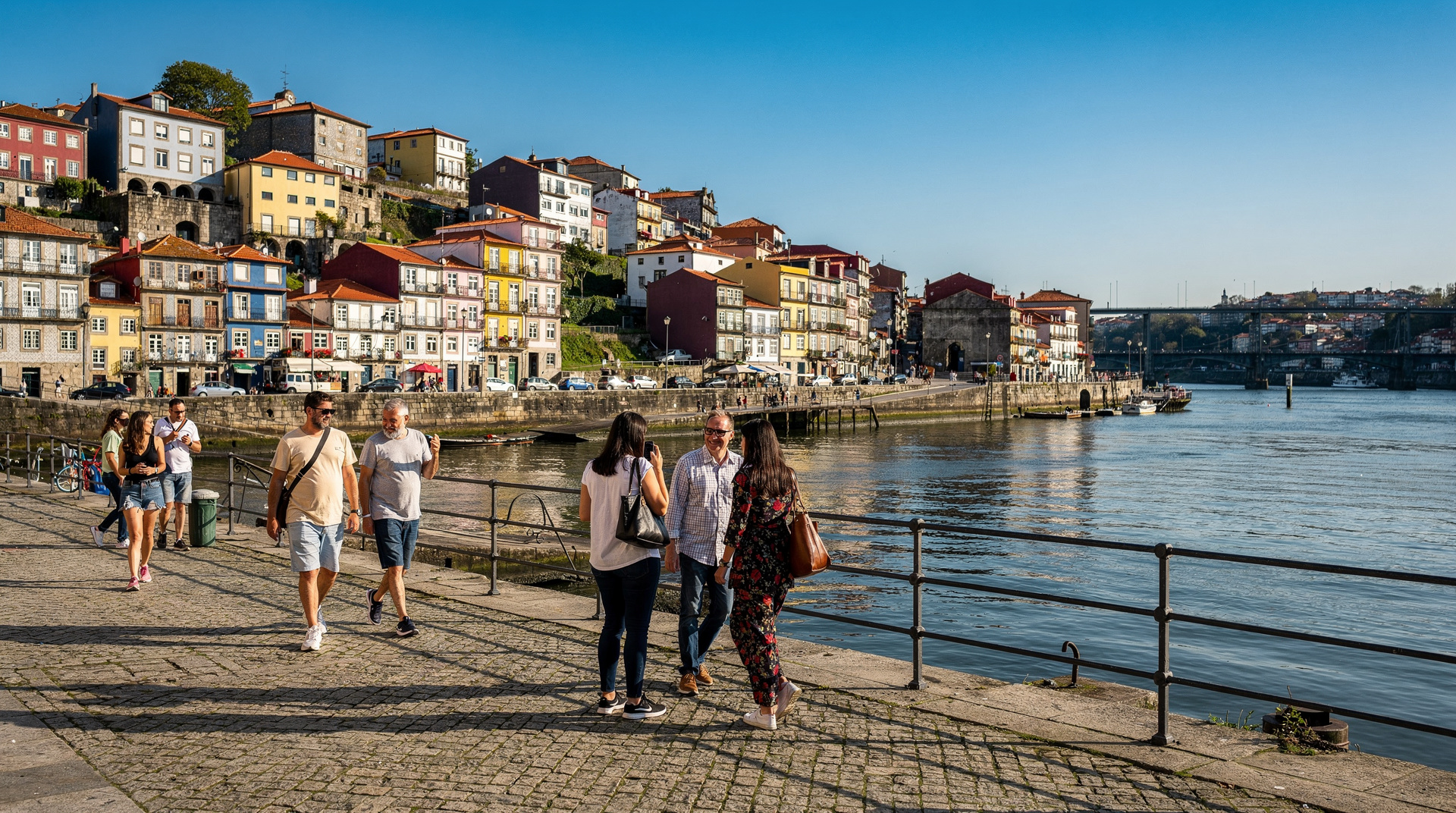
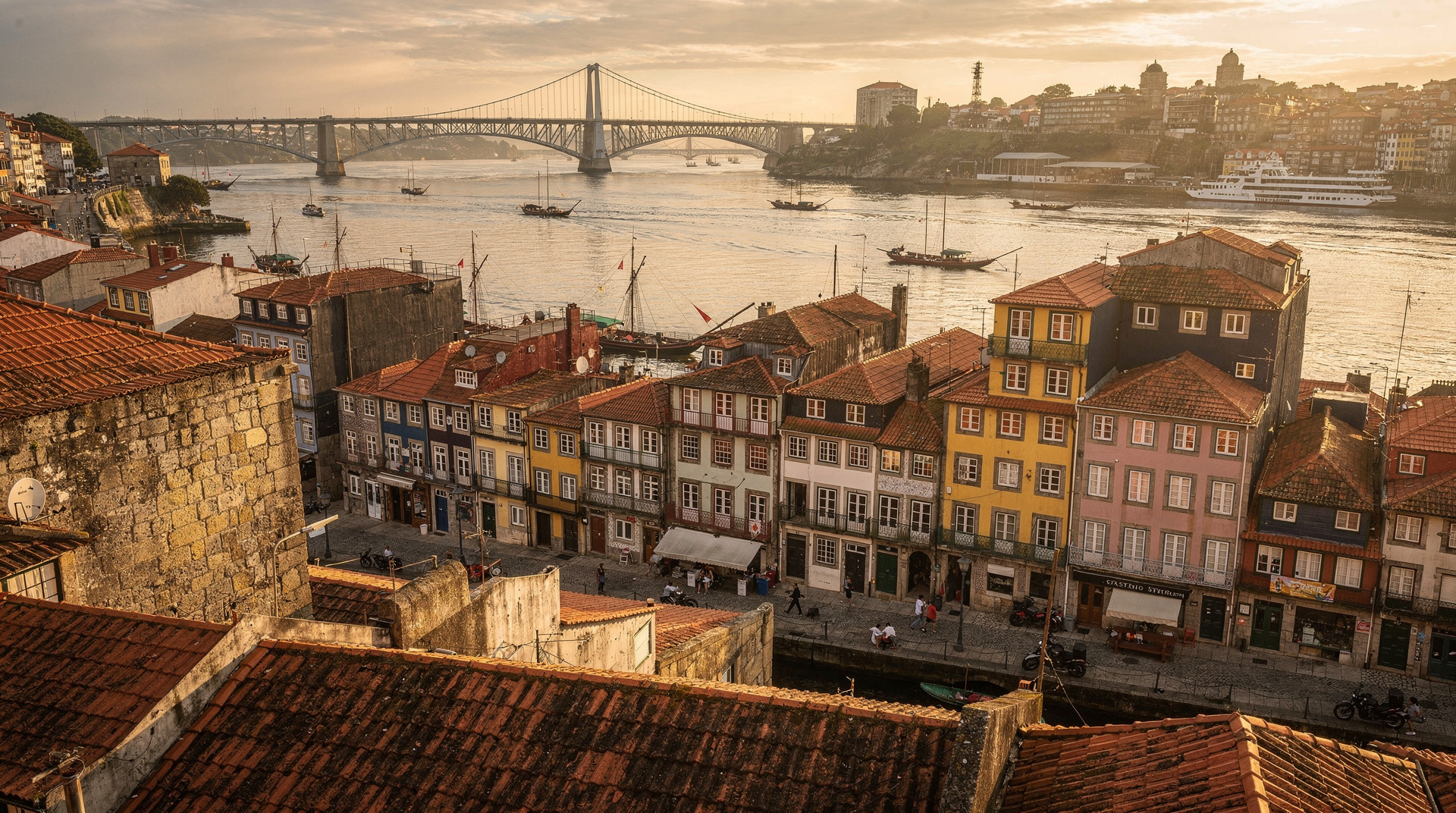
Every visitor to Porto discovers the hills within the first hour. The photographs and travel brochures present Porto as a pretty waterfront city of coloured buildings and bridge views — they do not adequately prepare you for the 15-minute uphill walk from Ribeira to the São Bento area, or the leg-burning gradient of the streets around Bairro da Sé.
Porto is built on a series of steep hillsides dropping to the Douro River. The elevation change between the waterfront and the upper historic centre is 60 to 80 metres over a horizontal distance of 400 to 500 metres. In practical terms, this means a short distance on a map can involve 10 to 15 minutes of genuine climbing.
The implications for your visit:
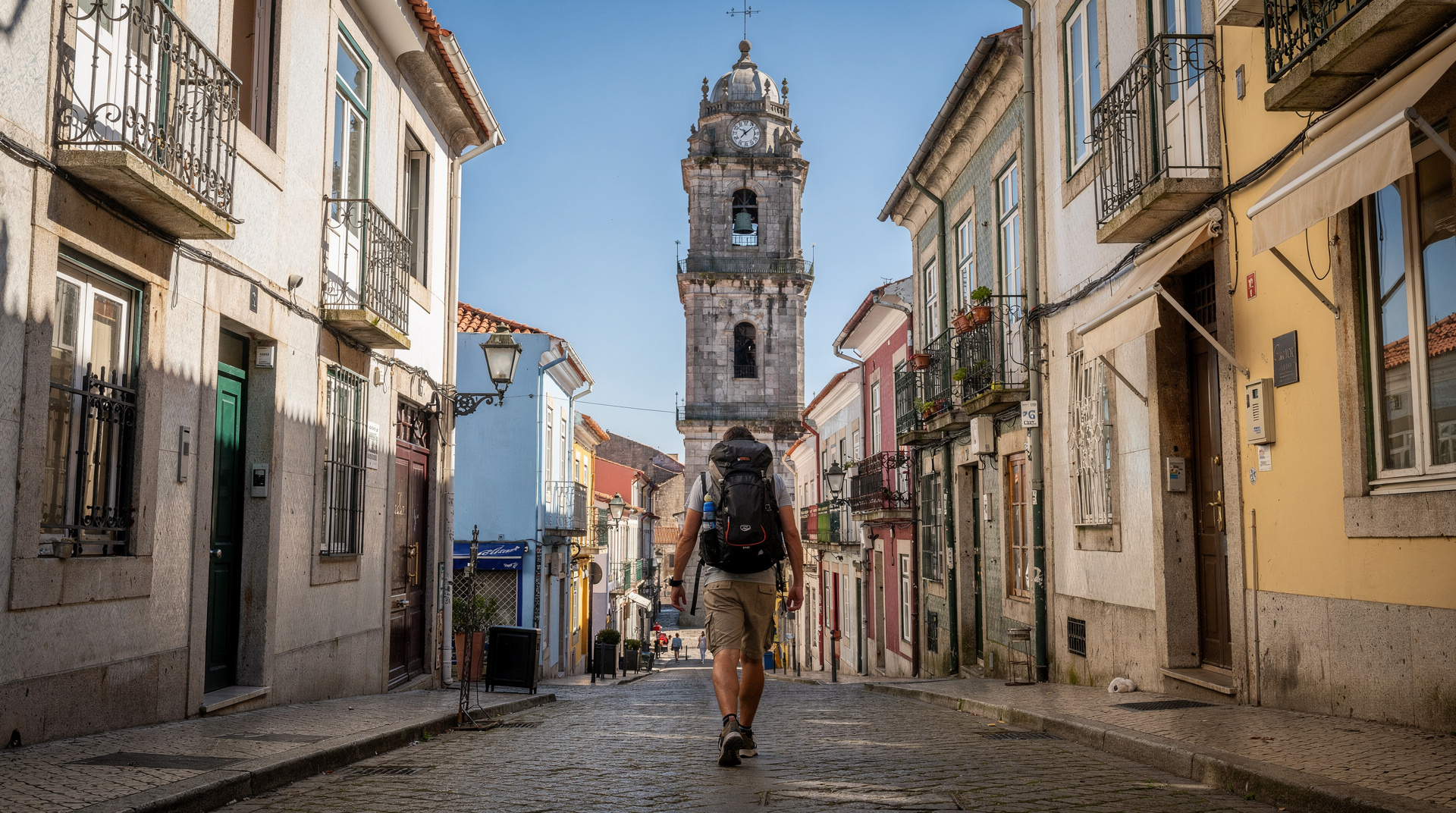
Footwear is the single most important logistical decision. Port cobblestones (calçada portuguesa) are beautiful, traditional, and extremely slippery when wet. Smooth-soled shoes — leather-soled dress shoes, smooth-bottomed trainers, fashion sneakers — become genuinely dangerous on wet cobblestones. Rubber-soled shoes with grip are not optional in rainy weather; they are a safety requirement. This applies year-round, including in summer when the occasional early morning rain leaves slick surfaces.
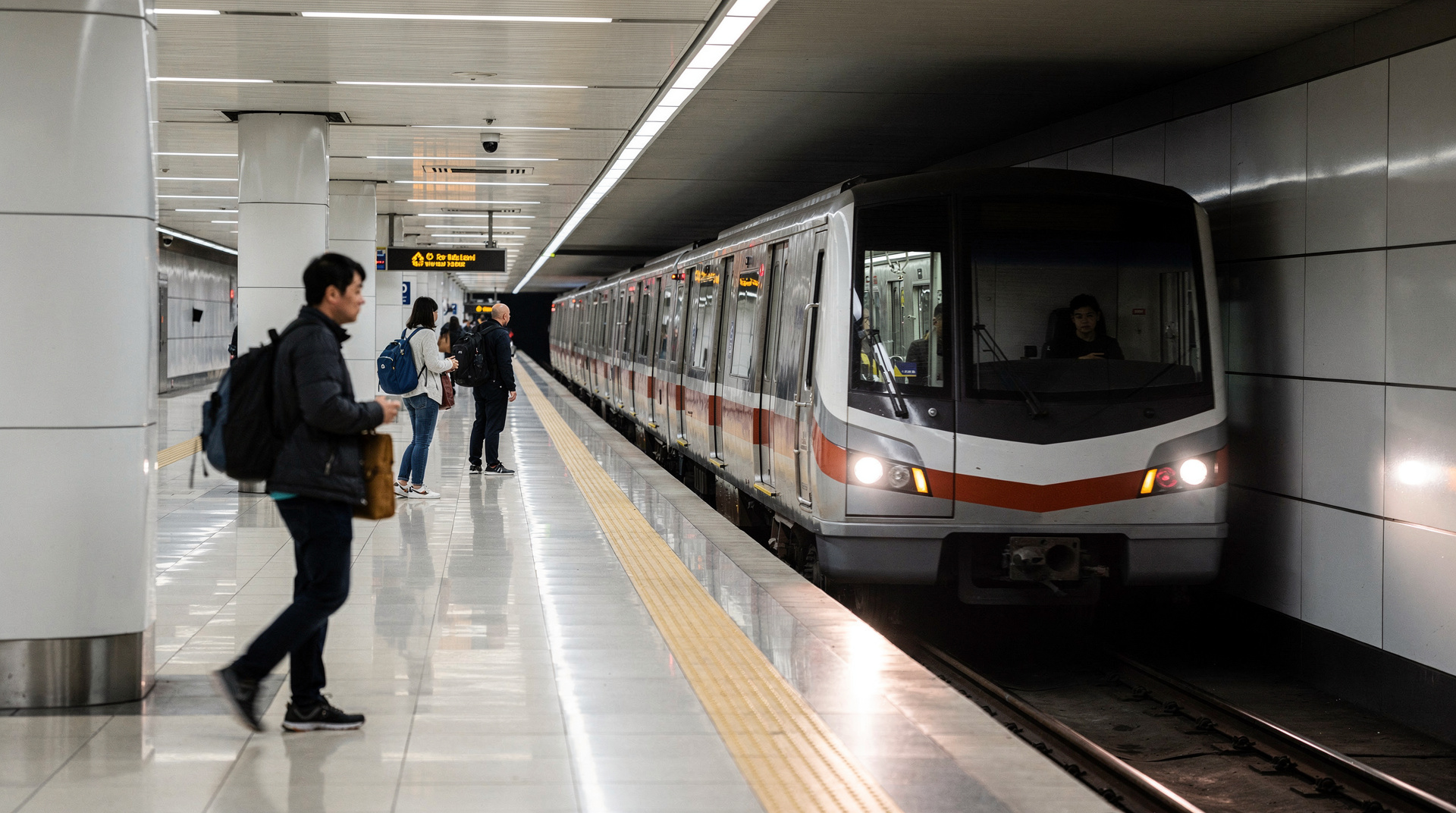
Plan routes knowing the gradient. Walking from Ribeira down to Gaia via the bridge and back is manageable at any fitness level. Walking from Ribeira up to Cedofeita or the Lello area requires sustained uphill effort. Use the funicular dos Guindais (Batalha to Ribeira, 2.50 € one way) or the metro to avoid the steepest sections when legs are tired. See the getting around Porto guide and porto funicular guide for the transport shortcuts.
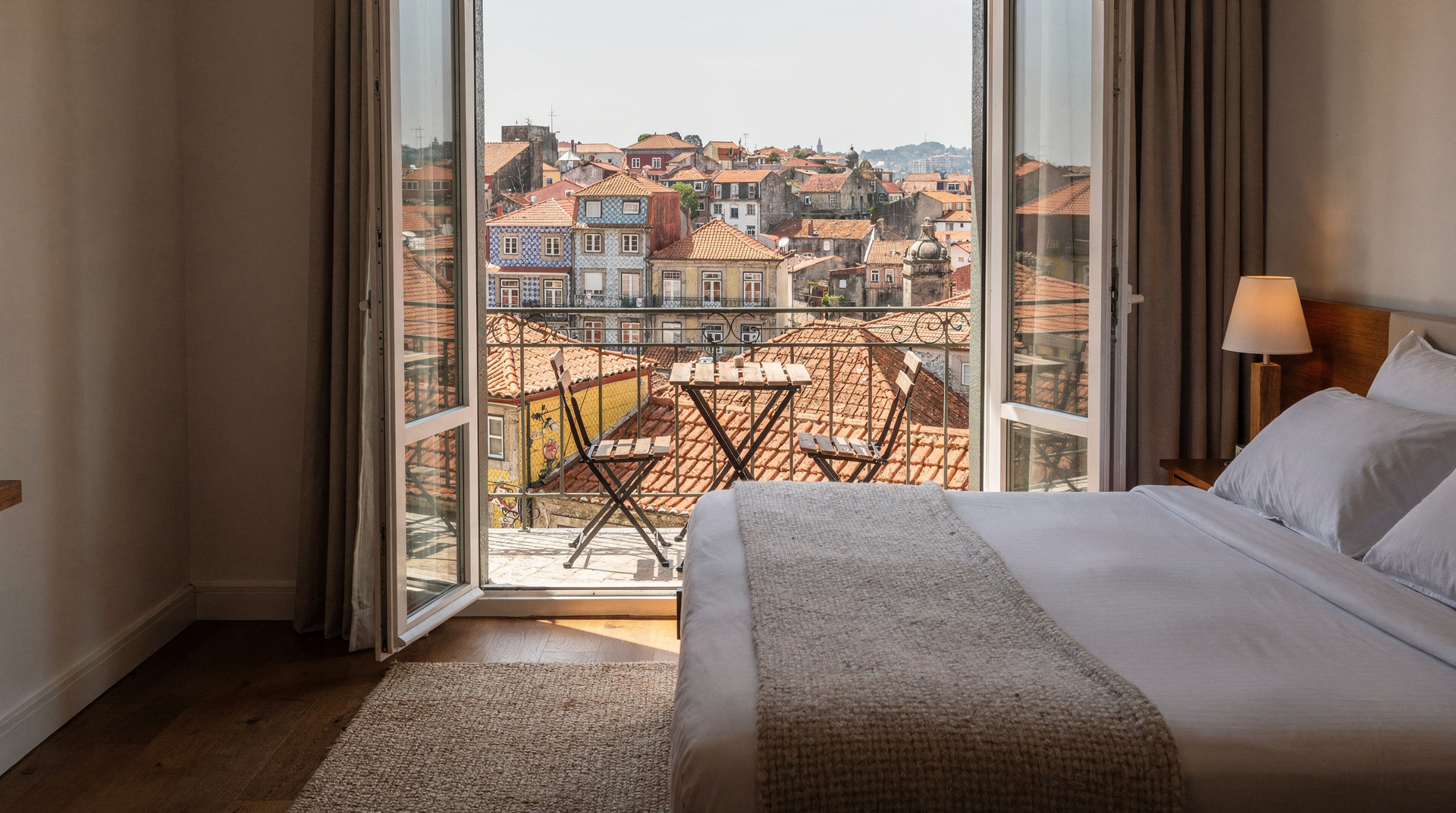
Luggage at check-in: If your accommodation is in Ribeira or the upper historic centre, count on carrying your luggage on foot from wherever your taxi or Uber drops you. Very few streets in these areas have vehicle access to the door, and most accommodation has no lift. Pack light or bring a bag with good wheels — and test those wheels on cobblestones before assuming they will roll.
Health and pharmacies
Portuguese pharmacies (farmácias) are a genuinely useful first stop for minor ailments — sunburn, upset stomachs, blisters from the cobblestones — and pharmacists are well-trained to advise without a doctor visit. Look for the green cross sign, illuminated when open. For anything more serious, Hospital de Santo António handles emergencies in the public system, while CUF Porto and other private hospitals offer faster access for those with travel insurance. EU visitors should carry an EHIC; non-EU visitors should have travel insurance that explicitly covers medical treatment, since private care in Portugal is not cheap without it.
Tipping in Porto
Portugal has a tipping culture that is genuine but more moderate than the United States or UK. The relevant norms for Porto:
Restaurants: 5 to 10 percent is standard for good service. Round up to the nearest 5 € for casual meals; 10 percent is appropriate for a full dinner with attentive service. Leaving 1 to 2 € for a tasca lunch is appreciated and normal.
Cafés and bars: Rounding up the bill (leaving the coins, or a few cents extra on a card tap) is normal. There is no expectation of formal percentage tipping for counter service.
Taxi drivers: Round up the fare to the nearest euro; leaving 1 to 2 € for a longer journey is appreciated.
Port cellar guides: 2 to 5 € per person for a good tour is normal and appreciated; guides doing large group tours at Cálem or Taylor’s handle many groups daily and a small tip acknowledges the effort.
Free walking tour guides: The tip IS the payment. 12 to 15 € per person for a good two-to-three-hour tour is the expected norm — see the porto on a budget guide for honest context on free tour economics.
Tipping is not obligatory but is expected for good service. Leaving nothing for excellent restaurant service is noticed and considered impolite. Tipping in cash is generally preferred over adding it to a card payment, since not every terminal in Porto prompts for a tip and staff are more likely to actually receive cash left on the table.
The couvert: how it works and how to handle it
The couvert is a near-universal feature of Portuguese restaurants that surprises many visitors. When you sit down, a waiter will bring bread, butter, and often additional items: olives, local cheese, sardine paste, pâté. These items arrive uninvited and are not free — each item typically costs 1.50 to 3 € and will appear on your bill if you consume them.
This is legal, normal, and culturally accepted in Portugal. It is not a scam. But it catches visitors who assume that food brought to the table without being ordered must be complimentary.
Your options:
You can decline the couvert entirely by saying “Não, obrigado” (no, thank you) or by pushing the items to the side and clearly not touching them. If you do not eat anything from the couvert, you should not be charged. In some tourist-facing restaurants, it can be worth checking your bill regardless.
You can accept and enjoy the couvert, understanding that you are paying 3 to 8 € for the extras. In many cases — particularly with good local bread, decent olive oil and a small dish of olives — it is an enjoyable and reasonably priced start to a meal.
What to avoid: accepting and eating the couvert and then being surprised by the bill. Know it is coming, decide your preference, and either decline or accept with clarity.
Tap water and hydration
Porto tap water is safe to drink throughout the city. It meets EU standards and is tested regularly. The taste varies slightly by area — some parts of the city have water that tastes slightly mineral or chlorinated; in most areas it is neutral.
Asking for tap water (água da torneira) in restaurants is entirely acceptable. Some tourist-facing venues in Ribeira will bring bottled water without asking — if you do not want it, send it back before it is opened. A small 0.5L bottle of water costs 0.80 to 1.50 € at a supermarket and 2 to 3 € at tourist-zone restaurant prices.
In summer (July and August), staying hydrated while walking Porto’s hills is important. Porto’s hilly terrain plus 30°C heat requires more water than most visitors expect. Carry a reusable bottle — public drinking fountains (chafarizes) exist in some squares but are not ubiquitous.
ETIAS — the entry authorisation to know about
ETIAS (European Travel Information and Authorisation System) is the EU’s version of the US ESTA or the Australian ETA — a pre-travel online authorisation required for visitors from visa-exempt non-Schengen countries.
Countries that will need ETIAS: UK, USA, Canada, Australia, New Zealand, Japan, South Korea, and most other visa-exempt countries. EU citizens and Schengen area passport holders do not need ETIAS.
As of mid-2026, ETIAS implementation has been delayed multiple times and the launch date remains in flux. The authorisation is expected to cost approximately 7 € and will be valid for 3 years or until passport expiry. Registration is online and is expected to take 5 to 10 minutes for most applicants, with a standard processing time of a few minutes (though complex cases may take longer).
The advice: check the official EU ETIAS website (travel.europa.eu) before your trip. If ETIAS is operational by the time you travel, register before you depart — it is expected to be required before boarding your flight, not just at the border.
ETIAS does not affect passport holders from EU/Schengen countries, and it is not a visa. It is simply a pre-registration requirement.
Public holidays in Portugal
Portugal observes 13 public holidays per year. On public holidays, some smaller shops, tascas and services close. Major tourist attractions, museums and most restaurants in Porto stay open, though hours may vary.
Key public holidays that affect Porto visitors:
- 1 January: New Year’s Day
- Easter Friday and Easter Monday (dates vary)
- 25 April: Freedom Day (Carnation Revolution anniversary — significant nationally)
- 1 May: Labour Day
- 10 June: Portugal Day (Camões Day)
- 24 June: São João do Porto (Porto’s local public holiday — the São João festival, the biggest day in the Porto calendar)
- 15 August: Assumption of Mary
- 5 October: Republic Day
- 1 November: All Saints Day
- 1 December: Restoration of Independence
- 8 December: Immaculate Conception
- 25 December: Christmas Day
For visitors, the most important is 24 June (São João), when Porto essentially closes everything that isn’t a restaurant or street vendor in order to party. Plan around it or plan for it. The porto best time to visit guide covers São João in detail.
What changes by season
| Season | Weather | Crowds | What to know |
|---|---|---|---|
| Spring (Mar–May) | Mild, some rain | Moderate | Good balance of weather and prices |
| Summer (Jun–Aug) | Warm, driest months | Peak, especially around São João | Book ahead; Porto is cooler than Lisbon |
| Autumn (Sep–Oct) | Mild, vindima season | High in Douro-adjacent bookings | Good weather window, harvest season |
| Winter (Nov–Feb) | Wettest, coolest | Low | Cheapest accommodation; pack for rain |
The Porto in summer guide and the Porto in winter guide go into the seasonal detail behind this table if you’re still deciding when to visit.
Practical day-to-day tips
ATMs and cash: Use ATMs affiliated with major Portuguese banks (Caixa Geral de Depósitos, Millennium BCP, BPI, Santander) for better exchange rates and lower fees. Airport ATMs are convenient but sometimes charge higher fees. Multibanco is the national Portuguese ATM and payment network; Multibanco terminals are found everywhere and accept most international cards. Avoid standalone “Euronet”-style ATMs that offer to convert to your home currency on screen (dynamic currency conversion) — always choose to be charged in euros, since the on-screen conversion rate is consistently worse than your card issuer’s own rate.
Pharmacies (farmácias): Portuguese pharmacists are well-trained and can advise on minor medical issues and over-the-counter medication. Porto’s urban pharmacies are open weekdays 9 am to 7 pm and Saturdays 9 am to 1 pm. A duty pharmacy (farmácia de serviço) is open outside normal hours — the address of the nearest duty pharmacy is posted on the door of closed pharmacies.
SIM cards: Buying a Portuguese SIM card at the airport (NOS, MEO or Vodafone) is cheaper than roaming charges for non-EU visitors. Tourist data plans start around 10 to 15 € for 10 to 20 GB valid for 30 days. EU visitors have roaming-as-home within the EU and do not need a local SIM. If you’d rather sort this before landing, most tourist eSIM providers also cover Portugal and let you activate data before you clear the airport.
Electrical sockets: Portugal uses Schuko (Type F) sockets — the same two-round-pin standard used across most of continental Europe. UK three-pin plugs and US/North American plugs require adaptors. Voltage is 230V, 50Hz.
Photography and etiquette: Porto is enormously photogenic and most public spaces are freely photographed. Church interiors are generally photographable outside of Mass times. Some private businesses (tascas, small shops) prefer not to be photographed — use judgement and ask. Photographing local people without permission is not illegal but is discourteous; ask first.
Budgeting your trip: For a fuller sense of what things actually cost day to day, the Porto on a budget guide breaks down accommodation, meals and transport at both a backpacker and a mid-range level, and the Porto tourist traps guide covers the specific overpricing patterns — the Ribeira waterfront, the couvert, fake free tours — worth knowing about before your first evening out.
Walking Porto’s streets safely
Book a Porto city centre walking tour for your first morning — a local guide covering the major sights, neighbourhood transitions and practical street advice saves hours of orientation time.
Key safety awareness for walking Porto:
Steep streets and rain: The combination of steep cobblestone streets and rain produces genuinely slippery conditions. Take shorter steps, walk on the flat centre of cobblestones rather than the rounded edges, and hold handrails where available. Tourist flip-flops and fashion sneakers are not adequate footwear for wet Porto streets.
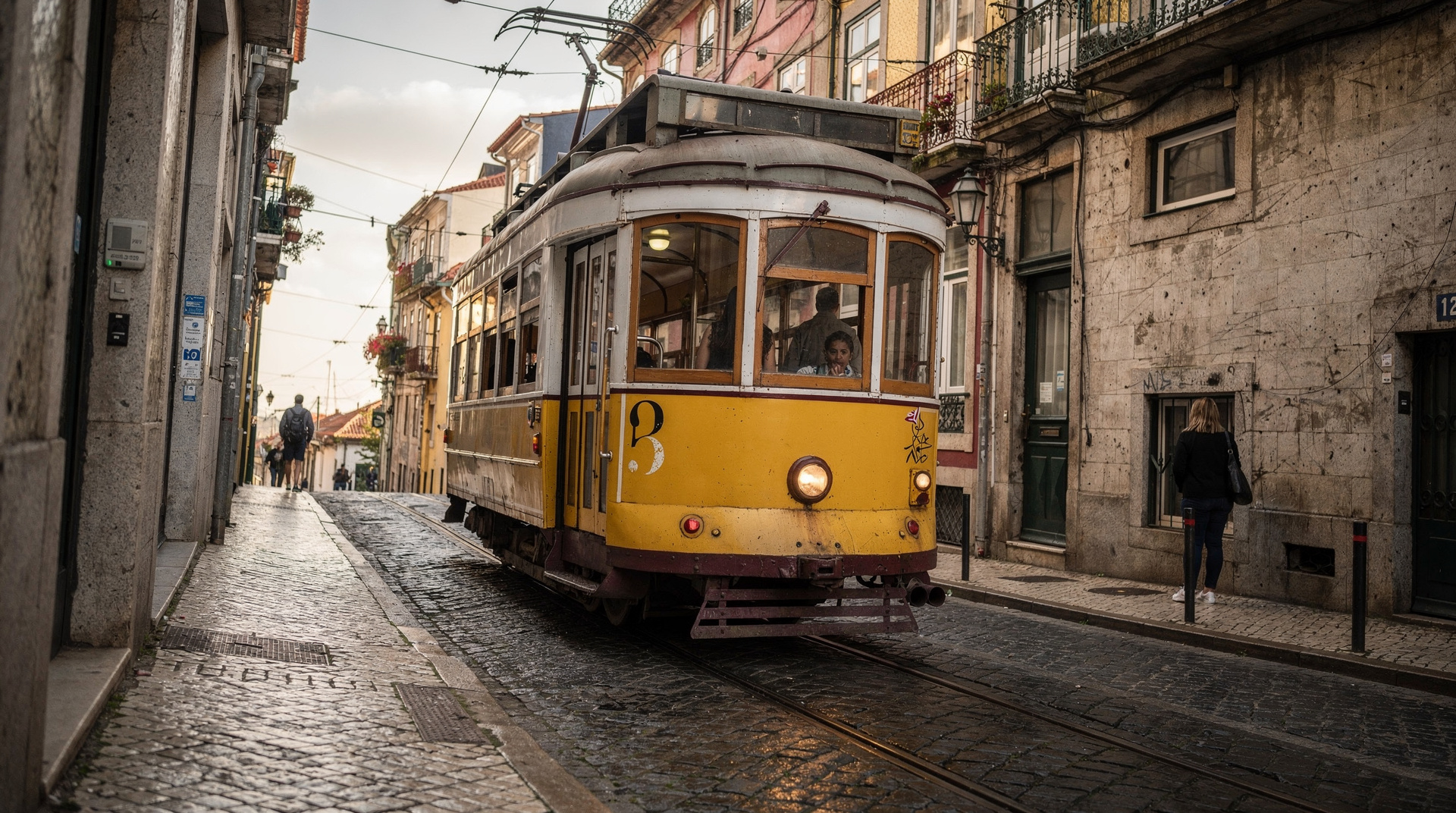
Tram tracks: Historic tram line 1 runs along the Ribeira waterfront. The rails are smooth metal and can catch bicycle wheels or foot edges. Cross tram tracks at right angles.
Traffic: Porto’s historic centre has limited vehicle access, but delivery vehicles, taxis and some private cars use the narrow streets in the morning hours. Narrow lanes without pavements (calcadas) require awareness of approaching vehicles — step into a doorway to allow vehicles through.
The Porto hidden streets walking tour covers parts of the city that the standard tourist circuit misses — worth doing on a second day to understand Porto beyond the Ribeira waterfront and the port cellar strip.
The accessible Porto guide covers in detail the mobility challenges of Porto’s terrain and what practical alternatives exist for visitors with limited mobility.
Getting your bearings on day one
Most first-time visitors underestimate how much a short orientation helps in a city built on hills, where the map distance between two points doesn’t reflect the actual walking effort. Spending your first morning on a guided walk rather than navigating cold pays off for the rest of the trip — you learn which streets connect where, where the funicular and metro stops actually are, and which neighbourhoods are flat versus steep before you’re carrying luggage or tired legs into the wrong decision. The getting around Porto guide is the companion reference for the transport network itself once you’ve got your bearings, and the Porto Card guide is worth checking before you buy any individual tickets, since it can bundle transport and several attractions depending on how many days you’re staying and how much you plan to move around.
Language basics worth knowing
Portuguese pronunciation is notoriously difficult, but a handful of phrases are both appreciated and useful:
- “Bom dia” (bohn DEE-ah) — Good morning
- “Boa tarde” (BOH-ah TAR-d) — Good afternoon
- “Obrigado/Obrigada” (oh-bree-GAH-doo / oh-bree-GAH-dah) — Thank you (male/female speaker)
- “Por favor” (poor fah-VOR) — Please
- “A conta, por favor” (ah KOHN-tah poor fah-VOR) — The bill, please
- “Não, obrigado” (nowng oh-bree-GAH-doo) — No, thank you (for refusing couvert)
- “Água da torneira, por favor” — Tap water, please
- “Fala inglês?” (FAH-lah een-GLAYSH) — Do you speak English?
Even the most tentative attempt at Portuguese is appreciated. Porto residents are generally patient and helpful with tourists. English is widely spoken in all tourist contexts throughout the city.
Frequently asked questions — Porto travel tips — what to know before you go
Is Porto safe for tourists?
Porto is one of the safer major tourist cities in Europe. Violent crime is rare and tourist-targeted crime is primarily petty theft (pickpocketing on crowded trams and in busy tourist areas like Ribeira in summer). Standard precautions apply: keep bags in front of you on the historic tram, don't leave valuables visible in parked cars, and be aware in very crowded areas during peak summer. The city is generally safe to walk at night throughout the historic centre and main neighbourhoods.What currency does Porto use?
Portugal uses the Euro (€). Card payment is widely accepted in hotels, restaurants, shops and transport — most Porto venues accept Visa and Mastercard without issue. Contactless payment works broadly. ATMs are readily available throughout the city. Some small tascas, markets and older establishments prefer cash for small transactions, so carrying 30 to 50 € in notes is practical.What language do people speak in Porto?
Portuguese. English is widely spoken in hotels, tourist-facing restaurants, shops and museums throughout central Porto. In neighbourhood tascas, bakeries and smaller shops away from the tourist zone, Portuguese is the primary language and English may be limited. A few words of Portuguese are appreciated but not required — menus are increasingly bilingual, and pointing at menu items works everywhere.Is the tap water safe in Porto?
Yes. Porto tap water is safe to drink and treated to European standards. Some visitors notice a slight mineral taste depending on the local supply point, but it is entirely safe. Ordering bottled water in restaurants is optional — you can ask for tap water (água da torneira), which most restaurants will provide, though some tourist-facing venues are reluctant.What is ETIAS and does it affect Porto visitors?
ETIAS (European Travel Information and Authorisation System) is the EU's entry authorisation system for visa-exempt visitors from non-Schengen countries, including the UK, USA, Canada, Australia and New Zealand. It was expected to launch in 2025 and has been further delayed; as of mid-2026, the projected implementation is later in 2026. ETIAS will require online pre-registration (expected cost around 7 €) before travelling to any Schengen country including Portugal. Check the EU official ETIAS website before travel for the latest status.Do I need travel insurance for Porto?
EU citizens with a European Health Insurance Card (EHIC) have access to Portuguese public health services on the same terms as local residents. Non-EU visitors are strongly advised to have travel insurance covering medical treatment, which in Portugal can be expensive at private hospitals and clinics without insurance. Travel insurance also covers trip cancellation and lost luggage — standard advice for any international trip.
Top experiences
Bookable activities with verified prices and instant confirmation on GetYourGuide.