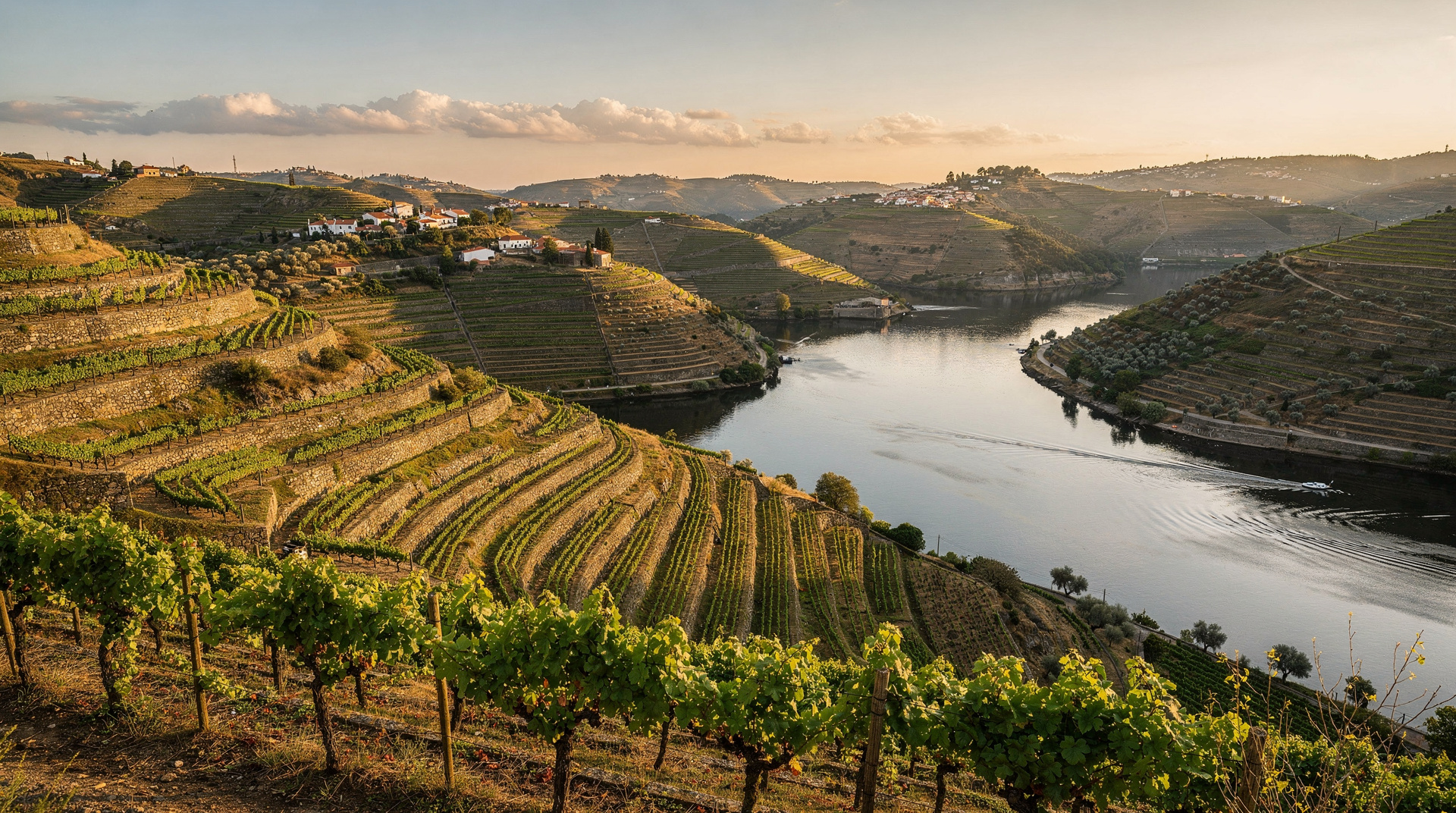
Is the Douro Valley tour worth it? Yes — but not all of them
| Where | Douro Valley, 1h30–2h east of Porto |
| Cost | Around 90–120 € (premium small-group) vs 55–75 € (large-group budget) |
| Time needed | Full day for a single-day tour from Porto |
| Best format | Small-group, 2 quintas, some river time |
| Booking | 3–4 weeks ahead in peak season (Jul–Sep, vindima) |
The honest version of this question
The question “is the Douro Valley tour worth it?” contains a hidden assumption: that all Douro tours are the same thing. They are not. We’ve been on four of them over the past few years and the range of experience between best and worst is wider than almost any other category of tour we’ve taken anywhere.
Here’s the distinction that matters: the quality of a Douro tour is almost entirely determined by whether it prioritises the valley itself — the landscape, the quintas, the wine made in that specific terroir — or whether it treats the Douro as a backdrop for a bus transfer and a generic wine-tourism package.
What the better tours include
The better tours to the Douro Valley from Porto share several features:
Small groups: under 12 people. The valley has narrow access roads, intimate quinta reception areas, and cellar spaces where forty people standing together lose the experience. Small-group tours exist and cost more (90-120 €). They’re worth it.
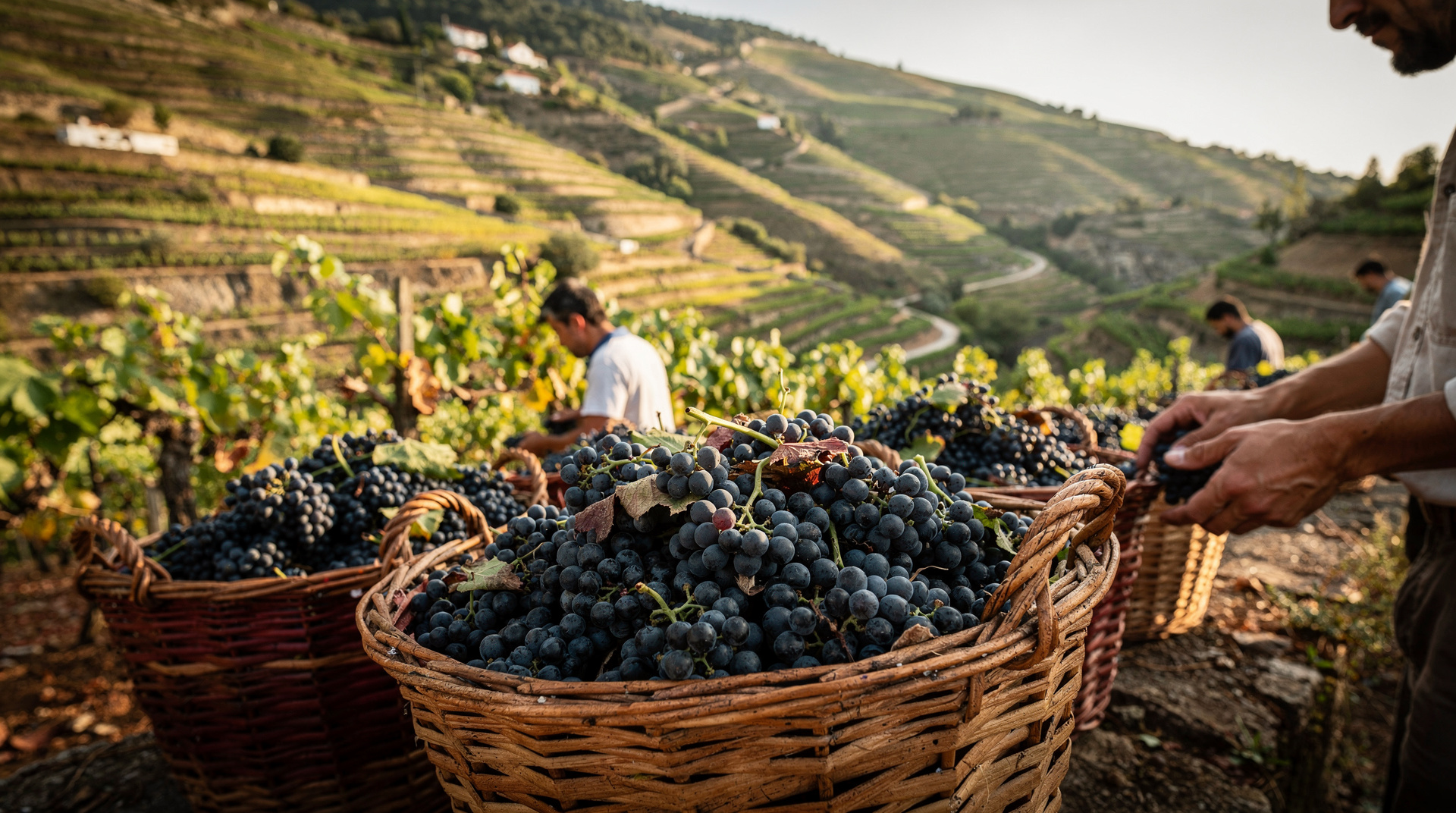
At least two quintas: One estate visit shows you one family’s approach to the valley. Two shows you the variety. The better tours include lunch at one quinta and a tasting at a second, which gives you different wines, different winemakers, different landscape positions.
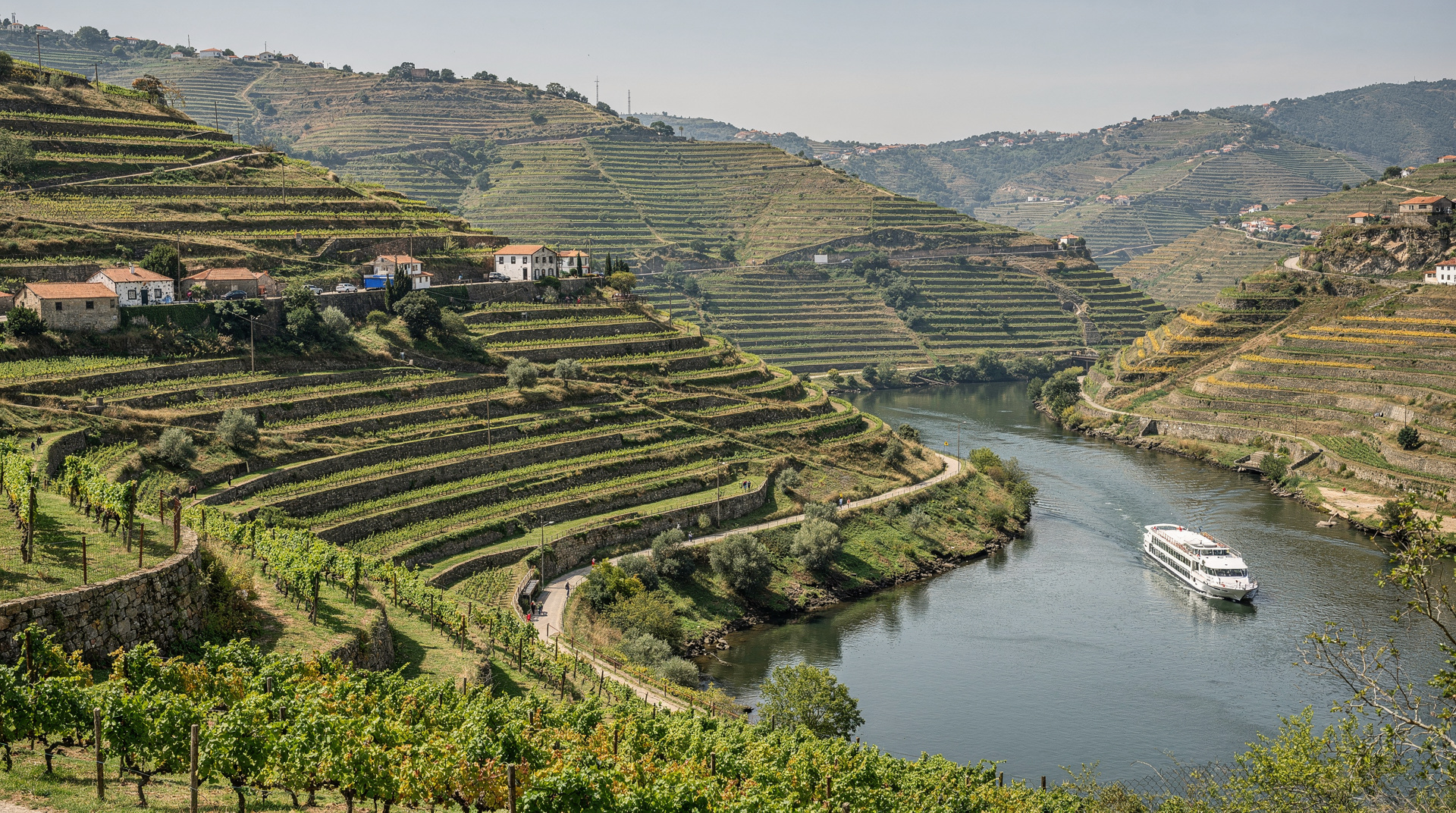
River time: A boat section — even forty minutes on the Douro between Régua and Pinhão — shows you the landscape from water level and makes the rabelo boat tradition tangible. Tours that are entirely road-based miss something essential.
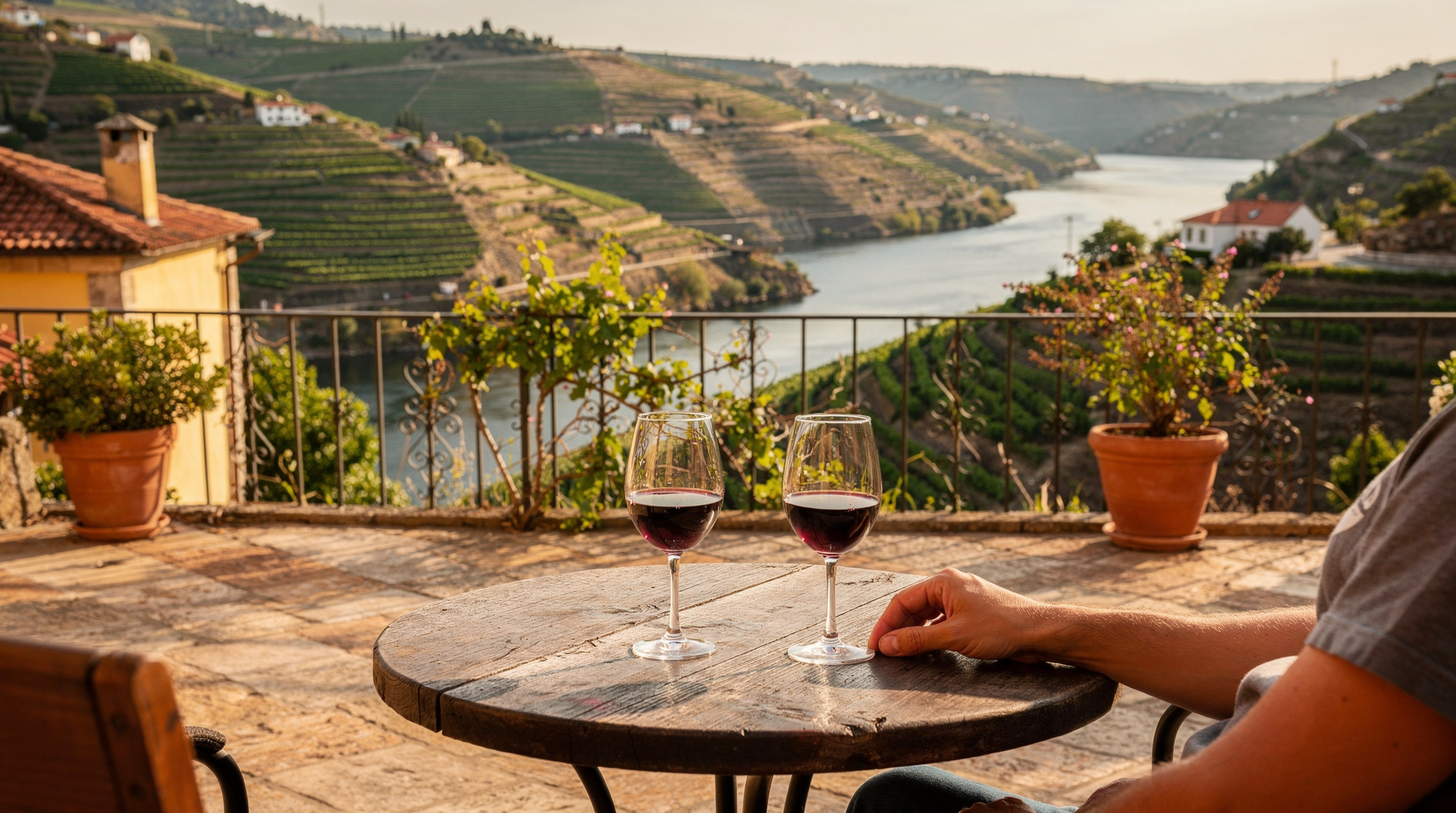
Actual wine education: A Douro tour without a guide or winemaker who can explain the difference between Tinta Roriz and Touriga Nacional, between a vintage port and an LBV, between schist and granite soil and what those mean for the wine — that’s a bus trip with scenery.
Premium small-group Douro tour — the format we recommend for most visitorsWhat the worse tours do
The lower-cost Douro tours (55-75 €) that you’ll find prominently on various booking platforms frequently do the following:
- Thirty people on a large coach
- One quinta visit that services industrial volumes of tourists (800+ visitors per day), resulting in a rushed presentation and assembly-line tasting
- Lunch at a restaurant in Peso da Régua with a fixed tourist menu rather than at the estate
- No boat component
- A guide whose wine knowledge is surface-level and who spends most of the journey managing group dynamics
We took one of these. The quinta was legitimate — old, well-known — but the experience of filing through its barrel hall with twenty-nine other people, receiving a pre-poured tasting of three wines in five minutes, and then being herded onto the bus felt like the opposite of what the Douro should be.
The boat-and-train format
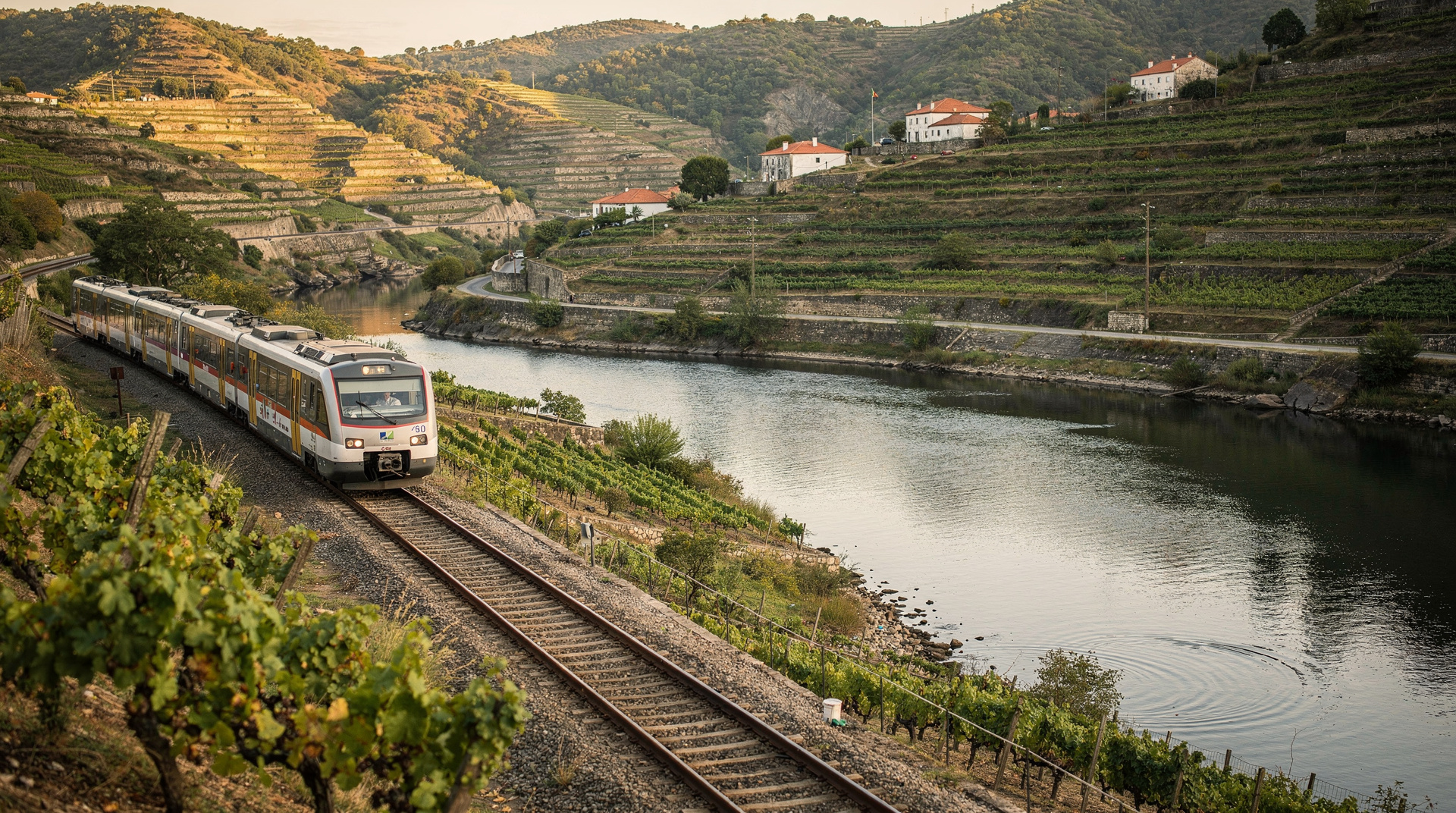
One format consistently delivers: the train-out, boat-back combination. You take the scenic rail line from Porto to Pinhão (or Régua), spend time in the valley, and return to Porto on a river cruise.
Douro by boat and train with lunch — the format that uses both the railway and the riverThe Douro train line between Porto and Pinhão is among the best railway journeys in Europe: two and a half hours following the river gorge east, the track sometimes literally carved into the cliff face. Combining this with a river section, even if it’s just the final stretch from Régua to Porto by boat, gives you the valley in two modes and at different speeds.
Going independently: when it makes sense
The case for going independently to the Douro — renting a car and navigating the valley yourself — is strong if you have three or more days to spend there, want to visit smaller quintas that don’t operate commercial tours, and are comfortable driving on rural Portuguese roads (generally fine, occasionally narrow).
For a single day trip from Porto, independent travel is harder to justify: you’ll need to hire a car (30-50 € per day), navigate to the valley (1h30-2h depending on starting point), book quinta visits in advance, and drive back in the evening. This works, but the logistics overhead is significant for one day.
A guided tour — if you choose the right one — provides the vehicle, the quinta access, the wine guide, and the return journey for 90-120 €. For a single day, that’s often the better value proposition. Our tour vs DIY guide breaks the independent option down cost by cost if you’re still weighing it against a guided day.
Which tour key variables to look for
When comparing Douro tours, use these as your checklist rather than the marketing copy:
| Variable | Look for | Red flag |
|---|---|---|
| Group size | Small is better; under 12 ideal | Not specified — usually means large |
| Quinta count | Two estates minimum | One quinta, heavily visited |
| Lunch location | At the quinta itself | Fixed-menu restaurant in town |
| River component | Any boat section, even brief | Entirely road-based |
| Guide credentials | ”Qualified sommelier” or “local wine guide" | "Experienced tour guide” only |
Our Douro cruise comparison applies this same checklist specifically to the river-cruise formats, and our what to avoid guide covers the specific booking-page red flags in more detail.
The verdict
Yes, a Douro Valley tour is worth it — if you pick the right one. The premium small-group formats with two quinta visits, lunch on an estate, and some river time run 90-120 € and deliver an experience that’s genuinely hard to replicate independently on a single day.
The budget large-group tours at 55-75 € are not worth it. You’ll spend half your time on a coach, visit one over-commercialised quinta, and come away with a generic wine-tour experience that could have been anywhere.
If you’re not sure a single day is enough
A single-day tour, even the best format, only shows you a slice of the Douro. If the valley is a genuine highlight of your trip rather than a day-trip curiosity, consider staying overnight at a quinta instead of returning to Porto the same evening — our best Douro quintas we’ve visited covers specific estates worth the extra night, and the Douro wine lovers 4-day itinerary builds a full trip around it rather than squeezing it into a single day.
For a different way to see the valley on the outbound leg, our Douro by train account covers the scenic railway in more detail than we could fit here.
See our full Douro Valley guide for the landscape and logistics, and our 4-day Douro itinerary if you’re considering more than a single day in the valley, or the 5-day Porto and Douro itinerary if you want both the city and the valley properly covered.