The best Douro quintas we visited: an honest shortlist
Eight quintas, three trips, one honest shortlist
Between 2019 and 2023 we’ve visited eight Douro quintas as part of day trips, guided tours, and overnight stays during vindima. We’re not critics with industry access or wine journalists on press trips — we’re travellers who paid for the visits and came with expectations formed by too many glossy wine-tourism articles.
Here’s what we actually found: an enormous variation in quality, authenticity, and value, with four estates that genuinely delivered and several that functioned as wine-tourism infrastructure rather than wine estates that happen to welcome visitors.
| Region | Douro Valley, around Pinhão and Peso da Régua |
| Typical tasting cost | 10–25 € per person |
| Lunch at a quinta | Around 25–45 € per person extra |
| Booking window | 2–4 weeks ahead in high season; earlier for vindima |
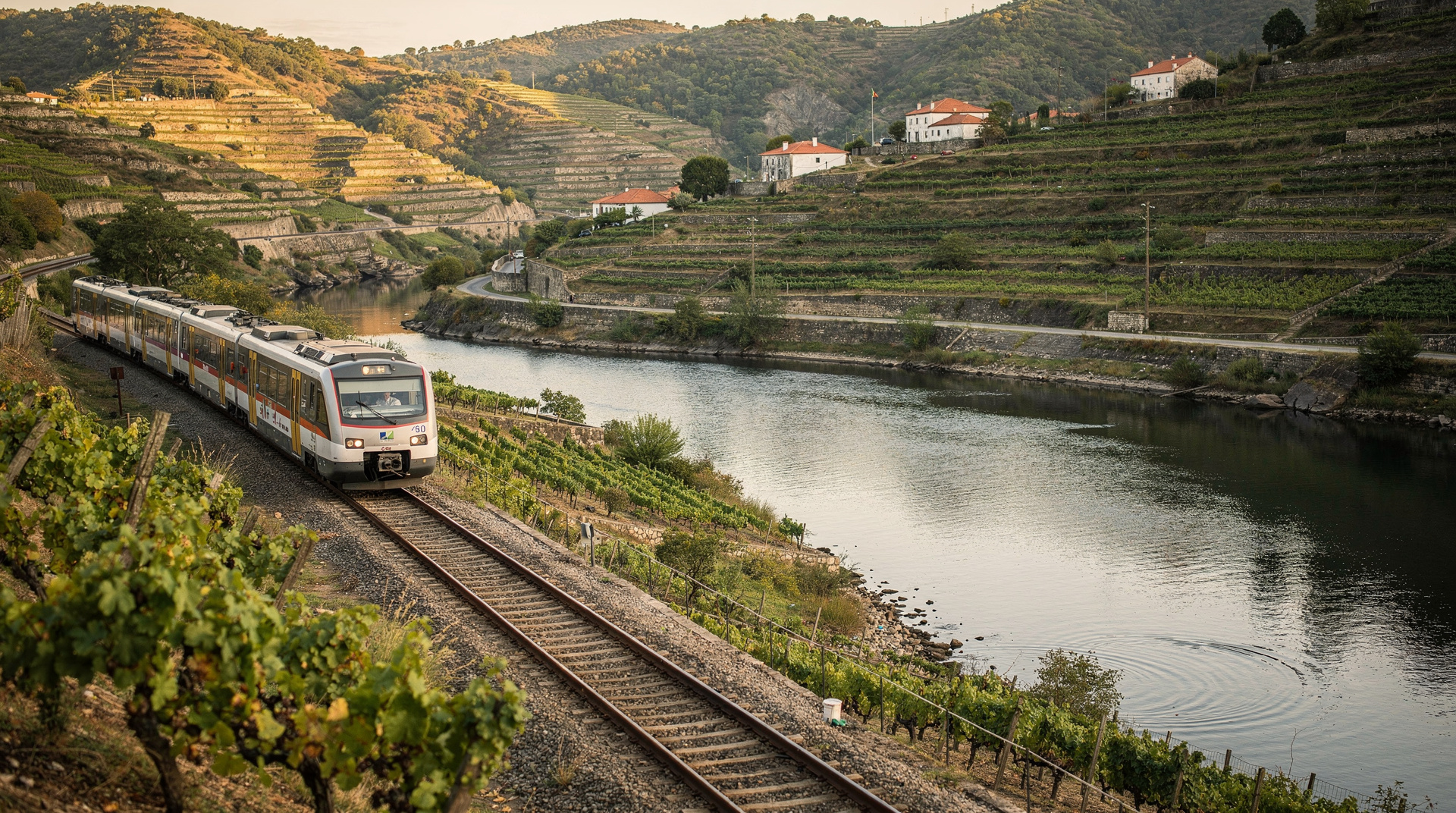
| Access | Car recommended; some quintas walkable from Pinhão station |
What makes a quinta visit genuinely good
Before the ranking, the criteria we used, because it determines everything that follows:
Is it a working estate? The best quinta experiences happen at places where wine production is primary and visitor welcome is secondary. When you walk through a working cellar with harvest smell in the air and a winemaker who has to interrupt the tour to check a fermentation temperature, that’s real.
Does the guide have actual knowledge? Scripted tours exist at every quinta. The difference is whether the script has been internalised and extended by someone who actually knows the valley, or recited by a hospitality hire who knows what grapes are called.
Does the wine reflect the place? A quinta visit should leave you with a specific sense of that estate’s wines — what the soil type, altitude, and microclimate contribute. If you come away with a generic sense of “Douro wine,” the presentation has failed.
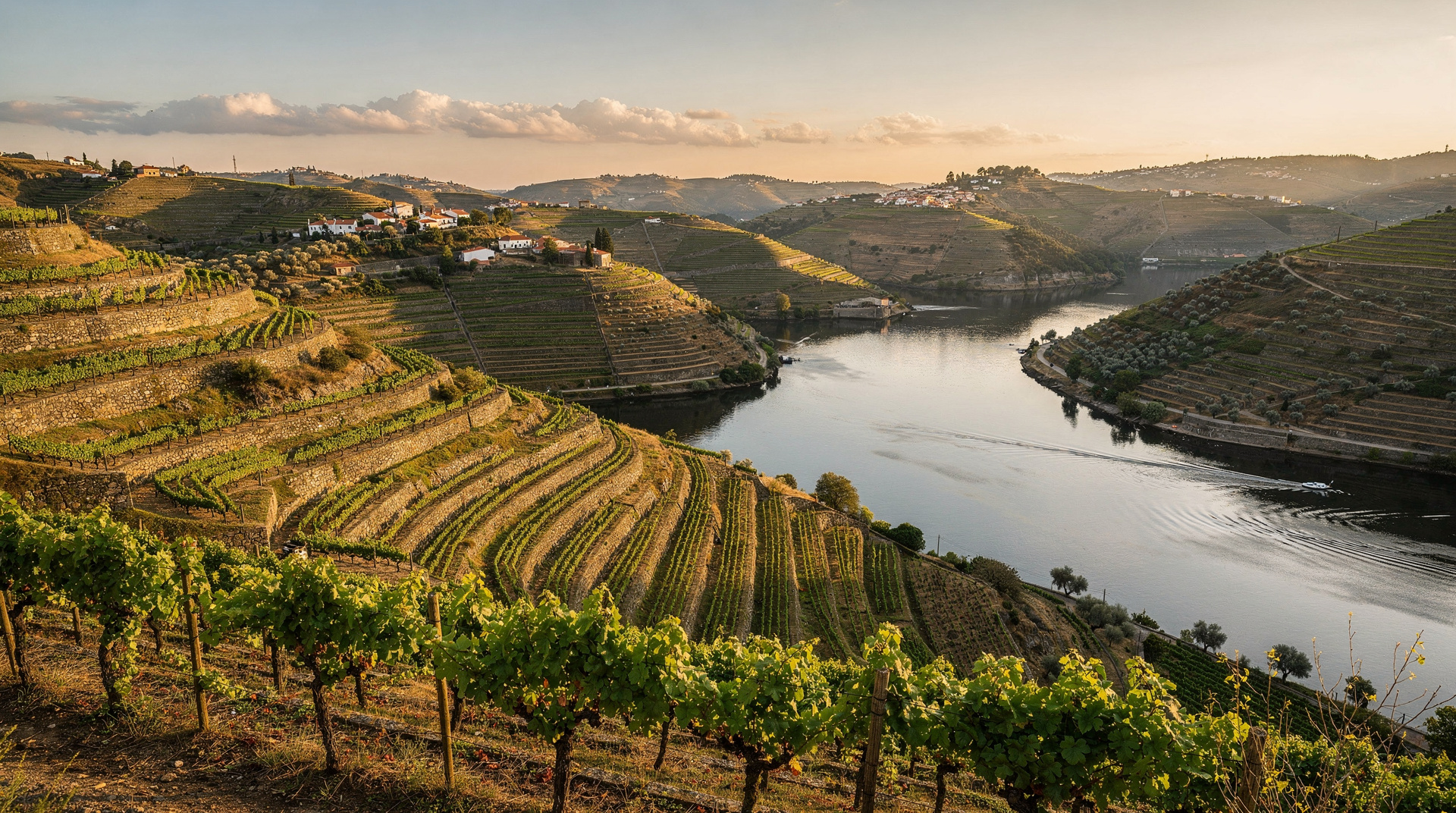
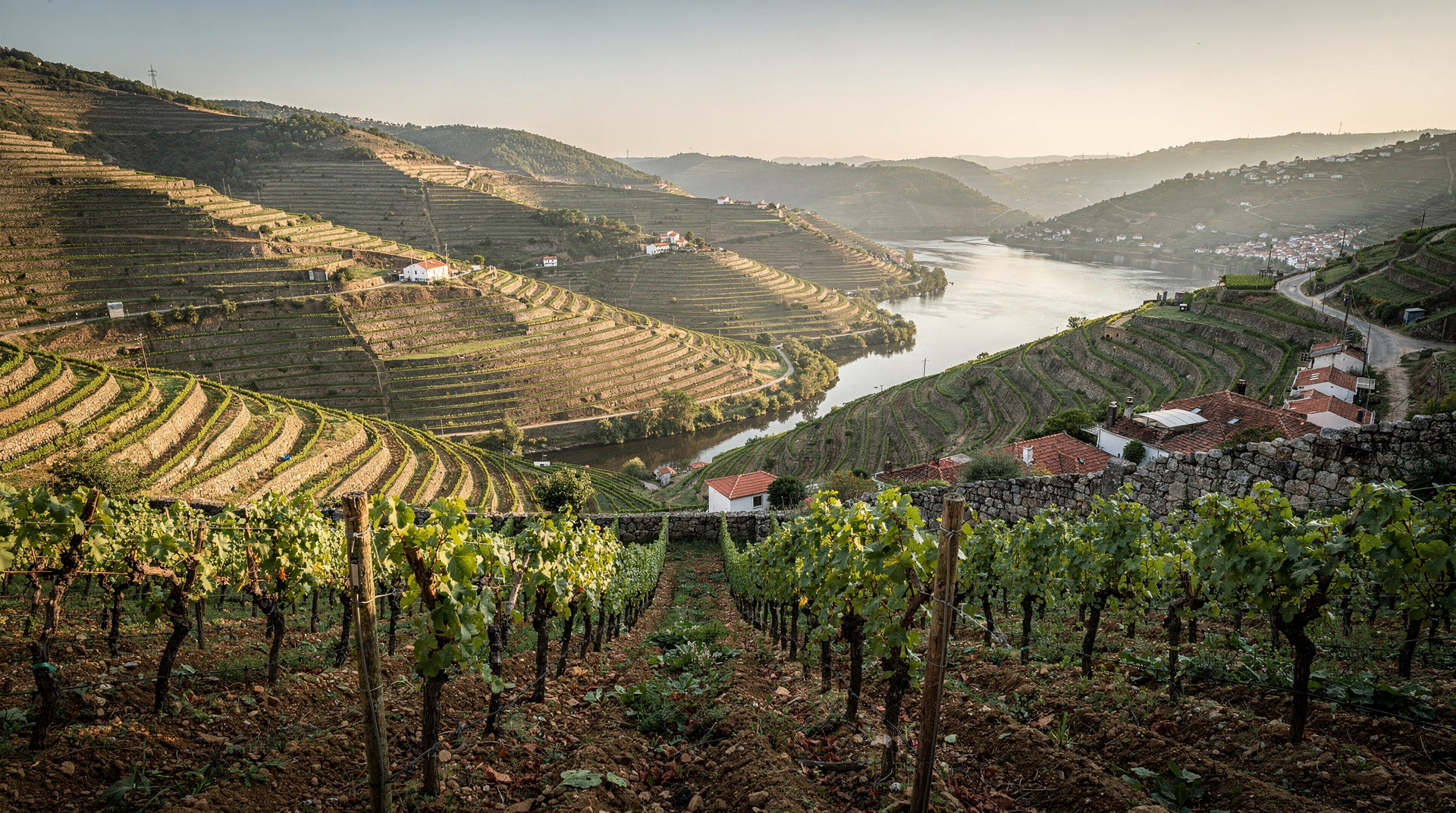
Is the landscape part of it? The Douro is UNESCO World Heritage for its terraced landscape. A quinta that keeps you inside a visitor centre misses the point.
The four worth the trip
Quinta Nova de Nossa Senhora do Carmo (Sabrosa)
This is the quinta we’ve returned to twice and would return to again. It’s a working estate with accommodation, a serious restaurant, and a winery that produces wines at all three categories (Douro DOC, Douro DOC Reserva, vintage port) in quantities that make it commercially real without being industrial.
What makes it: the tour includes the terraced vineyards at altitude, which most day-visit quintas don’t do because it requires a vehicle. You see the schist soil up close, walk between vines that are 40-60 years old, and understand why Douro viticulture is described as heroic — these slopes are maintained by hand because machinery can’t navigate them.
The tasting room overlooks the river. The wines are honestly priced (8-15 € per bottle at the estate shop) and honestly good.
How to visit: accommodation is available (and excellent); day visitors should book in advance. Accessible by car from the N222 riverside road. See our best quintas in the Douro Valley guide for how it compares to other stay-overnight estates, and where to stay in the Douro Valley if you’re weighing an overnight here.
Quinta do Crasto (Sabrosa, on the Douro)
Crasto is one of the most respected names in Douro table wine — not just port — and the estate visit reflects that confidence. The winery is architect-designed, the wines are serious, and the guides know what they’re talking about.
The view from the Crasto terrace — over the river from a position high above the water on a curved schist cliff — is among the best perspectives in the valley. The estate lunch (when available) is worth building your day around.
Honest caveat: Crasto is well-known and its visitor programme is polished to a degree that occasionally feels like efficiency over intimacy. Still excellent, but it’s not the hidden gem experience.
Quinta do Tedo (Pinhão tributary valley)
Tedo is smaller, quieter, and in the Tedo tributary valley rather than the main Douro gorge. This location — away from the main tourist route — means fewer visitors and a more personal experience. The picnic option (booked in advance) in the vineyard above the estate was one of the most memorable wine experiences we’ve had.
Quinta do Tedo picnic experience — genuinely worth booking in advanceThe wines are smaller production and harder to find outside the estate, which is part of the appeal.
Quinta da Foz (Pinhão)
A smaller estate directly in Pinhão, walkable from the train station. The tasting room is the river-facing terrace. The guide (the owner’s son, when we visited) has the combination of knowledge and personality that makes an hour in a quinta stay with you.
What Quinta da Foz lacks in grandeur it makes up in directness — this is a family producing wine in a style they believe in, not optimising for visitor volume.
Quinta da Foz five wines tasting — directly bookable from PinhãoThe ones we’d skip
Two quintas that receive high visitor volumes near Peso da Régua operate what we’d describe as wine-tourism infrastructure: large car parks, coach capacity, a visitor centre that could be anywhere, and tastings that feel like tastings-in-bulk rather than introductions to specific wines. We won’t name them because they may improve, but the formula is recognisable — if the quinta can handle 400+ visitors per day without appointment, the experience is calibrated for quantity.
The test: if the tasting room has a gift shop the size of the tasting area, you’re at the wrong quinta.
Practical advice for quinta visits
- Advance booking: essential for the better quintas, which have limited visitor slots. Book 2-4 weeks ahead in high season, earlier for vindima (September-October).
- Car access: most quintas require a car. The N222 road on the south bank of the Douro is the most scenic drive and reaches several of the better estates. The IP2 on the north bank is faster and less interesting.
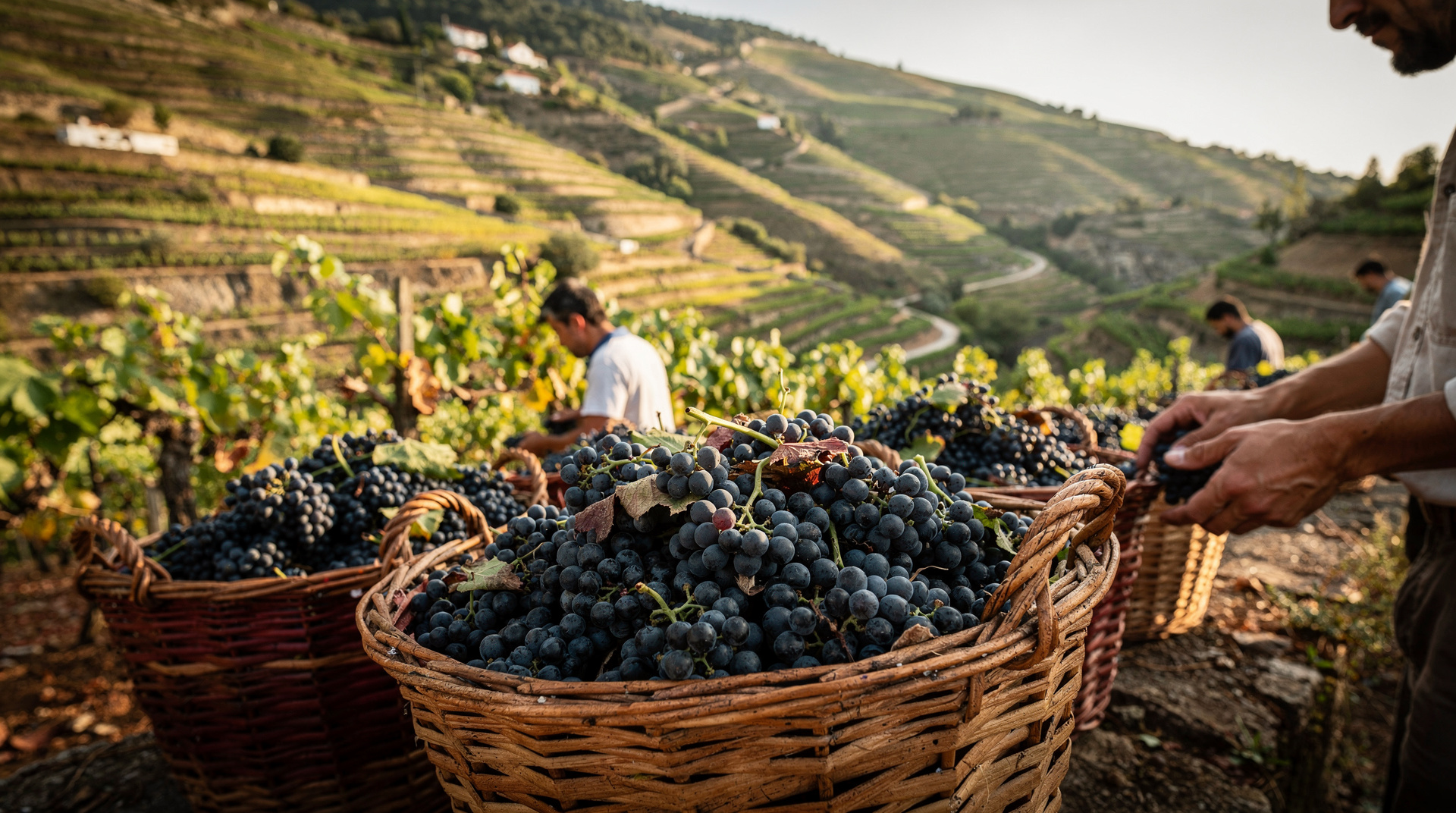
- Harvest timing: quintas during vindima (mid-September to early October) are operational in a different sense — harvest is happening, which is magnificent, but normal tour operations may be reduced or modified. Ask when booking.
- Prices: quinta tastings typically 10-25 € per person depending on the wines poured and the length of the visit. Lunch at a quinta restaurant adds 25-45 € per person.
Our 5-day Porto and Douro itinerary includes a day structured around a specific quinta visit for context on how to build this into a longer trip, and the 4-day Douro wine lovers itinerary is built specifically around quinta-hopping if wine is the main focus. Our Douro tour worth it? piece covers guided vs. self-drive quinta visits in more depth, and Douro by train if you’re going without a car.
Guided quinta visit vs. self-drive: which fits you
| Guided tour | Self-drive | |
|---|---|---|
| Flexibility | Fixed itinerary, usually 1–2 quintas | Choose your own quintas and pace |
| Driving on N222 | Not your problem | Genuinely scenic but requires attention on hairpins |
| Cost | Higher per person, all-inclusive | Lower cash cost, plus car rental |
| Best for | First-time visitors, no car | Repeat visitors with a specific quinta in mind |
| Wine tasting | Someone else drives after | You need a designated driver or very light pours |
Visiting during vindima
If your trip lines up with harvest (mid-September to early October), the calculus shifts. Several of the quintas above run vindima-specific programmes — grape treading, harvest lunches, the smell of fermentation in the cellar — that don’t exist the rest of the year. Our Douro harvest and vindima guide and best time for the Douro vindima guide cover which quintas run the best harvest programmes and how far ahead to book them; our own vindima diary has a day-by-day account of what it’s actually like.
Frequently asked questions
Do I need a car to visit Douro quintas? Most do require a car — the N222 riverside road reaches several of the best estates — though a few, like Quinta da Foz, are walkable from Pinhão train station. If you don’t want to drive, a small-group guided tour removes the problem entirely.
How many quintas can I realistically visit in one day? Two is the practical limit for a genuine visit with a tasting at each — three is possible but rushes both the tour and the tasting itself. One quinta with a longer lunch is often more memorable than two done quickly.