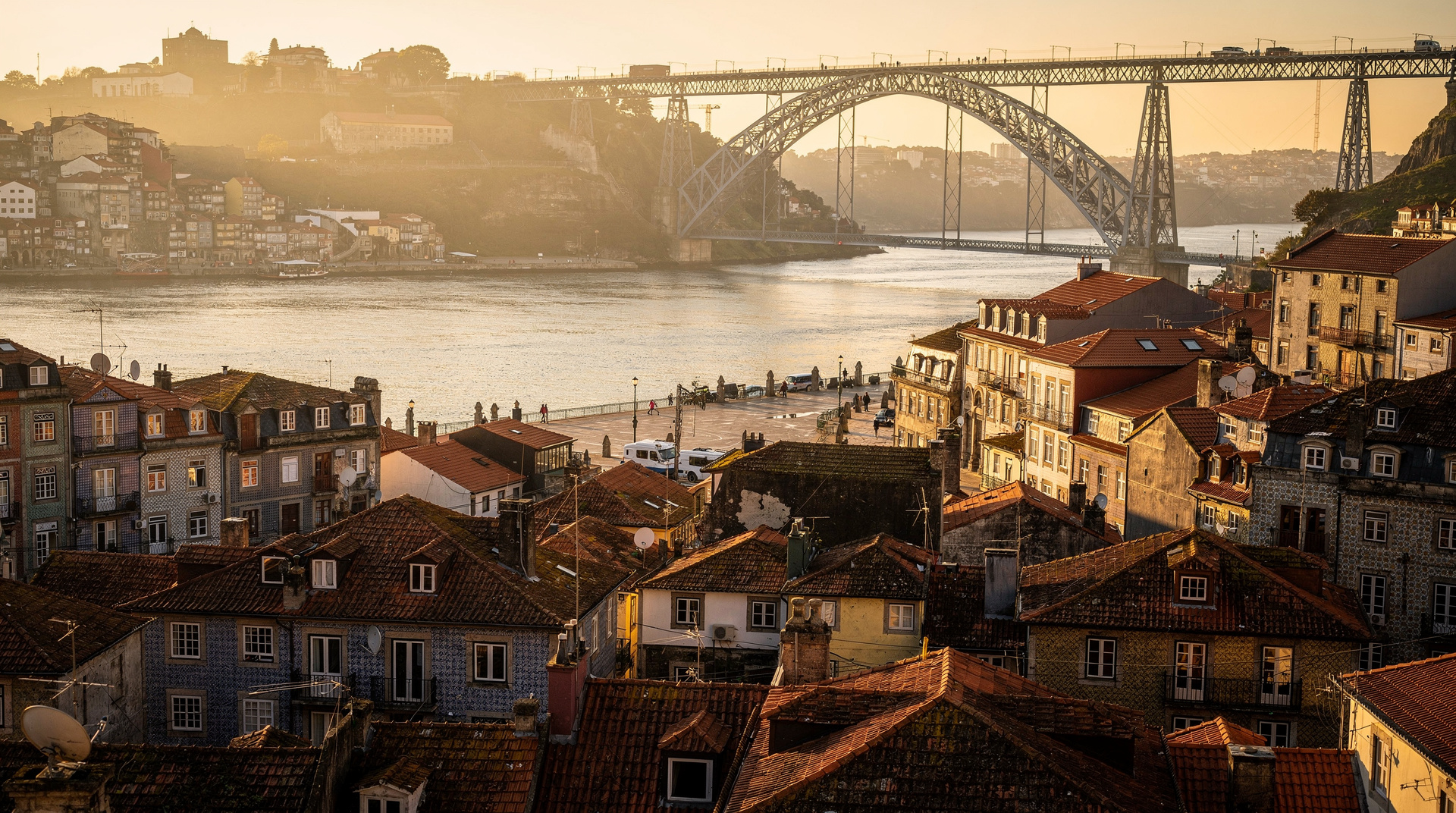
Porto and the Douro in 5 days — city, valley and overnight
Porto: Douro Wine Day Tour from Porto Visit of 2 Wine Estates
How to use this five-day Porto and Douro itinerary
This itinerary divides five days between Porto (three full days) and an overnight in the Douro Valley (two days plus one night). The overnight stay in the valley changes everything — the Douro in the early morning before tour groups arrive, dinner at a quinta, watching the light change on the terraced hillsides, is a qualitatively different experience from the day-trip version.
Days 1–3 cover Porto’s historic core, Gaia, Serralves and either Foz or Matosinhos. Days 4–5 travel to the Douro by train (scenic), spend a night near Pinhão or Peso da Régua, visit a second quinta, and return by the scenic train or a Douro cruise.
This itinerary works without a car. The Douro Valley without a car is manageable if you stay in Pinhão or Régua (the two towns with train stations and some walkable quintas), are willing to take taxis, or book a guided transfer.
Budget estimate: €350–500 per person over five days (two nights midrange hotel in Porto, one night quinta or rural hotel in Douro Valley, meals, tours, train tickets).
| Where | Porto (3 days) + overnight in Pinhão or Peso da Régua (2 days) |
| Cost | around €350–500 per person over five days |
| Time needed | five days, one Douro overnight |
| Getting there | metro in Porto; Douro regional train for Days 4–5 |
| Best time | September for vindima, May–June for green terraces |
This is the itinerary for anyone who suspects a Douro day trip won’t be enough. If a day trip does sound sufficient, our Douro Valley day trip guide covers that version, and Porto in 4 days fits the Douro in as a single excursion day instead.
Day 1: Porto — historic centre and first impressions
Morning (9:00–12:30)
9:00 — São Bento and the Sé
Start the trip with the two sites that set Porto’s character: São Bento station (free, the azulejo hall) and the Sé cathedral with cloister (€3). These two sites together — the everyday train station turned national artwork, the cathedral cloister with its layered centuries — establish Porto’s relationship with azulejos and with time. Allow 60 minutes.
10:05 — Igreja de São Francisco and Palácio da Bolsa
Walk downhill to the Igreja de São Francisco (€5, gilded Baroque interior) and then the Palácio da Bolsa (€14, guided tour including Sala Árabe). Both are on the same block. Allow 90 minutes total. See our Palácio da Bolsa guide.
Lunch (12:00–13:30)
Eat in the historic centre backstreets — Taberna do Largo (Largo de São Domingos), Cantina 32 (Rua das Flores), or any neighbourhood tasca away from the waterfront. €10–18 per person for a proper lunch.
Afternoon (13:30–18:30)
13:30 — Vila Nova de Gaia: Taylor’s cellar
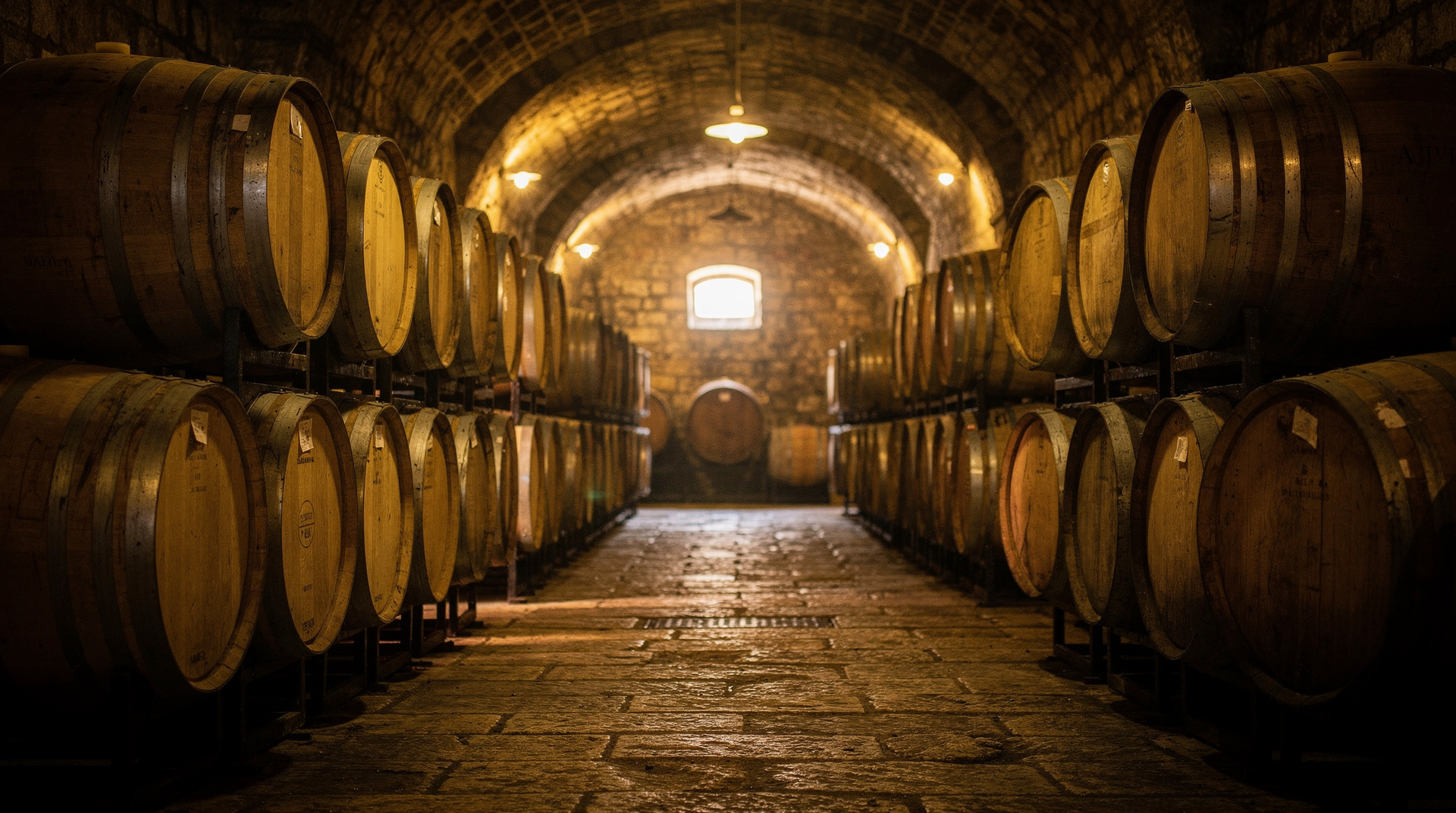
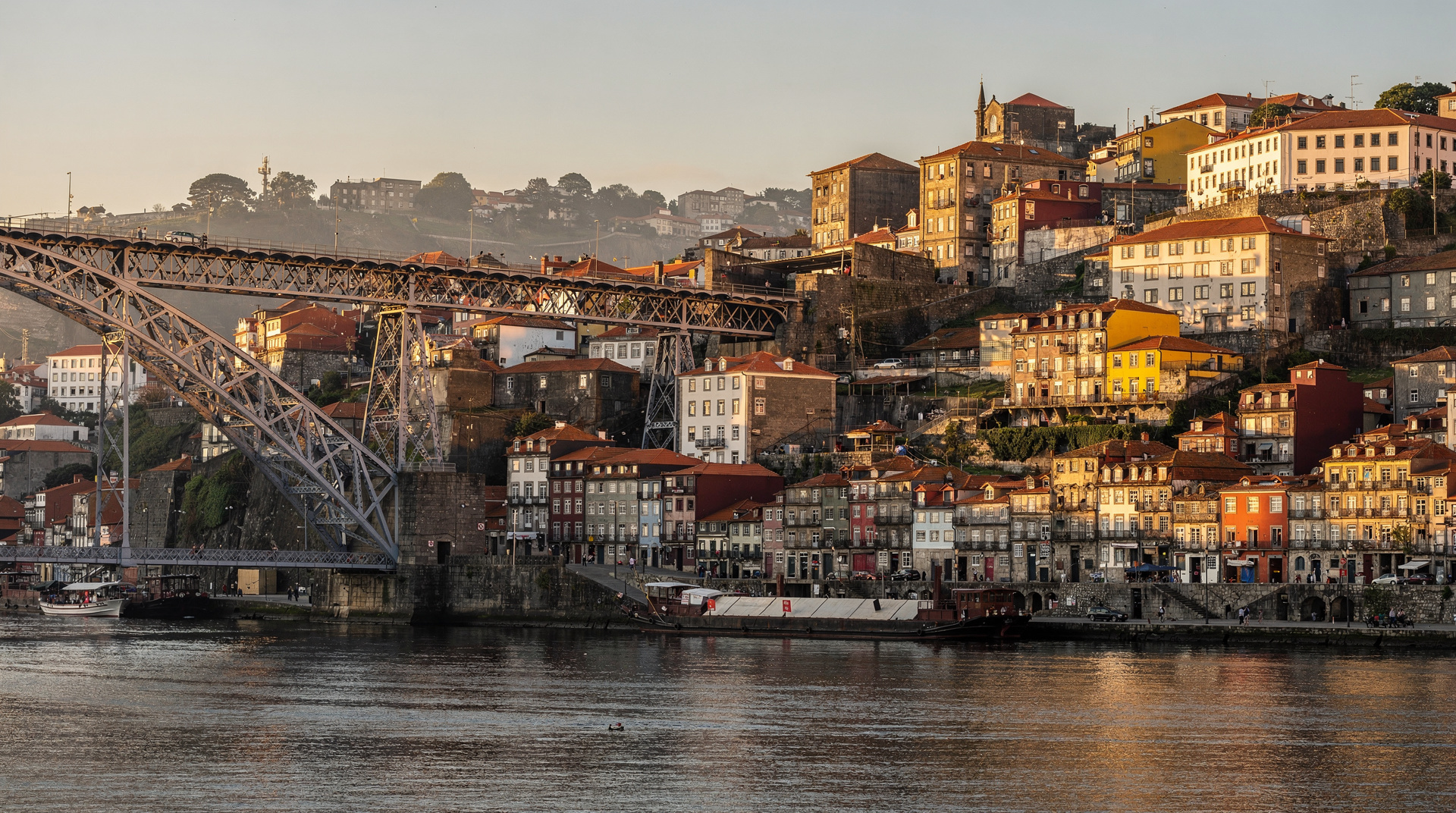
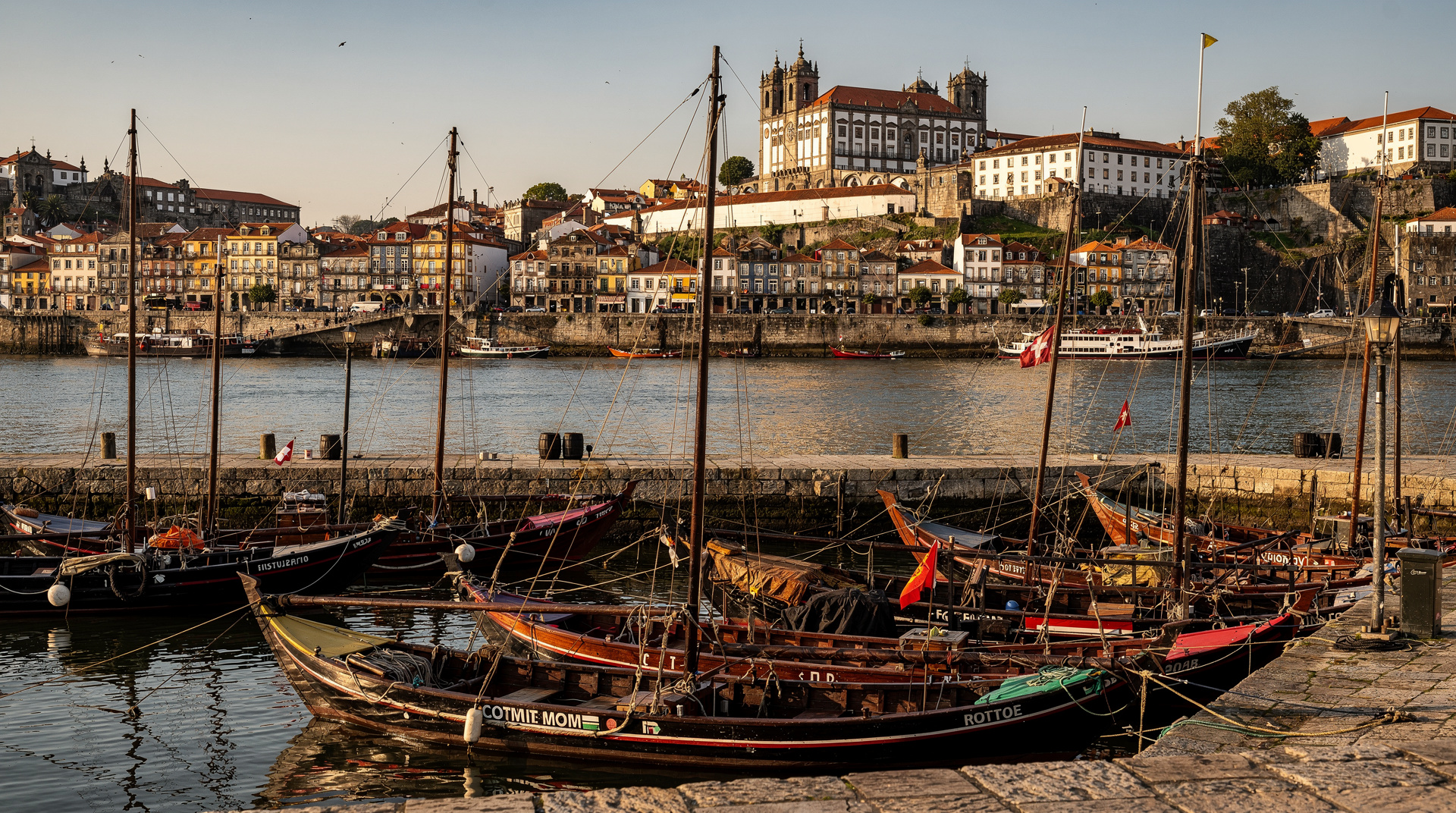
Cross Ponte Dom Luís I on the upper deck. Take the afternoon in Gaia seriously — this is the port wine introduction that makes the Douro quintas on Days 4–5 make sense. Reserve Taylor’s cellar tasting for 14:00–15:30 (~€20–30). Then walk the Gaia waterfront and visit the WOW Complex’s Wine Experience museum if time allows.
16:30 — Six Bridges cruise
From the Gaia quay: the Six Bridges cruise, 50 minutes, ~€15–18. The river perspective before an overnight in the Douro later in the trip is useful context.
Evening (18:30–22:00)
Dinner in Cedofeita. Clérigos Tower at sunset if you timed the cruise right (back by 17:30). See Day 1 of the three-day itinerary for specifics.
Day 2: Serralves, Foz and deeper Porto
Follow the same structure as Day 2 of the Porto and Douro 3-day itinerary:
- Morning: Livraria Lello (skip-the-line ~€8) + metro to Serralves (€20, 2–3 hours; closed Mondays)
- Lunch: Near Foz do Douro or at Matosinhos (€15–30)
- Afternoon: Foz Atlantic seafront + metro line A to Matosinhos for a late-afternoon seafood snack
- Evening: Graham’s port lodge if you missed it (metro to D. João II line D, then 10-min walk to Gaia); or dinner in Bonfim
Graham’s afternoon alternative:
The Graham’s premium tasting (~€30–40) is the deepest single-cellar experience in Gaia — longer than Taylor’s, more focused on vintage port and the Symington family history. With five days, seeing both Taylor’s (Day 1) and Graham’s (Day 2) before heading to the Douro is genuinely valuable preparation.
Day 3: Bonfim, Mercado do Bolhão and last Porto afternoon
Morning (9:30–12:30)
9:30 — Mercado do Bolhão and Rua das Flores
Give this morning to the parts of Porto that the classic itinerary often skips. Mercado do Bolhão (Rua Formosa) for a Portuguese breakfast — a bifana (pork sandwich) or torrada (thick toast) at one of the market counter restaurants (€3–5). Then walk Rua das Flores from north to south — this is Porto’s finest 18th-century domestic street, recently restored, with azulejo-covered façades on most buildings.
10:30 — Bonfim neighbourhood
Walk east through Bonfim. The Jardim de São Lázaro, the street art on Rua do Bonfim, the neighbourhood cafés and ceramics workshops. Pack a bag for the Douro departure tomorrow if you haven’t already.
Lunch (12:30–14:00)
Semea by Euskalduna (Rua de Santo Ildefonso 264, Bonfim) does a creative Portuguese lunch at €20–30 per person. Or DOP (Largo de São Domingos 18) for something more polished before the countryside tomorrow.
Afternoon (14:00–17:00)
14:00 — Clérigos Tower (if not already visited)
If you haven’t been up the Clérigos Tower yet, use this afternoon window — the late-day light on the city is the best. Book entry for the 14:30–15:30 slot.
15:30 — Practical prep for Day 4
Book your return train from Pinhão or Régua if you haven’t already (cp.pt). Confirm your Douro quinta visit reservation. If taking a guided tour for Day 4, confirm the meeting point. Pack for one night away.
Evening (18:30–22:00)
Final Porto dinner. Try somewhere you haven’t been: the Mercado Bom Sucesso food hall if you want a casual tour of options; Antiqvvm (at Palácio do Freixo, Michelin star) if tonight is the celebration dinner.
Day 4: Travel to the Douro and first quinta visit
Morning (9:00–12:30)
9:00 — Train from Porto Campanhã to Peso da Régua
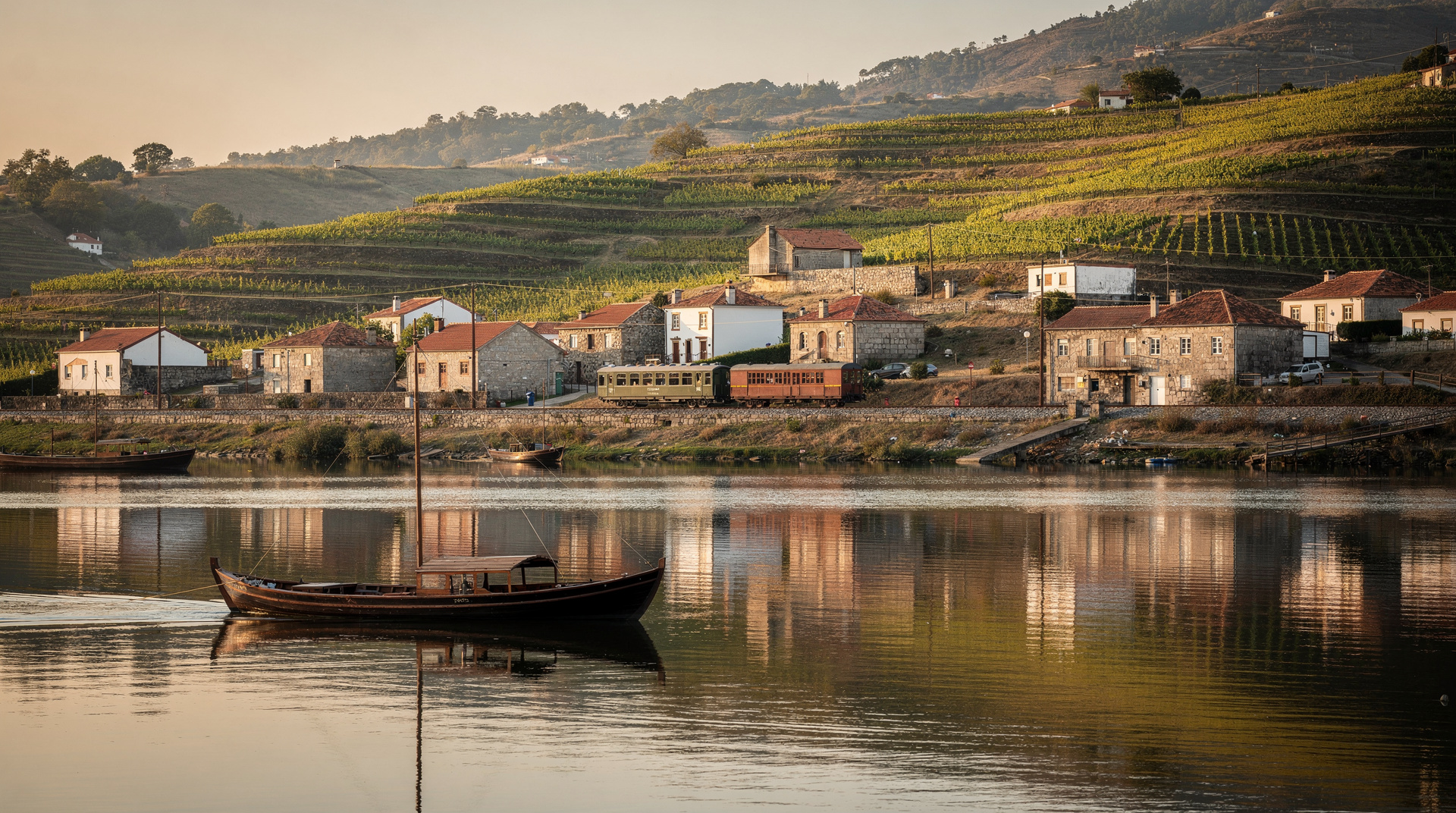
Take metro line B from the city centre to Porto Campanhã station (5 minutes, €1.85), then the Douro regional train to Peso da Régua (approximately 1h45, €7–8). The train follows the Douro river from Caíde onwards — this is one of Europe’s great rail journeys: schist-walled terrain, the river widening, vineyards terraced on slopes that were carved by hand. Book the ticket at cp.pt in advance, particularly in September.
11:00 — Peso da Régua: arrival and orientation
Régua is the commercial heart of the Douro appellation. The train station has an extraordinary azulejo panel depicting the Douro wine-making cycle along its full platform wall. Stop here before leaving the station. The town itself is modest — the wine lodges and visitor centres are the draw. Quinta do Tedo, Quinta da Pacheca and Quinta Nova are all within short taxi range.
11:30 — Quinta visit: Quinta da Pacheca
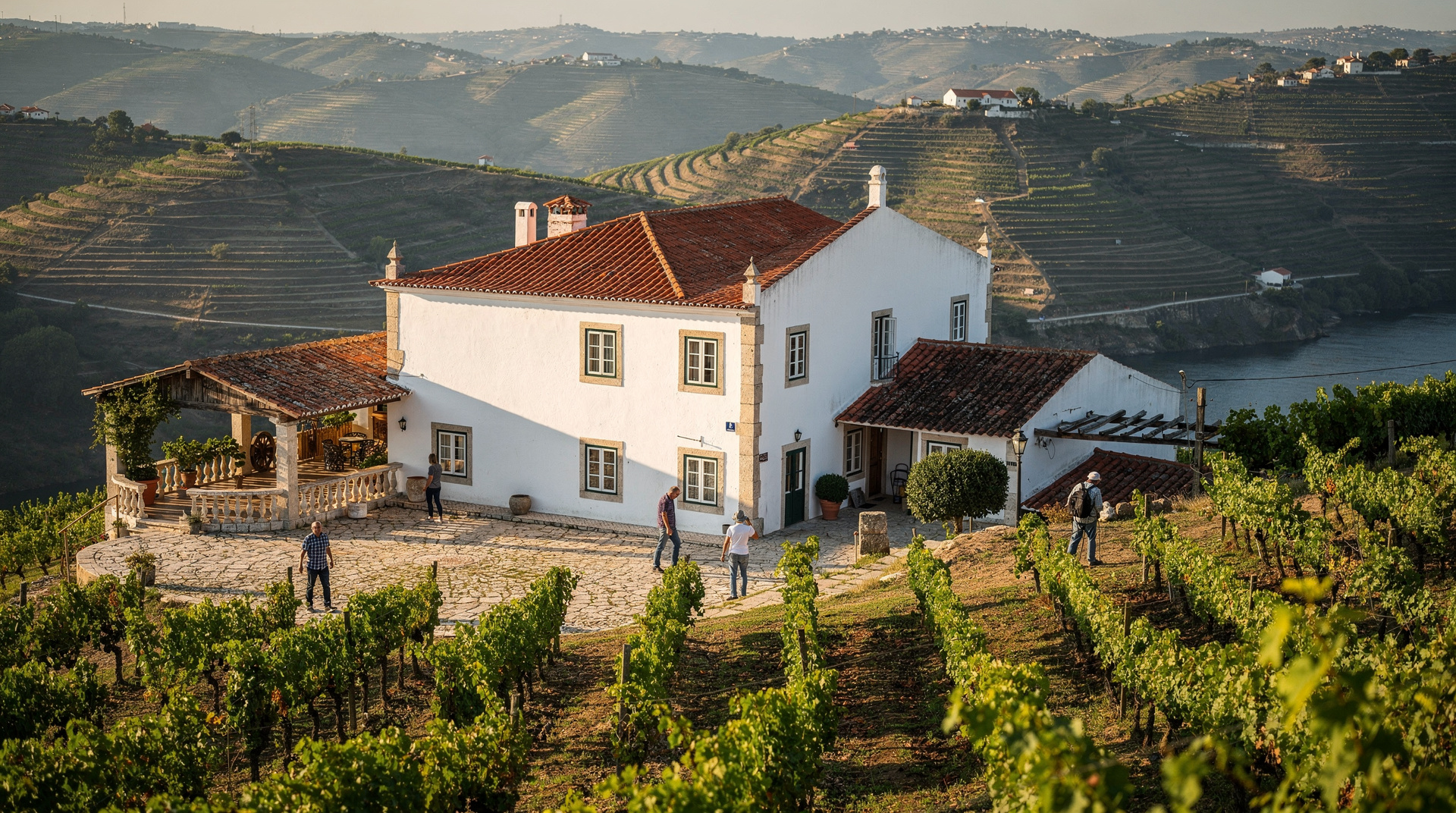
Quinta da Pacheca (5 km from Régua, taxi €8) is one of the Douro’s most visitor-friendly estates and offers wine barrel accommodation. Even if you’re not staying the night, a cellar tour and tasting here (€15–25) is exceptional. The quinta’s views over the terraced vineyards are among the best accessible in the Douro. See our Douro Valley quintas guide.
Lunch (12:30–14:00)
Lunch at the quinta if included in the tour, or at a restaurant in Régua. Restaurante Castas e Pratos (Rua dos Camilos 85, Régua) serves regional Douro cuisine at €20–30 per person with a wine list focused exclusively on Douro producers.
Afternoon (14:00–18:00)
14:00 — Train to Pinhão (30 minutes)
Take the regional train from Régua to Pinhão (~30 minutes, €2.40). The Pinhão station azulejo panels are among the finest in Portugal — 24 panels depicting grape harvesting, wine transport by rabelo boat, and village life along the Douro. Free to view at the station.
14:45 — Pinhão: Quinta do Bomfim or Quinta da Foz
Pinhão is the spiritual centre of the Douro’s premium wine zone. Walk from the station to Quinta do Bomfim (1.5 km, 20 minutes on foot or short taxi). This is a Symington estate (same family as Graham’s in Gaia) — the connection between what you tasted in Gaia and what grows here is explicit. Book the Quinta do Bomfim visit and tasting in advance (~€15–25). Allow 90 minutes.
Alternatively, Quinta da Foz (3 km from the station) offers a tasting of five wines with vineyard views: see our Pinhão guide.
17:00 — Pinhão evening
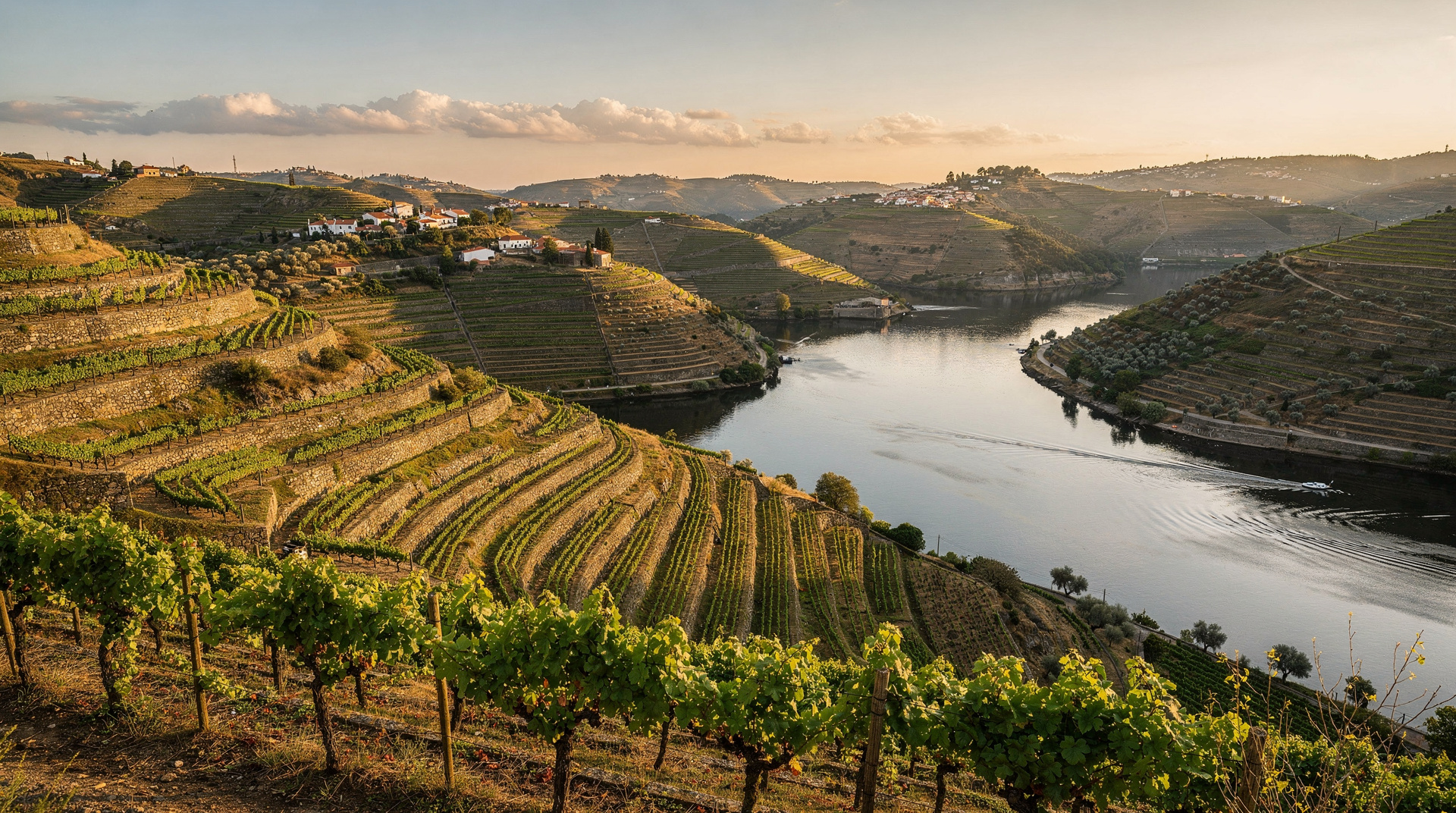
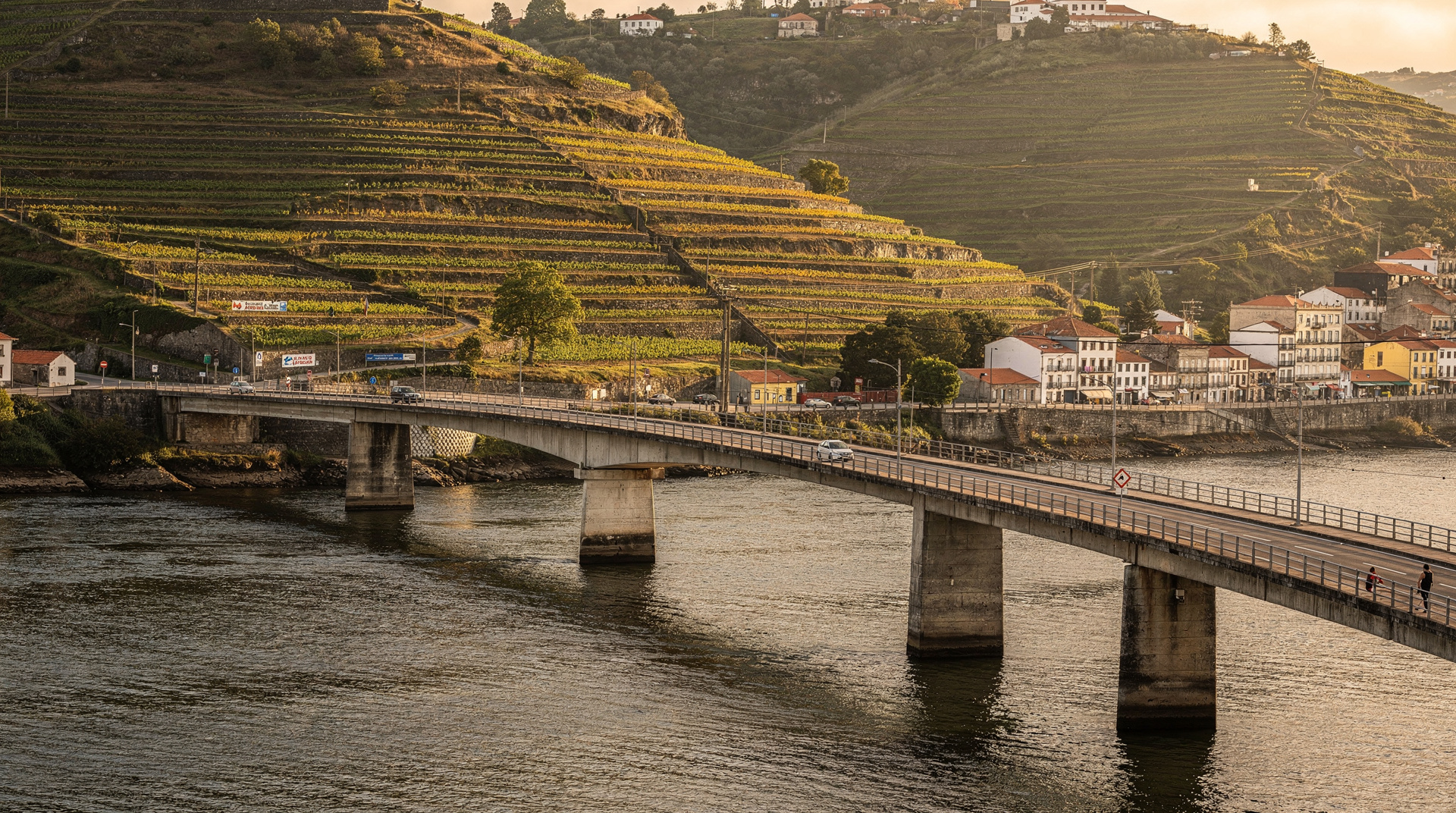
Pinhão is a very small village. Walk along the main road above the river and down to the riverside jetty. In September, the vindima is active — you can hear and smell the harvest. Order a local Douro red at the Pinhão café overlooking the river junction. The confluence of the Pinhão and Douro rivers here is one of the valley’s most beautiful spots.
Evening (check in, dinner)
Check into your accommodation near Pinhão. Good options at different budgets:
- Quinta de la Rosa (€130–180/night, a working wine estate with rooms above the Douro) — book well in advance
- Casa de Casal de Loivos (village guesthouse, €80–120/night, extraordinary panoramic view)
- Pousada do Barão de Forrester in Alijó (~15 km by taxi, €100–150/night, set in a traditional wine estate)
Dinner at your quinta or at one of the very few local restaurants. The food in the Douro is simple and regional: bacalhau, roasted meat, almond-based desserts. Don’t expect Porto restaurant variety — this is wine country first.
Day 5: Douro morning, scenic cruise and return to Porto
Morning (8:00–12:00)
8:00 — Sunrise at the quinta
The Douro Valley at dawn, before tour groups arrive, is the reason to overnight. Get up early and walk the quinta’s vineyard paths. The mist in the valley, the absolute quiet, the terraces emerging in light — this is unavailable to day-trippers.
9:30 — Rabelo boat or solar boat from Pinhão
A short boat trip from Pinhão before returning to Porto. The Régua to Pinhão scenic Douro cruise runs the most beautiful section of the river — if you can take this in the opposite direction (Pinhão to Régua), it works. Alternatively, local rabelo boat trips depart from Pinhão jetty for 45-minute excursions (~€10–15). See our Douro cruise from Pinhão guide.
Return to Porto (12:00–15:00)
12:30 — Train from Pinhão to Porto
Take the regional Douro line train from Pinhão back to Porto Campanhã. Approximately 2h15, approximately €10. The return journey follows the same river — with five days in Portugal, you’ve now seen the Douro from city quay to wine-country valley. The train arrives at Campanhã; metro line B to the centre takes 10 minutes.
Day-by-day summary
| Day | Focus | Highlights | Pace |
|---|---|---|---|
| Day 1 | Porto historic centre | São Bento, Sé, Bolsa, Taylor’s cellar, Six Bridges cruise | Full |
| Day 2 | Serralves, Foz, Matosinhos | Serralves, Foz seafront, Matosinhos seafood, Graham’s option | Moderate |
| Day 3 | Bonfim, last Porto afternoon | Bolhão, Rua das Flores, Bonfim, Clérigos, prep for Douro | Moderate |
| Day 4 | Travel + first quinta | Train to Régua, Quinta da Pacheca, Pinhão, quinta overnight | Full, mostly travel |
| Day 5 | Douro morning, return | Sunrise walk, Pinhão boat, train back to Porto | Light, half-day |
Choosing where to overnight: Pinhão vs Peso da Régua
Pinhão sits deeper in the premium Cima Corgo wine zone and has the more scenic immediate surroundings — most of the postcard Douro views are within walking distance. Peso da Régua is larger, has more accommodation choice at lower price points, and is the easier base if you want restaurant variety beyond your quinta. If your priority is waking up inside the vineyard landscape, choose Pinhão. If you want a wider choice of places to eat and sleep without pushing the budget as high, Régua works just as well and is only 30 minutes from Pinhão by train. Neither choice locks you out of the other — both towns are covered on Day 4’s route.
Is the overnight worth the extra cost and complexity?
Honestly, this depends on how you feel about wine and landscape specifically. The overnight adds roughly €100–250 to the trip (accommodation plus the extra train fares) and a full logistics layer — packing a bag, booking trains, coordinating quinta reservations — that a Porto-only trip doesn’t require. For travellers who love wine, slow travel or landscape photography, it’s unambiguously worth it: the early-morning vineyard light and a relaxed quinta dinner are experiences a day trip simply cannot offer. For travellers whose main interest is Porto itself, with the Douro as a nice-to-have, a single Douro day trip (as in Porto in 3 days or 4 days) captures most of the value at a fraction of the cost and effort.
Practical notes about this itinerary
Quinta reservations: Quinta do Bomfim, Quinta da Foz and Quinta da Pacheca all benefit from advance booking, especially in September. Most accept same-day walk-ins outside peak season but the premium tasting experiences sell out.
Train booking: Douro line trains to Pinhão can fill up in summer and particularly in September (vindima). Book via cp.pt at least 3–5 days in advance. Seats are reserved; standing is not an option.
Car alternative for Day 4–5: Renting a car in Porto for Days 4–5 opens up dozens of quintas not reachable by train, plus the ability to drive the N222 scenic road. If you’re comfortable driving, a rental adds €40–80/day but dramatically expands what you can see. See our renting a car in Porto guide.
Overnight Douro budget: A comfortable quinta room with breakfast costs €100–180/night. Budget guesthouses in Pinhão are rare; if price is a constraint, Régua has more options including a Pousada.
Frequently asked questions about this itinerary
Is it worth staying overnight in the Douro Valley rather than day-tripping?
Yes, categorically, if you have any wine interest or love of landscape. The morning light, the empty vineyards before 9:00, the intimacy of a quinta dinner — these don’t exist on a day trip. It adds one night of accommodation cost (~€100–180) but creates a qualitatively different experience.
Can I do this itinerary without a car?
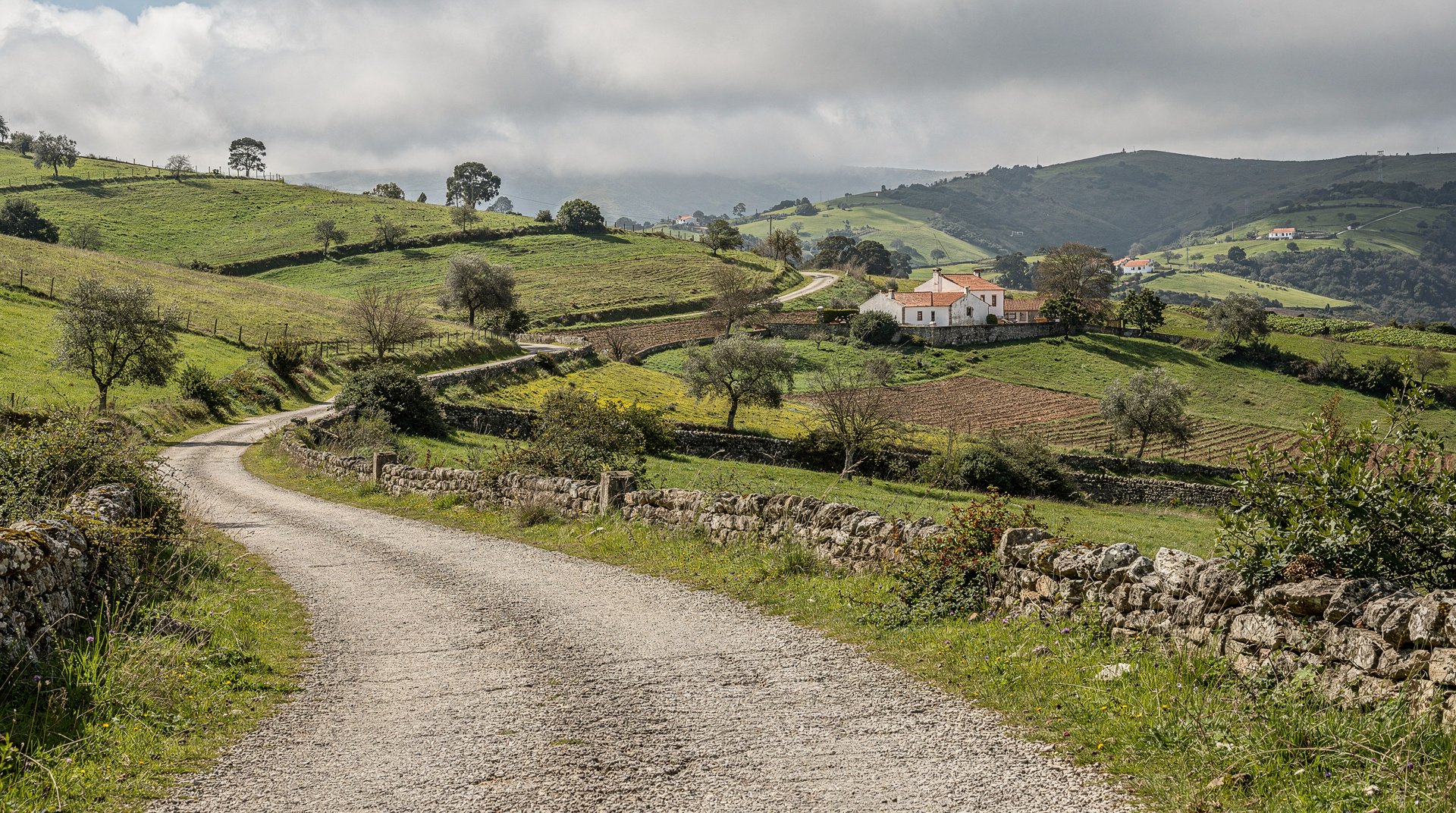
Yes, with adjustments. Train to Pinhão and Régua is practical; quintas accessible by foot or short taxi from the stations cover most of the experience. The limitation is spontaneity — you can’t detour to a quinta you spot from the road. Our Douro by train vs car vs tour guide compares the options.
When is the best time for an overnight in the Douro Valley?
September for vindima (harvest activity, often visible from the quintas). May–June for green terraces and mild temperatures. Late October for the last leaves on the vines. See our Douro harvest timing guide.
What should I look for when choosing a quinta to visit?
Working estates that grow and produce their own wine (vs bottling facilities) give the most authentic experience. Estates that offer vineyard walks as part of the tour let you understand the terroir. Estates in the Pinhão valley (Cima Corgo sub-region) are the most wine-dense. See our best quintas in the Douro Valley guide.
How does this itinerary differ from the 7-day northern Portugal route?
The five-day itinerary focuses depth on Porto and the Douro. The 7-day northern Portugal itinerary adds Braga, Guimarães and the Minho region, requires a car, and covers a much larger geographic area.
Should I book the quinta accommodation or the train first?
Book the quinta first if you have a specific one in mind — the best-known estates like Quinta de la Rosa fill their rooms well ahead in September and around holiday weekends. Once the accommodation is locked in, book the Douro line train seats to match, ideally 3–5 days ahead in peak season, longer during vindima.
Is this itinerary suitable if I don’t drink wine?
Yes, with a shift in emphasis. The Douro Valley’s landscape, the train journey itself, the quinta setting and the local food are worthwhile independent of tasting port or wine — many quintas also offer non-alcoholic grape juice tastings and vineyard walks. If wine genuinely isn’t a draw at all, though, a shorter Douro day trip or skipping it for Porto in 4 days with the Braga/Guimarães option instead may suit you better.
Top experiences
Bookable activities with verified prices and instant confirmation on GetYourGuide.