Matosinhos seafood pilgrimage: what we ordered and what it cost
| Where | Rua Heróis de França, Matosinhos-Sul |
| Cost | Around 24 €/person for a full fish lunch, incl. wine |
| Time needed | 2–3 hours for lunch, half a day with the beach |
| Getting there | Metro line A, ~25–30 min from Bolhão or Trindade |
| Best time | Sunday lunch for the full experience; weekday for fewer crowds |
Why Matosinhos specifically
Matosinhos is the coastal municipality directly north of Porto, technically a separate city but connected by metro in under thirty minutes. It has a commercial fishing harbour, a fish market, and a street — Rua Heróis de França — that functions as one of the highest-concentration grilled fish strips in Portugal.
The argument for going: the seafood is landed at the adjacent harbour, often within the same morning. The restaurants are not oriented toward tourists in the way that Porto’s Ribeira waterfront is. The prices are lower than central Porto for equivalent quality. Sunday lunch here is what Portuenses who care about eating fish do on Sundays.
We’ve been on four separate occasions. The most recent was August 2024, a Sunday, when we committed to the full experience: arrived at 12pm, ate until 2:30pm, walked to the beach, Metro back.
Getting there
Metro line A from Bolhão or Trindade, direction Matosinhos-Sul. Journey time approximately 25-30 minutes. Exit at Matosinhos-Sul and walk toward the harbour — the fish restaurant strip is a five-minute walk from the station, running alongside and parallel to the harbour praia.
Cost: 2-2.50 € on Andante card, same as any Porto metro journey.
The Rua Heróis de França situation
Rua Heróis de França — and the adjacent streets — has a high density of fish restaurants competing for the same market. They’re not identical: some specialise in specific types of fish or preparation, some have been there for forty years and have regulars who’ve been coming weekly since before you were born, some are newer and more polished.
The choice between them is less fraught than it appears. On any given Sunday, all of them are serving fish that came off boats that morning. The difference is in the preparation, the sauce, the salad, and whether the proprietor’s attention is on the fish or on the table turnover.
Our selection process: walk the length of the street once. Ignore places with aggressive touts. Look for the places where the grills are visible and working, where there are Portuguese families sitting down rather than tourists standing outside reading menus. On our August visit we chose a restaurant with a charcoal grill running directly on the pavement, a handwritten board, and no photographs of food on any surface.
What we ordered
This is the Sunday lunch we actually ate:
Starter: percebes (barnacles, 12 €). These require explanation: Portuguese goose barnacles are a specific delicacy of the Atlantic coast, pried off rocks at the waterline at considerable personal risk and with considerable effort. They look alarming (tubular, black, slightly alien), taste intensely oceanic, and are eaten by pinching the tube, twisting, and pulling the flesh from the shell. The flavour is a concentrated essence of Atlantic cold seawater. We ordered them on our second Matosinhos visit after being embarrassed by our ignorance on the first.
Main for two: robalo grelhado (grilled sea bass, 26 € for a fish sized for two). Whole fish, grilled over charcoal, served with boiled potatoes, broad beans, and olive oil. The fish arrives with charred skin and white flesh that separates cleanly from the bone. We asked the waiter if the robalo was today’s — he looked mildly insulted in a way that confirmed it was.
Alongside: ensalada verde (3 €), bread (the couvert arrived with olives and they were good, we kept them), half-litre of Vinho Verde (4 €).
Dessert: we shared a mousse de chocolate (3.50 €) because it existed, not because we were hungry.
Total: 48.50 € for two people, including service. On a per-person basis: 24 € for the kind of fish lunch that would cost 60-80 € in Lisbon’s Bairro do Peixe or any London equivalent.
| Dish | Price | Notes |
|---|---|---|
| Percebes (barnacles) | ~12 € | Sold by weight; an acquired taste worth trying once |
| Robalo grelhado (sea bass, for two) | ~26 € | The main event; ask if it’s today’s catch |
| Salada verde | ~3 € | Standard side at any Matosinhos grill |
| Half-litre Vinho Verde | ~4 € | The natural pairing with grilled fish |
| Mousse de chocolate | ~3.50 € | Optional, ordered because it existed |
| Couvert (bread, olives) | ~1–3 €/person | Not free, but usually worth keeping |
Other fish worth ordering
If robalo isn’t available or you want variety across a group, the other reliable orders on Rua Heróis de França are dourada (sea bream, similar preparation and price to robalo), polvo à lagareiro (octopus roasted with olive oil and potatoes, around 16-20 € and shareable), and sardinhas assadas when they’re in season (June-October, 2-3 € per sardine, the cheapest way to eat well here). Grilled prawns (gambas or camarão) make a good starter alternative to percebes if barnacles feel like too much of a commitment on a first visit.
The couvert conversation
A word on the couvert (cover charge): in Portugal, bread, olives, butter, and other items that appear on your table without being ordered are not free. They’re included on your bill at typically 1-3 € per person. You are entitled to refuse them — simply say “não, obrigado” when they arrive.
In practice, at Matosinhos seafood restaurants, the couvert items (usually fresh bread and olive oil, sometimes olives) are genuinely good and worth the cost. We kept them. But it’s worth knowing the system before the bill arrives.
The beach after lunch
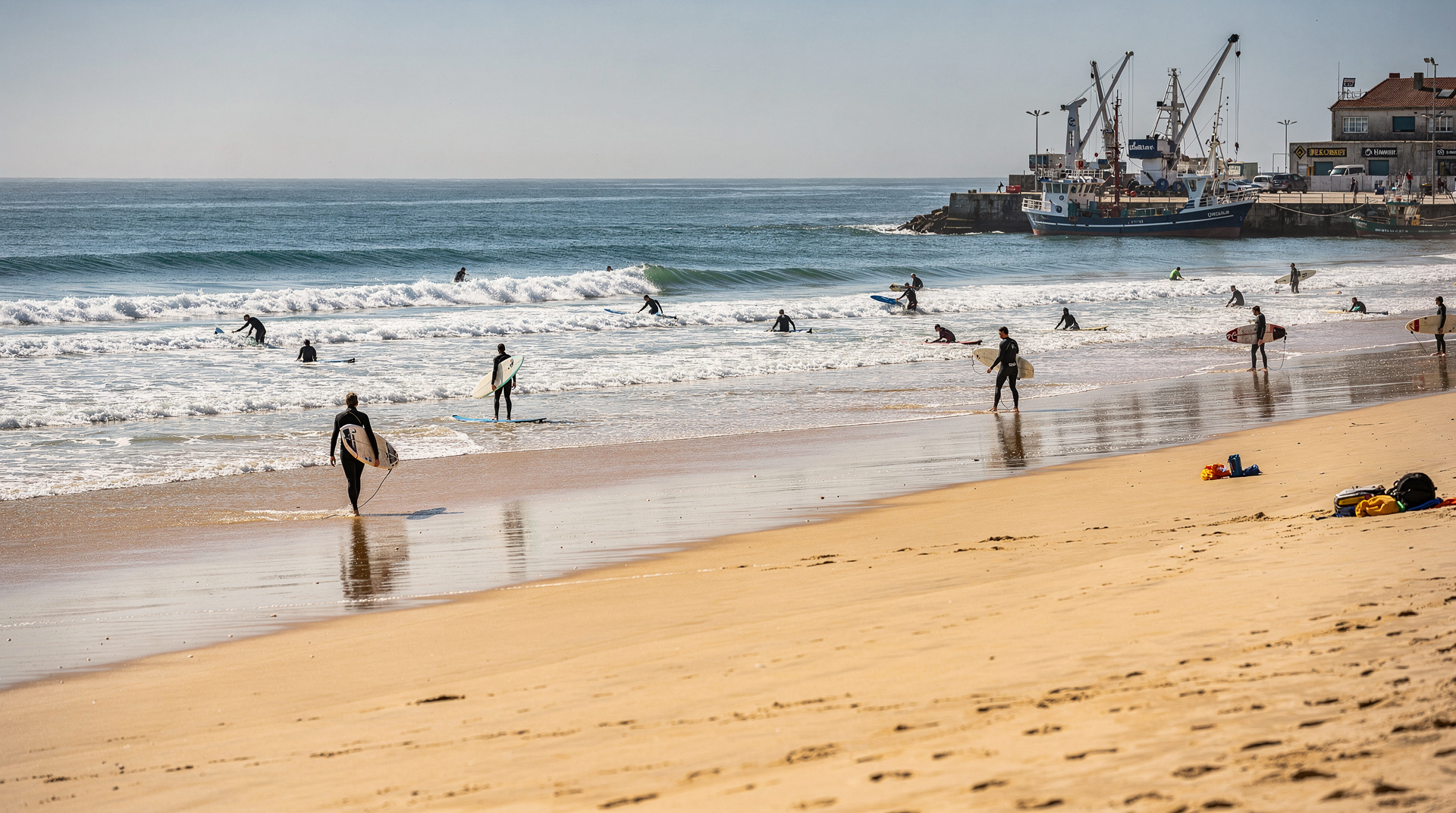
Praia de Matosinhos is directly adjacent — a long sandy Atlantic beach with surf break and a wind that comes in hard from the northwest. In August, the beach is busy (this is where Porto people go to the sea). In October-April, it’s nearly empty and the light on the water is extraordinary.
After our Sunday lunch we walked thirty minutes on the beach, had a coffee at a beach café (1 € for espresso at the closest option to the promenade), and took the metro back from Matosinhos-Sul.
The full Sunday afternoon — lunch, beach walk, coffee — cost 51 € per person including metro.
Porto to Matosinhos sea to plate experience — the structured tour version of what we describe hereWhen to go
Sunday lunch is the peak experience for Matosinhos. The restaurants run at full capacity, the fish is at its freshest, and the social ritual of Sunday Portuguese lunch is operating around you in a way that makes the experience more than the food.
Weekday lunch works nearly as well for the fish itself (same harbour, same freshness) but has less of the Sunday communal energy.
Avoid Friday and Saturday evening if you want quick seating — the restaurant strip is popular and waits can be 30-45 minutes on weekend evenings without booking.
The surf alternative
Matosinhos has a permanent surf break that’s active year-round. If your group includes surfers or surf-curious travellers, a morning surf lesson followed by the fish lunch is a full-day Matosinhos experience.
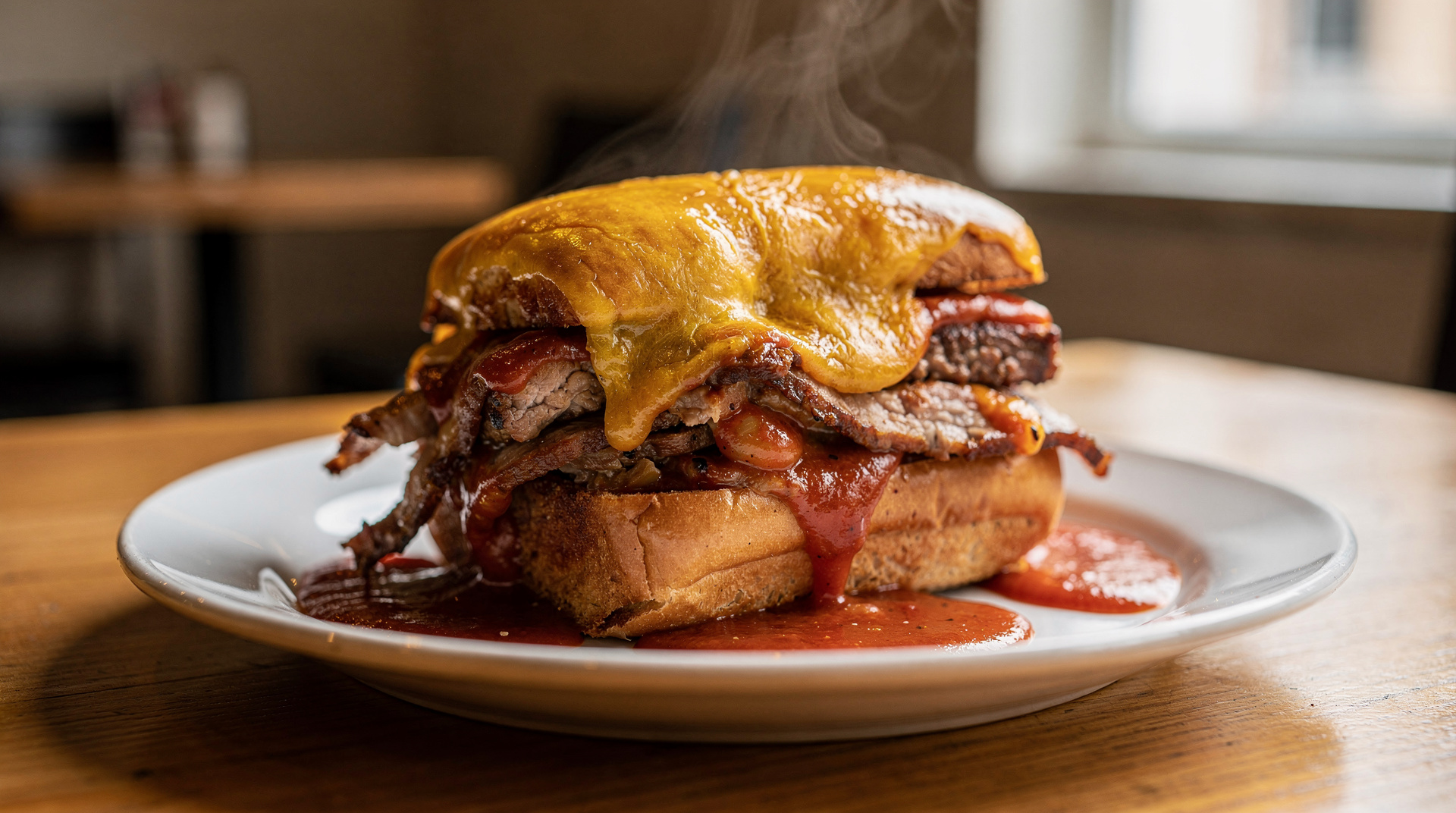
Matosinhos surf school for first-timers — morning session before lunch works wellOur full Matosinhos seafood guide covers restaurant-by-restaurant detail beyond this single visit, and our surfing in Porto guide has the fuller picture on lessons and conditions if the surf detour appeals. For how Matosinhos compares to Porto’s other seafood options, see our Porto food bucket list and the best day trips from Porto ranked — Matosinhos consistently ranks near the top for a half-day trip. If you’re deciding between grilled fish and Porto’s other national dish, our francesinha debate tackles that argument directly.
Our Porto 4-day itinerary includes a Matosinhos half-day as a structured extension to the standard city visit.