The great Porto francesinha debate: our subjective ranking
What we’re actually arguing about
A francesinha is a Porto sandwich. That description doesn’t begin to convey what it is, so: it’s a thick sandwich of cured pork, steak, and linguiça sausage, wrapped in bread, covered with melted cheese, submerged in a sauce made from tomatoes, beer, and brandy (each restaurant’s recipe is proprietary and contested), and served with a fried egg on top and chips alongside. It’s not a light meal.
The sauce is the thing. The bread is irrelevant. The meat is important but secondary. The sauce — its heat, its spice level, its consistency, its beer-to-brandy ratio — is what separates a good francesinha from a great one, and what every Porto local will argue about with a conviction usually reserved for football clubs.
We’ve eaten eleven francoesinas across three visits to Porto. This is our ranking. It is subjective. We offer it as one data set among many, not as objective truth.
| Typical price | 10–18 € depending on neighbourhood |
| Best time to eat one | Lunch, not dinner |
| Best neighbourhoods | Bonfim, near Bolhão — not Ribeira |
| Drink pairing | Cold Super Bock or Sagres draught |
| Full guide | Our francesinha where to eat guide has current addresses and prices |
The one thing everyone agrees on
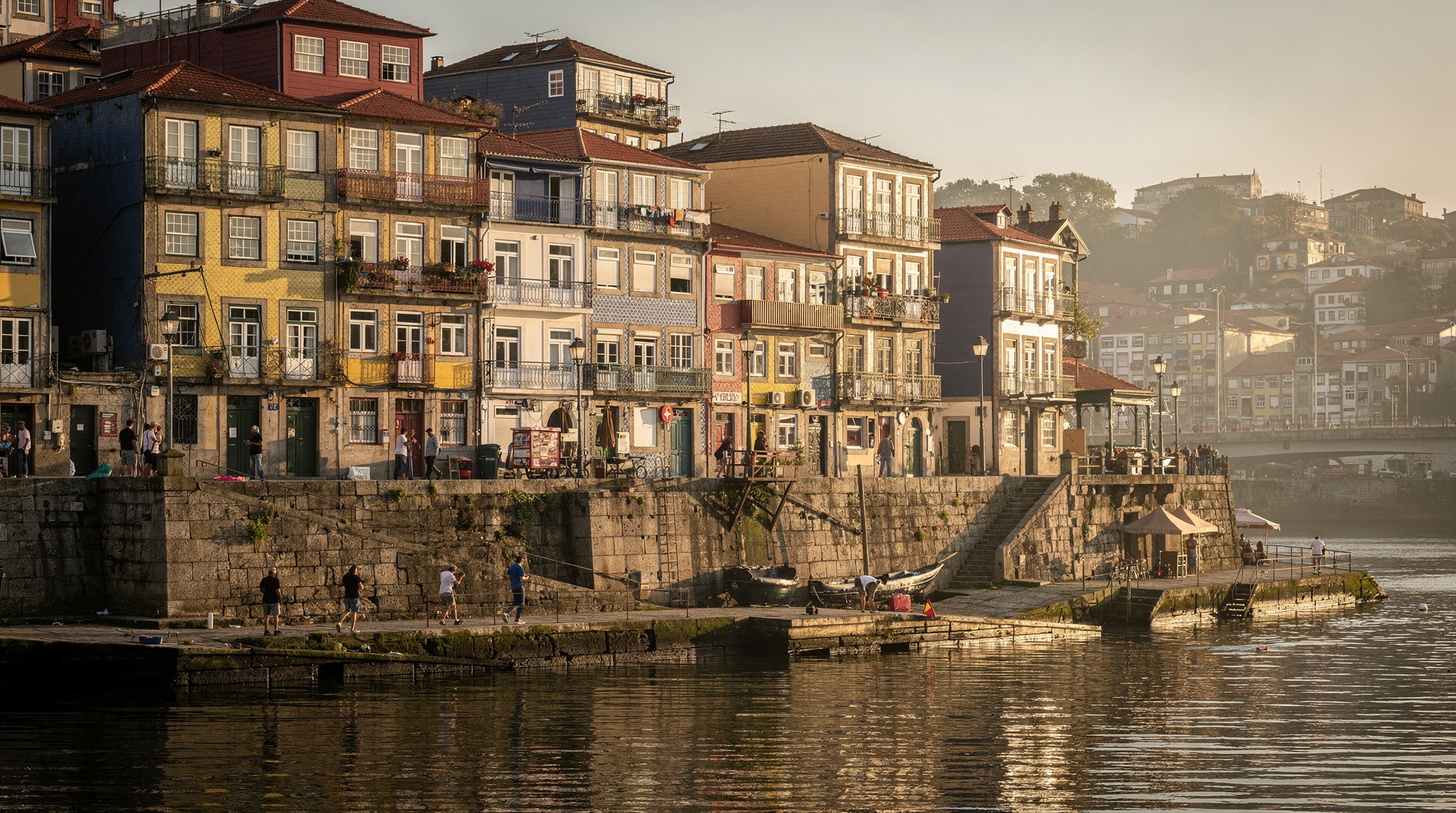
Before the ranking: everyone — locals, food writers, the taxi driver who corrected us on our pronunciation (“fran-say-ZEE-nya”) — agrees that you should not eat a francesinha in Ribeira tourist restaurants. The sauce in Ribeira tourist establishments has been compromised for international palates: less spice, more generic, often made in bulk and reheated. The proximity to the waterfront is inversely correlated with sauce quality.
You must go one neighbourhood away from the tourist spine. Bolhão market area, Bonfim, Rua do Almada — these are where the francoesinas exist for Portuenses rather than visitors.
The ranking
Tier 1: The sauce is why you came
We put Café Santiago first and we’ll take the disagreement. It’s near Rua de Santa Catarina, it’s not unknown, and the locals who go there for lunch are slightly irritated by the tourists who’ve found it. The sauce is the darkest and most complex we’ve tried: it has heat that builds rather than hits, a bitterness from the beer that keeps it from being sweet, and a consistency that’s thick enough to eat with the chips but not so thick it becomes gravy.
Francesinha Café Progresso, across town near Cordoaria, runs Café Santiago close. The sauce is lighter in colour, slightly more acidic, with a sharper brandy note. It’s the choice if you find the Santiago version slightly heavy.
Tier 2: Excellent but a shorter trip is required
Restaurante Bufete Fase in Bonfim is a neighbourhood place that serves francoesinas to a lunchtime crowd of people who work nearby. No tourist menu, handwritten specials board, wine by the carafe. The francesinha is large, the sauce is properly spiced, and the price — around 12-14 € — is lower than the tourist-adjacent options.
A Regaleira, near Bolhão, is the other frequently cited local option. The sauce is good but we found the bread slightly too thick for our preference, which affected the cheese-to-meat-to-sauce ratio in a way that detracted from the experience. This is the level of detail at which francesinha discourse operates.
Tier 3: Good but not making the case
We tried three places in the Baixa area that serve solid francoesinas — not bad, not memorable. They’re fine if you’re nearby and hungry, but not worth detouring for.
Not recommended
Two Ribeira restaurants that we visited on our first trip before we knew better. One arrived with an egg white that was still liquid. One was fine but priced at 18 € and tasted like a sauce from a jar. We won’t name them because the establishments may have improved since, but the general warning stands.
Porto food tour — includes francesinha context alongside other essential dishesThe francesinha science
There are a few structural facts that transcend the ranking:
Sauce temperature: the francesinha should arrive in a slightly bubbling sauce, hot enough to slightly steam. A room-temperature sauce means it was assembled in advance.
Egg doneness: the yolk should be soft. Runny is acceptable. Solid means the timing went wrong.
Chips: the chips come separately in some places, inside the sauce in others. The inside-the-sauce version (soggy, brandy-infused) is technically correct. Neither version will disappoint a hungry person.
Timing: francoesinas are lunch food. They’re not well-suited to dinner because the sauce and meat volume are mid-day quantities. Eating one at 2pm is correct. Eating one at 9pm means you’re still thinking about it at midnight.
The beer: it’s traditional to drink beer with a francesinha, partly because beer is in the sauce and the continuation is logical. A Super Bock or Sagres on draught, correctly cold, is the standard accompaniment.
Our verdict on the debate
The best francesinha is at the place locals go, not the place with a photograph on the menu. This is true of most dishes in most cities, but for the francesinha it’s more emphatically true than usual because the tourist versions are so notably compromised.
Go to Bonfim. Go to the place near Bolhão. Ask at your guesthouse where the staff eat lunch. Ignore the places with photographs of the dish outside.
The Porto food bucket list has the francesinha alongside eleven other dishes you should eat while you’re here — it’s the most important, but not the only one. Our full francesinha where to eat guide tracks current addresses, prices and hours for the places named above, and the petiscos and tascas guide covers the wider neighbourhood-tasca culture the francesinha belongs to.
Porto food culture tasting tour — a structured way to understand the city’s food beyond francoesinhaHow the francesinha compares to Porto’s other signature dishes
Francesinha gets the attention, but it’s not the only dish worth planning a meal around. If you’re building a food-focused day, it pairs oddly with itself — a francesinha lunch is heavy enough that dinner should go lighter, toward petiscos (small plates) or fresh seafood.
| Dish | Best for | Typical price | Where |
|---|---|---|---|
| Francesinha | A single substantial lunch | 10–18 € | Bonfim, near Bolhão |
| Petiscos/tascas | Grazing, evening | 3–8 € per plate | Almost anywhere off the tourist spine |
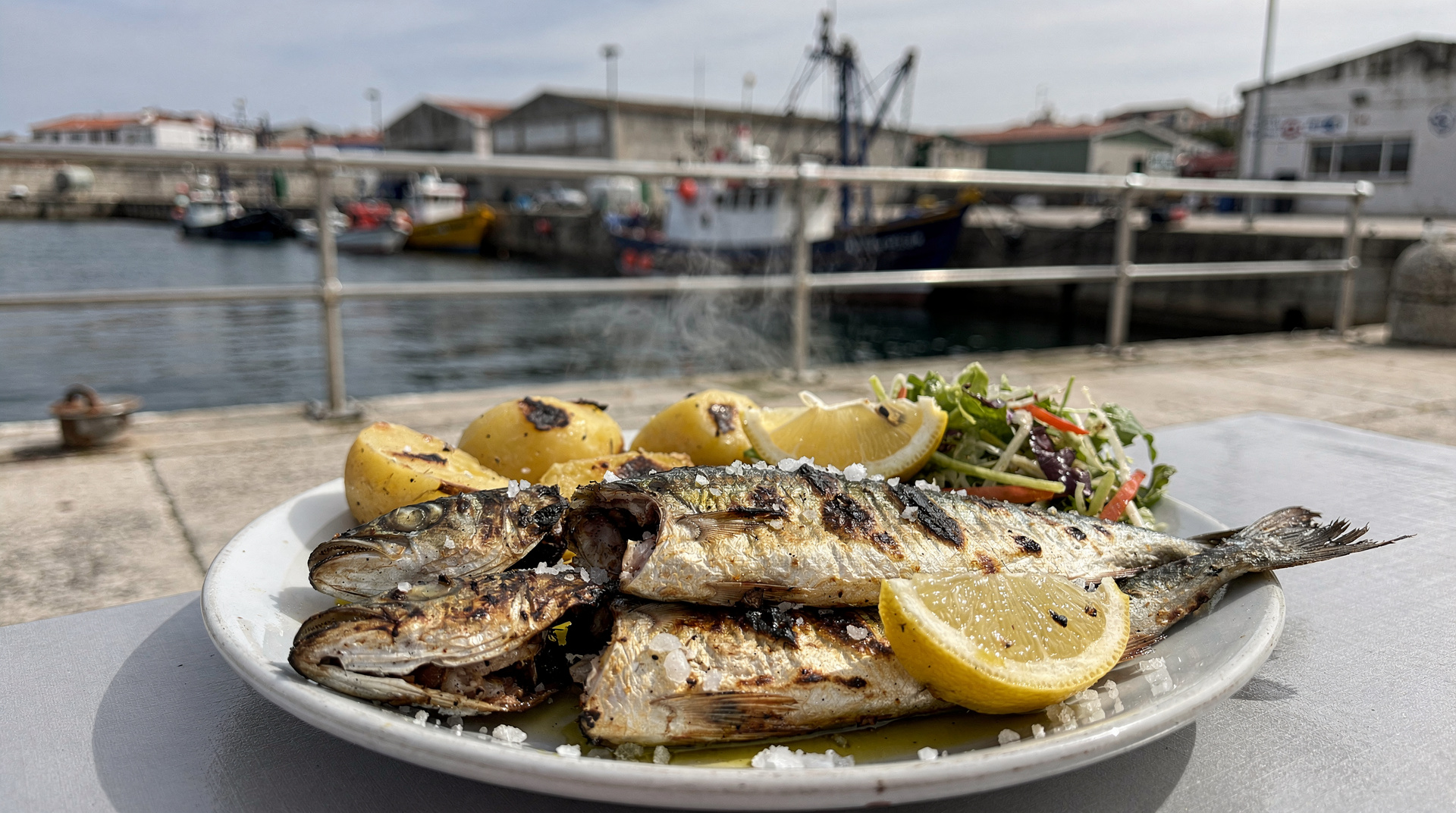
| Fresh seafood | Dinner, lighter after a francesinha lunch | 15–30 € | Matosinhos |
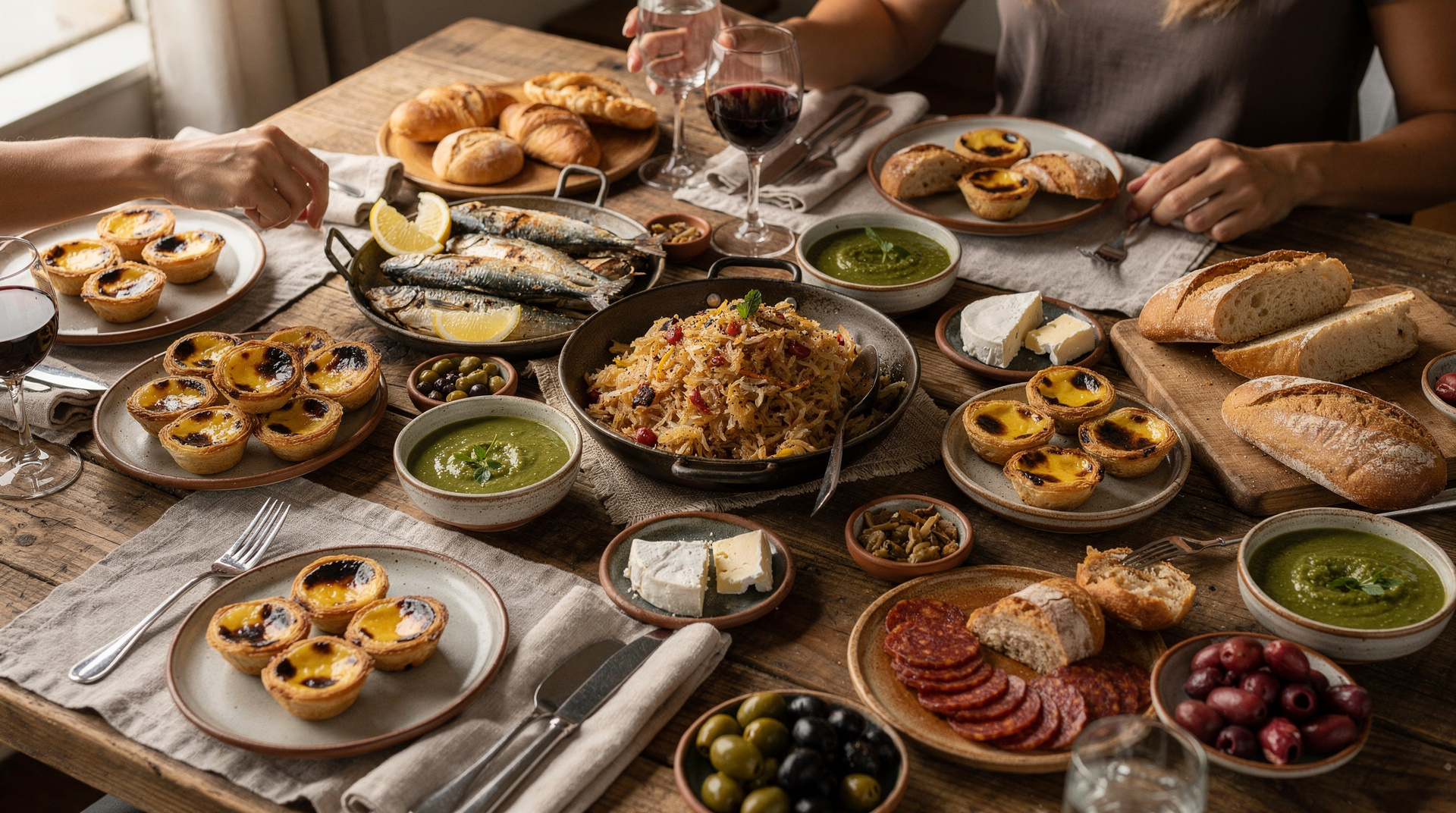
| Pastel de nata | Any time, snack | 1–1.50 € | Everywhere |
If seafood is more your thing than a heavy meat-and-sauce sandwich, our Matosinhos seafood pilgrimage covers the fish-market-to-table version of the same “eat where locals eat” principle.
Budgeting for a francesinha crawl
If you want to try more than one on a single trip — which is a legitimate way to spend a day — space them across two or three days rather than back to back; it’s a heavy dish and the sauce comparisons are more meaningful when you’re not already full from the last one. Our Porto on a budget guide has the wider cost breakdown if you’re planning meals around a daily spend target; a francesinha at a genuine neighbourhood spot is one of the better value-for-money meals in the city.
Frequently asked questions
Is francesinha very spicy? Not typically — the “heat” in a good sauce is more about depth and build than chilli spice. It’s closer to a rich, savoury, slightly bitter sauce than something fiery, though recipes vary by restaurant.
Can vegetarians eat francesinha? The traditional version is meat-heavy by definition (cured pork, steak, sausage), so it isn’t vegetarian. A small number of restaurants offer a vegetarian version, but it’s a genuine departure from the dish most Porto locals would recognise.