Best day trips from Porto, ranked honestly
The day-trip question
Porto is an excellent base for day trips. Within 1-2 hours, you can reach the Douro Valley, Braga, Guimarães, Aveiro, the Peneda-Gerês National Park, Santiago de Compostela, and several coastal options. The challenge is deciding which to prioritise on a limited-days trip.
We’ve done all of the above, some of them multiple times. Here’s the honest ranking.
| Best overall | Douro Valley — not close |
| Best without a car | Aveiro or Braga/Guimarães by train |
| Needs a car or tour | Peneda-Gerês, Douro quinta visits |
| Best budget option | Aveiro (15–25 € transport total) |
| Save for a longer trip | Coimbra, Arouca/Paiva Walkways |
For the full ranking methodology and how these compare in a longer stay, see our best day trips from Porto guide.
1. Douro Valley (winner by distance)
Distance from Porto: 1h30-2h by car; 2h20 by train to Pinhão
Best for: wine, landscape, UNESCO heritage, the single most dramatic scenery accessible from Porto
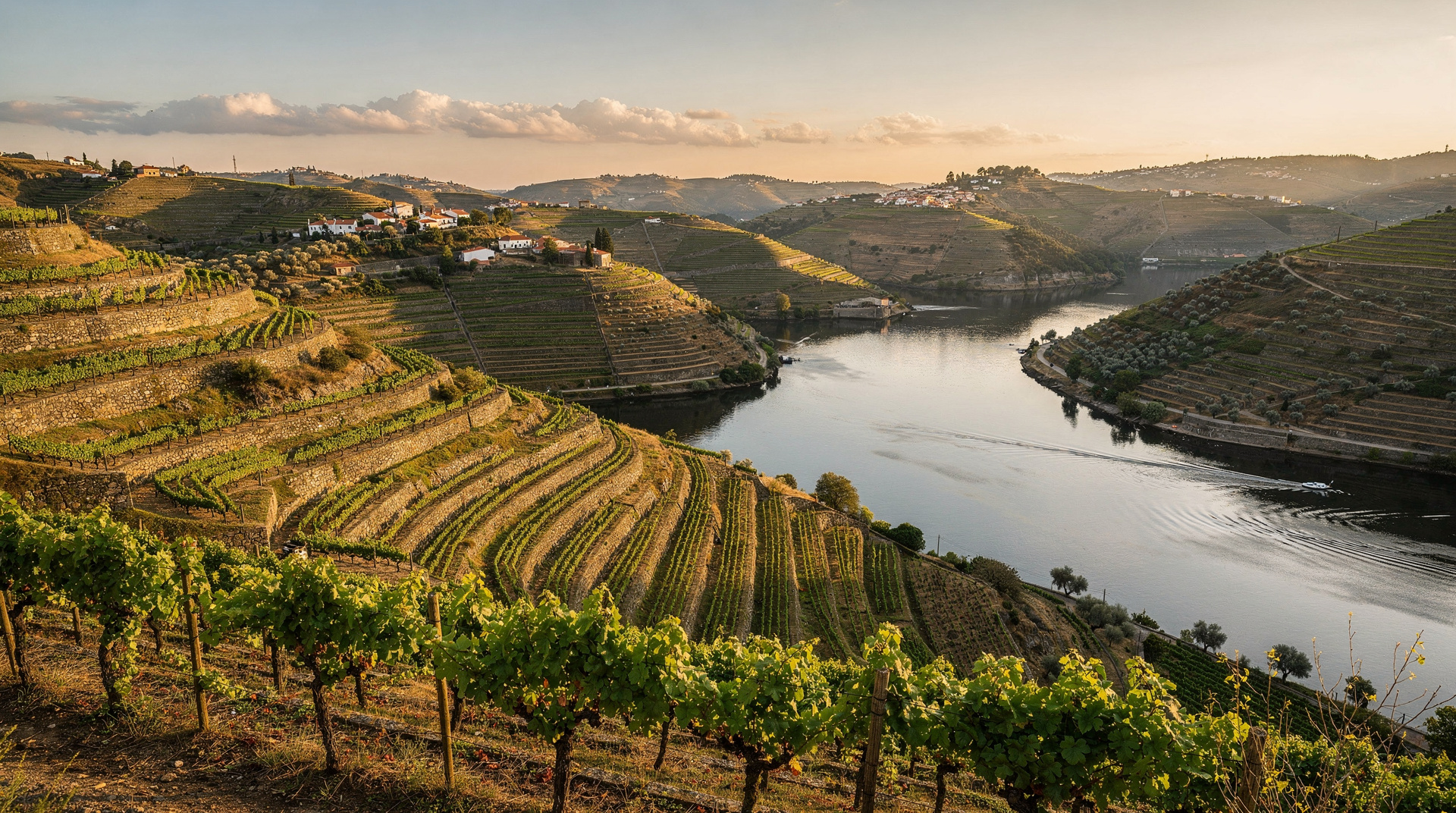
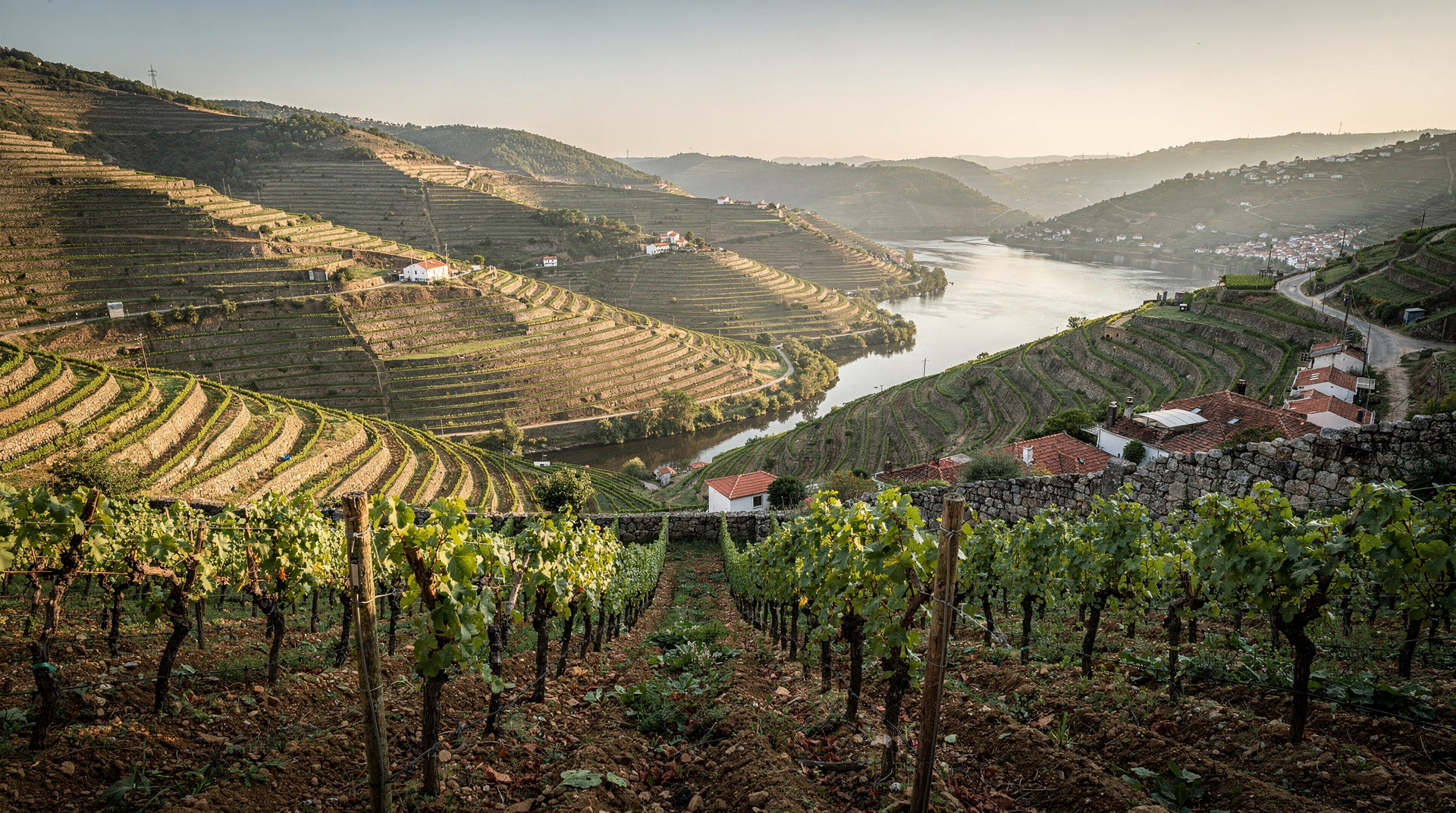
There’s no close second. The Douro Valley is a UNESCO World Heritage Site for its terraced vineyards and schist landscape, and the combination of the river gorge, the wine estate visits, and the specific quality of the light in the upper Douro is genuinely difficult to replicate anywhere else in Europe.
A day in the Douro looks like: morning departure from Porto, arrive Pinhão area late morning, visit one or two quintas with tastings, lunch at a quinta restaurant or Pinhão village, an hour on the river or at a viewpoint, back to Porto by evening. Cost on a guided tour: 80-120 €. By car (wine tastings + lunch): 60-90 € per person.
The issue: the Douro without a car requires either a guided tour or the train, and the train covers the scenery but not the quinta visits directly. Most people who’ve been call it the highlight of their Portugal trip. Our Douro by train experience covers the rail-only version in detail, and the Douro Valley day trip guide breaks down every practical option.
Premium small-group Douro day trip — the format we consistently recommendSee our full Douro tour guide for the breakdown of which tour formats work, and Destination: Douro Valley for the wider regional overview.
2. Braga and Guimarães (combined day)
Distance from Porto: Braga 50 minutes by train; Guimarães 1h10 by train
Best for: Romanesque architecture, Portugal’s oldest city (Braga), medieval historic centre (Guimarães)
These two work best as a combined day — train to Braga, spend the morning, bus or taxi between the two cities (30 minutes), afternoon in Guimarães, train back to Porto. The day is full but not exhausting.
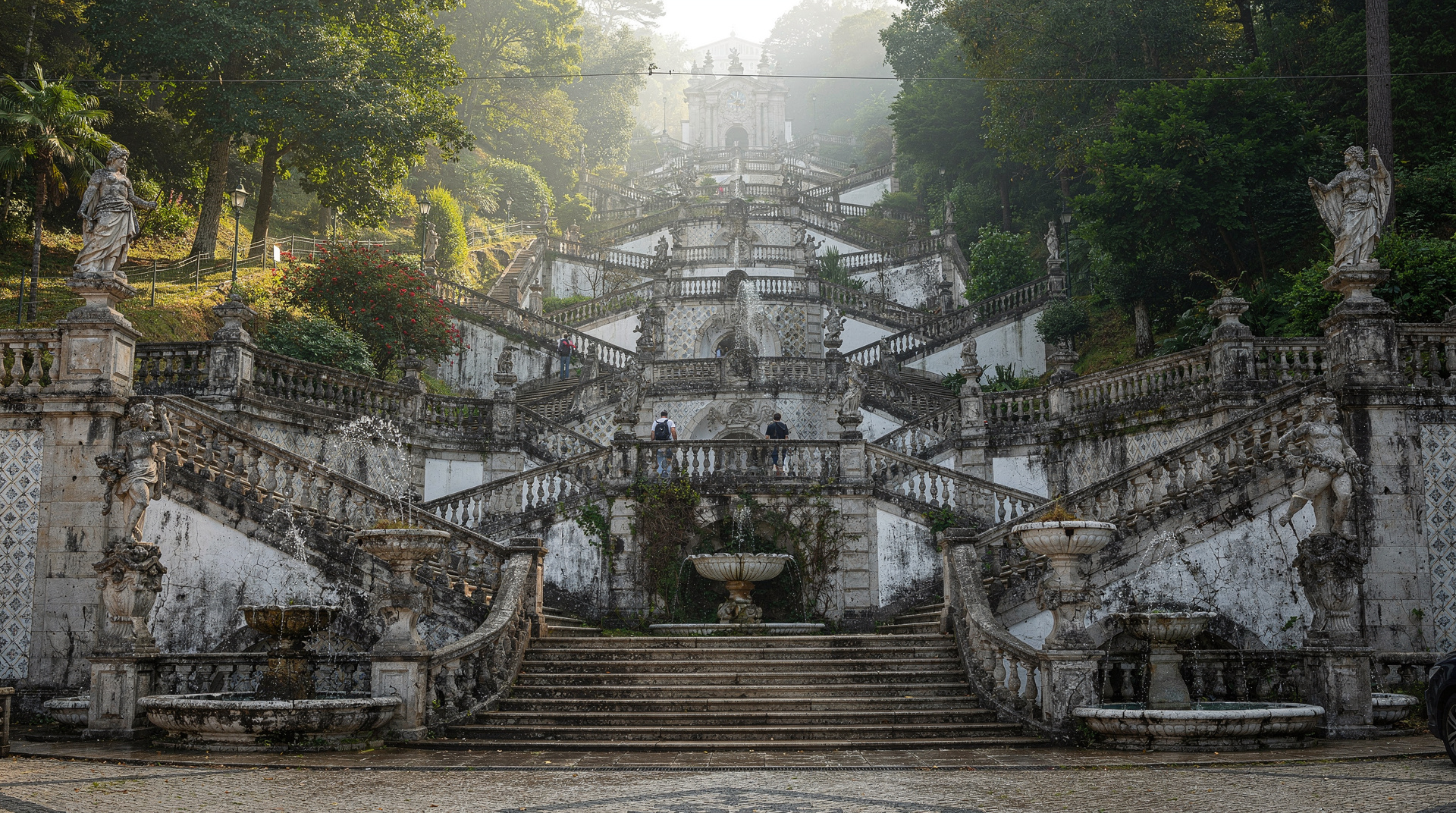
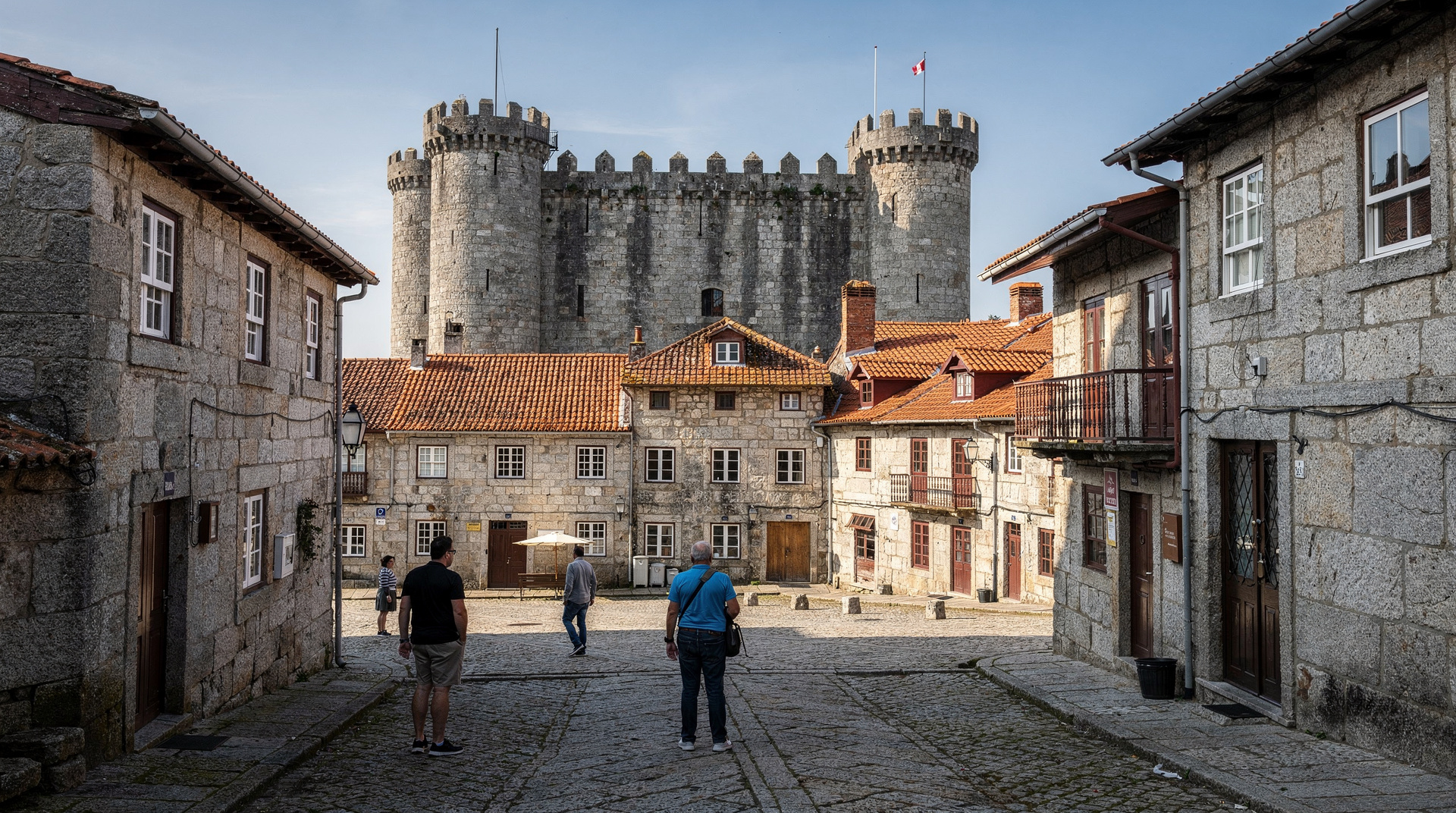
Braga’s Bom Jesus sanctuary — a baroque staircase sanctuary on a wooded hillside above the city — is the visual highlight and worth the funicular ride up. The old town has the highest concentration of Baroque churches per square mile in Portugal. See Destination: Braga for a fuller picture. Guimarães is where Portugal was “born” (the first Portuguese king was born here) and its medieval centre — preserved with a castle, a palace, and cobbled streets — is genuinely intact in a way that many similarly marketed European historic towns are not; Destination: Guimarães has more detail, and the Braga and Guimarães day trip guide covers the combined logistics.
Budget estimate: train tickets (12-18 € return), lunch (10-15 €), total 30-40 € per person.
Braga and Guimarães guided full day — useful if you want Portuguese-language context3. Peneda-Gerês National Park
Distance from Porto: 1h30-2h by car (car required — no practical public transport to the park)
Best for: hiking, waterfalls, swimming in river pools, granite landscape
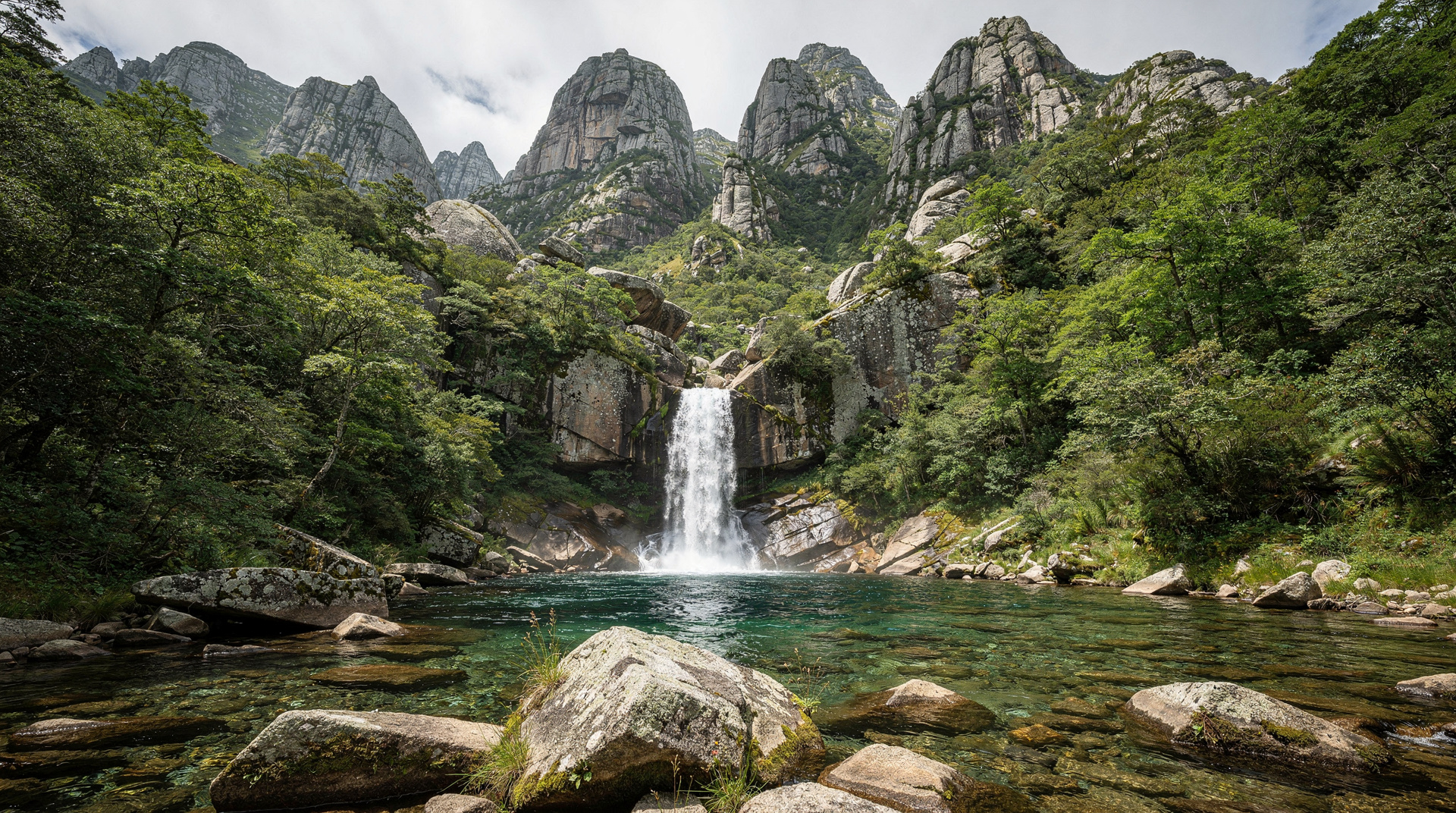
Gerês is Portugal’s only national park and its landscape — granite peaks, oak and pine forest, river valleys with clear water — is completely unlike Porto or the Douro. In summer, the river pools near Sistelo and the waterfalls above Lindoso are crowded; in spring and autumn, Gerês has an uncrowded grandeur.
The catch: without a car, accessing the park is difficult. A guided trip from Porto removes the car problem but necessarily focuses on accessible points rather than the deeper park interior.
Why we rank it below Braga/Guimarães: the lack of public transport access means it requires either a tour or a rental car, which adds cost and planning overhead. For a 2-3 day Porto trip, the Douro and Braga/Guimarães are more accessible and require less logistics. Our Gerês National Park day trip guide and Destination: Gerês page cover route and hiking options if you do have a car.
Porto to Gerês guided day trip with lunch — the practical option without a car4. Aveiro
Distance from Porto: 45-55 minutes by train (direct Alfa Pendular), 3-4 € return on local train
Best for: canals, moliceiro boats, Art Nouveau architecture, ovos moles (egg sweet)
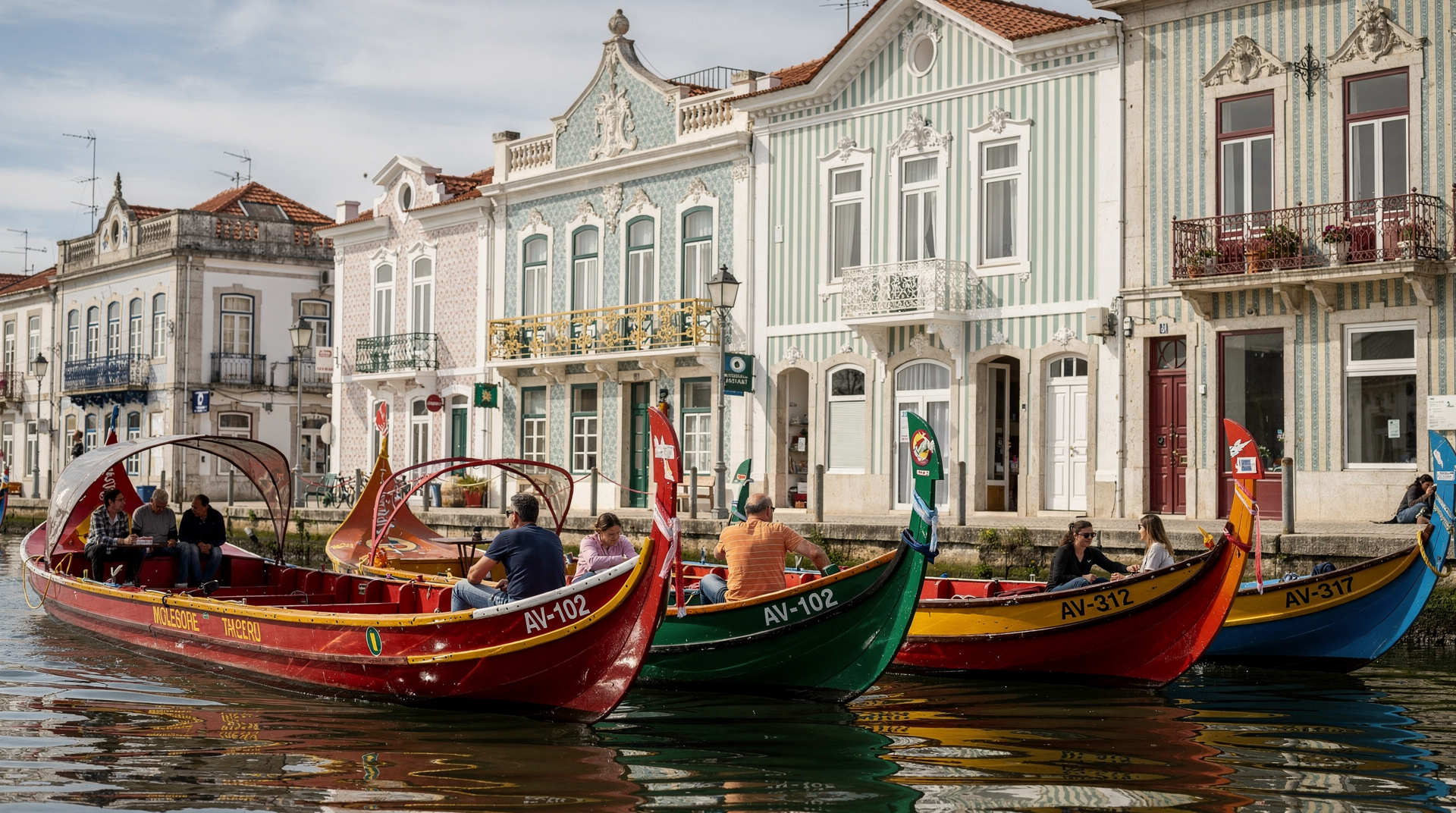
Aveiro is often called the “Venice of Portugal” — a designation that sets up an unfair comparison, since Aveiro’s canals are functional waterways through a working fishing and university town, not a medieval city built on water. On its own terms, Aveiro is genuinely attractive: the central canal with its painted moliceiro boats, the Art Nouveau facades on the central streets, and the coastal character of Costa Nova (a beach town accessible by bus from Aveiro) make it a solid half-day to full-day excursion.
The honest assessment: Aveiro is pleasant but doesn’t deliver the “this is extraordinary” response that the Douro does. It’s a comfortable upgrade from “I had a free afternoon” to “I made a day of it.”
Best combined option: Porto-Aveiro-Costa Nova as a full day, using the train and bus. Total cost 15-25 € transport. Our Aveiro day trip guide and Destination: Aveiro page have the full route breakdown, including the Costa Nova extension.
5. Santiago de Compostela (Galicia, Spain)
Distance from Porto: 2h30-3h by car; 2h45 by bus (no direct train currently)
Best for: the Camino endpoint, cathedral, pilgrimage culture, Spanish Galician food
Santiago de Compostela is technically in Spain but is so closely connected to northern Portugal — via the Portuguese Camino, the shared Galician culture, and the proximity — that it functions as a Porto day trip for many visitors.
The cathedral, completed in the 12th century and extended through the 17th, is one of the great pilgrimage destinations of medieval Christendom and one of the finest Romanesque buildings in Europe. The Praza do Obradoiro (the main square) is routinely full of pilgrims completing the Camino — a sight that has no equivalent anywhere else.
The logistics issue: the lack of a direct Porto-Santiago rail connection (an ongoing cross-border planning delay) means bus is the main option. The journey each way leaves less day-time in Santiago than any other destination on this list. Our Santiago de Compostela day trip guide and Destination: Santiago de Compostela page cover the current bus schedules and border crossing notes.
Destinations we’d leave for a longer trip
Coimbra: excellent university city, but requires a half-day minimum to scratch the surface and works better as an overnight stop than a day trip from Porto. See the Coimbra day trip guide and Destination: Coimbra if you have the extra time.
Arouca Geopark and Paiva Walkways: spectacular suspension bridge and gorge walk, but the logistics (2h from Porto, queued entry for the bridge) make it a rushed experience as a pure day trip. The Arouca 516 Paiva Walkways guide and Destination: Arouca explain why it works better with an early start or an overnight.
Lamego: a Douro town with its own baroque sanctuary — genuinely beautiful but slightly duplicates the Douro Valley experience if you’re already doing that day trip. See the Lamego guide and Destination: Lamego.
Our 7-day northern Portugal itinerary covers all of the above as part of a structured longer trip.
All the options, side by side
| Destination | Time from Porto | Car needed? | Typical cost/person |
|---|---|---|---|
| Douro Valley | 1h30–2h20 | No, but helps | 60–120 € |
| Braga + Guimarães | 50min–1h10 by train | No | 30–40 € |
| Peneda-Gerês | 1h30–2h | Yes, in practice | 45–70 € (tour) |
| Aveiro | 45–55min by train | No | 15–25 € |
| Santiago de Compostela | 2h30–3h | No, bus available | 40–60 € |
| Coimbra | Around 1h by train | No | 20–30 € |
| Arouca/Paiva Walkways | 2h | No, but tour recommended | 40–60 € (tour) |
| Lamego | Around 1h30 | Yes, in practice | 40–60 € (tour) |
How to pick if you only have one day
If it’s your only day trip on the whole visit, the Douro wins outright — nothing else on this list has the same combination of scenery, wine and a genuinely different pace from the city. If you’re travel-fatigued and want something lower-key with excellent public transport, Aveiro is the easiest day out there is: train there, train back, minimal planning. If you’re building a longer stay and can fit two day trips, pair the Douro with Braga and Guimarães rather than repeating a similar landscape with Lamego.
Frequently asked questions
What is the single best day trip from Porto? The Douro Valley, without a close second — the combination of terraced vineyards, the river gorge and wine estate visits is genuinely difficult to replicate elsewhere in Europe, and it’s what most first-time visitors remember best.
Can I do the Douro Valley without a car or a tour? Yes, by train to Pinhão (around 2h20), though this covers the scenery rather than direct quinta visits. Most visitors without a car choose a guided small-group tour instead, which includes tastings and lunch.