Pinhão guide — the Douro Valley's most photogenic village
Pinhão: Pinhao Quinta do Bomfim Visit and Tasting
Is Pinhão worth visiting in the Douro Valley?
Yes — Pinhão is the most atmospheric village in the Douro Valley: the azulejo-decorated railway station depicting harvest scenes, the horseshoe bend in the river visible from the hills above, and immediate access to walkable quintas make it the most rewarding single stop in the valley. It is a very small village with limited restaurant options, but as a base for wine tourism it is ideal.
The village at the heart of port wine country
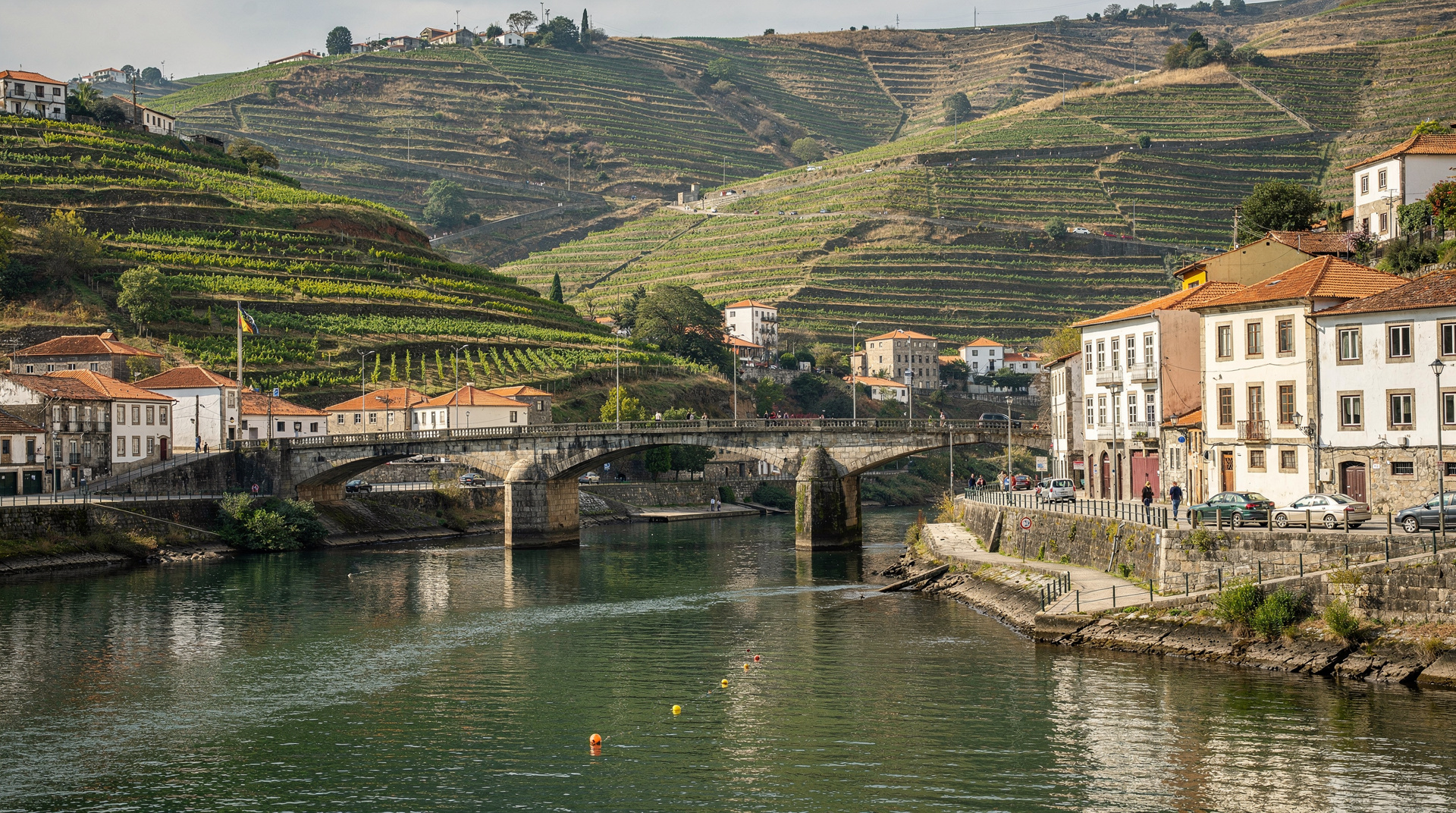
Pinhão sits at the confluence of the Douro and Pinhão rivers, about 30 km upstream from Peso da Régua, in the most intensely cultivated section of the port wine region. The village itself has a population of under a thousand people, a single main square, a waterfront dock, a railway station, and a handful of restaurants. It is one of the smallest places in Portugal with an international tourist reputation, and it has earned that reputation entirely through context rather than scale.
The context is extraordinary. On three sides, terraced vineyards rise in narrow ledges from the river to the ridgelines — the schist-slate hillsides carved by hand over centuries into the geometry that appears in every photograph of the Douro Valley. To the north, the Pinhão river valley cuts inland toward the Figueira de Castelo Rodrigo plateau. From the hills immediately above the village, particularly from Casal de Loivos, the Douro makes a perfect horseshoe bend visible in its entirety — the image that represents the valley in most travel media.
Understanding what Pinhão is — a very small working agricultural village with world-class wine tourism access — sets the right expectations. It is not a tourist resort. It is a functional place to access some of the best wine estates in Europe.
| Where | Confluence of the Douro and Pinhão rivers, ~30 km east of Régua |
| Cost | Free to walk the village; quinta tastings from around €15-25 |
| Time needed | A full day trip, or 1-2 nights as a base |
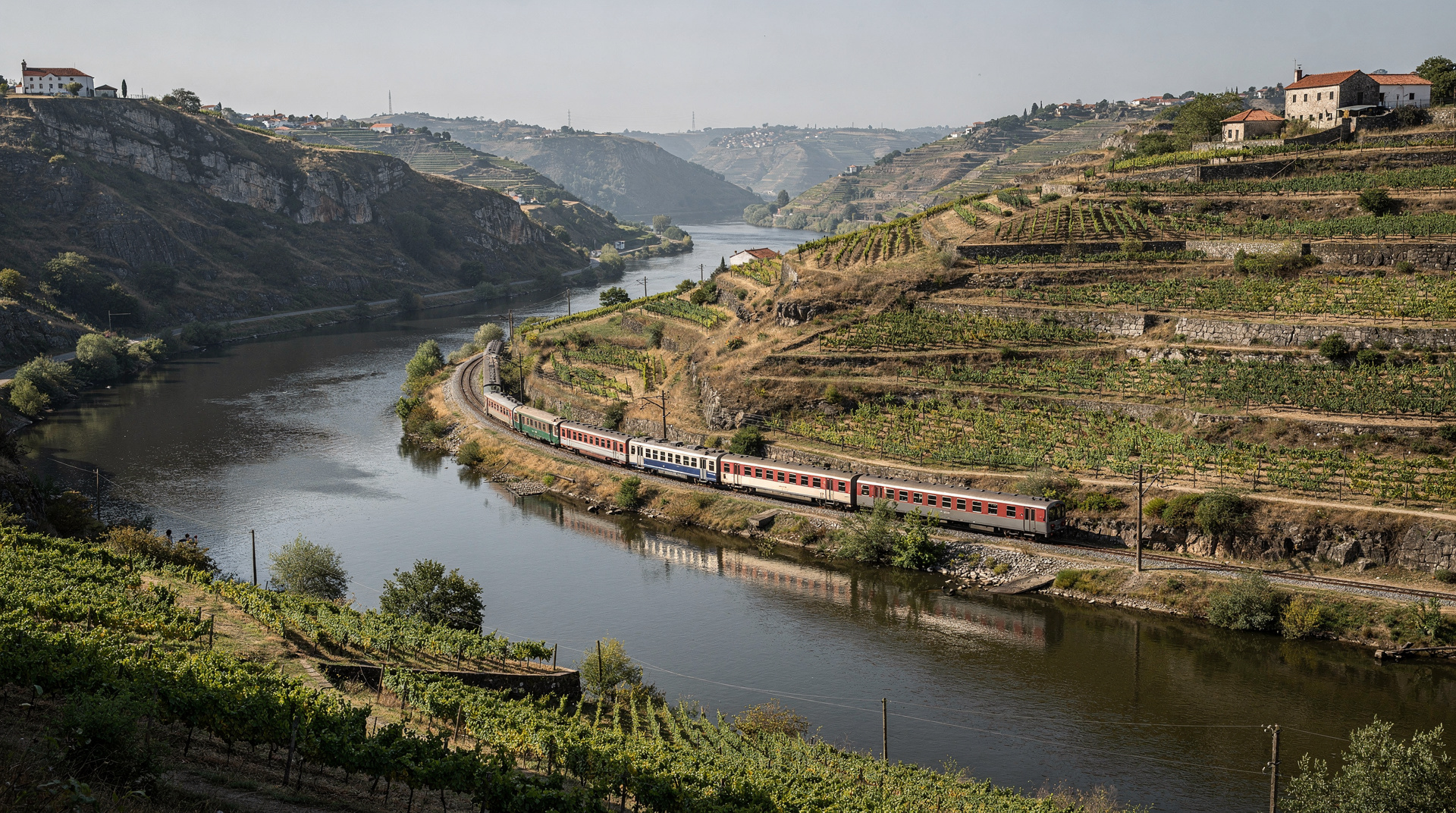
| Getting there | Train from Porto Campanhã (~2.5-3 hrs, scenic) or car via IP4 (~1.5-2 hrs) |
| Best time | May-June for green vines; September-October for vindima |
The railway station azulejos — the first thing to see
The Pinhão railway station sits at the eastern edge of the village. Before you do anything else in Pinhão, look at the station. The building is decorated with 24 large azulejo tile panels created in 1937 by the artist João Couto depicting daily life and agricultural work in the Douro Valley: the vindima harvest with workers picking grapes on the steep slopes, rabelo boats loaded with barrels moving downriver toward Gaia, fishermen on the Douro, and village scenes from the seasonal rhythms of Douro life.
These panels are formally outstanding — large-scale narrative painting in blue-and-white ceramic tile, executed with the precision that distinguishes the best Portuguese azulejo work from decorative tile production. They are the finest azulejo programme in the Douro Valley and, arguably, among the most significant outside Lisbon. They are freely visible to anyone on the station platform, ticketed or not, making the station itself a reason to arrive by train rather than car.
The station building is in working use — trains still call at Pinhão several times daily — so the panels are viewed in a functional context rather than a museum setting. This adds rather than detracts; seeing the 1937 harvest scenes while waiting for the 2026 train from Porto demonstrates the temporal depth of the valley’s relationship with wine.
Quinta do Bomfim — the most accessible estate
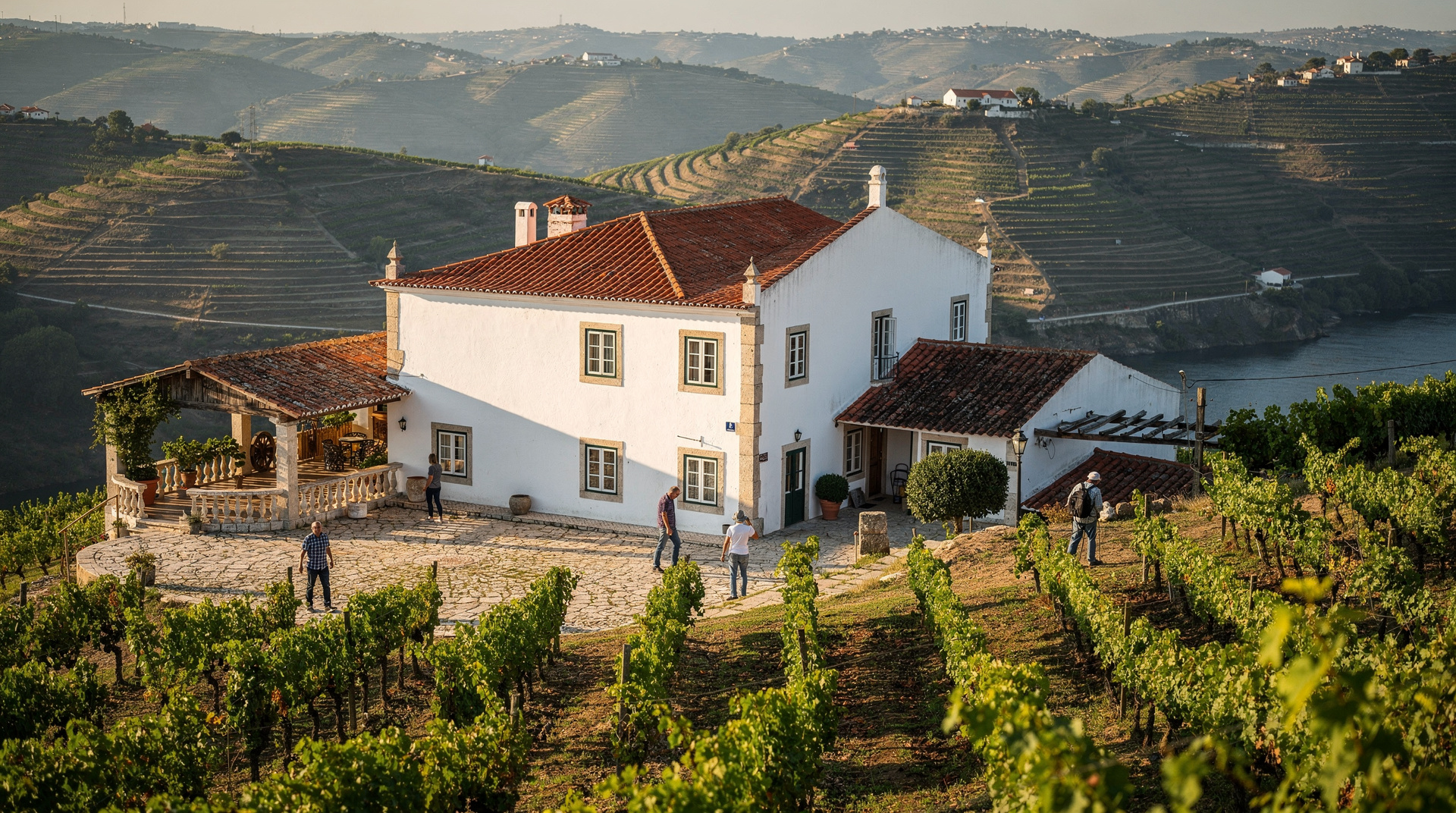
Quinta do Bomfim (Rua dos Telhados, Pinhão) is 15 minutes on foot from the station — a walk that goes uphill along the road from the village. It is the only major quinta that most visitors reach on foot from Pinhão, and it is a good one.
The Symington family (Graham’s, Dow’s, Warre’s) has owned Quinta do Bomfim since 1896. The estate produces Dow’s port wine and several Douro table wines, and the visitor programme includes a guided walk through the vineyard and winery, a view from the upper terrace (which is superb — looking back down over the Douro horseshoe from elevation), and a structured tasting of three to five wines.
Book the Quinta do Bomfim visit and tasting on GetYourGuideThe tasting typically covers a Douro white, a Douro red (often Dow’s Vintage Character), and two or three port expressions. The 10-year and 20-year tawnies are the most interesting; the LBV is reliably good. Budget approximately 1.5–2 hours for the full visit including the vineyard walk.
Honest assessment: Quinta do Bomfim is an excellent standalone quinta visit. It is not the most prestigious estate in the valley (Quinta do Noval, Quinta do Vesúvio, and Quinta do Crasto rank higher for their ports), but it is extremely well-run as a visitor experience, the view from the upper terrace justifies the uphill walk, and it is the only estate you can reach from Pinhão without pre-booking a taxi.
Quinta da Foz — accessible by boat shuttle
Quinta da Foz is located at the confluence of the Pinhão river with the Douro, accessible from Pinhão dock by a short boat shuttle (the quinta arranges this for visitors). The estate belongs to the Crasto family and produces wines under the Quinta da Foz label focused on indigenous Douro varieties.
The Quinta da Foz five-wine tasting with boat access from Pinhão combines the river transfer with a comprehensive tasting — a good option if you want to experience the Douro from the water without booking a full cruise.
Note: Confirm boat shuttle arrangements when booking, particularly in low season when service may be reduced.
Rabelo cruises from Pinhão dock
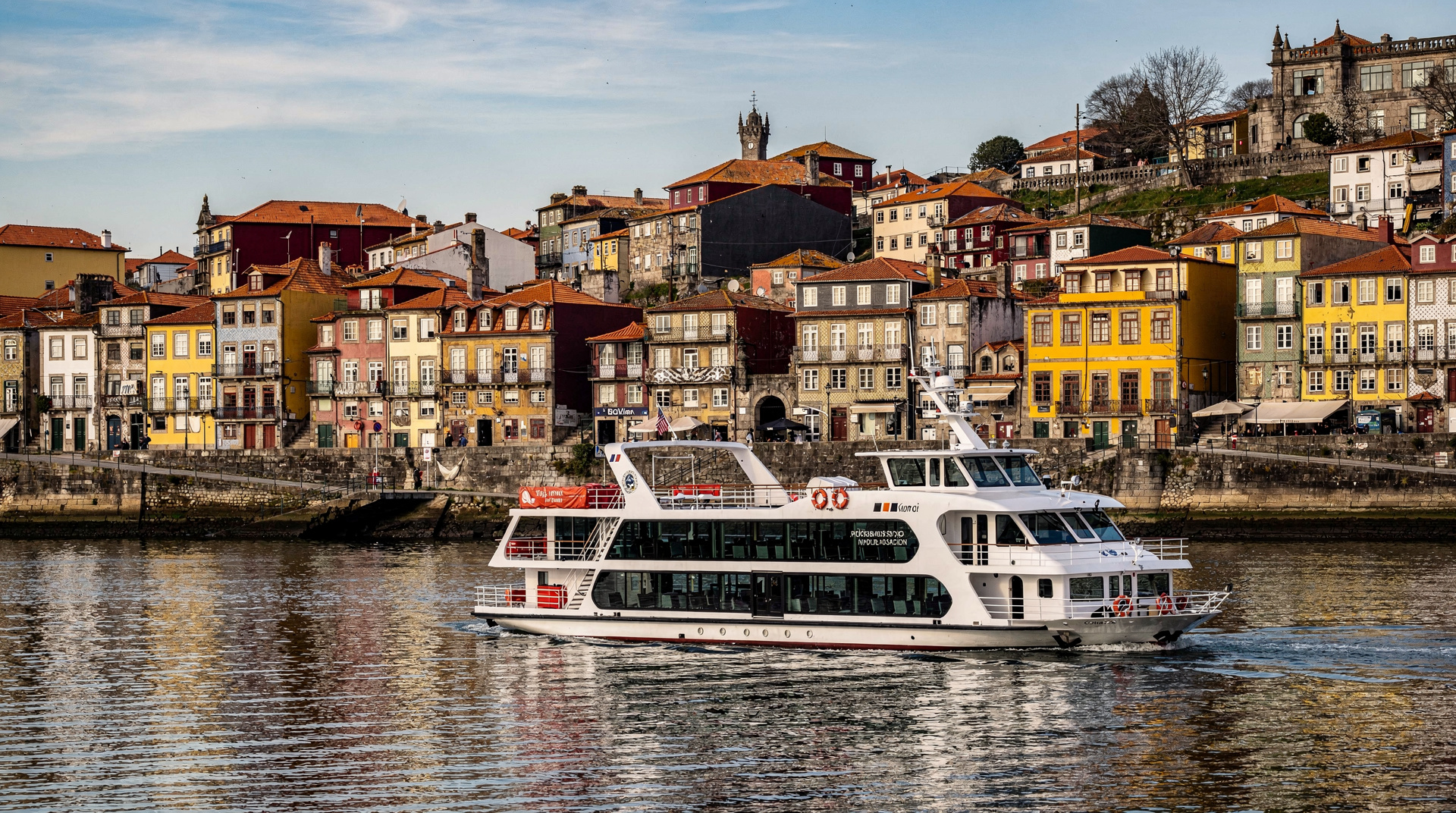
The Pinhão waterfront dock is the departure point for several cruise formats covering the Pinhão–Régua section of the Douro — the most scenically concentrated stretch of the river.
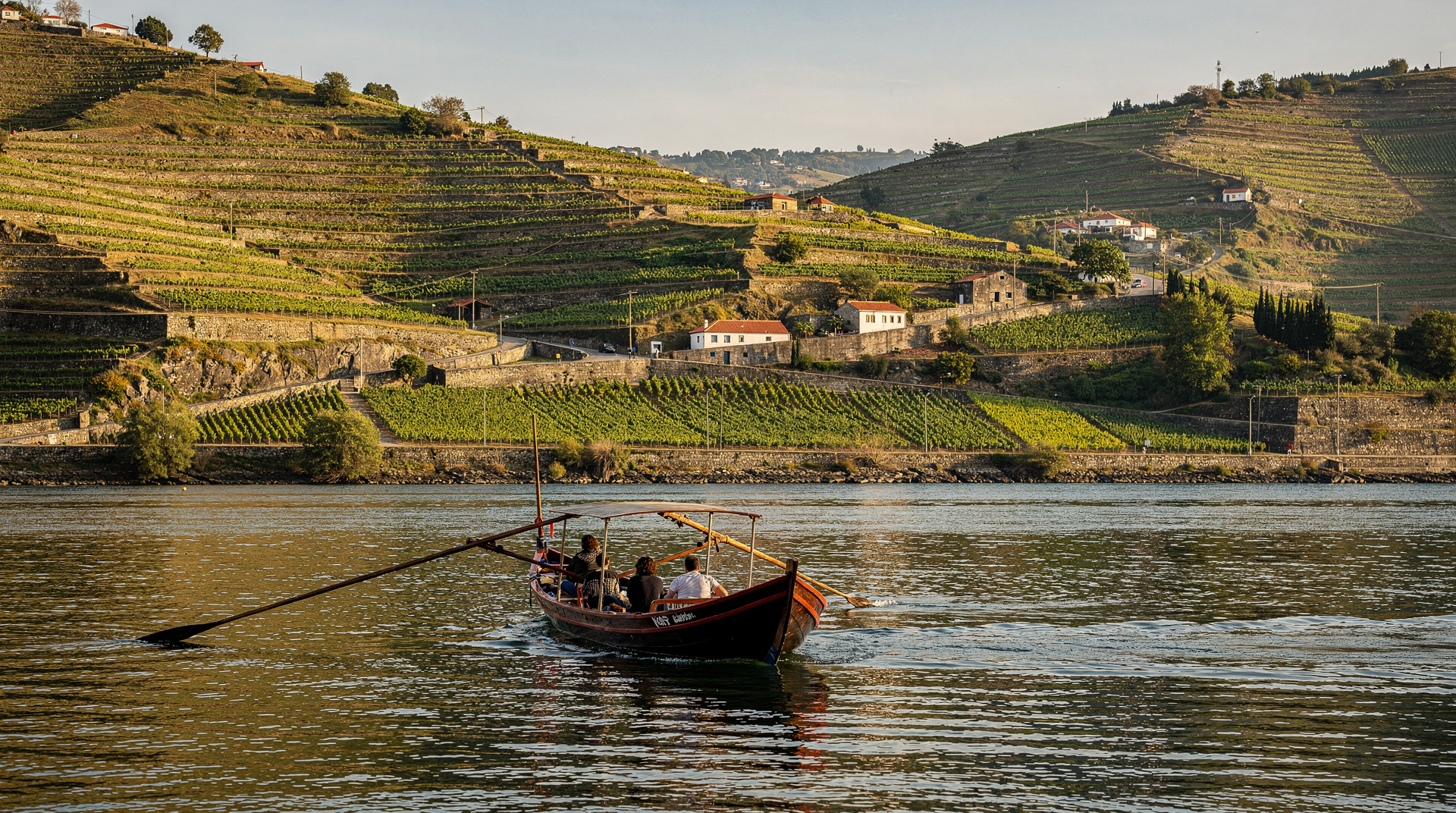
One-hour cruise (rabelo): A shorter cruise staying close to the Pinhão village area, passing the vine terraces on both banks. Good for visitors with limited time. The two-hour rabelo cruise from Pinhão with audio guide extends the journey further and includes an audio narrative about the valley, its history and the quinta estates visible from the water.
Lunch cruises to Régua: Several operators run a one-way cruise from Pinhão to Régua (or vice versa) with lunch on board — typically a two-course meal with Douro wines served as the boat travels the most scenic section of the river. This is the best-value way to combine the river perspective with a meal in the valley. The Douro cruise from Pinhão guide covers all the cruise options in detail.
Book the Pinhão wine and boat lunch cruise on GetYourGuideThe view from above — Casal de Loivos
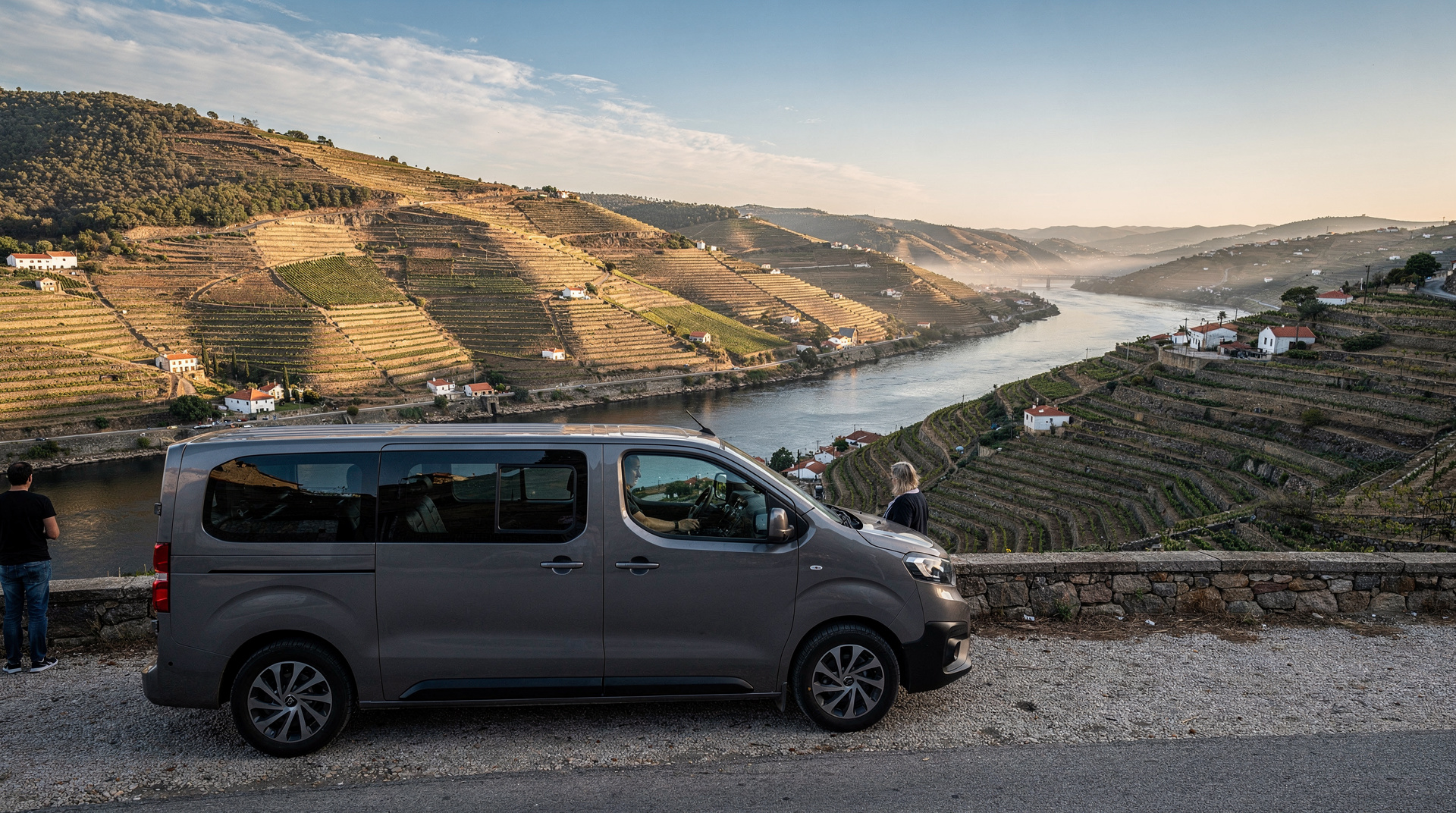
The miradouro at Casal de Loivos, approximately 6 km from Pinhão village by road, gives the most complete view of the Douro horseshoe bend. The river curves through nearly 270 degrees below the viewpoint, with terraced vineyards on every slope — the image that appears in almost every photograph of the Douro Valley.
You need a car or pre-booked taxi to reach Casal de Loivos from Pinhão. The drive is narrow and involves hairpin turns but is manageable on the standard road surface. The viewpoint has a small café and parking area. Allow 30–45 minutes for the drive and viewpoint visit from Pinhão.
Timing for photography: Morning light comes from the east and illuminates the south-facing terraces directly. Afternoon light from the west creates raking shadows on the terraces that are also beautiful but different. Sunset from the viewpoint is popular; arrive at least 30 minutes before sunset to get position.
Where to eat in Pinhão
Pinhão’s restaurant options are limited — this is a very small village, not a dining destination.
Restaurante Veladouro: The most reliable lunch option in the village itself. Portuguese home cooking, typically bacalhau preparations, grilled meat, and local caldo verde soup. Prices: €10–15 for a full lunch. The terrace has river views. It fills up at midday with tour groups, so arrive early or late.
Quinta restaurants: Several quintas near Pinhão serve lunch as part of their visitor programme — either included in a tour package or available as a separate lunch reservation. Quinta do Bomfim’s restaurant serves simple but fresh quinta-style cooking. Quinta da Foz has a more formal dining room. Both are worth booking in advance during peak season.
Régua for better options: If you are based in Pinhão and want a proper dinner, Peso da Régua (40 minutes by car or boat) has significantly more restaurant variety including the Museu do Douro’s café and several waterfront restaurants on the Régua quay.
Where to stay in Pinhão
Pinhão has several accommodation options ranging from guesthouses in the village to quinta hotels in the surrounding vineyards.
Casa de Casal de Loivos: Boutique guesthouse at the miradouro above Pinhão, with extraordinary views from the terrace. One of the best-located small hotels in the Douro Valley. Prices: €100–160 per night.
Quinta da Pacheca (nearby): One of the valley’s most famous quinta hotels, offering accommodation in converted wine barrels as well as standard rooms. A genuinely unusual overnight experience. Prices for barrel accommodation: €250–350 per night. The where to stay in the Douro Valley guide covers the full range of accommodation options.
In Régua: If quinta prices are beyond budget, Peso da Régua has more affordable guesthouse and hotel options while remaining within 30–40 minutes of Pinhão by car or boat.
Pinhão vs a Douro river cruise from Porto
Some visitors weigh a Pinhão village visit against a long river cruise departing directly from Porto that covers the full length of the Douro in one trip. The two are genuinely different experiences: a Pinhão day trip is village- and land-based, with a boat cruise as one component alongside the quinta visit and the station; a full-length Porto cruise is entirely water-based and covers more river distance but far less village character and no walkable quinta access. The Douro cruise from Pinhão guide compares the shorter Pinhão-Régua cruise options in more detail if you’re deciding between formats.
Pinhão during vindima (harvest)
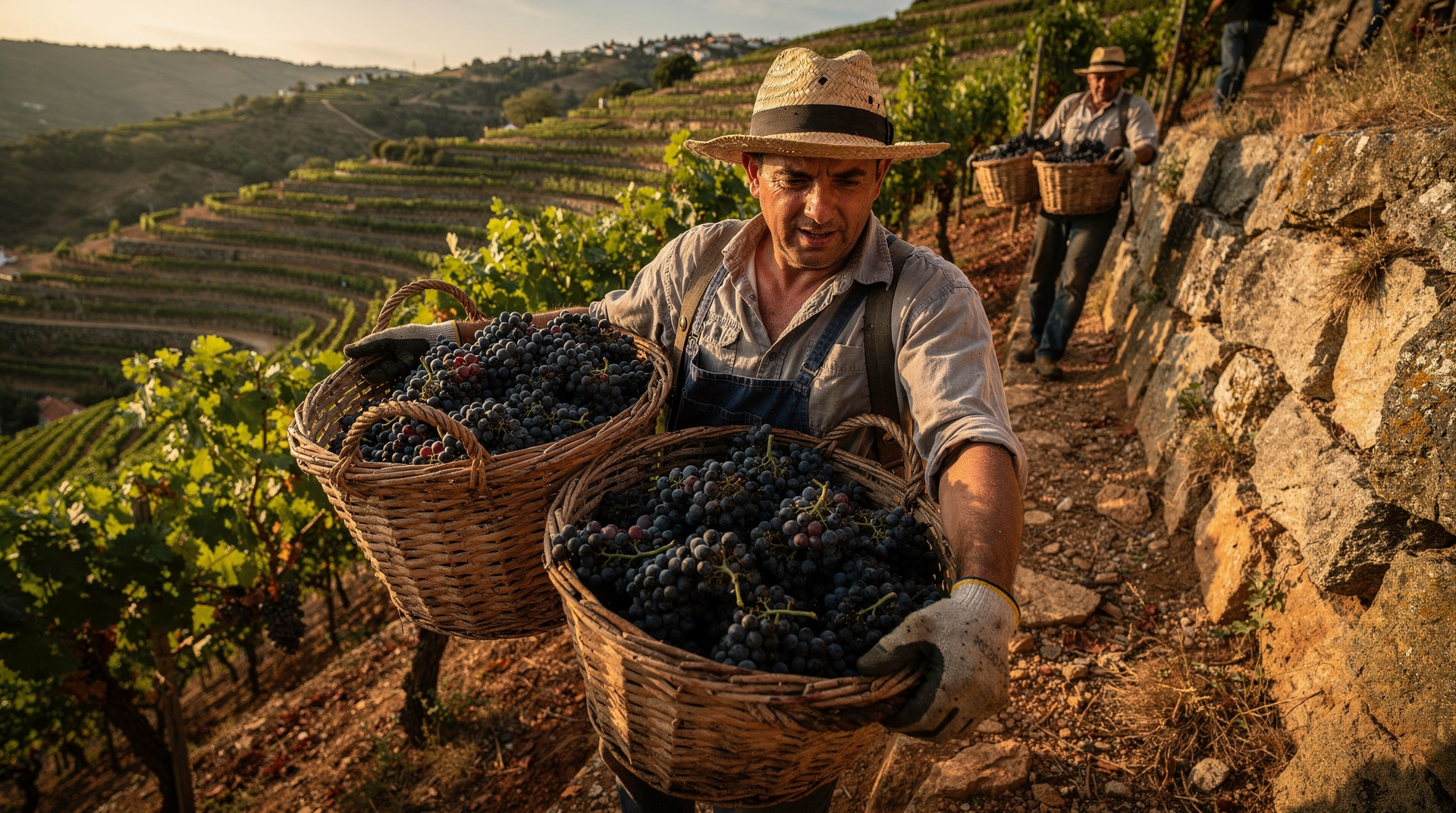
From approximately 15 September to early October, the Douro Valley transforms for the vindima — the grape harvest. In Pinhão and the surrounding quintas, this means pickers working the steep terraces, tractors on the valley roads, and the smell of fermenting must drifting from the quintas’ adega buildings.
Visiting Pinhão during vindima is one of the most atmospheric travel experiences in Portugal. Some quintas offer harvest participation programmes; others simply allow visitors to observe the working harvest and taste wines during the process. The village itself changes noticeably during these weeks — more traffic on the narrow approach road, a livelier atmosphere at the dock in the evenings, and restaurants extending their hours slightly to accommodate the longer working days of the harvest crews and the visitors who come to see them.
Practical constraints: Vindima is also the busiest period for Douro tourism. Quinta visits, accommodation, and transport fill up weeks ahead. Book everything — quinta visits, accommodation, train tickets — three to four months in advance for September dates. The Douro harvest and vindima guide covers participation options and booking logistics in detail. Even a same-day train ticket can sell out on the busiest vindima weekends, so booking the round trip in advance is worth the small extra planning effort.
Practical information for Pinhão
Getting there: Train from Porto Campanhã (~2.5 hours, ~€10 single). Car via IP4 motorway (~1.5 hours). Organised tour from Porto (~2 hours drive).
Getting around in the valley: No ride-hailing services. Pre-book local taxi from the Pinhão station board (numbers posted). Walking: Quinta do Bomfim (15 min), village and dock (all on foot). Boat: Quinta da Foz shuttle, river cruises from the dock.
Train schedule: Several trains daily in each direction. The timetable changes seasonally — check CP (Comboios de Portugal) for current times. The last train back to Porto typically leaves Pinhão in the late afternoon (check current schedule), so plan your day with a known return time.
ATM and shops: Pinhão has a basic ATM (reliability varies — carry cash as backup) and a small supermarket. For serious shopping, Régua is better.
Pinhão in one day: a realistic schedule
For a day trip from Porto without a car, the practical version looks like this: train departing Porto Campanhã early morning, arriving Pinhão by late morning; walk to the station azulejos and then uphill to Quinta do Bomfim for the visit and tasting; lunch either at the quinta restaurant or Restaurante Veladouro back in the village; an afternoon rabelo cruise from the dock; return train to Porto in the late afternoon or early evening. This covers the village’s core experiences without requiring a car, though it is a genuinely full day rather than a relaxed one. Compressing everything into fewer hours means choosing between the quinta visit and the cruise rather than doing both.
Book a rabelo boat and port wine experience departing from Pinhão is a good option if you want the cruise element pre-arranged rather than booking at the dock on arrival, particularly in peak season when departures can fill.
Frequently asked questions about Pinhão
Is Pinhão worth visiting if I’m not interested in wine?
Yes, within limits. The azulejo railway station is a significant piece of Portuguese visual art worth visiting independently of wine interest. The landscape from Casal de Loivos is extraordinary. The river boat experience is enjoyable for non-wine drinkers. However, much of what Pinhão is built around — quinta visits, wine tastings, harvest observation — is oriented toward wine. A non-wine visitor can have a good half day; a wine enthusiast can have multiple excellent full days.
How does Pinhão compare to Régua as a base?
Pinhão is closer to the most scenic and wine-interesting section of the valley, with better quinta access and more authentic village character. Régua is a larger town with more restaurants, services, and transport connections (including the Douro Museum and better train connections). For wine tourism, Pinhão is the better base. For general travel convenience and a broader range of accommodation and dining options, Régua is more practical.
Can I get from Pinhão to Lamego by public transport?
Not conveniently. Lamego is approximately 35 km south of Régua. From Pinhão, you would take a train or taxi to Régua, then a taxi to Lamego (around €25–35 each way from Régua). There is a limited bus service from Régua to Lamego but it does not run frequently. The Lamego guide covers the options for reaching the town from the valley.
Can I visit a quinta near Pinhão without booking ahead?
Quinta do Bomfim usually accepts walk-ins outside peak periods, though booking guarantees your slot. Other quintas, including Quinta da Foz, generally expect advance booking because of boat transfers or limited capacity.
Frequently asked questions — Pinhão guide — the Douro Valley's most photogenic village
How do I get to Pinhão from Porto?
By train from Porto Campanhã to Pinhão: approximately 2.5–3 hours, costing €9–12 each way. This is the most scenic option. By car via IP4 motorway: approximately 1.5–2 hours. Organised tours from Porto typically take 1.5–2 hours by road. There is no public bus service between Porto and Pinhão. No Uber or Bolt operates in the valley.What can I do in Pinhão without a car?
Walk to Quinta do Bomfim (15 minutes uphill), see the azulejo station tiles, walk the village and its waterfront dock, take a rabelo boat cruise on the river, and reach Quinta da Foz via their boat shuttle from Pinhão dock. Pre-booking a taxi at the station extends your range to several other quintas within 15–20 km. This is a full day's activity without a car.What are the azulejo panels at Pinhão station?
The Pinhão railway station is decorated with 24 large azulejo tile panels created in 1937 by artist João Couto depicting scenes from Douro Valley life — the vindima grape harvest, rabelo boats carrying wine barrels downriver, village life, and agricultural work. They are among the best examples of 20th-century azulejo narrative painting in Portugal and are one of the primary reasons to visit Pinhão even if you have no wine interest.Is Pinhão a good base for the Douro Valley?
Yes — Pinhão is the best base in the valley for wine tourism. It is closer to the most interesting quintas than Régua, has river-view accommodation options (including within quinta hotels), and the train connection to Porto makes day trips easy. The limitation is that Pinhão itself has very limited restaurant and shop options — it is a wine tourism village, not a service town.When is the best time to visit Pinhão?
May to June for green vines and comfortable temperatures. September to October for the vindima harvest — the valley transforms with pickers, tractors and the smell of fermenting grapes. July and August are very hot (35°C+) and busy. November to March is quiet and cool, with some quintas reducing hours, but the train journey and village atmosphere are still excellent.Can I do Pinhão as a day trip without booking a quinta in advance?
Yes, for Quinta do Bomfim specifically, which accepts walk-ins outside peak periods, though booking ahead guarantees your preferred tasting slot. Other quintas near Pinhão, including Quinta da Foz, generally expect advance booking since they arrange boat transfers or have more limited visitor capacity. Booking a day or two ahead removes the uncertainty either way.
Top experiences
Bookable activities with verified prices and instant confirmation on GetYourGuide.