Porto metro expansion: the pink line, Bonfim, and Boavista connections
| What’s new | Rosa (pink) line, connecting Bonfim to Boavista |
| Key stops | Campanhã, Bonfim, Bolhão, Casa da Música, Francos |
| Journey time saved | Bonfim–Boavista now 8–12 min vs 15–20 min by taxi before |
| Ticket | Same Andante card as all Porto metro lines |
| Impact on short trips | Modest — historic centre is still best explored on foot |
Why the pink line matters
Porto’s metro network, when it opened in 2002, was a significant improvement to a city that had previously relied on buses, trams, and a funicular for public transport. The original six lines were built outward from the city centre — north to the airport, east to Campanhã, south to Gaia — but left a critical gap: there was no direct metro connection between the eastern residential areas (Bonfim, Campanhã) and the western cultural district (Boavista, Serralves, Casa da Música).
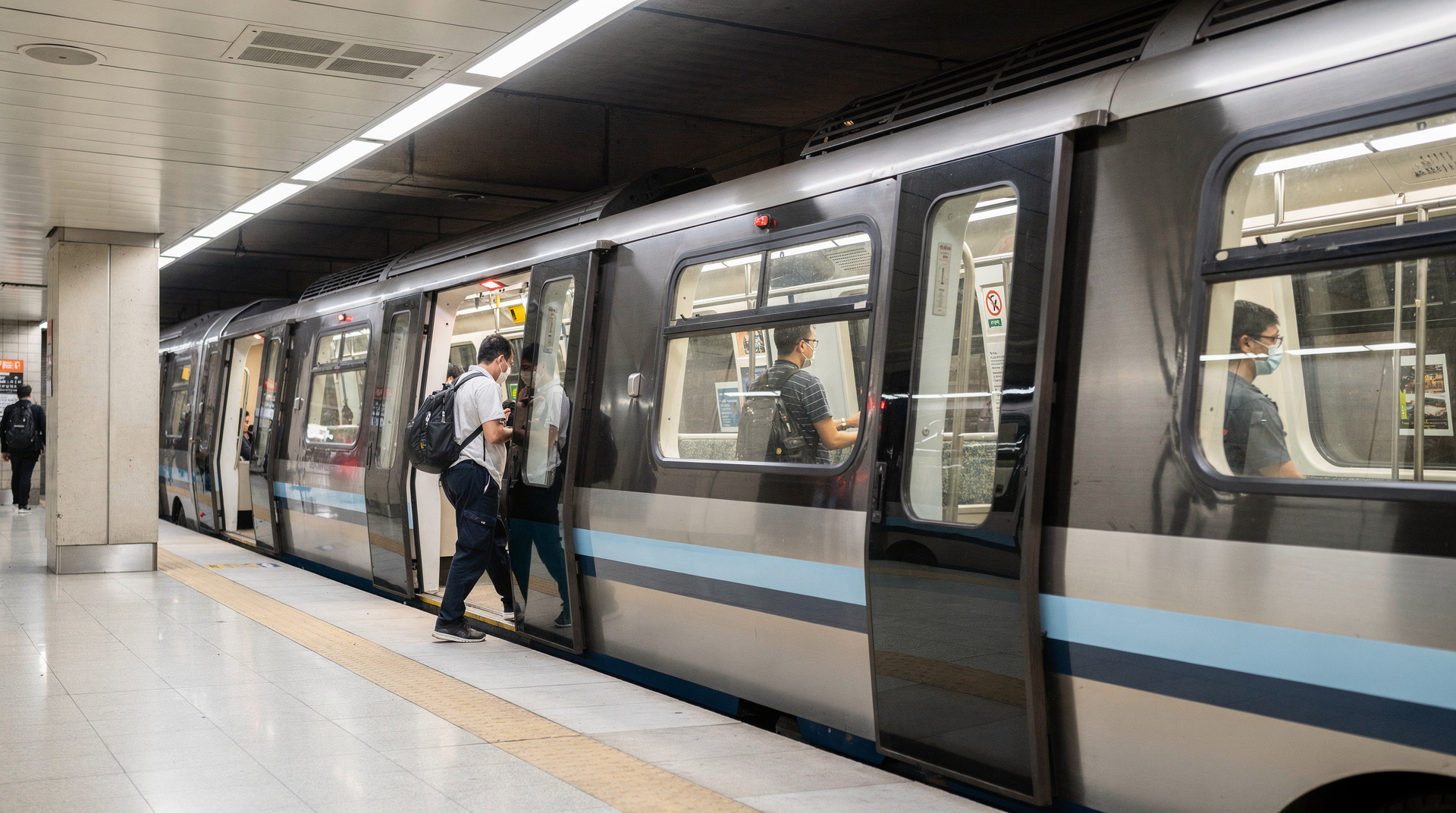
The Rosa (Pink) line closes this gap. Running on a largely underground alignment through the centre of the city, it connects the eastern Bonfim neighbourhood to the Boavista corridor in the west, passing through several stops that were previously only accessible by slow surface bus.
What’s currently operational (2025-2026)
The Rosa line opened in phases. As of mid-2025, the operational section covers:
Campanhã-Intermodal — the main Porto railway station, connecting metro to intercity trains
Bonfim — the entrance to the eastern neighbourhood
Bolhão — the central market area (interchange with Line B/E/F/S)
Aliados (under construction as of late 2025 — timeline subject to revision)
Casa da Música — the major cultural venue and Boavista hub (interchange with Line B)
Francos (Boavista area, ongoing)
Note: the full Rosa line as planned extends further east toward Gondomar and further west toward Matosinhos. Sections beyond the core urban stretch are in construction with completion dates projected beyond 2026.
Always verify current station status at Metro do Porto’s website before planning transport — construction delays in the outer sections have been common, and operational hours at new stations may differ from established lines.
How the Rosa line fits with the existing network
| Line | Colour | Route | Relevant for |
|---|---|---|---|
| A | Blue | Senhor de Matosinhos–Estádio do Dragão | Matosinhos seafood trips |
| B | Red | Póvoa de Varzim–Estádio do Dragão | Boavista, Casa da Música |
| E | Violet | Aeroporto–Estádio João de Deus | Airport arrivals |
| Rosa | Pink | Gondomar (planned)–Matosinhos (planned) | Bonfim–Boavista direct connection |
The interchange stations to know are Bolhão (Rosa meets B/E/F/S) and Casa da Música (Rosa meets B) — most visitors combining a Rosa line trip with a sightseeing day will pass through one of these two.
How it changes getting around Porto
Bonfim to Boavista: the key improvement
Before the Rosa line, travelling from Bonfim to Boavista-Serralves required either: a walk to Bolhão to change to a surface bus, a taxi (15-20 minutes, 8-12 €), or a slow bus that circled through several neighbourhoods.
With the Rosa line, the journey is approximately 8-12 minutes by metro with no changes. The practical consequence:
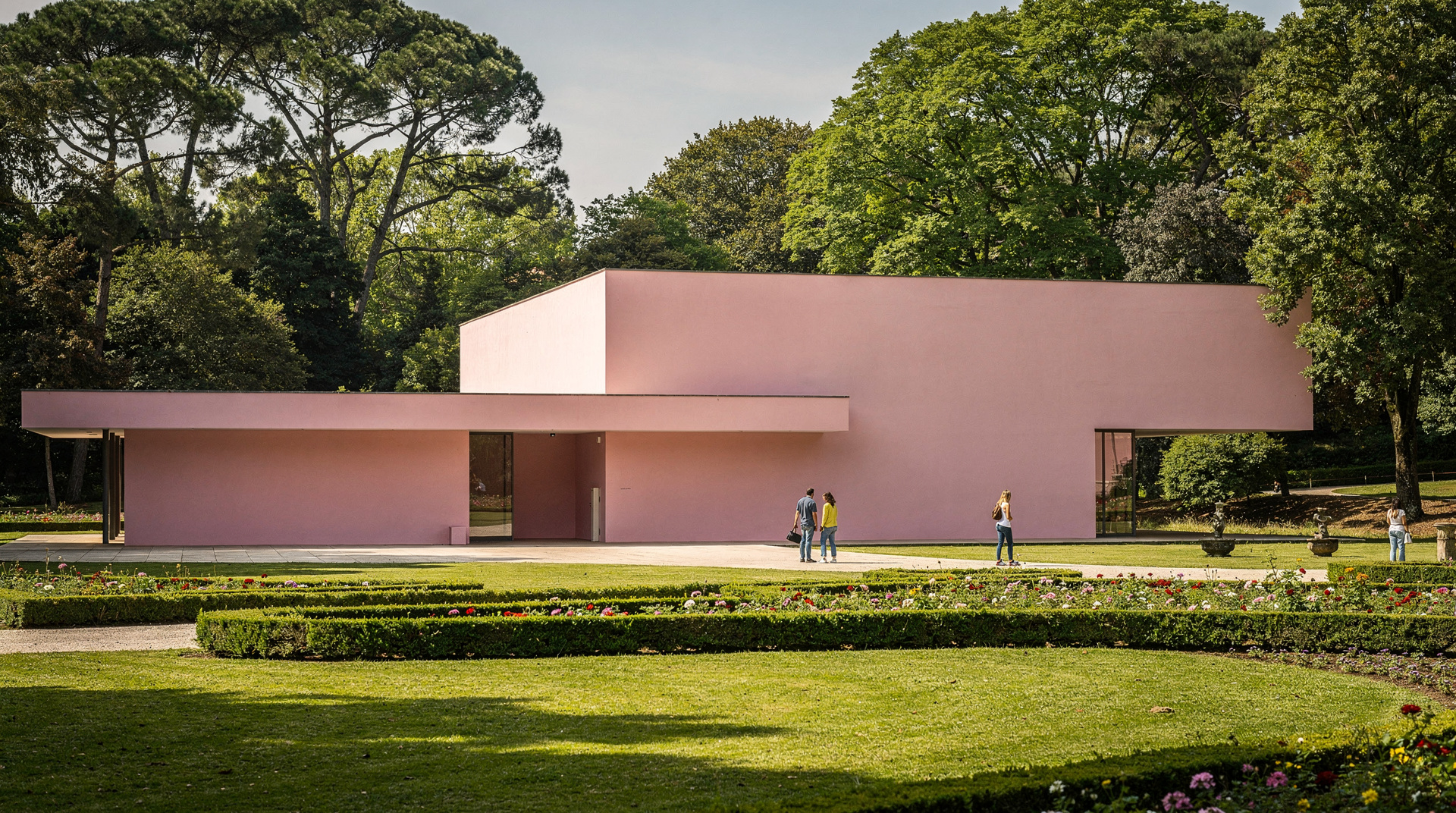
- Serralves museum becomes genuinely accessible from Bonfim-area accommodation without a taxi
- Casa da Música events are reachable from eastern Porto without a significant transport overhead
- Boavista’s restaurants and services are 10 minutes from the Campanhã railway station
For the digital nomad visiting Porto and based in Bonfim, this is a meaningful quality-of-life improvement.
Campanhã connections
Campanhã-Intermodal — Porto’s main railway interchange — has improved connectivity to the city centre through the Rosa line. Intercity trains from Coimbra, Lisbon, and regional trains from Braga and Guimarães arrive at Campanhã; the Rosa line now offers a direct metro route to Bolhão and the central accommodation areas without requiring a bus or taxi.
The intercity train from Lisbon (Alfa Pendular) takes 2h40 and arrives at Campanhã; previously, continuing to the city centre required a secondary metro journey on a less direct line. The Rosa line connection to Bolhão reduces this to a single direct service.
The airport connector
The airport Metro line E (Violet/Violeta) remains unchanged and continues to be the primary arrival route for air passengers. See our full airport transfer guide for that specific journey.
What the Rosa line means for visitors
For a 2-3 day Porto trip centred on the historic core, the Rosa line’s main useful station is Bolhão (existing line connection) and potentially Casa da Música for anyone attending events there. The overall impact on a short visit is modest — the historic centre remains best navigated on foot.
For a longer Porto stay or a digital nomad month, the Rosa line changes the calculation on where to base yourself. Bonfim — previously slightly isolated from the western cultural infrastructure — is now well-connected. This may exert gentle upward pressure on Bonfim accommodation prices as the neighbourhood’s metro connectivity improves.
Practical information
Andante card: the Rosa line uses the same Andante card system as all Porto metro lines. Your existing card works on the new line without any change.
Ticket zones: verify which zone your specific journey crosses when loading credit — the Rosa line extends the network geographically and some journeys may cross an additional zone compared to previous routes.
Hours: metro generally runs 6am-1am, with reduced frequency on Sundays and at off-peak hours. The Rosa line follows the same operating hours as established lines.
Real-time information: Metro do Porto has a journey planner app (Metro do Porto) and Google Maps integration. Both are reliable for real-time departures.
Hop-on hop-off tram and funicular — the alternative for historic city touring when you don’t need metro speedThe broader Porto transport picture in 2026
Porto’s transport network in 2026 is meaningfully better than it was five years ago: the Rosa line adds east-west metro connectivity, the airport link remains excellent, and the Andante card covers all modes (metro, tram, bus) under a single ticket system.
The remaining gaps: Matosinhos is accessible by metro (Line A) but some coastal points require a bus change. Foz do Douro is not on the metro network and requires bus or tram 1. The Douro Valley remains car-dependent for most visitor purposes — the train reaches Pinhão and Peso da Régua but onward quinta access requires a vehicle.
See our Porto 3-day itinerary for transport logistics integrated with sightseeing, updated for the 2025-2026 metro configuration.
Porto e-bike highlights tour — a good alternative to metro for exploring the city’s geography on a first visit