Porto travel in 2026: what's new and what's changed
What’s actually changed for 2026
Every year we update our Porto planning advice to reflect what’s new on the ground. For 2026 there are a few meaningful changes — some that affect planning significantly, some that are good news, and one (ETIAS) that non-EU visitors need to understand before booking.
Here’s the 2026 Porto travel update.
| Biggest new requirement | ETIAS authorisation, ~7 €, from mid-2026 |
| Biggest infrastructure change | Rosa metro line, Bonfim-Boavista in ~8 min |
| Biggest price change | Lello Silver ticket ~9-10 € (was 8 €) |
| Biggest attraction addition | WOW district phase 4, spirits & gin experience |
| What hasn’t changed | The Douro, the azulejos, the francesinha |
The metro expansion: the pink line is running
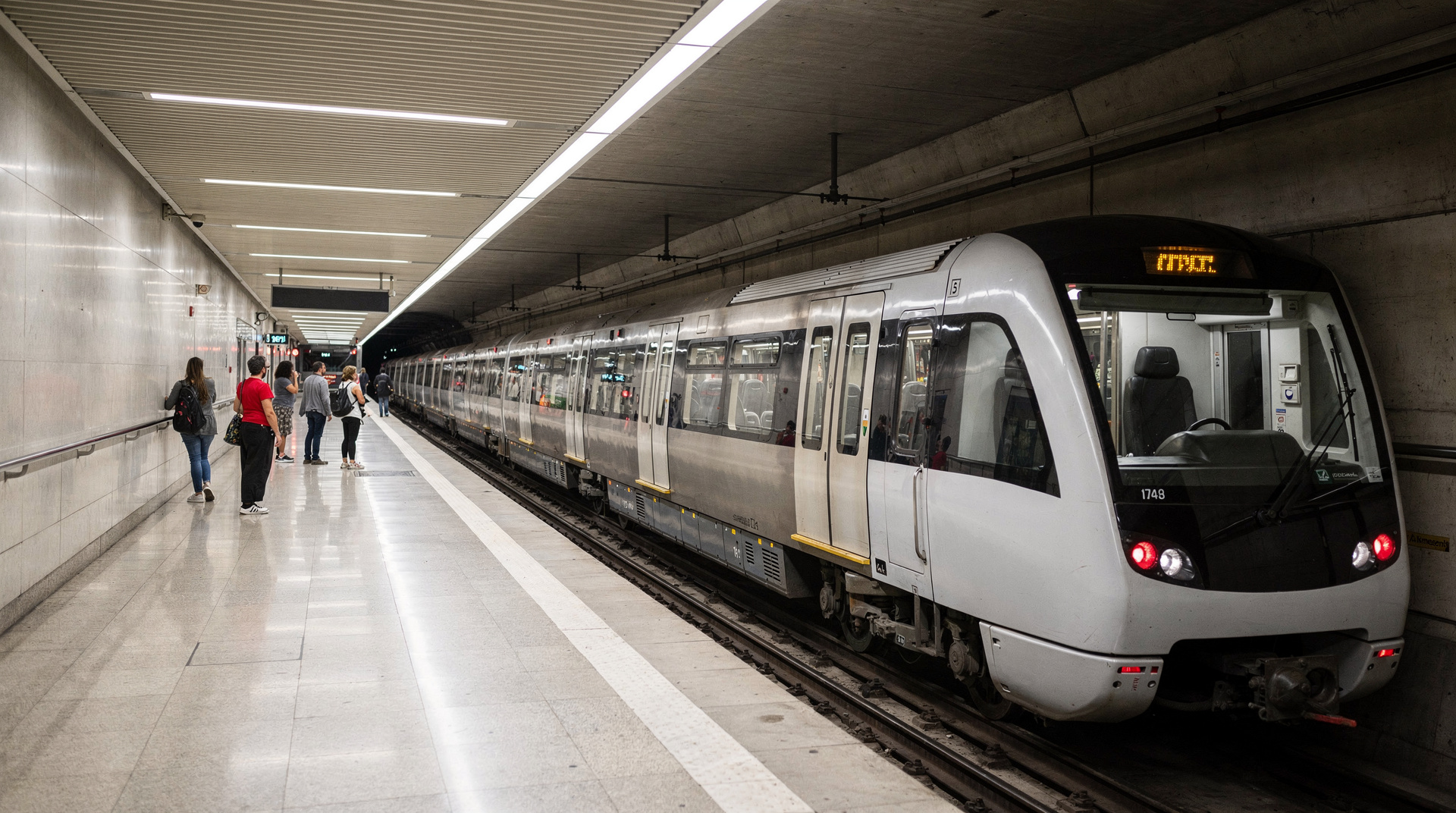
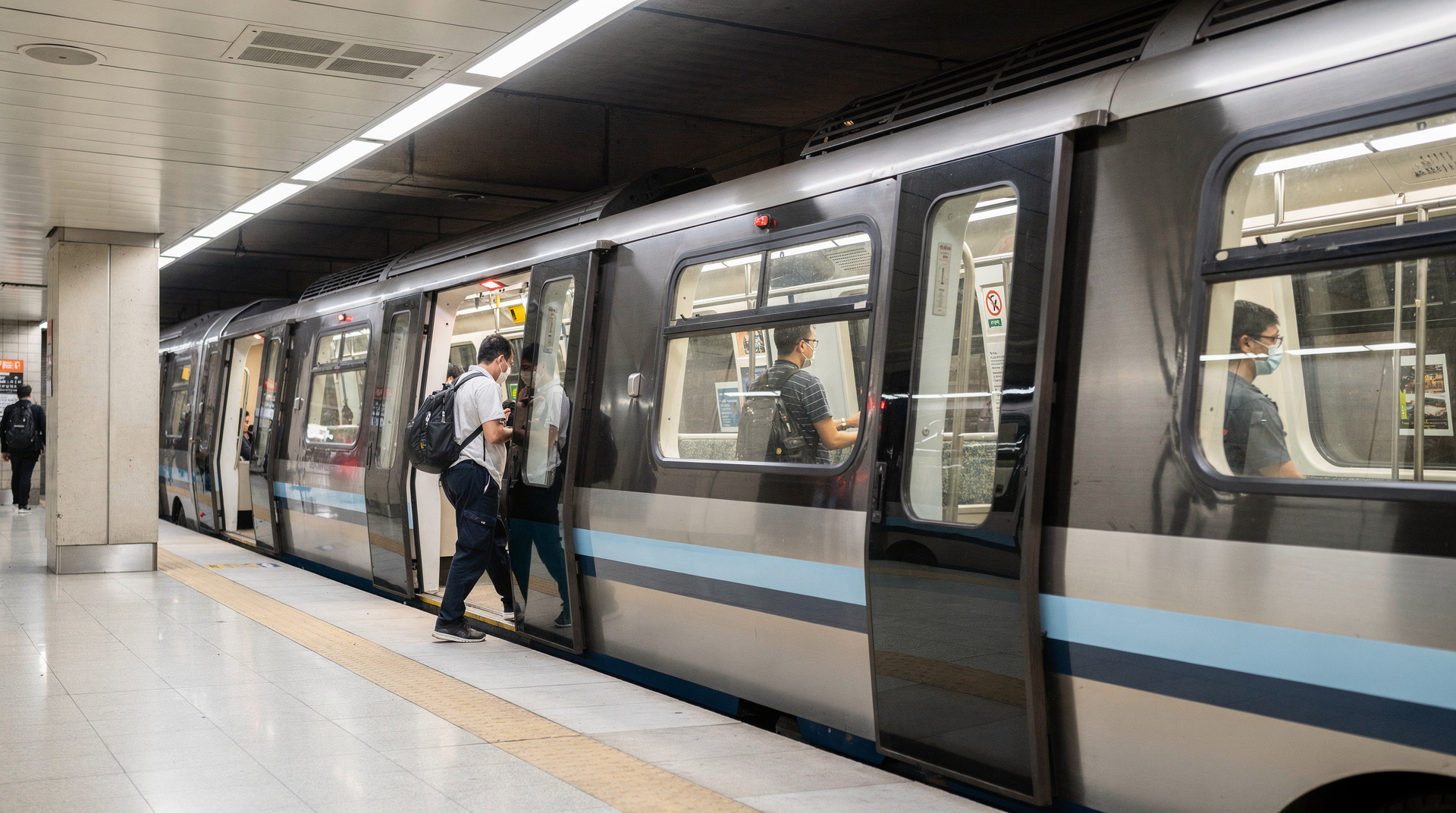
Porto’s metro network added its newest line — the Rosa (Pink) line — with an initial section operational from late 2025. The line connects Bonfim to Boavista via a tunnel under the central city, improving east-west connectivity that was previously only possible by surface bus.
For visitors, the most immediately useful element is the connection between Bonfim and Boavista-Serralves, which now takes around 8 minutes by metro rather than a 25-minute surface bus. Serralves museum — one of the best contemporary art institutions in Portugal — becomes significantly more accessible from eastern accommodation areas.
The full Rosa line extension to Campanhã-Intermodal and Gondomar is under construction with projected completion dates that have shifted; the currently operational section is the central urban stretch. Check Metro do Porto’s website for current stations and hours.
See our detailed Porto metro expansion article for the full line map and schedule.
ETIAS: the new requirement for non-Schengen visitors
From mid-2026, visitors from countries currently eligible for visa-free Schengen entry — including the USA, Canada, UK, Australia, and many others — will require an ETIAS authorisation before travel to Portugal and the rest of the Schengen Area.
ETIAS is not a visa. It’s a pre-travel authorisation (similar to the US ESTA or Australian ETA) that costs 7 €, is valid for three years or until passport expiry, and can be applied for online. The process is expected to take 10 minutes and to be approved within minutes for most applicants, though first-time applications can take up to 96 hours.
Action required before booking Porto for 2026: verify your country’s ETIAS requirement, apply before your travel date, and keep the authorisation reference with your travel documents.
Our full ETIAS explanation for Portugal travel covers the process in detail.
WOW district: the fourth phase
The World of Wine (WOW) cultural complex in Vila Nova de Gaia opened its fourth and final development phase in 2025, completing the planned eight-venue cultural district in the former Graham’s port wine lodge buildings on the Gaia hillside.
The new venues add a spirits and cocktail experience focused on Portuguese aguardente and gin production, plus an expanded event space. The day ticket (around 13 €) covers all venues and remains good value.
WOW is no longer a secret or an emerging destination — it’s now one of Porto’s major cultural attractions and benefits from several years of operational maturity. If you dismissed it as “too new” on a previous visit, the 2025-2026 version is worth reconsidering.
Livraria Lello: ticket prices increased
The Lello ticketing structure changed in late 2025. Current prices:
- Silver ticket: approximately 9-10 € (was 8 €)
- Gold ticket: approximately 17-18 € (was 15.90 €)
The book voucher is included in both. The Gold ticket remains the recommended option for summer visits. Our queue-skipping guide explains the timing strategy that still applies.
Porto price update for 2026
Porto has seen consistent price increases since 2020. For 2026 planning:
- Budget guesthouse/hostel dorm: 15-22 € per person per night (shoulder season), 20-30 € (July-August)
- Mid-range hotel: 90-160 € per night (shoulder), 140-250 € (July-August)
- Espresso at a counter: 0.85-1.00 € (was reliably 0.80 € until recently)
- Pastel de nata: 1.30-1.60 €
- Prato do dia (set lunch): 8-12 € at neighbourhood restaurants
- Francesinha: 13-17 €
- Port wine cellar standard tasting: 13-20 €
The gap between Porto and Lisbon prices has continued to narrow. Porto remains cheaper than Lisbon but less dramatically so than in 2018-2020.
Douro Valley tours: what’s new in 2025-2026
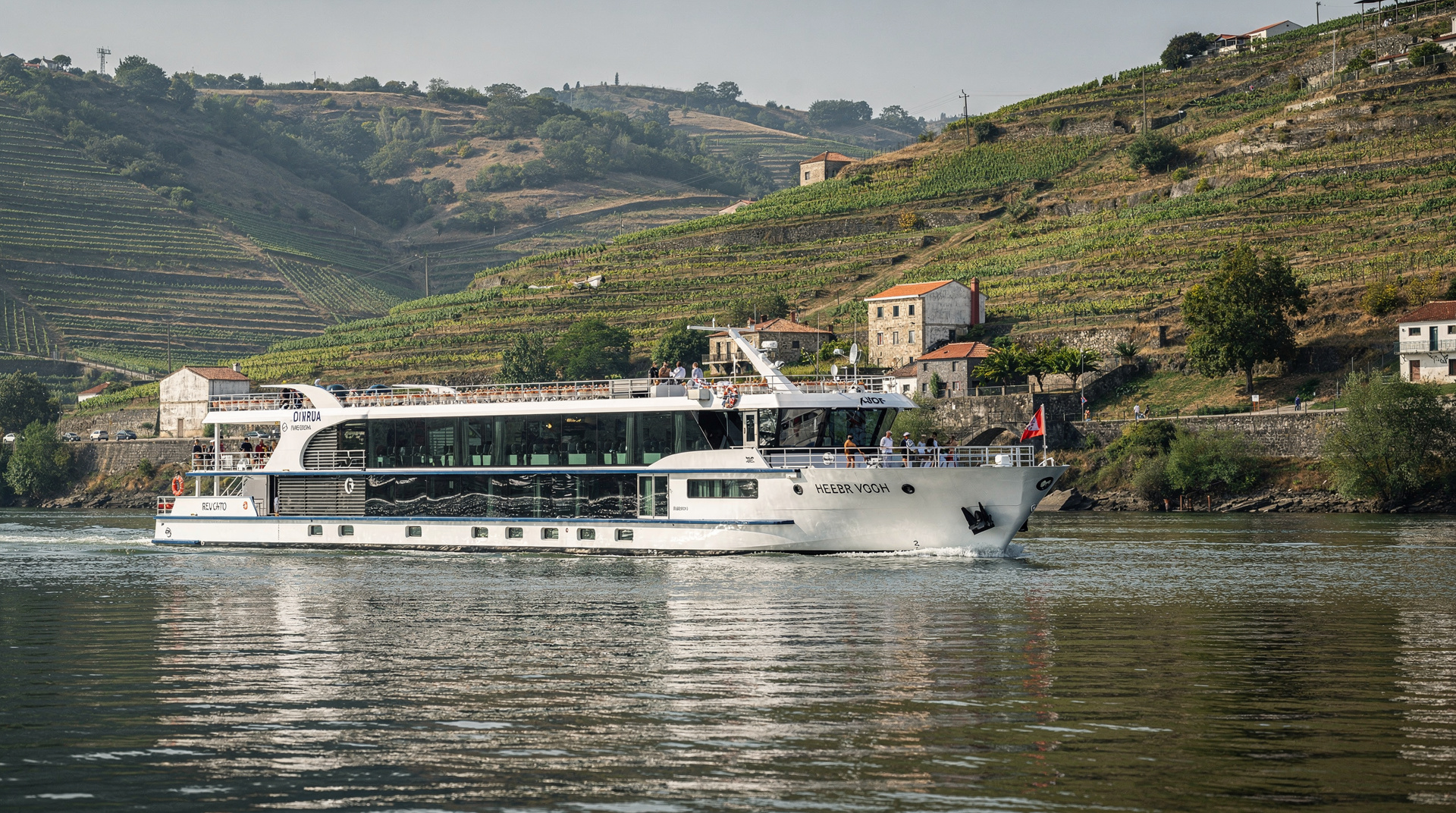
The Douro cruise season typically runs April-October with winter services significantly reduced. Several operators launched new small-group premium formats in 2025 with smaller boats (maximum 12 passengers) and a stronger food-and-wine focus. These run 130-160 € per person and represent the premium end of the Douro day-trip market.
See our new Douro cruises 2025 update for the specific options.
Premium Douro cruise with lunch — the 2025-2026 update to the format we’d recommendWhat hasn’t changed
Porto’s fundamental character hasn’t changed: the Douro is still the Douro, the azulejo facades are still the azulejo facades, the francesinha is still the francesinha. The things that make Porto worth visiting — the density of architectural beauty, the port wine tradition, the Douro Valley day-trip option, the Atlantic light — are as present as ever.
The main change is price and crowd density, both of which have trended upward and will likely continue to do so. If Porto has been on your list for a few years, the window in which it feels like a discovery rather than a proven destination is narrowing.
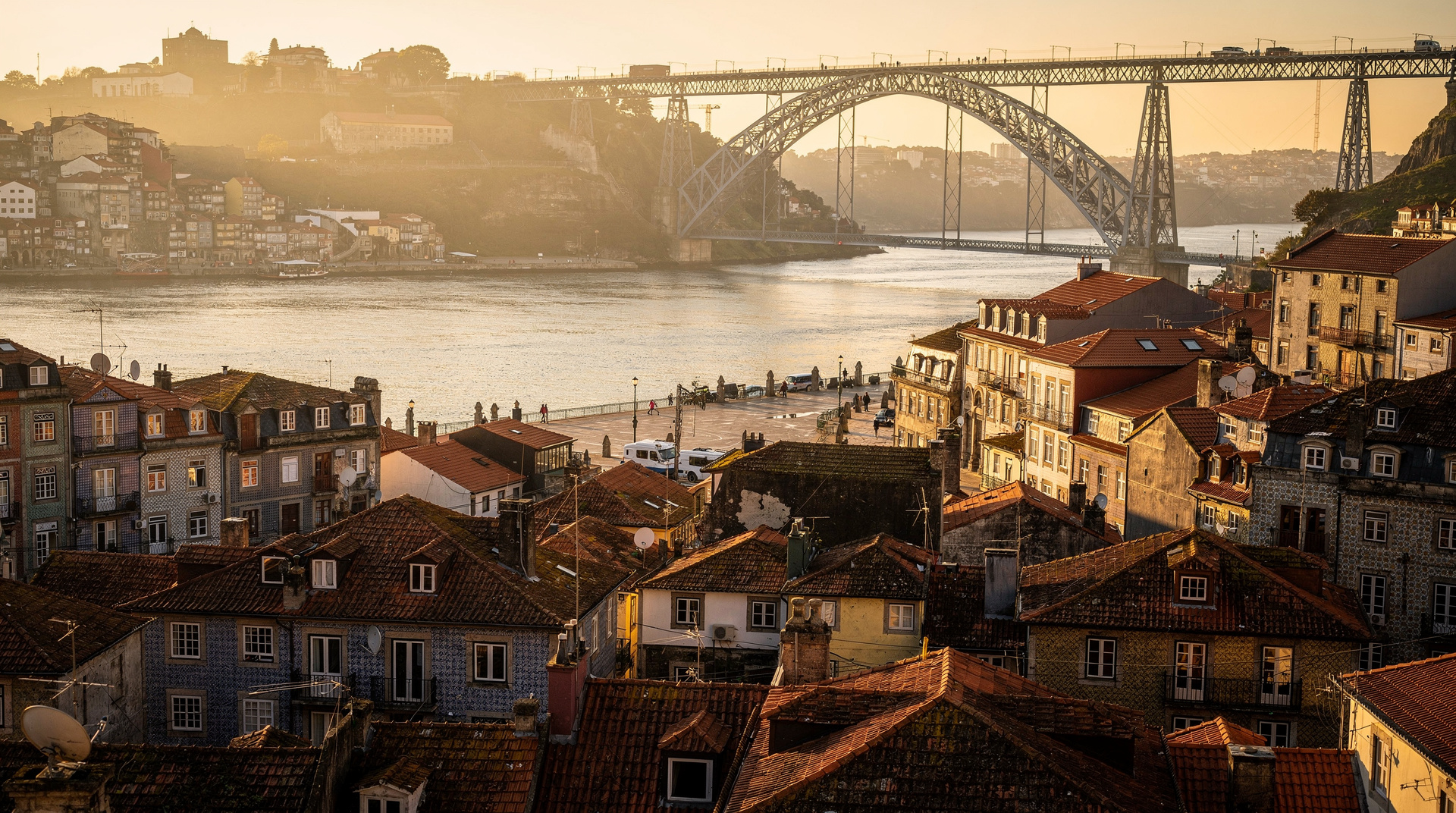
Porto guided highlights tour — current for 2026 with updated commentaryGetting around: what changed beyond the pink line
Beyond the Rosa line, the practical basics of getting around Porto haven’t shifted — the Andante card still covers metro, tram, and bus. What changed is coverage: with the central Rosa section running, cross-city journeys that used to need a bus transfer through Aliados often have a faster metro option now, useful to know if you’re staying in Bonfim or Boavista-Serralves.
2026 planning checklist
For anyone finalising a Porto trip this year, the practical order of operations is: confirm your ETIAS eligibility and apply if needed, book accommodation with 2025-2026 prices in mind rather than older blog posts’ numbers, buy Livraria Lello tickets online in advance at the new pricing, and check current WOW district hours if the fourth phase interests you. Our Porto travel tips guide covers the rest of the pre-trip basics that haven’t changed.
Should the price increases change your plans?
Not fundamentally. Porto in 2026 costs more than Porto in 2018, but it remains meaningfully cheaper than Lisbon and most Western European coastal cities — see our Porto or Lisbon comparison for the current gap. Travellers on a tight budget should read our Porto on 50 euros a day breakdown, which reflects 2026 pricing and shows the budget approach still works, just with slightly tighter margins than in 2020-2022.
FAQ
Do I need ETIAS if I’m an EU citizen visiting Porto? No. ETIAS applies to visitors from non-EU countries that currently have visa-free Schengen access, such as the USA, Canada, UK, and Australia. EU citizens travel under normal freedom-of-movement rules and don’t need ETIAS.
Has the Porto metro expansion made a car unnecessary in the city? It wasn’t necessary before, and it’s even less necessary now. The historic centre, Ribeira, Gaia, and most tourist areas remain best explored on foot, with the metro and Andante card covering longer hops. A car is really only useful for Douro Valley or other day-trip destinations outside the city.
See our Porto 3-day itinerary for the current best structure for a first visit, updated for 2026 pricing and logistics.