Amarante — the Tâmega town that earns a half-day stop
Honest guide to Amarante: the São Gonçalo bridge and monastery, local wine, where to eat the famous phallic sweets, and how to get there from Porto.
Porto: Porto Douro Valley Amarante Wine Food River Tour
Quick facts
- From Porto
- ~1 h by car (A4/IP4)
- Best for
- Monastery, riverside views, local pastries
- Festa de São Gonçalo
- First weekend of June
- Currency
- Euro (€)
- From Douro
- ~1 h from Régua via N101
A Tâmega river town worth the detour
Amarante sits on the Tâmega river about 65 kilometres east of Porto, close enough for a half-day stop on the way to the Douro Valley and small enough to see its centre in two or three hours. The town’s most photographed feature — the 16th-century São Gonçalo bridge with the Convento de São Gonçalo rising above it and the Tâmega green and slow below — is one of those compositions that genuinely rewards the camera. It is also one of the more photogenic spots in northern Portugal that has somehow escaped the worst of mass tourism.
Amarante is not a full-day destination for most visitors. It works best as a planned stop on the Porto-to-Douro route, as a half-day excursion from Porto, or as a complement to a northern Portugal itinerary that includes Braga or Guimarães. That is an honest assessment, not a dismissal: a town that earns a two-hour stop and delivers it reliably is more valuable in practical terms than a hyped destination that disappoints.
The food is another reason to stop. Amarante has a confectionery tradition rooted in the town’s association with São Gonçalo — the patron saint of marriage and fertility — that produces some of northern Portugal’s most distinctive (and, historically, most explicit) pastries.
| Where | Tâmega river valley, ~65 km east of Porto |
| Time needed | 2–3 hours focused visit; half-day (around 4 hours) comfortable |
| Cost | Free to walk the centre; convent museum around 3 €, Souza-Cardoso museum around 5 € |
| Getting there | Around 1 h by car (A4), around 1 h 15 by bus; no train service |
| Best time | April–October; first weekend of June for the Festa de São Gonçalo |
What to do in Amarante
Convento de São Gonçalo and the bridge
The Convento de São Gonçalo was founded in 1543 by King João III at the request of a local hermit whose legend became central to Amarante’s identity. The building was completed in stages over the following century, with the church façade — a late Renaissance design with baroque elements — finished in the 17th century. The interior is worth entering for the decorated vaulted nave and the tomb of São Gonçalo in the side chapel, which pilgrims touch in the belief that it assists with finding a spouse. Entry to the church is free; the cloister and attached museum (which holds 16th–20th century religious art) cost around 3 €.
The medieval bridge (now restricted to pedestrians) adjacent to the convent is the town’s oldest structure, rebuilt in the 16th century and again after flooding damage. Standing on it in the late afternoon, with the convent reflected in the Tâmega and the town’s old houses climbing the hillside behind, gives the best available view of Amarante.
The riverside and Praça da República
The main square (Praça da República) faces the river and the convent across the bridge. The square has the usual café terraces, a few shops selling local wine and pastries, and a relaxed rhythm that makes a 30-minute rest here a decent use of the time. The municipal market is a short walk from the square and is worth a brief visit for local produce, including regional honey, cured meats and wines from the Amarante DOC (a sub-region of Vinho Verde).
Museu Amadeo de Souza-Cardoso
The town’s museum — housed partly in the 16th-century cloister of the convent — is dedicated to Amadeo de Souza-Cardoso (1887–1918), an Amarante-born painter who became one of Portugal’s most significant early modernists. Souza-Cardoso worked in Paris alongside Modigliani and other Montparnasse artists, developing a style influenced by Expressionism and Cubism before his early death at 30. The collection is genuinely interesting for anyone with an interest in early 20th-century European painting and costs around 5 € to enter.
Amarante DOC wines and the local food tradition
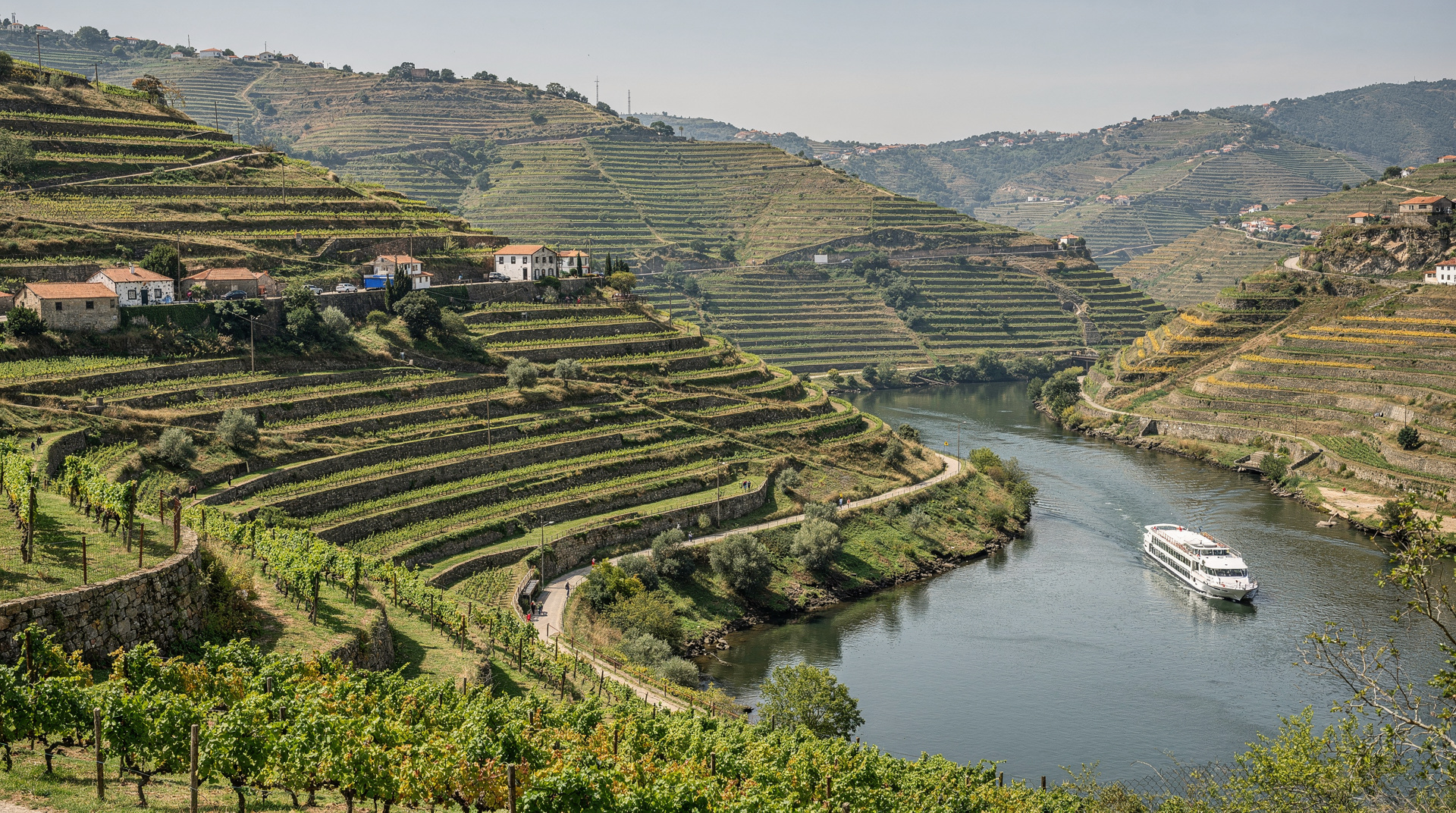
The Amarante sub-region produces Vinho Verde from the area’s granite soils — lighter and more floral than Minho-coast Vinho Verde, with a particular local style based on the Amaral grape variety. A handful of wine bars in the centre serve local producers by the glass. The Amarante wine and food river tour combines a boat trip on the Tâmega with stops at a local quinta and traditional food producers — a useful format for visitors who want to understand the local food culture rather than just look at the monastery.
The pastries known as Bolos de São Gonçalo are a local specialty: phallic-shaped confections made from eggs and sugar. Their history is connected to the fertility legend of São Gonçalo and a tradition that single women would offer them to men they wished to attract. They are sold throughout the year in bakeries around the main square. The custom is now more tourist-facing than traditional, but the pastries are made to a genuine historical recipe and are worth trying as a piece of local culture.
The Festa de São Gonçalo
The Festa de São Gonçalo, held during the first weekend of June, is Amarante’s main annual celebration: a mix of religious procession, fairground, folk music and general revelry along the riverside. During the festa, the Bolos de São Gonçalo are distributed with particular enthusiasm. If your visit coincides with the first weekend of June, the town will be significantly more crowded and animated than usual — either an advantage or a reason to visit another time, depending on your preferences.
Combining Amarante with Braga and Guimarães
Amarante’s position on the eastern edge of the Tâmega valley makes it a natural link between the Douro route and the Minho cities of Braga and Guimarães. Drivers who want a single day touching three distinct northern Portugal identities — river town, religious capital and the medieval birthplace of the nation — can string Amarante, Braga and Guimarães together via the A4 and A7, though this is a full day that requires an early start and accepting shorter stops at each location rather than a leisurely pace anywhere. A guided Amarante, Douro and Braga day tour from Porto handles this combination without the driving logistics, moving between the three at a more comfortable pace than most self-driven itineraries manage.
For visitors building a longer northern Portugal loop rather than a single day trip, Amarante also fits naturally as an early stop in the northern Portugal 7-day itinerary, before continuing to the Douro proper around Peso da Régua or Pinhão.
Wine tasting options compared
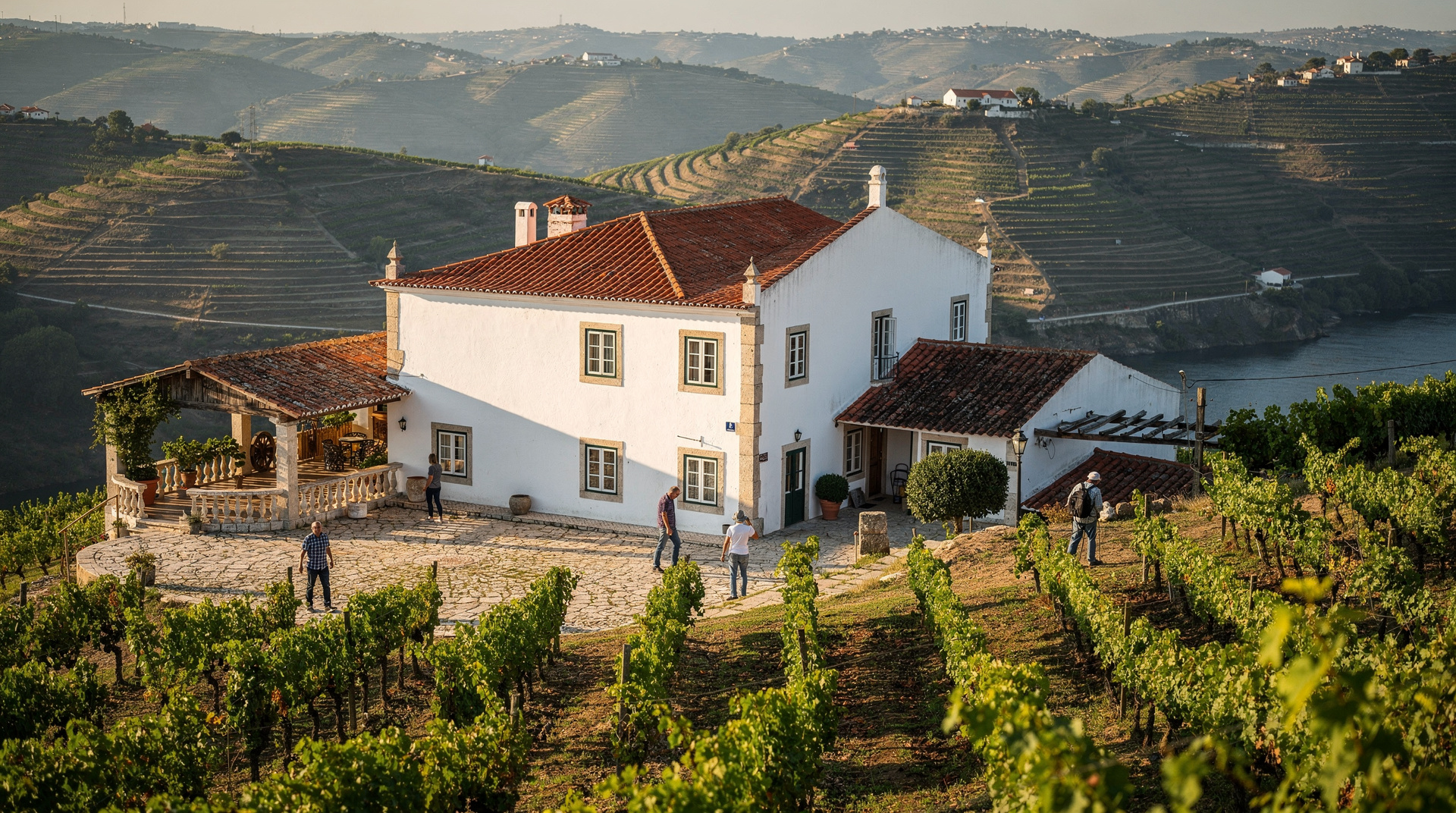
Amarante sits at the edge of the Douro wine region without being fully inside it, which gives visitors a genuine choice between two different tasting experiences depending on how much time is available.
| Option | What it involves | Best for |
|---|---|---|
| Amarante DOC wine bars | Vinho Verde by the glass in the town centre, no booking needed | A quick stop, budget-conscious visitors |
| Tâmega river wine and food tour | Boat trip plus a quinta visit and guided tastings | Visitors who want a slower, structured half-day |
| Continuing to the Douro proper | Full quinta tastings and cellar tours near Régua or Pinhão | Serious wine travellers with a full day to spend |
How to get to Amarante from Porto
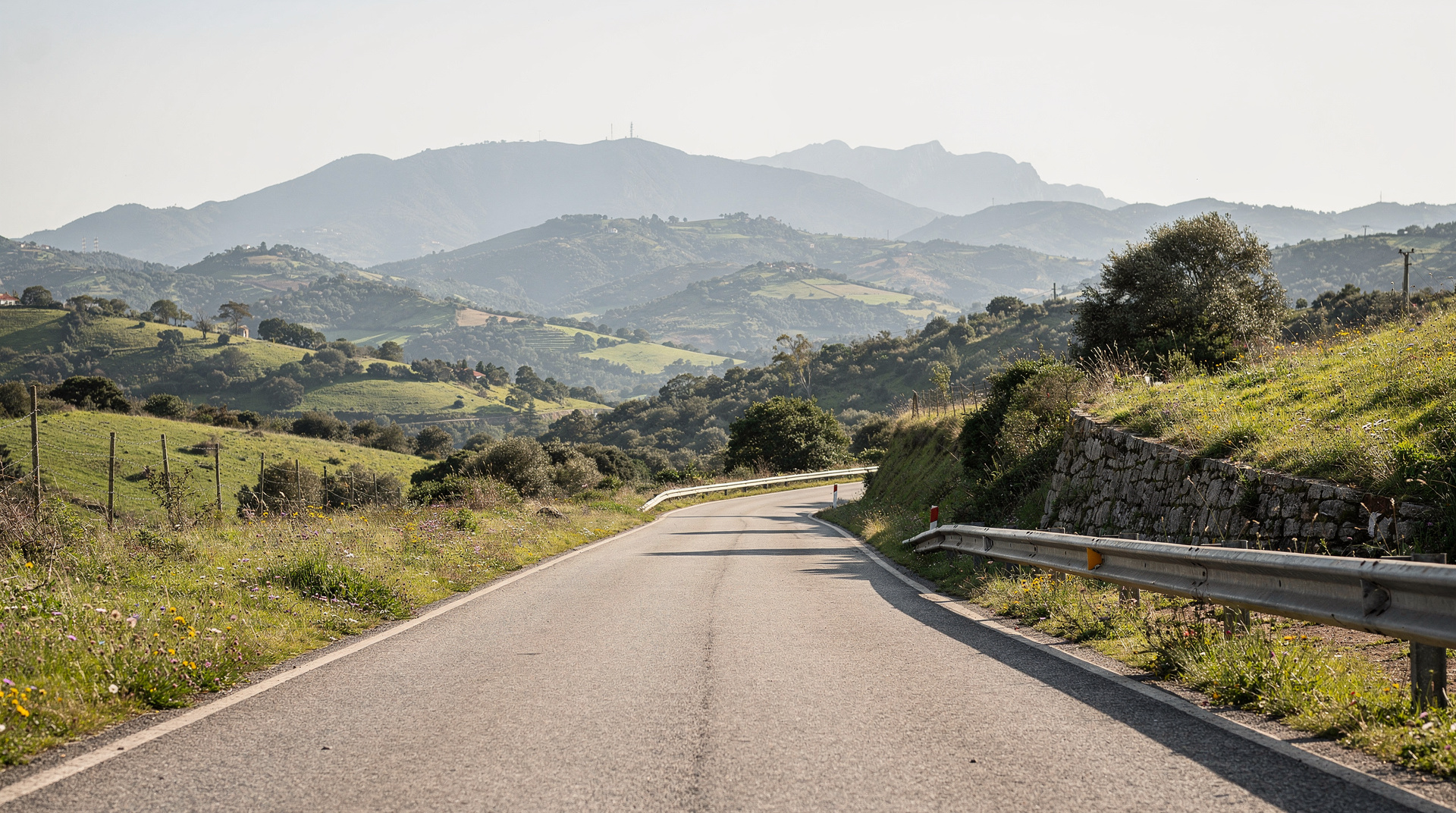
By car: The A4 motorway from Porto reaches Amarante in approximately one hour. Exit at Amarante Norte and follow signs to the historic centre. Parking is available along the riverside and in a small car park near the main bridge. The drive is unremarkable motorway until the last 10 kilometres, where the road descends through forested hills into the Tâmega valley.
By bus: Rede Expressos and some regional operators serve Amarante from Porto’s main bus terminal (Campo 24 de Agosto). Journey time is approximately 1 hour 15 minutes; fares around 6–8 € each way. There is no train service to Amarante.
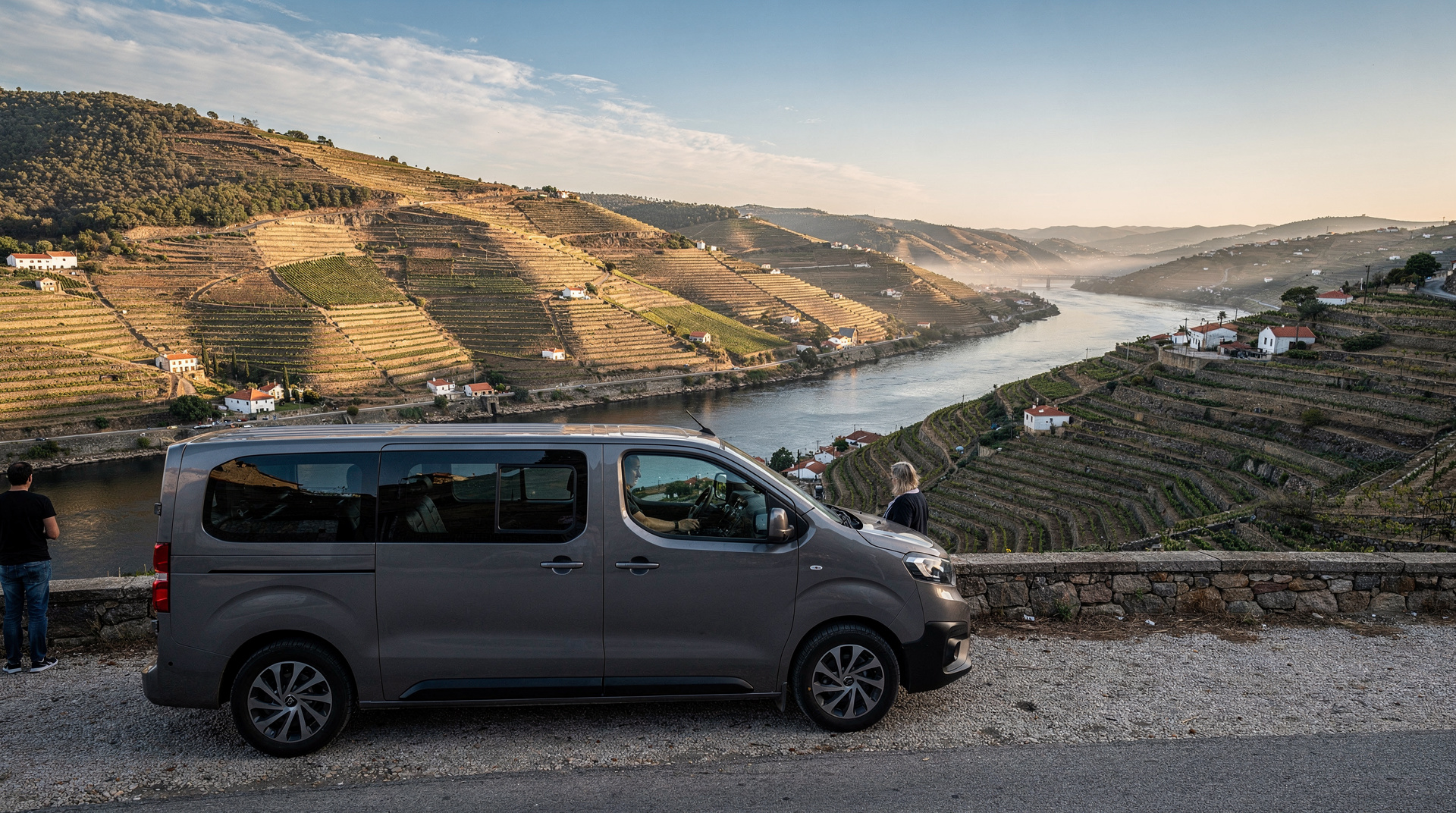
On an organised tour: Tours from Porto that combine Amarante with the Douro Valley are available and handle all transport. This is the practical choice for visitors without a car who want to combine Amarante with the Douro on a single day.
Where to eat in Amarante
Tasca do Carlos (near the main square) is a neighbourhood restaurant that exemplifies what Amarante does well: unpretentious cooking with local ingredients, regional wine at honest prices, no tourist-facing adjustments. Grilled meats, bacalhau in various preparations, and a daily soup. Budget 12–18 € per person for lunch.
Confeitaria da Ponte and other pastry shops around the square are the primary addresses for the Bolos de São Gonçalo and other local sweets. The toucinho do céu (almond and egg pastry) and arroz doce (rice pudding) are also made with care here — broader than the phallic pastries that get all the attention.
O Lusitano is a slightly more composed restaurant on the riverside, useful for a longer lunch with a Tâmega view. Regional menu, attentive service, around 20–30 € per person.
Best time to visit Amarante
Amarante is accessible and pleasant from April to October. The first weekend of June brings the Festa de São Gonçalo and the crowds that accompany it. September and October are quiet and the Tâmega light is good. July and August are fine but the town gets warmer than it looks, and the main square’s cafés fill with tour groups by midday.
Winter visits (November to March) are quiet and cool; the monastery and museum are open, most restaurants function normally. The riverside is atmospheric on overcast days when the grey granite and green river have a particular quality of light.
Practical tips
- Allow 2–3 hours for a focused visit: the bridge and convent, the museum, lunch or pastries. A full half-day (4 hours) is comfortable.
- The drive from Porto to Amarante then on to Régua or Pinhão makes a logical full-day itinerary with a car.
- The Museu Amadeo de Souza-Cardoso closes on Mondays.
- Parking near the centre is free along the riverside but limited; arrive before 10 am or after 3 pm for easier access.
- The Bolos de São Gonçalo are sold boxed and travel well; they are a better edible souvenir than most pastry.
Frequently asked questions about Amarante
Is Amarante worth visiting from Porto?
For a half-day stop, yes, particularly if you are driving to the Douro Valley via the A4 — Amarante is directly on the route. As a standalone destination requiring a bus journey and return, it is a pleasant outing but not essential if your time in Porto is limited to three days or fewer. The monastery, museum and riverside scenery are genuinely good rather than merely adequate.
What are the Bolos de São Gonçalo?
They are traditional pastries shaped as phalluses, sold in bakeries and pastry shops around the main square. The shape derives from the fertility legend associated with São Gonçalo, the town’s patron saint, and a tradition that single women would offer them to men they wanted to court. The recipes vary slightly between confeitarias but are based on egg yolk, sugar and almond meal — the texture is soft and the flavour is sweet without being cloying. They are sold year-round, not only during the June festival.
Does Amarante have a train station?
No. The CP Tâmega line, which previously served Amarante, closed in 2009 and has not been replaced by a rail alternative. Bus is the only public transport option from Porto. Visitors using public transport from Porto should allow about 2.5 hours total travel per direction (including waiting and transfer time) and plan accordingly.
Can Amarante be combined with the Douro Valley in one day?
Yes, by car. The standard combination is Porto → Amarante (stop: 2–3 hours) → Régua or Pinhão (afternoon quinta visit) → Porto, covering about 260 km total. This requires an early start (by 9 am) but is manageable without feeling rushed. Replacing one of the stops with a longer lunch at a quinta condenses the sightseeing but improves the food experience.
Can Amarante be combined with Braga or Guimarães instead of the Douro?
Yes, and it works well for visitors who prioritise Minho over Douro wine country. A one-day loop of Amarante, Braga and Guimarães is feasible by car with an early start, though each stop gets less time than a dedicated visit. A guided day tour covering all three is the easier option for visitors without a car, and it removes the need to plan the driving route between the Tâmega and Minho valleys yourself.
Top experiences
Bookable activities with verified prices and instant confirmation on GetYourGuide.