Ponte de Lima — Portugal's oldest town and a Vinho Verde pilgrimage
Honest guide to Ponte de Lima: the Roman bridge, Portugal's oldest market, Vinho Verde estates, the September romaria, and how to visit from Porto.
Ponte de Lima: Viana do Castelo Ponte de Lima Full Day from Porto
Quick facts
- From Porto
- ~1 h by car, ~1 h 40 min by bus
- Best for
- Roman bridge, biweekly market, Vinho Verde tourism, Feiras Novas
- Feiras Novas
- Second weekend of September
- Oldest town
- Title granted 1125 — Portugal's oldest municipality
- Currency
- Euro (€)
Portugal’s oldest municipality, still earning its title
Ponte de Lima occupies a bend in the Lima river in the green heart of the Alto Minho, about 80 kilometres north of Porto. Its claim to be Portugal’s oldest municipality dates to a charter granted by Queen Teresa in 1125, a claim accepted by historians and confirmed by the architecture, cobblestones and unhurried pace of the town. The Roman bridge — built in the 1st century AD and partially rebuilt over the following centuries — is still the primary way to cross the Lima on foot, and the view from its arches across the shallow river to the tree-lined banks is the image that defines the town in most visitors’ memories.
Ponte de Lima is not a full-day destination for most visitors. It works best as a half-day stop combined with Viana do Castelo (30 km north), or as a standalone Vinho Verde pilgrimage for visitors who want to experience the grape variety in the landscape that produces most of it. The biweekly market — one of Portugal’s oldest — animates the riverside on alternate Mondays. The Feiras Novas festival in the second weekend of September is one of Minho’s most authentic traditional celebrations.
What to be honest about: outside market days and the September festival, Ponte de Lima is extremely quiet. Some visitors find this restorative; others arrive expecting more activity and feel the town delivers less than its reputation suggests. Go with appropriate expectations and you will not be disappointed.
| Where | Alto Minho, ~80 km north of Porto |
| Time needed | Half-day (add the market or Feiras Novas for more) |
| Getting there | ~1 h by car, ~1 h 40 min by bus from Porto |
| Cost | Free to walk; quinta tastings around €8–15 |
| Best time | Second weekend of September (Feiras Novas) or April–June |
What to do in Ponte de Lima
The Roman bridge and riverside
The bridge that gives Ponte de Lima its name is a composite structure: the original Roman construction dates to the 1st century AD, rebuilt and extended in the 14th century and again in subsequent periods. It is 300 metres long and crosses the Lima in a series of low arches. The approach from the main square along the riverside promenade gives you the classic view. Walking across the bridge takes five minutes; the view back toward the town — medieval walls, the tower of the church of Santo António, and the avenue of old trees along the bank — is one of the most composed townscapes in northern Portugal.
The Lima is shallow and clear here, and in summer locals wade across or swim in the wider sections upstream. The riverbanks on both sides are planted with ancient plane trees (Passeio dos Plátanos) that create a green arcade along the water.
The biweekly market
Ponte de Lima’s market, held on alternate Mondays, is one of Portugal’s oldest regular markets — records of its operation date to the medieval period. The market spreads along the riverside and into the Praça da República, covering agricultural produce, textiles, household goods and — the section most relevant to visitors — regional food products including local cheeses, smoked meats, honey and Vinho Verde from nearby quintas. The scale is genuine rather than picturesque: this is a functioning agricultural market, not a tourist craft market. If your visit coincides with a market Monday (check the calendar before you go), arriving before 10 am gives the best experience.
Vinho Verde quintas
Ponte de Lima and the surrounding Alto Minho are at the heart of Portugal’s Vinho Verde appellation — arguably the most important Vinho Verde sub-region for quality-focused producers. Several quintas near the town offer visits and tastings, usually by appointment. Quinta de Crasto (near the town) and Solar dos Bouças are among the smaller family producers; Quinta da Lixa and Quinta de Melgaço operate slightly larger visitor operations. Tastings typically cost 8–15 € per person.
The Vinho Verde at source — still slightly effervescent, lower in alcohol than most table wines (typically 8–11%), and genuinely refreshing in warm weather — is worth comparing against the bottled export versions you have likely tried elsewhere. The difference in freshness is not subtle. A full-day tour from Porto covering both Viana do Castelo and Ponte de Lima includes a quinta visit with Vinho Verde tasting as part of the programme.
The historic centre and churches
The historic centre is compact: the Praça da República (main square with a Gothic pelourinho/pillory), the Igreja Matriz (parish church with Romanesque origins and a 17th-century carved portal), and several medieval towers from the 14th-century walls. The Museu dos Terceiros (inside the 17th-century Convento dos Terceiros adjacent to the church) holds a collection of religious sculpture and azulejo tiles; entry around 3 €.
The town’s Torre da Cadeia Velha (the old prison tower, now a cultural venue) on the riverside is one of the better-preserved medieval structures and can be entered for a small fee. The views from the top over the Lima bend are worth the 10-minute detour.
Feiras Novas
The Feiras Novas (New Fairs), held during the second weekend of September, is one of northern Portugal’s most traditional festivals: an agricultural fair with origins in 1826 that has accumulated centuries of added ceremony. The programme includes the procession of the Mordomo (a civic and religious procession), folk music groups, a military band parade and — the most photographed element — the decoration of the town’s streets with coloured sawdust designs that are created overnight and walked over by the procession the next morning. The festival has a local, community character that distinguishes it from more tourist-facing events. Book accommodation several months in advance for this weekend.
Ponte de Lima vs Viana do Castelo: which one first
Both are Minho day trips reachable in about an hour from Porto, and both are commonly combined into one day. If you can only manage one, here’s the honest split:
| Ponte de Lima | Viana do Castelo | |
|---|---|---|
| Character | Small riverside town, Roman bridge, market | Coastal city, basilica, bigger and busier |
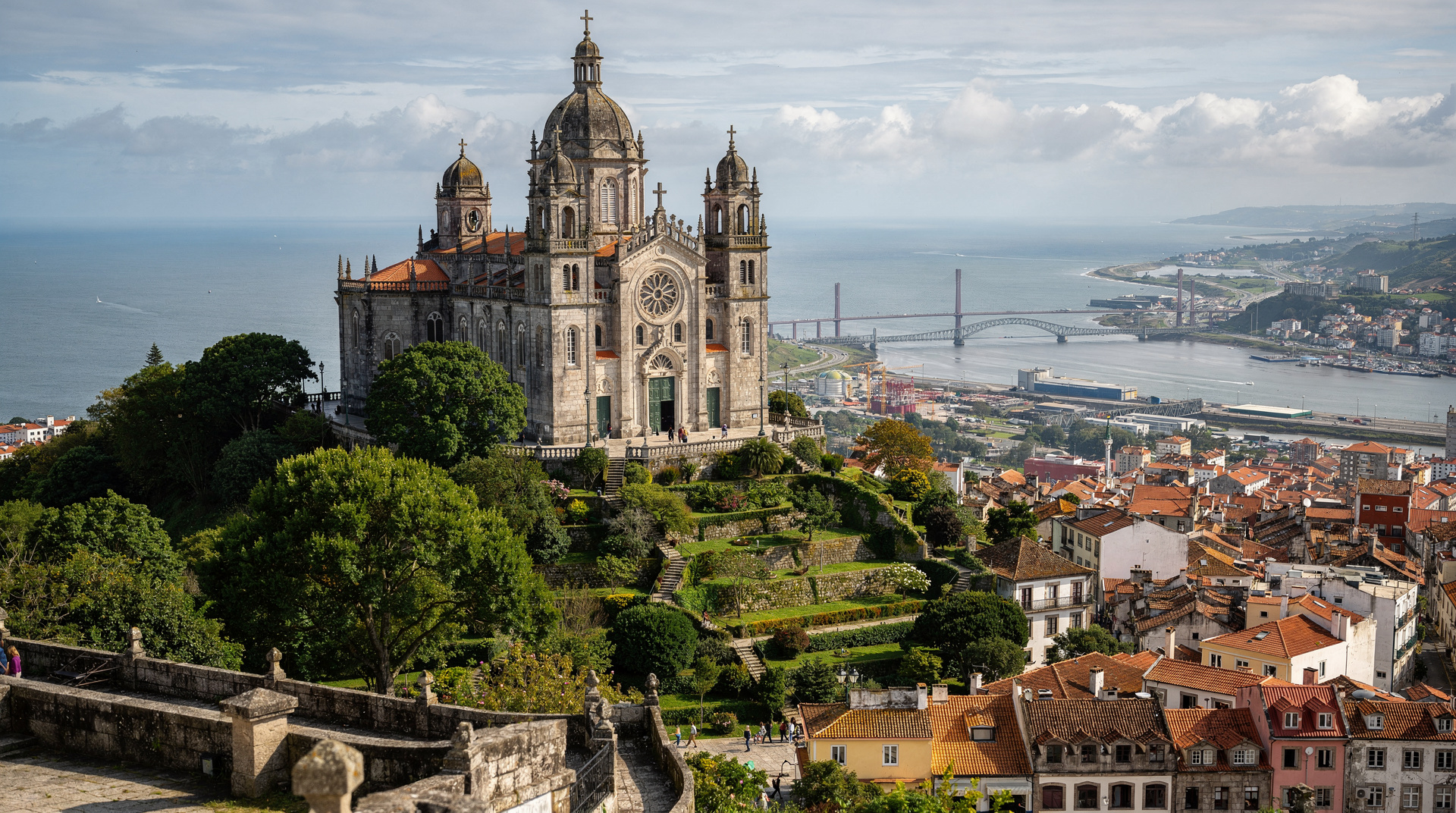
| Best single reason | Feiras Novas (September) or the Monday market | Santa Luzia basilica view, coastal air |
| Time needed | Half-day | Full day |
| Public transport | Limited bus service | Regular train from Porto Campanhã |
Our Viana do Castelo guide covers that city in full, and the Viana do Castelo day trip guide has route planning for combining the two by car — the standard pairing is Viana in the morning, Ponte de Lima in the afternoon, since the N202 connects them in about 30 minutes.
For visitors building a longer Minho loop, Braga and Gerês National Park sit within an hour of Ponte de Lima and extend the region beyond a single day. The northern Portugal 7-day itinerary strings the whole region together, and the best day trips from Porto guide ranks Ponte de Lima against every other realistic option.
How to get to Ponte de Lima from Porto
By car: The A28 north from Porto to Viana do Castelo, then the N202 inland to Ponte de Lima, takes approximately 1 hour in light traffic. This is the most practical approach for a combined Viana-Ponte de Lima day.
By bus: Rede Expressos serves Ponte de Lima from Porto’s main bus terminal (Campo 24 de Agosto), with journey times of approximately 1 hour 40 minutes. Frequency is limited — check the timetable before depending on bus connections, as there may be only two to three services per day.
By organised tour: A private tour combining Viana do Castelo and Ponte de Lima from Porto solves the transport logistics and works well for visitors without a hire car. The combined format makes sense given the proximity of the two towns.
Where to stay in Ponte de Lima
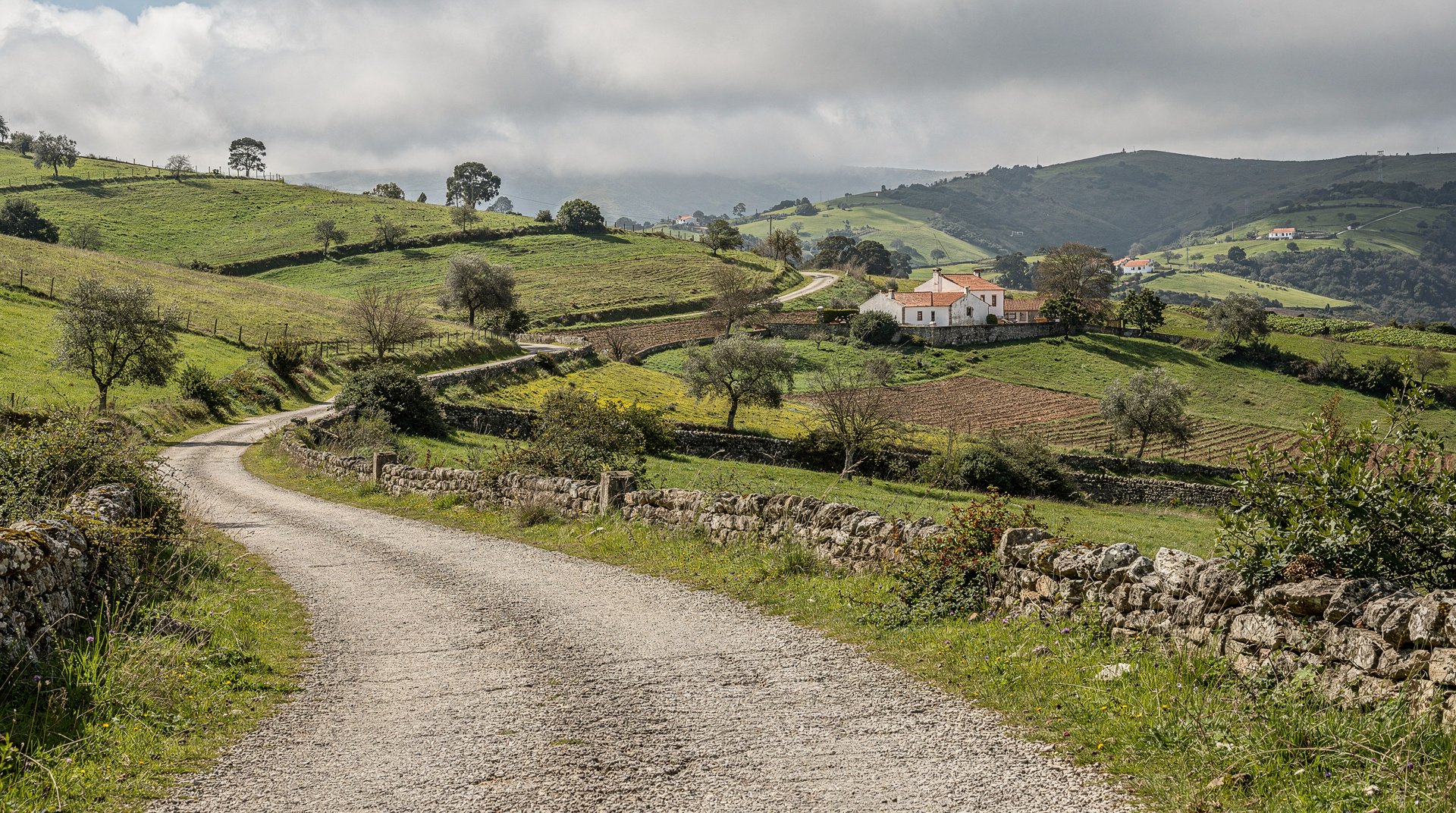
Ponte de Lima has a concentration of solar (country manor house) accommodation in the surrounding countryside that is some of the best agri-tourism in Portugal.
Casa de Pomarchão and Casa de Outeiro are characteristic examples: restored stone manor houses with formal gardens, pools and rooms furnished with antiques. Rates typically 80–140 € per night. Hotel Império do Norte (central, modern) offers practical accommodation at 50–70 € per night for visitors who prefer a hotel to a country house.
Getting around once you’re there
Ponte de Lima’s historic centre is small enough to cover entirely on foot — the Praça da República, the Roman bridge and the riverside promenade are all within a five-minute walk of each other. Parking near the centre is free and generally easy to find outside market Mondays and the Feiras Novas weekend, when the town fills and street parking becomes scarce. A car is genuinely useful here for reaching the outlying Vinho Verde quintas, most of which sit 5–15 km outside the town itself and are impractical without one.
Where to eat in Ponte de Lima
Taberna do Valentim (near the main square) is consistently recommended by locals: Minho cooking based on fresh river fish, regional pork and veal from the surrounding farms. The arroz de pato (duck rice, crispy on top) is the dish to order. Budget 15–22 € per person.
Mercearia Castro combines a delicatessen with a wine bar, serving platters of local cheeses and charcuterie with glasses of Vinho Verde from producers within 30 kilometres. The best spot for a light lunch or a pre-dinner drink.
The market stalls (on market Mondays) sell grilled chouriço (sausage) and bifanas (pork sandwiches) for 3–5 €, alongside fruit and vegetables from local farms.
Best time to visit Ponte de Lima
Second weekend of September for the Feiras Novas festival — the most compelling specific reason to visit.
April to June for mild weather, green countryside at its most intense, and the Vinho Verde estates accessible without competition. The market operates year-round.
July and August are warm and pleasant; the Lima is swimmable, the riverside terrace cafés are open late, and the town is at its most animated with domestic summer visitors.
November to March: Very quiet. Some restaurants reduce hours outside weekends. The Vinho Verde quintas are less likely to offer informal visits outside the growing season.
Practical tips
- The biweekly market falls on alternate Mondays; verify the next market date via the town’s official website or tourist office before planning your visit around it.
- Market days bring significantly more visitors; arrive early and expect the town centre to be busier than usual.
- Quinta visits in the area almost always require pre-booking by phone or email; walking in without an appointment is not reliable outside the main tourist season.
- The Feiras Novas accommodation situation is genuine — the town has limited rooms and demand spikes dramatically for that one weekend. Two or three months advance booking is the minimum.
- Ponte de Lima is 30 km south of Viana do Castelo by the N202; combining both in a day by car is natural and manageable.
Frequently asked questions about Ponte de Lima
What makes Ponte de Lima Portugal’s oldest municipality?
The town received a municipal charter (foral) from Queen Teresa (mother of Portugal’s first king, Afonso Henriques) in 1125, making it the first formally constituted municipality in what would become the Portuguese nation. The title is administrative-historical rather than reflecting the oldest settlement in Portugal — there are older inhabited sites — but the continuity of the charter and its municipal identity is genuine. The pelourinho (pillory) in the main square is a symbol of this medieval municipal authority.
Is Ponte de Lima really worth a visit if I’m not interested in wine?
The Roman bridge, the riverside setting and the historic centre are enjoyable regardless of wine interest. The market (on Mondays) adds a layer of real local life. The Feiras Novas in September is compelling for visitors interested in traditional folk culture. If your interests are purely urban and contemporary rather than historical and rural, Ponte de Lima may feel too quiet; the experience is calmer and more domestic than urban day trips.
How is the Vinho Verde here different from what I buy at home?
Most exported Vinho Verde is made for international palates: slightly sweeter, higher carbonation, and often from the Alvarinho or Loureiro varieties blended for consistency. Local Ponte de Lima Vinho Verde — particularly from smaller estates — tends to be drier, lower in carbonation, and with a more pronounced mineral character from the granite soils. The alcohol is typically lower (sometimes 8.5–9%) and the wine is meant to be consumed young. A tasting at a quinta within 20 km of the town gives you the reference point against which the supermarket version should be judged. Our Vinho Verde guide covers the wider appellation and how the Ponte de Lima sub-region compares to Monção, Melgaço and the coastal producers.
What is the Feiras Novas festival like for an outside visitor?
It is one of the more inclusive Portuguese festivals — genuinely local in character without being exclusionary to visitors. The procession and folk music are public events that any visitor can watch freely. The sawdust carpet decorations (created the night before the procession) are an extraordinary piece of communal art that disappears within hours of completion. The general atmosphere is festive without being aggressively commercial. Braga’s or Porto’s São João are larger; the Feiras Novas is more intimate and more rooted in a specific local tradition.
Top experiences
Bookable activities with verified prices and instant confirmation on GetYourGuide.