Vinho verde guide — what it is, where to taste it near Porto
Sabrosa: Excursao Ao Vale do Douro Com Trem e Vinho Verde
What is vinho verde and where can I taste it near Porto?
Vinho verde is Portugal's young white wine from the Minho region, characterised by light body, high acidity, slight effervescence and 9-11% alcohol. The best examples use Alvarinho, Loureiro or Avesso grapes and taste nothing like the cheap supermarket version most people know. Porto wine bars and the Minho quintas are the best places to understand the quality range.
The wine you thought you knew
Most visitors to Portugal have encountered vinho verde before — the light, slightly sweet, slightly fizzy white wine in the distinctively shaped green bottle that appears in supermarkets across Europe. What they’ve encountered is not representative of what the category can actually produce.
The best vinho verde from the Minho region north of Porto — made from single grape varieties on estate vineyards, with serious winemaking behind them — is a genuinely complex and distinctive wine with one of the strongest regional identities in Portugal. The gap between a supermarket carafe wine and a single-quinta Alvarinho from Monção is as wide as the gap between generic supermarket rosé and a Burgundy village wine.
This guide is about the upper end of that gap, and where to experience it without leaving Porto.
| What | young, light, high-acid white wine (also rosé and red) from the Minho, DOC-protected |
| Cost | around 3–7 € by the glass, 12–25 € for a quality estate bottle |
| Where to taste | Porto wine bars (Cedofeita, Bonfim) or Minho quintas near Braga |
| Alcohol | typically 9–12%, lighter than most European whites |
| Best paired with | grilled fish, shellfish, bacalhau, petiscos |
What vinho verde actually is
Vinho verde is a DOC (Denominação de Origem Controlada) wine region covering most of the Minho province in northwestern Portugal — the green, rainy, Atlantic-influenced area between Porto and the Spanish border. The name means “green wine” but refers to the youth of the wine (intended to be drunk young) rather than the colour — though the verdant landscape and the green glass bottles reinforce the association.
The defining characteristics of vinho verde are:
High natural acidity: The cool, wet Minho climate produces grapes with significant natural acidity that is not corrected in the winery. This gives the wines freshness and food-friendliness.
Light body: Most vinho verde is 9-12% alcohol, considerably lighter than the 13-14% common in Douro whites or Alentejo wines. The lower alcohol makes for a wine that can be drunk across a long lunch without the same effect as heavier wines.
Slight effervescence: Traditional vinho verde had a natural slight sparkle from fermentation CO2 retained in the wine. Most modern producers add a small amount of CO2 to preserve this characteristic. The bubbles are subtle — more pétillant than sparkling wine, less than prosecco.
Intended to be drunk young: Most vinho verde is best within 1-2 years of the vintage, while the aromatics are fresh. The exception is high-quality Alvarinho, which can age for 5-10 years in good vintages.
The grape varieties — what to look for on a label
Alvarinho
The prestige grape of the vinho verde DOC, grown primarily in the Monção and Melgaço sub-region near the Spanish border (where it is called Albariño). Alvarinho produces wines of considerably more weight and complexity than other vinho verde grapes — aromatic, with ripe peach, apricot and citrus character, minerality from the granite soils, and the capacity to age.
The best Alvarinho producers (Soalheiro, Anselmo Mendes, Quinta de Santiago) make wines that are benchmarks not just within vinho verde but within Portuguese white wine overall. When you see “Alvarinho” on a vinho verde label rather than simply “Vinho Verde,” you are looking at a potentially serious wine.
Price indicator: 12-25 € per bottle at retail; 6-12 € by the glass at wine bars.
Loureiro
The most planted vinho verde variety in volume, producing lighter, more delicate wines than Alvarinho — floral (jasmine, blossom), with fresh lime and herb notes. Loureiro-based wines are the most classically “light” expression of vinho verde and pair brilliantly with shellfish, clams, and light fish dishes.
Price indicator: 8-16 € per bottle; 3-6 € by the glass.
Avesso
An underrated variety from the Lima and Paiva river valleys, producing wines that sit between Alvarinho and Loureiro in weight and complexity. Avesso tends toward citrus and mineral notes, sometimes with an unusual texture for vinho verde — richer and slightly rounder. The producers working with Avesso (notably around the Baião area) are making some of the most interesting wines in the DOC.
Blended vinho verde (the category to understand)
Most entry-level vinho verde is a blend of multiple permitted varieties — often Loureiro, Trajadura and Pedernã — blended by large cooperatives and made for freshness and commercial consistency. This is the supermarket version, and it is not bad for what it is: a light, reliable, inexpensive wine suited for casual lunches and aperitifs. It is simply not the best expression of what the region can do.
The main grape varieties compared
| Variety | Character | Price (bottle) | Best for |
|---|---|---|---|
| Alvarinho | Weighty, stone fruit, mineral, ages well | 12–25 € | Serious wine drinkers, richer seafood |
| Loureiro | Light, floral, citrus | 8–16 € | Shellfish, casual lunches |
| Avesso | Between the two, rounder texture | around 10–18 € | Curious drinkers wanting something different |
| Blended (entry-level) | Light, fizzy, neutral | 3–8 € | Aperitifs, everyday tascas |
Where to taste vinho verde in and near Porto
Porto wine bars
The most accessible way to taste across the vinho verde quality range in Porto is at the city’s better wine bars, where a by-the-glass list will typically include 3-5 vinho verde options spanning the basic to the estate level.
Look for wine bars in Cedofeita and Bonfim that focus on Portuguese wines — these tend to have the most considered selections and staff who can guide you through the differences between a Loureiro and an Alvarinho without making you feel foolish. The natural wine bars that have appeared in these neighbourhoods over the past five years include vinho verde alongside more experimental selections.
The Porto wine tasting and tapas experience includes vinho verde as part of a broader Portuguese wine overview — a good starting point if you want structured guidance across multiple styles before exploring independently.
The Minho wine region
The vinho verde DOC covers most of the Minho province north of Porto. A day trip into the Minho combines historic towns with wine estates, and Braga and Guimarães — both accessible from Porto — are natural centres for both tourism and wine.
The Douro train and vinho verde day trip takes a different approach — combining the Douro Valley railway journey with a stop focused on vinho verde rather than port wine, giving you context for how the two wine regions relate geographically.
Quinta da Aveleda (near Penafiel, approximately 40 minutes from Porto by car) is the most visitor-adapted vinho verde estate in the region, with a historic garden, guided cellar visits, and tastings of their commercial and estate range. The Aveleda Follies wine is one of the benchmark accessible Loureiro blends; their Charamba (Avesso) is more serious.
Quinta de Soalheiro (Monção, approximately 1.5 hours north of Porto) is the most respected Alvarinho producer in Portugal. Visits by appointment; the wines are distributed internationally and worth seeking out at a Porto wine bar before making the journey north.
Braga for vinho verde context
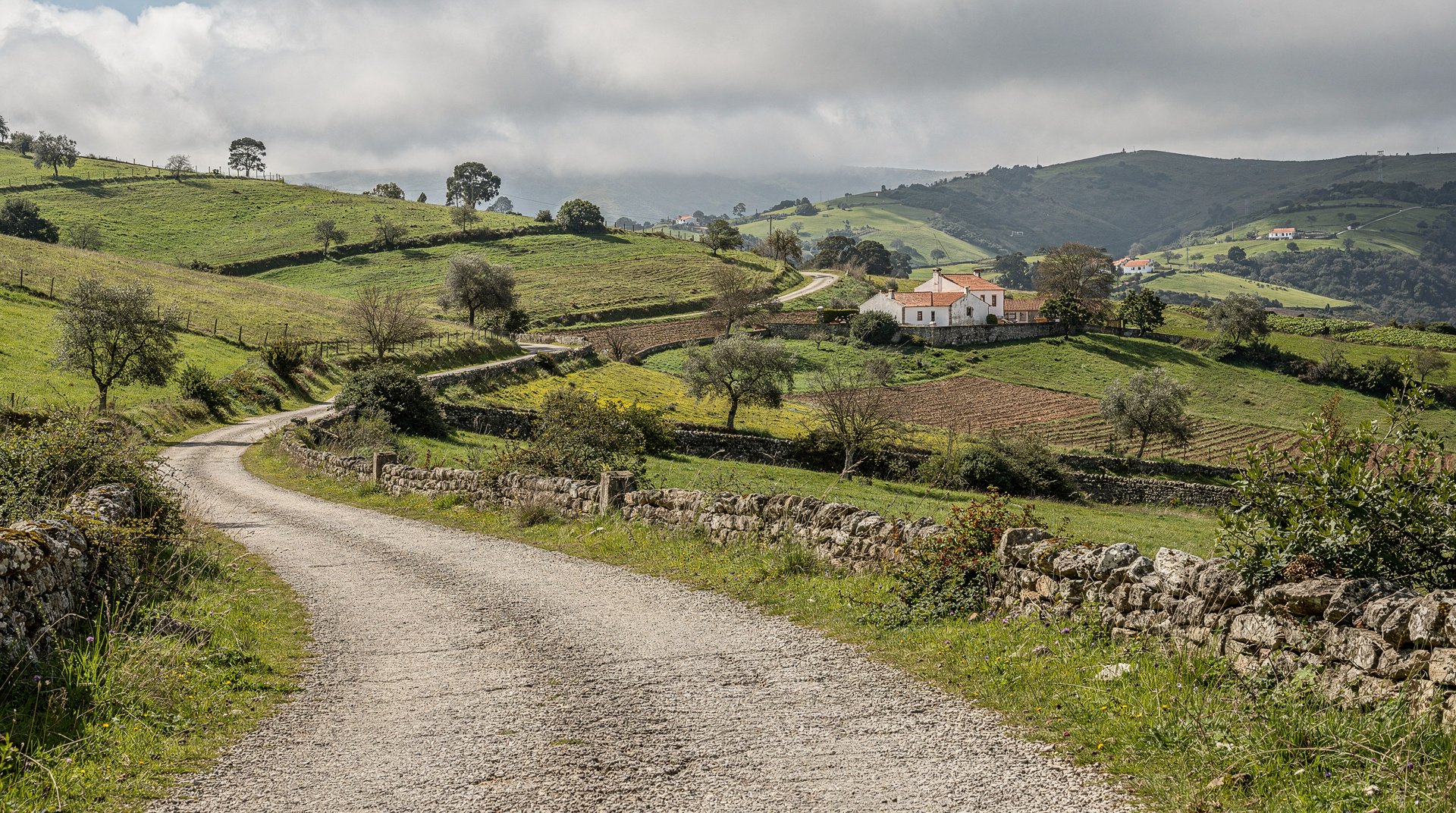
Braga — one hour from Porto by train (approximately 3-4 € for a regional service) — is the main city of the Minho wine region and a logical base for vinho verde exploration. The city itself has several wine bars that focus on Minho producers, and the surrounding countryside is planted with the high pergola-trained vines (ramadas) that are characteristic of vinho verde viticulture — trained high off the ground to avoid the damp, leaving space beneath for other crops.
The sight of ramada-trained vines heavy with grapes in late September along the roads between Braga and Viana do Castelo is one of the most characteristic images of northern Portugal.
A short vinho verde vocabulary
A handful of terms make reading a menu or a label far easier. Verde here means “young,” not the colour of the wine. Quinta on a label signals a single-estate wine, generally a step up from a cooperative blend. Espumante occasionally appears alongside vinho verde on wine lists — a fully sparkling Portuguese wine, distinct from the natural light fizz of vinho verde itself and not the same category. Ramada or enforcado refers to the traditional high-trellis vine training seen across the Minho countryside, which keeps grapes off the damp ground. Jarro is simply “jug” — the standard way house vinho verde arrives at a tasca, and a perfectly reasonable way to drink it. Knowing these five words is usually enough to order with confidence anywhere in the region.
How vinho verde is made — and why the method matters
The vinho verde DOC permits a range of winemaking approaches, from the cooperative bulk production that generates the supermarket category to precision estate winemaking with whole-bunch pressing, temperature-controlled fermentation and extended lees aging.
The key visual indicator of method on a label:
“Quinta”: A single estate wine, with grapes from one producer’s vines rather than bought from multiple suppliers. Not a guarantee of quality, but a meaningful indicator of accountability.
Grape variety named: Alvarinho, Loureiro or Avesso on the label means the wine is primarily or entirely that variety rather than a multi-variety blend. Varietal wines tend to have more character.
Sub-region named: Monção e Melgaço (for Alvarinho), Lima, Cávado or other sub-regions on the label indicates a geographically specific origin with distinct characteristics.
Vintage year: All serious vinho verde shows a vintage year. Non-vintage vinho verde is typically cooperative-blended wine designed for early consumption without vintage variation.
Ordering vinho verde in Porto restaurants
At a traditional tasca, vinho verde arrives by the jug (jarro) — ask for “vinho verde da casa” or simply “um jarro de branco” (a jug of white). This is the cooperative-level wine, always cold, refreshing rather than complex, and appropriate for the setting. Price: 3-6 € for 50cl.
At a wine-focused restaurant, ask for the wine list specifically to see the estate options. A question — “tem algum vinho verde de quinta?” (do you have any estate vinho verde?) — will quickly reveal whether the restaurant has invested in the category.
At a wine bar, the by-the-glass selection is the most efficient way to compare styles. A comparison between a Loureiro (lighter, more floral) and an Alvarinho (more weight and fruit) over the course of a meal is the most direct way to understand the category.
Staff at Porto’s better wine bars are generally happy to pour small tasting samples before you commit to a full glass, particularly on a quieter afternoon — it is worth asking directly rather than assuming it isn’t offered, since it rarely appears on a printed menu.
Pairing vinho verde with Porto food
The canonical pairing is vinho verde with grilled fish — specifically the charcoal-grilled robalo and dourada of Matosinhos fish restaurants, where a jug of cold local vinho verde is as automatic as the bread basket. The pairing works because the wine’s acidity cuts through the oil of the fish and the char of the grill without competing with the food’s simplicity.
Beyond seafood, vinho verde pairs naturally with:
- Petiscos — particularly shellfish, pataniscas, and lighter preparations
- Bacalhau (salt cod) in most preparations except the richest cream-based versions
- Light summer meals across the board
It pairs poorly with heavy red meat, aged cheeses, and the richest preparations (bacalhau com natas, tripas) where the wine’s lightness is overwhelmed. For heavier food, a Douro white or red is more appropriate.
Buying vinho verde to take home
Vinho verde is one of the most travel-friendly Portuguese wines to bring back, since it is designed to be drunk young — there is no cellaring concern the way there is with vintage port. Soalheiro’s Alvarinho and other Monção estate bottles are the best gift-quality choice; they are distinctive, age-worthy for a few years, and rarely found outside specialist wine shops abroad. Estate Loureiro bottles are lighter but travel just as well and are usually cheaper, making them a good case-buy if you are bringing home six or twelve bottles rather than one or two. Avoid buying the basic green-bottle supermarket style as a gift — it is cheap and available in most countries already, so it doesn’t showcase what the region can do.
Porto’s wine shops in Baixa and Cedofeita generally stock a wider range of quintas than supermarkets, and staff can usually vacuum-pack bottles for checked luggage on request — worth asking for, since vinho verde’s slight effervescence means a badly packed bottle is a real leak risk in a suitcase.
Vinho verde and port wine — understanding the two wine cultures of Porto
The port wine culture of Vila Nova de Gaia and the vinho verde culture of the Minho represent the two dominant wine identities of northwestern Portugal. Port is fortified, sweet, amber or ruby, aged for years or decades, and made from Douro Valley grapes in extreme conditions. Vinho verde is unfortified, dry, pale, young, and made in the cool, green Minho.
Understanding both gives you a complete picture of what wine means in this part of Portugal. The port wine tasting guide for beginners and the best port wine cellars guide cover the port side in detail. This guide covers the vinho verde side — the everyday wine of the region, which turns out to be anything but ordinary when made well.
Frequently asked questions about vinho verde
What does vinho verde taste like?
Basic supermarket vinho verde is light, slightly fizzy and slightly sweet. Quality single-quinta versions are dry, aromatic, with high acidity and subtle CO2 effervescence — Alvarinho has stone fruit and mineral character; Loureiro has citrus and floral notes.
What is the difference between Alvarinho and Loureiro vinho verde?
Alvarinho (from Monção and Melgaço) produces heavier, more complex wines with stone fruit character and aging potential. Loureiro is lighter and more floral, the most planted variety overall. Both are significant improvements on generic blended vinho verde.
Is vinho verde only white?
No — there are rosé and red versions. The red (tinto) is very dark, high-acid and tannic, drunk chilled. Unusual and worth trying; not for everyone.
How much does vinho verde cost in Porto?
By the glass: 3-7 € at wine bars. By the bottle at a restaurant: 12-25 € for a quality estate bottle. By the jug at a tasca: 3-6 € for 75cl.
How does vinho verde pair with Porto food?
Perfectly with grilled fish, shellfish, bacalhau and petiscos. Its high acidity and lightness make it one of the most food-friendly wines in European cuisine.
Which Minho quintas can I visit for vinho verde?
Quinta da Aveleda (40 minutes from Porto) is the most accessible for visitors. Quinta de Soalheiro (Monção, 1.5 hours) is the Alvarinho benchmark by appointment.
Frequently asked questions — Vinho verde guide — what it is, where to taste it near Porto
What does vinho verde taste like?
The basic entry-level vinho verde — sold in green bottles from supermarkets — is light, slightly fizzy, slightly sweet and neutral in flavour. It is not representative of the category. Quality vinho verde from a single quinta (estate) using Alvarinho, Loureiro or Avesso grapes is a different wine: dry, intensely aromatic, with high natural acidity, a characteristic slight spritz from natural CO2, and flavours ranging from citrus and green herbs (Loureiro) to stone fruit and mineral intensity (Alvarinho). Alcohol is typically 9-12%, making it notably lighter than most European whites.What is the difference between Alvarinho and Loureiro vinho verde?
Alvarinho (known as Albariño in Galicia, Spain) is grown primarily in the sub-region of Monção and Melgaço, near the Spanish border. It produces wines of considerable weight and complexity for vinho verde — aromatic, with stone fruit and mineral character, and more age-worthy than most vinho verde. Loureiro is the most planted vinho verde grape variety overall, producing lighter, more delicate wines with floral and citrus notes. Avesso, from the Lima and Paiva river valleys, sits between the two in terms of weight and complexity.Is vinho verde only white?
No — vinho verde is a DOC (Denominação de Origem Controlada) that includes white, rosé and red wines. The red vinho verde (vinho verde tinto) is made from indigenous grape varieties including Vinhão and Espadeiro, and is a distinctive wine: dark ruby almost to black, with very high tannin and acidity and very low alcohol. It is drunk chilled (unlike most reds) and is extremely food-specific — it works well with the fatty, rich dishes of Minho cuisine (roast pork, caldo verde) and poorly with almost everything else. Worth trying once; an acquired taste.How much does vinho verde cost in Porto?
By the glass at a Porto wine bar: 3-7 € depending on the producer and whether it is a table wine or an estate single-quinta expression. By the bottle at a restaurant: 12-25 € for a quality estate bottle. By the jug (jarro) at a traditional tasca: 3-6 € for 75cl — the carafe version is made from basic cooperative wine and is reliably refreshing rather than complex.Which Minho quintas can I visit for vinho verde?
The Minho region north of Porto has several quintas open for visits and tastings. Quinta da Aveleda (near Penafiel, 40 minutes from Porto) is the most visitor-adapted and produces a large commercial range. Quinta de Soalheiro (Monção) specialises in Alvarinho and is considered one of the benchmark producers. Casa de Mateus (near Vila Real) is an architectural monument with a wine estate. Day trips from Porto to the Minho wine region require a car for flexibility, though some tours include transport.How does vinho verde pair with Porto food?
Vinho verde's high acidity and lightness make it one of the most food-friendly wines in European cuisine. It pairs naturally with seafood (the classic match — grilled fish in Matosinhos is almost always accompanied by vinho verde), bacalhau preparations, petiscos and shellfish. The slight effervescence and lower alcohol make it suitable for long lunches in warm weather.
Top experiences
Bookable activities with verified prices and instant confirmation on GetYourGuide.